

Introduction
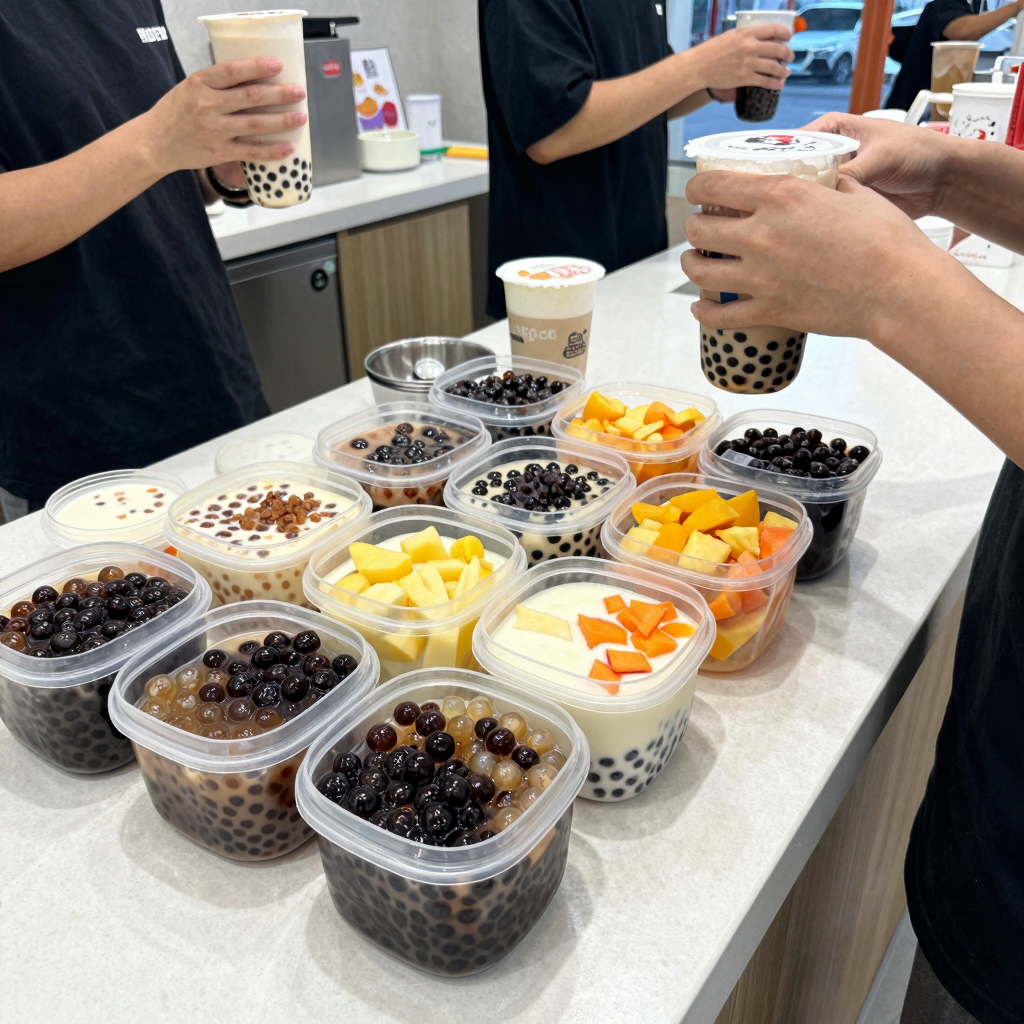
In the bustling world of food service, small plastic food containers often go unnoticed, yet they play a crucial role in the food industry, particularly for bubble tea shops and catering services. These little heroes not only enhance the aesthetic appeal of your offerings but are essential for maintaining the freshness and quality of your products. Whether it’s perfectly portioned toppings for bubble tea or snacks for catered events, these containers provide the practicality needed to serve customers efficiently.
With their versatile designs, they cater to the unique needs of beverage chains, food trucks, and event planners, allowing for seamless service and preservation of flavors. Choosing the right containers ensures your creations are not just served with care but also stay delicious and enticing. Embrace the importance of these small yet mighty solutions as you elevate your food presentation and enhance customer satisfaction. To explore solutions that fit your needs, check out our customizable packaging options and discover how we can support your culinary vision!
Benefits of Using Small Plastic Food Containers
Small plastic food containers are essential in the food industry, offering numerous advantages for businesses like bubble tea shops, restaurants, catering services, and more. Here are the key benefits:
- Convenience: These containers are lightweight and stackable, making them ideal for storage in compact spaces. They are perfect for portion control and meal prep, allowing quick access to food items during busy service hours.
- Food Safety: When used correctly, small plastic food containers provide a safe way to store food. Many are designed to be leak-resistant and prevent contamination. Always choose food-grade plastics to ensure safety. Learn more about food safety guidelines.
- Cost-Effectiveness: They are often less expensive than alternatives like glass or metal containers, providing an economical solution for businesses of all sizes. Reusable options help reduce costs over time.
- Customization Options: Many suppliers offer customizable containers, allowing brands to add logos or design themes, which can enhance brand recognition and marketing efforts during events and promotions. Explore customized packaging options.
- Eco-Friendliness: When reused and recycled properly, small plastic containers can contribute to waste reduction. Opting for recyclable plastics helps minimize environmental impact and aligns with sustainable practices in the food industry. Discover the environmental benefits of plastic containers.
- Versatility: They can be used for various applications, such as storing dry ingredients, packing snacks, and organizing condiments. Their versatility makes them a valuable tool for event planners and catering companies.
- Energy Efficiency: Compared to other materials such as glass, plastic containers require less energy for production and transport, making them a more environmentally friendly choice in food service.
Overall, small plastic food containers are a practical, versatile, and cost-effective solution for food service businesses looking to enhance efficiency and promote safety.
Hygiene and Safety Standards of Food Containers
Ensuring hygiene and safety standards for food containers is not just a regulatory necessity; it’s a crucial element in safeguarding public health and maintaining customer trust in the food industry. Regulations like the EU Regulation (EC) No 1935/2004 set forth stringent guidelines for food contact materials, which include small plastic containers used in restaurants, food trucks, and catering services. These rules require manufacturers to ensure their products are safe and inert, meaning they shouldn’t transfer harmful substances into food. Compliance with such regulations is documented through rigorous testing, which brings peace of mind to businesses relying on safe food packaging learn more about packaging regulations.
For small plastic food containers, specific certifications such as LFGB (Lebensmittel- und Geschirrverordnung) from Germany also play a fundamental role. This standard demands thorough testing for odor and taste transfer, migration of harmful substances like bisphenol A, and ensures that heavy metals are within safe limits. Brands that comply with these high safety benchmarks not only protect their customers from foodborne illness but also fortify their reputation in a competitive market, where consumers increasingly prioritize hygiene and safety discover more about LFGB certification.
By abiding by rigorous hygiene and safety standards, businesses can instill confidence in their clientele, ensuring that every bite is not only delicious but also safe. When customers know that your containers meet or exceed regulations, it fosters trust, promotes repeat business, and enhances brand loyalty. In a world where food safety concerns are prevalent, compliance is imperative for long-term success.
Comparison of Small Plastic Food Containers
When choosing small plastic food containers, it’s important to consider various attributes that affect usability, safety, and environmental impact. The table below provides a quick comparison between three popular types:
| Container Type | Size | Material | Suitable for Hot/Cold Foods | Eco-Friendly |
|---|---|---|---|---|
| Eco-friendly Plastic Box | 500ml | PET | Yes (up to 70°C) | Yes (recyclable) – Learn about sustainable packaging |
| PP Food Storage Container | 300ml | PP | Yes (up to 120°C) | Yes (recyclable) – Read more about eco-friendly containers |
| Silicone Wax Jar | 7ml | Silicone | Yes (safe for freezing) | Yes (biodegradable) |
The selection of any container should align with your specific business needs, whether it’s for storing bubble tea, salads, or other culinary delights. Choosing the right container not only ensures food safety but also supports sustainable practices.
Cost Efficiency of Disposable Solutions: Small Plastic Food Containers
In the fast-paced world of food service, cost efficiency is a critical concern. Small plastic food containers provide significant savings for businesses like food trucks and catering services through various factors including bulk purchasing, reduced waste, and minimized food spoilage.
Bulk Purchasing Benefits
Bulk purchasing is one of the most effective strategies to reduce costs. When food businesses buy small plastic food containers in larger quantities, they can access substantial discounts, often saving between 30%-50% compared to retail prices. This type of aggregated buying can lead to a considerable reduction in overall supply costs, which is vital for businesses focused on profit margins. For instance, according to FoodService Warehouse, businesses that purchase containers in bulk can stabilize their supply chain, preventing interruptions due to stock shortages, which in turn reduces operational downtime.
Reduced Waste
Using small plastic food containers also plays a crucial role in reducing waste. These containers are lightweight and designed for single-use, which means they contribute to less food waste compared to traditional glass or porcelain. Food trucks often deal with varying demand levels, and single-use containers allow them to portion food precisely and avoid spoilage. The ability to either distribute or store food in smaller, manageable quantities also aids in conserving leftovers, thus minimizing waste. The effectiveness of reducing waste has been demonstrated by numerous caterers who managed to cut down their overall waste by implementing these practical solutions.
Minimizing Food Spoilage
Minimizing food spoilage is another way that small plastic containers can lead to cost efficiency. According to Restaurant Business Online, proper food storage in quality plastic containers can significantly extend the shelf life of perishable items. By investing in containers that provide airtight seals or are designed for refrigeration, businesses can reduce spoilage rates, which translates to lower food costs. Utilizing these containers ensures that food remains fresh longer, preventing the financial losses associated with waste from spoiled inventory.
Practical Examples
Take, for example, a food truck that serves gourmet sandwiches. By using small plastic containers for sauces and toppings, they can design customizable orders while managing their inventory effectively. This method ensures less excess food is prepared, directly correlating with reduced spoilage and waste.
In summary, the use of small plastic food containers not only supports operational efficiency in food trucks and catering services but also enhances cost savings through bulk purchasing, reduced waste, and minimized spoilage, ultimately benefiting the bottom line.
.
Market Trends for Disposable Plastic Food Containers
As the market for disposable plastic food containers continues to grow, it’s essential for businesses in the food and beverage industry to stay informed about the trends influencing this dynamic sector. Factors driving growth include the rising demand for convenience, particularly with takeaway services, and increasing innovation in packaging designs.
Key Market Insights
- Market Growth Projections: The global food container market is expected to expand from $258.71 billion in 2026 to $407.76 billion by 2034, with a compound annual growth rate (CAGR) of 5.85%.
- Fast Food Box Market: The fast food container segment alone is estimated to reach approximately $15 billion by 2025, with a growth rate of 6% CAGR between 2019 and 2033.
- Consumer Demands: There’s a dual focus on practical designs-such as BPA-free materials and modular options-while sustainability concerns continue to reshape consumer preferences.
- Regulatory Influence: Stricter regulations and producer responsibility policies (EPR) are transforming supply chain strategies and product offerings.
Visualizing Market Growth
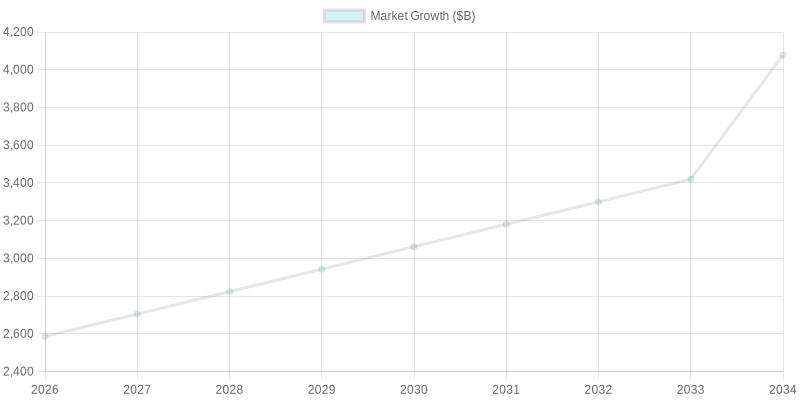
This chart illustrates the projected growth trajectory of disposable plastic food containers from 2026 to 2034.
For more insights on sustainable products, check out the benefits of sugarcane cups. For suppliers and manufacturers, explore the market for disposable paper buckets for more sustainable options.
“Packaging is no longer just a container; it’s a critical component of food safety and quality control. It protects against contamination, extends shelf life, and ensures product integrity from farm to fork.”
- Dr. Sarah Thompson, Food Science Expert, University of California, Davis
This quote eloquently highlights the essential importance of quality packaging in the food industry, making it a crucial point for businesses in catering, food trucks, and beverage chains to consider as they choose their packaging solutions.
Conclusion
In summary, small plastic food containers offer numerous benefits for businesses within the food service industry, particularly targeting bubble tea shops, restaurants, food trucks, catering services, event planners, and corporate procurement teams. These containers are not just economical; they are designed for functionality and convenience, catering to the fast-paced environment of food distribution and consumption.
Key Takeaways:
- Cost-Effectiveness: By utilizing small plastic food containers, businesses can significantly lower their operational costs, especially in high-volume scenarios like takeout and catering. This affordability encourages consistent usage without compromising on quality.
- Durability: Crafted from resilient materials such as polyethylene, these containers provide excellent structural integrity, ensuring food remains safe and secure during transport, thereby reducing incidents of leaks or breakage.
- Efficient Storage: Lightweight and stackable, these containers maximize storage efficiency in kitchens and service areas, thereby enhancing workflow productivity.
- Customer Appeal: With the growing trend towards takeaway meals, customers increasingly prefer sealed plastic containers for hygiene, convenience, and portability, directly impacting repeat business and satisfaction.
For those within the food service industry looking to elevate their food presentation and customer experience with quality small plastic food containers, we invite you to reach out to our team for a tailored quote. Contact us today to explore how we can assist in meeting your specific needs.
Frequently Asked Questions about Small Plastic Food Containers
1. Are small plastic food containers recyclable?
Yes! Many small plastic food containers are recyclable, particularly those made from materials like #1 (PET) and #5 (PP). However, it is essential to check your local recycling guidelines, as recycling capabilities can vary by region. To ensure proper recycling, look for the recycling symbol on the container and follow your municipality’s recycling guidelines. Commonly recycled plastics include grocery containers and food storage containers manufactured from these materials.
2. Can small plastic food containers safely hold hot foods?
While some small plastic food containers are designed to hold hot foods, caution is needed. Containers made from #5 (PP) are suitable for holding hot items as they can withstand higher temperatures. However, containers made from #3 (PVC) or #6 (PS) should not be used for hot foods, as they can release harmful chemicals when heated. Always check the manufacturer’s instructions for safe temperature limits and avoid placing containers in hot ovens or microwaves without confirmation.
3. What are the customization options available for small plastic food containers?
Customization options for small plastic food containers abound! Many manufacturers offer a range of colors, sizes, and shapes. Additionally, you can often find options for printing logos or designs, making them perfect for branding needs. Customized containers are an excellent way to enhance your establishment’s presentation and improve customer experience. For more options, check our blog on customized octagonal paper bowls.
4. Are there safety concerns with using plastic containers?
Yes, there are some safety concerns related to certain types of plastics. For instance, containers made from materials like BPA (found in polycarbonate plastics) can leach harmful chemicals into food, particularly when heated. As a precaution, choose BPA-free products and look for containers made from safer materials like glass or stainless steel when possible. More information about safe materials can be found in our blog on sugarcane cup benefits.
These FAQs are designed to address common concerns regarding small plastic food containers and help you make informed choices for your business. Stay informed and ensure the best options for your food services!