
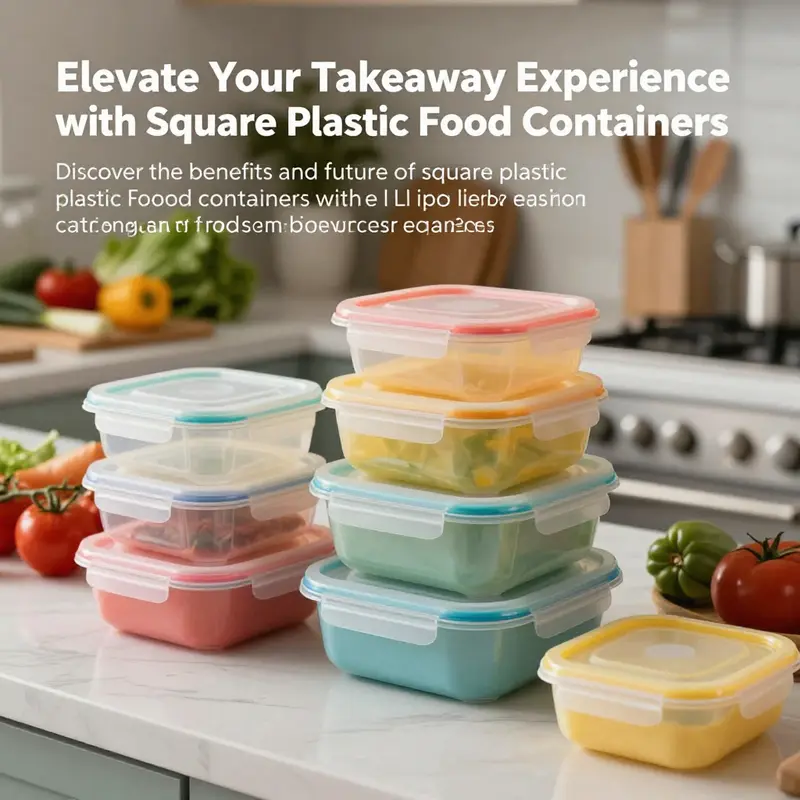
In today’s food service landscape, the choice of packaging can significantly influence customer satisfaction and operational efficiency. Square plastic food containers with lids have become increasingly popular among bubble tea shops, restaurants, food trucks, catering services, event planners, and corporate procurement teams. These containers not only ensure food safety but also enhance organization and presentation. Throughout the following chapters, we will explore the functions and features of these containers, examine typical product examples, analyze applicable scenarios, provide purchase recommendations, and delve into market trends—ultimately showing how these containers can support your business’s needs.
方形塑料食品容器带盖:密封、耐温与多功能的厨房必备
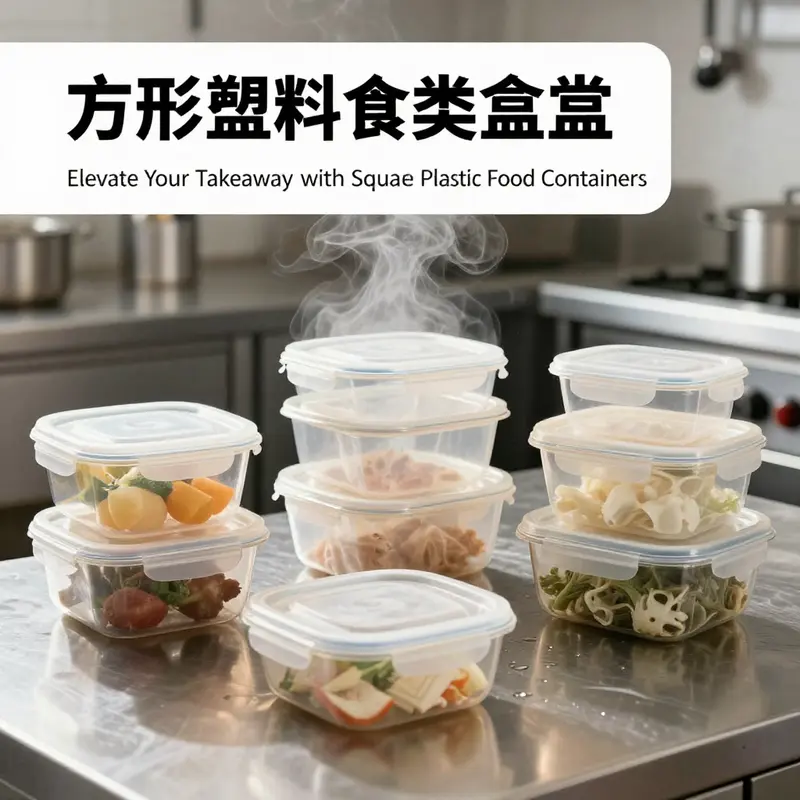
方形塑料食品容器带盖以其实用的几何形状与可靠的功能,成为家庭厨房、餐饮配送以及办公午餐管理不可或缺的工具。方形设计充分利用空间,便于在冰箱和储物柜中排列堆放,减少空隙浪费。盖子的设计则决定容器的实际表现,好的盖子能够实现气密或防漏,保持食物新鲜,阻止串味,并确保运输过程中的安全性。本文围绕这些容器的核心功能与显著特点,深入说明如何最大化其价值,并在日常使用中避免常见问题。
从功能角度来看,方形塑料容器的首要任务是储存与运输。密封性能的好坏直接影响保鲜效果。许多容器采用四边按压或卡扣式密封设计,能将空气与湿气隔绝在外,减缓氧化与微生物生长。对于剩菜与熟食,这意味着更长的保鲜期和更少的浪费。透明或半透明的材质让用户无需打开盖子就能识别内部食物,这既节省时间,也避免频繁开盖带来的温度波动。
温度兼容性是第二大功能亮点。主流方形容器多由食品级聚丙烯(PP)或聚乙烯(PE)制成。这些材料具有良好的耐高温与耐低温属性。标称可在-20℃冷冻到约120℃微波加热的容器,让“从冰箱到餐桌”的操作成为现实。冷藏、冷冻、微波加热和洗碗机清洗都能得到支持,减少你在料理和打包过程中的步骤。使用时需要注意的是,微波时应稍微开启或使用透气孔,避免密闭加热导致压力积聚。长期高温或烘烤超出设计温度会损伤容器,影响密封性与结构完整性。
材质安全与耐用性同样关键。食品级PP通常标注为无BPA,耐温、抗冲击,适合反复使用。相较于一次性包装,重复使用的方形塑料容器在长期成本与环保方面具有优势。然而,塑料并非无懈可击:长期盛放油脂或高色素食物会使容器染色或吸附异味。为延长使用寿命,应避免在高温下长期存放油性调味品,必要时使用内衬或纸膜分层存储。
密封结构亦呈现多样性。常见的是按压式密封盖,这类盖子只需沿四边按压即可锁紧,使用方便。另一类为卡扣式或四角锁扣,提供更强的防漏能力,适合汤汁和液体较多的食物。硅胶垫圈是提高气密性的常用细节,它能补偿盖与盒体微小尺寸差异,形成可靠的密封面。购买时应检验盖子是否有可替换或拆洗的密封圈,因为长期使用后橡胶件可能老化,需要更换以保持性能。
透明性与可视性带来日常效率。透明的盒体与盖子省去了标签或反复确认的步骤。对于批量备餐或冰箱管理,这一点尤其重要。配合可擦写标签或直接在盖上贴注食物日期与内容,可以系统化管理剩余食材,降低浪费概率。方形容器的尺寸选择也直接影响使用便利。小规格适合分装酱料、小菜或便当配菜;中等容量适用于家庭剩菜分配;大容量则适合批量备餐或盛放主菜。选择时应考虑常见食物的体积与家庭成员的食量。
方形塑料容器的多功能适配性体现在场景的广泛覆盖。家用方面,它们适合储存蔬果、熟食、面点、调味料等。对于工作午餐或野餐,密封且防漏的容器可安全携带汤汁与沙拉。餐饮配送与外卖行业青睐方形设计的原因在于,方形容器更易于在包装箱中整齐排列,节省空间并降低运输成本。同时,耐堆叠性有助于后厨组织与上菜流程。对于需要宠物食品或特殊用途的场景,也存在专门的方形容器配套产品,可见其应用的灵活性。
清洁与维护是确保长期使用的关键细节。大多数方形PP容器支持洗碗机洗涤,但建议将盖子与盒体分开放置,避免盖子受热变形或卡扣受力不均。对于顽固污渍和异味,可用小苏打粉加温水浸泡,或用白醋擦洗后自然晾干。避免使用强氧化性清洁剂或钢丝球,以免划伤容器表面,影响密封性的贴合面。替换零件如硅胶垫圈,应定期检查,若出现裂纹或变形应及时更换。
选择方形塑料容器时,关注几点细节可避免后悔。首先是材质标识与安全认证,确认容器为食品级材料且标注无BPA。其次检验密封方式与实际防漏能力,可试装少量水并摇晃测试。第三查看温度范围标签,确保能满足冷冻或微波加热需求。最后比较尺寸组合与堆叠性能,选择适合冰箱高度和储物空间的规格。若需透明观察与优良密封,优先选择带清晰盖面的按压或卡扣式设计。
除了功能和选购指引,思考容器的可持续性也很重要。长期使用高质量可重复利用容器,比频繁使用一次性包装更环保。合理规划储物策略与分量,可以减少食物浪费并降低塑料总量。对于不希望长期使用塑料的场景,可将方形塑料容器与可降解纸质或植物基一次性方案配合使用,按需替换,以兼顾便利与环保。
在日常实践中,简单的使用习惯能显著提升容器表现。例如,装热食前先将容器预热或预留空间,防止膨胀变形;盛放含酸或辣味的食物时使用玻璃或陶瓷内衬,以免长期接触导致塑料老化;堆叠存放时,把盖子与盒体交替放置,减轻压紧应力。若需要更专业的解决方案,市面上亦有针对性设计的方形容器,提供额外分隔、可拆卸隔板或分格盖,满足更细致的储存需求。
总体而言,方形塑料食品容器带盖凭借其密封性、耐温性、透明可视与多规格的优势,成为厨房与餐饮管理的高效工具。理解其材料属性、密封结构与维护方法,能帮助用户做出更合适的选择,并延长容器寿命。对对比不同款式或查阅用户评价时,可参考具体产品页面做深入了解。更多详细的产品信息与用户评价,可参考此外部链接: https://www.amazon.com/dp/B08PZQX9CJ 。欲查找类似方形塑料容器与PP盖的替代方案,可参见这里的产品介绍:senang-130 可重复使用方形沙拉碗与 PP 盖。
方形带盖塑料容器的典型设计与应用:从密封性能到日常备餐的整合
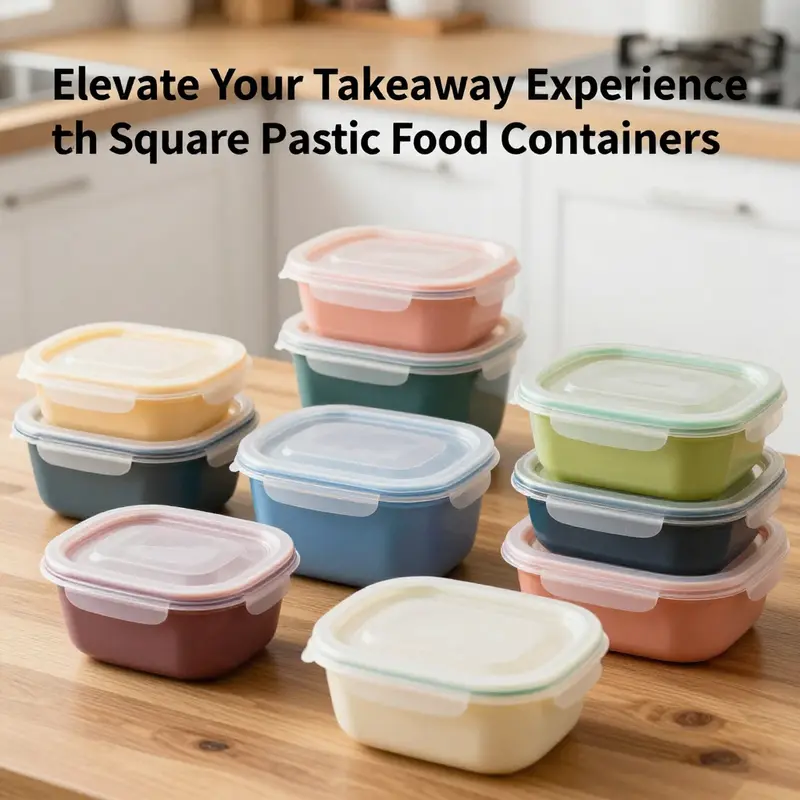
方形带盖塑料容器在现代厨房与餐食管理中扮演着极其重要的角色。它们通常以食品级聚丙烯或聚乙烯为主材,强调安全性、耐用性与便捷性。核心设计围绕一个目标展开——在有限的空间里实现对食物的密封、保护与分装。密封性往往通过盖子的结构与边缘的密封圈来实现,气密或防漏的效果直接影响食物的新鲜度、气味的控制以及携带时的清洁程度。材料的安全性同样关键,食品级材料、无BPA(双酚A)等标签成为用户在购买时最直接的判断标准之一。对许多家庭用户和餐饮从业者而言,方形带盖容器的意义不仅在于“保存食物”的功能,还在于“组织、分装、再利用”的链条中提供稳定性与可重复性。它们让剩菜可以更整齐地进入冰箱,便于第二日的午餐准备;也让大批量备餐时的食材分配更有序,减少混味与交叉污染的风险。更广义地说,这类容器在承载、运输与微波再加热的环节中,也成为提高工作效率的关键工具。在材料与构造方面,方形带盖容器的选择往往兼顾耐温、耐冷与可重复使用性。常见的材料组合包括耐热聚丙烯(PP)和聚乙烯(PE),这两类材料在食品安全领域被广泛采用,因为它们在常规的微波炉加热、洗碗机清洗和冷冻环境中表现相对稳定。为了实现更高的使用寿命,一些设计将盖体与容器本体分离,辅以密封垫圈或柔性密封圈,从而提升气密与防漏的效果。此类密封结构的可靠性直接影响食物在冷藏或冷冻条件下的保鲜表现,尤其是在需要携带或分装的场景中,盖子若出现松动或密封不严,容易导致食物串味或渗漏,进而影响口感与清洁度。从容量与形状看,方形与长方形的设计往往比圆形更易于堆叠、码放与利用有限的储存空间。对于家庭日常,1000毫升、750毫升等容量的组合往往能覆盖大多数剩菜与食材分装需求;在批量备餐或办公场景中,1.4升或更大容量的多格设计也能实现“分门别类”的优点。多格化的内部结构,是另一种常见的功能取向。通过在一个盒子内实现分格,用户可以把主食、蔬菜、肉类等分开存放,既便于取用也方便控温管理。此外,一些设计还结合了不同分格的组合,以满足个性化的餐单组合需求。这样的设计并非单纯追求美观,而是来源于实际使用场景的考量:分格避免了混杂味道、避免汁液互相渗透,同时帮助食品处理过程更加整齐高效。在实际使用情境中,方形带盖容器的价值往往体现在三个维度:保鲜与口感、便利性与清洁、可持续性。保鲜方面,优良的密封性和耐温特性确保食物在短时间内保持原有风味,冷藏或冷冻后再加热的过程也能尽量保持口感的平衡。便利性方面,方形设计与盖子的贴合性提升了携带的稳定性,尤其适合学生、上班族与外出活动的人群。清洁方面,许多容器支持洗碗机清洗,且部分材料具有耐化学清洁剂的特性,使日常清洗更省心、重复使用的耐久性更强。关于耐用性与成本的权衡,也往往成为决定购买的关键点。对于希望降低一次性用品使用的用户,耐用、可重复使用的方形带盖容器显然是更具吸引力的长期投资。市场上对这类容器的评价往往围绕密封性与耐用性展开。用户会特别关注盖子在长期使用中的变形、边缘的磨损情况,以及密封圈是否容易清洁而不易积垢。为此,制造商在设计阶段会选择更高质量的聚合物配方、改良托盖机构以及优化密封垫圈的材料厚度和形状,使得盖合过程更顺畅,密封性更持续。再者,兼容性也是一个被广泛关注的维度:是否能在同一套容器的不同尺寸之间互相替换使用,是否能与现有的冷冻、微波或洗碗机设备兼容,这些都是影响日常决策的实际因素。在这一类产品的“典型示例”中,设计往往呈现出若干共性特征。容器通常强调厚实的壁身以提高耐用性,盖子则以紧密闭合为目标,辅以可视性强的盖面指示线或清晰的容量标记,以便快速识别。为了提升用户体验,某些方案还在盖子边缘引入了凸起的韧性结构,使得即便在寒冷环境下也能更易地开启;也有些盖子采用分格盖设计,便于在不同场景下进行分装。上述这些设计要素共同构成了方形带盖容器在家庭、办公、校园与户外活动中的广泛适用性。作为对市场与应用的一个高度概括,我们可以把核心要点总结为:食品级安全材质、优良的密封性能、耐热耐冷的范围、可微波加热与可洗碗机清洗的兼容性,以及在有限空间内实现高效分装与堆叠的能力。这些要点共同驱动着方形带盖塑料容器的长期受欢迎程度,并使其成为许多厨房管理、餐饮服务与个人生活场景中的基本工具。对采购者而言,理解并权衡这几个维度,是在琳琅满目的市场中做出明智选择的关键。为方便读者进一步了解某类具体设计的细节,以下是一个典型产品示例的入口链接,便于查看该类容器在密封、结构与容量方面的实际表现:
此链接对应的页面提供了对方形矩形容器在盖合、材料、容量及日常使用中的具体描述,帮助读者将理论要点与实际产品特征对照理解。从更广泛的安全与食品接触材料角度看,选用无BPA、耐高温、耐低温的材料并非只是对健康的承诺,也是对食品质感与口味的尊重。对于关心长期使用与环境影响的读者,理解材料的回收与再利用潜力同样重要。关于食品接触材料安全性的权威信息,可以参阅官方监管机构对 BPA 的说明与最新研究要点,这有助于建立对市场产品的科学判断。https://www.fda.gov/food/food-additives-petitions/bisphenol-a-bpa
方形塑料带盖容器的应用场景全景分析:从家庭厨房到专业场景
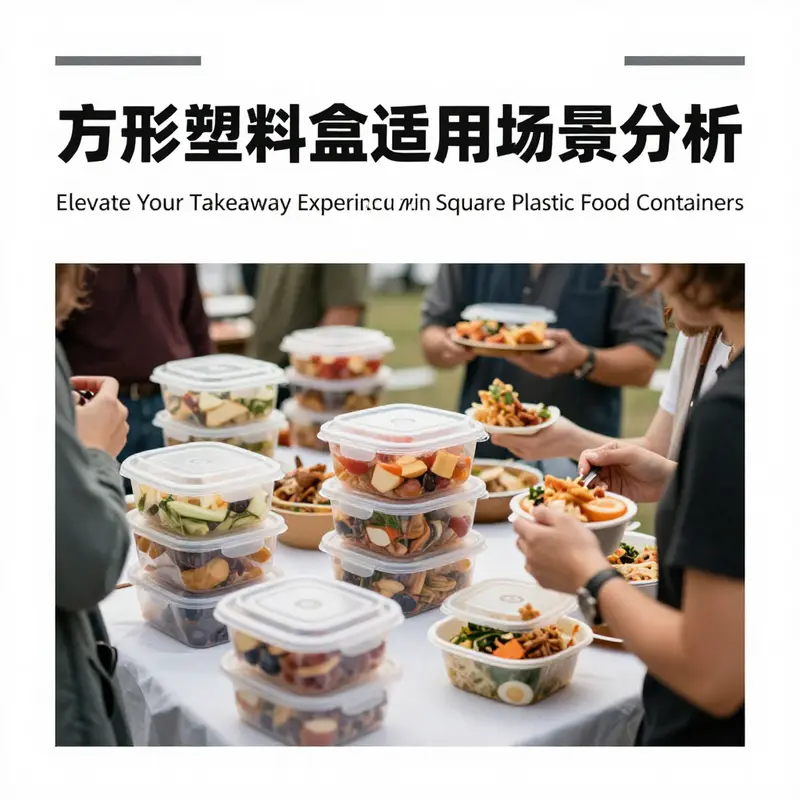
方形塑料食品容器带盖以方正轮廓与稳固密封性成为现代生活中不可或缺的多功能工具。它们通常采用食品级聚丙烯或聚乙烯材料,强调无BPA并具备耐冷藏、耐微波加热与耐清洗等多场景适用性。通过材料与结构设计的协同作用,方形带盖容器在家庭、商业与专业领域展现出广泛的应用潜力。理解其适用场景不仅能够提升日常生活的效率,也能为企业级食品管理与供应链优化提供可操作的参考。
在家庭层面,这类容器的核心价值在于对食物安全与风味保持的综合保障。密封性良好的盒盖能实现气密防漏,减少香气外泄与水分流失,适合储存剩菜、酱料、汤品及已开封的调味品。四面锁扣式设计有助于在冷藏或冷冻过程中的防串味和防渗漏,降低异味传导的风险。你可以将不同食材分装成独立的小盒,按日、按餐次取用,提升备餐效率与防止交叉污染。透明材质使盒内内容一目了然,减少重复开启造成的温度波动。
除了冷藏与冷冻功能,许多高质量的方形容器具备耐热设计,可直接微波炉加热并耐受日常清洗。微波兼容性在快节奏生活中尤为关键,装好饭菜后可在同一个容器内完成加热与盛放,减少碗筷的来回换手。防漏结构在带汁汤底或油脂较多的菜肴中尤为重要,能有效避免汤汁外渗污染桌面与衣物。
在日常家务与空间管理方面,方形带盖容器的堆叠性与边角设计体现了模块化思维。平整外形便于在抽屉、橱柜、冰箱货架之间实现紧凑布局,堆叠时的稳定性降低了杂乱与倾倒风险。对于需要分门别类收纳的家庭,可以用同一系列的方形盒整理学习用品、小件电子配件或手工材料,既省空间又提升整洁度。
商业与工业场景的应用扩展展示了这类容器的多维价值。餐饮业在打包、外送和备餐过程中,密封性与防漏性直接关系食品运输中的安全与顾客体验。优秀的容器不仅能保持菜品形态,防止汤汁泄漏,还能通过附加标签区域实现信息标注,提升追溯能力与食品安全管理透明度。对于物流与仓储,带盖方形容器成为高效分类收纳工具,坚固边角、可锁扣盖子与可堆叠结构共同提升垂直空间利用率与库存准确性。
在制造业和实验室等专业领域,这些容器也有重要作用。它们用于存放零件、工具、样品或试剂,密封性有助于避免交叉污染并在长期存放中维持环境稳定性。对洁净度、可重复性和易清洁的表面处理有较高要求,耐热、耐腐蚀材料成为优先考量。通过统一的形状和封闭逻辑,方形带盖容器在存储、运输与日常使用中实现跨场景的兼容性。
随着场景扩展,行业对容器的需求正朝着更高的精细化管理与可持续性发展。农业与养殖业用于运输和存储农产品、种子和饲料时,容器的气密性与防尘防潮能力帮助稳定品质。循环经济理念推动重复使用、易清洗和可回收的特性成为降低一次性包装依赖的有效工具。未来材料与结构设计可能引入智能元素,如温度传感、重量监控与可读写标签,使容器成为主动管理的载体,而非单纯的存储介质。
在设计与购买方面,消费者应关注材料安全性、密封性能、相容性和品牌信誉等要点。合适材料应具备食品安全认证、耐热与耐寒特性,盖子应提供可靠的气密或防漏效果,并在清洗过程中保持结构稳定。透明或半透明材质有助于快速识别盒内内容,避免因反复开盖造成温度波动与食材损失。企业采购时,除了单盒的密封性和耐用性,还需关注批量采购成本、箱体的可堆叠性以及是否具备标识空间等对运营效率的影响。
从更广的视角看,方形带盖容器可以视为食品管理体系中的一个小型模块。它们并非孤立存在,而是与冷链、分拣、包装、运输以及最终的餐桌体验共同构成一条完整的链路。良好设计的容器在运输中保护食物结构,在家庭生活中帮助实现更清晰的用餐与储藏计划,在商业场景中提升服务质量与运营效率。
为在众多选项中定位最合适的产品,建议参考容量、封口结构、材料类型与维护便利性等要素的对比。未来还可以关注品牌信誉、可持续性实践以及是否提供标识空间的设计。阅读相关示例页面与官方指南有助于建立判断框架。
外部参考资源方面,监管机构通常提供材料选择与包装安全的权威信息。了解食品包装与存储的安全要点、标准与合规性,可以帮助在采购与使用中更加稳妥。更多信息可参阅官方资源与行业指南:https://www.fda.gov/food/packaging-and-storage
方形塑料食品容器带盖的购买全景:从密封到微波兼容的全面考量
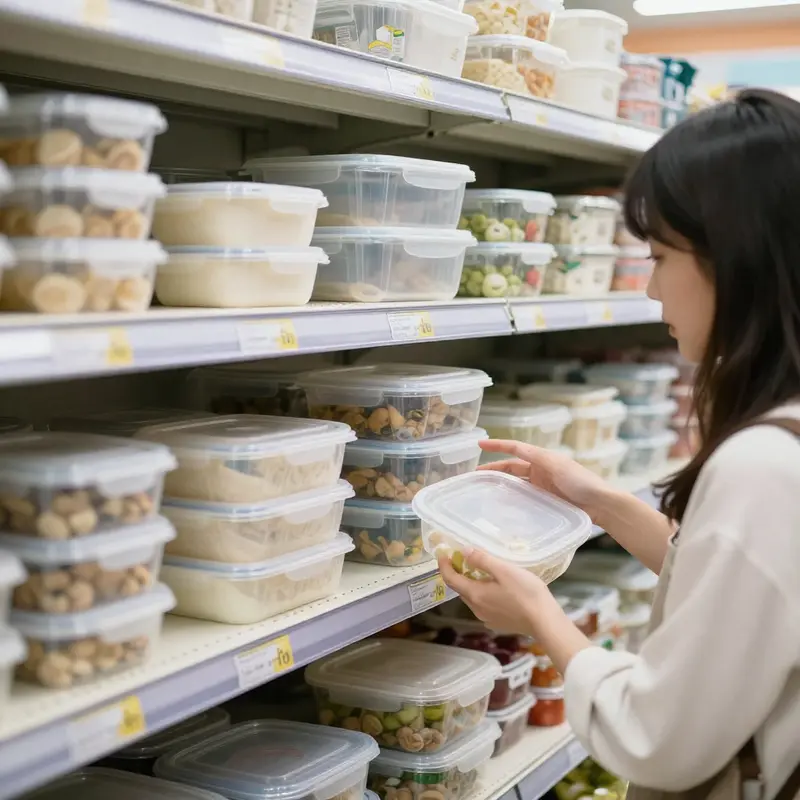
在日常生活的烹调与分装之间,一只方形塑料食品容器带盖往往承担着决定性的角色。它不仅是食物的载体,更是实现高效餐食管理的工具。从剩菜的再利用到午餐盒的日常携带,这类容器的表现直接影响到口味的保持、食物安全以及清洁的便捷程度。如今市场上的方形容器多样化,但在购买时,真正需要关注的是一组稳定的标准:材质安全、密封性、耐温性、以及与日常生活场景的契合度。将注意力放在这几个维度上,可以减少购买后因不合适而带来的浪费,并提升家居餐食管理的整体效率。与其他材质相比,塑料方形带盖更便于叠放、节省空间,且多数可在冷藏、冷冻、微波加热甚至清洗机中使用。但这些便利背后,隐藏着对材料安全与密封设计的更高要求。为此,了解材料标识、盖子设计、以及使用场景的边界,成为每次选购时的必修课。
Square Plastic Food Containers with Lids: Market Evolution, Technology Drivers and Future Opportunities
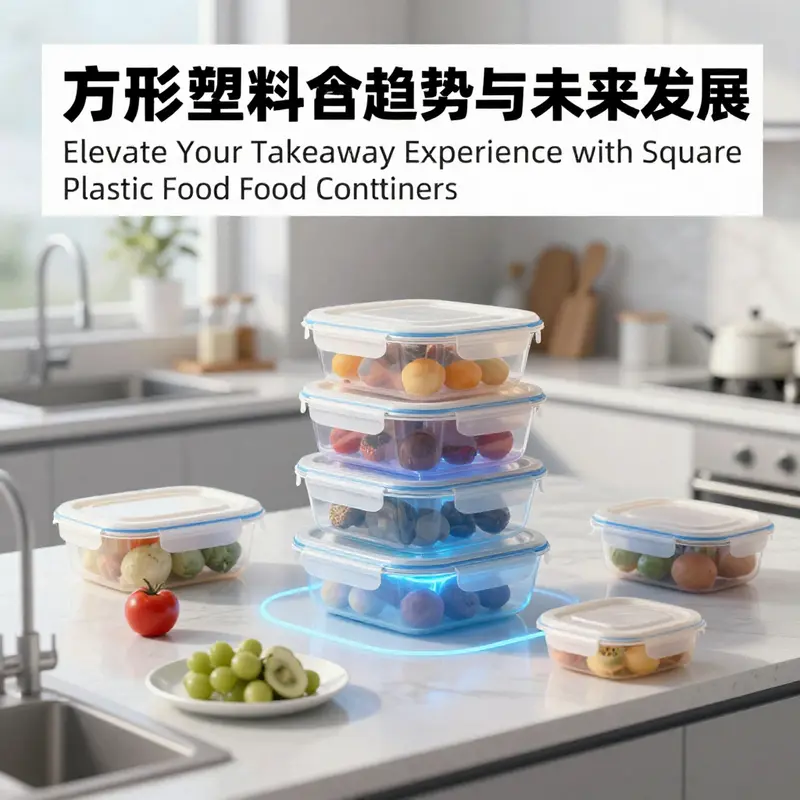
Market evolution and future direction
Square plastic food containers with lids have moved beyond simple storage items to become strategic components in food logistics, retail display, and household organization. Their square geometry maximizes shelf and fridge space, and it supports efficient stacking. These practical benefits have driven steady adoption across takeout, retail prepackaging, meal prep and catering. Recent market analyses show robust expansion, with the segment benefiting from new retail formats and changing consumer expectations for convenience, safety and sustainability. Demand for small, portable, well-sealed square containers has surged with the rise of instant retail and group-buy channels, and that momentum is likely to continue.
Material innovation sits at the heart of the next phase. Historically, polypropylene (PP) and high-density polyethylene (HDPE) dominated because they balance cost, safety and thermal performance. Today, manufacturers pursue material strategies that optimize recyclability and lower lifecycle emissions. Single-polymer designs, such as containers built entirely from PP, simplify sorting and recycling. Meanwhile, research into bio-based polymers like polylactic acid (PLA) and polyhydroxyalkanoates (PHA) is expanding. These materials are seeing pilot-scale use where compostability or lower carbon footprints are required, particularly in markets with strict circular economy targets.
Function integration and product differentiation are shaping higher-end segments. Improved sealing systems combine snap-lock lids with silicone gaskets to deliver true airtight and leak-proof performance. Microwave-safe formulations and reinforced corners enable safe reheating and reduce crack risks. On the digital front, smart features are emerging. Containers with integrated QR codes, NFC tags or printed traceability IDs are being trialed in fresh food e-commerce and cold-chain logistics. These simple digital touchpoints enable batch tracking, temperature history logging or product information access without altering the container’s primary role.
Design trends emphasize modularity and human-centered features. Standardized footprint dimensions allow different sizes to nest or to stack into predictable pallets. This standardization benefits automated sorting and warehouse storage. User-focused elements such as clear windows, ergonomic tabs, and stackable lids reduce daily friction for end-users. Reusable square containers, designed for repeat use in commercial kitchens and delivery platforms, are gaining traction. In some trials, providers cycle containers between customers and kitchens, cutting single-use demand while introducing logistical requirements for cleaning and traceability. For examples of reusable square formats, see the senang-130 reusable square salad bowls with PP lids.
Policy and regulation are significantly reshaping product strategies. Tighter rules around food contact materials have raised compliance obligations. Regulations now emphasize the full lifecycle impacts of packaging and restrict harmful additives. National carbon and plastic reduction aims are prompting incentive programs for greener packaging. These policies make investment in cleaner production and certified materials not just good practice but necessary for market access. Firms are responding by building closed-loop systems, adopting recycled HDPE or food-grade PCR (post-consumer recycled) PP where feasible, and documenting carbon footprints to meet procurement criteria.
The competitive landscape is evolving from fragmentation toward consolidation. Production remains concentrated in regions with established polymer processing clusters. These regions host deep supplier networks, molding expertise and logistical advantages. While many small and medium manufacturers produce commodity containers, consolidation and mergers are driving a rising tier of companies with broader capabilities. Leaders will likely be those that combine material R&D, scalable manufacturing, and efficient supply-chain integration.
Downstream applications are broadening beyond meals and retail. Foodservice and takeout remain core markets, representing the bulk of unit demand. Yet pre-packaged grocery items, fresh produce trays and prepared meal kits are increasing their share. Specialized versions of square containers are appearing in high-cleanliness sectors, such as medical consumables and laboratory sample transport. Customization for sterile packaging and sterilizable materials opens opportunities with pharmaceutical and biotech logistics where mechanical strength and cleanability are essential.
Commercial dynamics will reward manufacturers that master a few critical capabilities. First, material versatility: being able to qualify multiple food-grade resins, including PCR and bio-based options, allows rapid response to customer sustainability requirements. Second, tooling and production flexibility: modern injection and thermoforming lines with quick mold changeover enable model variety without excessive capital lock-in. Third, digital traceability: embedding identifiers or integrating with customer systems enhances value in retail and B2B channels. Finally, services: offering cleaning, take-back, or reuse management services creates recurring revenue streams and appeals to environmentally conscious buyers.
Investment in manufacturing intelligence also matters. Automation, AI-based quality inspection, and digital twin simulations reduce scrap and accelerate new product ramps. These tools cut the per-unit cost of higher-spec containers, making features like reinforced corners or integrated seals commercially viable. In parallel, co-design with buyers—jointly optimizing form factor and palletization—reduces logistics costs and strengthens client relationships.
The next five years present clear opportunities. Policy incentives for green packaging are likely to subsidize material transitions and circular systems. International best practices in standardized modular designs and collection schemes can be adapted locally. Technology trends lower the barrier for high-value features like traceability and lightweight structural reinforcement. As buyer expectations shift, companies that can certify low-carbon footprints, deliver consistent food safety performance, and offer practical reuse programs will capture premium segments.
However, several challenges will shape who wins. High-quality recycled polymers remain in constrained supply, and costs can fluctuate. Bio-based materials face trade-offs, including compostability infrastructure and performance limits at high temperatures. Implementing reuse loops requires logistics investments and user behavior shifts. Regulatory landscapes will keep tightening, requiring ongoing compliance investments. Firms that fail to anticipate these pressures may compete only on price, eroding margins.
Strategically, a balanced approach works best. Combine incremental substitution of recycled content with targeted use of bio-based polymers for applications suitable for composting. Design for recyclability by avoiding multi-material joints and by adopting standard footprints. Pilot smart features in controlled channels where traceability yields immediate benefits, such as cold-chain logistics. Explore partnerships with local collection and cleaning services to test reuse models before scaling. Finally, document environmental and safety credentials transparently to win contracts with large retailers and foodservice operators.
Overall, square plastic food containers with lids are transitioning into integrated packaging solutions. They will increasingly embody safety, sustainability and digital connectivity. Companies that align material science, manufacturing agility and supply-chain services will lead the transformation. This evolution turns a once-basic container into a platform for efficiency and environmental value.
For broader market projections and global data, refer to the Grand View Research industry overview: https://www.grandviewresearch.com/industry-analysis/plastic-food-containers-market
Final thoughts
Square plastic food containers with lids provide an effective solution for businesses in food service by ensuring food safety, organization, and convenience. Their versatility makes them ideal for a variety of applications, from takeout meals to catering events. As the market trends toward innovative packaging solutions, these containers will continue to evolve, offering even more benefits to businesses. Embracing these options today can enhance your service, save time, and increase customer satisfaction—key factors towards thriving in a competitive market.