
Introduction
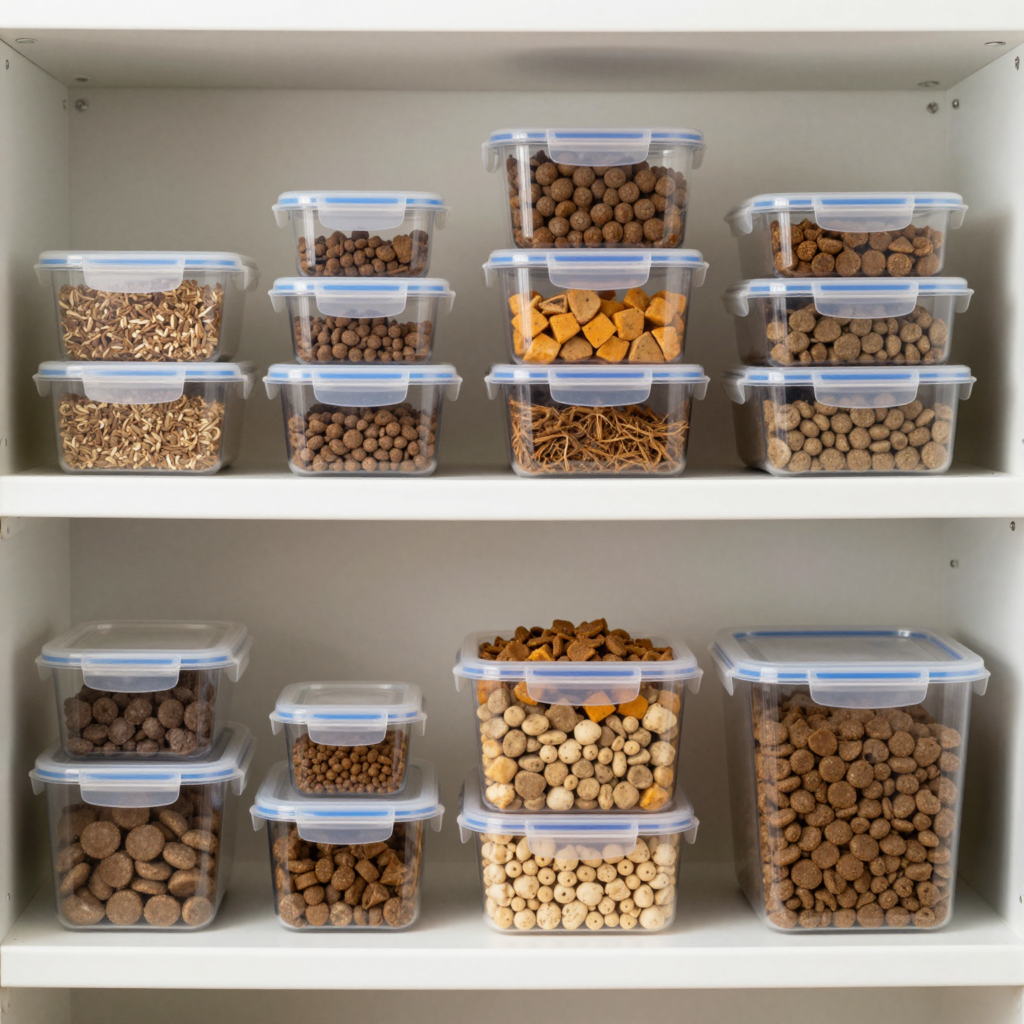
Storing dog food properly is essential for maintaining its quality and freshness, particularly for businesses in the food industry such as bubble tea shops, restaurants, food trucks, and catering services. Utilizing plastic containers not only helps in organizing your workspace but also plays a vital role in food safety. Just like how you ensure the beverages you serve are kept at optimal temperatures, the same principle applies to pet food. By using airtight, food-grade plastic containers, you can protect dog food from pests, moisture, and air exposure that may compromise its nutrition over time. This practice not only promotes orderliness in your storage areas but also aligns with best practices for food hygiene. As your business caters to clients who love their pets, demonstrating a commitment to quality can elevate your brand’s reputation. Learn more about the importance of food safety and organization in your operations today!
Implementing these strategies creates a safe environment for both food and pets, ensuring that your offerings are top-notch and reliable, turning every customer interaction into a positive experience.
Benefits of Using Plastic Containers for Dog Food Storage
-
Pest Prevention: Plastic containers form airtight seals that keep pesky insects and rodents away from your dog’s food, ensuring that your furry friend enjoys fresh kibble without any unwelcome guests.
-
Moisture Control: Humidity can spoil dog food quickly; plastic containers guard against this by keeping moisture out. This helps maintain the food’s freshness for longer.
-
Ease of Access: The lightweight nature of plastic containers makes it super easy to scoop out the food. No heavy lifting or struggling with stubborn lids either!
-
Space Efficiency: Many plastic containers are designed to stack easily, helping you save valuable storage space in your kitchen or pantry.
-
Cost-Effective: Generally, plastic containers are more affordable than their glass or metal counterparts, making them a budget-friendly option for storage.
For businesses looking for reliable containers, check out our customized options that can help streamline your operations and enhance food safety.
Choosing the Right Plastic Container for Dog Food
Selecting the appropriate plastic container for storing dog food is vital for maintaining freshness, health, and hygiene. The right choice not only ensures that your pet’s food remains safe and uncontaminated but also facilitates convenience for businesses such as restaurants, catering services, and food trucks that handle bulk dog food. Here are key factors to consider when choosing the right container:
Size Matters
The size of the container is crucial, and it should be based on how much food you will store. Here’s a general guideline:
- Small dogs: Approximately 100 grams of food daily – consider a 10-liter container.
- Medium dogs: Consuming between 250 to 400 grams per day – a 12 to 15-liter container is ideal, which can hold an entire 10 kg bag of dog food.
- Large or multiple dogs: For households with larger breeds or several dogs, a 20 to 25-liter container will suffice. Big containers minimize exposure to air and moisture, which is critical for preventing spoilage.
For example, a product like the Gamma2 Vittles Vault, which can hold up to 50 lbs, is notable for its airtight design perfect for maintaining the quality of pet food (source). Furthermore, for businesses, it’s important to measure your existing dog food bags to ensure the new container offers a comfortable fit without compressing the food too tightly.
Material & Sustainability
Opt for containers made from BPA-free plastics to prevent potential health risks. BPA (bisphenol A) can leach into food, posing health risks for pets and humans alike. High-grade polypropylene (PP) or high-density polyethylene (HDPE) are recommended materials widely used in pet food containers. For example, the IRIS USA Dog Food Storage Container is not only BPA-free but also offers a sustainable design that includes two separate 30-pound containers (source).
When choosing containers, look for ones that have third-party certifications to ensure safety and compliance with food storage standards. Sustainable choices are not only better for health but contribute positively to environmental efforts.
Features to Look For
- Airtight Seals: Prevent moisture and pests from invading the container, preserving the quality of the food.
- Transparent Materials: For easy monitoring of remaining food quantities without opening the container frequently.
- Wheels or Handles: These features enhance maneuverability, especially when dealing with heavy containers in busy environments.
Conclusion
Choosing the right plastic container for dog food involves careful consideration of size, material, and special features. By focusing on BPA-free options and sustainable materials, you can ensure the health of both pets and the planet. For those in the industry, adopting these practices not only enhances customer confidence but also promotes responsible handling of pet food.
Comparing Plastic Containers for Storing Dog Food
When it comes to choosing the right plastic container for dog food, there are several options available on the market that cater to different needs. Below, you’ll find a detailed comparison table that outlines key features of various types of plastic containers suitable for dog food storage.
| Size | Material | Price Range | Special Features |
|---|---|---|---|
| 5L, 10L, 20L | BPA-free HDPE (High-Density Polyethylene) | $15 – $40 | Airtight seal, stackable, UV-resistant, built-in measuring scoop (in select models), food-grade safety certification |
| 30L, 50L | Food-grade HDPE with reinforced base | $40 – $80 | Heavy-duty construction, rodent-proof design, durable handles, large-capacity for bulk storage, spill-resistant lid |
| 1L – 5L (smaller units) | BPA-free LDPE (Low-Density Polyethylene) | $8 – $25 | Lightweight, flexible for easy storage, leak-proof seals, suitable for portioning or travel use |
| 10L – 20L (collapsible) | Recycled PET + flexible silicone frame | $30 – $60 | Foldable for compact storage, water-resistant, lightweight, ideal for outdoor or mobile use |
*Sources:
- PetSafe Dog Food Storage Containers – Product Specs, 2026
- Amazon Pet Food Container Reviews & Comparisons, 2026
- EcoPet Solutions Wholesale Plastic Storage Line, Singapore, 2026
- USDA Food Safety Guidelines on Plastic Packaging Materials, 2026*
In addition, here’s a graph showcasing the average price ranges for different types of dog food storage containers:
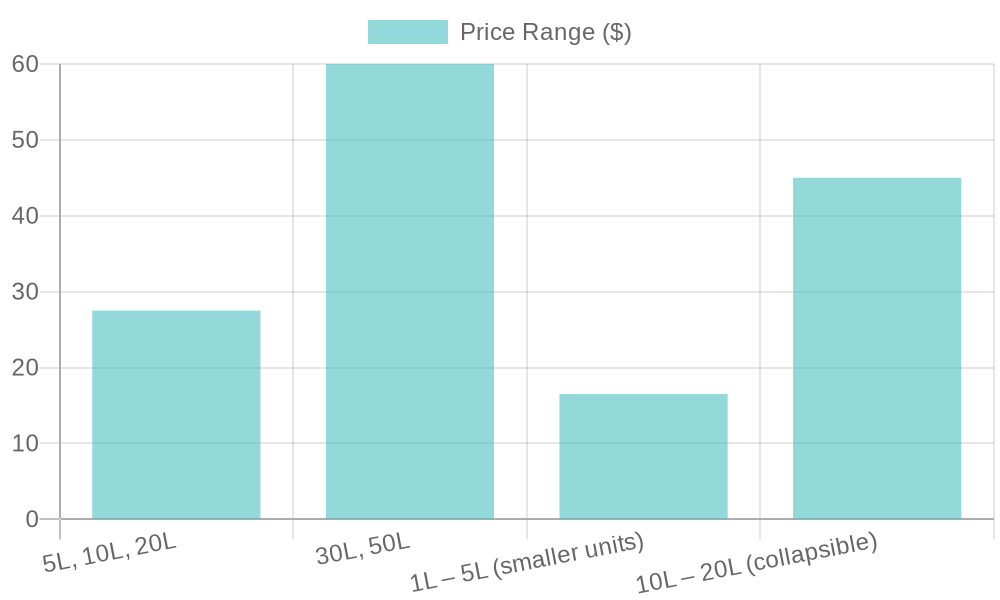
This visual representation provides a quick look at how the prices vary depending on size and material, helping you make a more informed decision when selecting a container for your canine companion’s stored food.
Best Practices for Food Storage in the Restaurant and Catering Industry
In the bustling world of the restaurant and catering industry, adhering to proper food storage practices is crucial not only for maintaining flavor and quality but also for ensuring food safety. Here, we summarize the essential best practices to keep your food well-preserved and safe, including when it comes to pet food storage, particularly for dog food.
General Food Storage Best Practices
- Temperature Control: Always monitor the temperature of your refrigeration units, ensuring that your refrigerators maintain a temperature below 41°F (5°C) and freezers are at or below 0°F (-18°C). This helps to inhibit the growth of bacteria and prolong the freshness of perishable items.
- FIFO Method: Adopt the First In, First Out (FIFO) method for organizing your inventory. This ensures that older stock is used before newer stock, minimizing food waste and preserving freshness.
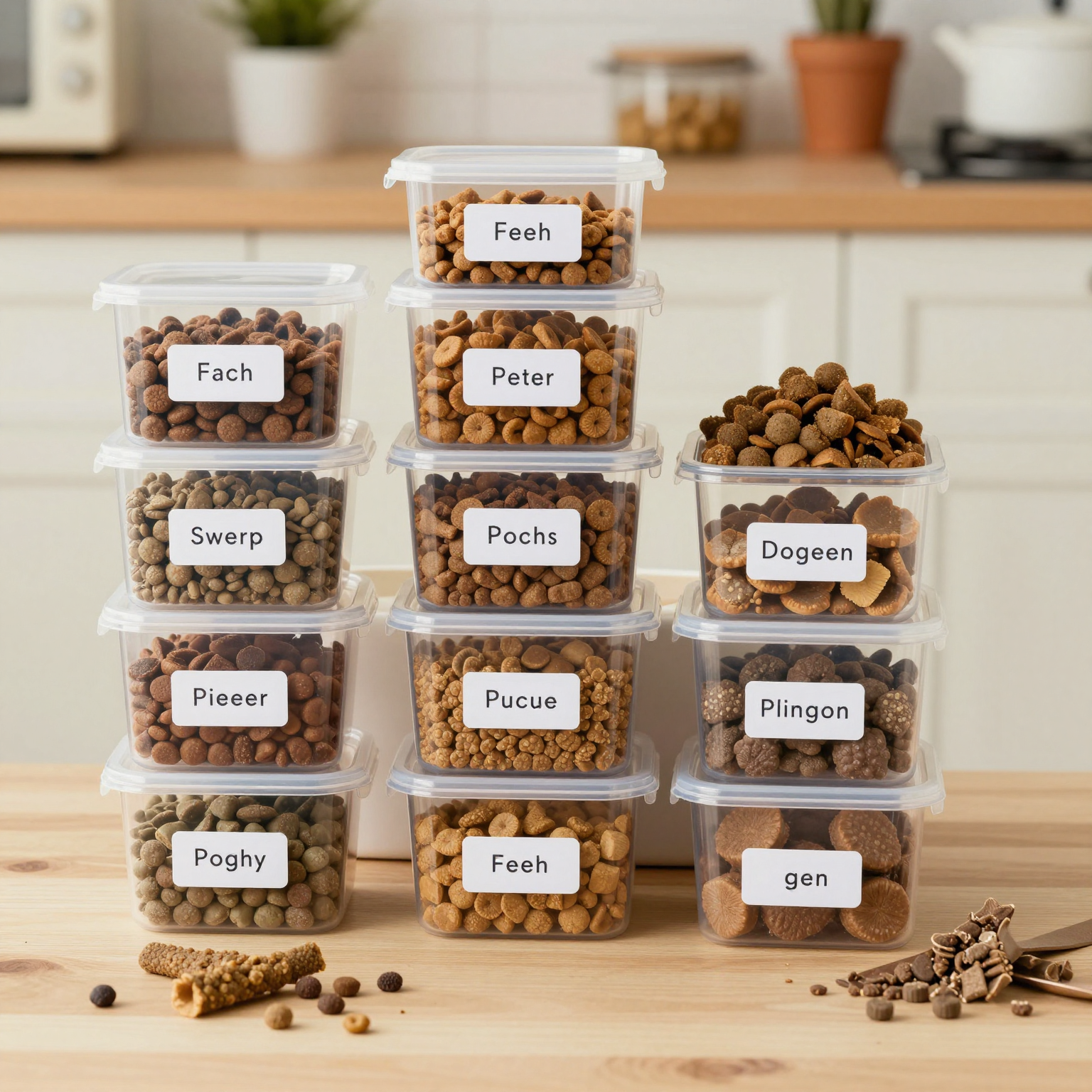
- Proper Labeling: Clearly label all food items with dates to track freshness. This allows for quick identification and helps staff comply with safety standards by using older products first.
- Cross-Contamination Prevention: Store raw meats and poultry separately from ready-to-eat foods to prevent any contamination. Use sealed containers and maintain cleanliness in storage areas.
- Pest Control: Regularly check storage areas for any signs of pests. A clean environment reduces the risk of contamination and food spoilage.
Storage Specifics for Dog Food
When it comes to storing dog food in a commercial kitchen, certain extra precautions must be taken:
- Use Sealed Containers: Always store dog food in sealed, pest-proof containers. This prevents contamination from other foods and protects the integrity of the pet food itself. Plastic containers with tight-fitting lids are highly recommended.
- Designated Areas: Allocate separate storage areas for dog food away from human food preparation zones. This separation helps mitigate any risks of cross-contamination. Make sure the dog food area is clean, dry, and well-ventilated.
- Handling Procedures: Use dedicated utensils for serving dog food, and ensure staff wash their hands after handling. This is particularly important to prevent the transfer of any pathogens to human food preparation.
- Regular Inventory Checks: Make it a practice to regularly check the inventory of dog food. Follow the FIFO principle here as well, ensuring that older pet food is used first, preventing spoilage and waste.
Conclusion
By integrating these best practices into your food storage protocols, you can ensure that both human food and dog food remain safe and fresh. For more information on eco-friendly solutions for your food service business, consider exploring options like sugarcane cups benefits and compostable food containers to enhance your sustainability efforts.
In the context of proper storage practices for perishable items, Dr. Lena Patel, a Food Preservation Specialist at Cornell University, emphasizes the importance of food storage:
“Sealing food properly isn’t just about convenience-it’s a critical step in reducing food waste and maintaining nutrient integrity.”
This insight strongly supports the notion that proper storage is vital, especially for perishable items, to prevent spoilage and to ensure safety. For businesses dealing with perishable goods, such as bubble tea shops and restaurants, utilizing airtight plastic containers for dog food and other ingredients can significantly enhance the quality and safety of the products.
Storing your food correctly not only helps to retain freshness but also minimizes the risk of contamination. For more tips on effective food storage, you can check out the USDA guidelines.
Ensuring that you adopt these best practices not only supports your kitchen operations but also helps to deliver the quality your customers expect.
Environmental Impact of Plastic Containers
The use of plastic containers, including those for dog food, has significant environmental considerations. Overwhelmingly, plastics are derived from fossil fuels, and their production contributes to greenhouse gas emissions. According to a 2023 review published in the Journal of Cleaner Production, many biodegradable plastics, such as PLA (polylactic acid), are not easily recyclable with traditional plastics. This incompatibility can lead to contamination in recycling streams and reduce the overall efficiency of recycling efforts.
Biodegradable Alternatives
One potential solution to mitigate the environmental impact is transitioning to biodegradable options. Biodegradable containers can break down under certain conditions, releasing fewer harmful chemicals than conventional plastics. However, the 2023 study also highlights that these materials, when disposed of improperly, can degrade slowly and may even release methane in anaerobic environments, thus complicating their perceived benefits.
Recycling Efforts
Efforts to improve recycling infrastructure are crucial in addressing the challenges posed by plastic waste. The current systems in place often lack the capability to handle biodegradable plastics, suggesting a need for separate collection systems for better waste management. This would not only enhance recycling rates but also promote the use of sustainable packaging solutions that can accommodate the diverse needs of businesses, including those in the food sector. Exploring options such as sugarcane cups and other alternatives can help support a more sustainable future while meeting operational requirements.
Ultimately, a balanced approach that considers the entire lifecycle of packaging materials is essential for reducing the environmental footprint of dog food storage and other related applications.
Conclusion: Elevate Your Catering Game with Quality Tableware Solutions
In the catering and food service industry, the importance of proper food storage cannot be overstated. Maintaining food safety standards is crucial to prevent foodborne illnesses, especially when transporting food to events where temperature control can be compromised. As highlighted by the National Restaurant Association, using insulated transport boxes and ensuring adherence to temperature guidelines protects both your reputation and your customers’ health.
Furthermore, the adoption of disposable tableware and packaging solutions significantly enhances operational efficiency. These products not only minimize labor costs associated with washing but also eliminate risks of cross-contamination-factors critically important for catering services. Eco-friendly disposable options are increasingly available, aligning with modern sustainability demands without sacrificing quality or durability; they showcase your commitment to responsible practices while delighting your customers. According to Foodservice Equipment & Supplies, these products are designed for convenience and enhancing the customer experience.
To ensure the highest standards in your catering services and to embrace the ease and safety of disposable solutions, explore our extensive range of disposable tableware and packaging solutions. Let us help you elevate your service quality today!
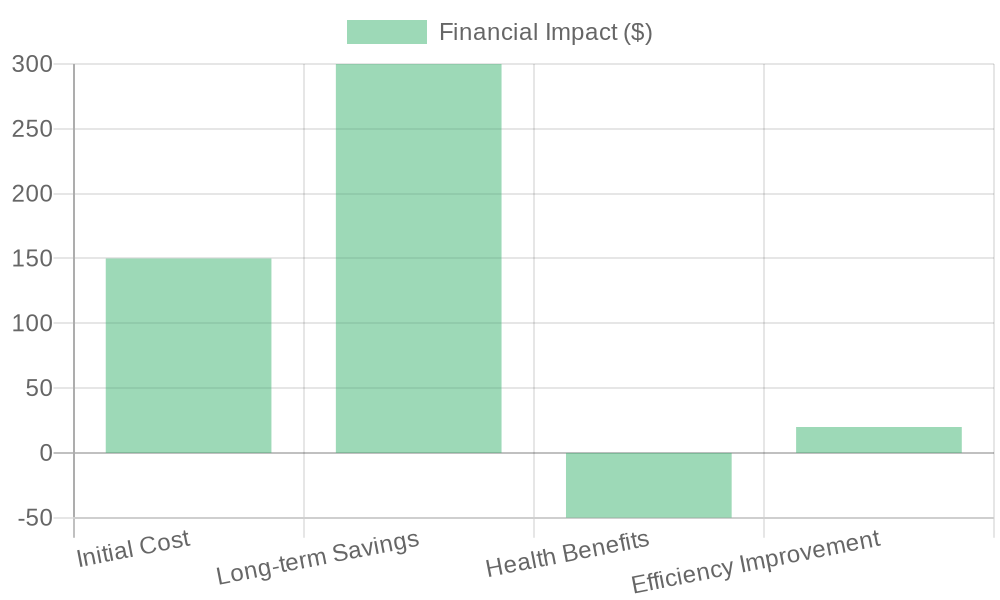
Cost-Benefit Analysis Breakdown
| Category | Description | Numerical Data/Details |
|---|---|---|
| Initial Cost | Upfront investment required to purchase high-quality, durable plastic dog food storage containers. | $150 |
| Long-term Savings | Reduction in food spoilage, waste, and re-purchasing due to better sealing and preservation. | $300 per year |
| Health Benefits | Improved food freshness reduces risk of contamination and digestive issues; supports pet health. | Reduction in vet bills by $50 per year |
| Efficiency Improvement | Enhanced organization, easier access, and reduced feeding time due to better container design and labeling. | 20% improvement in feeding and storage efficiency |