
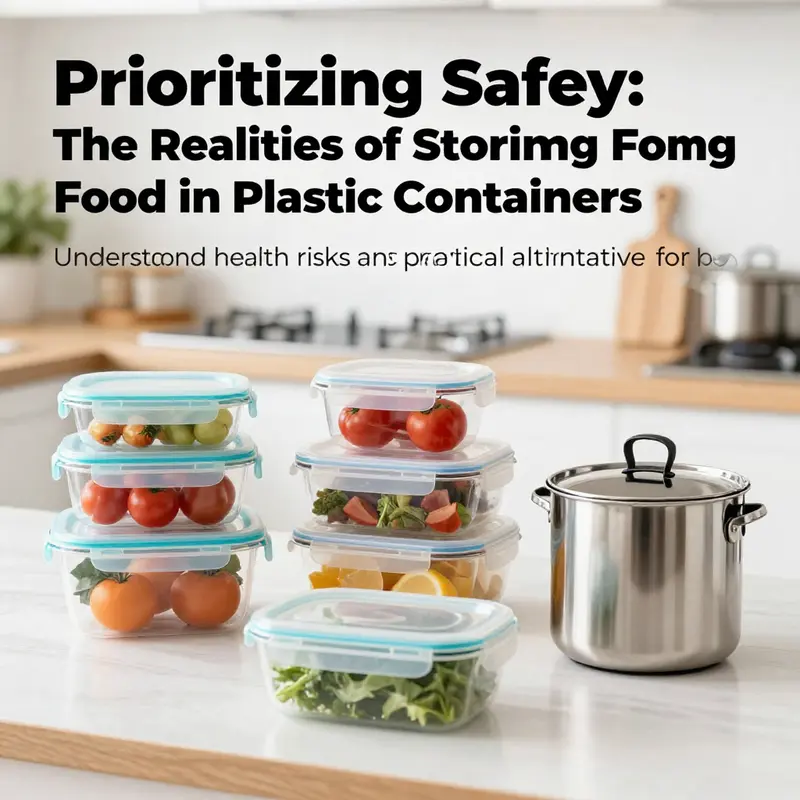
As the food industry continues to innovate, it’s essential for businesses in bubble tea shops, restaurants, food trucks, and catering services to recognize the significant implications of food storage practices. One area that deserves immediate attention is the storing of hot food in plastic containers. Chemical leaching poses potential health risks, and understanding the regulations and available alternatives can help business owners make informed choices that enhance safety and quality. This article will delve into the health risks associated with plastic containers, explore the regulatory standards, and provide effective alternatives that can keep both customers and food safe.
Heat, Leaching, and the Plastic Dilemma: Rethinking How We Store Hot Meals
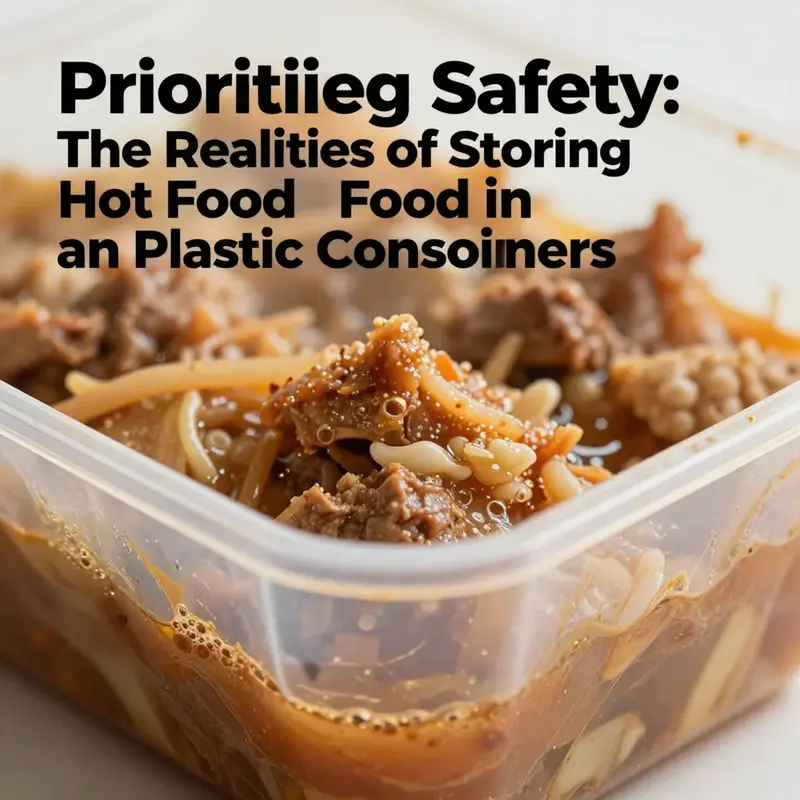
When a hot lunch sits in a plastic container, heat does more than simply warm the contents. It loosens the microscopic bonds inside the plastic, nudging substances from the container into the food. What begins as a routine act of feeding can become a quiet exchange of chemicals that travel from packaging into meals, from plate to tongue, and eventually into the body. This chapter follows that unseen pathway, tracing how heat transforms plastic into a potential vehicle for chemical leaching, and how that risk complicates ordinary routines in kitchens, offices, schools, and homes. It also seeks a practical path forward, one that aligns consumer habits with the best available science and regulatory nuance, without sensationalism or oversimplification. The story is not only about toxicants but about everyday decisions that accumulate over years, as a child grows into adulthood with a steady, low level of exposure that can shape health trajectories in ways that are difficult to measure in a single moment.
Endocrine-disrupting chemicals sit at the heart of this concern. Plastics frequently contain bisphenol A and its substitutes, such as BPS and BPF, substances that can resemble hormones in the body and interfere with reproductive health, metabolism, and development. The danger is not limited to vintage BPA products; the substitutes have shown alarming properties in independent studies that echo the same red flags. This is not merely a laboratory curiosity but a real-world consideration for any meal stored or reheated in plastic. When the container is heated, the molecular structure of the plastic softens, creating a more permissive environment for chemicals to migrate into the food. The degree of migration depends on several factors: the chemical composition of the plastic, the temperature and duration of heating, the fat content of the food, and the acidity of the environment inside the container. A fatty meal reheated in plastic, for instance, tends to draw more chemicals into the food than a low-fat option heated under similar conditions. The same principle applies to acidic foods, which can foster greater leaching compared to neutral ones.
Phthalates, another group of compounds historically linked to plastics, add to the complexity. They are not chemically bound to the polymer matrix, which means they can migrate into food when heat is applied or when the container is reused beyond its intended life. These compounds help plastics retain flexibility and resilience, yet their leaching potential under heat raises concerns about long-term exposure and cumulative effects. The paradox is clear: the very materials designed to make storage convenient and durable can, under the right conditions, contribute to a daily dose of chemicals that we ingest with our meals. The biology is not binary; the effects are not instant and dramatic in every case. Instead, risks accumulate over years and across populations, with vulnerable groups such as developing fetuses, infants, and those with chronic exposures requiring special attention.
Microplastics add another layer to this risk profile. The heat and physical stress applied during heating and storage can cause tiny fragments of plastic to detach from the container and enter the food. While the full health implications of ingesting microplastics are still a subject of active research, the plausibility of inflammatory responses and cellular stress from chronic exposure raises prudent concerns. Microplastics may travel through the digestive system and interact with tissues in ways that science is still unraveling. Taken together, leaching, migration, and microplastic contamination create a spectrum of potential health effects that thoughtful consumers may wish to minimize, even if the science cannot yet quantify every risk with precision.
A crucial caveat for readers lies in the regulatory landscape. The Food and Drug Administration regulates food-contact materials in the United States, but the scope of safety testing and the context of use are not uniform across all plastic products. Some plastics are designed and tested only for cold storage, while others bear labels stating that they are microwave-safe. In practice, the regulatory standard is not a blanket guarantee of safety for every heating scenario. Repeated exposure, even at low levels, can accumulate over time. This is the point at which public health recommendations align with cautious personal practice: minimize unnecessary contact between hot food and plastic whenever possible. Even when a container carries a microwave-safe label, the real-world household often involves multiple heating cycles and varying conditions, each with its own potential to alter the risk profile.
What, then, should a person do with a hot meal that must travel from kitchen to office or school? The simplest, most robust answer is to switch away from plastic altogether for hot storage and reheating. Glass, ceramic, and stainless steel containers present a durable, inert alternative that does not leach chemicals when heated. Their stability under heat means that repeated use does not involve the same chemical leaching dynamics as plastics; their inertness fosters a more predictable interaction with food. Glass, in particular, has earned broad regard for its non-reactivity, ease of cleaning, and compatibility with both ovens and microwaves when the appropriate heat guidelines are followed. Ceramic and stainless steel offer similar advantages, with the added benefit of varied aesthetics and designs that fit different lifestyle needs while maintaining chemical safety.
Yet the shift away from plastic is not a moral reproach but a pragmatic adjustment that acknowledges constraints in daily life. For many, plastic remains the most convenient option, especially in environments where disposables are common or where speed is essential. In such cases, choosing containers that are specifically designed to minimize risk becomes part of a harm-reduction approach. The guidance is not to fear heat per se but to respect the science that outlines how heat changes the behavior of plastic and to apply this knowledge in everyday choices. Labels matter, but so do the conditions behind the label. A container marked microwave-safe is not a guarantee of complete safety in every scenario, particularly after years of regular use or in combination with fatty or acidic foods. A careful, informed approach means selecting containers intended for hot use, avoiding the reuse of single-use plastics for hot meals, and, whenever possible, transferring hot foods to glass or metal vessels before reheating.
For readers who still rely on plastics in some capacity, a few practical considerations can help reduce exposure. First, avoid heating food in plastic containers that are damaged, cracked, or discolored, as wear and tear can change the material’s properties and increase leaching potential. Second, be mindful of the type of food stored or reheated in plastics. Fatty and acidic foods tend to increase chemical migration, so limiting hot fatty dishes or acidic sauces in plastic can lower the overall exposure. Third, try to minimize the duration of heat exposure. Shorter reheating times, lower temperatures, and brief intervals between heating cycles can collectively reduce the amount of migrating substances. Fourth, favor containers with clear specifications for hot use, and when in doubt, move hot foods into safer vessels before application of heat.
From a public health perspective, the conversation about hot food and plastic is not merely about a single dinner or a single lunchtime. It intersects with broader patterns of consumption, packaging, and urban living. For families juggling work and childcare, the pressure to prepare quick meals often translates into a reliance on containers that can be reused or disposed of with relative ease. In schools and workplaces, the norms around lunch containers influence entire cultures of storage and warming. When policy and practice align, they may encourage a preference for non-plastic storage for hot foods, or at least for safer plastics designed with rigorous testing in heat and with materials that resist migration. The Johns Hopkins study and related work emphasize that caution is warranted, not from alarmism but from a commitment to reducing everyday exposure to chemicals with potential endocrine-disrupting properties.
In the practical realm, many readers may want to know where to begin without feeling overwhelmed by the range of options. A straightforward path is to explore durable, inert alternatives that suit daily routines while maintaining the ease and portability people expect from their lunch gear. For instance, glass containers can be used for both storage and reheating in many households, while stainless steel options can serve as robust, long-lasting alternatives for hot meals on the go. The transition can be gradual: one or two glass or steel containers can replace several plastic ones, gradually reducing the number of hot meals stored and reheated in plastic. Importantly, any change should consider the entire lifecycle of the container—from purchase to disposal or recycling—and aim to minimize waste while maximizing safety.
The broader moral of this discussion is not about absolutes but about informed decision making. It is about recognizing that heat changes the behavior of plastics and that this reality has consequences for food safety and personal health. The science suggests that even products marketed as microwave-safe can contribute to chemical exposure under real-world conditions, especially with repeated heating and using plastics for hot meals over time. The emphasis, therefore, shifts toward a cautious approach: minimize the use of plastics for hot storage, verify that containers are designed for hot use, reuse and dispose of plastics responsibly, and when possible, choose glass or metal as the default for hot foods.
To make this accessible in daily life, consider the following scenario as a mental model. You plan to divide a hot meal into portions for the workweek. Instead of placing the portions directly into a plastic container and then microwaving them, you transfer the portions into a glass or steel container, and only then perform any reheating. If you must rely on plastic for portability, keep the plastic compartment separate from the hot elements of the meal and avoid fatty sauces or oils that would facilitate leaching. After reheating, allow the food to rest briefly before sealing it; the cooling period can also reduce the migration of volatile compounds that accompany high heat. These habits, small in isolation, compose a protective pattern that reduces cumulative exposure and aligns with the best available research without imposing an impractical burden on daily life.
This chapter therefore invites readers to view hot food storage not as a one-off choice but as part of a long arc of kitchen habits. It asks for mindful selection of containers, awareness of the limits of labeling, and a preference for materials that withstand heat without releasing substances that may disrupt hormonal balance or provoke inflammatory responses. The practical takeaway is clear: when hot food is involved, glass, ceramic, or stainless steel containers offer a safer, lower-risk path. They are inert, durable, and less prone to leaching under typical household conditions, which translates into measurable health advantages over time. For those who need to interact with plastic due to constraints of time or resources, the best strategy is to minimize the contact between hot foods and plastic, choose products designed for hot use, and incorporate a transition to safer materials as soon as feasible.
In sum, the relationship between heat, plastic, and health is not a dramatic fault line but a spectrum of potential exposures shaped by temperature, duration, and the chemical makeup of the container. The science encourages prudence and practical action: avoid heating foods in plastic whenever possible, favor containers that are specifically engineered to handle heat, and consider a shift toward glass, ceramic, or stainless steel as the standard for hot meals. The goal is not to induce fear but to empower readers with knowledge that can be translated into everyday choices that protect well-being across years of eating and nourishment. The simple act of thinking ahead about container materials can reduce cumulative exposure and support healthier eating environments in homes, schools, and workplaces alike.
External resource: How To Safely Store Food In Plastic Containers Without Chemical Leaching – Johns Hopkins Bloomberg School of Public Health (2026) https://www.jhsph.edu/news/stories/2026/01/food-storage-plastic-leaching.html
For readers seeking practical options that align with this guidance, you can explore the broader selection of storage products available in the storage containers category, which offers a range designed for durable, safe use with various foods, including hot meals. storage containers The aim is to equip households with tools that support safer storage practices while remaining responsive to real-world needs.
Guardrails for Heat and Hunger: How Regulatory Standards Shape Plastic Food Storage
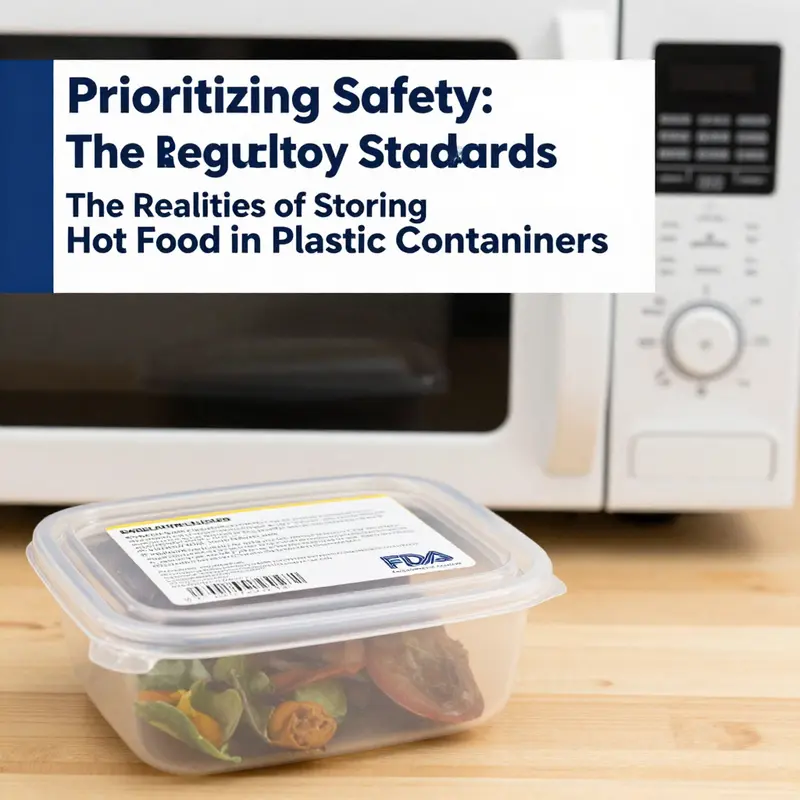
Regulations around plastics in contact with food shape how households heat and store meals. The FDA regulates migration of substances from packaging into food, using safe migration thresholds rather than zero migration. Manufacturers must provide data from testing that simulates real cooking and storage conditions, across acidic, fatty, and alcoholic foods, and for microwave use. A label like microwave-safe reflects tests under defined conditions, not a universal guarantee of safety. Cracks, wear, or overheating can increase migration, so consumer guidance emphasizes using containers designed for heating, avoiding heating in damaged plastics, and transferring hot contents to inert vessels when in doubt. Beyond the US, EFSA and ISO standards influence manufacturers for global markets. Practical takeaways include preferring glass, ceramic, or stainless steel for hot foods when possible, inspecting containers regularly, and avoiding repeated use of damaged plastics. The goal is to minimize chemical exposure while preserving the convenience of plastic where appropriate, guided by labeling and regulatory advice. A helpful habit is to check that microwave usage is explicitly supported, and to transfer hot or oily foods to non-plastic containers if unsure.
Beyond Plastic: Safe, Heat-Resistant Replacements for Storing Hot Food
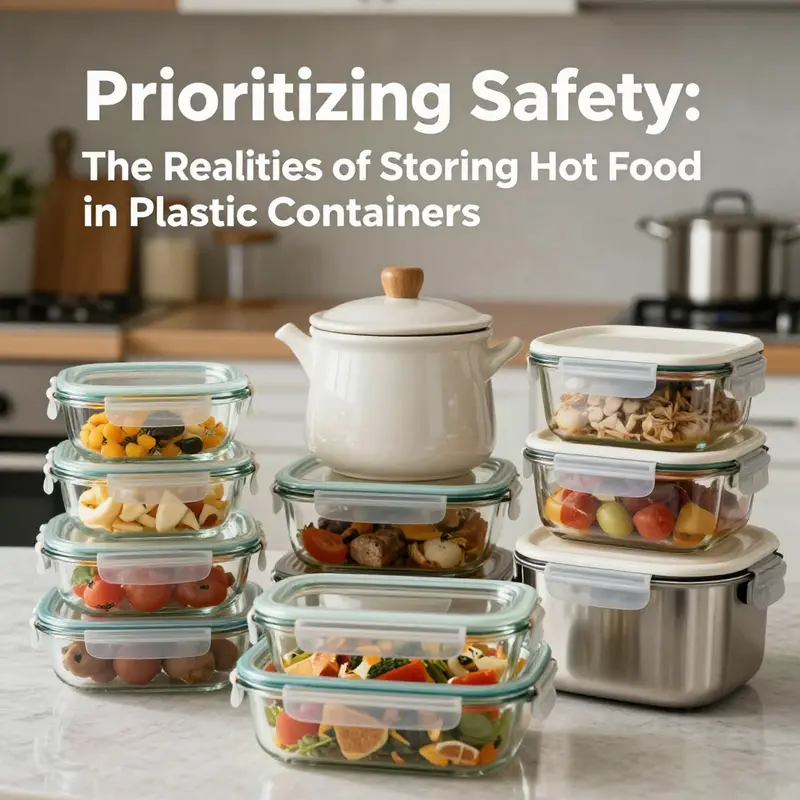
Storing hot food has long been tangled with the materials that hold it. When heat is involved, plastics can release substances that migrate into meals, altering safety and taste in ways that are easy to overlook. The conversation around safety is not only about what a container is made of, but how it is used. Even when a plastic vessel carries a label such as microwave-safe or BPA-free, the story is more nuanced. The body of research from public health scientists underscores a recurring caution: substitutes and coatings can perform similarly to what they replace, and repeated exposure—even at modest temperatures—can accumulate in the body. This is why many health advocates urge a careful avoidance of plastic for hot storage unless the product is specifically engineered for high heat and used according to strict guidelines. The guidance comes from a blend of regulatory insight and independent scientific evaluation. The FDA regulates many food-contact materials, but it does not standardize every plastic in the same way. Some plastics are designed for cold storage or brief warmth, while others carry a higher risk profile when subjected to repeated heat. A leading voice in environmental health has summarized the issue in plain terms: minimizing unnecessary contact between hot food and plastic reduces potential exposure, even if a container bears a widely accepted label. Against this backdrop, a practical path emerges: look to materials that are inert under heat, stable over repeated cycles, and easy to clean. This is not a rejection of modern manufacturing but a call for a more deliberate pairing of food, heat, and container material.
The alternatives that consistently rise to the top meet a simple set of criteria. They must be safe at high temperatures, they must not release substances into the food, they must be durable enough for daily use, and they should be easy to clean and reuse. Among the options that consistently satisfy these conditions, stainless steel stands out as a leading choice. When it is produced in food-grade grades such as 304 or 316, stainless steel is heat-resistant well beyond typical kitchen needs, and its non-reactive surface minimizes any risk of chemical interaction with acidic or oily foods. The material’s strength translates into a long lifespan, which not only lowers total cost over time but also reduces waste—the environmental argument for stainless steel dovetails with the health argument. For meals stored and heated in a stainless steel container, the food’s original flavor and aroma have a better chance of surviving untouched. The metal does not bend or warp easily under heat, and it does not release plasticizers or similar additives because there is no plastic in contact with the food.
Glass is another compelling contender. Its inert chemistry makes it a logical choice for hot foods, and a glass vessel that is labeled as heat-resistant or oven-safe can tolerate broader temperature ranges. Glass enjoys a transparency that helps with inventory and freshness checks, and it is highly compatible with reheating in many ovens or microwaves when the labeling explicitly supports such use. The long-term story for glass is one of stability and recyclability. It does not impart flavors, nor does it shed microplastics or other additives into the meal. The caveat, however, lies in its fragility. Glass is inherently more prone to cracking or shattering if subjected to sudden temperature changes or rough handling. Therefore, selecting glass means also choosing containers with robust design, proper insulation, and careful handling, particularly when transferring from hot contents to cool storage or when transporting them outdoors.
Ceramic and porcelain containers round out the trio of top-tier options for hot storage. When glazed with lead-free finishes and fired to appropriate temperatures, these vessels provide effective insulation and can preserve the texture and temperature of meals like soups, stews, or dairy-based dishes. Ceramic and porcelain offer a tactile quality that some find preferable for sit-down meals or for kitchen storage in the fridge. Yet, as with glass, there are practical concerns. Temperature shocks can cause ceramics to crack, and glazes must be verified as safe for food contact, especially with acidic components like tomato sauce. A careful check of ingredients in the glaze—the absence of lead and cadmium—helps ensure safety. Glossy finishes invite cleaning ease but may demand more scrupulous attention to avoid scratches that harbor bacteria. In daily use, ceramic and porcelain containers can be excellent for portioning hot meals in advance, reheating in an oven or, when appropriate, in a microwave, and then storing them in the same vessel with a properly fitted lid.
Against these options, plastics, even when marketed as safe for hot foods, tell a more complicated story. Plastic bags and paper bags should be avoided for hot contents, as heat can increase the migration of plasticizers and other compounds into the food. Prolonged exposure, particularly with oily or fatty foods, adds to the risk, and the general principle is to minimize contact between hot foods and plastics whenever possible. Polypropylene, often used in microwaveable containers, can still leak substances with repeated use or with sustained heat exposure. Even single-use bottles, when repurposed for hot oils or foods, are not built for repeated heat cycles and can accumulate risk over time. The research underlines a cautious frame: a material that performs under mild conditions may behave differently when temperatures rise or when used repeatedly. This is not a condemnation of plastics in all contexts, but rather a call to reserve plastic for its intended purposes and to pivot toward materials with stronger safety profiles for hot meals.
From a practical standpoint, transitioning away from plastic requires a blend of informed selection and thoughtful daily habits. First, consider capacity and durability. Stainless steel meals systems may weigh more than plastic equivalents, but their robustness offers real advantages for daily commuting, picnics, or office lunches. If you choose glass, you can gain a clearer view of your leftovers, and the ability to monitor moisture and smell more easily. The risk of breakage can be mitigated by using protective sleeves or sleeves designed for travel, and by avoiding stacking heavy items on top of glass containers in bags. Ceramic or porcelain, with proper lids and insulation, can be surprisingly resilient for fridge storage and for keeping soups and sauces warm for short periods, provided you do not subject them to sudden temperature swings. Each material has its own maintenance rhythm: stainless steel cleans easily, resists odors, and requires minimal special care; glass and ceramic bowls demand careful drying and avoidance of metal scrubbers to preserve glazes; ceramic may require a heat-tolerant glaze that is free from heavy metals. In all cases, the presence and design of a well-fitting lid matters. A lid that seals well helps maintain temperature and reduces the chance of contamination during transport.
Another practical thread in this discussion concerns microwave use. The conventional wisdom is nuanced here. While some sources claim certain stainless steel or metal containers can be microwave-safe, standard guidance warns against microwaving metal due to arcing and uneven heating. Within the safety-focused literature cited in recent studies, there is a note that some stainless steel options may be designed to work with microwave systems under controlled conditions. The insistence on following manufacturer guidance remains crucial. A key takeaway is to avoid relying on a container’s label alone. Reading the fine print about heat tolerance, dishwasher compatibility, and microwave instructions will shape safer outcomes. In the kitchen this translates to a simple rule of thumb: when you heat, you do so within the safeguards of the product’s intended design. When you store, you consider the method of transport and the likelihood of repeated heat exposure.
The environmental argument also paths into the decision. Durable materials that can be washed and reused frequently contribute to less plastic waste over time. A stainless steel lunchbox or a glass storage system typically outlasts several plastic containers in comparable usage, especially in households that regularly reheat meals or transport hot foods. The longevity argument ties into the overall burden of waste in the environment, aligning health-conscious choices with ecological stewardship. For households that prioritize simplicity and minimalism, selecting a single, well-designed system of containers may reduce the number of pieces to manage and replace. The ergonomic practicality matters as well: a well-sized stainless-steel lunchbox with a secure lid can streamline meal prep, a feature particularly valuable for busy schedules where the goal is to minimize trips to the grocery store and to reduce impulse purchases of disposable options.
For those who prepare meals in advance, the ability of a container to withstand stacking, chilling, and reheating without degradation becomes a practical daily concern. Stainless steel options often prove adaptable for both hot and cold uses, while glass tends to excel in cold storage and in visible organization, making it easier to track leftovers and freshness. Ceramics offer a comforting aesthetic and reliable insulation for moderate portions, though their weight and fragility call for thoughtful handling when transporting or reusing on the go. It is worth noting that any choice benefits from thoughtful labeling—marking dates, contents, and reheating instructions helps ensure that meals remain safe and palatable as days pass. A cohesive system can be built around a few high-quality vessels that you truly trust with heat, rather than a shelf of throwaway plastics that you replenish frequently.
In embracing these alternatives, the reader should also consider the practical realities of everyday use. Cleaning routines are important; metal, glass, and ceramic containers respond well to routine dishwashing, but each material invites its own nuances. Stainless steel is notably forgiving of detergents and high-temperature washing cycles, while glass and ceramic may require gentler handling to avoid cracks. The lids, seals, and any silicone gaskets—where present—need periodic inspection for wear. A compromised lid can defeat the safety goals by permitting spill, heat loss, or contamination. The habit of inspecting containers for cracks, chips, or corrosion is a small but meaningful investment in food safety. It also minimizes the risk of harboring residual bacteria in tiny crevices where food can cling.
Finally, the social and cultural dimensions of changing storage habits deserve attention. In a culture where meals are often consumed away from the home, the ability to carry a single high-quality container that retains heat and remains safe over time has practical and social benefits. The transition away from plastic is not a sterile technical decision; it is a choice about routine, responsibility, and trust in the materials that touch our food. It invites conversations about what we value in our daily lives—safety, efficiency, and care for the planet—and it invites a reimagining of everyday routines around meal preparation, storage, and transport. The recommended path emphasizes a simple portfolio of options: a durable stainless steel container for heavy, hot meals or on-the-go use; a heat-resistant glass option for easy visibility and mineral-free storage; and a ceramic or porcelain vessel for times when a gentle, stable heat retention suits the dish and the setting. Each choice has its own advantages and caveats, but all share a core principle: when heat is involved, choose a material whose chemistry is well understood, whose performance is predictable, and whose lifecycle aligns with your values.
If you are exploring these options within a broader catalog of safe storage solutions, you can browse our storage containers category to compare designs and capacities. This approach helps ensure you invest in pieces that will endure, perform consistently, and reduce the risk of heat-related leaching. storage containers offers a practical starting point for evaluating what best fits your daily routine, from compact lunchbox-sized vessels to larger containers suitable for batch-prepared meals. The goal is not to deny the convenience of modern materials but to balance it with thoughtful choice and responsible use. A safe workflow might look like planning meals with a thermal-aware mindset: select a primary heat-stable container for hot meals, add a second option for cold or room-temperature storage, and keep a spare with non-reactive surfaces for any situation that calls for a quick transition from pantry to plate. In this way, the household builds resilience against the compromises that heat, speed, and convenience can create in daily life.
The broader public health message remains consistent: heat alters the behavior of materials, and with plastics the risk of chemical migration is amplified when temperatures rise. The most robust protection is a combination of using high-heat-stable materials and minimizing unnecessary contact between hot foods and plastics. This approach aligns with the precautionary stance increasingly adopted by researchers and health agencies alike. It also respects the practical needs of readers who manage meals under time constraints, budgets, and family duties. In short, safety does not demand perfection; it invites deliberate choices that reduce risk while preserving flavor, texture, and enjoyment. For those seeking readier access to guidance on plastics and safety standards, additional resources are available that summarize current regulatory perspectives and emerging scientific findings. In particular, a widely cited medical resource continues to encourage awareness of how everyday materials may interact with heat and why choosing inert, durable options is a prudent course for hot food storage. The conversation is ongoing, and the choices we make today shape not only what we feed ourselves but the broader environment we leave for future meals.
External reference and further reading can offer a complementary perspective on the BPA discussion and related concerns. For a concise overview of BPA and its alternatives, consult reputable health sites that distill the science for consumers. While this chapter emphasizes safer storage options, it is useful to be aware of the broader context in which these recommendations sit. To explore a well-known overview of this topic, see the Mayo Clinic resource dedicated to BPA and related considerations. https://www.mayoclinic.org/healthy-lifestyle/nutrition-and-healthy-eating/in-depth/bpa/art-20047988
Final thoughts
In conclusion, the health implications of using plastic containers for hot food storage are significant and warrant careful consideration. As food businesses strive to deliver high-quality products while ensuring the safety of their customers, understanding the associated risks and regulatory guidelines is paramount. Transitioning to safer alternatives such as glass, ceramic, or stainless steel can enhance food safety and quality. Making informed decisions in food storage not only protects your customers but also upholds your brand’s reputation. Prioritize safety, explore the available alternatives, and ensure compliance with food storage standards.