
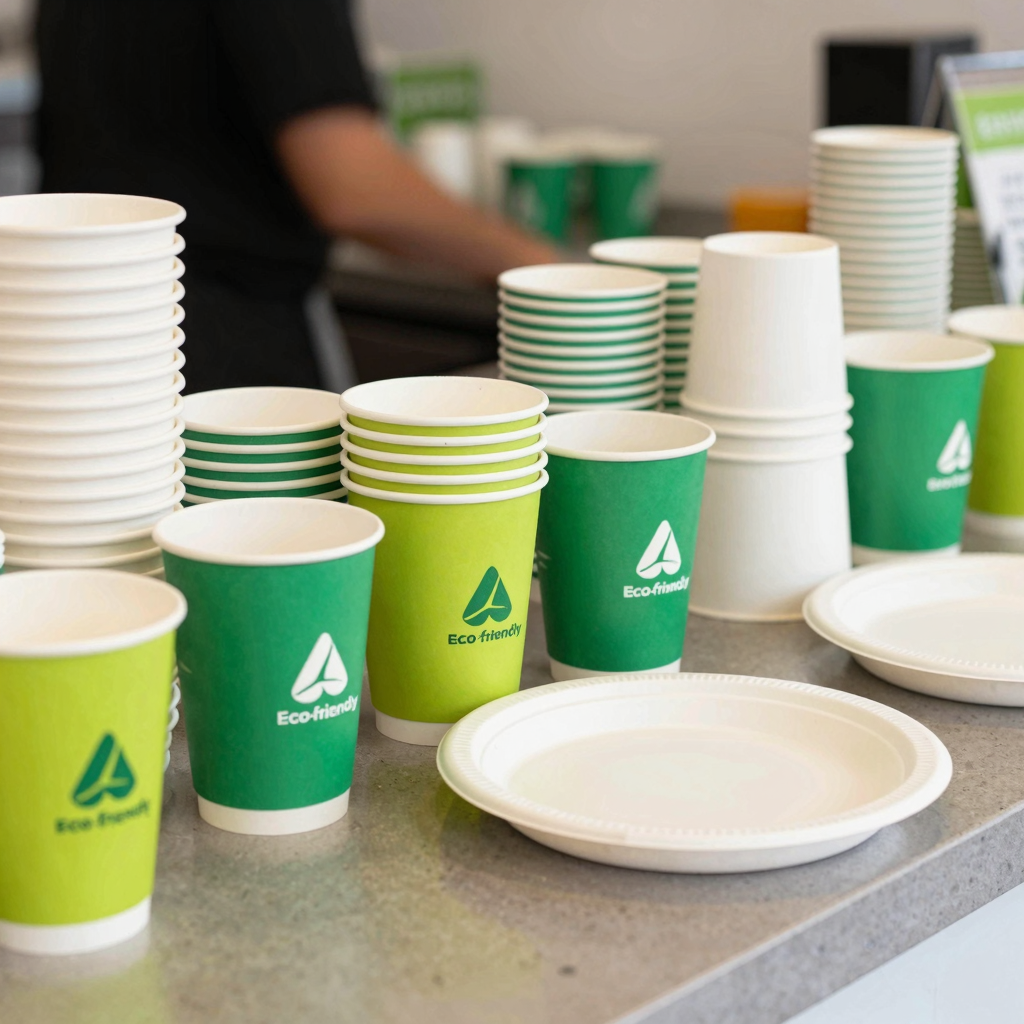
In the bustling world of food and beverage service, disposable paper plates and cups play a crucial role, merging convenience with sustainability. For bubble tea shops, restaurants, food trucks, catering services, and event planners, the importance of high-quality disposable tableware cannot be overstated. These products not only enhance the dining experience but also support eco-friendly practices that are increasingly sought after by consumers. Our company, specializing in innovative disposable paper products, provides a diverse range of options tailored to meet the unique needs of your business. Whether you’re looking for stylish designs or practical solutions, we’ve got you covered. To learn how customizable paper bowls can elevate your offerings, check out our post on customized octagonal paper bowls. Plus, discover the numerous business benefits of sugarcane cups to stay ahead in this competitive market.
Overview of the Disposable Tableware Market: Focus on Paper Plates and Cups
The disposable tableware market, particularly the sector focusing on paper plates and cups, is experiencing significant growth dynamics. Valued at USD 3.2 billion in 2023, the global market is expected to expand at a compound annual growth rate (CAGR) of 4.5% from 2024 to 2030. This growth is primarily driven by rising consumer demand for sustainable packaging solutions, health-conscious trends, and stringent regulations aimed at reducing plastic waste. The impact of events returning post-pandemic has further fueled the demand for convenient and hygienic tableware, particularly in foodservice and event management industries.
Key Trends and Growth Drivers
-
Eco-Friendly Practices: Today, businesses are increasingly adopting eco-friendly alternatives, replacing traditional plastic products with compostable options made from materials such as sugarcane bagasse and bamboo. In fact, over 65% of consumers reported willingness to pay a premium for packaging perceived as sustainable, which underscores the importance of eco-conscious marketing strategies for companies in this sector. With regulatory changes, particularly in areas like California and the EU, businesses are pushed towards sustainable alternatives, making compliance with eco-friendly practices essential rather than optional.
-
Innovations in Manufacturing: The sector has seen innovations such as moisture-resistant designs and the introduction of FSC-certified paper products that utilize water-based coatings to minimize environmental impact. The market is shifting towards direct-to-consumer e-commerce models, encouraging businesses to capitalize on this increasing demand for green products.
-
Market Recovery and Expansion: The resurgence of events, restaurants, and catering services is also significant. As these sectors recover, there is increased need for easy-to-use, disposable tableware, making this segment a pivotal focus for many suppliers.
Conclusion
The overall importance of adopting eco-friendly practices in the disposable tableware market is pivotal for both compliance and customer satisfaction. As consumer expectations continue to evolve, integrating sustainable methods will not only enhance brand loyalty but also contribute to long-term profitability in the growing disposable paper plates and cups market. For food service providers interested in elevating their environmental footprint, exploring sustainable options can align business practices with market expectations.
Benefits of Using Disposable Tableware in the Food Service Industry
Using disposable paper plates and cups offers several advantages for bubble tea shops, restaurants, and catering services, including:
- Convenience: Easily serve food and drinks without the need for washing dishes.
- Cost-Effectiveness: Reduce labor costs associated with cleaning and sanitizing reusable tableware.
- Hygiene: Minimized risk of contamination since each serving uses fresh, clean products.
- Variety: Available in different designs and sizes, enabling customization as per branding needs. For example, learn more about customized octagonal paper bowls.
- Lightweight and Portable: Easy to handle, making them suitable for food trucks and events.
- Eco-Friendly Options: Many disposable items are made from sustainable materials, helping to reduce environmental impact.
- Enhanced Customer Experience: Reduces wait times in fast-paced environments, improving service efficiency.
- No Breakage: Overcomes risks associated with glass or ceramic tableware, especially in outdoor settings or events.
These benefits make disposable tableware an ideal choice for businesses focused on efficiency and customer satisfaction.
Manufacturing Process of Disposable Paper Plates and Cups
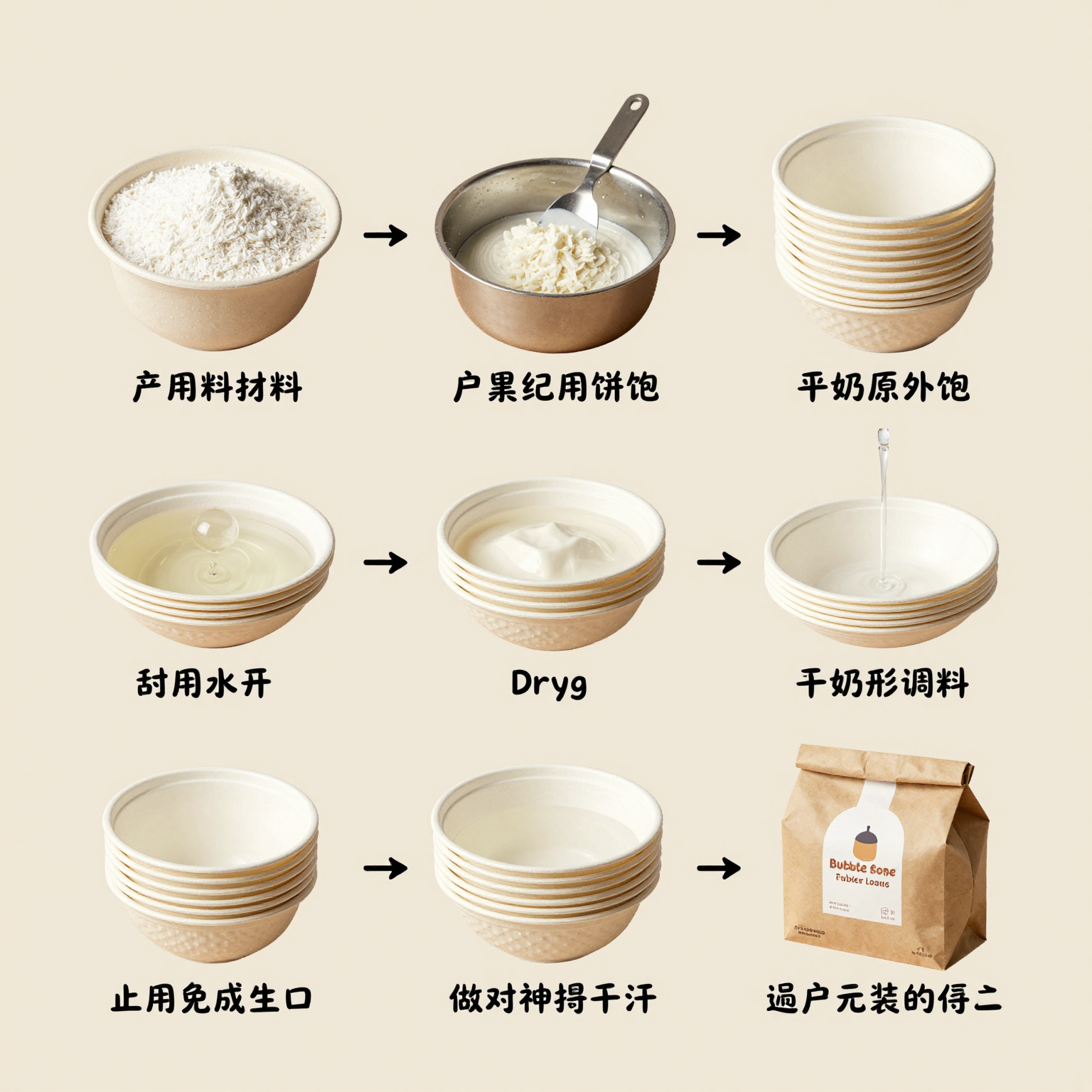
The manufacturing of disposable paper plates and cups is a meticulous process designed to ensure safety, durability, and eco-friendliness while utilizing innovative techniques.
Step-by-Step Process
-
Material Selection
The journey begins with the selection of high-quality raw materials. Typically, food-grade paper is used, often sourced from recyclable materials. Additionally, biodegradable coatings made from plant-based materials, such as sugarcane pulp, can be applied to enhance water resistance and provide structure.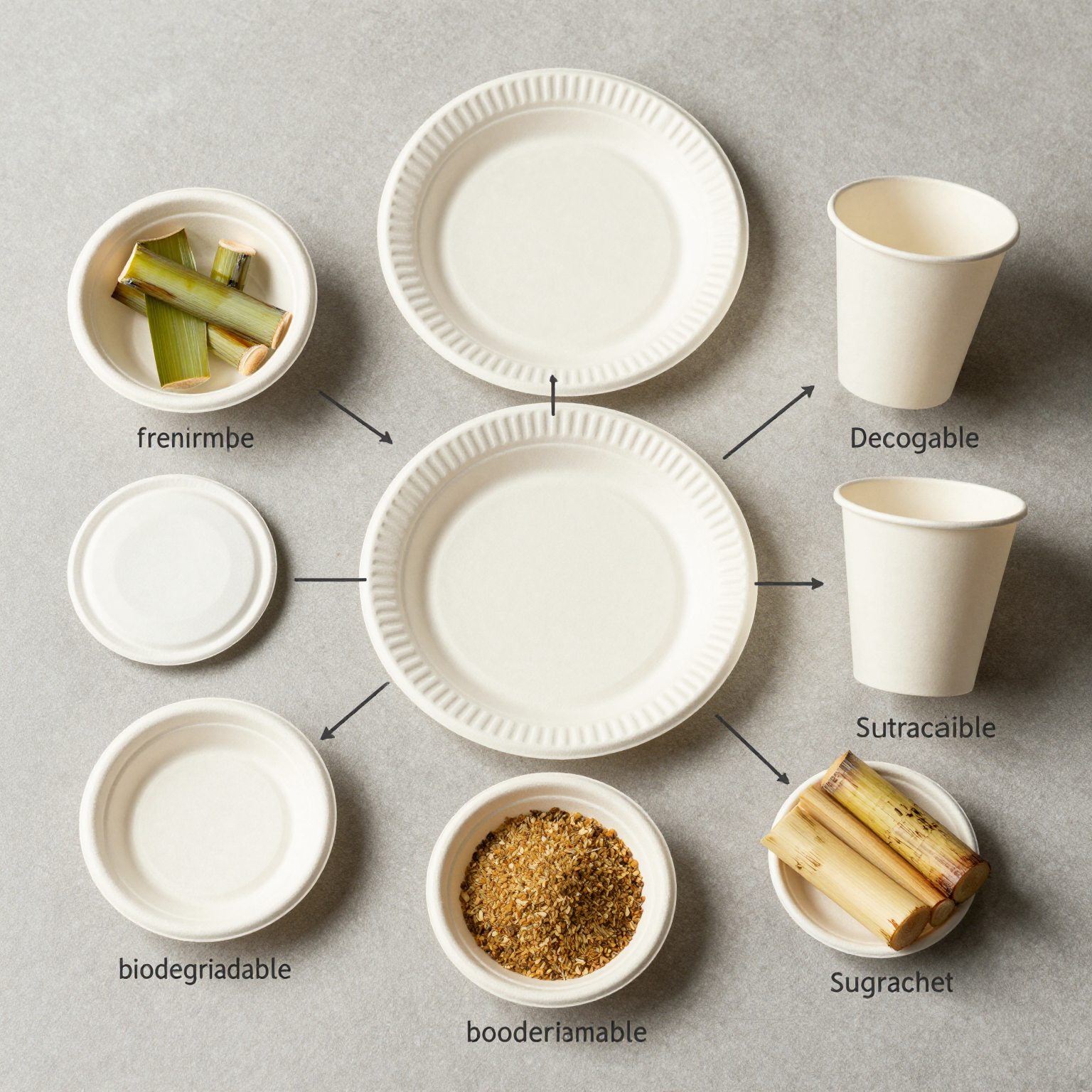
-
Production Techniques
The production process involves several stages:
- Pulping: Raw paper is processed into a pulp, ensuring it maintains the necessary strength and integrity for various applications.
- Molding and Shaping: Through methods such as die-cutting and pressing, plates and cups are formed into their desired shapes. Innovative molding techniques ensure that the products are uniform and can withstand high temperatures without deforming.
- Coating: A polyethylene layer is often applied to the inside of cups and plates to provide a barrier against liquids. This helps maintain the structural integrity of the products while also enhancing safety during usage.
-
Quality Control
Throughout the manufacturing process, stringent quality checks are implemented. This includes testing for pressure resistance, leak-proof characteristics, and ensuring that the coatings are safe and compliant with health regulations. Products are often tested against the standards outlined in the GB/T 27591-2025 regulations to guarantee that they are safe for food contact. -
Eco-Friendly Practices
The industry is moving towards manufacturing that minimizes environmental impact. This includes using recycled materials and adopting production techniques that reduce waste and emissions. For example, using advanced machinery that recycles water and reduces energy consumption is becoming more common in manufacturers aiming for sustainability.
Safety and Durability
Ensuring that disposable plates and cups are safe for consumers is paramount. Manufacturers adhere to strict hygiene and safety standards throughout the production process. This vigilance helps prevent contamination and ensures that the final products are durable enough for various food and beverage applications.
Conclusion
The future of disposable paper products looks promising as innovations continue to create safer, more efficient, and eco-friendly options. With features that align with today’s environmental standards, businesses can confidently offer disposable plates and cups that not only perform effectively but also contribute to a sustainable future. For more insights into specific manufacturing techniques, check out our custom octagonal paper bowls or sugarcane cup benefits!
Statistical Data on Disposable Tableware Usage in the Hospitality Industry
The use of disposable paper plates and cups in the hospitality industry has witnessed significant growth, particularly in the context of convenience and service speed. According to various industry reports, here are some key statistics illustrating the adoption and trends of disposable tableware:
-
Market Size and Consumption: In 2023, disposable cups held the largest market share at approximately 29%, followed closely by disposable plates and trays, which accounted for about 19% of the market. Disposable bowls represented around 16% of the market. This data underscores the predominant reliance on disposable items in the hospitality sector, especially in takeout and catering setups.
-
Sustainability Influences: Despite rising concerns about environmental issues associated with single-use plastics, disposable tableware continues to thrive. Regulations in some areas, such as Taiwan’s ban on biodegradable plastic disposables since August 1, 2023, indicate a desire for more sustainable alternatives. However, the shift towards eco-friendly options is gradual, emphasizing the continued demand for traditional disposable tableware.
-
Growth Projections: The disposable tableware market is expected to grow continuously, with projections estimating annual growth rates upwards of 12.67% from 2026 to 2033. This indicates a robust ongoing demand due to the convenience offered by such products, particularly in fast-paced environments like restaurants and food trucks.
The chart below visualizes these statistics, giving you a clearer view of the current market dynamics:
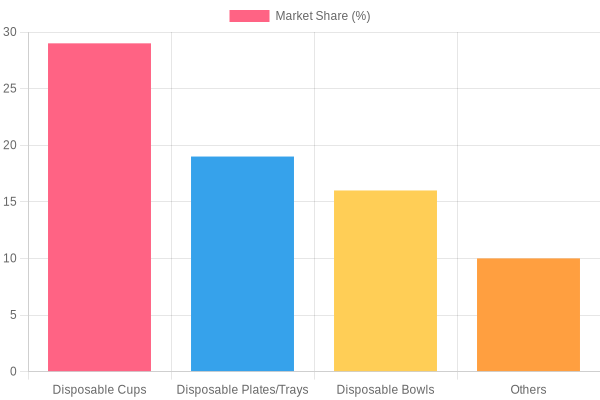
Market Share of Disposable Tableware Types (2023)
If you’re considering sourcing disposable products for your business, learn more about various disposable solutions available or explore the benefits of customized options like octagonal paper bowls.
Comparison Table of Disposable Tableware Materials
| Material | Pros | Cons |
|---|---|---|
| Paper | – Biodegradable and recyclable – Lower carbon footprint during use – Easier to print on for branding |
– High resource consumption and energy required for production – Durability issues; can easily become soggy or damaged |
| Plastic | – Durable and water-resistant – Cost-effective for bulk purchases – Wide variety of designs and uses |
– Long-lasting in the environment, contributing to pollution – Not biodegradable; often ends up in landfills or oceans |
| Biodegradable | – Made from renewable resources (e.g., PLA, bamboo) – Decomposes faster than plastic – Increasing consumer demand for eco-friendly options |
– Can require specific composting conditions – Production can be resource-intensive; competition with food crops – Misleading labeling can result in ineffective breakdown |
This table highlights essential characteristics that businesses need to consider when choosing tableware materials. For further insights into the manufacturing of eco-friendly products, check out our article on sugarcane cups and their business benefits.
If you’re interested in customized options, consider looking at our resources on octagonal paper bowls.
Now that you have a comprehensive overview of these materials, you can make informed decisions that align with your business needs and environmental values.
Customer Testimonials on Disposable Tableware
Here’s what some satisfied customers in the food service industry are saying about their experiences with our disposable tableware products:
“Switching to sugarcane cup trays from Cofe has transformed our bubble tea shop’s customer satisfaction. Our clients appreciate the eco-friendly aspects, and our sales have noticeably increased!”
- Emily, Owner of Bubble Bliss Tea
“As an event planner, I require reliable and stylish disposable dinnerware. The customizable octagonal paper bowls from Cofe have impressed both my clients and guests. They are sturdy, look fantastic, and receive compliments every time!”
- Mark, Event Planner at Premium Parties
“Using these biodegradable plates has enhanced our brand image. Customers love that we’re making sustainable choices. We saw a 25% uptick in positive social media feedback after making the switch!”
- Sarah, Manager at Greenfield Café
“The durability of these cups and plates is amazing. We serve hot and cold items without any worries. Plus, the disposal is easy, which helps us maintain a clean service area!”
- James, Chef at Street Eats Food Truck
These testimonials underscore the positive impact of choosing quality disposable tableware products on food service operations. For more insights, check out our blog on sustainable disposable tableware.
Conclusion and Call to Action
In conclusion, the manufacturing of disposable paper plates and cups has become increasingly vital for businesses in the food service industry. The trends observed in 2023 underscore a significant shift towards environmentally friendly practices, proving that consumers prefer products that are both sustainable and convenient. With an estimated growth in the disposable paper product market, businesses can capitalize on the demand for these essential items, enjoying benefits such as improved hygiene, operational efficiency, and reduced costs.
At Cofe Cup, we specialize in a range of high-quality disposable paper products tailored for various sectors, including bubble tea shops, restaurants, food trucks, and event planners. Our commitment to sustainability ensures that our products not only meet but exceed industry standards, providing you with peace of mind in your procurement choices.
Ready to enhance your service offerings with our eco-friendly disposable tableware? Contact us today for a tailored quote and discover how our products can elevate your business while promoting a sustainable future. Together, let’s make your catering events memorable and environmentally responsible!
Growth of the Disposable Tableware Market
The disposable tableware market has been steadily growing, with significant increases projected in the coming years. Below is a bar chart that illustrates the market growth:
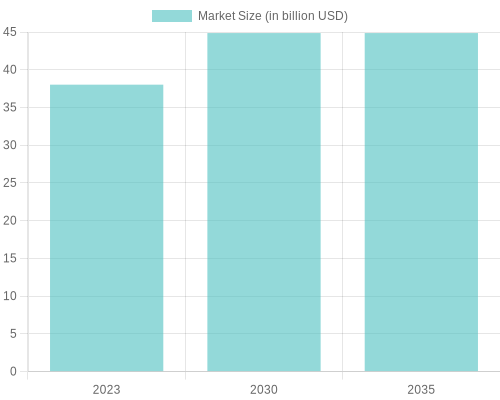
Market Sizes:
| Year | Market Size (in billion USD) |
|---|---|
| 2023 | 38.02 |
| 2030 | 44.86 |
| 2035 | 44.86 |
According to Statista, the global disposable tableware market had a sales estimate of approximately 38.02 billion USD in 2023, with expectations to reach about 44.86 billion USD by 2035.