
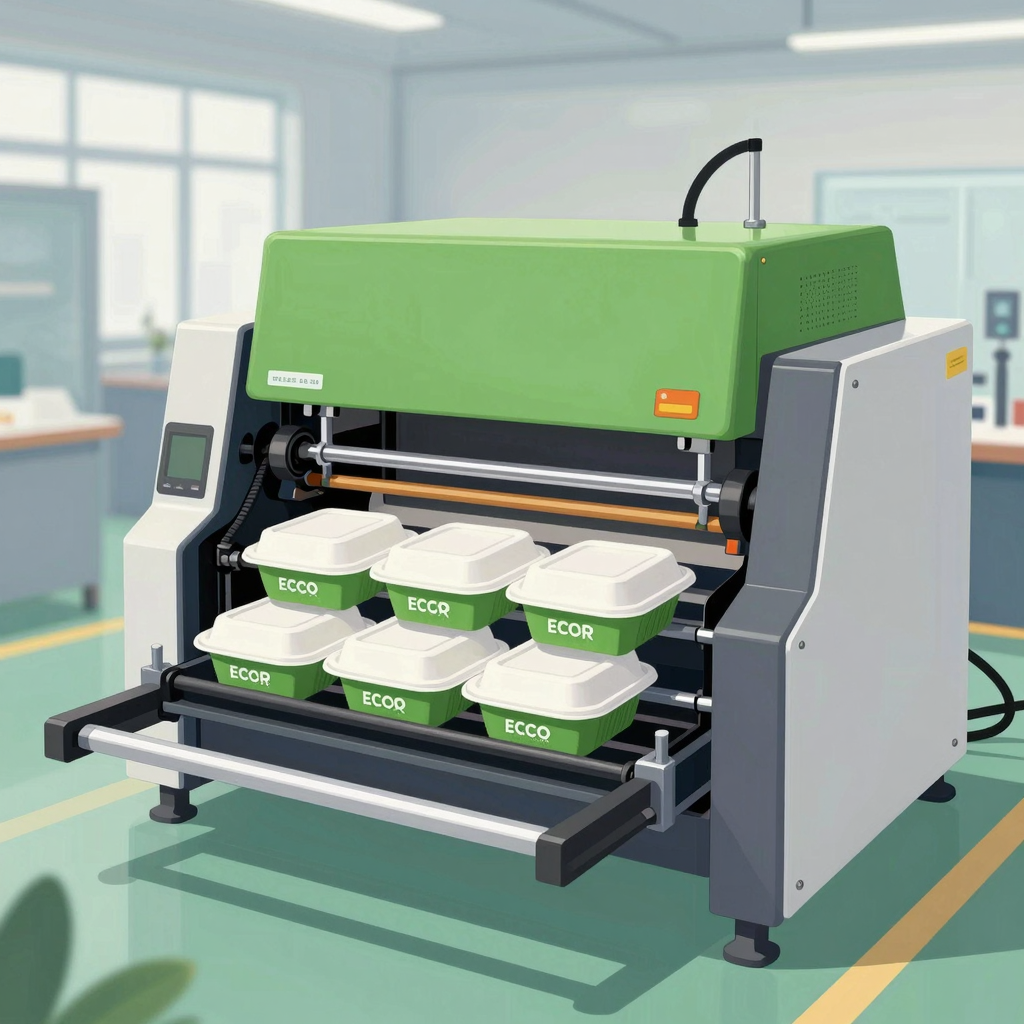
In the fast-paced world of the food and beverage industries, sustainability and efficiency are paramount, making the thermoforming machine a vital piece of equipment for plastic manufacturers. These machines enable the production of food containers such as cups, trays, and lids that are both environmentally friendly and cost-effective. With the rising demand for disposable yet sustainable packaging solutions, thermoforming is essential in crafting lightweight and durable containers tailored to meet diverse consumer needs. Advanced technologies in thermoforming not only enhance manufacturing speed but also support compliance with environmental regulations. As businesses in this sector, including bubble tea shops and restaurants, seek to optimize their operations, understanding the capabilities and importance of thermoforming machines becomes crucial. Explore how these innovations can revolutionize your packaging solutions and drive success in your packaging strategy, learn more about eco-friendly options.
Benefits of Thermoforming Machines for Food Containers
Thermoforming machines have become a game-changer for businesses in the food service industry, particularly for bubble tea shops, restaurants, and catering services. These machines provide significant advantages that are essential for operational efficiency and environmental responsibility.
Cost-effectiveness
One of the primary benefits of using thermoforming machines is cost-effectiveness. The fully automated processes allow for high-speed production of food containers, reducing labor costs. The integration of forming, punching, and cutting in one streamlined operation saves time and increases efficiency. Moreover, the energy-saving features of modern machines can lower operational costs by up to 20%, making them a smart investment for small and large businesses alike.
Customization
Customization is another key advantage. Thermoforming machines can easily adapt to create containers in various sizes and shapes, perfect for accommodating unique menu items or brand aesthetics. For instance, bubble tea shops can produce eye-catching cups and lids tailored to their specific requirements, enhancing customer appeal.
Eco-friendliness
In today’s environmentally conscious market, the use of eco-friendly materials is crucial. Thermoforming processes support the use of recyclable plastics and even biodegradable materials like PLA (polylactic acid) and agricultural by-products. This helps reduce the carbon footprint and aligns with sustainable practices, appealing to eco-minded consumers.
For more insights on sustainable packaging options, you can learn more about sugarcane cup benefits and explore how they can enhance your business’s eco-profile.
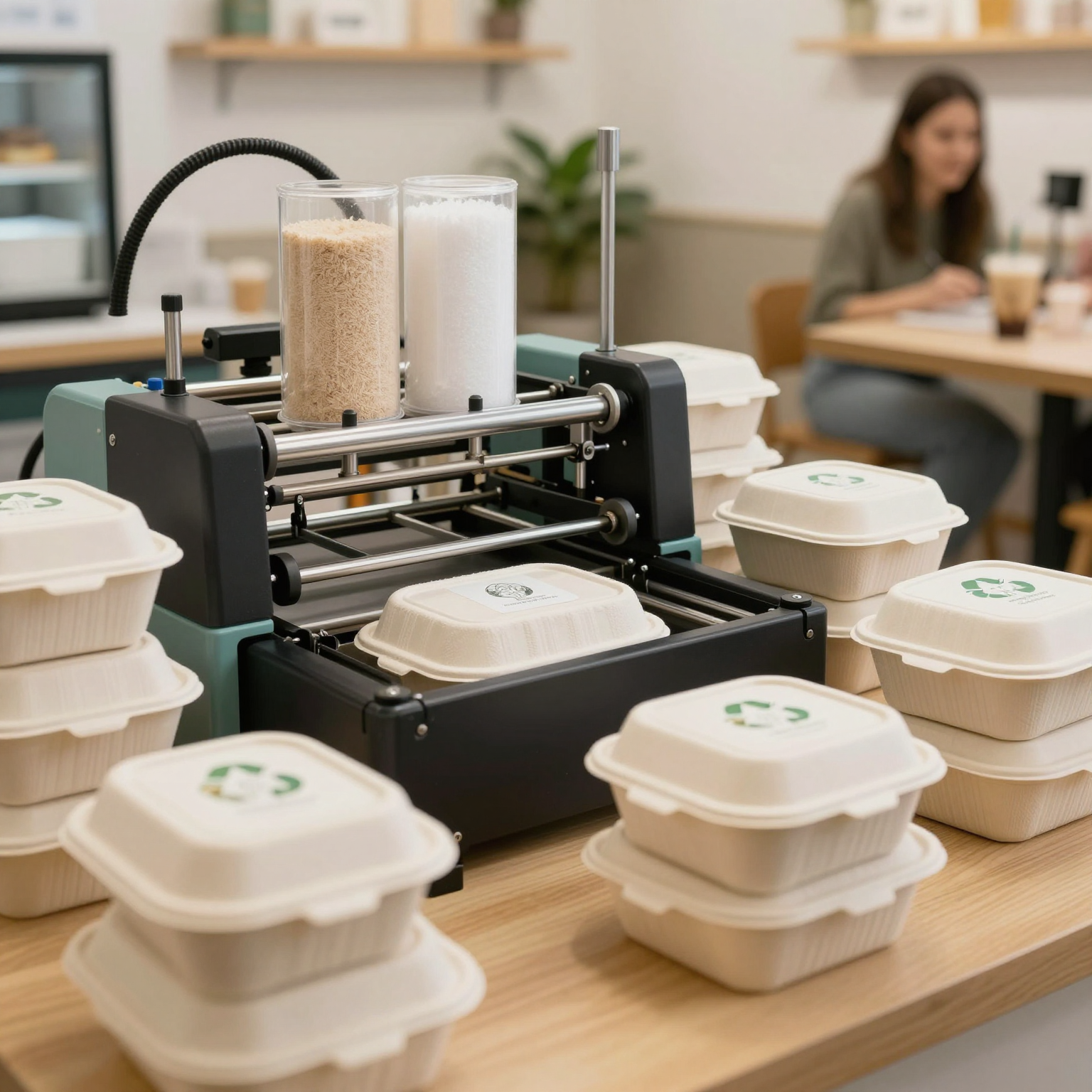
In conclusion, thermoforming machines are a pivotal investment for food businesses looking for efficiency, customization, and sustainability in their packaging solutions.
Safety Standards in Food Container Manufacturing
At the forefront of our thermoforming machine manufacturing process is an unwavering commitment to safety and quality. Our food containers are produced in strict adherence to all relevant safety standards and regulations, ensuring that they are safe for food contact and suitable for various culinary applications. Compliance with FDA and EU regulations means that all materials used in our production processes are non-toxic and free from hazardous substances. Furthermore, our manufacturing facilities undergo regular inspections and audits to maintain high-performance levels and safety protocols. We prioritize advanced technology and worker training to manage safe manufacturing practices while guaranteeing the durability and reliability of our containers. By investing in both equipment and human capital, we ensure that our products not only meet but exceed the industry standards. This dedication to excellence reinforces our brand’s reputation in the market, providing our clients-ranging from bubble tea shops to catering services-with peace of mind that they are using safe, quality products. Learn more about our customized solutions that comply with these rigorous standards.
Comparing Thermoforming Machine Types for Food Container Manufacturing
When it comes to producing food containers, various types of thermoforming machines are available, each with unique features, benefits, and suitable applications. Below is a comparison of some popular styles:
| Machine Type | Features | Benefits | Suitable Applications |
|---|---|---|---|
| Automatic Positive-Negative Pressure Machine | High precision forming, servo-driven systems, uniform heating | Low energy consumption, high-speed operation (up to 35 cycles/min) | Cake boxes, fruit containers, fast food trays |
| Multi-Station Thermoforming Machine | Integrated design for heating, forming, cutting, and stacking | Flexible design, ideal for small batches, reduces overall production costs | Egg trays, various food packaging boxes |
| Negative Pressure Forming Machine | Utilizes vacuum pressure for tight mold adherence | Delivers high structural strength and precision | General packaging, fresh produce containers |
| Cup Thermoforming Machine | Specialized for cups, ensures dimensional consistency and product quality | High production efficiency for disposable items, high transparency and sealing | Beverage cups (coffee, bubble tea), food bowls |
This diverse array of options enables businesses like restaurants, catering services, and food trucks to select the perfect thermoforming solution tailored to their production needs. For further insights, check out customized octagonal paper bowls and sugarcane cup benefits.

Understanding the Thermoforming Process for Food Containers
Thermoforming is a popular manufacturing process widely used by plastic manufacturers to create food containers, particularly in the food and beverage industry. This method allows for the efficient production of various shapes and sizes, making it ideal for packaging solutions tailored to the needs of bubble tea shops, restaurants, and catering services.
Key Steps in the Thermoforming Process
- Material Heating: The process begins with heating a plastic sheet until it becomes malleable. This is a crucial step, as the temperature needs to be just right to ensure that the material can be shaped without losing its structural integrity.
- Forming: The heated material is then placed over a mold. A vacuum is usually applied to pull the material into the shape of the mold, creating the desired container.
- Cooling: Once shaped, the container is cooled to harden the plastic, making it durable and ready for use.
- Trimming: Finally, excess material is trimmed away, ensuring that the finished product is clean and ready for packaging.
Applications and Benefits
The thermoforming technique is favored for its versatility and cost-effectiveness, making it suitable for businesses looking to enhance their packaging options. Whether it’s customized octagonal paper bowls or compostable hamburger boxes, the process can be adapted to produce a variety of products.

By utilizing this efficient manufacturing technique, companies can significantly improve their production capabilities and cater to the ever-growing demand for food containers. For more insights about specialized food containers, you can learn more about custom octagonal paper bowls or explore the benefits of sugarcane cups for business.
Case Studies on Successful Implementation of Thermoforming Machines in the Food and Beverage Industry
Thermoforming machines are transforming the way food and beverage businesses operate, significantly enhancing production efficiency and quality. Here are some noteworthy case studies where companies have successfully implemented these machines:
1. High-Volume Food Packaging
One prominent case involved a company utilizing a three-station thermoforming machine engineered for food packaging. This machine can simultaneously produce multiple plastic trays and increase production speed by up to 30%. It supports various materials like PP, HIPS, and PVC, meeting food safety standards and ensuring compliance with EU norms. This implementation notably reduced labor costs and improved production throughput, making it ideal for businesses needing large quantities of fast-food containers and beverage cups.
2. Automated Beverage Cups Production
Another case study highlighted fully automatic thermoforming machines designed for single-use beverage cups in coffee shops and catering businesses. These machines can produce over 1,200 cups per hour, surpassing traditional production speeds by nearly 30%. The automation reduced manual labor by 40%, which directly influenced cost effectiveness while maintaining product quality. This advancement allowed shops to manage high demand smoothly and efficiently.
3. General Benefits Across the Industry
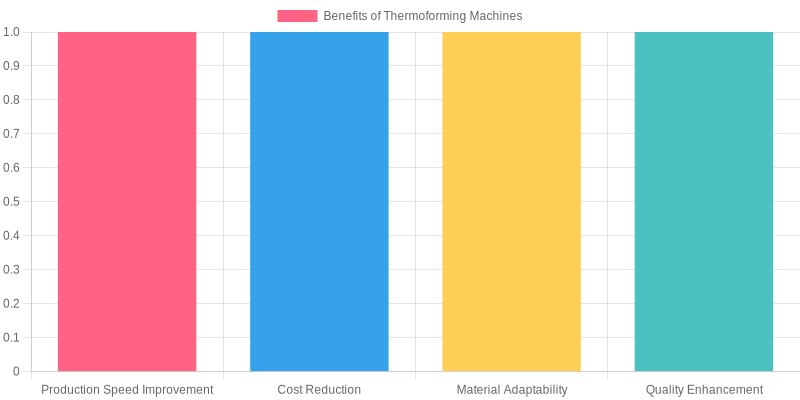
The implementation of thermoforming technology offers several advantages:
- Production Speed Improvement: Rapid processing increases output, which is essential for meeting demand.
- Cost Reduction: Automating production lowers labor costs and minimizes waste.
- Material Adaptability: Modern machines can use various thermoplastics, enhancing product versatility.
- Quality Enhancement: Consistent, high-precision sealing improves shelf life and food safety.
For more insights on related topics, check out our article on sugarcane cup benefits and the advantages of using customized octagonal paper bowls.

Common Plastic Materials for Thermoformed Food Containers
When it comes to thermoformed food containers, several plastic materials stand out due to their unique advantages. Here’s a friendly yet professional overview, especially aimed at bubble tea shops, restaurants, and catering services:
-
PET (Polyethylene Terephthalate)
-
Advantages: High clarity, strong barrier properties against moisture and gas, recyclable.
-
Suitability: Ideal for items needing visibility such as salads or fruits, as it keeps food fresh longer.
-
PP (Polypropylene)
-
Advantages: Lightweight, excellent heat resistance, and can withstand temperatures up to 120°C.
-
Suitability: Great for hot food items and microwave-safe containers.
-
PS (Polystyrene)
-
Advantages: Rigid, good strength, and clear appearance.
-
Suitability: Often used for disposable items like cups and lids.
-
HDPE (High-Density Polyethylene)
-
Advantages: Strong, resistant to impact, and versatile.
-
Suitability: Popular for containers that need durability, like food trays.
These materials combined with thermoforming technology provide excellent options for food safety and presentation. For more details on the manufacturing process, check out our customized octagonal paper bowls and the benefits of sugarcane cups.
“The integration of advanced thermoforming machines with inline quality inspection systems-such as vision sensors and thermal imaging-has revolutionized food packaging quality control.”
- Dr. Monisha Soni, food packaging safety researcher, highlighting the critical improvements in consistency and safety
Thermoforming machines are pivotal in the food packaging industry, combining quality and innovation to create reliable, safe containers. With advancements in technology, these machines allow food businesses to not only enhance their production efficiency but also ensure that products meet stringent safety standards. For instance, inline inspection processes help detect defects during production, significantly reducing the chances of product recalls. Such innovations are essential for establishments looking to thrive in competitive environments, especially for food trucks and bubble tea shops.
Conclusion and Call to Action
Choosing our thermoforming machines for food containers offers numerous advantages that can elevate your business, especially in the dynamic world of food service. Our machines are designed for efficiency, allowing you to produce high-quality, eco-friendly tableware quickly and at a lower cost. Key benefits include:
- Operational Efficiency: Our machines streamline the production process, minimizing labor costs and increasing speed. This is essential for busy environments like restaurants and food trucks.
- Hygiene and Safety: With consumers increasingly focused on hygiene, our disposable options eliminate the risk of cross-contamination common with reusable items, ensuring your customers enjoy their meals with confidence.
- Sustainability: Many of our products are made from compostable materials, aligning with modern consumers’ demand for eco-friendly practices.
As food businesses like bubble tea shops, restaurants, and catering services continue to seek innovative solutions, our thermoforming machines stand out as the optimal choice for your packaging needs.
Ready to enhance your operations? Partner with us today for the best in disposable tableware and packaging solutions. Visit our website at cupbowlpack.com to learn more and take the first step towards improving your business outcomes.
Current Trends in Food Packaging: A Shift Towards Sustainability
In recent years, the food packaging industry has experienced a significant shift towards eco-friendly materials and innovative technologies like thermoforming. This trend is largely driven by consumer preferences and regulatory demands for sustainability, which have prompted businesses to rethink their packaging strategies.
Key Industry Insights:
- Market Growth: The eco-friendly packaging market is projected to grow with a compound annual growth rate (CAGR) of 9.4% from 2023 to 2033. This is indicative of an increasing consumer preference for sustainable options (Grand View Research).
- Thermoforming Technology Adoption: The use of thermoforming technology, known for its efficiency in producing lightweight and durable packaging, is expected to rise from 32% in 2023 to 48% by 2026 in North America and Europe. This growth is attributed to advancements in bio-based materials and automated processes (Plastics Today).
- Consumer Willingness: A staggering 74% of consumers are willing to pay a premium for products that utilize sustainable packaging solutions, showcasing the importance of eco-conscious branding in today’s market (Tetra Pak).
Visual Representation
To better illustrate these trends, refer to the chart below:
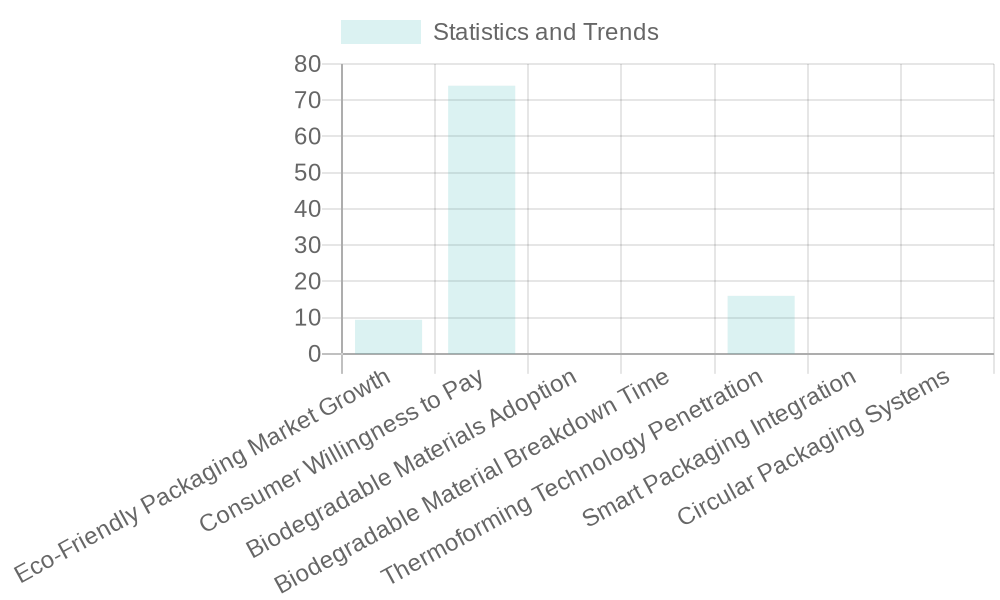
Current trends in eco-friendly packaging and thermoforming technology adoption.
As businesses in the food and beverage sector rethink their approaches to packaging, embracing these trends will not only help meet regulatory standards but also resonate well with environmentally conscious consumers. For more insights, check out our sustainable packaging solutions and learn how you can integrate these practices into your operations for lasting success.