
Introduction
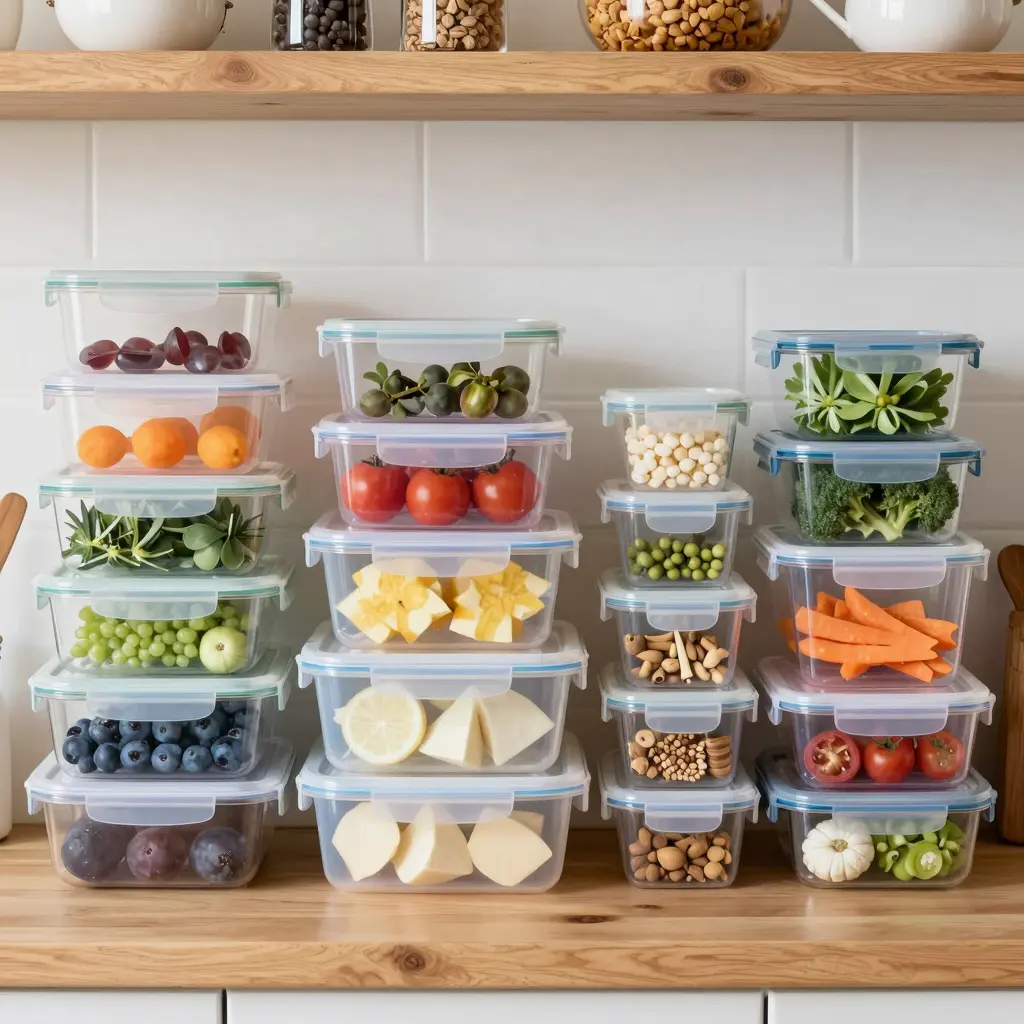
In the bustling world of food service-from trendy bubble tea shops and vibrant restaurants to dynamic food trucks and professional catering services-the importance of safety in food packaging cannot be overstated. Plastic food containers play a pivotal role in ensuring that your culinary creations not only look appealing but are also stored and transported safely. As food businesses, it is vital to stay informed about the safety standards associated with plastic packaging to protect your products and maintain customer trust. Not only do these containers help in preserving the freshness and quality of your offerings, but they also contribute significantly to your branding and efficiency. Join us as we explore the safety considerations around plastic food containers, providing you with essential insights that can aid in making informed choices for your establishment. For more on the variety of packaging options available, visit our site and discover how we can support your food safety journey!
The Importance of Safe Food Packaging
In today’s food industry, safe packaging practices are vital for ensuring the protection of food items and their consumers. Food safety experts emphasize that proper packaging significantly reduces the risk of contamination and spoiling of food products. Here’s a powerful insight from Dr. Emily Chen, a leading food science expert:
“The right packaging can enhance food safety and extend shelf life.”
This statement underscores the critical role that packaging plays in maintaining food quality.
Benefits of Proper Food Packaging
- Preventing Contamination: Proper food packaging acts as a barrier to harmful microorganisms. This means that food products are less likely to be contaminated during transport and storage.
- Extending Shelf Life: The use of modern materials in food packaging extends the shelf life of products, thereby reducing food waste.
- Safety Assurance: Effective packaging protects food from physical damage, contamination, and spoilage, which is crucial for maintaining consumer trust in food safety.
- Environmental Protection: Good packaging safeguards against environmental factors that can deteriorate food quality.
For more details about food packaging options, check out our range of packaging solutions.
Visualizing the Importance

Importance of Food Packaging Chart
The chart illustrates various aspects in which food packaging contributes to safety, including:
- Preventing Contamination
- Extending Shelf Life
- Role of Packaging in Safety
- Importance of Aluminum Foil
- Protecting Against Environmental Factors
In conclusion, the importance of safe food packaging cannot be overstated. It is integral to both food quality and safety, ensuring that consumers receive products that are fresh, safe, and of high quality.
Common Types of Plastic Food Containers
Plastic food containers are critical in the food industry for their ability to preserve and package food safely and effectively. Here’s a detailed look at some common types of plastic containers, their uses, and benefits:
-
Polyethylene Terephthalate (PET)
-
Uses: Widely used in beverage bottles, food jars, and clear food containers.
-
Advantages: PET is known for its excellent strength, transparency, and recyclability. It is safe for food contact and preserves freshness effectively. This makes it an ideal choice for items like bubble tea drinks and soft drinks. Learn more about this packaging type.
-
High-Density Polyethylene (HDPE)
-
Uses: Commonly found in milk jugs, juice bottles, and various food storage containers.
-
Advantages: HDPE is resistant to impact, moisture, and chemical leaching, making it a safe option for food packaging. This durability also makes it lightweight and cost-effective, which is essential for food trucks and businesses that require reliable containers for transportation. Check out HDPE packaging options here.
-
Low-Density Polyethylene (LDPE)
-
Uses: Often used for bags, wraps, and some food storage containers.
-
Advantages: LDPE is flexible and resilient but less common for rigid containers. It provides a good barrier against moisture but is generally less suitable for high-temperature applications.
-
Polypropylene (PP)
-
Uses: Utilized in containers for sauces, deli items, and microwaveable food.
-
Advantages: Known for its higher melting point, PP is safe to use in microwaves and is resistant to chemicals and grease. It’s durable and provides good clarity, making it a popular choice for food establishments.
-
Polystyrene (PS)
-
Uses: Frequently used in disposable cutlery, plates, and takeout containers.
-
Advantages: PS is cost-effective and offers good insulation properties, though concerns about styrene leaching have led to reduced usage in food applications.
-
Polyvinyl Chloride (PVC)
-
Uses: Commonly used in cling wrap for food preservation and some containers.
-
Advantages: PVC is highly versatile and provides excellent chemical resistance, but its safety in food applications is often questioned due to potential plasticizer leaching.
It’s crucial for businesses in the food industry, such as restaurants and catering services, to select the right type of plastic food containers to ensure food safety and preservation. Understanding the materials and their suitability for specific applications is vital for maintaining quality and compliance standards.
Overall, plastic food containers provide an efficient and safe method to package food and beverages. Choosing the right type can enhance customer satisfaction and ensure that food remains fresh and safe for consumption.
If you want to explore more types of food containers, check out our disposable dinnerware options.
Understanding FDA Guidelines for Plastic Food Containers
When it comes to food safety, especially in businesses like bubble tea shops, restaurants, and food trucks, ensuring that food containers meet FDA guidelines is critical. The U.S. Food and Drug Administration (FDA) regulates the materials that come in contact with food to ensure they are safe for consumers. Here’s a friendly yet professional overview of the key guidelines related to plastic food containers.
Key FDA Guidelines
-
Regulation of Food Contact Substances: The FDA regulates food contact substances, including various plastics used in food packaging. This ensures that these materials do not leach harmful substances into food. Compliance with these safety standards is essential for any food-related business. Learn more on FDA’s official website.
-
Safety Assessment: Before a new food contact substance can be marketed, it must undergo a safety assessment. This involves a comprehensive evaluation of potential exposure and toxicity. Manufacturers are responsible for ensuring their products meet FDA regulations. Understanding the difference between FDA compliant and FDA approved products is vital, as the FDA does not individually approve items, but requires compliance instead. Explore the compliance requirements here.
-
Intended Use: The specific intended use of the plastic food containers greatly affects the regulations that apply. For instance, containers designed for microwave use must meet additional criteria compared to those intended solely for cold storage. This ensures that materials remain stable and safe under different conditions.
-
Direct Food Additives: Guidelines also cover direct food additives found in food packaging materials. Any plastic that may cause contamination through migration into food must be assessed and regulated accordingly.
Importance for Food Businesses
It is essential for beverage chains, caterers, and food service providers to stay informed about FDA guidelines to avoid potential hazards. Utilizing compliant food packaging protects consumer health and enhances your business’s reputation. For businesses seeking high-quality, compliant packaging solutions, consider exploring options through Cofe Cup’s wide range of packaging products.
In conclusion, adhering to FDA guidelines for plastic food containers not only guarantees safety but also helps streamline operations in food service environments. Make the switch to compliant materials today and ensure your customers receive the safest products possible!
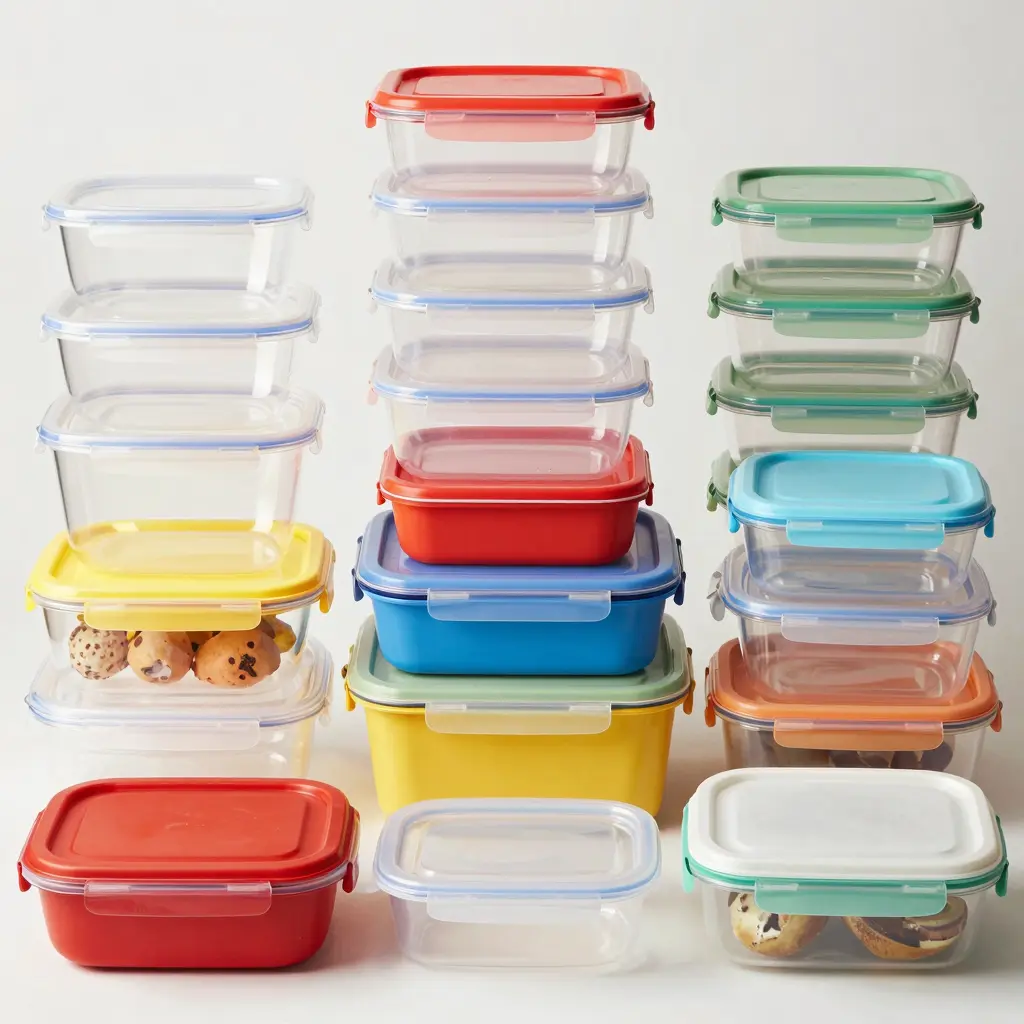
Explore the different options of plastic food containers available for your business, ranging from storage boxes to microwave-safe containers!
Benefits of Using Plastic Food Containers in the Food Industry
Plastic food containers have become an essential component in the food industry, providing myriad benefits that cater to the diverse needs of businesses like bubble tea shops, restaurants, food trucks, and catering services. The three primary advantages of these containers are safety, cost-effectiveness, and convenience.
Safety
When it comes to food storage and transportation, safety is paramount. Plastic food containers made from food-grade materials adhere strictly to safety regulations. They are designed to prevent harmful chemicals from leaching into food items, thus ensuring that the food remains safe for consumption.
- Many modern plastic containers are BPA-free, which means they do not contain bisphenol A, a chemical that has raised health concerns.
- The materials used in these containers are chosen to withstand various conditions, reducing the risk of contamination from external sources.
For instance, many restaurants employ plastic containers that meet safety standards to manage the risks associated with food storage. This not only protects consumers but also instills confidence in the brand image of food service providers. Learn more about packaging solutions here.
Cost-effectiveness
From a financial perspective, plastic food containers offer significant cost-saving opportunities. They are relatively inexpensive compared to alternatives like glass or certain biodegradable materials. The affordability of plastic containers allows businesses to minimize their operational costs while ensuring they have reliable storage options for their products.
- The lightweight nature of plastic also cuts down on shipping and transportation costs.
- Additionally, due to their durability, plastic containers often come with a longer lifespan than their counterparts, leading to fewer replacements over time.
According to recent market analysis, the plastic food containers market is projected to grow significantly, highlighting their prevailing role in the industry. Check the market trends for food containers here.
Convenience
Another major advantage of plastic food containers is their convenience. They are designed for ease of use, allowing quick filling, storing, and transporting of food items. This is especially beneficial for food trucks and catering services where speed and efficiency are critical.
- Many plastic containers are microwave-safe and can be reused, which adds to their practicality in busy kitchen environments.
- Their stackable nature allows for efficient space utilization, making them ideal for restaurants and catering setups where storage space can be limited.
In conclusion, plastic food containers provide essential benefits that greatly impact the food industry. Their focus on safety, cost-effectiveness, and convenience makes them indispensable for food service businesses, allowing them to thrive in a competitive market.
Safety Ratings of Popular Plastic Food Container Brands
Choosing the right plastic food containers for your food business is crucial, especially considering safety ratings and certifications. Below, we have compiled a table comparing some well-known brands and their safety credentials, making it easier for you to make informed decisions:
| Brand | Safety Rating | Certifications |
|---|---|---|
| Tupperware | 5/5 | BPA-Free, NSF Certified |
| Rubbermaid | 4/5 | BPA-Free, FDA Approved |
| Glad | 3.5/5 | BPA-Free, ISO 22000 |
| Stasher | 5/5 | BPA-Free, Eco-Friendly Certification |
| Sistema | 4/5 | BPA-Free, FSC Certified |
| Ziploc | 3/5 | FDA Approved |
| Hi Tray | 5/5 | SGS Tested, Food Safety Certified |
Helpful Resources:
For more information on food packaging and certifications, check our packaging options or learn about paper packaging.
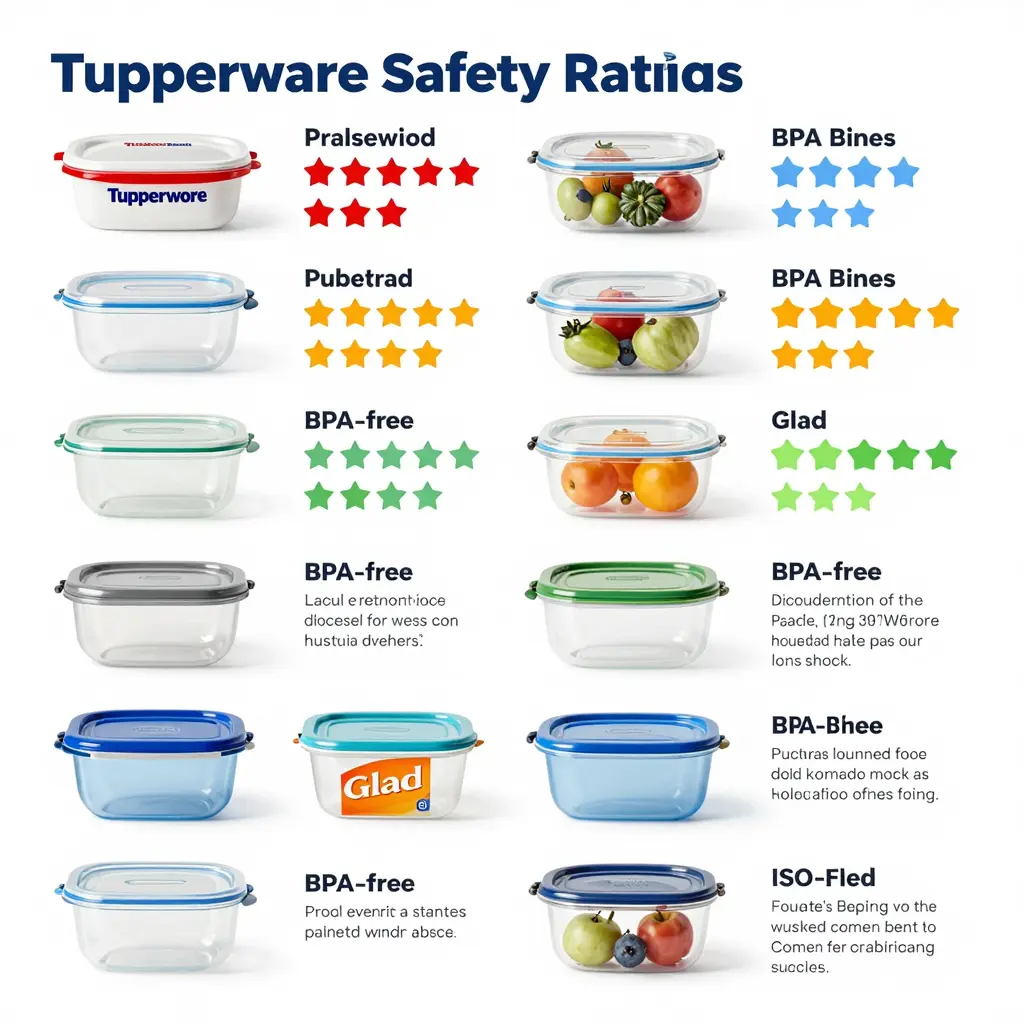
This infographic provides a visual representation of the safety ratings and certifications, summarizing key information in an easy-to-understand format.
In summary, selecting the right containers not only helps in preserving food quality but also ensures safety for consumers. Be diligent in checking certifications and safety ratings to ensure you choose the best options for your business.
Conclusion
In today’s fast-paced food service industry, prioritizing safety and quality in your food storage solutions is paramount. Our exploration has reinforced the significance of using safe plastic food containers. They not only play a crucial role in maintaining food integrity but also protect your customers from potential health risks associated with harmful chemicals like BPA, which can leach into food. It is vital to consider factors such as whether the containers are microwave-safe and free from toxic substances.
Moreover, the benefits of utilizing high-quality plastic food containers extend beyond health considerations; they contribute to the overall presentation and sustainability of your food service establishment. By investing in reusable and attractive containers, you not only improve the aesthetic appeal of your meals but also enhance customer satisfaction, as these containers help keep your food fresh and safe during transport.
As you plan your next order, we invite you to explore our extensive range of safe plastic food containers at Cofe Cup. Elevate your food service with products that prioritize quality, safety, and convenience. Choose wisely for a healthier future!
Lifecycle of Plastic Food Containers
The lifecycle of plastic food containers involves several stages from production to disposal. Understanding these stages helps in recognizing the impact of plastic on the environment and the importance of adopting eco-friendly practices.
Stages of the Plastic Food Container Lifecycle
| Stage | Description | Eco-friendly Alternatives |
|---|---|---|
| Production | High energy chemical reactions create plastic resins for containers. | Bamboo, glass, cornstarch products |
| Transportation | Packaging is transported from production sites to retailers or distributors. | Returnable containers for reuse |
| Usage | Consumers use plastic containers for food storage and preparation. | Reusable glass or silicone storage solutions |
| Disposal | Majority of plastic containers are not biodegradable and end up in landfills or oceans. | Biodegradable containers, compostable options |
| Eco-friendly Practices | Recycling initiatives focus on repurposing and reducing plastic usage. Efforts to create awareness. | Recycled materials, zero-waste packaging solutions |
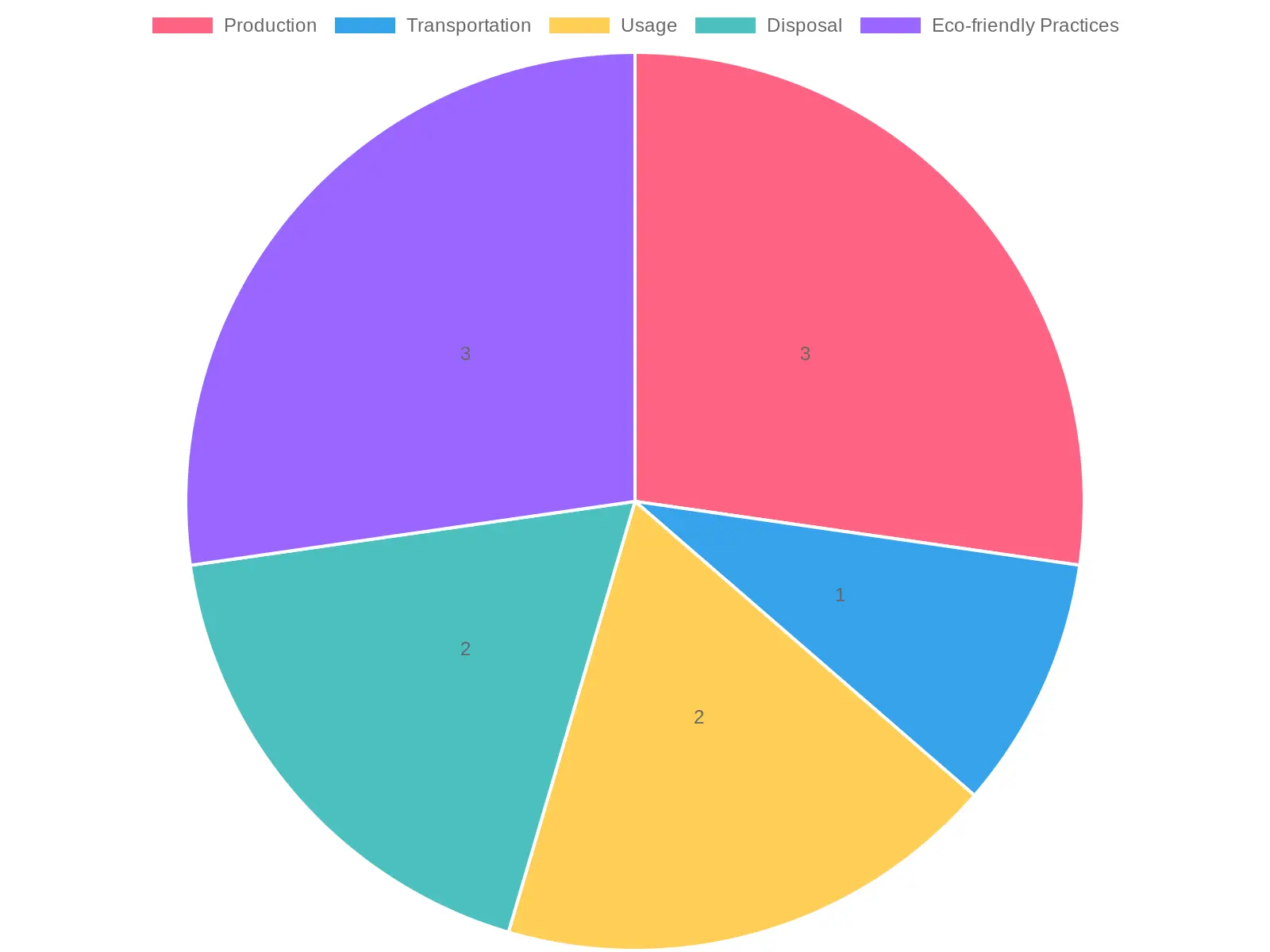
For more information on eco-friendly packaging solutions, visit Biodegradable Tech Solutions and Greendispopack.
Consider Our Disposable Tableware and Packaging Solutions!
In today’s fast-paced business environment, convenience and efficiency are key for success, especially in the food and beverage industry. At Cofe Cup, we provide a wide range of disposable tableware and packaging solutions tailored to meet the needs of bubble tea shops, food trucks, and catering services. Our products not only save you time and reduce cleaning efforts but also help manage costs effectively.
When you choose our disposable tableware, you can expect:
- Cost Effectiveness: Reduce overhead by minimizing warewashing expenses.
- Convenience: Focus on serving your customers instead of cleaning up.
- Eco-Friendly Options: With a shift towards sustainability, many of our products are designed to be recyclable or made from biodegradable materials, ensuring we all contribute to a healthier planet.
Explore our extensive inventory of products ranging from disposable dinnerware to disposable packaging solutions. Don’t miss out on enhancing your business operation-get in touch with us today and elevate your service experience!