

Transparent plastic shot glasses and disposable shot cups are becoming essentials for various service industries, from bubble tea shops to event planning. These versatile cups not only enhance the drinking experience but also provide convenience and hygiene for customers and staff alike. This article delves into the world of transparent disposable shot glasses—covering their composition, market trends, economic factors, and the crucial discussion on their environmental impact. By the end, you’ll have a comprehensive understanding of why these products are a smart choice for your business.
Seeing Through Clarity: The Clear Advantage of Transparent Disposable Shot Glasses in Modern Gatherings

Clear, lightweight, and almost shapeshifting in their usefulness, transparent disposable shot glasses have quietly become a staple of contemporary social life. They arrive at parties, weddings, corporate events, and casual get-togethers not with a shout but with a quiet confidence. In a world where cleanup often shapes the afterglow of a celebration, these cups offer a blend of simplicity and practicality that is easy to overlook until it is suddenly indispensable. What makes them so appealing goes beyond their glass-like look. It is the way their transparency frames the moment—the color of a bright citrus spirit, the swirl of a layered liqueur, the pale hue of a refreshing shooter—allowing the guest to gauge the pour by sight and feel the moment as much with the eye as with the palate. The appeal rests on a balance of material choices, form, and the logistics of hosting that prize ease over complication without sacrificing experience.
The core material is a form of clear plastic, most commonly food-grade polypropylene. This choice matters because it underpins safety, durability, and the chance for a smooth guest experience. Polypropylene is known for its resilience; it resists shattering when dropped, which matters at bustling events where conversations collide with the clink of glass. It also tolerates the cool slip of a chilled shot or a slightly warmer moment after a long evening. The transparency, which mimics glass, matters too. It preserves the visual drama of the drink itself, a factor that hosts and bartenders watch for as much as the pour. In many settings, the look of the beverage matters just as much as the taste, and a clear cup makes the drink the star of the moment rather than a backdrop. The practical benefit of clarity is that it requires less guesswork for a guest who is choosing a flavor or testing a tasting menu; the liquid inside is visible, enabling quick judgment about color, layering, and even the presence of a mixer or garnish that might elevate the sensory experience.
Sizes of these cups typically span from intimate 1-ounce portions to 2-ounce shots, with occasional larger configurations for tastings or samples that need a little more room. This range aligns neatly with the varied needs of hosts: a 1-ounce cup is ideal for a quick shot or a palate-pleasing tasting flight, while a 2-ounce vessel offers more generous scope for cocktails, intriguing spirit combinations, or a miniature dessert course. For events that hinge on sampling multiple drinks in a single itinerary, the ability to standardize on a consistent size reduces confusion at the service table and speeds the process of pouring, labeling, and clearing. The design intent for these cups remains focused on utility: a rim that is sturdy enough to resist pinching or cracking, a body that feels balanced in the hand, and a base that supports a stable center of gravity so that even animated conversations do not topple the moment.
Even the most careful observer notices how these cups are built to support a smooth workflow. Many models emphasize leak resistance and a secure fit between the cup and cap or lid in related formats, as these features translate to fewer accidents during outdoor events or crowded receptions. A well-designed cup also considers stackability, since efficient storage and quick restocking are essential for keeping lines moving during peak hours. The rim and lip are crafted for comfortable handling, with a thickness that gives a confident grip without feeling bulky. All of these elements—durability, clarity, handling comfort, and ease of disposal—redefine the typical post-event scenario. They turn what could be a logistical headache into a manageable, repeatable process that organizers can count on as part of the event’s rhythm rather than an afterthought.
Beyond the practical, there is a design sensibility at work. Transparent plastic shot glasses are often marketed not just as single-use items, but as versatile vessels capable of serving sauces, puddings, or even small tasting portions in other setups. That flexibility matters because it enables a broader range of uses during a single event and reduces the need for multiple kinds of disposable containers. In some venues, the same cup can carry an amuse-bouche or a dessert shot, maximizing the utility of a single item and simplifying the inventory. This design versatility also intersects with branding opportunities. For hosts who want a cohesive look across a tasting menu or an event’s draped aesthetic, the clear cup works as a blank canvas that highlights the drink or dessert rather than competing with it. Even when branding is not part of the equation, the clean, polished appearance of a transparent cup can elevate the perceived quality of the serving, echoing the care put into the drink itself.
From a sourcing perspective, these cups are widely available in bulk, which makes them particularly attractive for large-scale events. Typical procurement streams involve manufacturers and distributors that offer packaging in cases or pallets, with a focus on rapid restocking and predictable quality. The bulk model is essential for event planners who routinely face multiple events in a single season, each with a similar need for consistent, reliable drinkware. The economics of disposable items are often framed by the balance between upfront cost and labor savings. A disposable cup reduces the labor time spent washing glasses and the risk of breakage, which can be a meaningful savings over the course of a busy event schedule. The total cost of ownership for disposable, clear shot glasses is frequently lower than that of broken glassware replaced during an event and the labor needed to clean it afterward. For organizers, that is not merely a budget matter but a quality-of-service consideration. When guests experience a seamless service flow, the event’s memory is shaped by the ease with which drinks are delivered, not by the fragility of the cups themselves.
The life cycle of these cups also invites a conversation about sustainability. Clear plastic shot glasses, while convenient, are disposable by design. This reality prompts hosts and suppliers to weigh disposal options and environmental impact. Many options are reusable only in the sense that they are inexpensive to replace after a single use, which makes them compatible with the quick turnover demanded by large gatherings. Yet the conversation around sustainability is nuanced. Some hosts seek to minimize waste by selecting compostable or recyclable variants that align with local waste-management capabilities. In practice, plastics labeled as recyclable may still end up in landfills if the local infrastructure does not accept them or if the cups are mixed with other waste streams. The result is that the environmental footprint of disposable drinkware depends as much on post-event practices as on the material composition itself. For responsible event planning, this means clear labeling for disposal, accessible recycling options at the venue, and a realistic appraisal of the alternative uses of a cup. In some scenarios, for example, a clear cup might be repurposed as a condiment cup or a small serving vessel for tasting flights, extending its utility before it becomes waste. While such reuse is not universal, it signals a mindful approach to how disposable items can fit into a broader sustainability strategy.
In the broader landscape of sourcing, the global supply chain for these cups often translates to bulk manufacturing and rapid distribution. Factories that produce clear disposable drinkware are widely distributed in regions with mature plastics industries, and they typically offer scalable options that meet the needs of both small venues and large-scale events. The bulk model enables standardized sizing, uniform thickness, and consistent clarity, all of which contribute to a predictable guest experience. Customization options, such as color-tinted rims or printed branding on the packaging rather than the cup itself, can provide a tailored look without compromising the transparency of the drink vessel. For venues that care about messaging and brand cohesion, this can be a valuable middle ground between a generic disposable product and a branded glassware solution.
The hospitality sector has, over time, come to rely on these cups not simply as a disposable necessity but as a practical extension of service design. In tastings, for instance, efficiency and control are crucial. A well-choreographed tasting experience hinges on precise pours, consistent volumes, and the ease with which staff can identify the correct drink at a glance. Transparent shot glasses support this workflow by enabling quick visual checks for color and composition while ensuring that guests receive uniform portions. The cups also serve as a kind of backstage, unobtrusive stage for the beverage itself. Bulky or ornate glassware might call attention to the vessel rather than the drink, whereas a simple, clear cup foregrounds the sensory qualities of the liquid, the aroma, and the aftertaste. In a corporate or promotional environment, the same logic applies. A clean, clear presentation aligns with professional efficiency and a no-fruss atmosphere where the focus remains on the product, the taste, and the conversation that follows.
When we turn to the practicalities of use, several everyday considerations emerge. The cups are designed to be leak-resistant under normal service conditions, a feature that matters during outdoor events where heat, movement, and the proximity of other tables can increase spill risk. Their lightweight nature reduces handling fatigue for servers and bartenders alike, which can contribute to a quicker, smoother service during peak periods. The ease of handling also translates into a friendlier guest experience for younger attendees or those who might be more comfortable with smaller, ergonomically friendly cups. The simplicity of disposal can help with efficiency at the end of an event, minimizing the time staff spend on post-service cleanup and enabling a quicker turnaround between events. In this context, the disposable nature of the cups is less about creating waste and more about enabling a reliable process: reliable pours, reliable presentation, and reliable cleanup that keeps the focus on the human interaction—the laughter, the clinking, the silent exchange of toasts—rather than the logistics behind the scenes.
Despite the overwhelming practicality, there is an ongoing conversation about alternatives. Some venues seek compostable or plant-based plastic options that promise a reduced environmental impact. These options often come with trade-offs in terms of strength, clarity, or heat resistance, and they may require different disposal pathways. Others experiment with reusable plastic or acrylic cups that can be washed and reused multiple times, sacrificing some of the immediate convenience in exchange for a lower waste footprint over the life of a larger program. The decision, for any event, rests on a careful assessment of how the cup is used, the event’s duration, the willingness of guests to participate in a reuse or recycling program, and the logistics of post-event waste management. In all cases, the underlying logic remains straightforward: clear disposable shot glasses meet a combination of visual appeal, practical reliability, and logistical convenience that has made them a default for a broad spectrum of gatherings. They are not the final word on serving drinks, but they are a highly reliable tool in the host’s kit—one that allows people to mingle, sample, toast, and depart with relative ease and minimal friction.
For those planning future events, the takeaway is not to assign a one-size-fits-all verdict but to recognize when a transparent disposable shot glass aligns with goals around speed, simplicity, safety, and guest experience. They work best when the event format emphasizes quick tastings, coordinated service, or outdoor settings where the risk of breakage would otherwise limit the scope of what is offered. They excel where the aim is a clean, crisp presentation that keeps the moment at the center—the color of a drink, the shimmer of a glaze, the memory of a shared toast—without the distractions of elaborate glassware. In a sense, these cups embody a pragmatic elegance. They acknowledge that in many social settings, the value of a drink is amplified by how easily it reaches the guest, how reliably it is served, and how efficiently the moment can be enjoyed and moved on from. The transparent plastic shot glass is less a fancy vessel and more a functional partner that helps maintain the pace and warmth of gathering, letting people focus on what truly matters: connection, conversation, and the simple pleasure of a well-poured drink.
External resource: https://www.walmart.com/ip/True-Party-Plastic-Shot-Glasses-Disposable-Shot-Glasses-2oz-Set-of-50/59847672
Crystal Clarity Under Safety Guardrails: The Materials and Standards Behind Transparent Plastic Shot Glasses
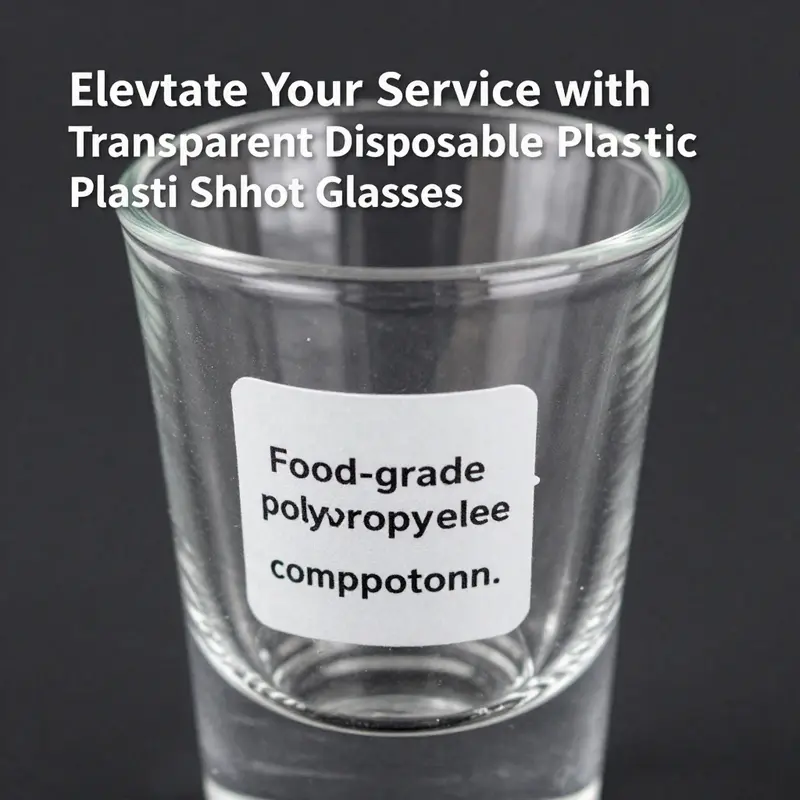
The appeal of transparent plastic shot glasses lies not only in their optical clarity and light weight but also in the practical assurances they offer for events, bars, and casual gatherings. When a vessel is designed to hold spirits, cocktails, or other beverages, every material choice sends a signal about safety, performance, and reliability. A straightforward glance at a clear cup conceals a complex balance of chemistry, engineering, and regulation. The chapter that follows threads these strands together, showing how the chemistry of transparency translates into everyday use and how safety standards shape what ends up on a consumer’s table.
At the core of most transparent shot glasses is a family of engineering plastics whose reputation rests on a trifecta: optical clarity, mechanical performance, and food-contact safety. Among these, polymethyl methacrylate (PMMA), polycarbonate (PC), and cyclic olefin copolymer (COC) stand out as the common options that manufacturers weigh when making disposable or reusable designs. PMMA, often known as acrylic or organic glass, is celebrated for its exceptional clarity. Light passes through PMMA with minimal scattering, yielding a glass-like appearance that remains bright even after multiple washings in some contexts. It is also relatively cost-effective and resists yellowing when exposed to ordinary indoor lighting and daylight. Yet PMMA is not invincible. Its surface hardness is moderate, meaning it can scratch more readily than harder polymers, and its maximum continuous use temperature sits around 80°C. In practical terms, PMMA works well for cold or room-temperature beverages and for single-use contexts where the cup is not subjected to hot fluids or aggressive cleaning cycles. The material’s susceptibility to surface wear and its heat ceiling become critical considerations for both manufacturers and consumers when the cups are offered for a wide range of settings.
Polycarbonate, by contrast, brings notable resilience to the table. It is renowned for impact resistance and toughness, a quality that makes PC-based shot glasses feel more durable and less prone to cracking if someone accidentally drops them. The mechanical strength of PC extends across a broad temperature spectrum, from well below freezing to temperatures approaching the upper limits of hot beverages, with a typical safe range from roughly -135°C to +120°C. That broad tolerance characters PC as a strong candidate for reusable or semi-reusable designs where resilience matters as much as appearance. However, PC also introduces processing and handling challenges. It can develop residual stresses during molding, especially if processing conditions are not tightly controlled, leading to potential cracking or hazing if the part is insufficiently annealed. These stresses can influence long-term performance and even contribute to microfractures that affect transparency. From a safety standpoint, PC’s robustness helps ensure a stable barrier against impact during rough handling, but it also places a premium on careful manufacturing to avoid internal stresses that could later weaken the cup.
A newer generation of transparent plastics, cyclic olefin copolymer (COC), has emerged as a compelling alternative for premium applications. COC is celebrated for exceptional clarity with low birefringence, high refractive index, and outstanding chemical and thermal resistance. Its optical performance rivals that of PMMA while offering enhanced chemical inertness and heat tolerance. For beverage vessels, these traits translate into a cleaner appearance under diverse conditions and a broader safety margin when exposed to a range of liquids, including citrus-based cocktails or acidic mixers. COC’s safety profile has made it a preferred option for applications that demand stringent material purity and minimal risk of interaction with contents. As a result, more manufacturers are turning to COC for reusable or high-end disposable shot glasses where transparency, flavor neutrality, and reliability converge. This trio—PMMA’s clarity, PC’s strength, and COC’s pristine chemistry—highlights why material selection is a foundational decision in the design of a transparent shot cup.
The debate among PMMA, PC, and COC is more than a matter of color, gloss, and thickness. It touches on safety and regulatory expectations that govern what touches beverages. A central concern in food-contact plastics is the potential for substances to migrate into liquids. While each material has its own migration profile, responsible manufacturers employ rigorous testing and certification to ensure that nothing harmful leaches into drinks under typical conditions. This is where safety standards come to the foreground. Many modern disposable or reusable plastic cups are manufactured to be BPA-free, reflecting a broader industry shift away from certain bisphenol compounds that raised health concerns years ago. The BPA-free designation is not simply a label; it signals a commitment to selecting materials and formulations that minimize risk to consumers when the product comes into contact with food and beverages. In practice, achieving BPA-free status often involves choosing a base polymer or resin system that does not rely on bisphenol-based chemistries, or it may involve using alternative additives and finishes that are compatible with food-contact use.
Beyond BPA, food-grade certification provides a formal assurance that a material has been evaluated for its suitability in contact with food. In many regions, this certification is backed by regulatory bodies such as the U.S. Food and Drug Administration (FDA) or the European Food Safety Authority (EFSA). Attaining and maintaining food-grade status typically entails a battery of evaluations, including biocompatibility tests, migration tests that simulate long-term contact with beverages, and strict controls over manufacturing provenance and traceability. For consumers, these standards translate into a practical confidence: when a cup is labeled food-grade, it has passed a defined set of criteria designed to protect health in everyday use. For manufacturers, the standards establish a framework to justify claims about safety and to demonstrate due diligence across the supply chain.
In addition to these core certifications, some chapters of the regulatory landscape reference more general quality and safety guidelines that touch on durability, thermal stability, and UV resistance. While a product used in a household beverage context is unlikely to face industrial extremes, it is still subject to expectations about how it will perform in sunlight, heat from hot drinks, and general wear and tear. A meaningful example drawn from applicable standards is the emphasis on resin origin and material identification, as well as the ability to document a material’s thermal stability index and UV resistance. This documentation helps ensure that the cup will not become brittle, discolored, or degraded in common party environments where exposure to sunlight and heat is plausible. In the broader conversation about sustainability, safety standards also increasingly demand evidence of environmental responsibility. Reusability, recyclability, and a transparent supply chain are not merely marketing points; they reflect a growing consensus that safety and stewardship should extend beyond the moment of purchase.
The material choices thus carry a cascade of implications. A PMMA-based cup may deliver crisp, glass-like visuals at a lower price point, but its heat tolerance and surface hardness shape how it is used and cleaned. A PC-based cup offers ruggedness and resilience, better suited to handling and repeated use, yet it requires careful processing to avoid internal stresses that might affect longevity. A COC-based cup presents a high-purity, chemically inert option with excellent clarity, often aligned with premium, reusable designs but sometimes at a higher manufacturing cost. Each path carries trade-offs in performance, safety, and environmental impact. The challenge for designers and manufacturers is not to chase the shiniest appearance alone but to align material properties with the intended use, the cleaning regime, and the regulatory expectations that govern what can safely come into contact with beverages.
Migration and leaching are not mere abstract concerns; they translate into practical questions about how a cup behaves when filled with a cold beer, a lemon-lime mixer, or a hot old-fashioned. For instance, a low-temperature beverage stored in a PMMA cup should not pose hazards to the consumer if the material remains within its thermal envelope and the surface finish is maintained. In the case of PC and COC, the wider temperature window can offer additional guardrails, enabling more flexible use scenarios. Yet even these advantages are not a license to disregard cleaning and reuse guidelines. Reusability, a rising consideration in the sustainability conversation, depends on the material’s ability to withstand repeated cycles of washing without degrading clarity or releasing substances. In this sense, the decision to design a reusable cup with PC or COC must weigh not only durability but also how repeated contact with detergents, heating, and mechanical abrasion could affect safety and performance over time.
Sustainability emerges as a critical axis of discussion in tandem with safety. Transparent cups designed for single use still face scrutiny as environmental concerns grow. The shift toward reusable designs is often motivated by a desire to reduce single-use waste, but it must be matched with robust durability and safe cleaning practices. The lifecycle questions—how a cup is produced, how it is used, and how it is disposed of—are central to modern manufacturing philosophy. Recyclability is a function of resin type and the ability of recycling streams to handle those materials without contamination. PMMA, PC, and COC each have distinct recycling realities, which means that the environmental footprint can vary substantially between designs. For some contexts, a premium reusable option may align better with long-term sustainability goals, while for high-volume, short-term events, a well-regulated single-use solution can still offer a responsible balance when paired with proper disposal streams.
From a consumer perspective, understanding these material dynamics helps in making informed choices about what to buy for a given setting. A crystal-clear cup that scratches easily might be perfect for a one-off party with limited reuse, while a deeper, more resilient design might serve a venue that expects heavier handling and multiple service cycles. The choices become a matter of balancing visual appeal, tactile quality, and the practical realities of cleaning, heat exposure, and end-of-life disposal. None of these considerations exist in isolation. They feed directly into how a product is designed, how it is marketed (with appropriate safety language), and how it is used in the field. The chapter that begins with the allure of clarity thus unfolds into a nuanced picture of safety, performance, and responsibility that underpins the everyday reliability of transparent shot glasses.
In practical terms, this mosaic of considerations also informs the way manufacturers document and present material information to customers. To support informed purchasing decisions, many products emphasize their food-grade status and BPA-free certifications, while also detailing the material composition options and the intended use context. When a cup is advertised as food-grade, it signals compliance with a recognized standard that seeks to prevent harmful substances from entering beverages. The BPA-free claim, if present, signals a deliberate choice to avoid specific chemical concerns that have permeated public discourse around plastics. Yet the real strength of these messages lies in the traceability and transparency behind them: the origin of the resin, the processing methods, and the testing protocols that validate safety claims. In this sense, the process of choosing and using transparent shot glasses becomes a narrative of trust—trust that the material will remain color-stable, that it will resist cracking, that it will not impart tastes or odors, and that it will perform safely under realistic event conditions.
As the industry continues to refine these materials, the dialogue between clarity and safety evolves. The appeal of a cup that looks as pristine as glass, with the convenience and cost advantages of plastic, remains powerful. Yet the trajectory toward higher safety standards, better documentation, and more sustainable design signals a future in which even disposable items are evaluated with a deeper regard for health and the environment. In this light, PMMA, PC, and COC do not merely define a set of technical properties; they embody the broader aspiration of delivering drinking vessels that look appealing, behave predictably, and respect consumer well-being across a spectrum of uses. The story of transparent shot glasses, then, is really a story about how materials science translates into everyday rituals—how the molecule-level choices underpin the moment when a glass is filled, raised, and finally enjoyed, all within the guardrails of safety and responsibility.
For readers looking to connect this material-focused chapter with broader industry practices, a practical reminder remains: even when a product relies on transparent plastics, the conversation about safety standards, migration, and environmental impact continues to shape what is acceptable and marketable. The interplay of optical performance, mechanical durability, processability, and regulatory compliance is not a theoretical exercise; it is the living framework that guides how a simple shot glass becomes a reliable vessel at a crowded party or a meticulously tested component in a specialized setting. In that sense, the glassy surface reveals the deeper structural commitments of modern packaging and tableware—commitments that align beauty with safety, efficiency with responsibility, and accessibility with accountability. To the consumer, that translates into confidence at the moment of use; to the manufacturer, it becomes a compass for sustainable innovation; and to the broader ecosystem, it represents a step toward better, safer products that still honor the charm of a crystal-clear drink cup.
Internal resource for further reading: plastic-free single-wall craft paper disposable cup
External resource for further reading: A practical overview of safety considerations and material options in the context of BPA-free and food-contact plastics can be found here: https://www.alibaba.com/product-detail/BPA-Free-Silicone-Shot-Glass-Reusable1600479161459.html?spm=a2700.shopsearchm.productlist.2.3a4d3b6fTQyUjN&scm=1007.13338.156348.0&src=shopsearchm
Market Currents and Economic Realities: The Rise of Disposable Plastic Shot Cups in a Convenience-Driven Era

The market for disposable plastic shot cups sits at a curious crossroads where convenience, cost, and cleanliness intersect with growing scrutiny of waste. These small, transparent vessels are more than just vessels; they are a microcosm of how hospitality, event planning, and social gathering cultures negotiate speed, footprint, and experience. In venues from bustling bars to glittering weddings and sprawling festivals, the need for quick service, minimal labor, and straightforward cleanup has aligned with a broader consumer demand for practical, single-use solutions. The result is a slice of the consumables market that expands and adapts with a rhythm that mirrors the people who rely on it: planners who must scale up for peak times, operators who seek predictable costs, and consumers who expect consistent presentation with minimal friction once the cap comes off. In this setting, the disposable plastic shot cup is not just a product; it is a tool of logistical efficiency that translates the intangible values of hospitality—speed, reliability, and hygiene—into a tangible, mass-produced format.
From a macroeconomic perspective, the disposable cups market sits within a broader industry of single-use packaging that has shown dynamic growth despite cyclical pressures. Recent market analyses project a pronounced expansion in the global disposable cups market, a segment that includes specialty products like shot cups, even as material choices evolve. One widely cited projection places the market’s scale in the tens of billions of dollars range, with a projected rise from about USD 17.41 billion in 2024 to a significantly larger figure by 2035, representing a compound annual growth rate around 4 percent. That growth signal is not just about larger event calendars; it reflects deeper shifts in consumer expectations, the economics of labor, and the ongoing preference for hygienic, single-use options in fast-paced settings. The little shot cup, in this view, is a practical instrument for managing throughput while maintaining a consistent standard of service.
A central economic driver behind these trends is the combination of scalable manufacturing and relatively low material costs. The production of clear, disposable shot cups typically leverages transparent plastics in single-use formats that are light, durable enough for the journey from bar to table, and inexpensive to produce at scale. The polypropylene family, noted for its food-grade safety properties, often underpins transparent, disposable cups used in hospitality contexts. In other materials commonly found in disposable cup lines, such as polystyrene, manufacturers benefit from established supply chains and high-volume production capabilities that help sustain favorable per-unit pricing even as demand spikes during holiday seasons, festival weekends, and wedding seasons. The economics are straightforward in concept: mass production lowers unit costs, predictable demand enables efficient inventory planning, and the convenience of a disposable format reduces labor costs associated with breakage, washing, and the need for extensive dishware inventories.
Yet the economics are not static. The same forces that compress costs—technological advances in plastics, better mold design, and optimized logistics—also expose the market to volatility in raw materials and energy prices. The upstream input costs that support the production and distribution of disposable cups can swing with feedstock markets, currency fluctuations, and global trade dynamics. When these pressures rise, the price advantage of a low-cost, single-use option can thin, reshaping purchasing decisions for operators who balance per-unit cost against total event budgets. In practical terms, venues and event organizers often weigh the immediate savings of a few cents per cup against longer-term considerations such as waste disposal fees, recycling program participation, and the potential for environmentally conscious branding. The net effect is a market that remains open to price-sensitive buyers while increasingly being watched by stakeholders concerned with sustainability metrics and lifecycle costs.
In the typical lifecycle of a disposable shot cup, the economic logic also hinges on what happens after the party ends. Cleanup and turnover rates are where the value proposition shines. A single, clear cup that can be used for a straightforward, quick pour reduces the time required for setup and takedown. In busy environments, a clean, empty, stackable cup is a small but meaningful contributor to service speed. This practical advantage supports the continued demand for such cups in high-traffic settings—where the difference between serving one more drink per minute and letting the line back up can have measurable financial implications. For event-heavy weeks, the ability to scale service without proportionally scaling labor presents a compelling business case, especially when labor markets tighten or wage pressures intensify.
Within this macroeconomic frame, consumer expectations and hygiene concerns contribute to market behavior in nuanced ways. The rise of transient, large-scale gatherings—such as weddings and festivals—often translates into heightened demand for reliable, stockable serveware. From a procurement perspective, buyers look for consistency in size, wrap integrity, and the ability to withstand the temperature and volatility of a party environment. Transparent shot glasses, with their clean lines and unobtrusive presentation, align with these expectations by offering a neutral canvas that highlights the drink itself rather than the vessel. The aesthetic modesty of a clear cup dovetails with the practical needs of event planners who must balance form and function while keeping guest experience front and center.
Nevertheless, even as the market advances on the back of convenience and cost, broader social and regulatory currents begin to reframe the narrative around single-use plastics. Environmental concerns have sharpened attention on waste streams and the end-of-life fate of disposable products. In response, manufacturers and buyers alike are increasingly weighing the potential of sustainable alternatives—biodegradable, compostable, or recycled-content options—as well as the potential for recycling and stewardship programs. This is not simply a fashion shift; it is a structural one that could influence supply chains, pricing, and product development strategies. The economic implications are multifaceted. On one hand, sustainable alternatives can carry higher unit costs, potentially eroding traditional price advantages. On the other hand, they open pathways to premium placement, environmental branding, and access to markets where buyers are required or preferred to meet responsible sourcing standards.
To illustrate how markets balance these forces, consider the way end users think about the trade-offs between durability, clarity, and cost. A shot cup that is excessively brittle risks breakage in transit and during handling, which inflates replacement costs and reduces perceived value. A cup that is overly thick or heavy, while perhaps sturdy, burdens the user with unnecessary material mass and even disposal costs for the event organizers. The ideal in many contexts is a translucent, high-clarity cup that delivers a crisp pour experience without demanding more material than necessary. This balance translates into an ongoing optimization challenge for manufacturers: achieve optical clarity and integrity at the lowest practical unit cost while preserving compatibility with storage, stacking, and distribution systems that already exist in hospitality supply chains. In this sense, manufacturing excellence and product optimization are as relevant to the market’s trajectory as macroeconomic indicators.
As the market evolves, a thread worth tracing is the way alternative materials and hybrid solutions are entering the conversation. Sustainable packaging advocates push for compostable or bio-based plastics in single-use formats, while some players explore recycled-content plastics that reduce virgin material demand. These initiatives reflect a broader move toward circular economy thinking, even within segments as seemingly small as shot cups. The shift is rarely instantaneous, and it often travels through a series of incremental steps: first, validating compliance with food-contact safety standards; second, proving performance in real-world events; third, building infrastructure for disposal or recycling at scale. Each step carries its own cost and risk profile, which in turn informs pricing strategies and market adoption curves.
For industry observers, the dynamics of this segment also reveal how buyers approach risk management. In an environment where a single large event can drive a disproportionate share of quarterly revenue, buyers favor predictable costs, reliable delivery schedules, and assurance that the chosen serveware will perform under pressure. This reliability resonates with operators who must coordinate staffing, bar timing, and guest flow. The disposable nature of these cups offers a clear advantage: reduced inventory, simpler warewashing, and fewer breakage-related losses. Yet this same disposability invites scrutiny from sustainability-minded stakeholders who want to see progress toward better end-of-life outcomes. The tension between convenience and environmental responsibility is, at heart, a tension about how we value time, money, and the world we share—an ongoing negotiation reflected in pricing, product design, and procurement criteria across the industry.
Within the broader ecosystem of disposable serveware, the shot cup occupies a precise niche. It is not a universal solution for all beverage service needs, but its simplicity and light footprint make it particularly well-suited for high-volume, fast-turnaround contexts. The trajectory ahead will likely involve a continued emphasis on standardization—so venues can stock a consistent, compatible line across multiple event types—paired with targeted innovations aimed at reducing waste and improving recyclability. Even as some buyers gravitate toward eco-friendly paper or plant-based alternatives for certain serving occasions, the enduring appeal of the plastic shot cup lies in its balance of clarity, price, and durability. The market will likely reward innovations that preserve these core attributes while offering more sustainable lifecycle options, rather than abandoning the format altogether.
For readers who want a concrete sense of how practitioners frame these considerations, consider the broader purchasing logic visible in event planning and hospitality procurement. Managers weigh unit costs against expected consumption, the pace of service, the likelihood of breakage, and the availability of disposal or recycling channels. They also assess the extent to which the product supports brand messaging and guest experience. A cup that presents cleanly and consistently, with no distracting coloration or imperfections, helps maintain a seamless service flow. In crowded venues, where every second counts, the absence of delays or service interruptions translates directly into revenue protection. In smaller gatherings, the same cups contribute to a sense of care and order, signaling that the event is well managed. Across both ends of the spectrum, the plastic shot cup thus acts as a small but meaningful instrument in the orchestra of event execution.
As this narrative about market currents and economic realities closes in on current practice, it also points toward a future where choice becomes more nuanced. Operators may increasingly segment offerings by occasion, using standard, cost-effective plastic shot cups for high-volume, low-friction settings, and reserving more sustainable or premium disposable options for brand-forward events where guests value environmental alignment as part of the experience. In this sense, the chapter’s central question shifts slightly: not merely how many cups a venue needs, but which cups align with the event’s financial, experiential, and ethical objectives. The answer will be shaped by price, performance, and the evolving expectations of guests who are as likely to notice the packaging as they are to notice the pour. In a world of disposable convenience, sustaining value means threading the needle between efficiency, affordability, and responsibility—an endeavor that will define the next phase of growth for this discreet yet telling corner of the packaging economy.
For readers seeking a broader perspective on related packaging options and ongoing industry shifts, an accessible overview of sustainable cup choices and take-away solutions can be found here: senang07-eco-friendly-printed-logo-buy-paper-cup-take-away-coffee-cup-8-oz-12-oz-paper-cup.
External resources offer a parallel lens on the market’s orientation toward volume, price discipline, and consumer expectations. A widely used external listing illustrates how buyers and sellers negotiate scale in the context of disposable serveware, particularly within the shot-cup category where clear packaging and swift turnover are paramount: https://www.amazon.com/dp/B08XQVZ3YK
Clear, Disposable, and Dilemma: Reassessing the Environmental Footprint of Transparent Plastic Shot Glasses

The appeal of transparent plastic shot glasses lies in their clarity, lightness, and forget-about-taint convenience. In the moment of celebration, their gleam can seem indispensable, a tiny miracle of modern disposability. Yet when the music fades and the cups pile up, a stubborn question remains: what kind of footprint do these seemingly innocuous items leave behind? This chapter follows the thread from material choice to end of life, tracing how a single-use vessel designed for speed and simplicity interacts with ecosystems, waste streams, and the evolving rules that govern what can be discarded, recycled, or composted. It is not a sermon against practicality, but a careful map of consequences and choices, one that invites readers to imagine alternatives that honor both celebration and stewardship without diminishing the experience that disposable drinkware is meant to support.
Most disposable transparent shot glasses are made from plastics such as polystyrene (PS) or polyethylene terephthalate (PET). These materials sit at the intersection of performance and policy. PS is stiff and relatively inexpensive, providing a crisp, transparent surface that shows a drink with minimal distortion. PET is valued for its clarity, light weight, and chemical resistance. Both originate in a supply chain rooted in petrochemicals, and both require energy-intensive processing that begins long before the cups reach a party or a bar. The advantages of these choices feel tangible at the moment of use: the cups are cheap to produce, easy to stack, and reliable in terms of containment. But the backdrop to that convenience is a lifecycle that unfolds across extraction, manufacturing, distribution, consumer use, and disposal, with environmental costs that accumulate at each stage.
Within the life cycle, the material properties become a lens for evaluating sustainability. PS and PET are not inherently compostable in typical municipal facilities, and their end-of-life fate is often misaligned with the hopes of “recyclable” labeling. Some brands and marketers have attempted to position PS as a greener option by highlighting biodegradability claims; yet biodegradation is a nuanced and context-dependent process. Even when a product is advertised as biodegradable, that designation depends on industrial composting conditions that may not exist in most municipalities. The real-world outcome is that many PS-based shot glasses, if recycled at all, end up contaminated with food residues and liquids, degraded by processing, or simply diverted to landfills. The mismatch between consumer expectations and recycling realities helps explain why plastic shot glasses, despite their ubiquity, are frequently treated as a persistent waste problem rather than a recyclable stream.
End-of-life discussions reveal a broader regulatory and infrastructural landscape. In several regions, policymakers have targeted single-use plastics with bans or restrictions aimed at reducing persistence in the environment. The aim is not to punish everyday moments but to nudge markets toward materials and systems that close the loop. Recycling infrastructure varies widely, creating a mosaic of capabilities. PET enjoys broader acceptance in many facilities because of its recyclability profile, yet even PET faces challenges when contaminated with residual liquids and organic waste. PS, by contrast, is often rejected by curbside programs and rarely found in closed-loop systems with reliable reuse or reprocessing options. The practical implication is stark: even when a product is technically recyclable, the likelihood that it will be recycled in practice is highly variable and often low. This is not a problem of intention alone but of system design—how collection, sorting, and processing align with consumer behavior and product design.
Concurrently, markets have not stood still. There is a push toward alternative materials and configurations that can better align with a circular economy. Paper-based cups and bioplastic linings, for instance, promise a less oil-intensive footprint and the possibility of composting. Yet these options bring their own complexities. A paper pulp cup lined with a bioplastic coating can look more sustainable in a headlined claim, but the lining often hinders straightforward composting. In many places, industrial composting facilities are not widely accessible, or they operate under conditions that are not feasible at scale. Even when compostable products carry certifications, the practical reality is that the end-of-life pathway is governed by local capabilities rather than a universal standard. The lifecycle assessment must therefore consider not only the raw materials but also the infrastructure that exists to process those materials after use.
The lifecycle analysis of disposable clear shot glasses highlights a central paradox. The same properties that make PS and PET attractive—clarity, rigidity, barrier properties, and a sanitary sheen—also make them enduring concerns after use. The embedded energy and the emissions associated with manufacturing become a stubborn footprint when these products are deployed in high volumes at events, festivals, and social gatherings. The amount of plastic entering waste streams from a single event can be surprisingly large when multiplied across seasons and across venues. Microplastic fragments, even if they do not dominate the narrative of a single party, accumulate invisibly across landscapes and waterways, contributing to broader ecological challenges.
Against this backdrop, practical and ethical questions arise for organizers, suppliers, and consumers. How do we weigh the benefits of low-cost, low-setup waste against the long-term consequences of material choice? How can we design events that fulfill social expectations for hospitality while prioritizing post-consumption outcomes that minimize environmental harm? The answer is not a binary switch but a spectrum of choices that can be tuned to different contexts. For some settings, a blend of strategies may work best: establishing a robust system for reuse where feasible, enabling high-quality recycling where the local infrastructure supports it, and choosing compostable or degradable options in places with verified industrial facilities. This multichannel approach helps bridge the gap between convenience and responsibility, recognizing that the most desirable path is often the one that aligns with what the waste system in a given location can realistically handle.
A key part of making informed choices lies in recognizing the distinctions among materials and labels. PET, for example, is typically identified as plastic #1 and is frequently more widely accepted by recycling streams than PS, which is #6. Yet even this general rule has exceptions based on local capacity, market demand for recycled content, and contamination levels in collected streams. The mere presence of a recycling symbol does not guarantee that a cup will be recycled in practice. Contamination, not only with food residues but also with liquids, can erode the value of recyclables and derail reprocessing. Consumers may assume a simple “recycle” outcome, but the path from curbside collection to remanufactured product is long and fraught with drop-offs and detours. Effective strategies, therefore, require collaboration across the supply chain, from material suppliers and manufacturers to event organizers and municipal programs, to ensure that the intended loop is as closed as possible.
In contemplating alternatives, the conversation naturally turns to reuse and design for disassembly. Reusable glass or stainless-steel shot glasses offer durability and a markedly reduced environmental burden when used across many events. The upfront cost and the operational logistics of washing, sterilization, and logistics must be weighed, but the potential for long-term reductions in waste is substantial. Refillable or return-deposit systems can transform a one-time-use item into a long-lived asset in a venue’s kit, reducing the need for frequent replacement and curbing the flow of disposables into landfills. For venues that prefer disposable options, high-quality compostable products, certified to recognized standards, can be part of a larger waste management plan if the local infrastructure supports industrial composting and if the products actually reach those facilities. Standards such as ASTM D6400 and similar frameworks provide benchmarks for compostability, helping buyers distinguish products that can genuinely break down under appropriate conditions from those that merely imitate compostable claims. While certification alone does not guarantee sustainable outcomes, it provides a clearer basis for comparison and accountability within supply chains.
Event design itself can reinforce sustainable behavior without dampening the experience. Clear labeling about waste streams—what goes into recycling, compost, or general trash—reduces contamination and improves the performance of any system. Placing dedicated receptacles, training staff to manage them, and communicating expectations to guests can transform a party from a potential linear afterlife for cups into a practical demonstration of circular thinking. The social dimension matters as much as the technical one. People respond to cues in their environment, and a well-executed waste program can become part of the event’s narrative, reinforcing values without diminishing the social energy that people seek from gatherings. Moreover, when event planners design with waste in mind, they often discover creative ways to reuse or repurpose materials that would otherwise be discarded, reinforcing a broader culture of resourcefulness that extends well beyond a single occasion.
The broader economic picture is not an afterthought but a driving force. Material choices influence not only environmental outcomes but also market dynamics. When buyers demand clearer signals about end-of-life pathways, suppliers respond by investigating alternatives that reduce energy intensity, lower emissions, or enable more reliable recycling streams. This demand-side pressure can accelerate research into new materials, improved formulations, and better manufacturing processes. It can also encourage regional collaborations to expand composting capacity or to develop better segregation and sorting technologies that preserve the value of recyclable streams. In this sense, the question of whether a single-use cup is the most responsible choice becomes part of a larger conversation about how communities, businesses, and policymakers can align incentives to support a resilient, low-waste economy.
Throughout this exploration, a recurring theme is the tension between immediacy and consequence. The immediate benefit of disposable transparent shot glasses is obvious: speed, cleanliness, and predictable performance in a high-energy setting. The consequences unfold over years and across ecosystems, often in ways that are not immediately visible to event attendees. Acknowledging this tension does not require an abandonment of celebration; it invites a more nuanced approach to materials and systems that preserve the social value of events while reducing harm to the planet. In practice, this means embracing a portfolio of strategies rather than a single perfect solution. It means measuring the real-world performance of alternatives in the contexts where they are used, and it means remaining adaptable as infrastructure and regulations continue to evolve.
To connect this broader perspective to concrete choices, the conversation about disposable transparent shot glasses should be framed not only by what the cups can do, but by what the waste system can do with them afterward. If a venue’s recycling stream can consistently process PET without contamination, that pathway remains viable. If PS is largely rejected in local facilities, then reliance on PS becomes a liability for sustainability programs. If industrial composting is available and widely used, compostable alternatives may be appropriate, provided they carry robust certifications and actual performance under real conditions. The upshot is that responsible selection involves transparent auditing of supply chains, honest assessments of local recycling and composting realities, and an openness to change as technology and policy progress.
In the final reckoning, the environmental impact of disposable transparent plastic shot glasses is not a static metric but a living negotiation among materials, markets, and people. It is a negotiation anchored in science, but realized through design, policy, and culture. The celebratory moment—glassy clarity, the clink of a toast, the shared laughter—remains central. Yet the way that moment travels from source to sink—and the possibilities for keeping that journey within planetary boundaries—depends on the choices we make about materials, waste systems, and the social norms we cultivate around waste and reuse. By recognizing the full lifecycle, embracing alternatives where appropriate, and coordinating across stakeholders, it is possible to preserve the social value of events while reducing the environmental cost of the small, seemingly simple vessels that help us celebrate life’s moments.
For readers who want to explore practical options and related packaging strategies, a related resource discusses how environmentally friendlier cups and containers can be designed and implemented in commercial settings. See the following internal link for a perspective focused on disposable biodegradable kraft-paper alternatives and how they intersect with composting and waste management: disposable-biodegradable-kraft-paper-matt-lamination-clear-plastic-combo-pastry-dessert-tiramisu-cake-food-container-packaging.
External research corroborates that even seemingly green claims in the plastic space require careful scrutiny of lifecycle stages, regional composting capacity, and the realities of recycling streams. The broader takeaway is that a circular approach—where reuse, recycling, and compostability are integrated with local infrastructure and consumer behavior—offers the most credible path toward reducing environmental impact while still enabling social rituals around drink and celebration. External sources also highlight that green marketing can obscure the practical barriers to end-of-life processing, making it crucial to rely on certifications, verifiable infrastructure, and transparent supply chains when selecting packaging and tableware for events. https://www.alibaba.com/product-detail/EcoNewLeaf-Custom-Logo-60ml-Plastic-Shot_1600582795516.html?spm=a2700.18494245.0.0.6a5d3b3cZjKU6h
Final thoughts
In summary, transparent disposable plastic shot glasses and shot cups serve as functional staples across various industries. Their lightweight and durable properties make them ideal for beverage service, ensuring customer satisfaction while adhering to food safety standards. By staying informed about market trends and addressing environmental concerns, businesses can successfully utilize these products as part of their service offerings without compromising on ethics. Investing in reliable disposable tableware not only enhances your service but also positions your business as a forward-thinking leader in sustainability.