
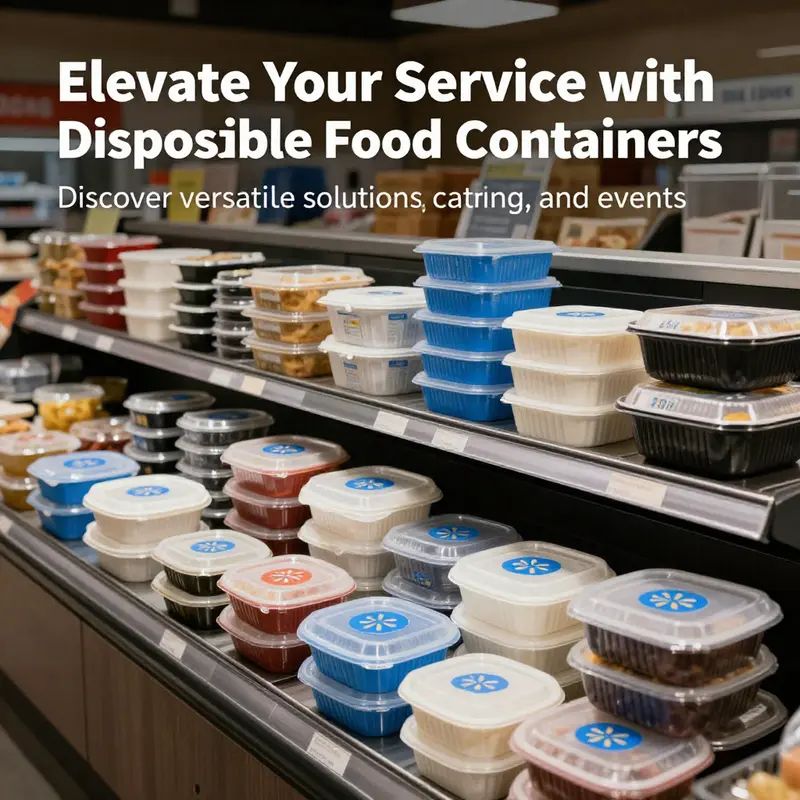
In the bustling landscape of food service, the right disposable food containers can make all the difference. Walmart offers a broad range of disposable food containers specially designed to meet the diverse needs of bubble tea shops, restaurants, food trucks, catering services, event planners, and corporate procurement teams. This article explores various types of containers available, their advantages, eco-friendly options, and a handy buying guide to ensure you choose the perfect products tailored to your business needs. Get ready to discover how Walmart’s impressive collection can streamline your operations and enhance customer satisfaction.
Beyond the Takeout Box: How Walmart’s Disposable Food Containers Shape Everyday Meal Prep
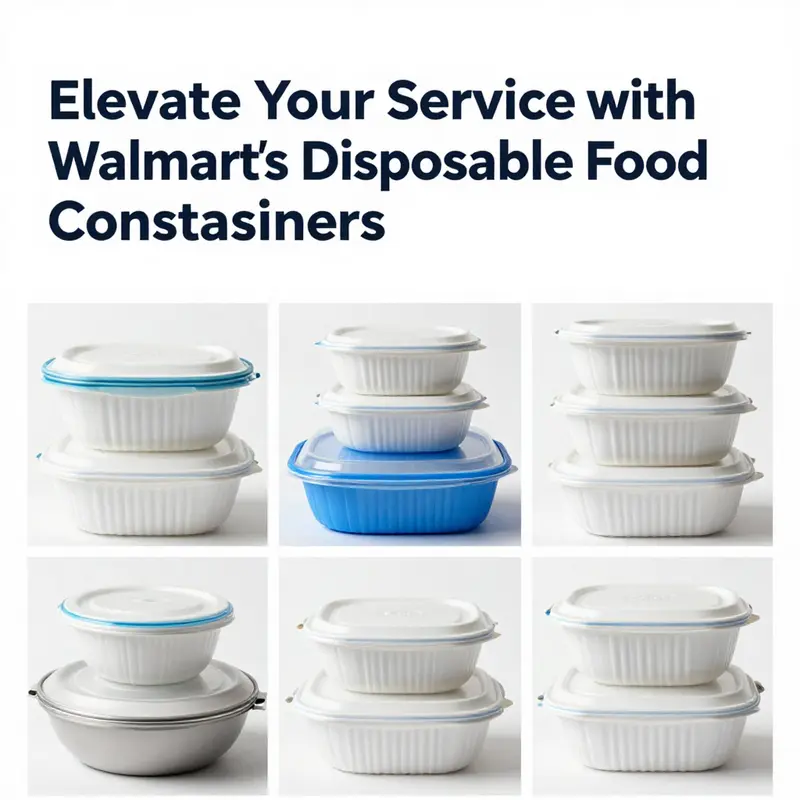
Disposable food containers from Walmart play a quiet but essential role in everyday cooking and organization. They support batch cooking, safe reheating, and simple storage, while offering options from single use to reusable designs that reduce waste and save money. This piece explores how material choices, leak proof lids, sizes, and clear labeling help households plan meals, prevent spoilage, and clean up more efficiently.
A Practical Panorama: How Walmart’s Disposable Food Containers Shape Everyday Meals, Takeout, and Storage
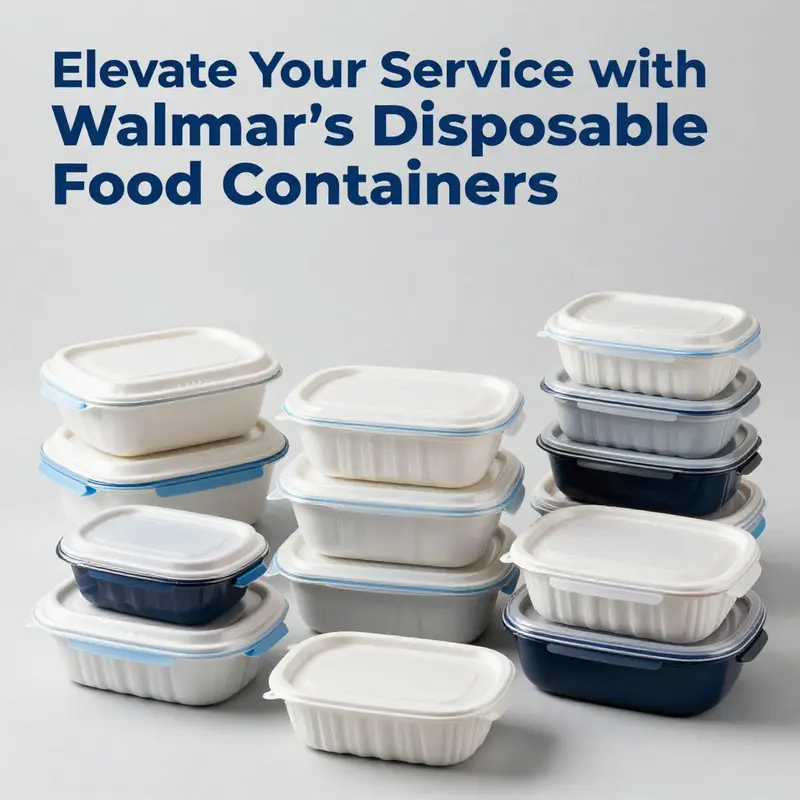
Walmart’s shelves present a broad, practical panorama of disposable food containers designed to meet a spectrum of everyday needs. The simple act of packing a lunch, storing leftovers, or assembling a quick takeout order becomes a matter of selecting the right container for the moment. The variety is not just about different sizes; it is about configurations that align with how people eat, plan, and move through their days. This is why a shopper can choose everything from compact single compartments for a quick snack to larger, multi-compartment setups that help with portion control, meal prep, and organization in the pantry or freezer. In this context, the container becomes more than a barrier between food and the outside world; it is a tool that shapes behavior—how much we prepare, how we portion meals for the week, and how we transport food with confidence that it will arrive intact and ready to heat or serve.
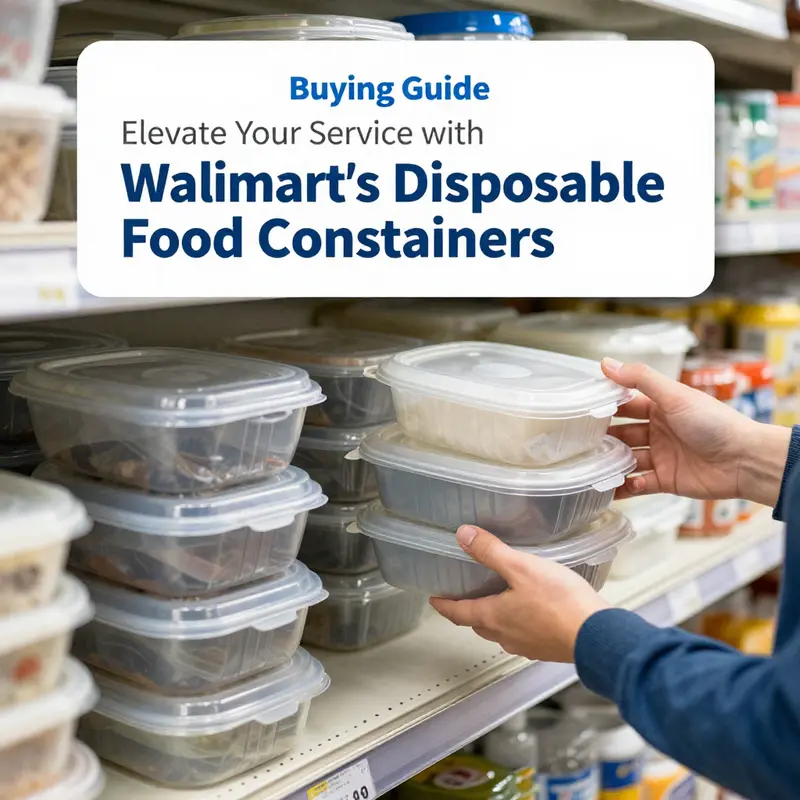
Among the most common options are plastic food containers, which exist in a range of capacities—think 16-ounce, 32-ounce, and around-the-25-ounce sizes—that map onto typical meal portions and leftovers. The practical design features are central: tight, leak-resistant lids that minimize spill risks when carried, smooth rims that make sealing easy, and rims that stand up to repeated use when the containers are repurposed for future meals. A lot of modern plastic options claim BPA-free construction, and many are designed to be microwave-safe and freezer-safe. This combination of properties matters because it broadens the set of use cases. A plastic container can go from freezer to microwave, thawing slowly in the fridge and then finishing a meal in minutes, which is especially valuable for busy households or people who batch-cook on Sundays. Durable walls that resist cracking, nesting lids for space-saving storage, and clear bodies that let you peek inside without labeling every container are small design choices with outsized impact on daily routines.
Paper-based containers play a different but equally important role. They provide a more naturally eco-conscious option for hot or cold foods and are frequently chosen for serving, takeout, or short-term use in events and retail settings. Paper containers can be lined or coated to resist moisture, enabling items like soups, salads, sandwiches, or baked goods to travel without compromising integrity. The tactile experience of paper—the way it feels in the hand and the way its texture cues heat retention or moisture management—contributes to consumer perception of quality and practicality. For those who prioritize sustainability, paper options often come with compostable or recyclable labeling, signaling a commitment to reducing waste when disposal time arrives.
Foam containers, while less common in newer shopping ecosystems due to environmental concerns, still appear in the Walmart assortment for certain takeout scenarios. They are often chosen for their lightweight nature and renowned insulation properties, providing a simple solution for hot, greasy, or heavy meals during short trips or casual events. The trade-off is clear: convenience and cost may come at the expense of long-term environmental impact. Shoppers who need a quick, no-fuss solution may weigh these factors against their immediate needs, choosing foam for a one-off dinner or a single-blowout gathering where the primary goal is easy cleanup and portability.
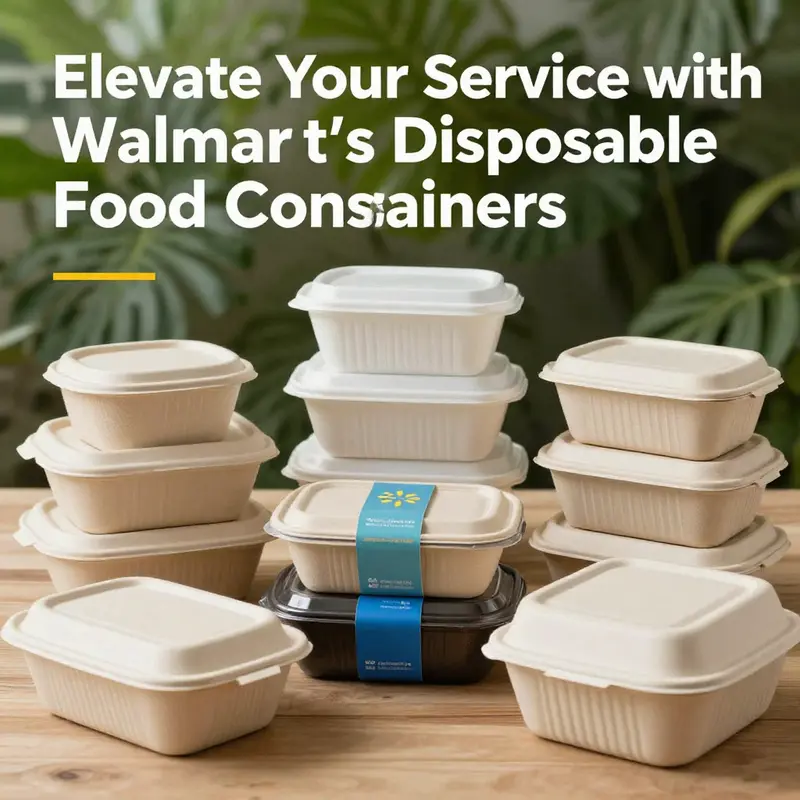
A growing segment within the catalog is molded fiber containers. Made from renewable materials such as bamboo or sugarcane pulp, these containers align with a broader desire for sustainability without sacrificing heat tolerance or structural integrity. Molded fiber options often boast compostability and a lighter footprint than traditional plastics, appealing to households and businesses seeking greener alternatives. The design considerations here emphasize robust heat performance, reliable lid seals, and compatibility with hot and cold foods, so these containers can stand up to the same daylong journeys or multi-course meals as their plastic counterparts while offering an end-of-life option that feels more responsible to many consumers.
Additionally, aluminum foil pans and related disposable bake-and-serve vessels occupy a practical niche. They are sturdy, easy to portion, and convenient for both cooking and serving. The flat lids that accompany these pans enable straightforward stacking, transport, and cleanup, making them a staple for parties, catering, and home gatherings where oven-to-table performance or simple, hassle-free cleanup matters most. While aluminum pans may not always be the first choice for everyday, daily meals, they fill an essential role in bulk meal prep, holiday entertainments, and short-term food service scenarios where a reliable, portable serving vessel is needed.
Disposable takeout bowls and cups round out the core offerings and emphasize transportability. Round, stackable bowls with secure lids and non-spill designs are especially valued in deli settings or for catering. These containers are versatile enough to handle soups, salads, noodles, or snack-forward combinations, and their compact designs support efficient handling, both for staff and customers. The basic promise across these takeout solutions remains the same: reliable containment, ease of transport, and predictable performance when food reaches its destination.
The Walmart assortment is not simply about having many options; it is about having the right options at the right price. The retailer often presents multi-pack configurations, such as 20-pack or 50-pack sets, to meet different budgeting and usage patterns. For a family that meal-preps every Sunday, a bulk pack may be the most economical and practical choice. For a student living in a shared apartment, a smaller pack can suffice, paired with a few versatile shapes that cover lunches and snacks through the week. In a broader sense, the breadth of sizes and materials allows shoppers to tailor their container choices to specific activities—weekly planning, school lunch logistics, office catering, or weekend events—without compromising on quality or safety.
Alongside convenience, there is a growing emphasis on environmental impact. The shift toward recyclable and compostable options mirrors consumer demand for responsible disposal. Molded fiber and bagasse-based alternatives present compelling paths toward compostability, while paper options often boast recyclable assays and clear labeling to guide proper disposal. In many markets, the decision to buy disposable versus reusable containers hinges on the expected life cycle of the container in a consumer’s routine. Some households favor reusable options for daily use, while others lean on disposable solutions for travel days, single-serve meals, or situations where washing full sets is impractical. Walmart’s mixed assortment supports both strategies, recognizing that the same consumer who buys reusable meal-prep containers may also seek lower-cost, single-use alternatives for quick meals on the go.
Choosing the right container involves weighing several practical factors. The intended use case is paramount: will the container be heated, frozen, or carried in a bag during a daily commute? If microwaving is on the table, a microwave-safe label and sturdy lid are essential, along with a seal that resists steam buildup and leaks. For freezer storage, the container must resist cracking and maintain its shape after exposure to low temperatures. If portion control is important, larger multi-compartment designs help divide meals into balanced servings, while smaller containers support single-serving lunches. For hot foods, materials with adequate heat tolerance and appropriate insulation prevent undesirable sweating or soggy bottoms. In catering or batch cooking, stackability and lid compatibility become critical for space efficiency in storage and transport. Each material type brings its own calculus: plastic tends to be versatile and durable, paper offers a cleaner disposal path, molded fiber provides a sustainability story, and aluminum pans deliver cooking and serving convenience in one, with easy cleanup.
In the broader ecosystem of shopping and home routines, the availability of a diverse set of options from a single retailer makes it easier to align purchases with personal values and practical needs. The decision-making process becomes less about chasing a single best option and more about selecting the right tool for the job at hand. For instance, if a household is planning a week of batch cooking and wants to minimize waste, a mix of multi-compartment plastic containers for leftovers and some molded fiber choices for hot meals served to guests can offer both convenience and a credible environmental narrative. If a family is often on the move and requires easy, reliable takeout containers, the range of paper and coated options can provide a compelling balance of usability and disposal practicality.
For shoppers who want to see current pricing, availability, and specific configurations, Walmart’s disposable food containers page is the central hub. This online catalog reflects ongoing promotions, seasonal bundles, and the latest packaging innovations designed to fit busy lives. In such a dynamic aisle, the key is to select containers that align with how you cook, store, and enjoy meals—containers that not only hold food safely but also travel well, withstand the rigors of daily life, and respect the disposal choices you want to make after the meal is finished. For a look at kraft paper soup cups with lids and related takeout packaging, you can explore a dedicated product page that showcases the practical design of disposable paper-based options. disposable kraft paper soup cup with lid product page.
To further consider where these choices fit in the broader retail landscape, the official Walmart page on disposable food containers offers up-to-date details on sizes, materials, and consumer-friendly features. This external resource provides a current snapshot of availability, price points, and the practical realities of shopping for these items in one of the nation’s largest retailers. For a broad view of options and to compare the range of containers in your local market, see the Walmart catalog entry at the official retailer site: https://www.walmart.com/cp/disposable-food-containers/1084462.
From Pantry to Takeout: How Walmart’s Disposable Food Containers Shape Everyday Eating

When you walk the aisles of a big-box retailer and peek into the disposable food container section, you’ll notice a remarkable range of options that map closely to how people eat today. Walmart’s assortment is built to cover the arc from home meal prep to office lunches, weekend picnics to quick dinner takeout, and it does so with a consistent emphasis on practicality, safety, and price. The heart of this chapter is not a single product but a pattern: a catalog designed to simplify how we store, transport, heat, and finally dispose of food. The containers are offered in a spectrum of sizes and configurations to match the way we portion our meals, the kinds of foods we pack, and the spaces we store them in. Whether you’re planning a week of balanced meals, packing leftovers for work, or stocking a student’s dorm room, Walmart’s disposable containers promise a fit for the moment and a price that makes sense for everyday use.
The most noticeable feature across the line is versatility in size and form. There are small, snack-sized options ideal for a fruit cup or a yogurt-and-fruit combination, mid-sized rectangular or round tubs suitable for salads, soups, or leftovers, and larger 32-ounce or bigger containers that can hold hearty portions of chili, pasta, or a multi-item meal. This spectrum matters because it aligns with how people plan meals: a single-serve habit for busy days or a batch-cooked routine that aims to keep portions controlled. In many cases, these containers come with leakproof lids, a practical detail that matters as soon as you’re transporting food. A lid that seals well reduces the fear of spills in a bag or briefcase and helps keep the contents fresh through a commute or a day at school. When a container is designed with a secure seal, the risk of leakage drops, and that confidence changes the way someone orders, prepares, and packs meals. The effect is subtle but cumulative: it makes takeout and meal-prep feel more reliable, which in turn reduces impulse reliance on less wholesome options during a busy day.
This practicality is complemented by safety considerations that have grown more important for everyday shoppers. The material choices commonly highlighted in these Walmart offerings emphasize food-grade safety, often BPA-free construction, and耐 heat tolerance that supports reheating without fear of chemical ingress. For instance, many containers are manufactured from polymers that can handle heating in a microwave or safe storage in a freezer, and some are compatible with dishwashers for easier cleanup. Of course, heat tolerance varies by design. The typical consumer benefit is a sense of confidence: you can microwave a prepared lunch directly in the container, then pass it to a colleague or family member without a need to repackage. This seamless transition from home kitchen to office or school day is a core advantage that makes the overall meal ecosystem feel more coherent and less wasteful.
The material story matters, too. For people who are mindful of chemicals or who cook for others with sensitivities, the reassurance that a container is BPA-free, or won’t leach harmful substances when heated, can be a deciding factor. A common choice in this category is a sturdy polypropylene option that performs well under microwaving while remaining light enough to carry. The practical upshot is not only safety but longevity in use. A well-constructed container can endure repeated trips through the microwave and the dishwasher, which is not just convenient but economical when you consider how often a household relies on these containers in a single week. It’s in the balance of durability and lightness that we see Walmart’s approach: products that feel sturdy enough to protect a meal on the move, yet affordable enough to justify bulk purchases for a family, a club, or a student household.
In parallel with safety and durability, there is a growing segment of eco-conscious options. Walmart recognizes that disposable does not have to mean wasteful. The lineup includes recyclable plastics and compostable clamshells in certain sizes, a nod to consumers who want the simplicity of disposables while still signaling a commitment to environmental responsibility. The presence of recyclable packaging, along with clearly indicated material options, helps shoppers make choices that align with their values. It’s not a wholesale pivot away from disposables, but a nuanced expansion of the options so households can decide when a single-use container is the most sensible choice and when an alternative pathway—a recyclable or compostable option—offers a cleaner end-of-life story for the product.
Pricing and value are naturally part of the shopping equation, and Walmart often reinforces the appeal of these containers through bulk packs and sales events. For families planning weekly meal prep or offices stocking shared lunch programs, bulk options provide a straightforward way to control costs while maintaining the convenience of single-use packaging. The ability to purchase 50-pack sets or smaller bundles in the 20-pack range gives buyers the practical flexibility to scale their purchases to their real needs. And when sales events like discount periods arrive, the appeal increases: a sizeable purchase not only streamlines meal logistics but also distributes the cost more favorably across meals. This pricing dynamic matters because it makes a tool—disposable containers—that supports healthier meal choices more accessible to a wider range of households. It reduces the friction of planning by lowering the per-meal cost of containers, as long as consumers remain mindful of waste and reuse where feasible.
A crucial element in the Walmart selection is the variety of designs and configurations. The ecosystem includes bento-style partitions for portion control, simple rectangular boxes for straightforward packing, collapsible or stackable designs for storage efficiency, and even specialized shapes for specific foods. This variety is not merely about aesthetics; it’s about function. A box with multiple compartments can simplify daily packing by keeping components separate—dressings, sides, and mains that otherwise mingle during transit. Stackable, space-saving options help households minimize cabinet clutter and freezer space constraints. The diversity of shapes also makes it easier to tailor containers to particular meals, such as salads with dressing on the side, soups that require a snug lid to prevent leaks, or pasta dishes where a deeper base prevents sogginess. The practical advantage here is not flashy; it’s about empowering a consistent, convenient routine that supports balanced meals, intentional leftovers, and predictable portion sizes.
Beyond the kitchen, there is a broader habit shift reflected in the way people use these containers in everyday life. The transition from home cooking to work meals, to on-the-go snacks, or to school lunches is more seamless when the packaging is reliable and unobtrusive. A user-friendly container reduces the friction of eating well away from home, which in turn supports healthier choices overall. The design choices—how tight a lid is, whether the container stacks neatly in a tote or lunch bag, how resistant the container is to crushing, and how well it tolerates reheating—play a surprisingly large role in shaping daily routines. The cumulative effect is a small but meaningful redesign of everyday eating. People who rely on a steady workflow and a busy schedule gain a practical ally in a well-constructed container system: it keeps food fresh, protects it during transport, and makes reheating straightforward. This triad—safety, convenience, and reliability—underpins the practical value Walmart’s disposable container assortment offers.
For readers who want to explore alternatives that emphasize sustainability while maintaining convenience, a look at the eco-friendly end of the spectrum is worth considering. These options may feature recyclable plastic designs or compostable materials that align with green-minded goals without sacrificing the core benefits of disposables—ease, portability, and predictability. In homes where waste reduction is a deliberate practice, choosing recyclable or compostable options can be part of a broader strategy to minimize environmental impact. The conversation around disposables is evolving, and the Walmart lineup mirrors that evolution by presenting choices that acknowledge both immediate practicality and longer-term commitments to responsible consumption.
As this chapter threads through the themes of convenience, safety, value, and choice, it becomes clear that Walmart’s disposable containers function as more than just packaging. They are tools that shape routines, reduce decision fatigue, and support a culture of accessible, balanced eating. They make it easier to prepare meals in advance, keep them organized, and share them with others without the friction that once accompanied such tasks. The result is a quiet but palpable influence on how households approach meal planning, how individuals manage time, and how communities share food across busy days. In other words, these containers are not merely containers; they are enablers of a practical, flexible, and affordable approach to eating well in a world that often moves too quickly.
For readers who want to explore a concrete example that blends convenience with a nod to eco-conscious design, consider an eco-friendly take-away box with a lid designed for easy stacking. Some retailers offer a take-away kraft-paper option in a rectangular or octagonal form that can hold salads or multi-component meals while remaining compatible with typical cold or warm foods. This kind of option demonstrates how the ecosystem around disposables is broadening to accommodate different usage contexts and values. If you’re curious about this design and want to see how such products are positioned in the market, you can review a representative listing that highlights a take-away kraft-paper salad box with a lid and a design focus on practical use. See this example here: in-stock-new-design-salad-rectangle-takeaway-kraft-paper-octagonal-box-with-lid.
All told, Walmart’s disposable containers embody a pragmatic approach to modern eating. They acknowledge the realities of fast-paced schedules, the need for reliable portability, and the growing interest in responsible materials without forcing a single path. The result is a catalog that supports a wide range of meals and moments, from a simple workday lunch to a carefully planned batch of weekly meals, all while helping families stay within budget. As consumer expectations continue to evolve, the categories and features represented in these offerings will likely adapt, expanding the conversation about what it means to use disposables wisely. The chapter ahead will return to the broader implications of choosing packaging that balances practicality with sustainability, and it will look at how shopping decisions at major retailers shape daily habits and long-term habits around food storage and takeout.
External resource: For a concrete product example that illustrates the safety and ergonomics discussed here, you can consult a widely available external listing that highlights a microwave-safe, BPA-free container with leakproof sealing designed for everyday meals. https://www.walmart.com/ip/Alpacasso-Deli-Containers-with-Lids-25-Set-32-oz-BPA-Free-Leakproof-Microwave-and-Freezer-Safe/14898765
null
null
null
null
Final thoughts
Incorporating Walmart’s disposable food containers into your service offerings can enhance operational efficiency while providing customers with quality options for their food experience. With a broad array of choices available, ranging from single-use to eco-friendly solutions, businesses can optimize their packaging needs without compromising on sustainability or style. The comprehensive nature of these disposable containers can streamline meal prep, storage, and service for bubble tea shops, catering services, and event planners alike. Elevate your service today and explore the perfect containers that seamlessly align with your operational goals!