
Introduction
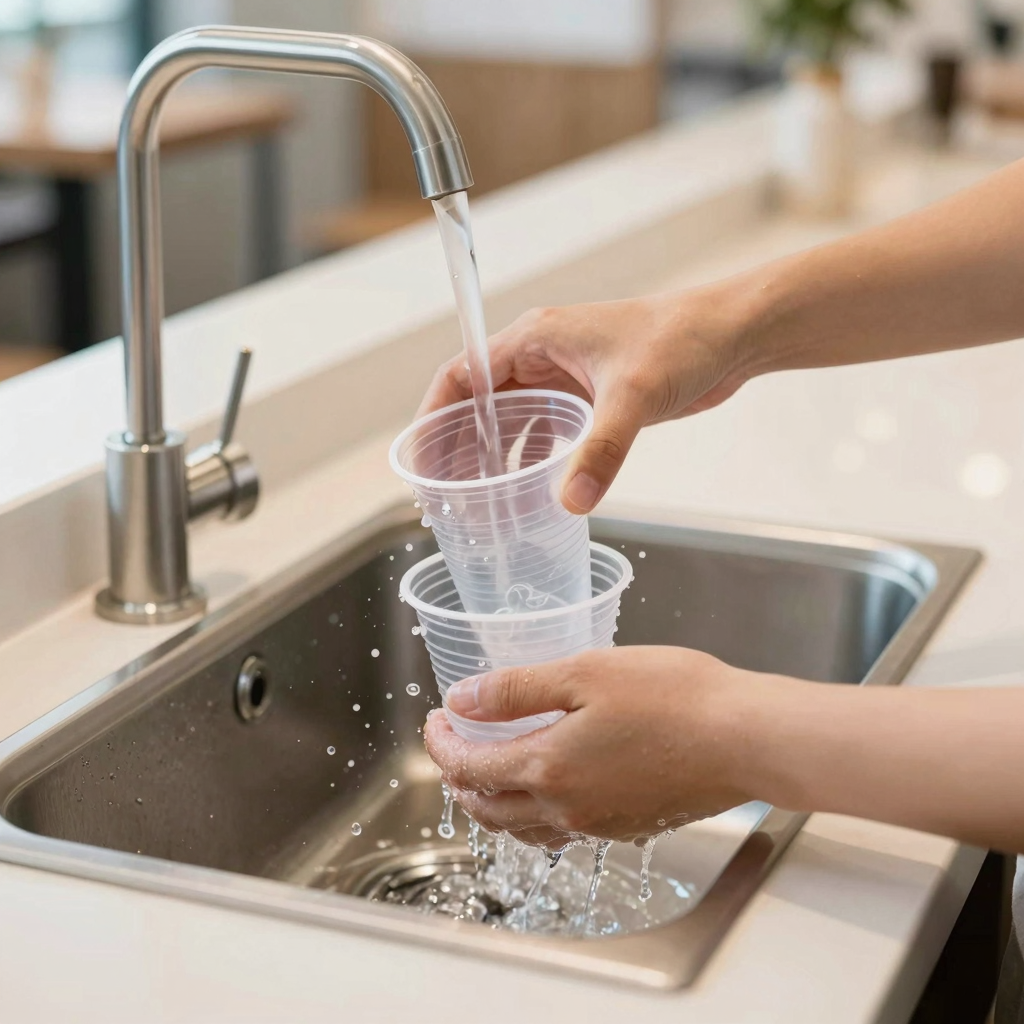
In today’s fast-paced world, particularly within the bubble tea, restaurant, and catering industries, the use of disposable plastic cups offers undeniable convenience. However, this convenience comes at a significant environmental cost. Washing and reusing disposable plastic cups can strike a balance between usability and sustainability, reducing waste while ensuring that customers receive their drinks in a tidy and hygienic manner. In the context of a rapidly changing environmental landscape, it is crucial for businesses to reassess their practices and explore ways to minimize their impact. For instance, implementing a washing regime can not only decrease litter but also enhance a business’s reputation as an environmentally-conscious establishment. This shift towards sustainability is not just a trend; it’s a strategic imperative that businesses can leverage to differentiate themselves in a competitive market. To explore environmentally-friendly alternatives and strategies, learn more about sustainable practices for food service and how your business can profit from them.
Environmental Impact of Disposable Plastic Cups
The environmental concerns associated with single-use plastic products, particularly disposable plastic cups, are significant and alarming. Annually, it is estimated that 500 billion disposable cups are used worldwide. These cups often end up in landfills or littered in our oceans, contributing to the massive global plastic waste crisis, which currently sees over 300 million tons of plastic produced each year. A staggering 91% of plastic is not recycled, exacerbating environmental impact with plastic pollution being a leading contributor to climate change and biodiversity loss.
The urgency for sustainability in the food and beverage industry is underscored by changing consumer preferences. According to a recent Mintel report, 41% of adults in the UK prioritize sustainability over traditional product origins, highlighting a profound shift towards ecological responsibility among consumers. Furthermore, the global market for ethically labeled packaged foods is projected to grow from $793.3 billion in 2015 to $872.7 billion by 2025, illustrating the increasing demand for sustainable practices in food sourcing and packaging. This shift reflects growing awareness of the environmental impacts of food production and packaging.
Despite the overwhelming reliance on single-use plastics, washing and reusing plastic cups can significantly mitigate some of these issues. Implementing effective cleaning and sanitization practices can not only reduce waste but also cut costs for businesses. For example, it is estimated that using reusable cups reduces the environmental burden by as much as 70% when compared to disposable plastic options. By adopting greener methods, restaurants, food trucks, and beverage chains not only comply with consumer demands but also play a crucial role in the broader fight against environmental degradation. This commitment to sustainability can improve brand loyalty and enhance the overall customer experience.
For businesses looking to transition toward more sustainable practices, exploring compostable and eco-friendly packaging options is critical in moving towards an environmentally responsible future.
| Aspect | Hand Washing | Commercial Dishwashers | Eco-Friendly Solutions |
|---|---|---|---|
| Cost | Low initial cost; ongoing costs for soap and water. | High initial purchase cost; significant energy and detergent expenses. | Higher initial investment (reusable cups); low operational cost if properly maintained. |
| Time Required (minutes) | 2-5 minutes per cup (including drying). | 1-3 minutes per load (cycle time varies by model). | Near-zero time per use (no washing required); setup time for cleaning/replacement. |
| Water Usage (gallons) | 1-4 gallons per cup (depending on tap flow and duration). | 0.5-1.5 gallons per cycle (varies by efficiency; often less than hand washing per unit). | Minimal to zero water usage (reusable cups require occasional cleaning). |
| Environmental Impact | Moderate; uses fresh water and detergents. | Moderate to high; consumes large amounts of energy and chemicals. | Very low; reduces plastic waste and long-term resource consumption. |
| Scalability | Poor for large-scale operations. | Excellent for restaurants, events, and institutions. | Good for both small and large-scale use with proper logistics. |
| Limitations | Time-consuming, inconsistent results, high water use per item. | High upfront cost, energy-intensive, requires specialized space. | Limited availability of biodegradable options; reusables require storage and logistics. |
Sources:
- U.S. Environmental Protection Agency (EPA) – Water Use in Households and Commercial Settings
- National Restaurant Association – Sustainability & Operations Reports
- Life Cycle Assessment (LCA) Studies on Disposable vs. Reusable Tableware (Journal of Cleaner Production, 2023)
- World Resources Institute (WRI) – Water Efficiency in Food Service Operations
Best Practices for Washing Disposable Plastic Cups
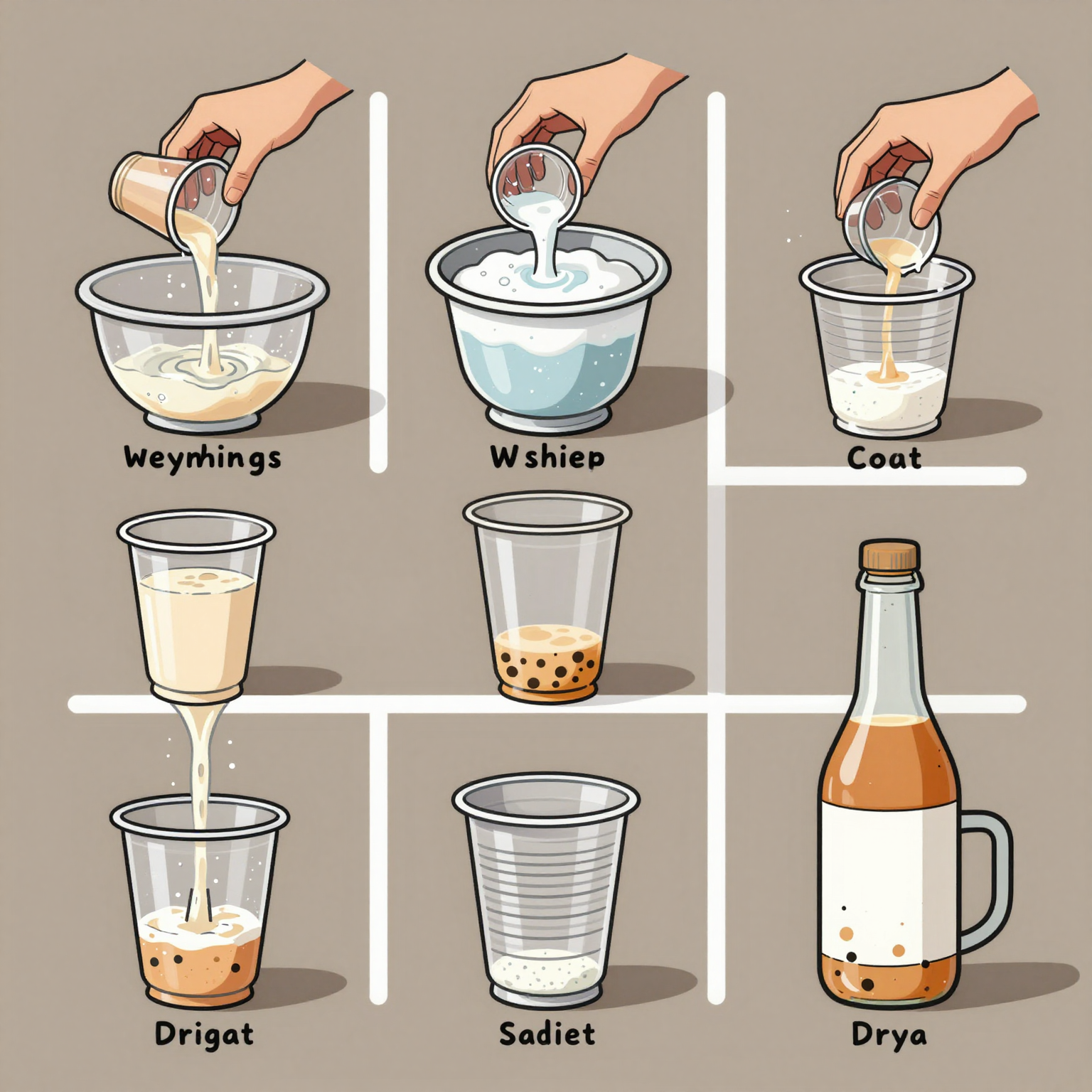
To maintain hygiene, safety, and effectiveness when washing disposable plastic cups, follow these best practices:
- Wash Immediately: Clean cups right after use to prevent bacteria growth. Immediate washing helps in removing food residues and minimizes odor.
- Use Warm Soapy Water: Hand wash cups using warm, soapy water and a soft sponge or cloth. Avoid abrasive scrubbers that can scratch the surface, which may harbor bacteria.
- Sanitize When Needed: For deeper cleaning, consider using a vinegar solution or baking soda to disinfect the cups, especially after serving high-risk beverages.
- Inspect for Damage: Regularly check for cracks or warping, as damaged cups can harbor harmful bacteria and are hard to clean thoroughly.
- Avoid Dishwashers: Many disposable plastic cups are not dishwasher safe. The high heat can warp the material, impacting their structural integrity.
For more insights on disposable products, you can learn more about sugarcane cups benefits or explore customized octagonal paper bowls.
Regulations and Safety Standards
In the food and beverage industry, specifically when it comes to washing and reusing disposable plastic cups, adhering to health and safety regulations is crucial to ensure both customer safety and compliance with legal standards.
U.S. Guidelines
In the United States, the Food and Drug Administration (FDA) provides specific guidelines for the washing and reuse of plastic food containers. According to the FDA’s guidelines, containers should be properly cleaned using designated washing methods to avoid chemical contamination. Recommended practices include using only containers marked “dishwasher safe” and avoiding the reuse of containers that weren’t intended for food use.
European Regulations
The European Food Safety Authority (EFSA) outlines regulations for reusable plastic food containers under EU regulations. These regulations mandate that containers must meet strict hygiene standards and avoid any harmful substances, such as bisphenol A (BPA). All food-contact materials must comply with EU Regulation (EU) 1935/2004.
CDC Recommendations
The Centers for Disease Control and Prevention (CDC) also emphasizes proper sanitization of plastic food containers to prevent foodborne illnesses. Their guidelines suggest that containers should be washed thoroughly after each use to eliminate any lingering bacteria.
For businesses like bubble tea shops and catering services, maintaining compliance with these regulations not only safeguards public health but also enhances brand reputation.
The Importance of Washing and Reusing Disposable Plastics
Washing and reusing disposable plastics can significantly reduce environmental waste, but it’s crucial to approach this practice responsibly. Experts warn that while there might be short-term benefits, the long-term implications of reusing these materials could be detrimental.
“…the core mechanism is through friction and ‘similar solubility’ principles to remove stains. However, this behavior poses significant hazards: thin or damaged plastic bags are prone to rupture, releasing microplastic particles that may absorb harmful substances and enter water bodies or attach to clothing, potentially endangering human health. It’s not about finding ways to reuse plastic bags, but about promoting a society that abandons single-use plastics in favor of reusable, biodegradable alternatives.” – Expert, Chinese Academy of Sciences
This quote emphasizes that the focus should be on reducing the production of single-use plastics rather than finding ways to reuse them. For those in the beverage industry, this means considering options like sugarcane cups that can serve both sustainability and practicality in operations.
By adopting more sustainable practices, businesses can contribute to a cleaner environment while appealing to eco-conscious consumers.
As the food service industry faces growing scrutiny regarding environmental sustainability, the adoption of washing techniques for disposable plastic products, such as cups, has come under the spotlight. However, current data specific to user adoption rates in this area remains sparse. A few broader trends and observations can be discussed.
Trends and Preferences:
- Increasing Interest in Sustainability:
- Many businesses, especially in the bubble tea and beverage industry, are becoming increasingly conscious of their environmental footprint. There’s a notable shift towards using recyclable or reusable serving items, even among those who traditionally rely on disposable plastics.
- Hygiene and Safety Concerns:
- Post-pandemic, hygiene standards have taken center stage. Businesses are adopting more rigorous cleaning protocols. This includes a preference for single-use items in many establishments to avoid cross-contamination, creating a dichotomy where the environmental impact is weighed against health standards.
- Regulatory Influence:
- Countries and regions are enacting stricter regulations aimed at reducing single-use plastics. For example, initiatives focusing on banishing single-use plastics entirely could compel the food service sector to adopt better washing techniques if they continue utilizing these items until alternatives are feasible.
- Lack of Infrastructure:
- In various regions, especially developing nations, the infrastructure for effective washing and sanitizing disposable plastic products is lacking. Many restaurants and food trucks find it more practical to discard single-use plastics rather than invest in washing facilities, as highlighted by observations from organizations dealing with plastic pollution.
- Consumer Preferences:
- Consumers are increasingly seeking businesses that demonstrate responsible environmental practices. There is a growing segment of customers willing to pay more for products that are eco-friendly, pushing food service providers to rethink the utility of disposable plastic cups in favor of sustainable alternatives.
Conclusion
While the overall trend indicates that there is an evolving perspective towards the washing of disposable plastic cups among food service operators, concrete data on user adoption rates remains elusive. This reflects the current state of the industry, where sustainability is becoming more crucial, but challenges in infrastructure and regulations continue to pose limits on widespread adoption.
For businesses focused on maximizing cost efficiency while adhering to environmental norms, exploring alternatives, such as sugarcane cups for business or other environmentally friendly disposables, could be a promising avenue for innovation and compliance in a rapidly changing landscape.
This combination of sustainability and operational efficiency could well become the hallmark of food service practices in the near future.
Cost Analysis of Washing vs Replacing Cups
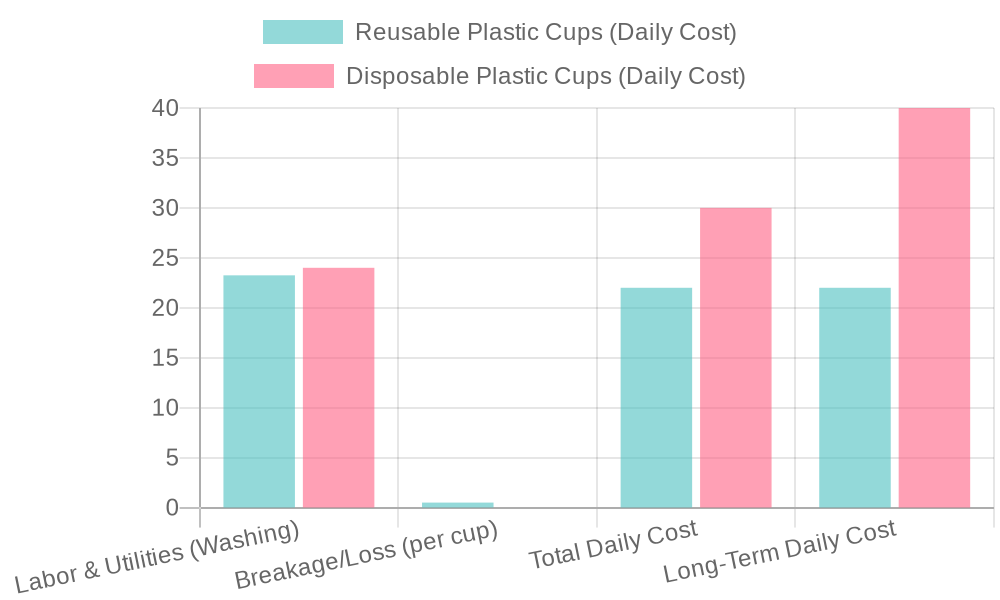
A chart has been generated below, visually representing the cost comparison between washing and reusing disposable plastic cups versus continually replacing them.
Key Insights:
-
Washing Reusable Cups:
-
Labor & Utilities Cost: $18 – $25 per day
-
Breakage/Loss Cost: $0.50 per cup
-
Total Daily Cost: Approximately $18.50 – $25.50
-
Replacing Disposable Cups:
-
Cost per Cup: $0.08 – $0.12
-
Total Daily Cost: $24.00 – $36.00
-
Long-Term Costs: May exceed $40 daily due to environmental fees and waste management.
Conclusion:
Investing in reusable plastic cups can lead to significant savings, becoming cost-competitive with disposables within 6 to 9 months, alongside improved sustainability metrics. For further insights on sustainable practices, you can learn more about the benefits of sugarcane cups and read more on customized octagonal paper bowls.
In conclusion, disposable plastic cups have become an integral part of the food service sector, providing convenience, hygiene, and cost-effectiveness. These cups are widely utilized across various industries, from bubble tea shops to catering services, due to their lightweight design and versatile applications. Innovations in eco-friendly materials and sustainable practices are paving the way for a greener future while ensuring that businesses can meet customer demands without compromising on quality.
As you evaluate your product options, consider choosing our high-quality disposable cups that comply with safe standards and support your operational needs. By prioritizing both functionality and sustainability, you can elevate your service offerings and contribute to a cleaner environment. Don’t miss out on our extensive range of products designed for your specific needs. Learn more about our eco-friendly solutions here and find the perfect match for your business ambitions today!