
Introduction
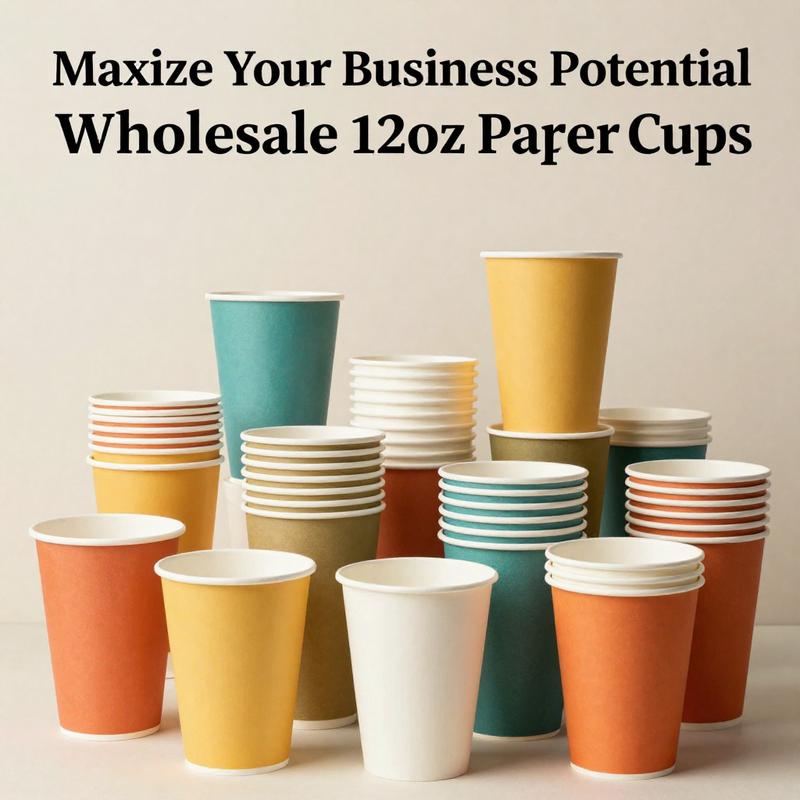
Understanding the dynamics of wholesale 12oz paper cups is essential for business owners looking to enhance their offerings. These cups serve as a versatile packaging solution for hot and cold beverages, aligning with eco-friendly trends. In this comprehensive analysis, we explore product specifications and variants, dive into branding and customization opportunities, assess pricing and order volume trends, and unpack supplier information and certifications. Each section equips businesses with the knowledge to make informed decisions about sourcing these essential products.
Tables of Contents
Chapter 1: Exploring Material and Design Variations in Wholesale 12oz Paper Cups
- Diving into Size and Material Characteristics of 12oz Paper Cups
- 12oz Paper Cups: Choosing the Right Design for Optimal Performance
- Elevating Brand Visibility and Eco-Friendly Practices Through Customization and Sustainability in 12oz Paper Cup Wholesale
Chapter 2: Crafting Your Brand: The Power of Customization in 12oz Paper Cup Wholesale
- Personalizing 12oz Paper Cups: Elevating Business Identity through Custom Designs
- Crafting Unique Brand Identities: Customization and Eco-Conscious Materials in 12oz Paper Cups
- Elevating Brand Presence: The Economic Impact of Customization and Compliance in 12oz Paper Cups
Chapter 3: Exploring the Cost-Effectiveness of Bulk Purchases in the 12oz Paper Cup Market
- Pricing Dynamics and Order Volume Insights in 12oz Paper Cup Wholesale: The Path to Cost Efficiency
- Assessing the Financial Implications of Eco-Friendly Materials in 12oz Paper Cup Pricing Strategies
- Navigating the Competitive Landscape: Pricing Trends and Order Volumes in 12oz Paper Cup Wholesale
Chapter 4: Navigating the Market Landscape for Wholesale 12oz Paper Cups: Supplier Insights
- 4.1 Leading Suppliers of 12oz Paper Cups: Innovators in Sustainability and Quality
- Understanding the Essential Certifications for Compliant 12oz Paper Cups in Wholesale
- The Backbone of Quality: Why Supplier Certifications Matter for 12oz Paper Cups
Chapter 1: Exploring Material and Design Variations in Wholesale 12oz Paper Cups
1. Diving into Size and Material Characteristics of 12oz Paper Cups
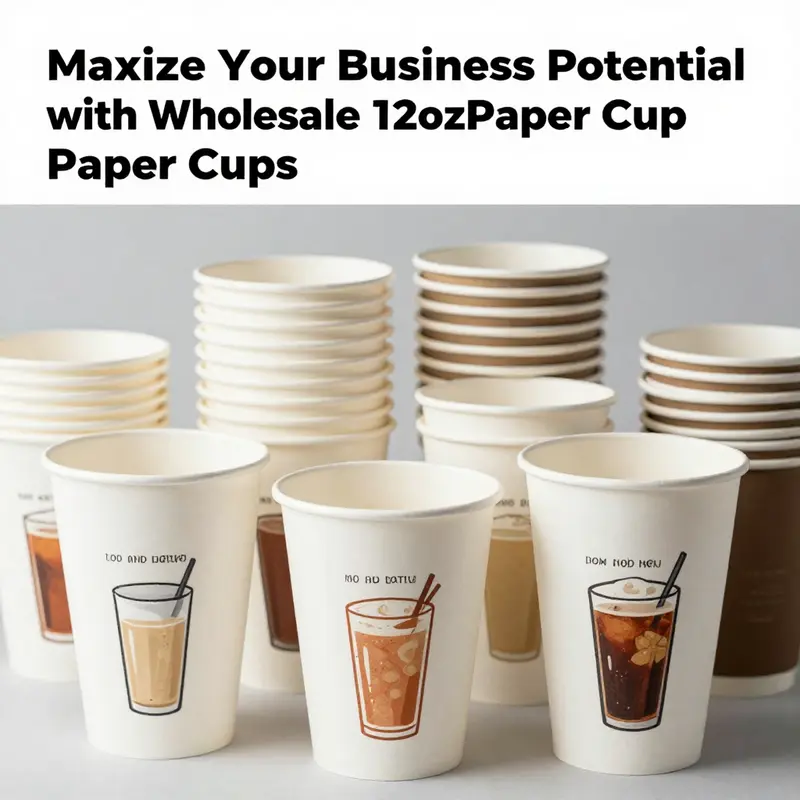
The 12oz paper cup has established itself as a staple in the wholesale market, serving as the go-to choice for countless establishments that serve beverages. With a capacity of approximately 355 ml, these cups are particularly suited for single-serve hot drinks, making them a preferred option in cafes, restaurants, and mobile food vendors. Their specific size and construction play a vital role in both consumer experience and environmental impact, underscoring the importance of understanding their specifications and characteristics.
The construction of 12oz paper cups primarily falls under two material categories: food-grade paper and kraft paper. This choice of materials is paramount as they ensure structural integrity and durability while maintaining compliance with safety standards for food contact. A critical aspect of these cups is their lining, which directly affects their functionality.
Material Characteristics
Within the realm of liners, the most common option is polyethylene (PE) lining. This standard feature equips the cups with the necessary barrier to prevent liquid leakage while providing thermal insulation. However, it poses challenges for recycling, as the separation of materials is often required. In response to an increasing demand for sustainability, many manufacturers are now offering biodegradable alternatives, which often utilize plant-based PLA (polylactic acid) as a lining. This innovation not only enhances the cups’ compostability but supports a growing market trend toward eco-friendly products, appealing to environmentally conscious consumers.
Variants in Cup Design
Understanding the variants available in 12oz paper cups is essential for businesses focused on both cost-effective solutions and consumer satisfaction. The primary differentiation in design is between single-wall and double-wall cups. While single-wall cups are more budget-friendly and suitable for cold or temp-sensitive hot beverages, they offer limited thermal insulation. This can result in discomfort for the consumer handling hotter drinks, necessitating caution.
On the other hand, double-wall cups present distinct advantages. The design incorporates an air gap between two layers of paper, providing enhanced insulation. This feature not only ensures better heat retention but also allows for comfortable handling—significant factors for consumers who often purchase hot beverages on the go. The investment in double-wall cups may be slightly higher compared to single-wall options, but the return in consumer satisfaction and brand loyalty can justify the expenditure.
Businesses also have the added advantage of customization with wholesale 12oz cups. Many suppliers provide printing services that enable brands to incorporate their logos or unique designs directly onto the cups. Such personalization can significantly elevate brand visibility, particularly in competitive marketplaces. While minimum order quantities (MOQs) for custom cups usually start at about 30,000 to 50,000 pieces, the resulting promotional potential can be well worth the initial investment.
Pricing Considerations
The pricing structure of wholesale 12oz paper cups is influenced by several factors, including material quality, customization options, and the design type. Standard unprinted single-wall cups can be acquired for as little as $0.01 to $0.035 per unit when ordered in bulk. Conversely, double-wall cups or those made with biodegradable materials can push the pricing up to around $0.04 per unit. Given these variances, businesses need to evaluate their specific requirements and budget before placing significant orders.
Sample requests are often a low-cost avenue for businesses hesitating to commit to large order quantities. Suppliers typically provide samples for a nominal fee, sometimes as low as $0.01 per piece, allowing businesses to assess options without heavy upfront costs. This practice can prove invaluable for establishments looking to assess the tactile quality and aesthetic appeal of the cups prior to larger investments.
End Use and Sustainability
In today’s market, the end use of these cups often determines purchasing decisions. They are particularly suited for settings emphasizing convenience and hygiene, such as takeaway services, events, and catering. As consumers today become increasingly aware of sustainability issues, the shift towards biodegradable options is critical. Cups that are fully compliant with environmental standards can not only satisfy customer preferences but also allow businesses to achieve sustainability certifications.
For specific technical details regarding the materials and compliance of these 12oz paper cups, consulting supplier documentation is encouraged. Reputable suppliers, such as Wuhan Amity Eco, emphasize 100% plastic-free options for their cups, aligning with a broader move towards responsible packaging solutions. The emphasis on both function and sustainability reinforces the essential role that 12oz paper cups play in the foodservice industry as we transition toward greener practices.
Whether a café is seeking to establish its brand identity through customized cups or a food truck prioritizes insulated designs for its coffee service, understanding the specifications and material characteristics of 12oz paper cups ensures that businesses make informed choices that cater to their unique needs and customer expectations.
2. 12oz Paper Cups: Choosing the Right Design for Optimal Performance
The 12oz paper cup stands as a staple in the beverage industry, frequently embraced by coffee shops, caterers, and casual dining establishments. A key aspect of its versatility stems from the different design variations available, which cater to specific functional needs and consumer preferences. Understanding these variants—particularly between single-wall and double-wall constructions—can significantly enhance the effectiveness of businesses looking to optimize their service and brand experience.
At first glance, the single-wall 12oz paper cup presents itself as a practical choice for many vendors. Constructed from a single layer of food-grade paper and typically lined with polyethylene (PE) or wax, it delivers essential leak-proof functionality. However, this seemingly straightforward design comes with limitations. The single-wall structure does not provide significant thermal insulation, which can lead to discomfort for consumers holding hot beverages. For instance, a freshly brewed cup of coffee can quickly heat the exterior, contributing to a less pleasant drinking experience and increasing the risk of spills due to the recipient’s hurried grasp. For establishments that prioritize customer experience, particularly in the realm of coffee shops where product temperature adds to the overall enjoyment, this aspect may render single-wall cups less desirable.
On the other hand, double-wall 12oz paper cups bring a significantly enhanced user experience to the table. Featuring an additional layer that creates an air pocket, these cups excel in thermal insulation. This innovative design minimizes heat transfer from the drink to the exterior, allowing customers to enjoy their beverages comfortably without the risk of burns. Additionally, double-wall cups are particularly effective in maintaining beverage temperature, ensuring that hot drinks remain warm longer. This advantage invites customers to indulge at their leisure, potentially leading to increased sales as patrons linger in cafés and eateries. In the highly competitive beverage market, where customer experience is paramount, opting for the double-wall design can showcase a business’s commitment to quality and care.
Material selection further defines the functional capabilities and sustainability aspects of 12oz paper cups. The majority of these cups are crafted from either recyclable kraft paper or food-grade paper with a PE lining. Notably, the advancements in recycling technology allow the separation of various materials during the recycling process, ensuring that sustainability efforts are not just a footnote but a fundamental part of business operations. Manufacturers increasingly focus on eco-friendly options, such as compostable paper cups lined with polylactic acid (PLA). However, these alternative materials may necessitate commercial composting infrastructure, which is critical for those businesses genuinely aiming for greener practices.
To enhance usability and customer satisfaction, many manufacturers provide optional features and accessories for disposable cups. Lids are a common add-on, facilitating spill prevention and temperature retention. Notably, these lids can be composed of different materials, including polypropylene (PP) or PET, which further diversifies sustainability efforts. Additionally, sleeves may be offered; they provide an extra layer of insulation that not only aids in reducing heat transfer but also enhances grip conditions, diminishing the chances of accidental drops.
Moreover, the customization of 12oz paper cups through direct printing represents a powerful branding opportunity for businesses. Companies can print logos, promotional messages, or artistic designs directly on the cup, elevating simple drinkware into marketing tools. Businesses benefit from the visibility these custom cups provide in and outside their venues. In most cases, suppliers require minimum order quantities (MOQ) for customization; these typically start around 30,000 to 50,000 units, indicating a focus on bulk orders that align with wholesale dynamics. The total cost per unit also varies based on specific requirements, including the complexity of prints, the materials selected, and the volume ordered.
When sourcing 12oz paper cups in bulk, it is essential for buyers to engage with suppliers who hold necessary certifications, such as LFGB and BPI. These certifications verify that the products meet relevant safety and environmental standards, ensuring that cup use aligns with sustainable practices. Furthermore, suppliers offer international shipping options, allowing businesses to access high-quality products regardless of geographical challenges. Therefore, understanding the intricacies of product specifications not only aids in the selection process but also empowers businesses to enhance their brand presence effectively.
As businesses navigate the competitive landscape of the beverage industry, the choices made concerning cup design go beyond mere convenience. With careful consideration of functionality and customer experience, the innovative designs of 12oz paper cups can become essential tools in delivering high-quality service, promoting sustainable practices, and reinforcing brand identity. For further insight into the wholesale offerings, consider exploring specific product links that showcase available options in the market.
3. Elevating Brand Visibility and Eco-Friendly Practices Through Customization and Sustainability in 12oz Paper Cup Wholesale
The market for wholesale 12oz paper cups reflects a robust balance between the practicality of disposable options and the urgent need for sustainable practices that align with modern consumer values. With an increasing demand for both functionality and eco-friendliness, manufacturers offer a stunning variety of specifications to meet diverse consumer needs. The 12oz cup, known for its versatile size—approximately 340ml—is particularly favored in the beverage industry, making it an ideal vessel for everything from steaming coffee to refreshing iced tea.
These cups are crafted primarily from food-grade or kraft paper, which not only ensures safety but also enhances the tactile experience for end-users. A notable innovation in the design of these cups is the use of polyethylene (PE) lining. This lining is crucial as it provides essential liquid resistance, thereby maximizing the usability of the cup while still allowing for recycling once properly separated. As consumers increasingly express concerns about environmental impact, manufacturers are stepping up to create solutions that balance durability, functionality, and sustainability.
Sustainability is not merely a marketing statement anymore; it is now a foundational element of the design process for 12oz paper cups. As public awareness of environmental challenges grows, brands are feeling the pressure to offer more than just a product; they are being called to present eco-friendly solutions that resonate with a more conscientious consumer base. An encouraging trend has emerged where many suppliers now provide compostable cups that adhere to global safety and environmental standards, like EN 13432 or ASTM D6400. These certifications ensure that once disposed of, the cups safely break down in industrial composting facilities, reducing the burden on landfills and contributing to a circular economy.
It is worth noting that sustainable options extend beyond just composting capabilities. Some high-quality cup variants have been made entirely plastic-free, utilizing biodegradable materials such as kraft paper. This initiative not only meets consumer expectations but also supports businesses in achieving green certifications, which are increasingly crucial in today’s market. By choosing eco-friendly cups, businesses can significantly decrease waste and display their commitment to corporate social responsibility (CSR), ultimately fostering a sense of trust and loyalty among their environmentally minded clientele.
As sustainability increasingly becomes a non-negotiable feature in product procurement, customization also plays a vital role in enhancing brand recognition in such a competitive marketplace. With options ranging from simple logo prints to intricate full-color designs, businesses can make significant strides in visibility and customer engagement. This customization opportunity allows cafes, restaurants, and even event planners to create unique branding experiences around their beverages. Furthermore, suppliers support this branding opportunity by offering a variety of choices such as custom sleeves and specially designed lids that allow for a coherent visual identity that extends beyond the cup itself.
With minimum order quantities (MOQ) often starting at 30,000 pieces for custom orders, businesses can scale their branding efforts effectively. Such customizable features ensure that even smaller establishments can compete with larger brands on the front of creative expression. The process usually begins with prototypes, which not only establish design accuracy but also ensure quality standards are upheld, critical for reinforcing brand integrity.
The bulk of these cups continues to be supplied from countries like China, where advanced manufacturing capabilities and specialized industrial clusters allow for rapid production and reliable supply chains. The automated production lines in regions such as Guangdong and Anhui, which can produce up to 300,000 units per day, make procurement seamless. However, it is vital for buyers to look beyond mere pricing and investigate supplier certifications, compliance documentation, and overall transparency. This effort ensures that the selected suppliers are not just cost-effective but also adhere to high standards in material sourcing and production reliability.
Ultimately, the dual focus on sustainable materials and versatile customization options positions the 12oz paper cup as an indispensable element in modern beverage operations. The blend of environmental responsibility with sleek, customizable designs empowers businesses not only to align with consumer values but also to make lasting impressions in an increasingly conscious market. As companies embark on new sourcing journeys, embracing these trends will lead to improved branding and customer loyalty, encapsulating both innovation and sustainability in every sip.
Chapter 2: Crafting Your Brand: The Power of Customization in 12oz Paper Cup Wholesale
1. Personalizing 12oz Paper Cups: Elevating Business Identity through Custom Designs
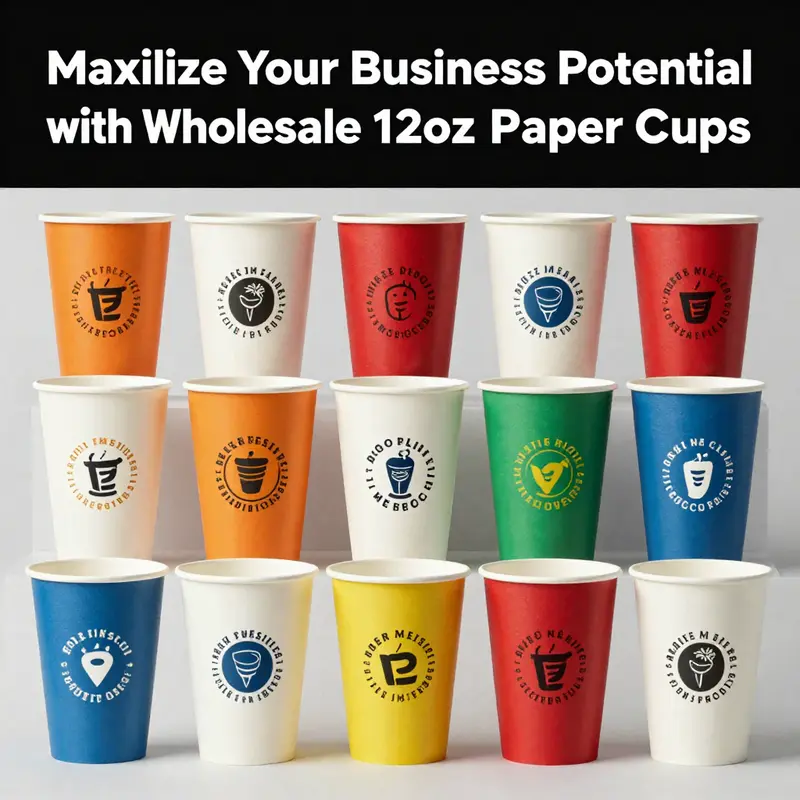
In a competitive marketplace, capturing the attention of consumers is more crucial than ever, and one effective way to achieve this is through the strategic use of branded packaging. Customizing 12oz paper cups for wholesale can be a game-changer for businesses in the beverage industry, providing a tangible touchpoint that engages customers and enhances brand identity. The versatility and eco-friendliness of these disposable cups make them an ideal canvas for personalization, while also aligning with current consumer trends favoring sustainable practices.
Exploring Customization Features
Suppliers today offer a plethora of customization options that go beyond merely adding a logo. Businesses can choose from various cup designs, materials, and features to reflect their unique branding. For instance, double-wall kraft paper coffee cups are not only highly sought after for their thermal insulation properties but also can be adorned with custom prints that resonate with a brand’s identity. This means coffee shops, cafes, and restaurants can utilize these cups not merely as functional items but as a key aspect of their customer outreach.
A customizable paper cup can be equipped with an array of design options, from intricate graphics to simple text. Companies can collaborate with designers to ensure that their branding speaks clearly to consumers, making them instantly recognizable. It’s important to note that many suppliers, for example, provide an opportunity for brands to submit their own sketches or designs, allowing manufacturers to create custom molds that mirror the unique aesthetics of the brand. This level of collaboration ensures that the final product perfectly aligns with the envisioned design.
Material Considerations and Eco-Conscious Choices
When personalizing 12oz paper cups, material choice is paramount. Many businesses are now shifting towards materials that are eco-friendly. Several suppliers offer options made from biodegradable materials, such as PLA-coated paper, contributing to a larger environmental initiative while also appealing to increasingly eco-conscious consumers. Certifications from reputable organizations often accompany these materials, ensuring compliance with global food safety and sustainability standards such as FDA and EU regulations.
By prioritizing eco-friendliness, brands not only align with consumer values but also distinguish themselves in a marketplace that is progressively valuing sustainability. For instance, incorporating sustainable materials into everyday packaging can significantly boost a brand’s image, fostering loyalty among consumers who prioritize environmental stewardship.
Enhancing Customer Experience through Functionality
In addition to aesthetics, functionality plays a vital role in the customer experience. This versatile 12oz cup can accommodate various beverages—everything from piping hot coffee to cool iced tea. This adaptability allows businesses to cater to a wider range of menu items, enhancing the customer experience by ensuring that liquids remain at their optimum temperatures without compromising on quality or service.
Moreover, options like lids can be customized, which adds further convenience for on-the-go consumers. Aligning product functionality with design allows businesses to improve their service offerings while maintaining a cohesive brand presence.
Understanding Pricing and Bulk Orders
While customization adds value, it’s essential to navigate the pricing landscape carefully. Cost varies significantly based on material quality, design complexity, and the order volume. For unprinted single-wall cups, prices can begin as low as $0.01-$0.035 per unit, making it an accessible entry point for smaller businesses. However, custom printing often requires larger minimum order quantities (MOQ), typically ranging from 30,000 to 50,000 pieces, thus catering to businesses prepared to make a larger investment upfront for significant returns. This consideration allows brands to project their identity through practical, everyday products like paper cups without overextending their budgets.
Strategically Sourcing Your Custom Cups
Sourcing from reputable suppliers is a crucial step in the customization process. Platforms like Alibaba.com and various manufacturers offer diverse options tailored to specific business needs. Partnering with verified suppliers ensures product quality, reliability, and fulfillment of your unique branding requests. Furthermore, the trade assurance offered through these platforms can protect your investments while ensuring timely delivery.
To explore more about potential suppliers and the diverse options available in customizing 12oz paper cups, visit sites dedicated to food-grade packaging solutions. By leveraging the power of custom design and branding, businesses can effectively elevate their market presence, ensuring their products stand out in an increasingly crowded market.
2. Crafting Unique Brand Identities: Customization and Eco-Conscious Materials in 12oz Paper Cups
Customization is essential for businesses leveraging wholesale 12oz paper cups to forge a unique brand identity while appealing to a growing consumer base that prioritizes sustainability. In this landscape, a variety of customization options enables brands to enhance visibility and recognition in an increasingly crowded marketplace. From full-color printing and logo placement to bespoke designs, the available services allow establishments—such as coffee shops, restaurants, and catering services—to align their packaging with their brand ethos.
Among the compelling options, double-wall kraft paper coffee cups stand out as an attractive choice for their modern design and aesthetic appeal. Many suppliers, including those found on platforms like Alibaba.com, offer these cups, which can be tailored to specific requirements, featuring strong insulation to keep drinks hot while enhancing the overall user experience. Typically, custom orders require a minimum order quantity (MOQ), sometimes starting at around 500,000 pieces, which suits larger commercial operations looking for significant brand exposure.
As the sustainability movement continues to rise globally, incorporating eco-friendly materials into supply chains becomes increasingly vital. Many suppliers have responded by transitioning to certified sustainable materials for their paper cups. For instance, cups often meet stringent food safety regulations like the FDA’s 21 CFR 176.170 and EU No 1935/2004 standards, ensuring that they are safe for direct contact with hot beverages. Moreover, certifications from organizations such as the Forest Stewardship Council (FSC) and the Global Recycled Standard confirm responsible sourcing and the inclusion of recycled content, demonstrating a commitment to environmental stewardship and appealing to eco-conscious consumers.
A remarkable direction in eco-friendly cup production is the rise of biodegradable and compostable alternatives. These innovations reflect a proactive approach to combating disposable waste. For example, suppliers are now introducing 12oz custom printed disposable cups made from PLA (polylactic acid), a renewable resource that can break down under industrial composting conditions. This offers users the practical functionality of traditional disposable cups without the environmental impact, effectively aligning brand offerings with sustainability initiatives.
One fascinating design feature gaining traction is the ripple wall construction, enhancing insulation for hot beverages without the need for excessive material use. This design not only improves functionality but also contributes to lowering carbon footprints and waste in manufacturing processes. The versatility of these paper cups is evident—they are not limited to coffee and tea, but extend to various cold beverages, wine, and food packaging, positioning them as a go-to solution across the food service industry.
Suppliers often showcase their flexibility by developing new molds that meet unique client specifications, adding variety to their product offerings. This ability ensures that brands can design truly distinctive packaging, highlighting their unique styles and differentiating themselves from competitors’ products. Whether it’s creating a specific shape, optimizing the size for unique offerings, or incorporating striking design elements, this adaptability is a vital component in successful branding efforts.
For businesses keen on integrating effective branding with eco-conscious practices, partnering with verified suppliers presents a significant advantage. Online platforms facilitate access to trade-assured products, ensuring quality guarantees backed by rigorous certifications. As environmental awareness continues to influence consumer preferences, investing in customizable, eco-friendly 12oz paper cups not only enhances brand image but also underscores a commitment to sustainability.
This strategic approach reflects a clear understanding that modern consumers no longer view packaging as mere containment. Instead, they value products that resonate with their ethical beliefs. The narrative driven by sustainability complements the broader trend found throughout the wholesale cup market.
In conclusion, the intersection of customization and eco-friendly materials in wholesale 12oz paper cups is reshaping how brands communicate their values and engage with consumers. By embracing distinct designs and sustainable materials, businesses can enhance their branding while demonstrating their commitment to environmental responsibility. For more insights on eco-friendly packaging options and innovative designs, explore additional resources on customized packaging solutions.
3. Elevating Brand Presence: The Economic Impact of Customization and Compliance in 12oz Paper Cups
The wholesale marketplace for 12oz paper cups has transformed into a vital avenue for businesses looking to enhance their branding while maintaining a practical approach to packaging solutions. Customization has become a cornerstone of this market, enabling companies—from coffee shops to event caterers—to forge a distinct identity through personalized designs on every cup. Suppliers, particularly those found on platforms like Alibaba.com, cater to this demand, offering options for logo integration, bespoke artwork, and even vibrant full-color printing, all tailored to reflect the ethos of the brands they serve. For instance, suppliers provide double-wall kraft paper coffee cups that not only maintain beverage temperature but also boast a ripple design ideal for branding, with order quantities commencing at a substantial 500,000 units. Such possibilities offer businesses significant leverage to stand out amidst a saturated market.
The process of customizing paper cups extends beyond aesthetics; it plays a fundamental role in brand recognition and customer loyalty. The visual elements on a cup act as mobile advertisements, capturing the attention of consumers and forging an emotional connection with the product. Every sip of coffee or tea becomes a moment for engagement, reinforcing brand recall in patrons’ minds. This is particularly beneficial in environments where consumer choices are influenced by appearances, such as cafes and food events. By investing in custom cups, businesses do not just package beverages; they cultivate an experience, one that customers are likely to share on social media, further amplifying exposure.
Certification and Compliance: A Foundation of Trust
However, while the allure of customization is undeniable, it is vital for companies to navigate the complexities of certification and compliance within the paper cup manufacturing process. Reputable suppliers uphold rigorous international standards, ensuring that 12oz paper cups are not only visually appealing but also safe for food contact. Standards such as the FDA 21 CFR 176.170 in the U.S. and the EU Regulation No 1935/2004 govern materials intended for contact with food. Adhering to these regulations safeguards consumer well-being and mitigates potential liabilities associated with product safety.
Moreover, a growing segment of the market prioritizes sustainability in packaging solutions. Many suppliers acquire certifications such as FSC (Forest Stewardship Council) and Global Recycled Standard (GRS), demonstrating their commitment to environmentally responsible practices. For brands that align with sustainability, these certifications enhance credibility and can positively influence purchasing decisions among eco-conscious consumers. The importance of compliance cannot be overstated; it is an assurance of quality and safety that directly correlates to brand reputation and consumer trust.
Economic Implications: Balancing Cost and Customization
From an economic perspective, the dynamics of customization introduce both opportunities and challenges. While minimum order quantities often start at substantial figures like 500,000 units for custom designs, the resulting economies of scale yield significantly lower per-unit costs. For instance, standard unprinted single-wall cups can be procured for as low as $0.01 to $0.035 each in large orders, presenting a compelling case for businesses to invest in high volumes. Yet, substantial upfront costs require rigorous inventory management and forecasting to ensure optimal stock levels without surplus waste.
Conversely, some suppliers recognize the demand for flexibility and offer smaller batch options for customization, catering to seasonal promotions or niche markets. This inclusivity allows businesses of all scales to participate in the customization wave, empowering them to launch targeted marketing campaigns without the financial burden of excessive inventory.
As the eco-conscious movement gains momentum, the willingness of consumers to opt for biodegradable or compostable options has led to premium pricing for sustainable variants, such as PLA-coated 12oz cups. These higher margins demonstrate that investing in eco-friendly packaging does not merely represent a cost—it’s a strategic advantage that can open doors to environmentally aware consumers willing to pay extra for sustainable choices.
Ultimately, the integration of customization, compliance, and economic strategy in the wholesale 12oz paper cup market illustrates a comprehensive approach to branding that aligns practical considerations with consumer desires. By choosing compliant, certified, and customizable options, businesses not only fulfill regulatory requirements but also unlock avenues for innovation and growth in an increasingly competitive landscape. This balanced approach positions brands optimally to capitalize on evolving consumer values, ensuring long-term sustainability and success in the market.
Chapter 3: Exploring the Cost-Effectiveness of Bulk Purchases in the 12oz Paper Cup Market
1. Pricing Dynamics and Order Volume Insights in 12oz Paper Cup Wholesale: The Path to Cost Efficiency
The market for wholesale 12oz paper cups showcases a complex interplay between pricing strategies and order volume that is critical for businesses looking to maximize their cost-effectiveness. Understanding these dynamics offers vital insights that can help companies make informed purchasing decisions and adapt to evolving demand patterns in disposable packaging.
Pricing Overview
To start, pricing for 12oz paper cups generally varies based not only on the cup’s material and design but also on the supplier’s positioning within the market. Broadly speaking, the fundamental pricing structure includes:
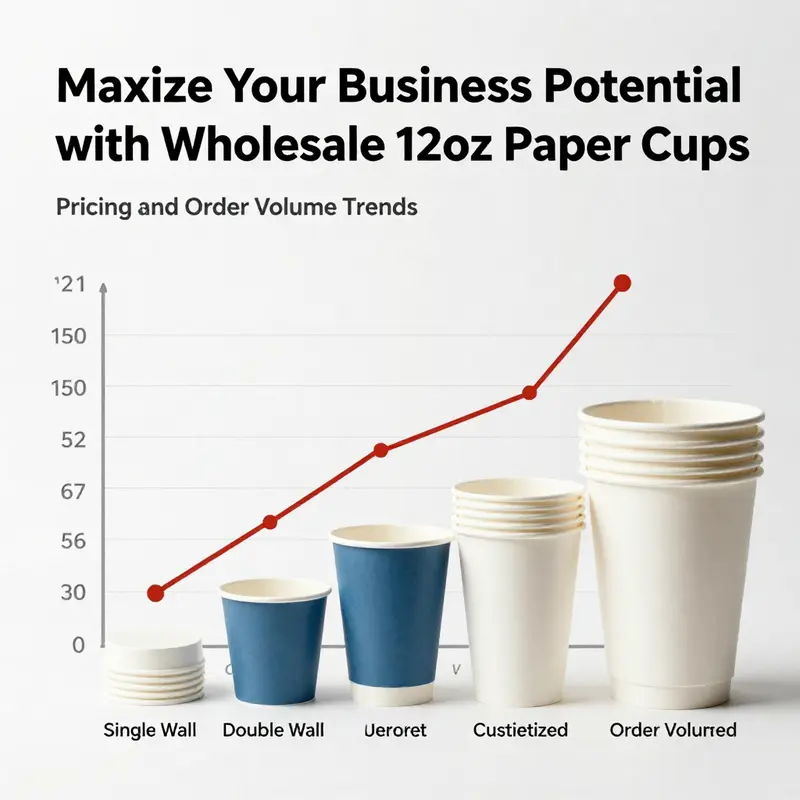
- Standard Unprinted Cups: For basic single-wall options, suppliers are offering prices as low as $0.012 to $0.052 per cup, particularly when orders exceed 30,000 units. This strategy underscores the value suppliers place on bulk purchasing, where volume significantly dictates unit costs.
- Upgraded Options: If a buyer opts for double-wall or eco-friendly cups, the price can rise to about $0.04 per piece, reflecting the enhanced material quality and increased production effort required for these options. Supplier A, for instance, may price their durable kraft paper cups between $0.06 and $0.07 per unit for orders starting at 100,000 pieces, thus emphasizing the competitive nature of this market.
Economies of Scale
The principle of economies of scale is a central theme in this wholesale market. As businesses commit to larger orders, they not only benefit from reduced costs per unit but also create an opportunity for strategic procurement that can bolster their competitive edge. This trend is often incentivized by suppliers through tiered discounts, where the cost per unit drops significantly the more cups a buyer orders. For example, a coffee shop chain focusing on high-volume sales may opt for a bulk purchase of 50,000 cups, reaping substantial cost savings over numerous smaller orders.
Moreover, suppliers keenly promote these savings, often offering specialized guidance on optimal order quantities to ensure their clients maximize both their budgetary constraints and product availability.
Eco-Friendly Trends Impacting Pricing
In recent years, there has been a substantial shift towards sustainability within the disposable packaging sector, influencing pricing trends in the 12oz paper cup market. The increasing consumer demand for eco-friendly products has encouraged many businesses to adapt their offerings accordingly. While single-wall paper cups are typically the cheapest option, the rise of double-wall and biodegradable variants comes at a premium, largely due to their higher production costs and enhanced environmental compliance. As businesses align with consumer preferences and regulatory requirements favoring sustainability, the resulting market pressure has led suppliers to innovate and offer a wider array of environmentally friendly options.
Strategic Procurement Considerations
To optimize procurement strategies amidst these pricing dynamics, businesses should consider a few crucial factors:
- Minimize Order Sizes: While initial ordering at lower volumes may seem financially appealing, companies are likely to incur higher costs per cup over time. Aligning orders to exceed 30,000 units can substantially improve overall savings.
- Long-Term Contracts: Establishing long-term agreements with suppliers not only stabilizes pricing but also allows businesses to better forecast expenses. Such arrangements can be especially beneficial in a fluctuating market.
- Diversity of Suppliers: Engaging multiple suppliers can create competitive tension, driving down prices while also ensuring that businesses have access to various product lines, from high-quality double-wall to economical single-wall options.
Conclusion and Future Trends
The pricing and order volume analysis within the 12oz paper cup wholesale market paints a vivid picture of the cost-saving potential businesses can leverage through strategic purchasing. The clear advantage associated with bulk ordering, coupled with a shift towards eco-friendly product lines, signifies an evolving landscape that requires businesses to remain agile in their procurement approaches. The strategic insights gained from understanding these market dynamics will not only enhance immediate cost effectiveness but also prepare companies for future trends in sustainability—a key driver in consumer decisions.
For further detailed information, check out this link on customized paper cups.
2. Assessing the Financial Implications of Eco-Friendly Materials in 12oz Paper Cup Pricing Strategies
The landscape of pricing in the wholesale market for 12oz paper cups is undergoing a transformative shift, primarily driven by the increasing adoption of eco-friendly materials. With heightened regulatory pressures and a growing consumer focus on sustainability, businesses are reevaluating their sourcing and packaging strategies to align with eco-conscious trends. This evolution is particularly pronounced in the pricing strategies associated with disposable paper cups that cater to hot and cold beverages, which are staples in many food and beverage operations.
One of the most significant changes observable in the industry is the shift from conventional polyethylene (PE)-lined cups to biodegradable options that include materials like polylactic acid (PLA). PLA, derived from renewable plant resources, meets stringent environmental criteria, thereby serving as a compelling alternative to traditional materials. As of late 2025, this shift has notable implications for pricing: averages for biodegradable cups hover around US$12.20 per unit, which is considerably higher than their PE counterparts, which remain priced below this threshold due to lower production costs. While the transition to greener materials may seem like an additional burden on the pocketbook, it’s pivotal to recognize the multifaceted implications on both pricing and consumer perceptions.
The economics of scale further play an essential role in the wholesale dynamics of 12oz paper cups. Key suppliers—particularly those operating out of manufacturing hubs like Guangdong and Hubei in China—boast production capacities of up to 300,000 units daily. This means that large-scale orders, specifically quantities exceeding 100,000 units, can garner substantial reductions in unit cost, achieved through economies of scale. Reports indicate that businesses can reduce their effective per-cup price by 20-30% by utilizing bulk purchasing strategies. Thus, the environmental benefits of adopting eco-friendly materials can be justified economically, enabling retailers and vendors to meet both sustainability goals and budgetary constraints effectively.
Customization also weaves a complex narrative into the pricing structure of wholesale 12oz paper cups. Many businesses seek to enhance brand visibility through printed logos and unique designs on their cups. While this offers critical branding opportunities, it also contributes to an uptick in costs. Customized eco-friendly cups often command higher prices due to intricate production processes, especially when full-color printing is involved. Nevertheless, brands that prioritize sustainability and reflect these values in their product offerings stand to bolster their market positioning and, ultimately, their bottom line. The justification for this added investment in eco-friendly, customized cups often comes from enhanced brand perception, which can foster consumer loyalty and repeat business.
Supply chain considerations are equally important in establishing effective pricing strategies for 12oz paper cups. Lead times for customized orders typically extend from 15 to 25 days following sample approval, necessitating solid planning and management of supplier relationships. Companies aiming to position themselves advantageously in the market must develop robust logistical frameworks to leverage the benefits of bulk orders while ensuring minimal disruptions in the supply chain.
Ultimately, while the initial costs associated with eco-friendly materials, like biodegradable paper cups, may present higher unit prices, these costs are increasingly mitigated through strategic purchasing methods, conformance with regulatory standards, and the long-term brand equity associated with sustainable practices. The integration of eco-conscious materials into wholesale pricing strategies has transitioned from an optional preference to a strategic imperative, shaping the future trajectory of the 12oz paper cup market. As businesses navigate this evolving landscape, they must balance the emerging preferences of environmentally aware consumers with the practicalities of cost and logistics.
For those looking to explore sourcing options further, detailed insights and updated pricing details can be found by consulting reputable supplier databases and guides such as those provided for wholesale 12oz paper cups. Understanding these dynamics is essential for businesses wishing to thrive in a competitive marketplace increasingly defined by sustainability initiatives.
3. Navigating the Competitive Landscape: Pricing Trends and Order Volumes in 12oz Paper Cup Wholesale
The wholesale market for 12oz paper cups showcases vibrant pricing dynamics driven by evolving consumer preferences, sustainability initiatives, and broader market forces. As of 2025, the demand for both single-wall and double-wall configurations is robust, reflecting a significant share of the beverage packaging sector. With hot beverages making up 44.92% of total paper cup volume, their popularity underscores an enduring reliance on disposable solutions in cafes, restaurants, and events. The segment is poised for growth, projected to achieve a compound annual growth rate (CAGR) of 5.24% through 2031, revealing a sustained appetite for convenience.
The pricing landscape of 12oz paper cups varies, influenced by material types and added features. As of late 2025, wholesale rates for single-wall eco-friendly paper cups start at approximately US$12.20 per 1,000 units. In contrast, double-wall variants, prized for their superior insulation and sturdiness, attract a premium that reflects the enhanced materials used in their construction. On platforms like Alibaba, a surge in competitive pressures has resulted in favorable pricing for bulk orders, especially those exceeding 10,000 units, as a growing number of manufacturers seek to capture market share.
Customization options significantly affect the pricing structure as well. Simple branding through flexographic or offset printing generally incurs an additional markup of 15-25% on top of base prices, creating a spectrum of choices for buyers from plain cups to vibrantly designed products tailored for their businesses. This serves not only as a functional offering but as a medium of promotion for companies aiming to develop a cohesive brand identity.
Against the backdrop of these pricing strategies lies an observable trend toward sustainable products that has reshaped order volume dynamics. The contemporary consumer prioritizes eco-friendly, biodegradable, and compostable options, which has propelled a marked increase in wholesale orders. Cafes and food service providers, now under mounting pressure to reduce plastic waste, are particularly keen on custom-printed, eco-friendly 12oz cups. Reports indicate that demand for such sustainable options surged over 30% year-on-year in 2025, showcasing an alignment with emerging Environmental, Social, and Governance (ESG) objectives that have become critical conversation points in corporate strategy.
Geographic demand varies significantly as well, with North America and Europe leading in sustainable procurement trends, while regions like Asia-Pacific are witnessing increasing enthusiasm for both volume and customization. Digital sourcing platforms have emerged as essential resources for small to mid-sized businesses, giving them access to wholesale pricing structures previously dominated by larger players.
In parallel, fluctuations in global supply chains—spurred by changing regulations and economic instability—have inevitably affected pricing. Suppliers have responded by optimizing their production processes to mitigate costs, and many have achieved various certifications such as LFGB, BPI, and DIN that underscore compliance with international food safety and environmental standards. As a result, businesses can ensure that the 12oz paper cups they purchase are not only safe for beverage consumption but also align with broader ecological initiatives.
Looking ahead, the wholesale market for 12oz paper cups appears poised for continued growth and transformation, characterized by rising consumer awareness around sustainability. With this awareness fostering a greater demand for sustainable products, businesses will likely find themselves prioritizing eco-friendly innovations in their supply chains. As environmental regulations tighten globally, the ability to adapt to these changes—even in pricing and order volumes—will serve as the hallmark for success in this burgeoning segment. The integration of advanced technologies for procurement, along with a strong emphasis on sustainable practices, indicates a bright future for the 12oz paper cup wholesale landscape. This synergy of affordability, customization, and eco-consciousness sets the stage for a sustainable and scalable growth trajectory in the marketplace, positioning forward-thinking businesses to thrive amidst the evolving consumer landscape. This evolution highlights the importance of emerging trends, which can be further explored through customizable solutions found at leading distributors such as cupbowlpack.com, where businesses can find specific offerings aligned with contemporary market demands.
Chapter 4: Navigating the Market Landscape for Wholesale 12oz Paper Cups: Supplier Insights
1. 4.1 Leading Suppliers of 12oz Paper Cups: Innovators in Sustainability and Quality
In the competitive arena of wholesale 12oz paper cups, suppliers play a pivotal role, consistently shaping market trends, pricing strategies, and product offerings. As environmental concerns escalate, the search for manufacturers who prioritize sustainability while ensuring product quality becomes increasingly vital. Among the key players dominating this space, numerous suppliers stand out, particularly those based in China, an influential manufacturing hub recognized for its robust capabilities and competitive pricing.
One notable supplier committing to sustainable practices produces compostable cups compliant with respected international standards, including EN 13432 and ASTM D6400. By focusing on eco-friendly solutions, they cater to a market that increasingly seeks environmentally responsible alternatives. This supplier not only adheres to strict environmental compliance but also offers extensive customization options, such as printing with food-grade inks and an array of cup designs. Such flexibility enables businesses to align their packaging needs with their brand identity and ecological goals, presenting a dual benefit that resonates well with consumers and corporate ethics alike.
Another significant player is GREEN, a veteran in the industry with over 12 years of experience. This supplier initially specialized in traditional paper goods but has notably diversified its offerings, introducing a range of plastic and bio-material products that respond to the evolving marketplace. Their inventory includes standard wall hot coffee cups, cold drink cups, and innovative bio-PLA paper cups made from plant-based materials. GREEN’s evolution exemplifies a strategic approach to contemporary demands, providing sustainable alternatives without compromising quality or functionality. Furthermore, their capability to offer customizable sizes—ranging from 3oz to 16oz—and various wall types showcases their commitment to meeting diverse client needs through thoughtful design and production.
In line with the demand for enhanced user experience, several suppliers have turned their focus toward double-wall and antique-style cups. These designs not only improve grip and reduce heat transfer for hot beverages but also enhance the aesthetic appeal of the products. Customers benefit from a heightened usability experience, making these cups a preferred choice for cafes and foodservice outlets. Lead times for orders of these specialized cups typically range from 15 to 25 days post-approval of samples, emphasizing the importance of early prototyping and quality checks in the sourcing process.
Given the rising demand for eco-conscious packaging solutions, suppliers who successfully combine compliance with environmental standards, reliability in production timelines, and flexibility in design are emerging as leaders in the wholesale sector. These qualities are paramount for businesses looking to maintain a competitive edge in the saturated market of food and beverage packaging. Suppliers that can meet the evolving expectations of customers while upholding regulatory compliance in sustainability will undoubtedly be prioritized.
While competitive pricing remains a cornerstone of wholesale transactions—in some instances as low as $0.01 per unit for standard unprinted single-wall cups—businesses are also keenly aware of the value added through customization options. Though minimum order quantities (MOQ) for customized cups typically start at 30,000 to 50,000 pieces, the potential for brand visibility through beautifully branded cups is compelling.
The emergence of biodegradable and compostable cup options is indicative of a trend toward responsible manufacturing practices. Many suppliers now offer dual or multi-use cup solutions that cater to shifting consumer preferences toward more sustainable choices. This is not merely a fleeting trend; it reflects a significant shift in how manufacturers approach product development, with many offering substantial certifications to endorse their sustainability claims.
Thus, the focus on partnerships with trusted suppliers remains essential for businesses aiming to secure high-quality, eco-friendly packaging solutions. Buyers should seek out manufacturers with strong sustainability credentials and a history of reliability, as those are poised to meet future demands. Engaging with these key players in the wholesale 12oz paper cup market opens doors to innovative options that reflect a commitment to both quality and environmental stewardship. As companies like GREEN evolve to facilitate varying market needs, the potential for collaboration to enhance consumer choice and experience further cements their status as leaders in this essential sector. For those venturing into the market, understanding the landscape of suppliers is a foundational step in maximizing both sustainability and profitability. For a closer look at customized green solutions, consider exploring options like customized eco-friendly products.
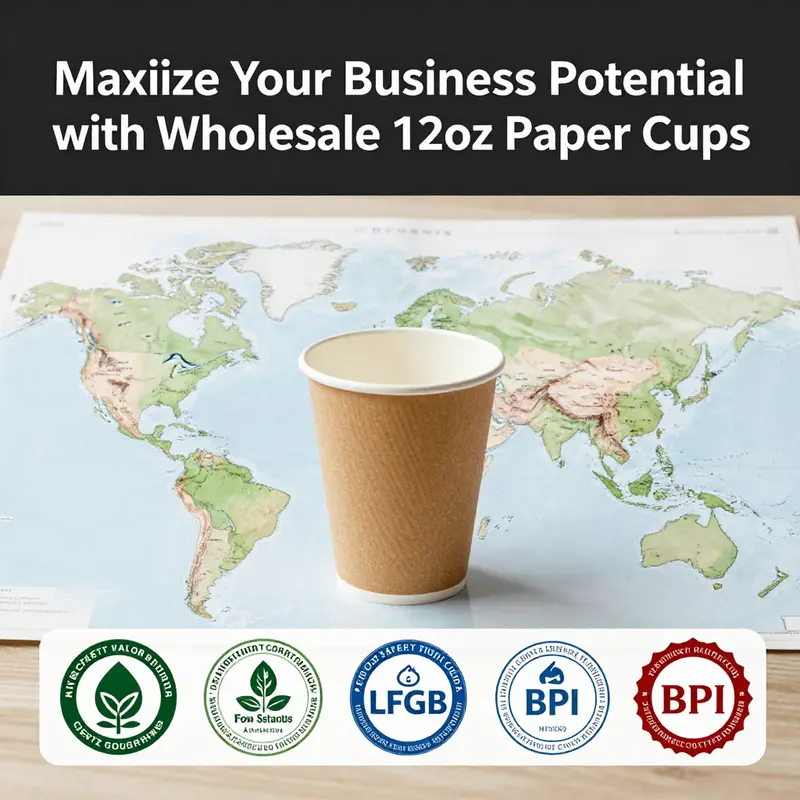
2. Understanding the Essential Certifications for Compliant 12oz Paper Cups in Wholesale
When businesses seek to procure wholesale 12oz paper cups, understanding the landscape of certifications and compliance standards is crucial. These certifications not only serve as a benchmark for quality and safety but also play a vital role in facilitating entry into competitive markets across regions such as North America and Europe. Knowing what these certifications entail enables buyers to make informed decisions, ensuring that the products they source meet regulatory requirements and align with eco-friendly practices.
Central to this compliance framework is the FDA (U.S. Food and Drug Administration) certification, which is a non-negotiable requirement for any paper cup intended for food contact sold in the United States. The FDA’s regulations stipulate that materials interacting with food must not transfer harmful substances. For 12oz paper cups, it is imperative that both the paperboard itself and any coatings or linings—often polyethylene or plant-based PLA—have received FDA approval. This ensures that whether the cup is filled with a piping hot coffee or chilled iced tea, consumer safety remains paramount.
Meanwhile, for products aimed at the European market, conformity with CE / EU Certification is a must. This certification encompasses compliance with several EU regulations, especially the Regulation (EC) No 1935/2004 concerning materials and articles intended to come into contact with food. This regulation lays down general safety and performance requirements that each product must meet. Specifically, disposable cups that are marketed as compostable must adhere to the EN 13432 or ASTM D6400 standards, which confirm that the cup will break down under industrial composting conditions without leaving harmful residues.
To penetrate the German market effectively, adherence to the LFGB (German Food and Feed Code) becomes essential. Like the FDA in the U.S., the LFGB ensures that paper cups do not leach hazardous materials into food and beverages. In fact, this certification often extends its relevance beyond Germany, becoming a recognized standard throughout the EU. Buyers should seek suppliers who can confirm their compliance with LFGB to guarantee that their products are safe and meet consumer expectations across various touchpoints.
Additionally, particularly when dealing with suppliers based in China, entities such as SGS and the CIQ (China Inspection and Quarantine) play crucial roles in quality assurance. SGS is renowned as an independent third-party testing organization, providing comprehensive assessments of product safety and quality. Manufacturers who can present SGS certifications instill confidence in their customers about the material quality. The CIQ, on the other hand, is a mandated inspection service, ensuring that products exported from China meet national standards. Buyers may require a CIQ inspection certificate as a condition of sale, validating that the goods comply with designated quality benchmarks before final shipment.
However, securing these certifications is just part of the due diligence process. Buyers should actively engage in verifying the authenticity of certification claims presented by suppliers. This verification should include requesting official documentation, and whenever feasible, conducting factory audits or pre-shipment inspections. Reputable suppliers often provide full traceability of raw materials, especially those utilizing FSC-certified paperboard. This not only underscores their commitment to sustainability but also signals alignment with global environmental standards, allowing suppliers to offer compostable solutions that meet EN 13432 or ASTM D6400 requirements.
In today’s market, the expectations of consumers and businesses alike are evolving toward heightened awareness of sustainability and ethical production practices. Thus, selecting a wholesaler for 12oz paper cups involves much more than selecting a competitive price or design. It entails a conscientious approach to confirming conscious sourcing practices and verifying compliance with health and environmental standards. As wholesalers navigate supplier relationships, a meticulous evaluation of certification claims alongside ongoing compliance checks safeguards against potential reputational risks associated with non-compliant products.
Ultimately, the journey to secure compliant 12oz paper cups for wholesale demands a thorough understanding of the prevailing certification landscape. It requires diligence in verifying that suppliers maintain their credentials. Such proactive measures not only ensure consumer safety but also enhance brand integrity in an increasingly discerning marketplace, reinforcing the idea that quality, sustainability, and safety can coexist in wholesale procurement.
3. The Backbone of Quality: Why Supplier Certifications Matter for 12oz Paper Cups
In the competitive landscape of disposable food service products, the importance of supplier certifications cannot be overstressed, especially for businesses interested in wholesale 12oz paper cups. These certifications serve as a beacon of quality assurance, guiding purchasers toward reputable suppliers that prioritize safety, sustainability, and efficiency. In an industry where the stakes are high—ranging from product recalls to legal repercussions—knowing the certifications of suppliers becomes crucial in making informed purchasing decisions.
Certifications such as ISO 9001, which signifies effective quality management systems, and FSC (Forest Stewardship Council) certification, ensure that raw materials are sourced from sustainably managed forests. Moreover, compliance with FDA standards guarantees that the final product is safe for food contact, reinforcing the supplier’s commitment to adhering to rigorous industry standards. The significance of these certifications cannot be overlooked; they serve as tangible proof that suppliers are not only capable of meeting but exceeding market expectations in quality and safety.
In regions where the demand for 12oz paper cups is burgeoning, such as the Middle East and Africa, buyers often face a deluge of choices. The competition is fierce, and with a projected market share of approximately 51% in the 8-12 oz cup segment by 2024, it becomes essential for stakeholders to select reliable suppliers whose operations are certified. A robust certification portfolio provides reassurance that the raw materials used in production maintain a high standard, which is particularly important when considering the cups’ applications for hot beverages like coffee and tea. For instance, single-wall cups may suffice for cold drinks, but for hot beverages, the double-wall design—offering better insulation—becomes imperative. Thus, knowing your supplier’s certifications allows for better alignment of product offerings to customer needs.
Lack of certifications can lead to significant risks for businesses. Poorly manufactured cups that do not adhere to safety standards may necessitate time-consuming and costly recalls, ultimately damaging a brand’s reputation. Furthermore, brands that fail to conduct due diligence on supplier certifications may inadvertently expose themselves to legal penalties for using unsafe products. In today’s eco-conscious market, where consumers actively seek sustainable options, the absence of certifications could also result in loss of customer trust. This indicates a clear correlation between quality and certification: the more certifications a supplier possesses, the more confidence buyers have in their products.
As the pressure mounts on businesses to adopt eco-friendly practices, opting for certified suppliers becomes even more critical. Certifications like BPI (Biodegradable Products Institute) signify that products are compostable and align with environmental sustainability goals. This aspect is particularly pertinent in the wholesale market for 12oz paper cups, where consumers increasingly expect packaging solutions that are not only functional but also environmentally responsible. Additionally, businesses can leverage these certifications as marketing tools, showcasing their commitment to sustainability and safety on their packaging and promotional materials.
Moreover, various public logistics channels now allow suppliers to showcase their certifications, creating transparency for buyers. For instance, potential customers can verify the relevance and validity of these certifications directly through suppliers’ websites. This proactive approach not only helps buyers streamline their supplier selection process but also cultivates trust between supplier and buyer—a crucial factor in creating long-term partnerships.
In conclusion, as the wholesale market for 12oz paper cups continues to develop, investing the time to understand a supplier’s certification landscape proves invaluable. It mitigates potential risks while enhancing a business’s credibility and competitiveness. Buyers navigating the wholesale 12oz paper cup market should make it a priority to seek out suppliers with a robust certification portfolio. By aligning with certified suppliers, businesses can ensure the delivery of high-quality, environmentally friendly products, bolstering their brand image and meeting consumer demands effectively. To explore the full range of customizable options available for wholesale solutions, check out Cofe Cup’s offerings, showcasing both product quality and environmentally friendly practices.
Final thoughts
In a competitive market, opting for wholesale 12oz paper cups can offer your business a sustainable and cost-effective solution for serving beverages. The careful consideration of product specifications, customization options, pricing trends, and reputable suppliers can lead to smarter purchasing decisions. By aligning with quality manufacturers who uphold safety certifications, businesses can not only enhance their branding but also support eco-friendly practices, meeting the demands of today’s conscious consumers. Take these insights into account to optimize your supplier relationships and elevate your beverage service.
Choose our reliable disposable tableware and packaging solutions for your business. We offer quality products that meet safety standards, with fast delivery and flexible options. Partner with us today to elevate your service – contact our team now for a tailored quote!
About us
We specialize in manufacturing and supplying disposable tableware, packaging paper, and boxes. With years of experience, we prioritize safety, durability, and eco-friendly practices. Our goal is to provide businesses with trusted, cost-effective solutions backed by responsive customer support.