
Introduction
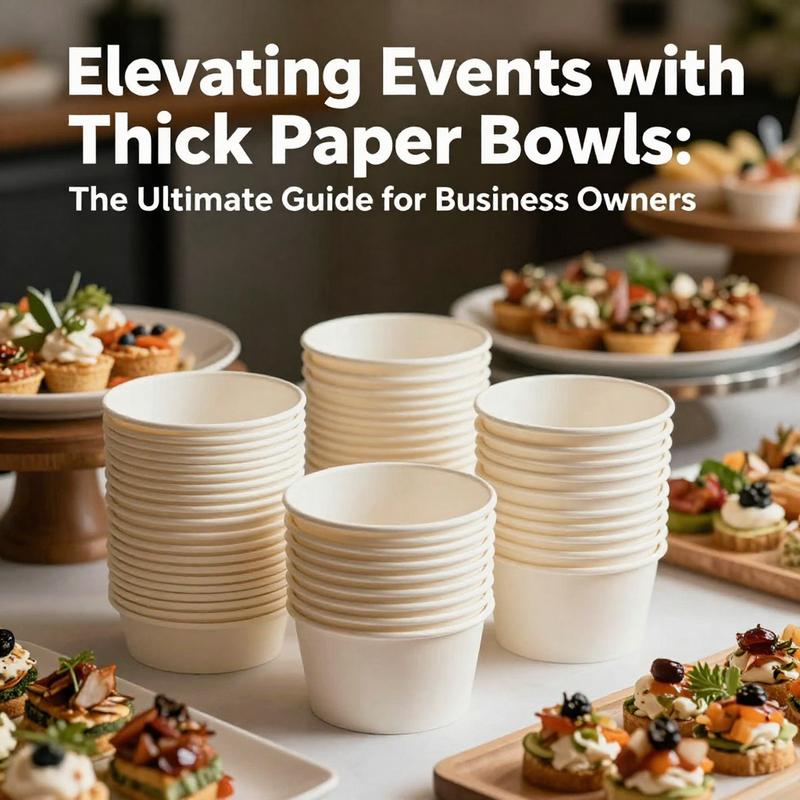
In the ever-evolving catering and event industry, thick paper bowls have carved a significant niche due to their durability and adaptability for both hot and cold dishes. As business owners seek efficient and sustainable solutions to meet customer demands, understanding the product features, current market trends, and eco-friendly sourcing options of thick paper bowls can provide a competitive edge. The following chapters delve into these aspects, providing insights that will help businesses make informed decisions while boosting customer satisfaction.
Tables of Contents
Chapter 1: Innovations Driving the Future of Thick Paper Bowls
- Revolutionizing Dining Experiences: Technological Breakthroughs in Thick Paper Bowls
- Navigating the Impact of Thick Paper Bowls on Economic Viability and Social Responsibility
Chapter 2: Innovations and Sustainability Driving the Future of Thick Paper Bowls
- Embracing Eco-Consciousness: The Role of Sustainable Practices and Technology in Thick Paper Bowl Development
- Understanding the Influential Factors Behind Consumer Choices in Thick Paper Bowls
Chapter 3: Innovations Shaping the Future of Thick Paper Bowls: A Sustainable Approach
- Embracing Automation and Eco-Friendly Materials in Thick Paper Bowl Production
- The Business Case for Sustainable Sourcing of Thick Paper Bowls
Chapter 1: Innovations Driving the Future of Thick Paper Bowls
1. Revolutionizing Dining Experiences: Technological Breakthroughs in Thick Paper Bowls
The landscape of food service has been transformed in recent years by the adoption of thick paper bowls, driven largely by technological advancements in material science and manufacturing processes. These innovations have not only improved the performance and versatility of thick paper bowls but also elevated the broader consumer experience, catering to the demands of modern dining environments that require both functionality and sustainability.
At the forefront of these innovations is the use of advanced waterproof kraft paper. This new generation of paper allows for enhanced durability and moisture resistance, enabling bowls to maintain their structural integrity even when filled with heavier or liquid-based foods, such as soups or stews. The ability of thick paper bowls to stay robust through demanding food service scenarios—without leaking or becoming soggy—is a significant leap forward from traditional paper products. Furthermore, these advancements have paved the way for eco-friendly packaging solutions that align with modern environmental standards, such as the stringent EPRGermanyPacking certification, which underscores compliance with European environmental regulations.
Another transformative shift comes in the form of modern production techniques. The era of manual manufacturing has gradually given way to fully automated paper bowl machines that produce high volumes of durable products without sacrificing quality. This switch to automation has been characterized by precision engineering and optimized manufacturing processes, enabling suppliers to meet increasing demand efficiently. These machines, designed with sophisticated control systems, can yield products that meet diverse consumer preferences, from standard to customized dimensions and capacities. For instance, certain variations now accommodate larger servings, reflecting the trend in casual dining where abundance is favored.
The rise of automation in production is equally matched by improvements in automated quality control systems. These systems utilize advanced technologies to ensure that every batch of paper bowls meets the desired specifications and quality standards. Techniques such as Gaussian filtering and Sobel operators in image processing help detect flaws and discrepancies that may slip through the naked eye during manual inspections. The integration of these systems into the production line represents a major advancement, allowing for consistent quality and reducing the likelihood of defective products reaching consumers.
Customization has further been enhanced by these technological advancements. Platforms like Alibaba, known for connecting buyers with suppliers, facilitate access to Original Equipment Manufacturer (OEM) services that allow businesses to tailor products to their unique needs. For example, suppliers are now able to create aesthetically pleasing designs, such as the popular octagonal bowls that marry functional durability with creative appeal. This level of customization not only caters to the requirements of casual gatherings and festive occasions but also allows businesses to broaden their marketing efforts with custom branding.
The market response to these technological changes has been overwhelmingly positive. Consumers and businesses alike express appreciation for the sturdiness and versatility of thick paper bowls. Retail giants like JD.com and Suning showcase popular products that have garnered millions of reviews emphasizing food-grade quality and reliability. This widespread approval highlights both the successful integration of new technologies into everyday products and a shift in consumer preferences toward more sustainable dining options.
Moreover, the environmental impact of using thick paper bowls cannot be understated. The transition from plastic to paper products aligns with the growing preference for biodegradable or recyclable packaging solutions. As thick paper bowls become a staple in food service, they offer a more sustainable alternative to single-use plastics that contribute to environmental pollution. With advancements in paper production, manufacturers are now adopting biodegradable materials that can decompose easily, further enhancing their appeal among environmentally-conscious consumers.
The integration of smart materials has also contributed to the resilience of thick paper bowls. By incorporating features such as grease resistance and heat retention, manufacturers create bowls that not only perform well under culinary demands but also enhance the overall eating experience. Customers notice the difference—these innovations ensure that meals remain hot for longer, improving satisfaction during dining. As such, the technology embedded in thick paper bowls signifies a paradigm shift towards optimizing user experience while ensuring environmental responsibility.
In conclusion, the evolution of thick paper bowls encapsulates a broader trend in the food service industry: the commitment to innovation and sustainability. The melding of advanced materials, innovative production techniques, and intelligent quality control fosters a new standard in disposable dining ware that prioritizes performance without compromising environmental principles. This commitment to quality and sustainability will likely shape the future landscape of food services, presenting thick paper bowls as both a practical and eco-conscious choice for various dining contexts. The dynamic advancements in this sector reflect not only the needs of the market but also a shifting perception among consumers about the importance of sustainable practices in their everyday choices. As we progress further into this era of technological integration, thick paper bowls will undoubtedly continue to evolve to meet the needs of modern consumers, creating a path toward a more responsible and delightful dining experience.
2. Navigating the Impact of Thick Paper Bowls on Economic Viability and Social Responsibility
The increasing popularity of thick paper bowls as a staple in the food service industry is not just a trend born out of aesthetic appeal or functionality; it is deeply intertwined with larger economic and societal narratives. As environmental awareness grows, the implications of adopting thick paper bowls extend beyond mere convenience, addressing vital concerns about sustainability and economic resilience. From production costs to societal shifts towards mindful consumption, understanding these dynamics is crucial for businesses and consumers alike.
Economic Implications
At the forefront of the economic conversation surrounding thick paper bowls is the cost of production. The adoption of thicker materials often leads to higher initial manufacturing costs, as these bowls require more substantial paper sources and specialized production techniques. However, this initial investment can yield significant long-term financial benefits. The durability of thick paper bowls means they can withstand various food types, including hot soups and oily dishes, which often compromise the structural integrity of thinner options. As a result, food service businesses can expect fewer complaints from customers regarding bowl malfunctions, decreasing the need for excessive replacements or compensation.
Moreover, the potential for reducing waste management expenses plays a pivotal role in the economic viability of thick paper bowls. As businesses encounter stricter environmental regulations and sustainability mandates, the benefits of utilizing products that align with these standards can’t be overlooked. The reduced dependency on plastic and other non-biodegradable materials translates to lower penalties and fines, ultimately supporting a healthier bottom line. Beyond compliance, businesses that embrace sustainable practices may also find themselves reaping rewards in the form of grants or incentives provided by governmental bodies focused on environmental reduction programs.
In addition to reduced costs, the demand for environmentally responsible products fuels innovation across the paper packaging industry. Companies that pivot towards sustainable offerings are not merely adapting; they are driving a revolution in packaging technology, creating green jobs and appealing to a consumer base increasingly concerned with their environmental footprint. Investment in research and development leads to the emergence of novel materials and manufacturing processes, fostering a new chapter in economic growth centered around greener practices. As the thick paper bowl market continues to flourish, it exemplifies the intersection of economic opportunity and responsible stewardship.
Societal Implications
Shifts in consumer preferences are influencing the widespread adoption of thick paper bowls. More than just a functional product, these bowls are emblematic of a cultural change underway in modern society. As awareness of climate change and plastic pollution rises, consumers are seeking options that reflect their values of sustainability and health. Choosing products made from biodegradable materials, such as thick paper bowls, signals a commitment to responsible consumption and waste management.
This evolution in consumer behavior encourages businesses to rethink their packaging strategies, aligning with grassroots movements pushing for environmental change. Companies championing green packaging not only bolster their brand reputation but also cultivate loyalty among environmentally conscious consumers. This trend is further validated by studies indicating that businesses adopting sustainable practices attract a dedicated customer base, explicitly seeking eco-friendly alternatives over traditional ones. In this context, thick paper bowls are not just vessels for food but symbols of a collective dedication to environmental impact and social responsibility.
Moreover, the cultural shift towards sustainability promotes principles of mindful consumption. As consumers become aware of their choices’ effects on the planet, they engage in practices that reduce waste and encourage recycling. In terms of thick paper bowls, their compostable nature fosters support for circular economy principles, where the lifecycle of products is extended through recycling, reusing, and repurposing. Encouraging consumers to embrace products that seamlessly integrate into composting systems stimulates civic responsibility, fostering community engagement aimed at reducing landfill dependency and pollution.
This societal drive towards sustainability also highlights the significance of thick paper bowls in regions lacking robust waste management infrastructures. In such areas, the biodegradability and compostability of these bowls present practical solutions to environmental challenges. Communities can adopt green alternatives that minimize their landfill burden, contributing to healthier ecosystems while promoting cleaner living environments. In contexts where traditional waste management systems fall short, opting for thick paper bowls enhances community resilience by providing both an immediate and long-term resolution to waste issues.
As consumers become more engaged in the discussion surrounding sustainability, the interconnectedness between economics, consumer behavior, and environmental responsibility deepens. Businesses must adapt to these changes, embracing an ongoing commitment to sustainable practices. The collaboration between companies producing thick paper bowls and end-users dedicated to sustainability opens discussions around corporate accountability and shared responsibility for nurturing the planet. Through their choices, consumers hold companies accountable, demanding transparency and dedication to eco-friendly practices.
Understanding the economic and societal implications of thick paper bowls is crucial for both producers and consumers alike. With rising production costs counterbalanced by long-term savings, along with growing consumer preferences favoring sustainable products, it becomes evident that thick paper bowls present a viable pathway towards both economic benefit and cultural change. The transition towards implementing sustainable packaging reflects a broader understanding that progress is not merely about immediate gains but requires a commitment to the future of our environment.
The thick paper bowl serves as a case study to illuminate these complex interactions, showing how small changes in the food service industry can catalyze significant economic and societal transformations. As businesses integrate these bowls into their operations, they not only contribute to their own profitability but also participate in a larger movement towards sustainable practices. The embrace of thick paper bowls symbolizes a collective step toward addressing pressing environmental concerns through everyday actions.
For further information and to explore practical solutions for enhancing your own sustainability efforts, refer to the comprehensive options available at cupbowlpack.com/shop. By investing in products that reflect a commitment to environmental sustainability, consumers and businesses alike can shape a future that prioritizes ecological integrity and responsible growth.
Chapter 2: Innovations and Sustainability Driving the Future of Thick Paper Bowls
1. Embracing Eco-Consciousness: The Role of Sustainable Practices and Technology in Thick Paper Bowl Development
The increasing emphasis on sustainability and technological advancements is reshaping the landscape of thick paper bowls, a trend not only resonant across the foodservice industry but also critical to environmental stewardship. As consumers become more eco-conscious, the demand for products that align with their values continues to rise, pushing manufacturers to innovate beyond mere aesthetics and convenience. This chapter explores how sustainability and technology are intertwined in the contemporary market for thick paper bowls, highlighting the progress made and the challenges ahead.
At the forefront of this evolution is a growing recognition of the environmental impact of single-use plastics and conventional food packaging. Thick paper bowls are emerging as a viable alternative, especially as they can be produced from sustainable resources such as responsibly sourced paper and agricultural residues. Many manufacturers are now focusing on using paper sourced from FSC-certified forests, ensuring that the fibers are harvested sustainably, thereby protecting forest ecosystems. Beyond sourcing, the development of biodegradable and compostable materials represents a significant advancement in the functionality and ecological footprint of paper bowls. These innovations are appealing not only for their environmental benefits but also for meeting legislation shifts towards reduced plastic use and waste, making them an essential component of modern catering solutions, especially at high-profile events like weddings and large public gatherings.
One notable shift is the incorporation of advanced materials technology in thick paper bowl production. The integration of water-based and plant-based coatings onto paper surfaces enhances their durability while ensuring biodegradability is maintained. This addresses a long-recognized limitation of traditional paper products, which often struggled with liquid resistance. This transformation allows thick paper bowls to comfortably house both hot and cold dishes without compromising their structural integrity. The result is a collection of products that not only perform well but also inspire consumer confidence when used at important functions.
A parallel development in manufacturing processes has allowed producers to optimize the structure of thick paper bowls. By engineering thinner yet stronger materials, these companies reduce the amount of raw material used, aligning production with the principles of a circular economy. This means less waste and a reduction in the energy required for production, further decreasing the environmental impact. Not only do these advancements aid companies in meeting regulatory standards, but they also help them to appeal to a demographic that increasingly prioritizes sustainability in their purchasing decisions.
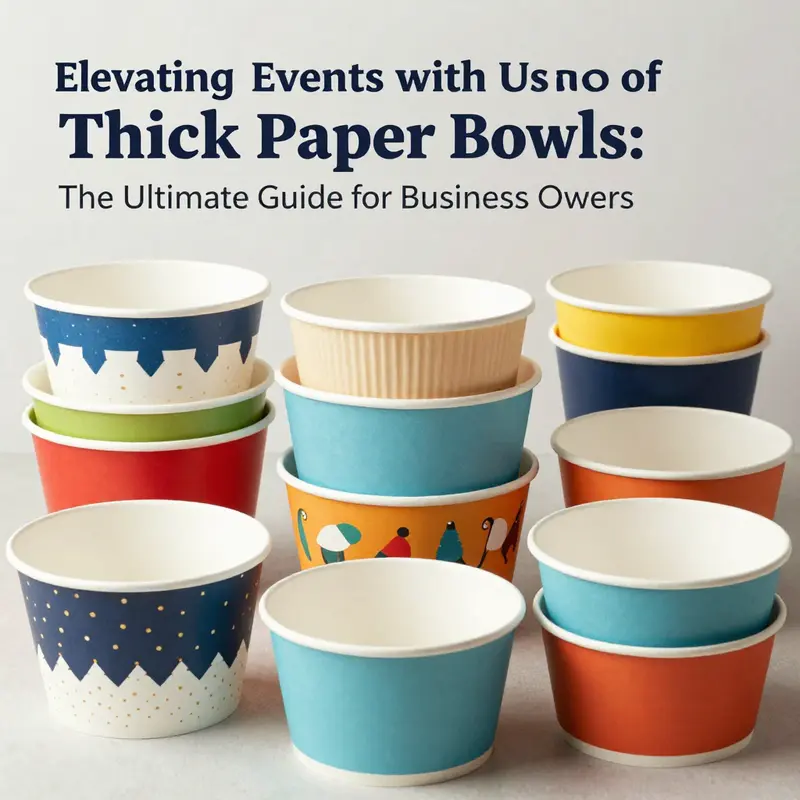
The aesthetic quality of thick paper bowls cannot be overlooked either. As consumers increasingly favor products that are not only functional but also visually appealing, manufacturers are responding with designs that feature vibrant colors and patterns, often tailored to specific cultural events or celebrations. For instance, thick paper bowls designed for Chinese New Year may include auspicious symbols and intricate gold foil accents, making them suitable for both practical and ceremonial purposes. Such customization allows businesses to cater to diverse market segments while reinforcing brand identity, thus harnessing an edge in a competitive marketplace.
Furthermore, consumer preferences are shifting towards transparency and ethical practices as they become more informed about production processes and materials. Brands that commit to using renewable materials and that eschew harmful chemicals in their manufacturing processes are more likely to gain consumer loyalty. This trend is evident in consumer research showing that shoppers are ready to pay a premium for eco-friendly products that demonstrate a clear commitment to social responsibility.
Supplier platforms like Alibaba and JD.com have recognized this trend, offering comprehensive catalogs of sustainably produced thick paper bowls with descriptive details about materials and certifications. The successful marketing of these products hinges on their eco-friendly profiling; the more information consumers receive regarding the sourcing, manufacturing, and disposal processes, the more likely they are to choose these sustainable alternatives. For instance, strong positive reviews for products, like the Beautyya thick paper bowls, underscore not just their quality but their appeal in an environmentally-conscious market.
However, the journey toward fully sustainable paper bowl production is not without its challenges. One major hurdle is ensuring that the shift to sustainable practices does not compromise cost-effectiveness for manufacturers. Striking a balance between maintaining low costs while investing in environmentally friendly production processes remains a primary concern for many in the industry. It requires a commitment from stakeholders across the product lifecycle—from sourcing raw materials to distributing the final products—to explore innovative solutions that minimize costs while maximizing sustainability.
Technological innovation extends beyond the bowls themselves; it also encompasses logistics and supply chains. The growing utilization of digital platforms for tracking and managing inventory helps to reduce waste and improve efficiency—whether it’s through optimizing manufacturing schedules or ensuring that products are shipped in more sustainable packaging. The responsiveness enabled by modern technology allows businesses to adapt swiftly to consumer demand and regulatory changes, ensuring they remain competitive in a rapidly evolving marketplace.
As the foodservice sector evolves, so too must the packaging solutions it employs. Thick paper bowls have emerged as a hallmark of this evolution, symbolizing a shift toward sustainability without sacrificing quality or performance. With continuous advancements in material science and manufacturing methodologies, the future of thick paper bowls looks promising.
In conclusion, as sustainability and technological innovation continue to reshape consumer preferences, companies that embrace these trends will likely thrive. The significance of adopting eco-friendly practices and materials in the production of thick paper bowls cannot be overstated. It is not merely about providing an alternative to plastics but about fostering a holistic approach to product design that emphasizes both environmental responsibility and consumer satisfaction. As these practices become the industry standard, thick paper bowls stand to play a pivotal role in redefining how we perceive and utilize disposable tableware in our everyday lives, reflecting a promising move towards more sustainable consumption.
To explore a selection of innovative disposable paper options, visit our catalog for customizable bowls that prioritize both functionality and sustainability.
2. Understanding the Influential Factors Behind Consumer Choices in Thick Paper Bowls
Consumer preferences are significantly driving market trends for thick paper bowls, as they navigate a landscape where functionality, sustainability, and aesthetic appeal converge to form ideal solutions in food service. Today’s consumer is more informed and environmentally aware than ever, prioritizing not only quality and convenience but also the ecological impact of their choices. This shift has propelled thick paper bowls into a favored spot among both homes and establishments looking to satisfy modern dining needs without compromising on either safety or style.
One of the standout features influencing consumer decision-making is the durability and functionality of these bowls. Thick paper bowls made from high-quality materials, specifically those with a paperboard weight of 230gsm or greater, provide unparalleled structural integrity. This is essential for maintaining form when filled with a variety of cuisines—from hot soups and steamy entrees to cold salads and desserts. Moreover, many of these bowls are equipped with food-safe coatings, which guard against leakage and sogginess, ensuring that users enjoy their food without the anxiety of spills. The appropriate coating materials, such as polyethylene or plant-based polylactic acid (PLA), significantly fortify these bowls’ resistance to moisture and heat, allowing them to hold robust dishes without compromising their structural integrity. Such functional enhancements have become non-negotiable for consumers who demand performance in their disposable products, especially in fast-casual settings and home delivery scenarios.
Moreover, as environmental concerns escalate, consumers increasingly gravitate toward sustainable options. The shift towards eco-friendly products has surfaced a growing demand for paper bowls constructed from biodegradable, compostable materials. For instance, kraft paper bowls manufactured from 100% renewable resources with an emphasis on compostable linings are emerging as popular choices among environmentally conscious buyers. These products resonate with individuals who are not only interested in the performance of the packaging but also its lifecycle and environmental impact. By opting for sustainable materials, brands can align themselves with emerging regulatory frameworks aimed at reducing single-use plastics and building a more sustainable future. This alignment not only satisfies consumer demand but also enhances brand reputation, fostering loyalty amongst demographics deeply invested in ecological sustainability. In a marketplace where consumers are increasingly scrutinizing environmental practices, thick paper bowls that emphasize ecological responsibility do not merely attract spenders; they generate advocates. The narrative around using sustainable products contributes to a holistic brand image that consumers want to support.
Aesthetics also play a crucial role in guiding consumer preferences. Well-designed thick paper bowls that reflect a brand’s identity offer not just functionality but also a sensory experience. Perfect for special occasions or everyday use, these bowls often come adorned with motifs that resonate with cultural and festive themes, such as the vibrant designs celebrated during festive seasons. These aesthetic features help elevate the dining experience, making meals more appealing not only to the palate but also to the eyes. Custom printing options allow brands to create unique designs, linking their packaging directly to their marketing efforts, which can enhance brand recognition and loyalty.
In today’s competitive market, functional features like sealable lids and secure handles on thick paper bowls are becoming essential offerings rather than mere enhancements. As food delivery services rise and on-the-go consumption becomes commonplace, the need for practicality in design cannot be understated. These features cater to consumer demands for ease of use, particularly for meals that are transported from restaurants to homes, a process where securing food safely is paramount. By prioritizing consumer experiences that focus on usability, brands can cater not only to immediate needs but also foster repeat business by ensuring satisfaction through convenience.
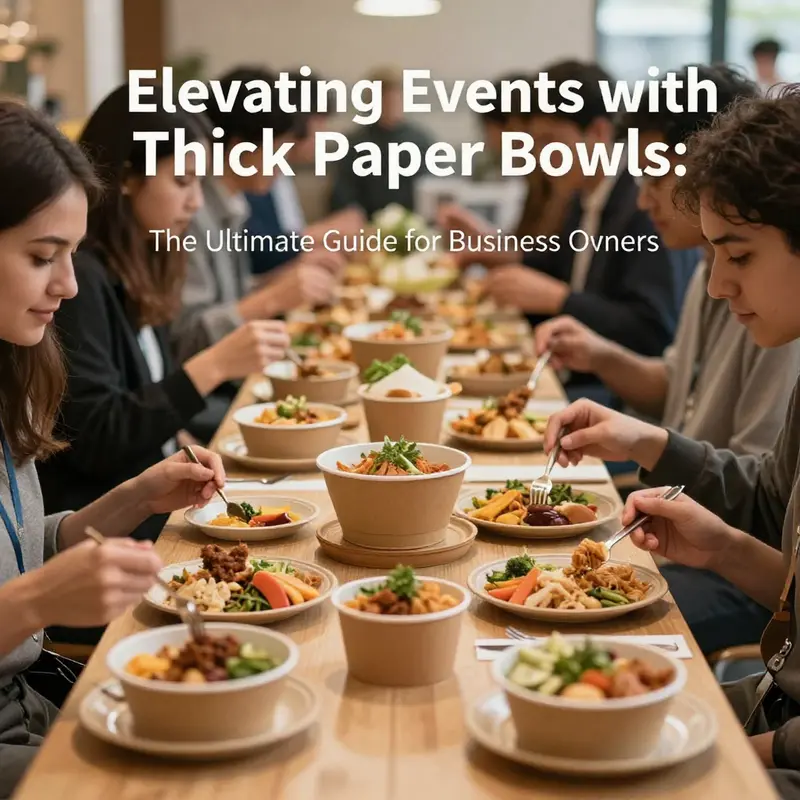
The rising popularity of thick paper bowls can also be linked to emerging market trends in the food service industry. Events like weddings, birthdays, and festivals have started to transition towards disposable tableware solutions that do not compromise on style or quality. The convenience associated with thick paper bowls allows hosts not only to serve sumptuous dishes but also to maintain a refined ambiance. As these bowls increasingly feature designs suitable for various events, they become a preferred choice for planners and caterers who are keen to uphold a specific aesthetic without exerting excessive effort on clean-up. The versatility of designs available in bulk packaging—like the themed designs for special occasions—enhances the value proposition for consumers holding large gatherings.
Online platforms are also facilitating the seamless purchase of thick paper bowls, offering consumers a straightforward shopping experience while ensuring that they have access to a wide range of options and competitive prices. With major e-commerce platforms continually updating their inventories to reflect current trends, consumers can now easily find products that align with their needs at the click of a button. This immediacy further fuels the demand as users are afforded the luxury of convenience alongside a plethora of choices, all while being assured of the quality through ratings and reviews.
In summary, the landscape for thick paper bowls is primarily shaped by consumer desires that prioritize durability, functionality, and sustainability, coupled with aesthetic appeal. The merging of these aspects offers a powerful narrative for brands looking to innovate within this space. Companies that choose to integrate quality materials, eco-conscious production methods, and design versatility into their offerings stand poised to meet current consumer demand while paving the path for future growth. As the market continues to evolve, it will be essential for brands to keep a close eye on these trends, ensuring that they adapt swiftly to the changing preferences of their clientele. For those seeking more information on related sustainable packaging solutions, consider exploring various suppliers offering eco-friendly products designed to meet diverse food service needs, which complements the emphasis on responsible consumption in today’s marketplace.
Chapter 3: Innovations Shaping the Future of Thick Paper Bowls: A Sustainable Approach
1. Embracing Automation and Eco-Friendly Materials in Thick Paper Bowl Production
In the quest for more sustainable solutions in food service and packaging, technological innovations in the production of thick paper bowls are revolutionizing the industry. As consumers increasingly prioritize convenience and sustainability, manufacturers recognize the dual need for quality products that also align with ecological concerns. The implementation of automated systems and eco-friendly materials not only enhances the efficiency of the production process but ensures that these products meet the modern standards for sustainability.
One of the most noteworthy advancements comes in the form of fully automatic paper bowl machines. These sophisticated machines serve as a backbone for large-scale manufacturers, improving operational efficiency while reducing waste. At their core, these machines integrate advanced mechanical designs and precise control systems that allow for the adjustments of paper thickness, shape, and sealing processes in real-time. The capability for precise control results in a consistent quality product that maintains integrity when holding both hot and cold food items—qualities essential for catering and event management.
Moreover, this automation directly contributes to sustainable practices. By optimizing production processes, manufacturers can minimize their environmental impact, essential in an age where ecological footprints are under scrutiny. The technology ensures not only a reduction in resource consumption but also less waste generated during production. The balance of efficiency at heightened operational scales with environmental responsibility signifies a pivotal shift in how thick paper bowls are sourced and produced.
The introduction of digital printing technology further complements these advancements in manufacturing. Digital printing has emerged as an efficient avenue for customizing thick paper bowls. This innovation allows businesses to quickly develop prototypes and produce small-batch orders at a fraction of the traditional cost and time. For example, clients can receive custom designs, complete with logos, within an impressively rapid timeframe of about three days, allowing for prompt design verification before committing to larger productions. This agility in production not only meets immediate market needs but also curtails overproduction, thereby contributing to sustainability goals. Traditional printing methods remain available for larger runs, promising enhanced durability, yet they demand longer lead times and higher upfront investments. The flexibility between these options empowers companies to make informed decisions based on their specific requirements, further enhancing sustainable sourcing strategies.
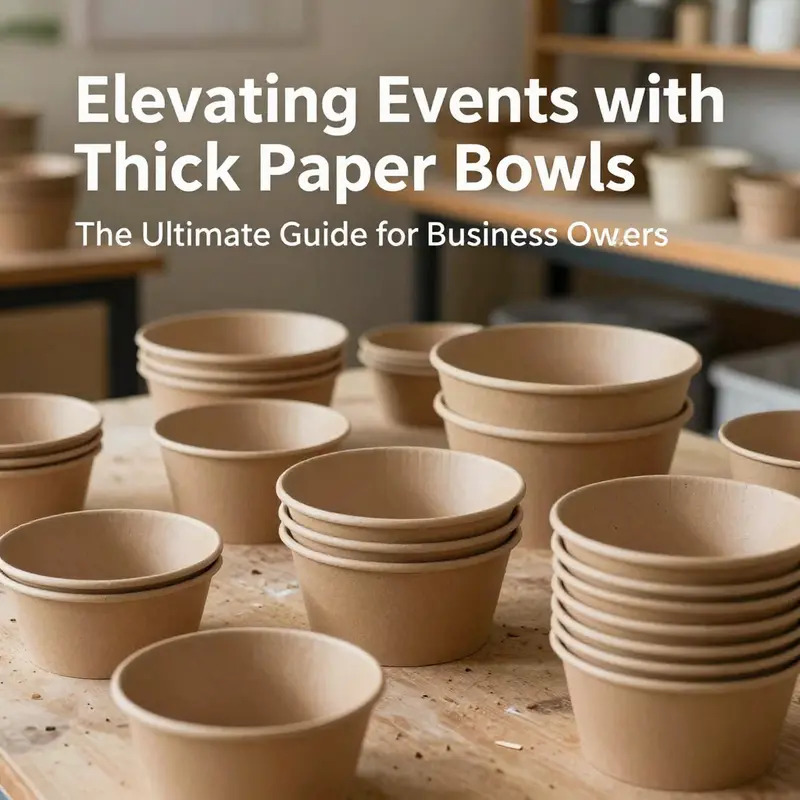
Additionally, the materials used in crafting thick paper bowls are evolving as manufacturers lean towards eco-friendly options. Newer models of paper bowls are increasingly made from renewable resources and biodegradable materials, like those derived from sugarcane pulp or recycled paper. This commitment to using sustainable materials helps reduce reliance on virgin resources, addressing two primary areas of concern in eco-friendly production: sourcing and end-of-life impact. Incorporating these materials not only enhances the sustainability profile of the bowls but also aligns product offerings with consumer preferences for environmentally responsible choices.
Simultaneously, the transition to energy-efficient machinery plays a critical role in enhancing sustainability. As manufacturers modernize their production lines, they can implement machines designed to use less energy, thus alleviating operational costs while contributing positively to the environment. The reduction in energy consumption during manufacturing translates to fewer greenhouse gas emissions, positioning companies as more eco-conscious players in the market. This aspect resonates with a growing demographic of conscious consumers, further strengthening the market appeal of thick paper bowls.
Streamlining financial aspects of the production process also supports sustainable practices. Many manufacturers now offer well-structured payment terms that include a 40% deposit before production and the balance payable before delivery. Such arrangements foster stable and reliable financial operations, which is essential in sustaining long-term partnerships within supply chains. As businesses become more connected, adhering to efficient payment terms encourages a more sustainable approach to sourcing and procurement. This stability enables companies to invest in more sustainable practices and innovations, thus reinforcing a cycle of improvement in sourcing strategies.
The demand for thick paper bowls is also shaped by their usability across a wide range of applications—from casual dining to formal events. Manufacturers are quick to adapt designs that align with various themes, utilizing elegant designs for weddings or fun patterns for birthday parties, like the auspicious red paper bowls prevalent during the Chinese New Year celebrations. Customization options allow clients not just to order in bulk but to tailor the design, contributing to the phenomenon of personalized event catering.
The shift towards sustainability in the production of thick paper bowls is further supported by platforms that facilitate sourcing. Online marketplaces like Alibaba and JD.com provide easy access to a variety of options and suppliers. Businesses seeking reliable sources for their thick paper bowls can browse through extensive catalogs, read customer reviews, and evaluate product specifications—all vital steps in ensuring that their sourcing processes align with sustainability objectives. For example, listings prominently highlight food-grade materials, ensuring that quality and safety standards are met while maintaining ecological responsibility. The convenience of these platforms accelerates the sourcing process, making it easier for businesses to adopt sustainable practices without sacrificing quality or design.
As the thick paper bowl market continues to evolve, these technological advancements and sustainable practices stand at the forefront of manufacturing. The integration of automation, digital printing, eco-friendly materials, and energy-efficient machinery not only optimizes production but shapes the future of food service and event catering. The sustainability movement propels these innovations forward, ensuring manufacturers remain competitive while being accountable stewards of the environment. Recognizing these trends enables businesses to adapt deftly to consumer demands while fostering practices that support ecological integrity. By embracing the synergies of technology and sustainability, the thick paper bowl industry is not just keeping pace; it is leading the way towards a greener future.
To explore more on the availability of eco-friendly packaging solutions, refer to the various options from suppliers that have shifted towards sustainable practices.
2. The Business Case for Sustainable Sourcing of Thick Paper Bowls
In an age where consumers are increasingly eco-conscious, the economic implications of sourcing thick paper bowls—often used in restaurants, catering, and events—cannot be overstated. The intersection of sustainability and sourcing practices emerges as a pivotal factor shaping the industry’s future. Companies, large and small, recognize that the choices they make in sourcing can significantly impact their operational costs, brand integrity, and market positioning.
The landscape of sourcing thick paper bowls is vibrant and dynamic, driven by regions renowned for their manufacturing prowess. Areas such as Penang in Malaysia, along with China’s Zhejiang, Anhui, and Fujian provinces, stand out as significant players. These regions are not only cost-effective due to their established industrial ecosystems but also known for their sophisticated supply chains and logistics networks. Manufacturers here benefit from decades of expertise, efficient production methods, and closer proximity to pulp suppliers. As a result, brands that source from these regions experience notable cost advantages and are able to offer durable and high-quality kraft paper bowls at competitive prices.
Conversely, sourcing decisions are often complicated by the need for sustainability. Many manufacturers have begun incorporating eco-friendly materials such as bamboo fiber, sugarcane bagasse, and fully recyclable kraft paper into their offerings. Though the initial costs of such materials may be higher, they yield substantial long-term economic benefits. Utilizing sustainable materials diminishes environmental liabilities, enhances a brand’s reputation, and opens avenues in markets with stringent packaging regulations.
For example, the introduction of plant-based coatings like polylactic acid (PLA) is transforming the market. These alternatives not only support a compostable lifecycle for the bowls but also resonate with consumers who prioritize sustainability. Certifications from recognized bodies, such as OK Compost or BPI, furnish suppliers with validation for their environmental claims. This validation is crucial for brands aiming to build trust with increasingly discerning consumers.
Market demand for eco-friendly products has spurred innovation among manufacturers and suppliers. The ability to showcase a commitment to sustainability often translates to a competitive edge in a growing marketplace. Additionally, sourcing from sustainable suppliers offers further economic opportunities, particularly in regions where environmental regulations are becoming stricter. Companies that align with these regulations, such as Singapore’s National Environment Agency’s push for biodegradable packaging, can mitigate risk, avoid hefty fines, and enhance their marketability.
Adhering to international food safety standards, such as the FDA regulations in the United States or EU Regulation No. 10/2011, adds another layer of complexity to sourcing strategies. Compliance not only ensures product safety but also facilitates access to global markets. Failing to meet these standards could result in costly recalls and damage to a company’s reputation. Hence, investing in verified supplier capabilities, such as moisture resistance testing, microwave stability assessments, and grease barrier performance evaluations, becomes essential.
The integration of sustainability into sourcing strategies is not solely a corporate responsibility; it translates into a strategic imperative for profitability and growth. Research indicates that companies investing in sustainable sourcing are increasingly viewing this as a pathway to gaining market advantages. While such commitments may incur initial financial outlays, they foster long-term resilience against economic downturns and market fluctuations.
Amidst these evolving narratives, the competitive nature of the thick paper bowl industry necessitates that businesses continually assess their sourcing strategies. By opting for suppliers demonstrating strong sustainability credentials, brands not only stand to reduce their environmental footprints but also enhance operational efficiency. This approach allows companies to streamline their processes and reduce waste, which can effectively counterbalance the higher initial costs of eco-friendly materials.
Larger clients, particularly in the hospitality and restaurant sectors, are keen to partner with suppliers that prioritize sustainability in their operations. This creates a growing market for brands that can provide customizable options, such as logo printing and design adaptations, catering specifically to businesses’ branding needs. The realization that sustainable practices can drive consumer loyalty and satisfaction significantly alters the dynamics of sourcing decision-making.
Moreover, marketplaces like Alibaba and JD.com feature a plethora of suppliers with detailed offerings on thick paper bowls, emphasizing the importance of making informed choices in the procurement process. Businesses are encouraged to evaluate their sourcing options based on product specifications, customer feedback, and past performance. This enables them to partner with reputable suppliers, reducing the likelihood of operational disruptions and enhancing the overall customer experience.
Research has shown that businesses can greatly benefit from integrating sustainability into their procurement processes. While initial costs may rise, the long-term economic advantages often outweigh these expenses. For instance, opting for biodegradable alternatives in packaging often leads to reduced disposal costs and aligns with an increasing number of local legislative mandates supporting eco-friendly practices.
The emphasis on sustainability is not merely a trend but a reflection of shifting societal values. Consumers are now more inclined to support brands that demonstrate a genuine commitment to environmental stewardship. As they become more informed, their purchasing decisions increasingly reflect their values, pushing businesses to rethink their sourcing practices.
The overall economic impacts of sourcing and sustainability in the thick paper bowl industry underline the importance of strategic planning by businesses. Companies must balance the immediate benefits of cost-effective sourcing with the long-term goals of sustainability and compliance. The future of thick paper bowls lies at this nexus—the successful integration of economically viable sourcing practices with sustainable materials and processes.
In conclusion, opting for sustainable sourcing of thick paper bowls is not merely about environmental consciousness; it’s fundamentally about crafting a resilient business model able to thrive in an evolving marketplace. The integration of these practices establishes a robust business case that positions companies for success in a competitive landscape, catering to a customer base that increasingly values sustainability in their food service choices. As the market continues to shift, those willing to embrace the dual challenge of cost efficiency and sustainability will find themselves not only surviving but thriving in the years to come. By prioritizing these aspects in their sourcing strategies, companies are not just enhancing their brand image, but also paving the way for a more sustainable future for the thick paper bowl industry.
For more detailed sourcing information, refer to the source: Malaysia Business News – Top Paper Bowl Suppliers in Malaysia B2B Guide.
Final thoughts
Thick paper bowls have emerged as a staple in the catering industry, offering numerous benefits—durability, convenience, and eco-friendliness. As explored in this guide, understanding their product features, market trends, and sustainable sourcing methods can empower business owners to enhance their offerings and meet the evolving preferences of consumers. By leveraging these insights, businesses can ensure they remain competitive in a dynamic market and contribute positively to environmental goals.
Choose our reliable disposable tableware and packaging solutions for your business. We offer quality products that meet safety standards, with fast delivery and flexible options. Partner with us today to elevate your service – contact our team now for a tailored quote!
About us
We specialize in manufacturing and supplying disposable tableware, packaging paper, and boxes. With years of experience, we prioritize safety, durability, and eco-friendly practices. Our goal is to provide businesses with trusted, cost-effective solutions backed by responsive customer support.