
Introduction
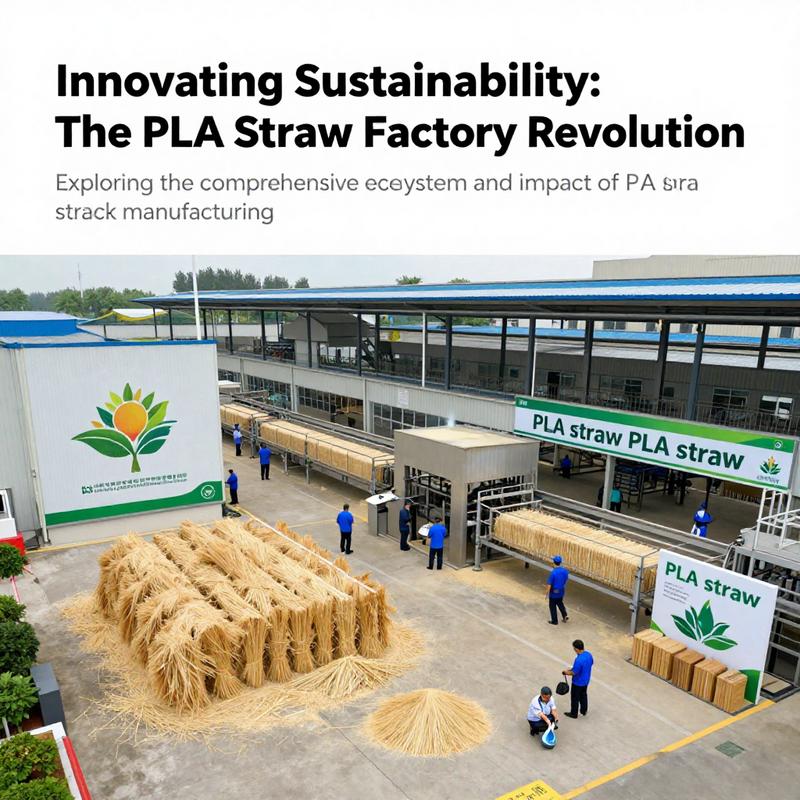
Adapting to consumer demands for eco-friendly products, the PLA straw factory sector is at the forefront of sustainable manufacturing. With polylactic acid (PLA) derived from renewable resources, these facilities not only produce biodegradable straws but also contribute to a significant reduction in single-use plastic waste. This article delves into the intricate production processes and technologies behind PLA straw factories, examines their economic and environmental impacts, discusses current market demand and supply dynamics, and explores potential innovations shaping the future of this industry.
Tables of Contents
Chapter 1: Innovative Approaches in PLA Straw Production Technology
- Pioneering Sustainable Solutions: Tech Advancements in PLA Straw Manufacturing
- The Impact of Economics and Geopolitics on PLA Straw Production Dynamics
Chapter 2: Driving Change: The Economic Landscape of the PLA Straw Factory Industry
- Embracing Sustainability: The Economic Dynamics and Future Prospects of PLA Straw Production
- Navigating Economic Challenges while Advancing Sustainable Development in the PLA Straw Sector
Chapter 3: Harnessing Innovation: The Technological Renaissance in PLA Straw Manufacturing for Sustainability
- Advancements in Technology Driving Eco-Conscious Production in PLA Straw Factories
- The Impact of PLA Straw Production on Society and Local Economies
Chapter 4: Navigating Demand and Supply Dynamics in the Rising PLA Straw Market
- Emerging Opportunities and Challenges in the Eco-Conscious PLA Straw Sector
- Impact of Market Dynamics on Supply Chain Efficiency and Production Capability in PLA Straw Manufacturing
Chapter 5: Harnessing Cutting-Edge Technologies to Revolutionize PLA Straw Production
- Innovative Technological Developments Shaping the Future of PLA Straw Manufacturing
- Navigating Economic Viability and Challenges in the Evolution of PLA Straw Factories
Chapter 1: Innovative Approaches in PLA Straw Production Technology
1. Pioneering Sustainable Solutions: Tech Advancements in PLA Straw Manufacturing
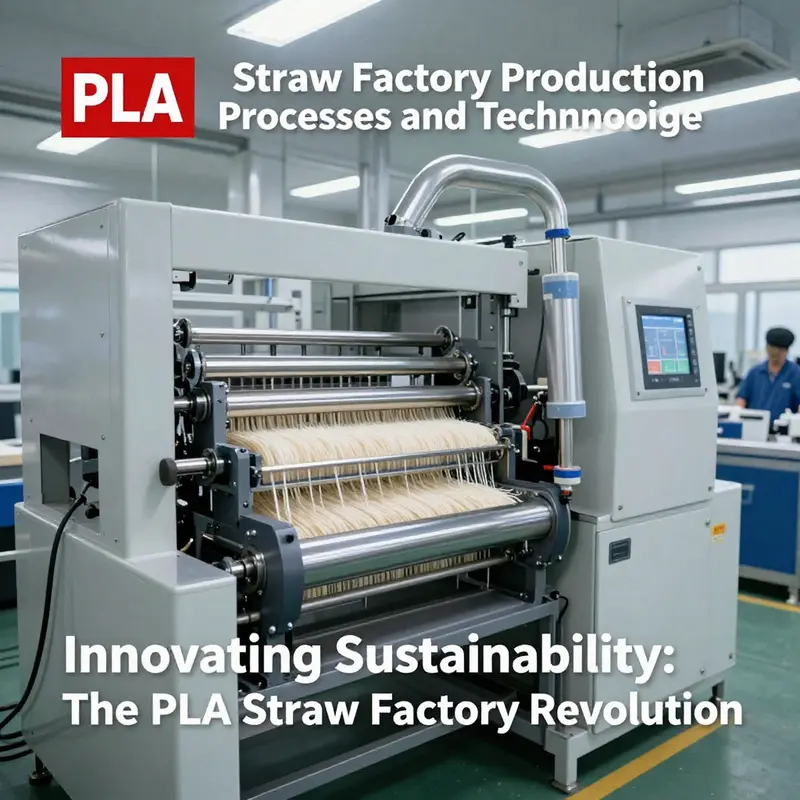
In the rapidly evolving landscape of sustainable manufacturing, the production of Polylactic Acid (PLA) straws stands at the forefront, leveraging technological innovations that enhance both efficiency and ecological responsibility. These advancements not only address the increasing global demand for biodegradable alternatives to conventional plastic straws but also significantly improve production processes in PLA straw factories.
One major development is the widespread automation of production lines, which streamlines operations from the initial raw material feeding all the way to the packaging of finished products. With automation, factories can reduce their labor costs while simultaneously minimizing human error, allowing for a level of precision that was previously unattainable. Automation also plays a critical role in ensuring that every PLA straw produced meets the stringent quality standards expected by consumers, thereby further entrenching these products in eco-conscious markets.
Accompanying automation technology are advanced process control systems that allow for real-time monitoring of crucial parameters such as temperature, pressure, and extrusion speed. These systems enable manufacturers to make immediate adjustments, optimizing yields and minimizing waste throughout the production process. This level of control not only results in more efficient production but also reduces the energy and raw materials consumed, thus enhancing sustainability—one of the hallmark goals of eco-friendly manufacturing.
Moreover, technological innovations in extrusion and molding processes have ushered in a new era of efficiency in PLA straw production. High-efficiency screw extruders are now commonplace, significantly enhancing heat transfer and energy recovery during polymer processing. Combined with improvements in mold design, such as multi-cavity molds and rapid cooling channels, manufacturers can achieve faster cycle times without compromising the structural integrity of the straws. This ability to increase output rates while preserving quality directly translates to meeting the demands of the food service and beverage industries more effectively.
The formulation of PLA itself is also changing, with manufacturers increasingly incorporating biodegradable additives and natural fibers into the PLA matrix. This not only bolsters the strength of the finished product but also enhances thermal resistance, making PLA straws suitable for hot beverages. Thus, by integrating innovative materials into their production processes, PLA straw factories can cater to a broader spectrum of consumer needs and preferences.
An exciting frontier is the adoption of digital twin technology, which allows manufacturers to create virtual replicas of production workflows. This technology facilitates the simulation of various operational scenarios, enabling factories to optimize processes before implementing any physical changes. By analyzing the potential outcomes of different configurations, manufacturers can significantly reduce the time and costs typically associated with trial-and-error approaches in product development, effectively accelerating their time-to-market for new designs and formulations.
Additionally, the recent shifts toward more sustainable materials are prompting companies to reconsider their entire supply chains. The focus is not just on producing eco-friendly products but also on sourcing raw materials that are sustainable and responsibly cultivated. As the market for PLA straws grows, so does the need for transparency and responsibility in sourcing practices. This holistic approach to sustainability is becoming a critical factor for manufacturers striving to maintain competitiveness in an increasingly conscientious marketplace.
The advancements discussed are palpable indicators of the transformation underway within PLA straw manufacturing. From improved efficiency in production lines to revolutionary design methods, the technological landscape is evolving in tandem with consumer expectations for sustainability and eco-friendliness. Manufacturers now find themselves in a race—not just to produce straws but to produce them in ways that align with the environmental ethics of a more informed consumer base.
As these innovations continue to flourish, the PLA straw factory of the future will likely be characterized by greater reliance on data analytics and smart technologies, revolutionizing traditional production paradigms. This digital integration could lead to the emergence of ‘smart factories’, where artificial intelligence optimizes production at every phase and manufacturers can make decisions informed by predictive analytics related to consumer trends and material availability.
For those looking to explore a wide range of PLA straws and associated products, various online platforms like Alibaba.com serve as valuable resources, showcasing numerous suppliers that not only provide detailed specifications but also offer customization options tailored to diverse market demands. Such resources make it easier for businesses in the food and beverage industry to pivot towards greener alternatives without sacrificing quality or functionality.
The technological innovations revolutionizing PLA straw production are not merely technical tweaks; they represent a fundamental shift in how we approach sustainable manufacturing. As efforts ramp up globally to reduce plastic waste, the role of PLA straw factories will be paramount in cementing a sustainable future, making these facilities essential not only for their immediate manufacturing output but as pivotal components of a larger ecological movement.
2. The Impact of Economics and Geopolitics on PLA Straw Production Dynamics
The production of PLA (polylactic acid) straws does not exist in a vacuum; it is intricately woven into the broader economic and geopolitical tapestry that shapes industries around the globe. As demand for sustainable alternatives to traditional plastics surges, understanding the economic viability and geopolitical underpinnings of PLA straw manufacturing becomes increasingly paramount. This narrative delves into the complex interplay between transportation costs, production efficiencies, regional resource availability, and supply chain vulnerabilities that influence PLA’s position in the market.
Economic Dimensions
The journey of a PLA straw from raw material to finished product is fraught with economic considerations that can significantly affect its cost-effectiveness. One primary challenge lies in transportation costs associated with the sourcing of raw materials—corn and sugarcane being the most prominent feedstocks for PLA production. These materials are often grown in regions that may be far removed from factories, which introduces logistical complications. For instance, high transportation expenses can negate the environmental advantages of producing biodegradable straws if the cost to transport these feedstocks outweighs the benefits realized from using them. Consequently, understanding regional dynamics and fostering local sourcing partnerships can help mitigate these challenges, enhancing profitability and sustainable practices in PLA straw production.
Moreover, advancements in PLA synthesis technology have made significant strides in reducing the production costs associated with PLA straws. Current estimates reveal that the cost of producing PLA pellets hovers around US$1.41 per kilogram. For manufacturers to remain profitable, they need to sell these products at a minimum of US$1.58 per kilogram. This narrow margin drives innovation as companies strive to enhance production efficiency. A notable metric that underlines the positive economic outlook is the internal rate of return (IRR) of 29.4% that some ventures have reported, especially when production meets stringent quality standards. This profitability not only validates the investment in technology changes but also encourages further innovation within the industry.
The PLA straw manufacturing market is anticipated to burgeon, with projections estimating its worth at $1.9 billion by 2025. This growth trajectory captures the rising interest and investment in bioplastics infrastructure, spurred on by consumer demand for greener alternatives. As more businesses pivot towards sustainability, the increasing adoption of PLA straws presents an advantageous landscape for manufacturers willing to innovate and adapt.
Geopolitical Influences
Equally important are the geopolitical factors that shape PLA straw production. Key to this landscape is the geographical distribution of agricultural resources essential for PLA synthesis. Nations that boast extensive agricultural sectors, such as China, Brazil, and the United States, possess a strategic advantage in bio-based feedstock production, positioning them to lead the charge in PLA manufacturing. However, this advantageous position comes with potential vulnerabilities.
Supply chain dependencies linked to international trade and regional agricultural practices can introduce uncertainties that may disrupt PLA straw manufacturing. Fluctuations in crop yields due to climate change, evolving trade policies, or even geopolitical tensions can affect the availability and prices of essential raw materials. The COVID-19 pandemic showcased how interconnected supply chains could be fragile, prompting industries to reconsider the hyper-globalization trend and look inward.
To address these vulnerabilities, manufacturers are increasingly advocating for localized production systems. Building resilient domestic supply chains around regional feedstock availability can insulate the PLA straw production process from external shocks. For example, establishing small-scale PLA straw factories near agricultural hubs can bolster local economies while reducing transportation costs. Moreover, localized production might mitigate the carbon footprint associated with longer logistics chains, thus enhancing the environmental credentials of PLA products.
As the PLA manufacturing sector evolves, stakeholders must also navigate the complexities of national and international regulations regarding bioplastics. Stricter regulations on single-use plastics worldwide are creating an environment conducive for bioplastics to gain market share, but these regulations vary significantly across regions. Understanding and adapting to these differing regulatory landscapes will be crucial for maintaining competitive advantages as manufacturers expand their operations into new markets.
Conclusion
The economic and geopolitical dimensions of PLA straw production processes and technologies suggest a landscape ripe with both challenges and opportunities. Properly addressing transportation costs and production efficiencies while also navigating the geopolitical dynamics of resource availability and market regulations will be essential for the sustainable growth of this industry. As consumers become progressively conscious of their environmental impact, PLA straw factories stand at a pivotal point, where strategic decisions regarding local sourcing, innovation, and regulatory compliance can lead to robust market opportunities. In a world increasingly defined by the pressing need for sustainable practices, the path to establishing a resilient and profitable PLA straw manufacturing industry hinges on a keen awareness of the interrelated economic and geopolitical forces at play. For a reliable source of eco-friendly alternatives, businesses might want to explore relevant offerings on platforms designed to facilitate connections within the industry.
Chapter 2: Driving Change: The Economic Landscape of the PLA Straw Factory Industry
1. Embracing Sustainability: The Economic Dynamics and Future Prospects of PLA Straw Production
The rise of the PLA straw factory industry is a powerful testament to the shifting paradigms in manufacturing and consumer behavior. As global awareness of environmental issues escalates, the economic impact of producing biodegradable straws from polylactic acid (PLA) emerges as a pivotal force shaping both markets and policies. The confluence of environmental regulations, consumer demand for sustainable products, and technological innovations are orchestrating a profound transformation in the economy surrounding single-use plastics.
Governments across the globe are progressively implementing stringent regulations aimed at curbing single-use plastics, which have been significant contributors to environmental degradation. With widespread bans and targets that encourage the adoption of biodegradable alternatives, the landscape for manufacturers has become ripe for innovation. The PLA straw factory industry is strategically positioned to take advantage of these regulatory shifts, responding effectively to the increasing consumer consciousness about the adverse impacts of plastic waste, particularly in our oceans and natural ecosystems.
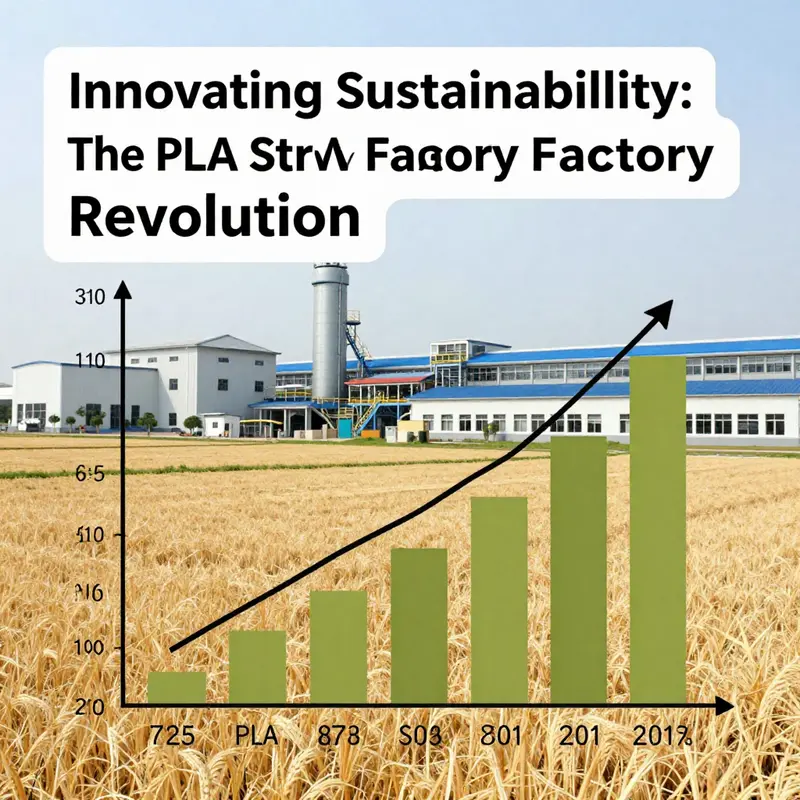
Market data underscores a promising trajectory for the PLA straw sector. Projections indicate that the market for PLA straws is expected to increase from approximately USD 160 million in 2024 to around USD 400 million by 2033, representing a robust compound annual growth rate (CAGR). This substantial growth reflects not only the heightened demand for sustainable products but also the unwavering commitment from both consumers and producers towards environmental stewardship.
Moreover, technological advancements play a critical role in the economic dynamics of the PLA straw industry. Innovations in production techniques, particularly in extrusion technology, have enhanced the efficiency of converting PLA pellets into finished straws while mitigating costs. Machines like the PLA Straw Making Machine and Biodegradable Plastic Straw Extruder Machine are at the forefront of these advancements, allowing for customizable production to meet diverse consumer requirements. Straws can now be tailored not only in length and diameter but also in color and branding, effectively catering to various market niches. This level of customization has offered businesses in sectors such as food service and beverage substantial advantages in differentiating their products.
The equipment market associated with PLA straw production is similarly experiencing significant growth. It is projected to escalate to USD 592 million by 2031, suggesting that investments in efficient manufacturing technologies will be paramount. A noteworthy aspect of this market is the trend toward automation, which lowers operational costs and enhances scalability for manufacturers keen on maximizing output while adhering to sustainability practices.
As the PLA straw production facilities expand, they unlock numerous growth opportunities. Product innovation remains a cornerstone, as ongoing research and development endeavors aim to create straws with improved durability and functionality. This encompasses not only striving for environmental benefits but also ensuring that consumer experience is not compromised. Vertical integration within supply chains can streamline processes, reduce production costs, and create a more efficient operational model for manufacturers.
Strategic partnerships between PLA straw producers and major food and beverage companies have also been pivotal in expanding market reach and visibility. These collaborations enable manufacturers to gain access to larger distribution networks and cater to an evolving consumer base that increasingly prioritizes sustainability in their purchasing decisions. As more companies commit to reducing their plastic footprints, the demand for eco-friendly alternatives is set to rise, effectively benefiting PLA straw manufacturers.
The economic prospects offered by PLA straw production are also buoyed by increasing social responsibility initiatives among businesses. Companies are gradually recognizing the value in adopting sustainable practices, not only for compliance but as a means to enhance brand image and consumer loyalty. As consumers become more discerning about the environmental implications of their purchases, the need for transparent, sustainable sources of production becomes an advantageous differentiator.
The overall landscape of the PLA straw factory industry reflects an intersection of environmental necessity and economic opportunity. As traditional plastic straws fall out of favor under the weight of regulatory and consumer pressures, the growth trajectory for PLA straws is marked not only by market potential but also a commitment to ecological responsibility. Indeed, the economic impact of this industry is set to redefine manufacturing norms and consumer expectations in the years to come.
In conclusion, the PLA straw factory sector represents a paradigm shift in how industries address environmental issues through innovative responses. By harnessing technological advancements and aligning production practices with sustainable goals, stakeholders are not just influencing market trends but also pioneering new economic pathways that promote a greener future. As interest in sustainable solutions accelerates, industries that adopt these practices will invariably thrive, influencing global economic patterns significantly. For stakeholders looking for reliable partners and machinery, resources are increasingly becoming available through platforms like B2B marketplaces, amplifying the integration of sustainable practices into mainstream business operations. As this industry continues to evolve, it heralds a future where economic growth and ecological preservation can indeed go hand in hand.
2. Navigating Economic Challenges while Advancing Sustainable Development in the PLA Straw Sector
The polylactic acid (PLA) straw factory industry represents a pivotal shift in the global movement towards sustainable alternatives that confront the menace of plastic pollution. As evident through rising consumer awareness, the necessity to transition from single-use petroleum-derived plastics to biodegradable options is no longer merely a discussion—it’s a pressing economic reality. However, this shift is not without its economic challenges, which directly affect its scalability and long-term viability. The intricate layers of these challenges must be understood to appreciate how they intersect with global sustainability goals.
One of the foremost hurdles facing the PLA straw factory industry is the higher production costs associated with creating these eco-friendly alternatives. Unlike their traditional plastic counterparts, which leverage established supply chains and economies of scale, PLA straws incur elevated manufacturing costs due to the more complex processes involved and the current limited number of dedicated production facilities. The initial raw materials used—plant-based resources like cornstarch or sugarcane—also contribute to this cost differential. These factors significantly hinder the widespread adoption of PLA straws, particularly in price-sensitive sectors like food service and retail. The higher prices often lead businesses to hesitate or delay transitioning to greener options, adversely impacting PLA straw market penetration.
Moreover, the sourcing of raw materials presents another significant economic challenge. While PLA production is rooted in agricultural inputs that are renewable in nature, the cultivation of these plants introduces tensions around land usage and food security. Expanding agricultural areas for PLA feedstock can inadvertently lead to competition with food crops. This nexus is critical: tapping into land for PLA production might escalate food prices and threaten food sovereignty, with potential ripple effects impacting vulnerable populations. Moving forward, the industry must emphasize careful resource management, potentially exploring alternative bases for PLA, such as non-food biomass, to mitigate these risks.
Compounding these economic challenges is the issue of market penetration. Existing consumer behaviors and entrenched market structures favor traditional plastic straws. As a result, the PLA straw industry contends with steep competition, necessitating robust education and awareness initiatives to shift consumer preferences towards more sustainable options. Such initiatives must focus not only on the environmental benefits but also on tangible value propositions that highlight the usability and effectiveness of PLA straws as viable alternatives.
Despite these challenges, the PLA straw factory industry aligns closely with several United Nations Sustainable Development Goals (SDGs). Most notably, the industry supports SDG 6 (Clean Water and Sanitation) by minimizing plastic waste that permeates marine environments, thus contributing to healthier ecosystems and cleaner waterways. Moreover, the focus on biodegradable materials resonates with SDG 12 (Responsible Consumption and Production), advocating for conscious consumption practices that spur a shift towards a circular economy. The potential benefits of this alignment underscore the critical interplay between economic growth and environmental preservation, inviting innovative frameworks to succeed in this sector.
To build a resilient PLA straw industry framework, implementing comprehensive strategies for sustainable development is essential. One primary avenue for progress lies in technological innovation. Continued investment in research and development can facilitate improvements in the production process, leading to higher efficiency and cost reductions over time. This could involve refining existing technologies or even developing entirely new production techniques that lower the energy and material costs associated with PLA straw manufacturing.
In parallel, policy support must play a crucial role in propelling the PLA straw economy. This can manifest through government incentives aimed at promoting the use of biodegradable materials while placing constraints on single-use plastics. By creating regulatory frameworks that favor eco-friendly alternatives, policymakers can cultivate a more conducive environment for PLA straws to thrive.
Equally vital is the emphasis on consumer education. Grassroots efforts aimed at informing consumers about the benefits of PLA straws—in terms of both their environmental impact and practicality—will be fundamental in fostering market acceptance. Campaigns should focus on demystifying the use of PLA products, outlining their durability and usability, thereby reassuring consumers transitioning away from traditional plastics.
In conclusion, the economic impact of the PLA straw factory industry not only presents challenges but also opportunities for innovation and sustainable development. By actively addressing these hurdles and aligning with global sustainability objectives, the industry can emerge as a key player in the movement towards a more sustainable future. The ongoing dialogue and collaboration among manufacturers, policymakers, and consumers will be essential in crafting a thriving PLA straw market that benefits both economies and ecosystems alike. The active engagement of all stakeholders will be paramount to navigating this complex but necessary transformation, laying the groundwork for a greener, more sustainable world.
Chapter 3: Harnessing Innovation: The Technological Renaissance in PLA Straw Manufacturing for Sustainability
1. Advancements in Technology Driving Eco-Conscious Production in PLA Straw Factories
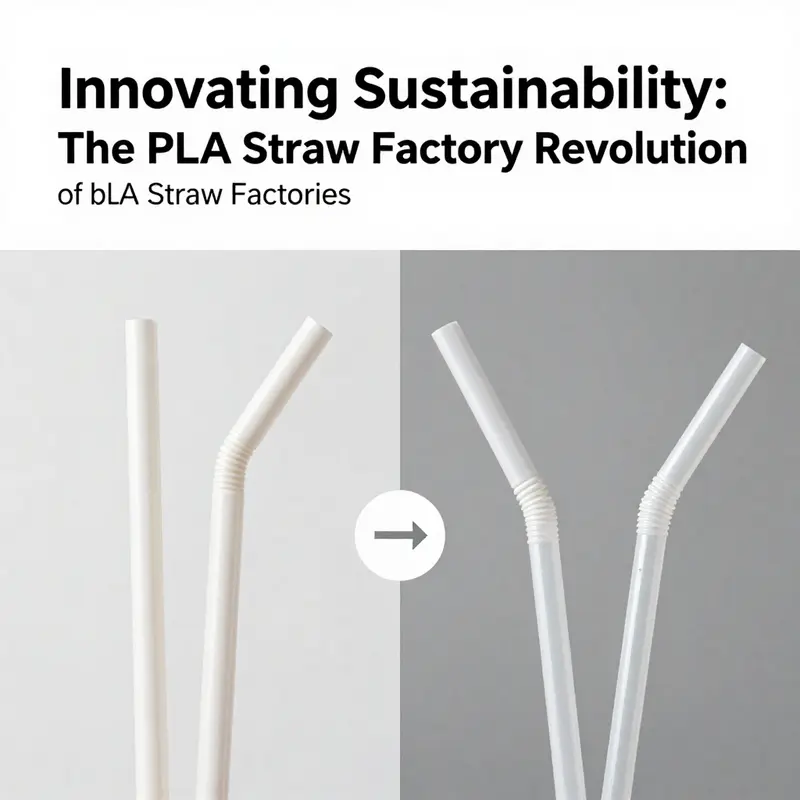
The advent of advanced technologies in the production of PLA (Polylactic Acid) straws marks a significant step toward sustainability in the manufacturing landscape. As a renewable, plant-based plastic sourced from materials such as corn starch and sugarcane, PLA holds the potential for reduced carbon footprints when compared to conventional petroleum-based plastics. However, initial production stages of PLA still entail a variety of environmental challenges that necessitate innovative solutions, as they involve substantial energy consumption, greenhouse gas emissions, and possible resource depletion.
The technological terrain of PLA straw manufacturing is primarily defined by developments aimed at optimizing production efficiency while mitigating ecological impacts. This interplay between technological advancement and environmental stewardship is vital to achieving sustainability in the industry. Key improvements in biotechnological processes, particularly in the areas of fermentation and polymerization, serve as effective mitigators for the energy-intensive nature of PLA synthesis. Enhanced microbial fermentation processes are leading to not only higher yields but also lower processing temperatures, a critical factor in reducing energy demands during production.
Moreover, innovations in bioreactor efficiency are noteworthy. Modern bioreactors are designed to maximize productivity while minimizing energy inputs, establishing a more sustainable operational model. By integrating waste heat recovery systems, factories can harness excess heat produced during manufacturing processes to pre-heat raw materials, aiding in the reduction of overall energy requirements. Additionally, incorporating low-carbon energy sources, such as solar or wind power, in manufacturing plants further decreases reliance on fossil fuels, aligning production methods with broader sustainability goals.
A crucial aspect of sustainably engineered PLA straws is the push towards integrating a circular economy model in production. This not only involves the recycling of PLA waste but also the adaptation of processes that support the biodegradability of the final product. Innovations in enzyme technology are facilitating the development of compostable PLA formulations, fostering an end-of-life solution that minimizes landfill accumulation while retaining the utility of straws in food and beverage applications.
Despite these promising advancements, the path to a fully sustainable PLA straw manufacturing process is fraught with challenges. One significant hurdle is the prevalent deficiency in robust industrial composting infrastructure, which adversely affects the practical decomposition of PLA products in many regions. While PLA has clear biodegradable properties under controlled conditions, its effectiveness is contingent upon appropriate disposal systems being in place. This gap highlights an urgent need for public and private sectors to invest in advancements in composting facilities to leverage PLA’s environmental benefits fully.
Furthermore, the competition for agricultural resources used for PLA feedstock poses ethical and environmental dilemmas. The cultivation of corn and sugarcane for PLA production often competes with food crops, raising concerns about land use change and potential biodiversity loss. As production capacities expand—some factories boasting outputs exceeding nine million straws per month—strategies must be adopted to guarantee that agricultural practices remain sustainable and do not contribute disproportionately to food supply pressures.
The intersection of technological innovation and sustainable practice in PLA straw factories is fostering a new era of production methods that are more environmentally responsible. The essential focus on performance through reduced energy consumption and minimized emissions aligns directly with the global push for reducing single-use plastic waste. Advanced machinery, such as the PP PLA Straw Extrusion Machine, is revolutionizing production lines by allowing flexibility in manufacturing, accommodating both PLA and traditional polypropylene straws, thus easing transitions between material types as market demands evolve.
Moreover, industry players must embrace education to cultivate consumer awareness regarding the environmental benefits of PLA straws. Empowering consumers with knowledge around biodegradable options can enhance market acceptance while driving demand for sustainable alternatives. They deserve clarity on disposal practices, which can encourage more informed decisions reflecting sustainability concerns. As these educational efforts gain momentum, they will complement the technical advancements, ensuring that PLA straws become a widely accepted solution in the food service and beverage sectors.
In conclusion, while the technological advancements in PLA straw production bring hope for more sustainable practices, success hinges on a multifaceted approach. Stakeholders must work collectively, integrating technology improvements with organized policy support, a robust circular economy, and a solid educational foundation for consumers. This cooperative avenue is critical to realizing the long-term environmental benefits of PLA straws without compromising food security or aggravating ecological concerns. As efforts continue in this innovative frontier, PLA straw factories stand at the crossroads of technological innovation and environmental considerations—the true harbinger of a greener future in manufacturing.
For a closer look at the life-cycle impacts of PLA and alternative straw materials, refer to a comprehensive evaluation provided in the study by X. Guo (2023). Though the development of disposal infrastructures remains imperative, the evolution of technology within PLA production undoubtedly heralds a pivotal change that seeks to harmonize production practices with environmental integrity.
2. The Impact of PLA Straw Production on Society and Local Economies
The production of polylactic acid (PLA) straws is not just a technical advancement in manufacturing; it embodies a profound societal and economic transformation. Understanding the societal dimensions of PLA straw production reveals how consumer awareness drives demand for sustainable practices. As populations become increasingly educated on environmental issues, the shift towards plant-based alternatives has gained momentum. Consumers are now actively seeking alternatives to conventional plastic straws, which have been associated with significant ecological detriment, particularly in terms of marine pollution. This movement does more than merely address environmental concerns; it cultivates a sense of corporate responsibility among manufacturers, pushing them towards sustainable production practices. By investing in eco-friendly solutions like PLA straws, companies can resonate with conscientious consumers, thus fostering loyalty through a shared commitment to sustainability.
The societal benefits of PLA straw production extend beyond mere consumer preferences. With PLA derived predominantly from renewable resources such as corn starch or sugarcane, production processes can contribute positively to rural economies. The cultivation of these raw materials creates new economic opportunities for farmers, effectively bolstering their livelihoods. By engaging in a market that values agricultural waste and residues, communities that rely heavily on farming can diversify their income streams, reducing vulnerability to market fluctuations for traditional crops. This support for local economies is essential, as it not only cultivates sustainable practices but also strengthens the socio-economic fabric of agricultural regions.
While the environmental imperatives are often highlighted, the economic dimensions of PLA straw factories cannot be understated. In the short term, producing PLA straws often incurs higher costs when compared to traditional petroleum-based plastics. Factors such as the expense of renewable feedstocks and specialized processing technologies contribute to this price differential. However, a closer look at the long-term prospects reveals a more nuanced picture. The potential for reduced greenhouse gas emissions and lower reliance on fossil fuels suggests that the environmental benefits could lead to significant cost savings in areas such as environmental remediation and regulatory compliance. As more regulations emerge worldwide addressing plastic waste, companies relying on conventional plastic might face increased operational costs, not to mention public backlash and legal liabilities.
Governments and international organizations are keenly aware of these dynamics and have begun implementing incentives to foster sustainable practices. Tax breaks, grants, and subsidies offered to companies investing in sustainable technologies effectively mitigate the burden of initial costs associated with transitioning to PLA production. These incentives signal a strategic commitment from policymakers to encourage enterprises that prioritize environmental sustainability, paving the way for a greener economy. As this financial support continues to grow, so does the allure for manufacturers to pivot towards more eco-friendly production processes, reinforcing the societal movement away from single-use plastics.
Another important economic consideration is the expected future competitiveness of PLA materials. As production technologies improve and the scale of PLA manufacturing increases, the costs associated with these products are predicted to decrease. Current data suggests that doubling down on feedstocks derived from agricultural waste significantly enhances the long-term sustainability of PLA production processes. Continued investment in this sector not only aids environmental goals but also strengthens market stability, providing ongoing assurance to investors and other stakeholders that sustainable practices can yield economic dividends.
Moreover, the ability of PLA straw factories to customize product offerings aligns perfectly with dynamic consumer preferences. Many modern facilities allow clients to tailor products — including color, length, and packaging of straws — to meet specific demands from food service and beverage industries. This adaptability is not just a strategic commercial move; it also reflects an underlying understanding of consumer trends driven by environmental consciousness. As businesses strive to provide appealing products that resonate with eco-aware clientele, the customization of PLA straws serves as a potent marketing tool and emphasizes the value placed on sustainable options. The integration of sustainability into product offerings enhances a business’s ability to attract new customers while retaining existing ones, ensuring competitiveness in a rapidly evolving marketplace.
In conclusion, the societal and economic dimensions of PLA straw production bring forth a comprehensive picture of how these manufacturing processes intertwine with larger environmental narratives. The commitment to sustainability signifies a shift in consumer expectations, pressing businesses to innovate while simultaneously offering tangible benefits to rural economies. With supportive governmental policies aiding the growth of this sector, it becomes apparent that the trajectory of PLA straw factories is not merely about producing eco-friendly alternatives, but rather it is a strategy that embodies a new age of responsible manufacturing rooted deeply in societal well-being and long-term economic viability. The path forward looks promising; as global awareness increases, the movement towards sustainable practices within the PLA industry will likely continue to gain traction, redefining production methodologies and market interactions.
Chapter 4: Navigating Demand and Supply Dynamics in the Rising PLA Straw Market
1. Emerging Opportunities and Challenges in the Eco-Conscious PLA Straw Sector
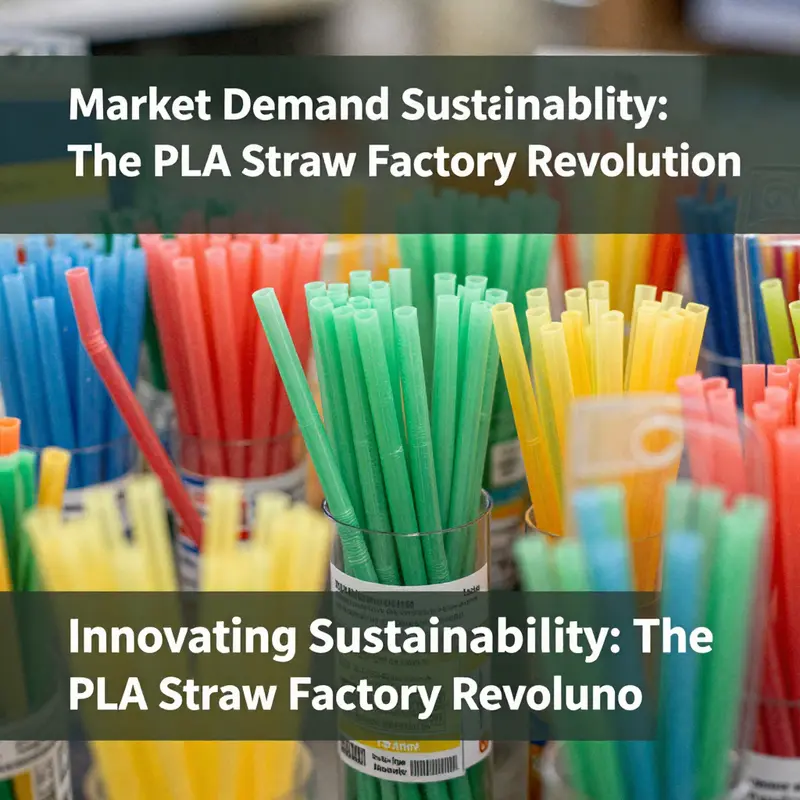
The global context of the PLA straw market is evolving rapidly, driven by a confluence of environmental awareness, regulations on single-use plastics, and consumer preferences for sustainable products. This burgeoning market, projected to grow from USD 160 million in 2024 to USD 400 million by 2030, underscores a significant shift towards biodegradable alternatives that is reshaping the food service and beverage industries. As the demand for polylactic acid (PLA) straws gains momentum, understanding the dynamics of supply chains and market behaviors becomes crucial for stakeholders involved in this transformative industry.
Market Trends and Growth Drivers
The increasing preference for biodegradable products reflects a convincing trend among consumers and businesses alike. This shift is not merely a trend but a sustainable lifestyle choice, with eco-conscious buyers actively seeking alternatives to traditional polypropylene (PP) straws. Despite the challenges posed by higher costs and temperature sensitivity of PLA, the appeal of compostable materials remains strong, foreshadowing a robust growth trajectory for PLA straws. Regulatory bodies around the globe have intensified their scrutiny of single-use plastics, catalyzing urgency for alternatives that align with evolving environmental standards.
The implications of these trends are far-reaching. As consumers embrace eco-friendly products, retailers are responding accordingly, driving demand for PLA straws and pushing manufacturers to scale operations. Notable companies are expanding production capacities, aiming to capture a larger share of an increasingly competitive market. For instance, organizations like Stora Enso and Aardvark Straws are at the forefront, innovating and enhancing the performance characteristics of PLA products to meet rising consumer expectations.
Supply Chain Dynamics and China’s Critical Role
China’s strategic position in the global PLA straw market cannot be overstated. With several industrial clusters concentrated in provinces such as Zhejiang, Guangdong, and Anhui, the country is a key player in the supply chain. These clusters boast vertically integrated manufacturers equipped with advanced technology, including highly efficient extrusion lines and quality control labs, which ensure competitive pricing as well as high production standards.
One of the advantages of these suppliers is their proximity to raw polymer supplies. This geographical advantage significantly reduces lead times for materials and lowers input costs by up to 15%, placing them in a favorable position compared to offshore alternatives. In an environment where margins are critical, these cost efficiencies allow PLA straw manufacturers in China to maintain productivity while catering to growing demand.
Consumer Insights and Behavior
An integral aspect of the PLA straw market ecosystem is understanding consumer behavior. The growing eco-conscious movement is backed by an increasingly educated consumer base, which prioritizes products aligning with their values. This market dynamism presents an opportunity for both established players and emerging startups. Companies that can differentiate their products through enhanced features—like higher durability, customizable designs, and attractive packaging—are more likely to capture market share.
Despite the advantages, manufacturers must be cognizant of the potential drawbacks. For instance, while PLA straws can decompose in industrial composting systems, they are sensitive to heat and degrading conditions in typical waste disposal environments. This susceptibility raises questions about the practical usability of PLA straws in different contexts, creating a challenge for manufacturers to educate consumers about the proper disposal methods, as well as for regulatory frameworks to provide clear guidelines.
Due Diligence for Buyers and Compliance
For businesses seeking suppliers of PLA straws, diligence is paramount. Evaluating a manufacturer’s operational maturity and performance indicators plays a critical role in ensuring quality and reliability. Buyers should seek transparency in communication and compliance with rigorous food contact regulations, such as FDA guidelines or EU regulations. Given the prevalence of greenwashing in the market, buyers must confirm certifications like “OK Compost” or BPI to validate claims surrounding the biodegradability of products. This diligence protects not only the buyers’ reputations but also supports the integrity of the sustainable product market.
One exemplary supplier in the PLA straw arena that has established a solid reputation is Guangdong Ouligei New Material Technology Co., Ltd. This company exemplifies best practices by providing comprehensive third-party test reports that reassure customers of compliance with safety and environmental standards. Such transparency fosters trust and enhances customer loyalty, key components of a successful business model in a burgeoning market.
Conclusion
The future landscape of the PLA straw industry is promising and fraught with challenges. Manufacturers that can navigate the complexities of consumer demands, regulatory landscapes, and supply chain intricacies will emerge as leaders in a marketplace characterized by rapid evolution and sustainability-driven innovation. With environmental stewardship on the rise, the demand for prudent and well-informed supply chain dynamics will only grow more potent, paving the way for a greener future.
For those interested in further exploring the innovative products and customizable options offered within this space, platforms like Cofe Cup provide a comprehensive selection of eco-friendly packaging solutions including PLA straws and more.
2. Impact of Market Dynamics on Supply Chain Efficiency and Production Capability in PLA Straw Manufacturing
The evolution of Polylactic Acid (PLA) straws is at the forefront of an eco-friendly revolution aimed at curbing single-use plastic waste. As sustainability becomes a central concern for consumers and manufacturers alike, the demand for biodegradable straw solutions is surging. This remarkable trend is reshaping the production strategies of PLA straw factories, which are increasingly focused on enhancing supply chain efficiency and production capabilities to meet this growing market appetite.
Shifts in Consumer Preferences and Demand for Sustainability
In recent years, there has been a pronounced shift in consumer preferences, with restaurants, beverage outlets, and retail chains actively seeking alternatives to traditional plastic straws. The rise of eco-conscious consumers who prioritize sustainable practices has become a driving force behind the demand for PLA straws. Not only do these biodegradable options minimize environmental impact, but they also align with corporate social responsibility initiatives aimed at reducing carbon footprints. As initiatives to ban single-use plastics gain momentum globally—exemplified by legislation in numerous regions—retail and hospitality sectors are swiftly adapting to stay compliant while catering to clientele that favors responsible choices.
The Role of China in Global Supply Chain Dynamics
China continues to dominate the PLA straw supply chain, thanks to its extensive manufacturing ecosystem. Provinces such as Guangdong, Jiangsu, and Zhejiang stand out with their integrated supply chains of raw material suppliers, specialized machinery fabricators, and advanced processing facilities. This vertical integration creates synergies that yield operational efficiencies, enabling manufacturers to respond swiftly to changing market conditions.
For example, the availability of local biomass feedstock for PLA pellets allows factories to reduce transportation costs and streamline sourcing processes. As a result, plant operations can run significantly more efficiently, with overall production costs potentially 15% lower compared to factories based in offshore locations. This low-cost environment has led to the emergence of factories in regions like Jieyang and Jiangsu, which are recognized for their high-volume, economical production of PLA straws and related bioproducts. Here, innovations are not solely limited to product development but also extend to processes such as rapid prototyping, helping manufacturers to explore unique designs and functionality in their offerings.
Technological Advancements Driving Production Efficiency
The production landscape for PLA straws is also witnessing transformational changes due to advancements in automation and technology. The implementation of advanced extrusion lines equipped with smart monitoring systems has been pivotal in augmenting production efficiency. Factories are now capable of maintaining a consistent quality of output while accommodating customization requests in real-time. These customizations may range from varying straw lengths and diameters to unique coloring options, which illustrate a response to niche market demands.
Moreover, the introduction of hybrid machinery that processes both PLA and traditional polyethylene straws provides manufacturers with the adaptability to switch production lines based on market trends. This flexibility is essential for staying pertinent in a competitive market where demands can shift rapidly. As such, producers can efficiently allocate resources based on immediate sales analytics, bolstering supply chain resilience even amid disruptions.
Strategizing Supplier Evaluations for Sustainable Growth
To ensure continued success in the PLA straw market, companies now prioritize a robust supplier evaluation and procurement strategy. This strategy transcends mere cost assessments; it encompasses a broader evaluation of technical capabilities, operational reliability, and adherence to international environmental standards.
Buyers are increasingly scrutinizing potential suppliers on their vertical integration capabilities—those who manage both sourcing of sustainable materials and production are often favored for their operational efficiencies. Companies that have achieved environmental certifications or aligned with sustainability protocols secure competitive advantages, as they are viewed as reliable partners enhancing a company’s own quest for market accountability.
With global sales projected to rise dramatically, investment in strategic partnerships and supplier networks is becoming essential. An adaptive supplier assessment framework that evaluates responsiveness to market changes, innovation capacity, and commitment to sustainability will emerge as pivotal.
Forward Outlook: Market Resilience through Strategic Innovation
As the landscape of PLA straw production continues to evolve, manufacturers will need to embrace innovation not only within their production processes but also within their supply chain frameworks. Looking ahead, the dynamics of consumer behavior and market forces will shape the trajectory of PLA straw factories. With ecological sustainability becoming intertwined with profitability, a concerted focus on developing resilient supply chains will be vital.
Pacific markets, such as those outlined in recent comprehensive reports, provide valuable insights into current trends and forecasts for PLA straws. Manufacturers equipped with actionable intelligence from authoritative sources will be in a better position to scale sustainably and innovate effectively. As industries increasingly integrate biodegradable options into their offerings, the outline of success for PLA straw factories will depend largely on their ability to adapt swiftly, efficiently, and sustainably to the emerging demands of the marketplace.
To explore products that leverage these developments, such as customizable food packaging solutions, visit Cofe Cup.
Chapter 5: Harnessing Cutting-Edge Technologies to Revolutionize PLA Straw Production
1. Innovative Technological Developments Shaping the Future of PLA Straw Manufacturing
In an era where sustainability drives consumer choices and regulatory frameworks, the future of PLA straw factory manufacturing hinges on innovative technological advancements. As manufacturers race to meet the increasing demand for eco-friendly alternatives to traditional plastic straws, several pivotal developments are emerging, geared towards enhancing efficiency, product quality, and sustainability.
Integration of Intelligent Control Systems is at the forefront of these advancements. These sophisticated systems not only monitor but also optimize extrusion parameters in real-time, leading to consistent product dimensions while significantly reducing material waste. Such precision is vital in achieving the desired quality standards that today’s eco-conscious consumers expect. By employing algorithms that analyze production variables, these systems facilitate seamless adjustments during the manufacturing process, thereby advancing both productivity and resource management.
Another key innovation is the development of modular and reconfigurable production lines. This approach empowers manufacturers to effortlessly transition between different straw designs, such as rigid, flexible, or even uniquely shaped options. As the demand for customized products continues to rise, this technology minimizes downtime and ensures that manufacturers can swiftly respond to market trends. With minimal disruption, companies can enhance their product line without investing in entirely new production systems, maximizing their operational flexibility.
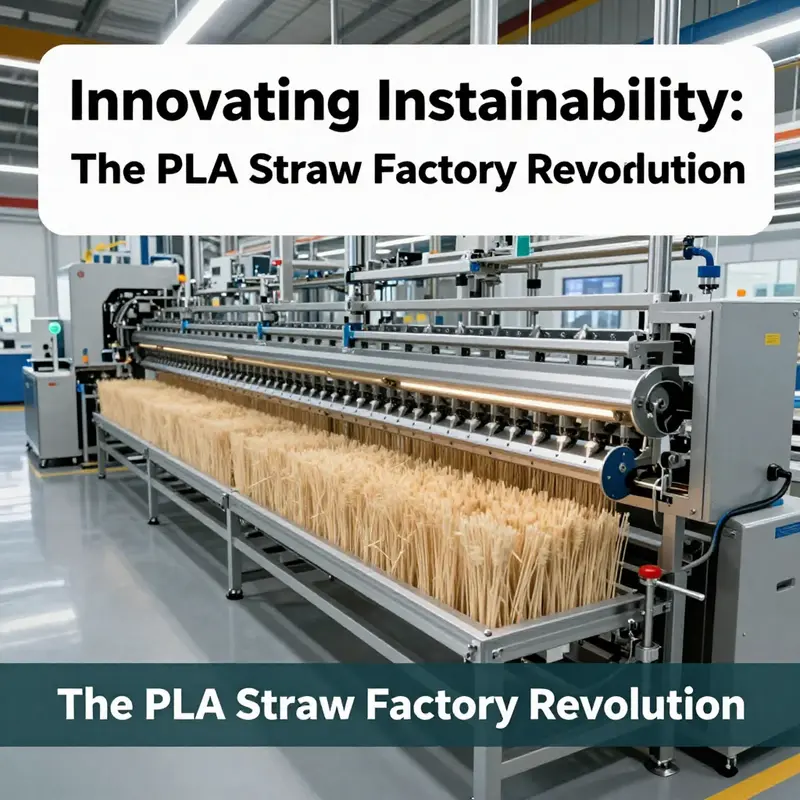
The role of automation and robotics cannot be overlooked as factories embrace these technologies to streamline every facet of the production process. From the careful feeding of raw materials to the meticulous packaging of finished straws, automation enhances output capacity while reducing human error. By utilizing advanced robotic systems, factories can achieve unprecedented levels of efficiency that traditional methods struggle to match, allowing for higher quantities of biodegradable products to reach consumers.
Furthermore, high-precision sensors and AI-driven monitoring systems add another layer of sophistication to PLA straw manufacturing. These technologies not only facilitate predictive maintenance but also enable real-time adjustments based on performance data. The implementation of such monitoring tools enhances overall equipment effectiveness (OEE) by ensuring that machinery operates at optimal levels and that any inefficiencies are identified and rectified before they escalate into significant issues. This proactive approach not only contributes to more efficient operations but also supports sustainability by prolonging machinery life and reducing resource consumption.
The evolution of industrial ecosystems is also pivotal in shaping the future landscape of PLA straw production. Regions like Zhejiang and Suzhou in China are emerging as hubs for manufacturers specializing in polymer processing and sustainable materials. This clustering of resources fosters collaboration and innovation among suppliers, leading to rapid advancements and the dissemination of best practices throughout the industry. As these ecosystems grow, they not only bolster the capacity of factories but also create a culture of shared knowledge and collaboration that can drive sustainable production methods forward.
A significant catalyst in these developments was the 2025 High-tech Innovation and Development Conference – Future Materials and Manufacturing, held at Northwestern Polytechnical University in Xi’an. This event served as a crucial platform for over 1,500 experts from academia, industry, and research institutions to come together. Discussions focused on intelligent manufacturing and technology-industry integration opened new pathways for future innovations in sustainable production technologies relevant to PLA straw factories.
This conference emphasized the importance of continuous dialogue between sectors, as varied perspectives contribute to the holistic development of manufacturing processes. By exploring next-generation materials and their applications, participants underscored the need for manufacturers to evolve and adopt new practices in line with environmental sustainability and modern consumer expectations. The insights gathered from such events are invaluable for shaping business strategies that prioritize both innovation and ecological responsibility.
For businesses operating within this space, supplier evaluation now extends beyond the traditional metrics of cost and output. Companies are beginning to focus on technical validation and operational reliability, ensuring their partners are equipped for the latest advancements. The commitment to innovation becomes paramount as the competition intensifies and consumer preferences shift dramatically towards sustainable solutions. Engaging with suppliers who participate actively in evolving ecosystems and who are committed to research and development can provide a significant competitive advantage.
The ongoing push for global cooperation highlighted at the conference, particularly through initiatives such as the “Innovation Initiative for Materials and Manufacturing in the High-tech Field,” signals a transformative shift. As manufacturers cultivate partnerships with research entities and other stakeholders, they can harness the collective expertise required to propel the industry forward.
As the PLA straw manufacturing landscape continues to evolve, leveraging these technological innovations will be crucial for businesses aiming to thrive in a competitive market. By understanding and integrating these advancements, manufacturers can not only improve their bottom lines but also contribute meaningfully to global sustainability goals. The future of biodegradable straws is not merely an adaptation to a market trend; it is integral to the path toward a more sustainable future, significantly reducing reliance on single-use plastics.
Manufacturers looking to explore eco-friendly packaging options beyond straws can find innovative solutions available at specialized retailers. Engage in transforming the future of dining and beverage experiences by considering diverse, sustainable alternatives designed to meet evolving consumer expectations.
2. Navigating Economic Viability and Challenges in the Evolution of PLA Straw Factories
The transition towards a sustainable future in packaging and straws hinges significantly on the economic viability of polylactic acid (PLA) straw manufacturing. The integration of agricultural waste into the production process presents an alluring avenue. Recent studies have illuminated the potential economic benefits of utilizing agricultural byproducts, placing PLA resins as competitive alternatives to conventional plastic stemming from fossil fuels. As defined in a 2019 analysis by IS Fahim, PLA derived from agricultural waste is not only economically feasible but is increasingly positioned to meet quality standards that appeal to manufacturers and consumers alike. This sets a promising precedent where eco-friendliness does not come at the expense of cost-efficiency, especially with the specter of rising environmental consciousness amongst consumers, which is reshaping market dynamics in favor of biodegradable options.
However, despite this optimistic outlook, the journey toward widespread acceptance of PLA straws is not devoid of impediments. The economic landscape is plagued by a few salient challenges essential for manufacturers to navigate. A significant portion of the struggle is the current dependency on imported biomass-based raw materials. This reliance creates vulnerabilities in supply chains, heightening costs and hindering the scalability of production. Furthermore, the looming threat of climate change adversely affects agricultural yields, thereby complicating the consistency of feedstock availability. Price volatility in the raw materials market further exacerbates these challenges, leading to unpredictable financial forecasting and complicating investment decisions in PLA straw manufacturing facilities.
Moreover, the thermoplastic properties of PLA introduce additional hurdles to its use in single-use products such as straws. Research conducted by Y Liu in 2024 underscored the material’s inadequate thermostability. PLA’s vulnerability to heat-induced degradation limits its effectiveness, particularly in hotter climates or when subjected to beverages with elevated temperatures. Such limitations can jeopardize consumer acceptance and, as a result, hinder the market potential of PLA straws, creating a dichotomy between environmental aspirations and product performance.
Still, hope resides in both innovative material science advancements and strategic industrial models. Current trajectories in research demonstrate the potential for enhancing PLA’s physical characteristics by blending it with natural polymers or reinforcing it with nanomaterials. Such innovations could yield straws with improved mechanical integrity and thermal resistance, allowing them to withstand diverse environmental conditions.
Simultaneously, examining the structure of production facilities unveils another pathway to bolster economic viability. The recent trend toward rural industrialization offers a compelling option for localizing PLA straw production. This model enables communities to convert agricultural waste into value-added bioplastics, forging decentralized manufacturing networks. Established rural industries in developing regions—ranging from fruit processing to textile manufacture—indicate the versatility of localizing production. By harnessing community resources, these decentralized hubs could reduce transportation costs, create job opportunities, and fortify economic resilience within rural economies.
While contemplating future innovations in PLA straw manufacturing, it becomes evident that a multifaceted approach is essential. Establishing production methods that are both cost-effective and scalable is critical for attracting investment and securing market share. Additionally, innovating feedstock sourcing to capitalize on local agricultural practices will not only address logistical issues but also protect against future economic shocks stemming from global supply chain disruptions. Finally, ongoing investments in the technological frontier will be paramount for overcoming the material limitations of PLA itself and expanding its application range.
Industry stakeholders must also be attuned to broader republic policies that can foster the growth of sustainable practices. Strategic support through subsidies, R&D grants, and infrastructure improvements could give PLA straw manufacturing a robust competitive edge against traditional plastic alternatives while aligning with global sustainability initiatives. Establishing an ecosystem that prioritizes continuous innovation, collaboration among researchers, manufacturers, and policymakers will stitch together a resilient future for PLA straw factories.
Ultimately, the weaving of resilient production practices, technological advancements, and policy support will create a solid foundation for a sustainable economic framework in PLA straw manufacturing. The marriage of ecological necessity and economic viability will not only facilitate the growth of this industry but will also catalyze the shift towards a more circular bioeconomy. As more entrepreneurs and manufacturers pivot towards eco-friendly alternatives, the future of PLA straw production holds the promise of redefining both consumer choices and environmental impacts, warranting a critical reconsideration of our relationship with single-use products. To explore advanced solutions and capabilities in PLA straw manufacturing, businesses can leverage platforms like Alibaba to discover suppliers equipped to meet evolving market demands and expectations.
Final thoughts
As the demand for sustainable products continues to escalate, PLA straw factories stand out as vital contributors to eco-friendly manufacturing. Through innovative production techniques, economic contributions, and an emphasis on sustainability, these factories are redefining single-use straws for a greener future. Business owners should embrace the opportunities presented by the PLA straw market, leveraging the inherent advantages of biodegradable materials to meet consumer expectations and regulatory demands.
Choose our reliable disposable tableware and packaging solutions for your business. We offer quality products meeting safety standards, with fast delivery and flexible options. Partner with us today to elevate your service – contact our team now for a tailored quote!
About us
We specialize in manufacturing and supplying disposable tableware, packaging paper, and boxes. With years of experience, we prioritize safety, durability, and eco-friendly practices. Our goal is to provide businesses with trusted, cost-effective solutions backed by responsive customer support.