
Introduction
As food service businesses increasingly prioritize sustainability, the demand for functional and eco-friendly packaging solutions has surged. Paper chili bowls stand out as an ideal choice, providing ideal specifications for hot, liquid-rich foods like chili, stews, and soups. This guide will delve into the material composition of these bowls, their heat resistance and performance, size variations suitable for various servings, and how they compare to alternative serving options. By understanding these factors, business owners can make informed decisions that enhance customer satisfaction and align with eco-conscious values.
Tables of Contents
Chapter 1: The Sustainable Foundations of Paper Chili Bowls
- The Dual Role of Bagasse and Kraft Paper in Eco-Friendly Chili Bowls
- Embracing Eco-Friendly Innovations: The Environmental Journey of Paper Chili Bowls
Chapter 2: Material Mastery: The Science Behind Paper Chili Bowl Performance
- Thermal Resilience: Investigating the Heat Resistance and Structural Integrity of Paper Chili Bowls
- Enduring the Heat: The Structural Resilience and Functionality of Paper Chili Bowls
Chapter 3: Exploring the Versatility and Capacity of Paper Chili Bowls for Every Occasion
- Navigating Size Options and Serving Capacities of Paper Chili Bowls for All Dining Scenarios
- Navigating the Ecological Trade-offs of Paper Chili Bowl Sizes and Their Impact on Sustainability
Chapter 4: Understanding the Environmental Footprint: Paper Chili Bowls Versus Their Competitors
- Exploring Material Sustainability: The Case for Paper Chili Bowls and Alternatives
- Paper Chili Bowls vs. Reusable Alternatives: Innovations in Food Packaging and Serving
Chapter 1: The Sustainable Foundations of Paper Chili Bowls
1. The Dual Role of Bagasse and Kraft Paper in Eco-Friendly Chili Bowls
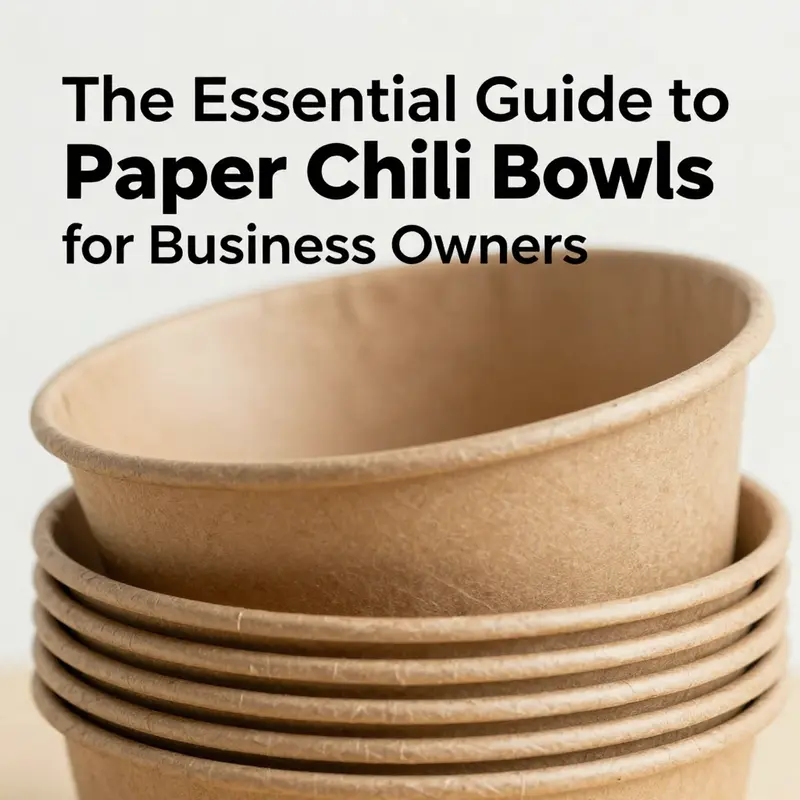
In understanding the material composition of paper chili bowls, two distinctive, sustainable materials come to the forefront: bagasse and kraft paper. Each material provides specific advantages that cater to both environmental concerns and the functional necessities of food service. This dual role not only highlights their individual merits but also reflects a trend towards sustainability in disposable food packaging.
Bagasse stems from the fibrous remnants of sugarcane after it has been processed for juice. Given its origins, bagasse is recognized as a highly renewable resource that contributes to a more sustainable approach in food packaging. Paper bowls constructed entirely from biodegradable sugarcane bagasse have gained significant traction particularly in the food service industry. The strength of these bowls is notable; they exhibit impressive structural integrity, allowing them to comfortably hold a variety of heavier food items without risk of collapse or leakage. This is especially crucial when serving liquid-rich dishes such as chili, where both volume and heat play a considerable role in the overall dining experience.
Another key characteristic of bagasse bowls is their heat resistance. Capable of withstanding high temperatures without distorting or losing their structural integrity, they are exceptionally suited for hot, comfort foods. This makes them an excellent choice for food vendors and events where chili is a popular offering. The ability to maintain freshness and service quality is paramount, and bagasse bowls deliver on this front without compromising on health or safety standards. Beyond their heat resistance, bagasse bowls are also compostable under industrial conditions, further emphasizing their eco-friendliness. This property positions them as a responsible disposal option, aligning perfectly with the increasing consumer demand for sustainable choices in their dining experiences. Marketing campaigns often tout bagasse bowls as a heavy-duty, eco-friendly alternative to conventional plastic containers, appealing to environmentally-conscious consumers who are evaluating their environmental impact.
In contrast, kraft paper represents another key material component used in the production of paper chili bowls. Derived from wood pulp through a specialized Kraft process, this material offers a unique blend of strength and durability. Kraft paper is renowned for its robust nature, making it a reliable option for various applications across the food service industry. However, unlike bagasse, kraft paper is not inherently compostable. It tends to require additional coatings or treatments to enhance its resistance to grease and moisture, which can impact its ability to be completely composted. Nevertheless, it retains its position as a more environmentally friendly alternative to virgin plastic, given that it can be recycled effectively.
In settings where durability and cost-effectiveness are paramount, kraft paper bowls often emerge as the preferred choice. While they may not provide the ideal composting solution that bagasse does, they play a crucial role in broader industrial applications that prioritize recycling and reduced carbon footprints. Their availability in various sizes and designs ensures that they meet diverse needs across fast-casual dining establishments, catering services, and events. This versatility further emphasizes the significance of kraft paper bowls in a composite approach to sustainable food service.
A closer examination reveals distinct advantages of both materials based on specific applications. For single-use food containers aimed at hot, hearty meals requiring high thermal durability—like a savory bowl of chili—bagasse is often deemed the superior choice. Its compostability strengthens its appeal among eco-conscious consumers and businesses, ultimately supporting the vision of a circular economy. Conversely, kraft paper offers robust durability and the potential for recycling, making it an attractive option for broader industrial use where the focus is pinned more on waste reduction through recycling rather than composting.
The functional and aesthetic elements, alongside the structural properties of both materials, provide food service operators with the flexibility to choose the best possible option based on serving needs. As consumer awareness of environmental issues rises, aligning product offerings with sustainable practices becomes vital for brand loyalty and market competitiveness.
Standards and physical properties for this material composition are documented exhaustively in industry specifications, ensuring consistent performance and reliability across food service applications. These standards facilitate a clear understanding of what to expect from paper chili bowls made from either bagasse or kraft paper. The engineering and design of these bowls, tested against rigorous criteria, pave the way for innovative food service solutions that dovetail functionality with environmental responsibility.
In conclusion, the relationship between bagasse and kraft paper in the realm of paper chili bowls underscores a significant evolution in food packaging. While each material carries distinct attributes that cater to specific needs within the food service sector, collectively they herald a shift towards greener alternatives. By incorporating these sustainable materials into their product lines, food service businesses not only enhance operational efficiency but also position themselves as leaders in responsible environmental stewardship, catering to a growing demographic of eco-conscious diners who increasingly seek out alternatives that minimize their impact on the planet. The future of disposable food containers seems poised for continued innovation, with bagasse and kraft paper leading the way toward more sustainable dining solutions.
For those in search of eco-friendly packaging options, various assortments of these materials can be explored through a range of suppliers, ensuring that every food service establishment can find a fitting product to match their service style—whether that be a robust kraft paper bowl for a catered lunch or a compostable bagasse bowl filled with hot chili, ready to be savored.
2. Embracing Eco-Friendly Innovations: The Environmental Journey of Paper Chili Bowls
The conversation around sustainability is no longer optional in today’s food service sector; it is a necessity. In this discourse, the environmental impact and sustainability of paper chili bowls stand out. These bowls are not just functional vessels for hot dishes but symbols of an evolving mindset towards eco-conscious dining. The materials that comprise these bowls, chiefly derived from renewable resources, illuminate a path toward greener food packaging solutions.
Paper chili bowls typically employ materials such as sugarcane bagasse, bamboo, and recycled paper fibers. Sugarcane bagasse, an agricultural byproduct of sugar production, plays a pivotal role in this discussion. By converting waste into a valuable resource, manufacturers are taking significant strides toward minimizing environmental impact. The quick growth rate of sugarcane—typically ready for harvest in under a year—further amplifies this sustainability narrative.
Bamboo, admired for its rapid renewability and strength, also deserves mention. Growing in harsh climates while requiring minimal resources for cultivation, bamboo serves as a durable alternative to plastic. It brings both structural integrity and an eco-friendly profile to paper chili bowls, ensuring that they withstand high temperatures and liquid integrity. Similarly, the use of recycled paper fibers conserves trees and reduces the demand for virgin materials, establishing a closed-loop system conducive to sustainability.
However, one cannot overlook the vital aspect of coatings used in these bowls. Most paper chili bowls are coated with polyethylene (PE) or polylactic acid (PLA) to prevent leaks and maintain their structure under heat. While PE offers moisture resistance, it presents a challenge for recycling; these bowls generally cannot be processed in standard recycling streams, complicating their environmental benefits. Alternatively, PLA, derived from cornstarch, pushes the envelope further by being compostable. Yet, PLA’s effectiveness requires specific industrial composting conditions to break down, introducing another layer of complexity to the sustainability landscape.
The biodegradability feature of these paper bowls is significant, especially in contrast to their plastic counterparts. Under suitable conditions, paper bowls dissolve into natural compost without leaving harmful residues. This aspect promotes a responsible approach to food waste; however, the longevity of the synthetic coatings attached to many of these products can negatively affect their overall lifecycle. Therefore, it becomes increasingly critical for consumers and businesses to understand the disposal practices necessary to capitalize on the green promises of these products fully.
Pragmatically, many eco-forward businesses are already adapting their practices to foster a more sustainable cycle. For instance, chains like Chipotle have successfully integrated compostable paper bowls into their operations, seamlessly aligning their product choices with zero-waste goals. Supporting brands that prioritize sustainable materials can catalyze broader industry changes and lead to a collective commitment to environmentally friendly practices.
One prominent approach to enhancing sustainability in paper chili bowls is to select options with minimal to no coatings. Bowls crafted from robust materials like high-density bagasse or reinforced bamboo fibers eliminate the need for synthetic coatings, boosting eco-friendliness while maintaining functional efficacy. Moreover, alternative products, such as the edible bread bowl concept that emerged in mid-20th century diners, combine the element of sustainability directly with consumer experience. The bread itself serves both as a container and a part of the meal, allowing for a unique blend of functionality and enjoyment.
Within this evolving landscape, consumer education plays an essential role. Shifting public perception toward recognizing the importance of proper disposal techniques and educating consumers about the lifecycle of products fosters a more conscientious consumer base. Ensuring that biodegradable items like PLA-coated paper bowls are properly composted instead of discarded carelessly can dramatically reduce their impact on landfills.
Ultimately, the environmental journey of paper chili bowls hinges on collective efforts—manufacturers enhancing their material sourcing practices, businesses promoting sustainable options, and consumers committing to responsible disposal. Each stage contributes to a broader ecosystem where food service can thrive alongside environmental stewardship. The integration of sustainable practices in product design and consumer engagement not only helps mitigate environmental harms associated with food packaging but also promotes a culture rooted in respect for our planet.
Future advancements may even see the evolution of hybrid materials or entirely new substances that promise even greater sustainability. This continued innovation underscores an urgent call for collaboration across the industry, ensuring that progress moves in step with equitable practices and substantial reductions in carbon footprints.
As market demand grows for eco-friendly alternatives, the proliferation of initiatives to improve composting infrastructure, increase transparency in production processes, and elevate standards in sustainable packaging is inevitable. The journey behind these paper chili bowls is more than material composition; it’s a testament to how industry, community, and innovation can come together to forge a more responsible and sustainable future.
As consumers, we are as much a part of this narrative as the products themselves. By choosing sustainable options, supporting responsible brands, and demanding better from the industry, we propel change. The paper chili bowl is just one example of how thoughtful material choice can ripple through supply chains and impact environmental standards on a larger scale. With increased awareness and commitment, we can redefine what it means to serve hearty meals in a sustainable way—transforming a simple bowl of chili into a delicious, ethical experience.
Chapter 2: Material Mastery: The Science Behind Paper Chili Bowl Performance
1. Thermal Resilience: Investigating the Heat Resistance and Structural Integrity of Paper Chili Bowls
The enduring popularity of paper chili bowls in food service settings, from fast-casual restaurants to event catering, hinges on their remarkable thermal resilience and structural integrity. Understanding how these attributes are achieved requires a closer look at the materials used and the engineering behind their design. Paper chili bowls are typically constructed from durable kraft paper, which is sought after for its strength and biodegradability. This type of paper is often reinforced through innovative manufacturing processes, ensuring that even under the strain of high temperatures, these bowls maintain their form and functionality.
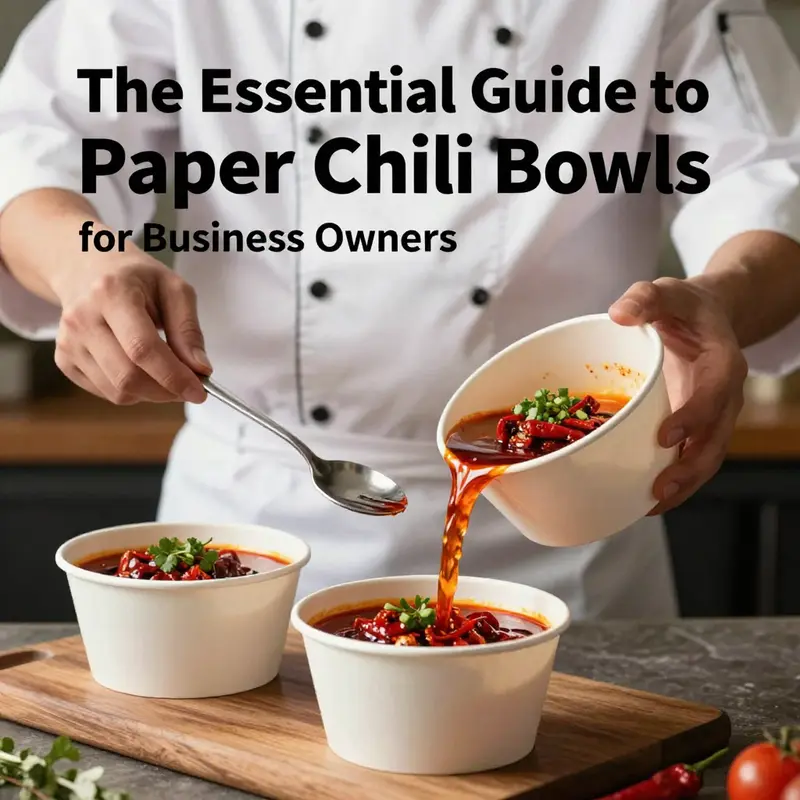
To enhance their performance, paper chili bowls are often coated with moisture-resistant linings. These coatings come in two major forms: traditional polyethylene (PE) and more eco-conscious plant-based biopolymers like polylactic acid (PLA). The addition of these substances is critical, as they not only provide a barrier against leaks but also enable the bowls to withstand the heat generated by hot dishes such as chili, soups, and stews. In fact, most paper chili bowls are capable of enduring temperatures up to 180°F (82°C)—a crucial aspect since many of these dishes are enjoyed piping hot.
Structural integrity is paramount in the design of these bowls, especially when they are filled to capacity with liquid-rich foods. The engineering behind paper chili bowls employs several techniques that reduce the risk of failure during use. For instance, many bowls feature designs with side ribs or thicker paper stock that provide additional strength and prevent warping or sagging. These design elements, in conjunction with the moisture-resistant coatings, help avert problems like bottom blowouts that can lead to spills and hygiene concerns, which are particularly critical in the food service industry.
However, it is equally important for users to understand the limits of heat resistance in paper chili bowls. While many bowls perform well at temperatures below 180°F, extended exposure to high temperatures can cause the bowls to deteriorate over time, especially in contact with acidic or oily foods. This interaction can weaken the coatings and lead to leakage. Thus, while enjoying your favorite chili, it is wise to consider the duration of service; if food remains in the bowls for an extended period, switching to oven-proof alternatives such as ceramic or tempered glass may be advisable for some applications.
In contexts such as food competitions—where dishes must be both visually appealing and preparatively sound—the choice of bowl can be even more critical. Participants often employ various bowl types to accentuate their culinary creations, using edible structures like cornbread or parmesan crisps alongside traditional paper bowls to enhance both flavor and presentation. This creative approach demonstrates the versatility of food service containers and underlines the performance capabilities of these environmentally friendly options.
For those using paper chili bowls in commercial settings, understanding the specific performance claims made by manufacturers becomes essential. Selecting bowls with peak heat-resistant characteristics, like those with reinforced structures and certified coatings, can make a difference in maintaining the integrity of the dish during transit from kitchen to table. The packaging industry continues to innovate, producing paper bowls designed explicitly with substances that meet both environmental standards and performance demands. An emerging trend is the development of compostable and biodegradable materials that do not compromise strength or thermal resistance while also being kinder to the planet.
When utilizing these bowls, users are encouraged to pay attention to the labeling regarding microwave safety. Not all paper chili bowls are designed to withstand microwave heating, and caution is advised when reheating or cooking foods contained within them. For optimal convenience and to retain the quality of the food, it’s beneficial to choose bowls labeled as microwave-safe for reheating purposes to avoid the risk of melting or chemical leaching.
In summary, the interplay of material composition and design significantly enhances the heat resistance and structural integrity of paper chili bowls. These factors contribute to their overall performance in serving hot meals, making them an essential item in both casual dining and catering environments. Their successful application relies on understanding the conditions of use, the temperature limits, and the nature of the coated materials. As the food service industry evolves, embracing products that not only serve practical requirements but also align with environmental sustainability initiatives will become increasingly important. As such, paper chili bowls stand out not just in their usability but also in their eco-friendly profile, offering a compelling choice for modern food service.
2. Enduring the Heat: The Structural Resilience and Functionality of Paper Chili Bowls
Paper chili bowls stand out as an essential component in the food service industry, particularly in contexts where warmth, sustenance, and convenience converge. These bowls are more than just containers; they are instruments designed to deliver piping-hot meals while maintaining essential structural integrity amid the rigors of takeaway dining and catering. Constructed primarily from kraft paper, these bowls feature a robust construction specifically tailored to withstand the high temperatures and unique characteristics of dishes like chili. With a reinforced base, their design anticipates not just the weight of the food but also the thermal challenges posed by hot and liquid-rich items.
The coatings applied to paper chili bowls—commonly polyethylene (PE) or a more environmentally conscious option like plant-based polylactic acid (PLA)—enhance their performance significantly. This moisture-resistant lining ensures that bowls can endure temperatures reaching upwards of 200°F (93°C) without succumbing to leaks or structural failure. As hot chili or rich stews are served, the liner spearheads the battle against leaks, providing a barrier that guards against unwanted messes during transport, especially in bustling food truck environments or busy catering settings.
Durability is a hallmark of these bowls. They are often manufactured using thicker paper stock, and some variants, like the 20oz Double Wall Insulated Paper Bowl, boast designs specifically for temperature retention. The double-wall construction minimizes heat transfer to the outer surface, presenting a safer option for consumers who handle the bowl. This feature is vital in high-energy environments such as festivals and corporate offices, where food needs to be served promptly and efficiently without sacrificing the diner’s experience. Handling safety combines with convenience, offering customers a reliable vessel for their meals.
However, while these bowls excel under normal service conditions, it is essential to note their limitations. They are not designed for prolonged exposure to extreme heat environments, such as conventional ovens. Overheating can lead to degradation of the lining and potential leaking, counteracting their intended benefits. Knowledge of best practices is crucial for operators: paper chili bowls should be employed primarily for serving hot food at appropriate temperatures, avoiding the pitfalls associated with excessive heat application. As food service progresses towards optimizing sustainability, companies are increasingly invested in the ecological aspects of their dining solutions.
Sustainable practices within the industry underscore the transition towards more eco-friendly products. Innovations in material sourcing have led to a rising popularity of bowls produced from natural bagasse fiber, a byproduct of sugarcane processing. These compostable alternatives not only provide an effective solution for serving hot meals but also align with broader initiatives aimed at reducing single-use plastic waste. By choosing biodegradable options, restaurants and food service providers can appeal to the environmentally-conscious consumer while elevating the overall dining experience with durable and functional meal containers.
In practical applications, the versatility of paper chili bowls shines through. They are ideal for outdoor events like barbecues and picnics, where ease of handling and waste management are paramount. Their lightweight design facilitates easy transport, making them a favorite among fast-casual dining establishments and catering companies. The various sizes available—from 8oz to 20oz—allow for customization based on portion sizes, accommodating a range of appetites and preferences. For instance, 8oz bowls might be perfect for side servings or samplers, while the generous 20oz options cater to heartier portions or combo meals.
Moreover, the no-mess experience provided by paper chili bowls, coupled with their ability to maintain meal temperature, makes them particularly effective for takeaway situations. Customers on-the-go can appreciate a solution that allows them to indulge in hot comfort food without the risk of spills and mess. Consequently, amidst discussions over convenience and efficiency, the paper chili bowl emerges as a preferred choice across diverse sectors—from food trucks to large-scale catering operations—where reliability and performance improve the overall culinary experience.
Key use cases confirm their place within the food service spectrum. They are ideal for hot food delivery, food truck services, catering events, and eco-friendly dining establishments committed to sustainable practices. The rise of specialized food offerings, including vegan and gluten-free options, amplifies the dual role of paper chili bowls, serving not only as functional containers but also as representatives of conscious consumerism in dining choices. Food trucks, known for their unique culinary offerings, benefit from a product that not only performs well but also resonates with a growing audience committed to sustainability.
As the market continues to evolve, the role of paper chili bowls in the food service industry cannot be overlooked. They symbolize a shift towards responsible dining, where functionality meets environmental awareness. The evolution of materials from traditional kraft paper to more innovative sustainable options illustrates an industry responding to consumer demands and increasing regulatory pressures surrounding waste and sustainability. Looking towards the future, we anticipate further enhancements in design, materials, and performance standards, ensuring that paper chili bowls remain at the forefront of the takeout dining experience. With their unique ability to blend heat resistance with practical applications, they are positioned to capture the hearts—and appetites—of a discerning clientele seeking delicious meals in an environmentally sustainable format.
In conclusion, the structural resilience, temperature tolerance, and eco-friendly innovations of paper chili bowls underscore their importance in modern food service. With continuous advancements and a focus on sustainability, these bowls represent a pivotal solution for serving hot, satisfying meals while nurturing a better planet. For more sustainable options, readers can explore a range of products like biodegradable containers designed for eco-friendly eating.
Chapter 3: Exploring the Versatility and Capacity of Paper Chili Bowls for Every Occasion
1. Navigating Size Options and Serving Capacities of Paper Chili Bowls for All Dining Scenarios
When it comes to the presentation of hot, hearty dishes like chili, the choice of serving vessel can greatly affect the dining experience. Paper chili bowls are not just convenient; their size variations and serving capacities are tailored to meet the diverse needs of consumers and caterers alike. Understanding these variations provides insight into their role in modern dining, incorporating aspects of practicality, sustainability, and presentation appeal.
Size Variations in Depth
Standard paper chili bowls are designed in several sizes, each serving a specific purpose. Among the most common are:
-
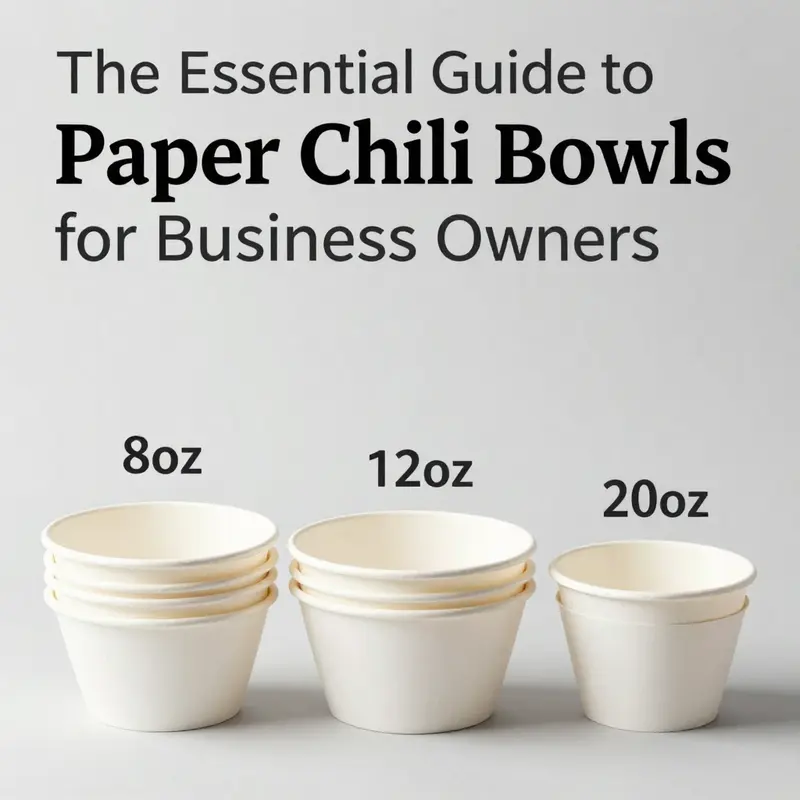
6 oz (approximately 180 ml): This smaller size is essential in settings focused on appetizers or sample servings. It is perfect for tasting events and portion-controlled diets, where less is often more. Such fittings allow guests to enjoy a variety of flavors without being overwhelmed by larger portions.
-
8 oz (approximately 240 ml): The most popular option for serving chili, this size strikes a balance between portion control and satisfaction. It typically accommodates a meal’s worth of chili, aligning with standard serving sizes of 1 to 1.5 cups. Its versatility makes it suitable not only in individual settings but also as part of buffet or restaurant service, where customers can enjoy a hearty serving without excessive waste.
-
12 oz (approximately 360 ml): Often found in high-volume settings like food trucks and festivals, the 12 oz bowl delivers generous portions expected by those attending large events. It responds to the common desire for more substantial servings, making it a popular choice among caterers and casual dining establishments.
These size variations cater to individual cravings and communal feasting alike, allowing service providers to offer flexible options tailored to the circumstances of any gathering.
Serving Capacities Analyzed
The serving capacities of paper chili bowls are carefully engineered, demonstrating a keen understanding of dining scenarios. For instance, while the 8 oz bowl provides complete meals, the 12 oz bowl serves well during large gatherings, efficiently catering to festivity demands. On the contrary, the 6 oz bowl is ideal for sampling events and appetizers, allowing patrons to experience multiple dishes. This adaptability plays a critical role in the food service industry, particularly when planning large-scale events where variety and portion management are paramount.
Additionally, the ability of these bowls to withstand hot, liquid-rich contents, such as chili, without leaking or failing complements their structural integrity and enhances their usability across diverse dining situations.
Material Composition Underpinning Functionality
The construction of paper chili bowls using eco-friendly kraft paper not only reinforces their commitment to sustainability but also contributes to their high-performance capabilities. As consumers increasingly demand products that align with environmental concerns, these biodegradable bowls represent a responsible choice that caters to eco-conscious diners. Most paper chili bowls integrate a moisture-resistant lining, typically polyethylene (PE) or plant-based PLA (polylactic acid), allowing them to maintain strength under high temperatures while retaining structural integrity.
The heat and moisture resistance of these bowls ensures they remain stable and functional regardless of the temperature of the contents. This is particularly significant when serving dishes with longer cooking times, where heat retention is essential, such as chili that simmers for hours. The reinforced walls prevent sagging, making them reliable for transport—an essential feature for catering and takeout services.
Production Capacity Considerations
An essential aspect of serving diverse dining needs is the production capacity of these paper chili bowls. Large-scale manufacturing, such as that from companies capable of producing up to 50,000 pieces daily, ensures that these bowls are readily available for busy kitchens and catering services. This scalability not only reflects modern consumer demands but also supports the restaurant and food service sectors in delivering consistent quality without sacrifice during peak times.
Specialized Uses and Innovations
Specialized culinary events, such as chili competitions or themed culinary fairs, demand more than just standard serving options. In such instances, innovative designs that combine functionality with creativity become invaluable. For example, during contests like the Chili Bowl Race, where flavor and presentation intertwine, bowls may be crafted from edible materials that retain shape and integrity under hot conditions. Creative variations can include bowls made from cheddar-jalapeño cornbread or masa harina shells, which not only underpin the chili’s flavors but become irresistible treats by absorbing its rich juices.
Such creative adaptations showcase how versatility in bowl design can elevate both the meal and the dining experience, aligning with growing trends toward experiential eating that emphasizes interactivity and flavor exploration.
Conclusion
In summary, the diverse size variations of paper chili bowls—from the petite 6 oz to the hearty 12 oz—grant flexibility and practicality across different dining settings. Their eco-friendly composition significantly addresses modern consumers’ desire for sustainable options, while robust construction supports the demands of heat and moisture that come from serving popular chili dishes. By understanding these aspects, food service providers can make informed decisions, ultimately enhancing the overall dining experience. As the food landscape continues to evolve, so too will these paper chili bowls remain pivotal in supporting both individual preferences and broader culinary trends.
2. Navigating the Ecological Trade-offs of Paper Chili Bowl Sizes and Their Impact on Sustainability
The environmental and economic implications of paper chili bowls, particularly when examining size variations and serving capacities, reveal a complex interplay between material efficiency and user convenience. This balance is vital for food service providers aiming to adopt eco-friendly practices while catering to consumer demands.
Material Requirements and Environmental Impact
As consumers increasingly gravitate toward sustainable options, the growth in popularity of larger paper chili bowls—such as the robust 20oz variants—highlights significant environmental and operational considerations. Larger bowls necessitate the use of thicker paper stock and often require additional structural reinforcements such as corrugated bases and side ribs. These enhancements serve to maintain the bowl’s integrity under the weight of hot, liquid-rich offerings, addressing concerns over spills and leaks. The crucial internal coatings, typically made of polyethylene (PE) or biodegradable films, mitigate moisture exposure and prevent collapsing—a primary function that influences a bowl’s usability during service.
However, the increased material requirements associated with larger bowls come at an environmental cost. The production of more substantial, reinforced bowls naturally leads to a higher carbon footprint, driven by increased raw material extraction and transportation emissions. This impact is compounded by the energy-intensive manufacturing processes required for thicker paper products. As the food service sector continues to expand, understanding these environmental costs becomes essential for industry stakeholders striving for greener operations.
Yet, economic benefits counterbalance this environmental impact in specific contexts. For instance, by providing larger serving sizes, food service operators can enhance customer satisfaction while reducing food waste linked to spillage or the need for multiple bowls. This is particularly advantageous in high-volume settings such as food trucks, catering events, and fast-casual restaurants, where operational efficiency translates into cost savings. In these cases, a well-constructed 20oz paper chili bowl may provide a dual benefit of reducing waste while delivering a positive consumer experience.
Smaller Bowls and Resource Efficiency
In contrast, smaller bowls, such as the 8oz and other mini-portion variants, represent a more resource-efficient option. These designs require less raw material, which simplifies the production process and lowers both energy consumption and greenhouse gas emissions. With fewer materials involved, the ecological footprint of manufacturing smaller bowls is markedly reduced, making them a sensible choice for establishments prioritizing sustainability.
Moreover, smaller bowls encourage better portion control, which can lead to significant cost savings in food service operations. By minimizing ingredient expenses per serving, businesses can optimize their operational budget while catering to consumer preferences for variety and healthier portion sizes. Facilities such as meal prep services or school cafeterias can particularly benefit from adopting smaller bowl dimensions without compromising the quality of their offerings. Even in compact designs, the use of PE film or compostable linings assures effective moisture and grease resistance, maintaining bowl functionality while adhering to sustainable practices.
This proactive design approach aligns with emerging market trends, including the growing availability of biodegradable and compostable paper options made from renewable resources, such as sugarcane bagasse and bamboo. The introduction of such materials further enhances the appeal of smaller bowls in environmentally conscious settings, ensuring functionality while promoting sustainability in food packaging.
Trade-offs Between Functionality and Sustainability
Ultimately, the considerations around bowl size extend beyond mere materials and production methodologies. The choice between larger and smaller paper chili bowls embodies a significant trade-off between functional durability—which supports an enjoyable eating experience—and ecological efficiency, which aims to minimize environmental impact. Larger bowls can indeed offer benefits by reducing food waste and providing convenience, particularly when designed to hold heavy, liquid-laden dishes. This added functionality often justifies their increased material use when viewed through the lens of overall sustainability objectives.
Conversely, while smaller bowls are efficient in lower-impact scenarios, they may struggle with heavier dishes that could compromise their structural integrity. In settings where a single-serving experience is paramount, the success of these bowl sizes will potentially hinge on careful engineering and the right materials that offer both performance and environmental assurance.
Current Industry Trends
Recent industry data underscores a growing movement towards standardized high-performance paper bowls in the food service sector. Many brands are aligning their products with sustainability standards, which illustrate the importance of compostability, such as ASTM D6400 certification among paper-based food containers. This shift not only highlights the dedication to reducing plastic waste but also emphasizes how well-considered size selection can play a crucial role in supporting environmental stewardship while ensuring economic viability.
This trend reflects the industry’s recognition of the need for dual responsibility—serving both consumer satisfaction and ecological conservation. Size selection must increasingly be informed by operational needs, environmental goals, and consumer expectations, allowing food service entities to navigate the complexities of sustainable practices effectively.
As customers demand more environmentally friendly choices, the design and use of paper chili bowls will need to evolve continually. Balancing the need for adequate serving sizes with ecological consciousness will shape the future of disposable food packaging in a manner that supports both sustainability and the evolving food culture.
For additional insights into sustainable paper foodservice packaging and best practices in material selection, refer to the Sustainable Packaging Coalition resources on paper-based foodservice packaging.
Chapter 4: Understanding the Environmental Footprint: Paper Chili Bowls Versus Their Competitors
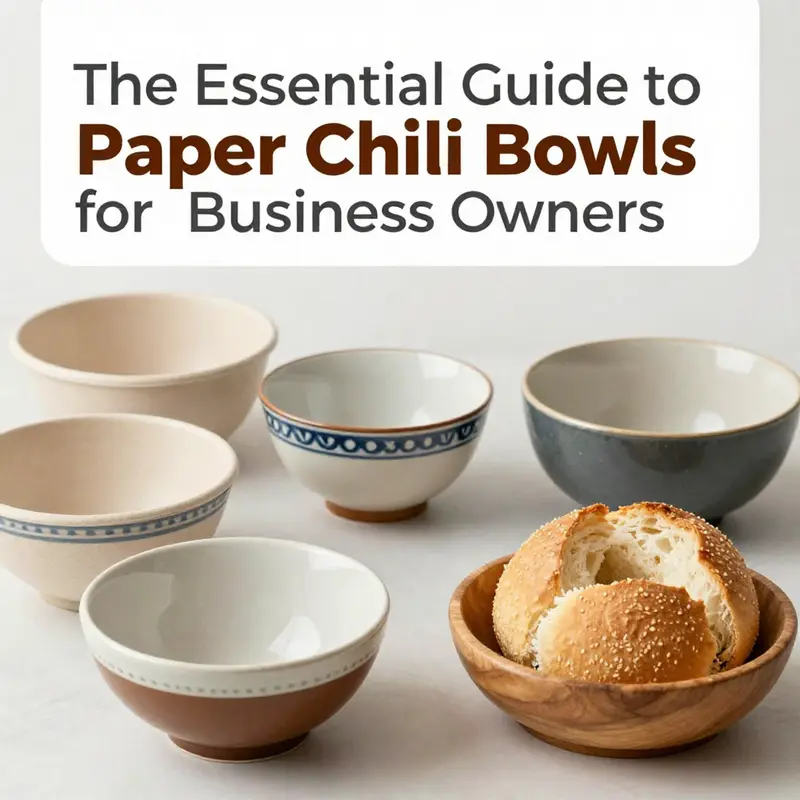
1. Exploring Material Sustainability: The Case for Paper Chili Bowls and Alternatives
When evaluating the serving options available for hot, liquid-rich foods like chili, the discussion extends beyond mere functionality to the crucial realms of material sustainability and environmental impact. Paper chili bowls have emerged as a popular choice due to their practical design and biodegradable nature, especially when compared to their plastic and Styrofoam counterparts. Understanding the nuances of their material composition can significantly inform consumer choices and impact broader environmental outcomes.
The Materials Behind Paper Chili Bowls
At the core of paper chili bowls lies kraft paper, a robust and versatile material derived from wood fibers. This renewable resource is not only strong but also biodegradable, offering an effective solution for those seeking eco-friendly food containers. Enhanced performance characteristics are achieved through moisture-resistant coatings, primarily polyethylene (PE) or plant-based alternatives like polylactic acid (PLA).
PE is commonly used to provide leak resistance, making bowls capable of holding hot liquids without compromising their structural integrity. However, the environmental implications of using PE are significant; while it enhances functionality, PE-coated bowls are not compostable and can disrupt recycling streams. This is a critical consideration for businesses and consumers eager to embrace sustainability. On the other hand, PLA-lined bowls, crafted from renewable plant sources, offer a more environmentally sound option. They are fully compostable under industrial composting conditions, aligning them more closely with principles of a circular economy.
Some of the most sustainable products available today are those made from 100% sugarcane fiber. These bowls are not only compostable but also free from harmful chemicals, providing a wholesome option for serving hot meals. This form of packaging is entirely biodegradable, making it an excellent choice for eco-conscious diners and businesses keen to minimize their environmental footprint. Thus, paper chili bowls made from renewable materials provide a pathway toward reducing dependence on finite resources while maintaining the necessary performance for serving hearty dishes.
Evaluating Plastic and Styrofoam Alternatives
Alternative serving vessels, such as plastic containers and Styrofoam bowls, often come to mind when discussing convenience and durability. Plastic options made from materials like polyethylene terephthalate (PET) or polypropylene (PP) are prevalent in food service; however, they are derived from fossil fuels, meaning their production contributes to greenhouse gas emissions. Moreover, conventional recycling rates for plastics are alarmingly low due to contamination and inadequate infrastructure, often resulting in plastics ending up in landfills or the ocean.
Styrofoam, or expanded polystyrene, poses additional challenges. Its lightweight design is appealing, but its long decomposition timeline and problematic recycling processes render it an unsustainable option. When exposed to heat, Styrofoam can leach harmful substances, such as styrene, into food, raising health concerns. These factors highlight the drawbacks of relying on plastic and foam containers in a disposable food service environment. The environmental costs associated with producing and disposing of these materials create a compelling argument for transitioning to more sustainable alternatives like paper chili bowls.
Weighing Environmental Impact and Functionality
In making a choice between paper chili bowls and plastic or Styrofoam, it is crucial to consider both functionality and environmental responsibility. For instance, while PE-coated paper bowls may provide excellent resistance to moisture and heat, this performance comes at the potential cost of end-of-life recyclability. Hence, the call to action for consumers and businesses is to favor truly compostable products, such as those with PLA or sugarcane fiber linings, instead of lesser options that rely on petroleum-based coatings.
The Need for Certification and Awareness
As consumers become increasingly aware of their choices’ environmental implications, the importance of verifying sustainability claims cannot be overstated. Certifications such as BPI (Biodegradable Products Institute) or TÜV OK Compost can guide customers in choosing products that genuinely meet compostability standards. Awareness of these certifications facilitates informed decisions and encourages manufacturers to maintain high ecological standards.
For businesses, offering certified compostable paper chili bowls can align branding with environmental consciousness and resonate with an eco-friendly customer base. This alignment not only supports sustainability goals but can also enhance customer loyalty in a consumer landscape that increasingly prioritizes environmental responsibility.
Conclusion: Advocating for Sustainable Choices
In summary, when considering the impacts of material and sustainability, uncoated or PLA-lined paper chili bowls represent a superior choice over conventional plastic and Styrofoam options. These eco-friendly alternatives effectively reduce reliance on fossil fuels, lower carbon emissions, and allow for safer decomposition in natural environments. While PE-coated bowls may provide functional benefits in specific contexts, increasing awareness and demand for truly compostable products must guide purchasing decisions. As the food service industry evolves, embracing sustainable practices and materials, like paper chili bowls, can pave the way for a more environmentally friendly future.
Ultimately, the decision rests upon balancing utility, cost, and environmental stewardship, favoring plant-based, certified compostable materials to create a positive legacy for our planet. By embracing these sustainable choices, the food service industry can lead a transformative shift toward more responsible consumption patterns without compromising the quality of the dining experience. For a deeper dive into innovative, eco-friendly serving solutions, explore options that prioritize sustainability and performance here.
2. Paper Chili Bowls vs. Reusable Alternatives: Innovations in Food Packaging and Serving
As the food service industry continues to evolve, the choice of serving options for hot dishes like chili, soups, and stews becomes increasingly significant. Among the variety of containers available, paper chili bowls have gained a reputation for their practicality, eco-friendliness, and ability to sustain high temperatures. Crafted primarily from kraft paper, these bowls are designed to handle moisture and heat, thus maintaining the integrity of the food contained within. The integration of a moisture-resistant inner lining—typically made of polyethylene (PE) or the more sustainable polylactic acid (PLA)—ensures that they remain leak-proof, even under demanding conditions. This development is crucial for those in fast-casual dining and event catering, where customers expect reliable, spill-free service.
Despite the clear advantages of paper chili bowls, the conversation about soup and stew containers must consider alternative options, particularly reusable materials. Porcelain, glass, and melamine are traditional serving mediums that offer exceptional durability and long-term value. For instance, vitrified porcelain is not only aesthetically pleasing but is engineered to withstand the rigors of commercial settings—chip resistance, dishwasher safety, and a heat tolerance of up to 450°F. Bowls like the Actualite collection underscore this durability with warranties that extend for up to five years, highlighting the focus on lifetime usability rather than one-time waste generation.
In contrast, while paper chili bowls are predominantly single-use, their eco-friendly composition merits consideration. Sourced from renewable materials, they offer a sustainable substitute to plastic, although it is essential to note the limitations in recycling—particularly for PE-coated variants. PLA-coated bowls, a newer innovation, present compostability; however, they require industrial composting facilities, which are not uniformly accessible. This distinction invites a thoughtful debate about the best practices for waste management in food service, weighing the conveniences of disposability against the long-term sustainability of reusables.
Technological advancements have played a pivotal role in reshaping the landscape of food serving. Innovations such as digital ordering systems and smart packaging enhance customer experiences and operational efficiencies. For instance, temperature-sensitive lids and secure sealing methods like press-fit and tab-lock systems are augmenting the portability of food containers across the spectrum, including biodegradable paper bowls. These innovations ensure a better delivery experience by preventing leaks, signaling that contemporary food service is not just about holding food but about promoting seamless customer interactions.
This technological evolution also extends into how we perceive food presentation. The advent of beautifully designed reusable bowls offers both functionality and aesthetic pleasure, transforming the dining experience from mere sustenance to an artful occasion. Products made from glass or ceramic allow restaurants to create a specific ambiance, serving as a carrier of culinary creativity while fulfilling practical needs. The eye-catching interpretations of classic dishes in these materials can elevate guest engagement significantly when compared to their disposable counterparts, which prioritize practicality over elegance.
Even while advocating for reusables, it is vital to acknowledge developments in disposable formats. For example, the introduction of bagasse—a byproduct of sugarcane processing—as a biodegradable alternative for food containers emphasizes ongoing upgrades in sustainable materials. These alternatives are not only environmentally friendly but also display impressive functionality, allowing food to be served without compromising safety or quality. Options like these enable food service operators to meet both customer demands for sustainability while still adhering to everyday operational needs.
Ultimately, the decision between paper chili bowls and their reusable counterparts intertwines with shifting consumer expectations. The modern diner is increasingly aware of ecological footprints, favoring establishments that prioritize sustainable practices. Paper chili bowls and alternatives became critical influencers in this space, pushing vendors toward eco-conscious decisions. As the line between casual dining and sustainability continues to blur, the rise of innovative food serving solutions encourages an exploration beyond conventional waste management practices.
As the market responds to consumer desires for sustainability without sacrificing convenience, it creates an environment ripe for collaboration among providers and users alike. Whether it’s embracing the convenience of disposables or investing in the long-term benefits of reusable products, understanding the enhanced capabilities of current innovations will ultimately lead to more informed choices. With options like biodegradable paper bowls and long-lasting ceramic dishes readily available, food service establishments hold greater responsibility in directing customers towards practices that promote health and environmental welfare.
By choosing wisely between paper options and classic reusables, food service businesses can enhance their brand values while simultaneously building deeper connections with eco-conscious patrons. As these trends evolve, they shed light on the future of food serving, where innovation will continue to play an integral role in balancing convenience, cost, and environmental responsibility. For those looking to explore more about the innovative approaches to disposable and reusable serving solutions, various platforms showcase the latest advancements in sustainable food packaging offered in the market today, illustrating the transformative possibilities inherent in both choice realms.
Final thoughts
In conclusion, paper chili bowls serve as a versatile and sustainable option for food businesses, effectively combining material strength, heat resistance, and a variety of sizes. They present an ideal solution for serving hot, liquid-rich dishes, ensuring that food remains safe and appetizing for customers. On top of their practical benefits, these bowls align with eco-friendly practices that can enhance your brand’s appeal. As you consider your packaging and serving options, paper chili bowls stand out as a valuable investment for any food service operation.
Choose our reliable disposable tableware and packaging solutions for your business. We offer quality products that meet safety standards, with fast delivery and flexible options. Partner with us today to elevate your service – contact our team now for a tailored quote!
About us
We specialize in manufacturing and supplying disposable tableware, packaging paper, and boxes. With years of experience, we prioritize safety, durability, and eco-friendly practices. Our goal is to provide businesses with trusted, cost-effective solutions backed by responsive customer support.