
Introduction
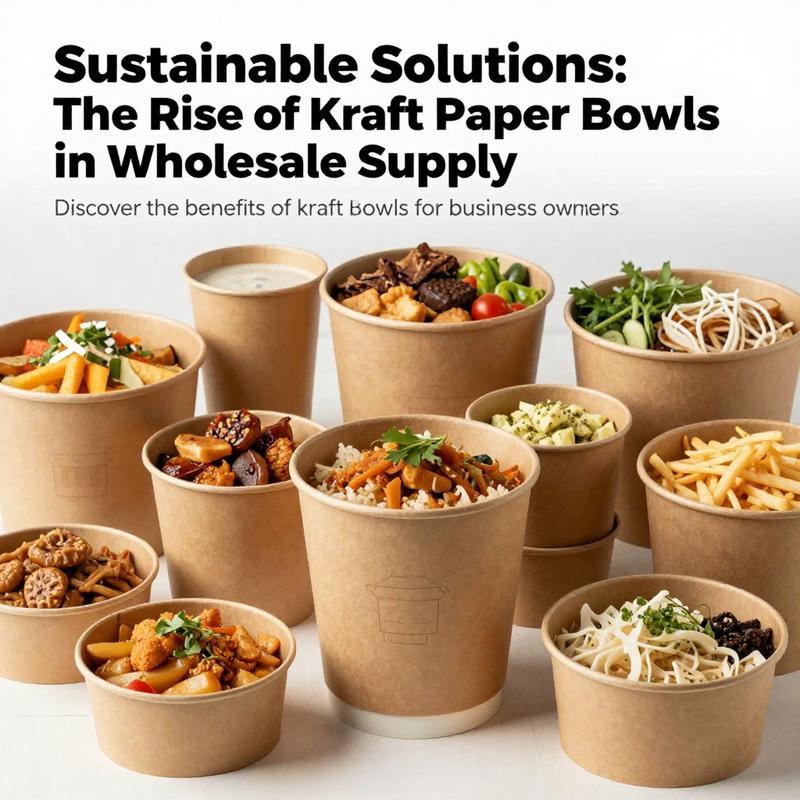
Kraft paper bowls have emerged as a prominent choice in the food service industry, appealing to business owners seeking sustainable, customizable, and reliable packaging solutions. This article provides an in-depth examination of the kraft paper bowl wholesale market, covering essential elements such as the range of sizes and customization options available, the standards of manufacturing quality and safety, pricing dynamics based on order volume, suppliers and their global reach, and the broader trends driving consumer demand for sustainable products. By exploring these facets, we aim to equip business owners with the knowledge necessary to make informed purchasing decisions in today’s eco-conscious marketplace.
Tables of Contents
Chapter 1: Kraft Paper Bowl Wholesale: Tailored Sizes and Custom Features for Every Need
- Kraft Paper Bowl Wholesale: Versatile Sizes and Customization for Distinct Culinary Experiences
- Harnessing Sustainability: The Eco-Friendly Revolution of Kraft Paper Bowls
Chapter 2: Kraft Paper Bowl Wholesale: Upholding Manufacturing Standards for Quality and Safety
- Kraft Paper Bowl Wholesale: Ensuring Quality and Safety through Material Composition
- Kraft Paper Bowl Wholesale: Navigating Safety Standards and Compliance Essentials
Chapter 3: Navigating the Pricing Landscape of Kraft Paper Bowls: Unlocking Value through Volume
- Understanding the Economic Advantages of Bulk Purchasing Kraft Paper Bowls
- Unleashing Potential: The Synergy of Order Volume, Cost Efficiency, and Customization in Kraft Paper Bowls
Chapter 4: Kraft Paper Bowl Wholesale: Tapping into the Green Revolution in Food Packaging
- Kraft Paper Bowl Wholesale: Understanding Market Dynamics and Global Trends
- Streamlined Global Logistics and Supply Dynamics in Kraft Paper Bowl Wholesale
Chapter 5: Understanding Consumer Behavior in the Shift Towards Sustainable Kraft Paper Bowl Packaging
- Exploring the Increasing Consumer Demand for Eco-Friendly Kraft Paper Bowls
- Pioneering Sustainability: The Manufacturing Innovations Driving Kraft Paper Bowl Wholesale
Chapter 1: Kraft Paper Bowl Wholesale: Tailored Sizes and Custom Features for Every Need
1. Kraft Paper Bowl Wholesale: Versatile Sizes and Customization for Distinct Culinary Experiences
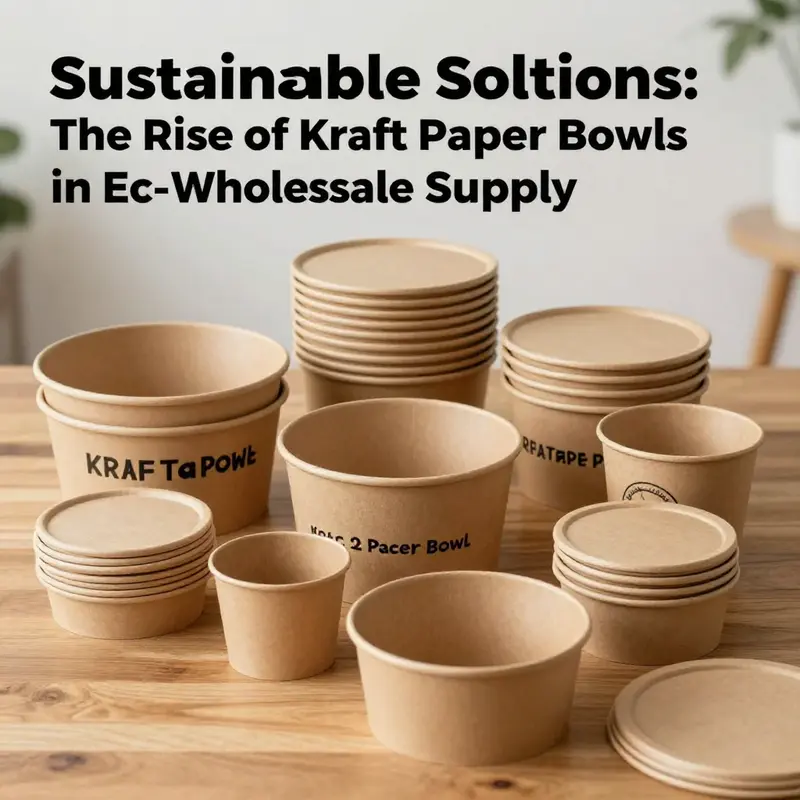
Kraft paper bowls have become an indispensable asset across the food service, retail, and event industries due to their adaptability and environmental benefits. Available in a variety of sizes, these versatile containers cater to an extensive range of culinary applications and portion requirements, making them a go-to option for businesses seeking to enhance both functionality and presentation.
The sizes offered in the wholesale kraft paper bowl market provide flexibility to suit different food types. Common capacities include 500ml, 750ml, 1000ml, 1100ml, 1300ml, and even up to 1500ml. Each of these options is thoughtfully designed to accommodate specific dishes—whether it’s a hearty soup, a fresh salad, or indulgent desserts. The 500ml bowl is ideal for side dishes or small portions, while the larger 1300ml or 1500ml bowls can hold substantial meals, providing a perfect solution for takeout and catering services. By offering this range of sizes, suppliers empower businesses to select the container that best aligns with their menu offerings and customer preferences, optimizing the dining experience and ensuring satisfaction across different clientele.
A significant highlight of wholesale kraft paper bowls is the vast array of customization options available, enabling businesses to differentiate themselves in a competitive market. Custom printing services allow companies to showcase their logos, brand colors, and unique designs directly on their packaging. This personalization not only enhances brand visibility but also creates a visually cohesive look that reinforces a business’s identity. Engaging packaging often encourages social media sharing, with customers showcasing their meals in eye-catching bowls, thus amplifying organic marketing efforts. Furthermore, different printing techniques, such as flexography and offset printing, allow for high-quality graphics that can elevate the overall presentation of food products, making them more enticing to potential buyers.
Functionality is crucial in the design of kraft paper bowls, contributing to their appeal as practical food containers. Many bowls come equipped with matching lids, which are available in biodegradable styles or resealable options. These features significantly enhance user experience, preserving the freshness and integrity of the food while also aiding in portion control during takeaway services. Lids with air vents help regulate temperature, preventing condensation from affecting the quality of the food, particularly for hot items such as soups and stews. By incorporating these thoughtful design elements, kraft paper bowls address common challenges faced by food service operators, ensuring that meals reach customers in prime condition.
Pricing is another compelling aspect of the kraft paper bowl wholesale market. For businesses aiming for cost-effective yet eco-friendly packaging, these bowls provide an attractive pricing structure, making it feasible for operators in high-volume settings. Bulk orders can start at remarkably low rates—approximately $0.01 per piece for quantities exceeding 50,000 items. This competitive pricing model allows food enterprises to reduce operational costs while supporting a sustainable packaging choice, directly aligning with the increasing consumer preference for environmentally responsible products.
Sustainability is not just a buzzword; it has become an essential consideration in today’s market. Kraft paper bowls are typically made from renewable resources, making them biodegradable and recyclable. This eco-friendly nature helps reduce the environmental footprint, appealing particularly to the growing number of consumers who prioritize sustainable options. As a result, brands utilizing kraft paper packaging can position themselves as socially responsible leaders in their industries, attracting customers who are increasingly motivated by eco-conscious practices.
For keen businesses interested in exploring current offerings and specifications—including packaging dimensions and minimum order quantities—they can refer to the range of verified suppliers available through reputable platforms. This information can help guide decision-making, ensuring businesses select the best-fit options for their unique needs.
The versatility of kraft paper bowls, compounded with their customizable features and eco-friendly aspects, positions them as a frontrunner in disposable food packaging. Whether used in restaurants, catering events, or food trucks, these bowls not only meet practical needs but also reflect a commitment to sustainability and brand identity. In a competitive food landscape, the ability to choose tailored sizes coupled with custom designs provides businesses with a distinctive edge, meeting diverse culinary demands and enhancing the overall customer experience.
2. Harnessing Sustainability: The Eco-Friendly Revolution of Kraft Paper Bowls
As the world grapples with the complexities of environmental degradation, systems of food service packaging are being re-evaluated, leading to an increased popularity of kraft paper bowls within the wholesale market. These bowls are not merely a packaging solution; they represent a shift in consumer consciousness towards sustainability and eco-friendliness. Crafted from 100% food-grade paper, kraft paper bowls are biodegradable and compostable, distinguishing themselves from conventional plastic containers, which have become synonymous with environmental harm. The fundamental attributes—renewability, minimal energy consumption during production, and end-of-life bio-compatibility—render these bowls a smart choice for modern food service operations aiming to champion sustainable practices.
The production of kraft paper bowls utilizes renewable resources, primarily wood pulp sourced from sustainably managed forests. This commitment to renewable materials is crucial. By supporting the sustainable forestry industry, businesses help mitigate deforestation and promote biodiversity. Furthermore, the energy used in producing kraft paper bowls significantly eclipses that required for plastic and metal alternatives, offering a more energy-efficient option that aligns with global efforts to lower carbon footprints.
One of the most compelling aspects of kraft paper bowls is their disposal method. Unlike their plastic counterparts, which persist in landfills for centuries, kraft paper bowls break down within weeks to months in composting environments. This rapid decomposition not only minimizes the volume of waste but also returns nutrients to the earth, thus enriching soil health. Without leaving behind harmful microplastics, kraft paper bowls encapsulate a holistic approach to sustainability—one that is integral to developing a circular economy that prioritizes the health of the planet.
Customization remains a key factor in the appeal of kraft paper bowls. Suppliers from regions like Hubei and Zhejiang in China recognize the need for versatile packaging solutions that can meet diverse requirements across various food types. They offer a broad range of customizable options, from sizing that accommodates various portions—such as 750ml to 1000ml bowls suitable for salads and soups—to material choices for lids (e.g., paper or PP). Such flexibility not only enhances the function of these bowls but also boosts their recyclability. Additionally, food service providers benefit from tailor-made branding solutions that engage consumers, leaving a lasting impression through thoughtful design.
Current market trends reveal a burgeoning demand for sustainable packaging solutions, driven primarily by shifting consumer preferences and stricter regulations impinging upon single-use plastics. As businesses adjust to these changes, many are opting for environmentally friendly alternatives like kraft paper bowls to capably satisfy eco-conscious consumer desires. Industry insights project a robust growth trajectory for kraft paper bowls across key global markets, including North America, Europe, and Southeast Asia, as more consumers seek to support businesses that prioritize sustainability.
Beyond the development of eco-friendly products, the practices adopted by suppliers also significantly contribute to sustainability narratives. Many companies provide pre-production samples to customers, allowing for quality assurance and confidence in material sourcing. This step not only bolsters trust between supplier and buyer but ensures adherence to sustainability claims. Manufacturers who include environmentally responsible practices in their supply chains foster a comprehensive sense of accountability within the food service industry.
In summary, the wholesale market for kraft paper bowls is not just about providing disposable food containers; it’s a reflection of shifting paradigms prioritizing sustainability, environmental consciousness, and responsible consumption. This evolution offers food service businesses the opportunity to align their operations with the growing consumer demand for environmentally friendly solutions. By choosing kraft paper bowls, companies not only meet basic operational needs but also play a critical role in advancing sustainability within their communities and industries. As consumers become increasingly aware of the consequences of their choices, investing in such holistic packaging solutions signifies a commitment to a healthier and more sustainable future.
For those looking for high-quality kraft paper bowls, numerous suppliers showcase their products online. By sourcing from reputable companies, food service providers can rest assured that they are contributing positively to the environment while catering to modern needs. Explore options available through trusted platforms to make informed choices that align with sustainable operations, ensuring that each meal served is complemented by commitment to eco-friendly practices.
Chapter 2: Kraft Paper Bowl Wholesale: Upholding Manufacturing Standards for Quality and Safety
1. Kraft Paper Bowl Wholesale: Ensuring Quality and Safety through Material Composition
Kraft paper bowls have gained substantial popularity in the food service industry, thanks to their eco-friendly nature and practicality. However, their widespread use in prepared food applications brings an imperative need for stringent manufacturing quality standards and the selection of appropriate materials. To maintain not only functionality but also safety and sustainability, manufacturers must adhere to rigorous specifications during the production process, making sure that the kraft paper, the primary component, meets the essential criteria for strength, durability, and safety in food contact.
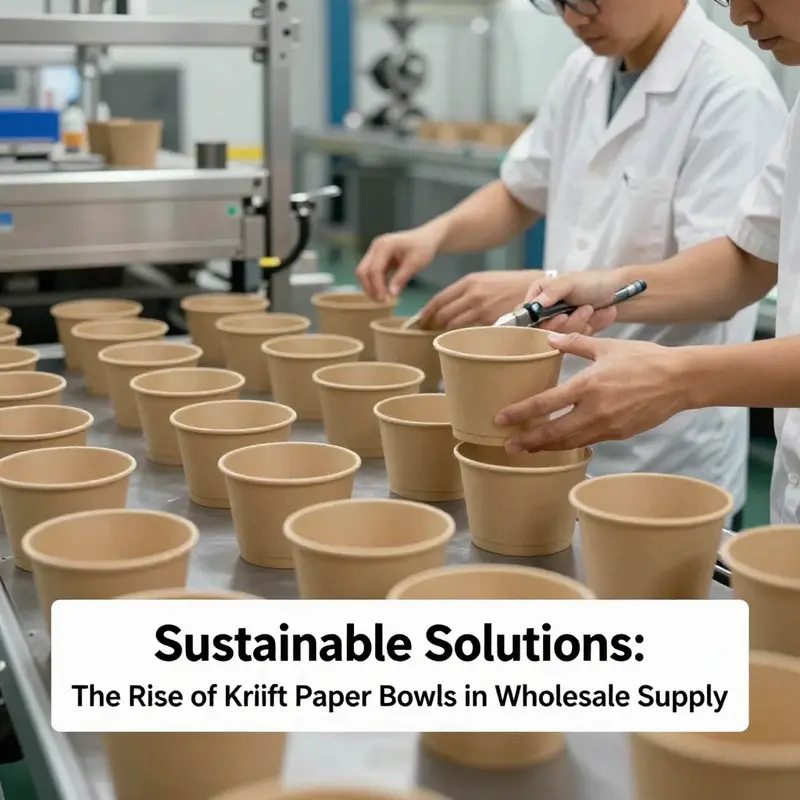
The manufacturing of wholesale kraft paper bowls revolves around high-quality kraft paper derived from wood fibers. The process by which kraft paper is produced lends it resilience. It is created through the kraft pulping process, known for preserving the long fibers of wood that impart exceptional strength and durability. For wholesale purposes, it is crucial that the kraft paper used has a minimum grammage of 230 gsm (grams per square meter). This weight ensures that the bowls can withstand both heat from hot foods and are robust enough to handle the physical stress of being filled and transported without losing their shape or integrity.
One of the key aspects of kraft paper bowls is the coatings applied for added safety and moisture resistance. These coatings serve to provide effective barriers against liquids and grease, ensuring the integrity of the food contained within. Commonly utilized treatments include food-safe waxes—such as soy wax or paraffin—which create a surface shield but may limit compostability. Alternatively, plant-based Polylactic Acid (PLA) coatings have emerged as a preferred choice among environmentally conscious manufacturers. Derived from renewable resources like cornstarch or sugarcane, PLA coatings are not only biodegradable but also contribute to the overall sustainability goals of modern packaging solutions. Both types of coatings must be certified under applicable international standards to ensure safety for direct food contact.
Compliance with food safety standards is non-negotiable for suppliers in the kraft paper bowl wholesale sector. High-quality products should be backed by certifications from recognized organizations. The FDA (U.S. Food and Drug Administration) certification ensures that the materials used in production are safe for consuming food. Similarly, GB4806.8, which is the Chinese national standard, regulates materials meant for food contact. Suppliers aiming for a strong foothold in European markets typically ensure their products meet LFGB, which is Germany’s stringent food safety regulation. Furthermore, achieving BRC (British Retail Consortium) certification speaks volumes about a manufacturer’s commitment to maintaining high-quality standards in packaging safety. The EUPR outlines the necessary steps to address environmental impacts directly related to packaging recyclability and sustainability.
Ensuring adherence to these certifications is only part of the equation. The production processes employed must also comply with certified standards. Manufacturers often undergo third-party audits, such as those conducted by SGS, which validate hygiene practices and environmental claims. This is crucial not only for compliance but also for instilling trust among businesses looking to source high-quality products. Leading suppliers, particularly in provinces like Fujian, Zhejiang, and Anhui in China, have invested heavily in state-of-the-art facilities that enable them to manage vertically integrated production systems. These systems encompass everything from pulp processing to automated forming and eco-coating technologies, ensuring they produce consistently high-quality bowls at scale.
For businesses venturing into the kraft paper bowl wholesale market, selecting suppliers who provide comprehensive documentation is essential. This includes detailed material composition reports and proof of relevant certifications. Such documentation not only validates the quality and safety of the products but also aligns with increasingly strict global environmental and food safety standards. Having this verification ensures that companies can rely on their suppliers to deliver products that stand up to scrutiny and meet consumers’ expectations regarding safety and recyclability.
In summary, the kraft paper bowl wholesale industry represents a significant opportunity for food service businesses to align with modern sustainability ideals while maintaining the highest quality standards. The demand for reliable kraft paper containers has never been higher, and with the right materials and manufacturing processes, these bowls can fulfill both functional and environmental needs effectively. For further information and sourcing options, businesses can explore recommended suppliers who specialize in customized and sustainable kraft paper solutions, ensuring they choose partners committed to both quality and environmental responsibility.
2. Kraft Paper Bowl Wholesale: Navigating Safety Standards and Compliance Essentials
Kraft paper bowls have become a staple in the food service industry, appreciated for their environmentally friendly properties and utility. However, the appeal of these disposable containers extends beyond mere practicality; safety standards and compliance play a pivotal role in ensuring their suitability for food contact. Sourcing these bowls wholesale necessitates familiarity with the stringent safety regulations that govern their production. Understanding these standards not only protects consumer health but also aids businesses in adhering to legal requirements across various markets.
One key standard influencing the production of kraft paper bowls is China GB 4806.8-2022. This national safety guideline outlines the necessary specifications for materials coming into direct contact with food, particularly focusing on paper and board. It guarantees that only food-grade virgin wood pulp is used, which is crucial for ensuring consumer safety when handling hot and cold food items. Notably, this certification is especially important for suppliers exporting to China or catering to domestic markets. It reinforces the reliability of the product and offers peace of mind for retailers and consumers alike.
In the United States, manufacturers must comply with FDA regulations concerning food contact substances. The FDA’s rigorous evaluation assesses the materials in packaging to ensure that no harmful chemicals leach into food under normal usage conditions. This compliance is crucial for businesses looking to penetrate the U.S. market, as it reflects a commitment to consumer protection and safety—a vital factor in maintaining brand reputation.
For the European markets, compliance with both EU CE marking and the LFGB (German Federal Institute for Risk Assessment) is mandated. These certifications affirm that the kraft paper bowls meet exhaustive food safety and environmental protection criteria. Particularly vital is the adherence to migration limits, which dictates how much chemical substance can migrate from the packaging material into food products. This standard is essential for maintaining the integrity of food items and ensuring they are safe for consumer consumption. The European focus on safety reflects broader consumer preferences for transparency and accountability in food packaging.
Additionally, in countries like Germany and France, adherence to Extended Producer Responsibility (EPR) standards is growingly significant. Being certified under EPR guidelines indicates a manufacturer’s commitment to eco-friendliness, emphasizing the recyclability, biodegradability, and responsible management of the product after its lifecycle ends. As sustainability becomes a more pressing issue for consumers, adherence to such standards will become an integral part of a business’s operational ethics and branding strategy.
Another critical aspect of safety compliance is material compliance. Many manufacturers leverage recycled kraft paper or waterproof-coated kraft paper to enhance the product’s durability while remaining eco-friendly. These materials undergo extensive testing for leaching and chemical stability, ensuring they can withstand contested environments such as microwaves without compromising food safety. Such diligence showcases a manufacturer’s commitment to quality and compliance with safety standards, setting a benchmark for sustainable food packaging practices.
For businesses seeking to source kraft paper bowls, it is imperative to collaborate with suppliers who can provide verifiable certificates of compliance. Transparency in manufacturing practices is non-negotiable when evaluating potential wholesale partners. Major production hubs, particularly in Fujian Province in China, present an opportunity to connect with certified suppliers capable of fulfilling bulk orders while maintaining compliance with international safety standards. For instance, manufacturers in this region often offer low minimum order quantities for orders, such as 5,000 units, while ensuring adherence to rigorous compliance mandates.
When assessing suppliers, utilizing platforms such as Alibaba can facilitate the search for manufacturers that meet these standards while allowing businesses to access a global market of compliant product options. Engaging with suppliers that prioritize safety and sustainable practices is not only pivotal for meeting consumer expectations but also for fostering long-term business viability in a competitive landscape.
Lastly, as businesses transition towards eco-friendly solutions, fostering relationships with suppliers who innovate in sustainable packaging is increasingly vital. With the growing consumer demand for environmentally conscious products, understanding and navigating the complexities of safety and compliance in kraft paper bowl manufacturing will aid businesses significantly. It is this commitment to quality, safety, and sustainability that fosters trust and enhances brand loyalty in the ever-evolving food service industry. For further exploration of kraft paper bowl options and supplier compliance, one can visit a relevant resource such as Cofe Cup’s customized offerings.
Chapter 3: Navigating the Pricing Landscape of Kraft Paper Bowls: Unlocking Value through Volume
1. Understanding the Economic Advantages of Bulk Purchasing Kraft Paper Bowls
Kraft paper bowls have emerged as a vital component of sustainable packaging in the food industry, aligning perfectly with the increasing consumer preference for environmentally responsible products. This growing demand not only underscores the ecological benefits of kraft paper but also highlights significant economic advantages tied to wholesale purchasing strategies. A key driver of cost efficiency in this market is the influence of order volume on pricing structures, shaped by factors such as customization and supplier capabilities.
Wholesale pricing for kraft paper bowls is particularly advantageous for businesses that commit to larger order volumes. Current market analysis reveals that bulk orders can help buyers take advantage of pricing incentives that reduce per-unit costs. For example, through platforms like Made-in-China.com, it is possible to acquire standard kraft paper bowls for as little as $0.01 per unit when ordering quantities exceeding 500,000 pieces. Suppliers in regions such as Zhejiang province, China, have perfected the supply chain efficiencies necessary for such pricing, leveraging advanced production technologies and streamlined logistics. These manufacturers not only guarantee timely deliveries—some achieving 100% on-time performance—but also enhance economic viability for their clients through matured operational practices.
Conversely, smaller orders still yield competitive pricing. Businesses looking to source kraft paper bowls in quantities around 30,000 units can expect prices to start around $0.029 per piece. Though customization incurs additional costs, the overall affordability remains strikingly competitive, especially when considering the long-term branding opportunities. Custom-designed bowls—inclusive of ripple patterns or personalized lids—offer restaurant owners a chance to enhance brand visibility while retaining cost-effectiveness. The colorful prints and unique designs serve as marketing touchpoints that engage customers and foster social media presence, particularly for establishments like coffee shops and smoothie bars that thrive on aesthetic appeal.
The concept of economies of scale plays a crucial role in this pricing paradigm. Understanding how to operate within these dynamics can unlock substantial advantages for buyers. For instance, those placing orders between 1,000 and 3,000 units typically face per-unit costs in the range of $0.01 to $0.02. Meanwhile, pushing orders above 10,000 units collapses costs significantly, often bringing prices below $0.015 per bowl. This nonlinear relationship between volume and cost emphasizes the importance of detailed demand forecasting. Companies that can accurately predict their consumption rates and consolidate supply orders accordingly will enjoy not just immediate price reductions but also enhanced supplier relationships built on volume commitment. Additionally, many suppliers recognize the value of forging strong partnerships with their clients, evidenced by services offering free samples—usually priced at around $0.01—allowing businesses to evaluate product quality before embarking on substantial orders.
To further illustrate the economic benefits of strategic procurement in the kraft paper bowl market, consider a scenario where a business anticipates growing its market share through a seasonal promotion. By adjusting its procurement length to align with expected demand surges, the business can avoid the pitfall of overstocking while still negotiating optimal pricing based on economies of scale.
It is also noteworthy that many suppliers are actively investing in eco-friendly practices. This focus on sustainability not only elevates the environmental profile of kraft paper bowls but may also lead to favorable pricing in the future as regulatory pressures on plastic waste continue to mount. The appeal of kraft paper bowls echoes the ethos of modern consumers who are increasingly inclined to support brands that prioritize ecological responsibility.
Market players must remain agile in identifying and harnessing these economic opportunities, emphasizing solid relationships with reputable suppliers. A network of trustworthy partners facilitates greater agility in responding to market fluctuations—be it changes in consumer preferences or variations in raw material pricing. The benefits reaped extend beyond mere transactional savings; strong supplier ties can ensure quality assurance, faster turnaround times, and reliable support in the pursuit of customer satisfaction.
In conclusion, understanding the pricing landscape of kraft paper bowls is not just about the unit cost but involves a comprehensive appreciation of how order size, supplier dynamics, and strategic procurement work in tandem to effectuate tangible economic advantages. By adopting an informed approach to procurement that explicitly leverages the power of bulk buying, food service businesses can significantly mitigate costs while enhancing their sustainability credentials—an essential dual focus in today’s eco-conscious market.
For those interested in exploring an extensive selection of customizable options and learning how kraft paper bowls can be integrated into their business practices, further details can be found in the product listings at senang eco-friendly customizable kraft bowls.
2. Unleashing Potential: The Synergy of Order Volume, Cost Efficiency, and Customization in Kraft Paper Bowls
The dynamics of kraft paper bowl wholesale partnerships illustrate a direct relationship between order volume and both cost efficiency and customization potential. As the foodservice industry increasingly leans toward sustainable packaging options, understanding these dynamics is crucial for businesses aiming to thrive in a competitive market. By leveraging higher order volumes, companies stand to gain significant financial and strategic benefits that cater to a growing demand for eco-friendly goods.
At the core of this relationship is the principle of economies of scale. When businesses purchase kraft paper bowls in bulk, they can realize cost reductions of up to 30%. This savings stems from streamlined production processes, lower material costs, and reduced logistics expenses. Key suppliers, particularly those in Zhejiang province—notably in cities like Wenzhou and Ningbo—have optimized their operations through advanced manufacturing techniques and robust supply chains. Companies such as Wenzhou Baoshijie Technology Co., Ltd., which has achieved a 100% on-time delivery rate, exemplify how localized knowledge and technology can create outstanding purchasing experiences for clients. Higher order volumes thus not only maximize cost-efficiency but also ensure reliable, timely deliveries crucial for maintaining customer satisfaction.
Moreover, this bulk purchasing power comes with enhanced customization capabilities. Suppliers equipped to handle larger orders often offer an array of customization options, from tailored sizes to decorative printing. For instance, businesses engaging with suppliers like Ningbo Beixuan International Trading Co., Ltd. can embark on unique projects that align with their branding strategies, making it possible to integrate logos and specific color schemes into their packaging. This not only beautifies the product but fortifies brand presence in the marketplace. Importantly, while standard designs are widely available, customization happens more practically and cost-effectively when integrated into larger production runs, as set-up costs are diluted across a more extensive order base. Thus, a substantial order not only enhances the visual appeal of every single bowl but can help create a cohesive customer experience that differentiates a brand in a cluttered field.
Sustainability also becomes a critical factor when contemplating the total lifecycle impact of kraft paper bowls. With environmentally conscious consumers becoming more prevalent, choosing biodegradable options like kraft paper lids is an advantageous marketing strategy that aligns with their values. B2B buyers can not only meet the demand for sustainable packaging but also capitalize on the cost effectiveness by securing bulk orders of these eco-friendly alternatives. In this context, sustainability and order volume are entwined; businesses committed to responsible sourcing can find significant savings while contributing positively to environmental goals.
Furthermore, customization and sustainability must also consider the long-term operational needs of businesses. The flexibility to adapt to seasonal demand or promotional events can provide competitive advantages. For instance, restaurants may wish to offer holiday-themed designs or limited editions with specific branding. In scenarios such as these, having the capacity to increase or decrease order volumes without a steep financial burden is a critical asset. With suppliers welcoming minimum order quantities (MOQs) as low as 5,000 pieces, this accessibility paves the way for even smaller businesses to explore customizable options without substantial upfront investments.
All these functionalities come together to support a bidirectional relationship; as businesses save costs through bulk purchasing, they simultaneously increase their marketing initiatives via unique branding opportunities. Each customized cup or bowl acts as a messenger for the brand, enhancing customer engagement and potentially improving repeat patronage. This confluence of cost control and innovative marketing strategies offers a methodological advantage to those willing to engage whole-heartedly with the kraft paper bowl wholesale market.
In conclusion, navigating the inner workings of order volume dynamics equips businesses with the clarity needed to make informed purchasing decisions. By understanding and exploiting the synergy between cost efficiency and customization, companies can enhance operational flexibility, engage in sustainable practices, and ultimately position themselves for success in ever-evolving consumer landscapes. The kraft paper bowl wholesale market stands out not just as a source of packaging, but as a strategic realm to elevate brand value and sustainability ethos. As businesses seek reliable sourcing from verified suppliers, such as those listed on platforms like Made-in-China.com, they can explore further customized solutions that meet their unique needs in this growing sector.
For anyone interested in exploring more options, websites such as Cofe Cup provide numerous products that illustrate the varied applications of kraft paper bowls, blurring the lines between function and form while upholding eco-friendly principles.
Chapter 4: Kraft Paper Bowl Wholesale: Tapping into the Green Revolution in Food Packaging
1. Kraft Paper Bowl Wholesale: Understanding Market Dynamics and Global Trends
The wholesale market for kraft paper bowls stands at the intersection of environmental sustainability and commercial viability, capturing the attention of businesses across various sectors, especially in food service and retail. As the shift away from single-use plastics gains momentum, kraft paper bowls have emerged as a favored alternative. With their inherent eco-friendly properties and versatile applications, they not only meet consumer demand but also align with global sustainability trends, making them indispensable in modern food packaging.
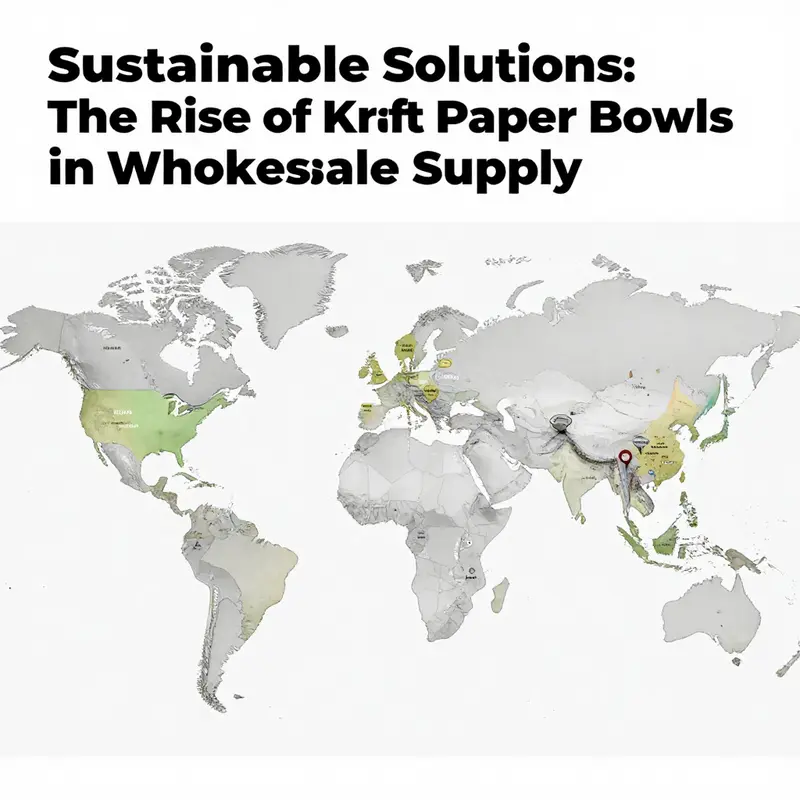
At the heart of the kraft paper bowl market is China, the leading manufacturer and exporter. China’s extensive production capabilities are unmatched, thanks largely to its well-established supply chains and advanced technology. Cities within provinces like Zhejiang, Fujian, and Anhui have cultivated industrial clusters that not only produce at scale but also innovate in terms of sustainability. For example, in Zhejiang, manufacturers employ automated machinery and use advanced materials, such as PLA (polylactic acid) coatings, which enhance moisture resistance while maintaining food safety standards. This focus on quality and efficiency positions China as a central player in catering to global needs.
Zhejiang Province, home to cities like Ningbo and Wenzhou, has become synonymous with high-volume production of disposable kraft products. These hubs leverage logistical advantages and cutting-edge manufacturing processes that allow companies to meet international standards with ease. Similarly, Fujian and Anhui are rising stars; Fujian’s capacity for vertical integration—from pulp processing to final production—facilitates quality control and reduces costs. Meanwhile, Anhui’s burgeoning status as a “green manufacturing” leader can be attributed to governmental support for environmentally friendly initiatives, creating a sustainable pathway in production processes.
The global distribution of kraft paper bowls from China extends to a wide array of markets, including North America, Europe, and Southeast Asia. Suppliers consistently cater to international demands, showcasing a robust understanding of regional preferences and material standards. Certifications such as FDA and LFGB validate product safety for food contact, while FSC labels highlight the sustainable sourcing of raw materials. These assurances of quality and safety are crucial, allowing businesses around the world to trust in their suppliers.
Customization options further enhance the appeal of kraft paper bowls within the wholesale market. Suppliers can facilitate custom printing, logo placements, and tailored sizes, ensuring that brands can convey their identity through packaging. This shift toward personalized packaging is particularly relevant for businesses seeking to stand out in competitive markets. The ability to create branded, visually appealing packaging elevates the consumer experience while offering practical benefits—such as reduced spillage and improved temperature retention through the use of matching paper or plastic lids. With prices as low as $0.04 per unit for bulk orders, companies can achieve cost-effective solutions without compromising quality.
However, beyond pricing and customization, another compelling facet of the kraft paper bowl market is its alignment with sustainability objectives. As businesses increasingly adopt corporate social responsibility (CSR) frameworks, the demand for recyclable and biodegradable packaging options continues to rise. Kraft paper bowls fit neatly within these sustainability narratives, offering an environmentally sound alternative to conventional plastic containers. They are made from renewable resources and are often biodegradable, making them a prime choice for companies looking to enhance their green credentials.
Platforms like Made-in-China.com serve as vital resources for B2B buyers, providing comprehensive supplier listings that streamline the sourcing process. These platforms verify suppliers through third-party audits, ensuring that they meet global compliance standards and are capable of reliable mass production. Navigation becomes easier with performance metrics and audit certifications providing transparency on supplier reliability, fostering confidence among potential buyers.
Amidst these dynamics, notable trends are beginning to shape the future of kraft paper bowls. The continuous push toward reducing environmental impacts is leading to innovations not only in materials but also in production methods. The rise of automation brings increased efficiency and precision to manufacturing processes. Furthermore, as more consumers and businesses call for sustainable solutions, the range of available products is constantly expanding to include more eco-friendly options tailored to specific needs, such as greaseproof formulations for hot foods or sturdy designs for cold desserts.
With a growing emphasis on environmentally conscientious consumption, the kraft paper bowl wholesale sector is poised for further expansion. As businesses navigate the complexities of sustainability and consumer expectations, the strategic sourcing of kraft paper bowls from verified suppliers presents an opportunity to marry effective branding with ecological responsibility, ultimately enhancing both corporate image and market reach. Each bowl represents not just a vessel for food but a statement of intention—a commitment to a more sustainable and responsible future in dining. This places kraft paper bowls at the forefront of the evolving food packaging landscape, ensuring they remain relevant as businesses continue adapting to consumer demands and regulatory pressures.
2. Streamlined Global Logistics and Supply Dynamics in Kraft Paper Bowl Wholesale
China has firmly established itself as the epicenter of the kraft paper bowl wholesale market, acting as the primary production hub for this sustainable packaging option. The country’s formidable manufacturing capabilities stem from an advanced industrial framework, ready access to raw materials like wood pulp, and a sophisticated logistics infrastructure. This synergy contributes to China’s ability to offer competitive pricing and dependable supply chains, thus attracting B2B buyers from around the world seeking large volumes of high-quality products.
In particular, the supply chain for kraft paper bowls in China is nuanced, characterized by different regional specializations that provide specific advantages to manufacturers and buyers alike. For example, Zhejiang Province has emerged as a powerhouse for large-scale production, with cities like Wenzhou and Ningbo leading the way. These locations marry mature manufacturing practices with state-of-the-art automation technologies, allowing reputable suppliers such as Wenzhou Baoshijie Technology Co., Ltd. and Ningbo Oolima Pack Co., Ltd. to distinguish themselves through high product quality and timely delivery—traits that are essential in a marketplace hungry for efficiency.
Zhejiang’s significance is augmented by its robust export-oriented facilities, which are increasingly adept at meeting global consumption trends, particularly with the increasing awareness of sustainability. Meanwhile, on the opposite coast, Fujian Province is carving out its niche by specializing in vertically integrated processes. Cities like Quanzhou embrace a comprehensive approach to manufacturing, controlling every aspect from pulp processing to sophisticated coating technologies. This vertical integration not only ensures quality but also fosters a culture of innovation, pivotal for adapting to evolving consumer demands.
Amid these prominent regions, Anhui Province is making significant strides as a center for green manufacturing practices. Its competitive labor costs, combined with a favorable governmental endorsement for sustainability, position Anhui as a compelling option for buyers focused on ecological accountability. Notably, logistics networks in key areas like Wuhan and Dalian further solidify China’s logistical capabilities, connecting the production centers with international shipping routes, making exports seamless and reliable.
This extensive web of suppliers and logistical frameworks allows Chinese kraft paper bowl manufacturers to cater to a global market looking for a diverse range of products, from standard disposable bowls to custom-designed packaging solutions. Important to note is the ability of manufacturers to provide OEM (Original Equipment Manufacturer) or ODM (Original Design Manufacturer) services, enabling businesses to incorporate branding through custom logos and unique designs that enhance marketing efforts while also addressing sustainability requirements. As brands increasingly prioritize responsible packaging, the appeal of kraft paper bowls lies not only in their biodegradable nature but also in their food-grade safety, making them widely acceptable across various food service applications.
The options available to buyers are impressive, given the capacity ranges from 500ml to 1300ml, and the potential for interior coatings to resist moisture enhances their usability for various culinary needs, including hot soups, salads, and desserts. Furthermore, many products are designed with matching lids—either crafted from paper or polypropylene—to provide secure seals that mitigate spills and help maintain food temperature. This versatility appeals to foodservice entities ranging from casual dining to catering companies, which are increasingly likely to seek eco-friendly alternatives to traditional plastic packaging.
Affordability remains a strong incentive for manufacturers and buyers alike. Bulk orders can begin as low as $0.04 to $0.055 per unit, allowing smaller enterprises to engage with these eco-conscious solutions without straining their budgets. As smaller buyers step into the market, they can request samples—often available at nominal fees—to assess product quality before committing to larger orders. This encourages businesses that may have hesitated to shift away from non-sustainable options.
In summary, China’s streamlined logistics and specialized supply chains craft a comprehensive environment for kraft paper bowl manufacturing that extends well beyond its borders. With sustainability at the forefront of consumer consciousness, the availability of high-quality, customizable products ensures that businesses can meet increasingly demanding market conditions. Chinese suppliers are thus not only integral to the kraft paper bowl wholesale landscape but also representatives of a larger global movement towards eco-friendly packaging solutions that resonate with modern-day environmental values. For enterprises looking for reliable partnerships in sourcing kraft paper products, platforms like Made-in-China.com provide invaluable resources, offering access to vetted suppliers such as those situated in Zhejiang and Fujian, thus establishing connections that facilitate successful international trade operations.
For those considering entry or expansion into the market, examining partnerships with established manufacturers through product showcases like this one can be a strategic first step.
Chapter 5: Understanding Consumer Behavior in the Shift Towards Sustainable Kraft Paper Bowl Packaging
1. Exploring the Increasing Consumer Demand for Eco-Friendly Kraft Paper Bowls
The surge in demand for sustainable packaging solutions reflects a significant shift in consumer behavior, with kraft paper bowls emerging as a primary choice for eco-conscious buyers. Today’s consumers are engaged and informed, leading increasingly complex purchasing decisions that reflect their environmental concerns. This realization has sparked a notable change within the food service industry, where the reliance on traditional plastic is diminishing as a stronger preference emerges for disposable containers that are not only functional but also environmentally responsible.
Central to this transformation is the heightened awareness among consumers regarding the environmental impacts of their choices. The global narrative surrounding climate change, plastic pollution, and sustainability resonates with a large segment of the population, promoting the adoption of products that showcase a commitment to reducing waste. Kraft paper bowls stand out as excellent alternatives in this scenario, offering an eco-friendly option for food service businesses looking to make a positive environmental impact. Made from renewable resources, these bowls often come with biodegradable and compostable options, which are increasingly prioritized by consumers.
Recent market studies underline the growing interest in biodegradable materials, particularly those lined with plant-based coatings. Using materials like PLA (polylactic acid) allows kraft paper bowls to break down safely in industrial composting facilities, subsequently reducing the pressure on landfills. A significant finding from these studies is that over 60% of consumers express a willingness to pay a premium for environmentally responsible packaging options. This clear indication of consumer preference not only demonstrates a shift in purchasing behavior but also establishes a commercial incentive for businesses to adopt sustainable solutions.
Moreover, transparency and authenticity in branding have never been more vital to today’s consumers. They gravitate toward brands that communicate their sustainability efforts clearly and truthfully. Custom branding on kraft paper bowls not only fosters brand loyalty but also conveys a commitment to environmental values. For instance, a well-placed logo or sustainability message on a kraft bowl can transform a simple takeaway container into a statement piece that reflects the brand’s mission and resonates with eco-minded customers. The integration of messaging like this aids businesses in differentiating their offerings in a competitive market where consumers increasingly weigh environmental impact in their decisions.
In addition to sustainability, the practical attributes of kraft paper bowls cater to diverse consumer needs. Various sizes and designs enable these bowls to serve multiple functions—from holding hot and cold foods to accommodating diverse cuisines, including soups, salads, and desserts. The moisture-resistant coating often used allows them to maintain structural integrity even when filled with liquids or heavy foods. This versatility makes kraft paper bowls an appealing choice not just for sustainable-minded consumers but for anyone seeking reliable disposable packaging. Coupled with matching lids that enhance the usability and prevent spillage, these products demonstrate that eco-friendly options do not equate to compromises on quality or performance.
As food service businesses strive to meet the expectations of today’s eco-conscious consumers, they also uncover opportunities for enhanced customer satisfaction and retention. By sourcing kraft paper bowls and lids from reputable wholesalers who prioritize environmental responsibility, companies can better position themselves within this evolving market. Suppliers often offer extensive customization options, including custom printing, allowing businesses to create tailor-made packaging that aligns with their brand message while fulfilling consumers’ increasing demand for sustainability. Such efforts translate into improved brand image and increased sales, establishing a beneficial cycle where consumers feel good about their purchase, thereby fostering loyalty.
The importance of speed in fulfilling consumer expectations should not be overlooked. Many suppliers offer fast delivery options and the ability to test quality through sample orders. This expedited service contributes positively to operational efficiency, allowing businesses to scale up their packaging solutions without delays. Especially in a rapidly changing consumer landscape, the ability to remain agile in response to demand can be a vital competitive advantage.
In essence, the shift towards kraft paper bowl wholesales resonates strongly within the broader context of sustainable practices in the food service industry. As consumer expectations evolve, businesses that embrace these shifts not only align with mission-driven purchasing patterns but also position themselves favorably in an increasingly green-focused marketplace. The intersection of sustainability and consumer demand ultimately redefines the parameters of convenience, ensuring companies that prioritize eco-friendly alternatives continue to thrive in this new era of conscientious consumption.
2. Pioneering Sustainability: The Manufacturing Innovations Driving Kraft Paper Bowl Wholesale
The shifting landscape of consumer preferences towards sustainable solutions has catalyzed manufacturing innovations in the kraft paper bowl wholesale industry. As the demand for environmentally friendly packaging continues to escalate, China has emerged as the preeminent player in this sector. Leveraging its robust manufacturing infrastructure, abundant access to high-quality raw materials, and a deep-rooted commitment to eco-friendly production practices, China is setting the standard for the global kraft paper bowl market.
Key manufacturing hubs such as Fujian Province, especially in cities like Quanzhou, are at the forefront. These vertically integrated facilities specialize in various stages of production—from pulp processing to advanced coating technologies. The efficiency of high-speed forming equipment allows them to meet large-scale orders while maintaining the high quality demanded by international markets. This capability not only supports regional economies but also positions China as a leader in sustainable packaging solutions.
In Zhejiang Province, cities like Wenzhou and Ningbo are pioneering advancements in coating techniques. The development of water-resistant polylactic acid (PLA) coatings exemplifies this innovation, providing kraft paper bowls with enhanced moisture resistance and durability, ideal for holding a variety of hot and cold applications. The integration of automated packaging lines within these plants further optimizes production efficiency, reducing costs and energy consumption, while ensuring that products meet the increasing consumer demands for sustainability without sacrificing functionality.
Furthermore, Anhui Province has begun to carve out its niche as a green packaging center, driven by supportive government policies and competitive labor costs. These factors create an alluring environment for manufacturers focused on environmentally responsible practices. The result is a vibrant regional market that emphasizes sustainability and positions kraft paper bowls as a preferred option for businesses seeking eco-friendly packaging solutions.
As consumers increasingly prefer products that align with their values, manufacturers are responding with innovations that go beyond functionality. The design of kraft paper bowl lids has evolved significantly, transforming from simple protective covers into pivotal branding tools. Customizable options—including high-quality printing and diverse design elements—allow businesses to enhance their visual identity. This not only helps in creating brand recognition but also encourages consumers to share their experiences on social media, effectively turning packaging into a marketing asset.
Recent innovations in manufacturing technology have also made waves in the industry. For instance, the introduction of 3D printing has allowed producers to create uniquely shaped bowls with intricate textures, supporting brand differentiation in a saturated market. This technological leap not only caters to aesthetic preferences but also emphasizes the sustainability aspect, as many of these innovative designs utilize biodegradable materials.
The convergence of environmental responsibility and consumer experience is shaping the future of the kraft paper bowl wholesale market. As brands adopt these innovations, they are likely to see increased consumer loyalty and engagement, reinforcing the importance of sustainability in packaging choices. This shift reflects broader global trends highlighting the need for eco-conscious materials and design, alongside the expectation of high-quality, functional products.
Sustainable manufacturing practices and innovative design not only enhance the performance of kraft paper bowls but also address a critical need in today’s market: a demand for packaging solutions that are both high-quality and environmentally friendly. These advancements are making it possible for businesses to confidently market their offerings as eco-conscious alternatives, aligning with consumer demands for sustainability across various sectors.
In light of this, platforms that facilitate connections between businesses and reliable suppliers, such as those found on Made-in-China.com, are becoming invaluable. With opportunities to access a vast array of customizable options, buyers can efficiently source high-quality, sustainable kraft paper bowls. The ability to request free samples allows businesses to evaluate product quality before making significant investments, ensuring that their chosen packaging aligns perfectly with both functional requirements and brand values.
Ultimately, the kraft paper bowl wholesale marketplace is witnessing a renaissance of innovation driven by the dual imperatives of sustainability and consumer engagement. As the industry moves forward, the synergy of advanced manufacturing capabilities and eco-friendly practices will continue to play a pivotal role in defining their place in the global packaging landscape.
For businesses looking to explore a variety of eco-friendly packaging options, a great resource is the customized kraft paper bowl offerings available today.
Final thoughts
The kraft paper bowl wholesale market represents a crucial opportunity for business owners to meet the evolving demands for eco-friendly packaging solutions. With a variety of sizes, customizable designs, and quality manufacturing practices, these bowls not only fulfill food safety standards but also cater to the growing consumer base favoring sustainable practices. Engaging with reliable suppliers can further enhance business offerings by ensuring both quality and timeliness. As eco-consciousness continues to shape purchasing decisions, embracing kraft paper bowl packaging may distinctly position businesses as responsible providers in the industry.
Choose our reliable disposable tableware and packaging solutions for your business. We offer quality products that meet safety standards, with fast delivery and flexible options. Partner with us today to elevate your service – contact our team now for a tailored quote!
About us
We specialize in manufacturing and supplying disposable tableware, packaging paper, and boxes. With years of experience, we prioritize safety, durability, and eco-friendly practices. Our goal is to provide businesses with trusted, cost-effective solutions backed by responsive customer support.