
Introduction
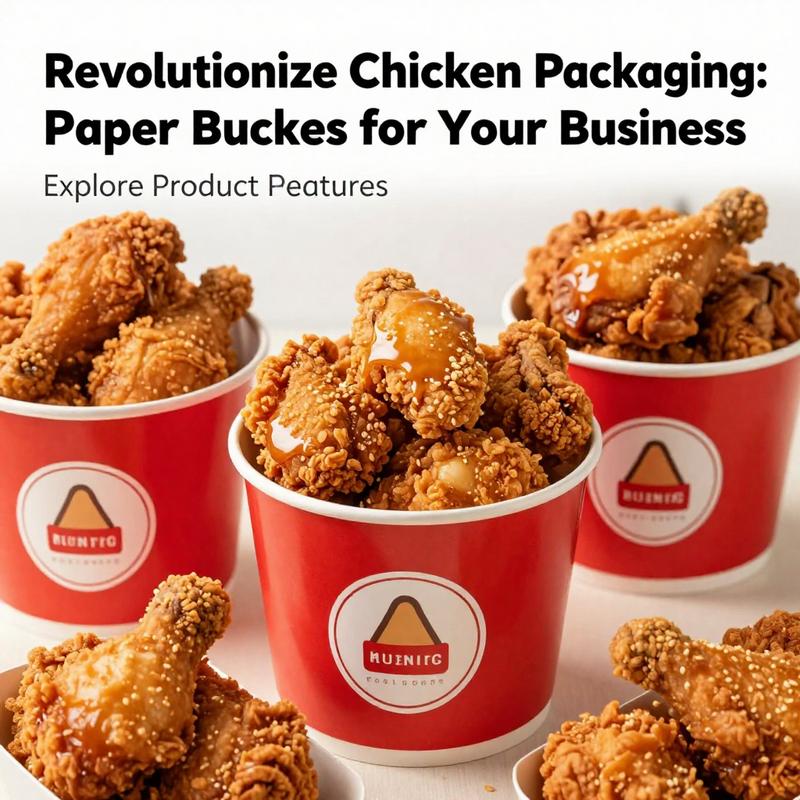
As the demand for convenience foods increases, businesses are constantly on the lookout for effective packaging solutions that are both functional and appealing. Paper buckets for chicken have emerged as a vital choice in the food packaging sector. Offering varied capacities, excellent durability, and eco-friendly materials, these buckets not only cater to different serving sizes but also align with sustainability goals. This article delves into the specifications, pricing strategies, and customization options for wholesale paper buckets for chicken, equipping business owners with valuable insights to enhance their packaging solutions.
Tables of Contents
Chapter 1: Unveiling the Essentials: Material and Design Integrity of Paper Buckets for Chicken Wholesale
- In-Depth Analysis of Material Quality and Construction Techniques of Chicken Paper Buckets
- Leveraging Customization and Sustainability in Paper Bucket Design for Food Service
Chapter 2: Unlocking Pricing Potential Through Economies of Scale in Wholesale Paper Bucket Markets
- Leveraging Volume Production to Optimize Pricing Strategies for Chicken Packaging Solutions
- Embracing Customization: Shaping Price Strategies for Wholesale Chicken Paper Buckets
Chapter 3: Tailoring Chicken Wholesale Packaging: The Role of Customization and Functional Features
- Unpacking the Power of Customization in Paper Buckets for Chicken Wholesale
- Optimizing Efficiency with Advanced Machinery for Custom Paper Buckets in Chicken Wholesale
Chapter 1: Unveiling the Essentials: Material and Design Integrity of Paper Buckets for Chicken Wholesale
1. In-Depth Analysis of Material Quality and Construction Techniques of Chicken Paper Buckets
When it comes to the effective transportation and presentation of fried chicken, the quality and design of the packaging play a crucial role. The paper bucket, specifically designed for chicken wholesale, serves not only as a vessel for this beloved food but also as a brand ambassador, conveying messages of quality and care. Delving into the material composition and construction techniques of these buckets reveals their integral attributes that meet both functional and aesthetic demands.
Material Composition
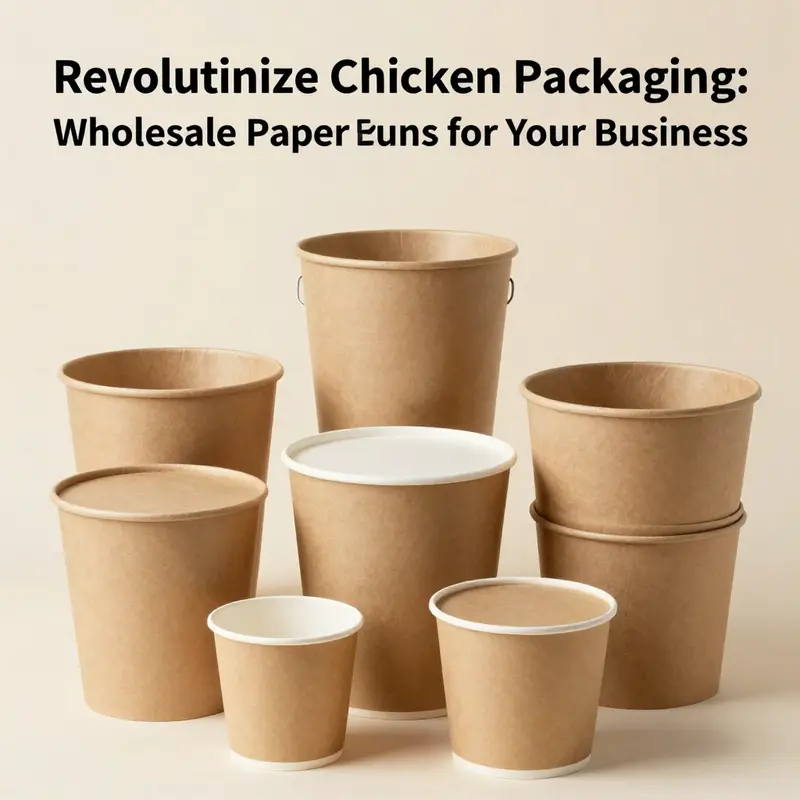
At the forefront of paper bucket construction is the use of 300g Kraft paper, renowned for its durability and structural prowess. This weight ensures that the bucket can withstand the voluminous, hot, and often greasy portions of fried chicken without compromising its integrity. Kraft paper is favored due to its strength, flexibility, and sustainable characteristics, making it an ideal choice for food packaging.
One of the primary concerns in food packaging is preventing leakage and maintaining the quality of the contents. To tackle this issue, the interior of the bucket is expertly coated with either polyethylene (PE) or polylactic acid (PLA). PE is particularly effective in resisting moisture and grease, making it perfect for short-term storage and service contexts. Its properties ensure that the bucket remains intact, providing customers with a seamless eating experience without the embarrassment of leaks. The innovative PLA, derived from renewable resources such as cornstarch, offers an eco-friendly alternative. This biodegradable polymer aligns with the growing consumer preference for sustainable packaging solutions, demonstrating a commitment to environmental stewardship while ensuring product safety.
Construction Features
Beyond the choice of materials, the construction features of these paper buckets are crucial for their functionality. The design incorporates a sturdy construction that not only supports the weight of large chicken portions but also retains its shape during handling. The wide mouth opening is a notable design feature that facilitates easy filling and access, minimizing spillage during the serving process. This aspect is particularly valuable in fast-paced environments such as restaurants and food trucks, where efficiency is key.
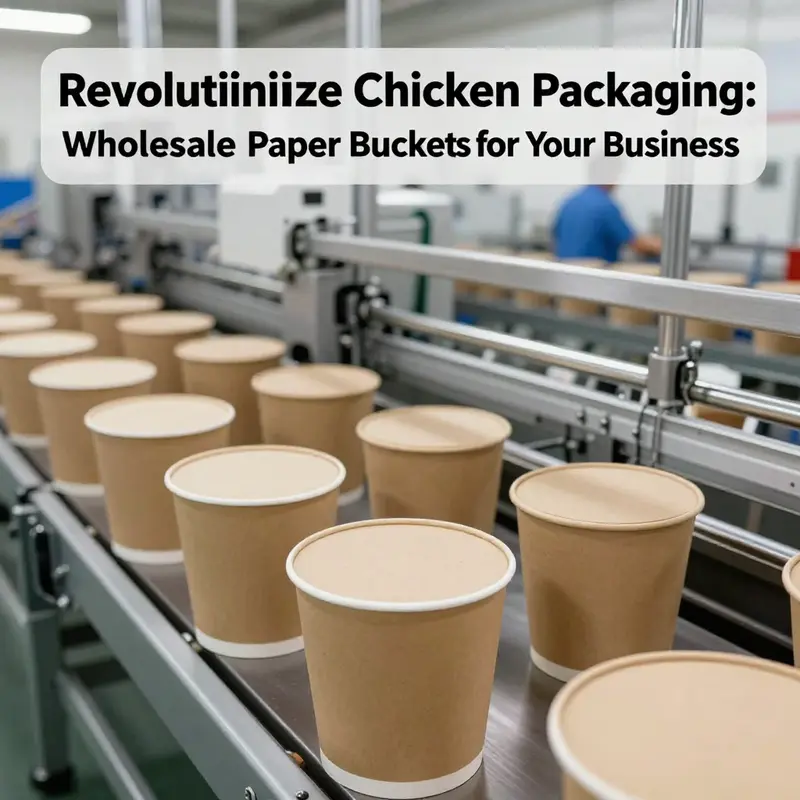
Advancements in manufacturing techniques play a significant role in the quality of the finished product. The paper buckets are often produced through multiple feeding cycles, typically three, which ensures a uniform thickness on both sides of the bucket walls. This precision in production translates to enhanced durability and an aesthetically pleasing finish, essential for wide-scale commercial use. The manufacturing processes often leverage automated machinery, allowing for consistently high-quality output, particularly necessary for fulfilling the needs of wholesalers and large-scale retailers. Indeed, it’s not uncommon for equipped facilities to produce exemplary results at rates of up to 200 finished items per hour, achieving efficiency that meets consumer demands without sacrificing quality.
These structural innovations not only enhance the utility of the buckets but also equipped them with an appealing external design for branding. While many buckets feature clear printing options for logos and labels, they often come in simple yet stylish designs that appeal to various demographics. This allows businesses to create a customized look that resonates with their target audiences, reinforcing brand identity in a competitive market.
Additional Considerations
Considerations for sustainability continue to drive innovation in the realm of paper buckets. As consumers become increasingly environmentally conscious, many suppliers are rising to the occasion by offering compostable and recyclable options. Certifications from respected organizations like the Biodegradable Products Institute (BPI) or compliance with the European Committee for Standardization (CEN) serve as indicators that these products meet stringent sustainability criteria. Packaging that can be composted in industrial settings marks a significant step forward in reducing waste and promoting a circular economy.
Moreover, the external appearance of the buckets can greatly influence consumer perception. The use of food-safe inks for printing custom designs and logos is an added feature that not only fosters brand recognition but also enhances the visual appeal of the product. Such features create a sense of quality and care, enticing customers further.
In conclusion, the material and construction specifications of paper buckets for chicken wholesale are integral to their success on the market. From the durable Kraft paper to advanced coatings and thoughtful design features, each element serves a specific purpose aligning with user expectations. With a commitment to sustainability increasingly shaping consumer choices, the industry continues to innovate in ways that reflect both technological advancements and eco-conscious practices.
For those interested in sourcing high-quality paper buckets, it is worthwhile to explore the product documentation provided by manufacturers who specialize in fast-food packaging solutions. Seeking out suppliers who understand and value both functionality and design can lead businesses to the optimal packaging solutions that meet their needs while appealing to today’s environmentally-savvy customers.
To discover more about advanced options and sourcing, visit Kraft Paper Products – Food Grade Paper Buckets for Chicken Wholesale where various choices await to enhance your food packaging strategy.
2. Leveraging Customization and Sustainability in Paper Bucket Design for Food Service
In the ever-evolving world of food service packaging, the design and compliance standards of paper buckets for chicken wholesale have become paramount. The functionality of these containers goes hand-in-hand with aesthetic appeal, making it crucial for manufacturers to balance both elements effectively. Modern paper buckets are engineered not only to meet the demanding needs of fast-food chains but also to cater to upscale dining establishments, cinemas, and catering services.
A central feature of these buckets is their sturdy construction, typically crafted from high-quality Kraft paper. This material choice is intentional—Kraft is not only durable but also aligns with eco-friendly initiatives. Many buckets come with an eco-friendly plastic liner that enhances their waterproof and oil-resistant properties, allowing them to hold greasy items like fried chicken without compromising structural integrity. This combination of strength and sustainability positions Kraft paper buckets as a smart choice for environmentally conscious brands.
When it comes to size, the versatility of paper buckets is unmatched. Sizes may range from 32oz to an impressive 170oz, accommodating both individual servings and family meals. Such variety is critical for businesses that need to adapt their offerings based on customer demands. For instance, a fast-food chain might offer smaller sizes for children’s meals while providing larger options for family bundles. Additionally, the design of these buckets is versatile; while they are primarily marketed for fried chicken, they can also be effectively used for other food items like popcorn, sandwiches, and assorted snacks. This adaptability makes them a prime candidate for diverse food service applications.
The ability to customize these paper buckets significantly enhances their market appeal and branding impact. High-quality printing techniques, including flexo printing and embossing, allow businesses to create visually striking packaging that stands out. Custom logos, brand colors, and promotional messages can be printed directly onto the buckets, fostering brand recognition and customer loyalty. The option for bold, eye-catching designs not only elevates the aesthetic but also enhances the customer experience.
Manufacturers often offer full customization options. Brands can work directly with suppliers to tailor dimensions, lid styles, and even handle designs. For example, KFC-style buckets with unique lids are particularly popular, as they not only reflect the brand’s established identity but also ensure the freshness of the product inside. This level of personalization provides a competitive edge in the crowded food service market, catering to specific business needs and operational requirements.
Another important aspect to consider when procuring wholesale paper buckets is compliance with food safety and environmental standards. All materials used in the construction of these buckets must meet stringent food-grade certification standards. This step is critical, ensuring that the buckets are safe for direct contact with food. Additionally, adherence to regulations established by bodies such as the FDA and EFSA is non-negotiable. Packaging must be free from harmful chemicals, ensuring that businesses can maintain consumer trust and uphold safety standards.
Sustainability practices have taken center stage in the food service industry, and many manufacturers emphasize the use of recyclable or biodegradable materials. Water-based inks are commonly employed for printing, reducing the environmental footprint associated with traditional inks. Furthermore, many buckets feature a food-grade wax coating that enhances moisture resistance, which is particularly beneficial for items like fried chicken that tend to be greasy.
When searching for a reliable supplier, platforms like Alibaba.com offer a wide range of verified manufacturers specializing in bulk orders of customizable paper buckets. These suppliers provide detailed product specifications—size ranges, material types, printing techniques, and necessary certifications—allowing businesses to make informed decisions based on their operational needs. One notable aspect is the prevailing minimum order quantities, with many suppliers supporting orders as low as 1,000 units. Such flexibility caters to small and medium-sized businesses without compromising accessibility to high-quality packaging solutions.
Additionally, advances in production technology are significantly enhancing operational efficiency for businesses. Fried chicken bucket forming machines, capable of producing up to 200 finished products per hour, represent a modernization of traditional equipment. This not only boosts productivity—completing production processes at approximately 30% faster rates—but also comes with user-friendly features such as PLC touch screen controls and CE safety certification, making them ideal for high-demand operations like chain restaurants.
As demand for customized, compliant, and sustainable packaging grows in the food service market, the strategic investment in high-standard, fully customizable paper buckets becomes crucial. They not only drive operational efficiency but also help ensure strong brand differentiation in an increasingly competitive landscape. Leveraging these capabilities effectively creates pathways for small businesses to thrive alongside established giants.
For those interested in enhancing their food packaging solutions along these innovative lines, considering the relevant options and compliance measures can lead to substantial benefits. Businesses that prioritize customization and sustainability in their packaging strategies will not only meet customer expectations but also align with broader market trends toward environmentally responsible practices. As the concept of sustainable dining continues to take shape, integrating sophisticated and eco-friendly packaging can set a brand apart in its market, driving both customer loyalty and satisfaction.
For further insights on these sustainable options, explore potential suppliers who offer a range of Kraft paper products designed for food service applications at the following link: Kraft Paper Container Options.
Chapter 2: Unlocking Pricing Potential Through Economies of Scale in Wholesale Paper Bucket Markets
1. Leveraging Volume Production to Optimize Pricing Strategies for Chicken Packaging Solutions
The concept of economies of scale is paramount in shaping effective pricing strategies within the wholesale market for paper buckets designed specifically for chicken packaging. As demand for convenient, eco-friendly packaging solutions continues to surge, understanding how volume production can impact pricing is essential for both manufacturers and consumers alike. This subchapter delves into the intricate dynamics of economies of scale, highlighting their implications on cost structures, pricing strategies, and competitive advantages in the wholesale market.
Cost Structure and Economies of Scale
Economies of scale fundamentally revolve around the idea that as the quantity of goods produced increases, the cost per unit decreases. This reduction can be attributed to the spreading out of fixed costs over a larger number of units. In the case of manufacturers producing paper buckets for chicken, fixed costs include expenses related to machinery, production facilities, and research and development. For instance, a manufacturer investing in a state-of-the-art bucket forming machine, capable of producing hundreds of thousands of buckets each day, will see its overhead costs mitigated significantly when these expenses are distributed across millions of units.
By harnessing the benefits of economies of scale, suppliers are able to offer competitive wholesale prices to buyers, thus increasing their penetration into the market. For example, prices for standard Kraft paper buckets can start as low as $0.02 per piece when ordered in substantial volumes—emphasizing the cost-effectiveness inherent in large-scale production. Additionally, accommodating customization requests, such as printing brand logos, becomes more feasible under such a model, as the preliminary setup costs are amortized across large quantities.
Comparative Analysis of Production Scales
Diving deeper into the comparative production capabilities, it’s apparent that large-scale producers have a distinct edge over their smaller counterparts. Bulk manufacturers can produce paper buckets in sizes ranging from 32oz to 85oz—catering to various needs in fast food establishments, cinemas, and events while maintaining lower prices thanks to their production capacity. On the other hand, smaller artisanal producers, while potentially focusing on niche markets or customized product offerings, may struggle to maintain competitive pricing due to higher per-unit costs stemming from smaller production runs. This disparity provides larger manufacturers with the opportunity to secure significant contracts with major poultry processors or quick-service restaurants, thereby solidifying their market position.
Strategic Pricing Approaches
Understanding economies of scale informs several strategic pricing approaches employed by wholesale suppliers. Two particularly effective strategies include penetration pricing and cost-plus pricing.
Penetration Pricing: This strategy involves setting lower initial prices to quickly gain market share. By leveraging economies of scale, suppliers can lower prices without sacrificing profit margins, making their offerings more attractive to wholesale buyers.
Cost-Plus Pricing: In contrast, cost-plus pricing is based on the average production cost along with a set profit margin. Automated production methods mean that as these costs decrease due to higher output, suppliers can set prices that are both competitive and profitable. For instance, custom paper buckets may range from $0.03 up to $0.15 each dependent on design complexities, yet these prices may still yield substantial profits thanks to the efficiencies utilized in production.
These strategies not only help in passing savings onto buyers but also boost customer retention as businesses recognize the value of competitive pricing in a crowded marketplace. For example, quick service restaurants purchasing high volumes of chicken buckets at lowered prices can reflect these savings in their own pricing models, enhancing customer satisfaction and loyalty.
Competitive Advantage through Cost Leadership
Suppliers who effectively harness economies of scale can create a formidable competitive advantage. By maintaining lower prices as a result of scale efficiencies, manufacturers gain leverage in negotiations with larger poultry producers for long-term contracts. Such arrangements enhance the predictability of revenue streams, vital for strategic planning and investments in further production capacity.
Moreover, as suppliers solidify their market presence, they can establish brand loyalty and create a barrier to entry for potential competitors who may lack the same production efficiencies. This relationship not only fortifies the supplier’s standing within the wholesale market but also influences the shipping and distribution aspects as robust suppliers often have better logistics arrangements through established networks.
The Role of Automation in Large-Scale Production
The advent of sophisticated machinery, such as automated paper bucket forming machines, has drastically changed the landscape of production for wholesale packaging. Such machines can produce upwards of 200 finished units every hour—boosting productivity significantly compared to traditional methods. This enhancement feeds back into economies of scale directly, as operational efficiencies and lower unit costs are achieved. Systems equipped with PLC touch screen controls not only increase the speed of production but also maintain high safety standards, ensuring compliance with industry regulations. Enterprises with extensive demands, such as chain restaurants or snack suppliers, stand to benefit greatly from investing in automation, thus further leveraging their production capabilities.
Considerations for Sustainable Practices
The wholesale market for chicken packaging is also increasingly influenced by sustainability considerations. Consumers and businesses are becoming more discerning about the environmental impact of their purchases. This shift in consumer behavior necessitates that suppliers incorporate eco-friendly materials, such as biodegradable Kraft paper and water-resistant linings, into their production processes.
Meeting these demands while maintaining economies of scale is not merely a challenge but an opportunity for vendors willing to innovate. Sustainable practices can lead to new efficiencies within production that not only address market expectations but also potentially reduce operational costs over time, further solidifying a company’s competitive advantage.
Conclusion
In conclusion, understanding economies of scale is crucial for anyone involved in the wholesale market for paper buckets for chicken. Manufacturers who effectively utilize large-scale production can optimize their pricing strategies, enhance their competitive edge, and support sustainable practices. As demand for convenience and eco-friendly packaging continues to rise, the implications of economies of scale will become even more pronounced, promoting a landscape where long-term strategic planning and efficiency will drive success in this vibrant market. For reference on various packaging solutions, you may find more insights at Custom Kraft Paper Box Solutions.
2. Embracing Customization: Shaping Price Strategies for Wholesale Chicken Paper Buckets
In the growing competitive landscape of wholesale packaging, the role of customization in paper buckets for chicken is pivotal, underpinning an evolving pricing strategy that reflects not just the materials used but the added value clients seek. Customers today are more informed and willing to invest in packaging that resonates with their branding and operational needs. As a result, the traditional, uniform pricing model is becoming obsolete, replaced by a more nuanced value-driven approach where customization plays a crucial role.
The diverse capacities available in paper buckets—ranging from 32oz to 85oz—are designed to cater to a wide spectrum of food service scenarios. These sizes appeal to various market players, from fast food outlets to upscale restaurants and even cinemas, where consumers expect not only food but also a unique experience. As suppliers respond to these demands, customization options become essential not only for fulfilling diverse customer needs but also in establishing a competitive edge. This necessitates a shift in pricing strategies, moving from a cost-plus model to value-based pricing, where the final price reflects the perceived benefits to the customers, encompassing aspects like branding, sustainability, and functionality.
For suppliers, tailoring the product specifications to meet unique requirements yields benefits that transcend basic utility. The customization can involve printing a brand logo, adopting environmentally friendly materials, or producing specially molded versions to enhance functionality. An eco-friendly liner, for instance, can justify a higher selling price. As consumers become more eco-conscious, businesses find themselves appealing to these values and preferences. Such features are not merely add-ons but strategic differentiators that suppliers can leverage in their pricing frameworks.
Customization directly influences pricing strategies in key ways. Value-based pricing, as mentioned earlier, allows suppliers to capitalize on the added brand equity associated with customized packaging. Customers often perceive higher value in packaging that embodies their brand identity, empowering them to justify paying a premium. For instance, a restaurant desiring to enhance its market appeal may opt for a custom-printed paper bucket that highlights its commitment to sustainability. Thus, when the perceived value increases, so does the willingness to pay, compelling suppliers to align their pricing models accordingly.
Equally significant is the fact that wholesale clients respond positively to customization options that improve operational efficiency. For example, a poultry processor might require specialized buckets that stack efficiently in storage and transport—this adaptability can lead to increased order sizes and loyalty to the supplier. Therefore, suppliers need to invest in effective cost management systems that ensure they can maintain competitive pricing even when customization incurs additional production costs.
However, customization in pricing also introduces challenges, particularly regarding price volatility stemming from fluctuations in raw material costs. Suppliers must remain agile in their cost management strategies, whether through minimizing waste in production, optimizing supplier contracts, or investing in predictive analytics to forecast pricing trends effectively. Keep in mind that a fragmented supply chain can exacerbate these challenges. Thus, developing robust supplier relationships can provide a buffer against market fluctuations, allowing for more stable pricing models over time.
Beyond cost control, the intricacies of personalization also require suppliers to be upfront about pricing implications. Clear communication about how customization impacts the pricing structure is important. Customers appreciate transparency and will be more inclined to forge lasting relationships with those suppliers who can navigate both product customization and pricing fluidly. Establishing a minimum order quantity (MOQ) of 1,000 units is a common strategy to ensure that providers can adequately recoup the costs associated with customized production, but it also comes with the pressure to maintain quality and flexibility in service.
It is essential to recognize that pricing strategies for custom paper buckets must also consider market demand fluctuations. Seasonal variations, promotional campaigns, or changes in consumer preferences can all impact pricing. In turbulent markets, suppliers must be ready to pivot quickly, whether by offering promotions for holidays or adjusting prices based on competitive analysis. For instance, during peak seasons, suppliers may enhance their value proposition by bundling products or creating themed packaging, which can stimulate demand and maintain relation longevity.
Moreover, as sustainability becomes increasingly significant in consumers’ purchasing decisions, suppliers who invest in eco-friendly materials may find inelastic demand for their products. The implication here is profound: if a supplier can effectively position their offering as sustainable and cater to the growing eco-conscious segment, they can command higher prices justified by the added value of environmental responsibility.
With this backdrop, one might consider how multifaceted customization affects the overall value proposition in the wholesale marketplace. When customization is paired with a focus on customer experience, suppliers can move towards a model where they no longer compete solely on price. Instead, differentiation through curated and expertly customized solutions takes precedence. The ability to respond to feedback and iterate on designs based on customer interaction fosters a collaborative relationship that can lead to increasing order volumes and deeper loyalty.
In practice, many suppliers are utilizing advanced technologies, such as automation in production lines, to enhance the customization process. By deploying automated bucket forming machines, they can ensure consistency and quality, bolstering their offers while maintaining speed and cost efficiencies. These smart solutions complement the pricing strategy by enabling suppliers to keep pace with market demand while offering bespoke solutions that meet diverse client expectations. It creates a refining structure where customization becomes an integral part of the product offering rather than an ancillary process.
In summary, customization in the realm of paper buckets for chicken wholesale presents both challenges and opportunities that directly shape pricing strategies. As businesses navigate consumer preferences and market shifts, embracing tailored solutions will be pivotal for driving differentiation. By aligning pricing with perceived value, suppliers can foster loyal partnerships and elevate their brand presence in the competitive marketplace. From improved operational efficiency through bespoke designs to leveraging sustainability as a powerful selling point, the interplay between customization and pricing will be critical in steering the future of wholesale packaging solutions.
Chapter 3: Tailoring Chicken Wholesale Packaging: The Role of Customization and Functional Features
1. Unpacking the Power of Customization in Paper Buckets for Chicken Wholesale
In the densely competitive landscape of the chicken wholesale market, businesses continuously seek ways to differentiate themselves, not only through quality product offerings but also through innovative packaging. Among various packaging options, the customization of paper buckets emerges as a powerful strategy, enabling businesses to enhance brand identity, optimize operational efficiency, and respond to evolving consumer preferences.
Custom Logo and Brand Printing
A cornerstone of packaging customization is the ability to incorporate custom logo and brand printing. This feature allows restaurants, food chains, and cinemas to imprint their unique identities onto each bucket, promoting brand visibility and customer recall. When a customer carries a bucket of fried chicken adorned with a delicious logo and attractive design, it transforms an ordinary meal into a branded experience, fostering loyalty and repeat business. Suppliers, such as those listed on wholesale platforms, offer printing options that embrace various techniques, including embossing and high-quality color printing, ensuring the resulting packaging not only meets functional needs but also serves as an effective marketing tool.
Functional Specifications to Meet Culinary Needs
Customization in the field of paper buckets extends well beyond aesthetic appeal; it is intricately linked to functional specifications essential for delivering culinary delights. Each type of food introduces unique challenges in terms of packaging. For instance, fried chicken requires a balance between maintaining crispiness and holding moisture. Manufacturers now incorporate ventilation systems within the design to facilitate airflow and prevent condensation buildup, which keeps the chicken fresh and crunchy.
Additionally, specialized buckets may feature moisture-resistant coatings that provide protection during transit. As consumers increasingly opt for delivery services and takeout, maintaining the food’s integrity becomes paramount, and retailers look to their packaging to aid in this respect. Options such as insert compartments can be tailored to securely house pieces of chicken to prevent any movement that might lead to damage during transport. Not only does this customization enhance usability, but it also protects the customer experience by ensuring that meals arrive intact and appetizing.
Embracing Sustainable Material Solutions
In today’s environmentally conscious market, sustainability plays a critical role in consumer choice. The materials used in packaging have transcended mere functionality and arrived at a level where they align with broader societal values. Kraft paper, widely recognized for its eco-friendliness, offers an appealing solution for those prioritizing sustainability while also providing durability. Using recycled materials in production not only reduces waste but also meets stringent industry standards, such as the FDA 21 CFR 176.170 certification, ensuring the packaging is safe for food use.
Moreover, customization further extends to sustainable practices. Eco-friendly options with biodegradable liners are increasingly available, appealing to both businesses and their environmentally minded customers. This growing trend encourages brands to include symbols of sustainability on their packaging, emphasizing commitment to the planet, ultimately enhancing their reputation in the market.
Versatile Sizes and Adaptability
The diversity in bucket sizes, ranging from 32oz to vast 190oz options, allows businesses to adapt their packaging to various service demands, whether they cater to individual meals or large family orders. The strategic sizing customization is an agile solution for restaurants, allowing them to meet fluctuating customer demands without compromising the customer experience. Efficient use of packaging plays a pivotal role for establishments during peak hours, ensuring operational flow and customer satisfaction in brief transactions.
By providing options to employ OEM/ODM services, not only do suppliers streamline the design and manufacturing processes, but they also empower brands to maintain consistency across packaging designs. This seamless integration results in reduced logistical complexities and supports businesses looking to scale operations swiftly.
Understanding Client-Specific Requirements
The significance of customization is amplified through the understanding of specific client needs. Many suppliers are equipped to work closely with businesses to develop new molds designed specifically for unique requirements or market niches. This capability allows companies to offer products that resonate more deeply with their target audiences—such as specialized buckets for promotional gastropubs or unique family-sized containers for extensive meal deals.
Customization also touches on enhancing design propriety. Buckets that reflect seasonal themes or promotions can attract customers and encourage impulse purchases. Whether it’s a special logo for holidays, limited-edition designs, or seasonal colors, these elements can greatly influence purchasing behavior among consumers, making service providers more appealing and relevant.
The Competitive Edge
In an industry characterized by tight margins and fierce competition, the ability to customize paper buckets for chicken wholesale packaging holds strategic importance. Brands aiming for success not only need to focus on the quality of their products but also on effective branding and operational efficiency. The customization of paper buckets serves as a bridge, linking quality products to successful brand narratives while meeting specific functional requirements.
With ongoing advancements in materials technology and printing techniques, the potential for creating eye-catching and functional paper buckets expands exponentially. Businesses now have the opportunity to invest in unique packaging solutions that support revenue generation, enhance customer loyalty, and foster eco-friendliness—all underlined by customer-centric approaches.
Merchants searching for wholesale options find that these enhancements are readily available, even on platforms like Alibaba, which offer customized solutions that cater to specific business needs while maintaining competitive pricing structures. As packaging continues to evolve, so too will the expectations of consumers, and adapting packaging to meet these demands will remain essential.
In conclusion, the customization features tied to paper buckets in the chicken wholesale arena not only enhance operational functions but also provide critical opportunities for brand reinforcement and consumer engagement. This interconnected relationship emphasizes the role of customization as a strategic tool in driving business success and aligning it with the ever-evolving consumer landscape. The importance of tailoring offerings to fit brand identity, customer expectations, and sustainability practices is evident, setting the tone for significant advancements in traditional packaging approaches.
2. Optimizing Efficiency with Advanced Machinery for Custom Paper Buckets in Chicken Wholesale
In the rapidly evolving market of chicken wholesale packaging, maintaining a competitive edge requires more than just high-quality materials and attractive designs; it necessitates investing in advanced production equipment that can enhance efficiency, reduce costs, and meet the growing demands of consumers. The efficacy of manufacturing custom paper buckets hinges not only on the quality of the raw materials—like the sustainable Kraft paper lined with eco-friendly plastics—but also on the technology behind the production process. Implementing high-performance automated machinery is essential to optimize output and ensure that businesses can respond quickly to fluctuations in demand while adhering to stringent quality standards.
One such groundbreaking solution is the 85oz–120oz disposable fried chicken packaging paper bucket making machine. Known for its robust performance and cutting-edge technology, this machine exemplifies the innovative strides made in production efficiency. Building upon the high durability of paper combined with industrial-grade plastic linings, it delivers packaging solutions that not only support heavy or hot contents but also uphold environmental sustainability—critical factors for modern consumers who are increasingly conscious of eco-friendly practices in their purchasing decisions.
An indispensable feature of this machine is its user-friendly PLC-based touchscreen interface that simplifies the communication between operator and machine. Operators can program production settings with ease, allowing for the storage of multiple configurations tailored to various product specifications. This flexibility enables producers to shift seamlessly from producing standard sizes to larger buckets, accommodating customer needs without significant downtime or reconfiguration. As a result, operations can maintain high throughput while delivering customized products that set brands apart in a competitive market.
When it comes to output efficiency, the innovation behind this advanced machinery is truly remarkable. Capable of producing up to 200 cups per hour, this equipment offers a 30% increase in production speed compared to traditional models. This efficiency is particularly beneficial for fast-food chains and high-volume outlets that require a steady supply of chicken packaging for their busy operations.
Commercial viability is also at the forefront of this machine’s design. Capable of continuous operation and adaptable across multiple applications, it can serve not only fried chicken but other fast-food staples like sandwiches and a variety of snacks, positioning it as a versatile solution for businesses looking to streamline their packaging processes. Such adaptability enhances the machine’s appeal for wholesale chicken distributors aiming to maximize their production capabilities without the need for extensive re-investment in different machineries.
Furthermore, obtaining machinery that complies with international safety and quality standards has never been easier. This model comes with CE certification, assuring manufacturers that it meets rigorous compliance guidelines essential for global market access. This level of certification guarantees that businesses can confidently deploy the machinery in various jurisdictions, expanding their operational reach.
Customization presents another vital opportunity for engaging consumers. Businesses that select advanced machinery from reputable suppliers often find additional benefits such as custom eco-friendly takeout boxes that can be produced in sizes ranging from 64oz to 170oz, tailored with printed logos, embossed designs, or even integrated handles. Such personalization not only elevates the presentation of the product but also strengthens brand identity— a crucial element in customer loyalty and retention. Ensuring that products are made from FDA-compliant recycled Kraft paper adds an extra layer of assurance regarding food safety, while also promoting sustainable practices that resonate with today’s eco-conscious consumers.
An ingenious development in the functionality of these machines is the implementation of features such as tear-off perforated lids. Not only do these lids aid in retaining heat and preventing spills, but they also ensure an easier access point for consumers during delivery, ultimately improving the overall experience. This focus on user experience reflects a strong understanding of consumer needs in both the chicken wholesale sector and the fast-food industry.
Investing in such production technology can require significant capital; for example, a cutting-edge paper bucket-making machine is priced at approximately US$23,000.00 per set. However, businesses should view this as a strategic investment in scalability, consistency, and efficiency in their operations. The upfront cost is typically offset by improved production rates and the ability to capture a larger market share, especially when coupled with the capacity for ongoing customization and adaptation to emerging trends in food packaging.
For those looking to incorporate advanced manufacturing technology while maintaining a commitment to environmental responsibilities, examining options available on platforms like Alibaba.com is prudent. These marketplaces often provide a variety of machines optimized for the modern food packaging industry, allowing companies to align their production capabilities with their sustainability goals. The robust filtering options ensure businesses can find solutions tailored to their specific needs, taking into account bulk orders, customization potential, and even automated production features that enhance overall workflow.
Additionally, enterprises looking to maximize their investment should consider partnering with suppliers that not only deliver the machinery but also provide ongoing support and maintenance. This assistance can promote operational excellence and help troubleshoot any issues, ensuring minimal disruption in productivity and a smoother integration of new technology into existing workflows.
In summary, as the demand for high-quality, sustainable packaging continues to rise, investing in advanced production equipment for custom paper buckets in the chicken wholesale sector becomes an essential strategy for remaining competitive. The integration of cutting-edge technology not only enhances operational efficiencies but also complements efforts to meet consumer expectations surrounding brand presentation and environmental sustainability. By embracing innovative solutions and maintaining flexibility in production capabilities, businesses can effectively navigate the challenges of a dynamic marketplace, positioning themselves as leaders in the ever-evolving food service industry.
Final thoughts
In summary, wholesale paper buckets for chicken not only provide businesses with a reliable packaging solution but also contribute to a sustainable environment through their eco-friendly materials. By understanding product specifications, pricing strategies, and available customization options, business owners can make informed decisions that enhance their operations and brand identity. As you explore these valuable insights, consider incorporating these practical and appealing packaging solutions to elevate your business.
Choose our reliable disposable tableware and packaging solutions for your business. We offer quality products that meet safety standards, with fast delivery and flexible options. Partner with us today to elevate your service – contact our team now for a tailored quote!
About us
We specialize in manufacturing and supplying disposable tableware, packaging paper, and boxes. With years of experience, we prioritize safety, durability, and eco-friendly practices. Our goal is to provide businesses with trusted, cost-effective solutions backed by responsive customer support.