
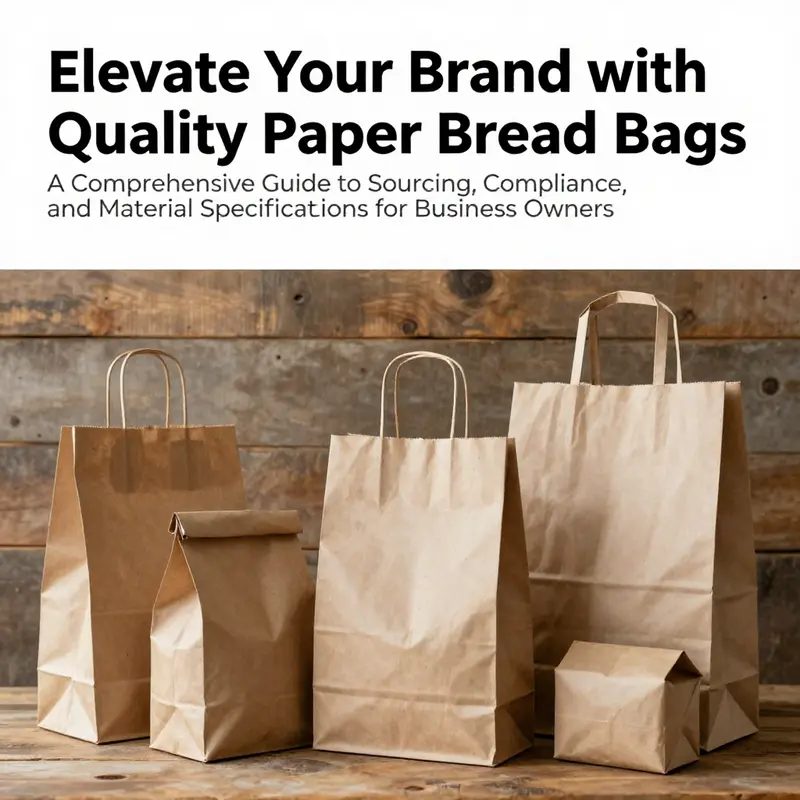
In an increasingly eco-conscious marketplace, the demand for sustainable and quality packaging options, like paper bread bags, is surging. For business owners in the food industry, selecting a trustworthy paper bread bag supplier is not just about costs—it’s about ensuring compliance, material integrity, and effective logistics. Throughout this article, we will delve into the essential aspects of certifications and compliance, the material specifications and features that ensure functional and attractive packaging, and the strategic sourcing and logistics options that will streamline your procurement process.
Navigating the Essential Landscape of Certifications and Compliance for Paper Bread Bags
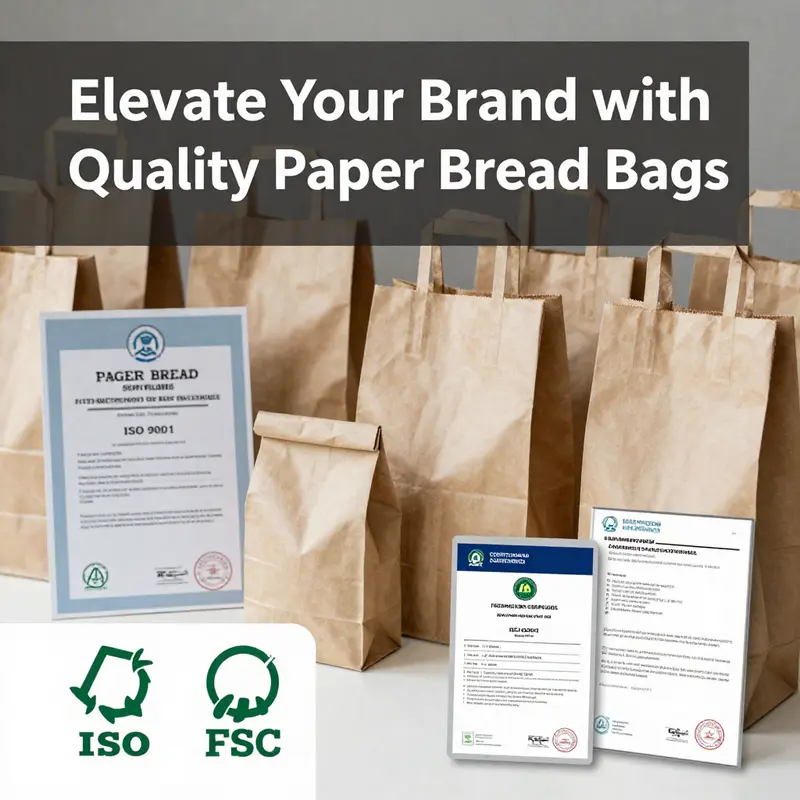
When sourcing paper bread bags for food-grade applications, the significance of certifications and compliance cannot be overstated. These elements stand as pillars of trust and assurance for both manufacturers and consumers alike. A focus on regulatory compliance not only enhances food safety but also aligns with increasing demands for environmental responsibility in packaging solutions. Selecting suppliers who meet stringent certification standards is critical for maintaining product integrity while navigating the complex web of local and international regulations.
Among the key certifications to consider is the FDA 21 CFR 176.170. This certification is critical for any supplier aiming to participate in the North American market. It confirms that the materials used in the production of paper bags are food-grade, ensuring their suitability for direct contact with various food items, including bread, fruits, and vegetables. Compliance with U.S. Food and Drug Administration (FDA) guidelines guarantees that consumers receive products that not only meet but exceed safety expectations, aligning closely with public health policies and regulations.
The European market presents its own set of compliance demands, with the EPR Germany Certification being a noteworthy example. This certification emphasizes the legality of demonstrating sustainability and recyclability in packaging solutions. As environmental concerns grow, this certification serves as an indicator of a supplier’s commitment to responsible packaging practices. For brands targeting the European consumer base, aligning with suppliers who hold this certification becomes increasingly critical.
Beyond basic food safety and environmental considerations, suppliers of paper bread bags must also document the biodegradability and recyclability of their products. This compliance aligns with global trends moving towards sustainable packaging solutions. Brands today are under pressure not only to adhere to regulations but also to embrace eco-friendly practices that resonate with a growing demographic of environmentally conscious consumers. Verification of these properties provides businesses with the documentation needed to substantiate their eco-friendly claims, essential for contemporary marketing strategies.
Supplier audits play a significant role in ensuring compliance. On platforms such as Alibaba.com, designations like “Audited Supplier” or “Diamond Member” indicate that vendors have engaged in comprehensive evaluations by third parties, validating their operational integrity, quality management systems, and compliance practices. For instance, companies like Qingdao LAFU Packaging Technology Co., Ltd., categorized as audited suppliers with a solid reputation reflected in their ratings, exemplify the reliability that consumers and businesses seek. By knowing that a supplier has undergone rigorous scrutiny, businesses can forge partnerships that enhance both credibility and marketability in a competitive landscape.
However, successful supplier selection goes beyond merely checking compliance boxes. Engaging with suppliers who foster transparency—providing easy access to certification details and documentation—is critical. Forging a relationship built on trust ensures that back-and-forth discussions about compliance become a collaborative effort rather than a bureaucratic hurdle. It makes room for open dialogue, potentially leading to innovations or improvements that align packaging integrity with brand missions.
In the context of the 2026 marketplace, where consumer orientations are shifting towards sustainability, the role of suppliers in packaging becomes even more pronounced. Regulatory bodies worldwide—including local governments adopting stricter policies regarding waste management and sustainability—are making it clear that compliance goes hand-in-hand with ethical manufacturing practices. In regions like New South Wales, Australia, the Plastic Reduction and Circular Economy Act 2021 illustrates how legislation is pushing for compliance and innovation among suppliers. Businesses lacking robust compliance documentation will find themselves isolated in this rapidly evolving landscape.
In summary, certifications and compliance are intertwined with the sourcing of paper bread bags. They assure customers that they are purchasing products that are safe for consumption and produced responsibly. As the industry moves forward, partnerships with certified suppliers like Guangdong Shunfa Colour Printing Co., Ltd. demonstrate a commitment to both product excellence and environmental stewardship. This proactive approach will ensure that businesses not only meet regulatory requirements but also build a trustworthy relationship with their consumers.
For those looking to dive deeper into sustainable packaging options, consider visiting Cofe Cup’s paper packaging category for a selection of environmentally friendly solutions.
The Essential Specifications and Features of Paper Bread Bags: A Guide for Discerning Suppliers
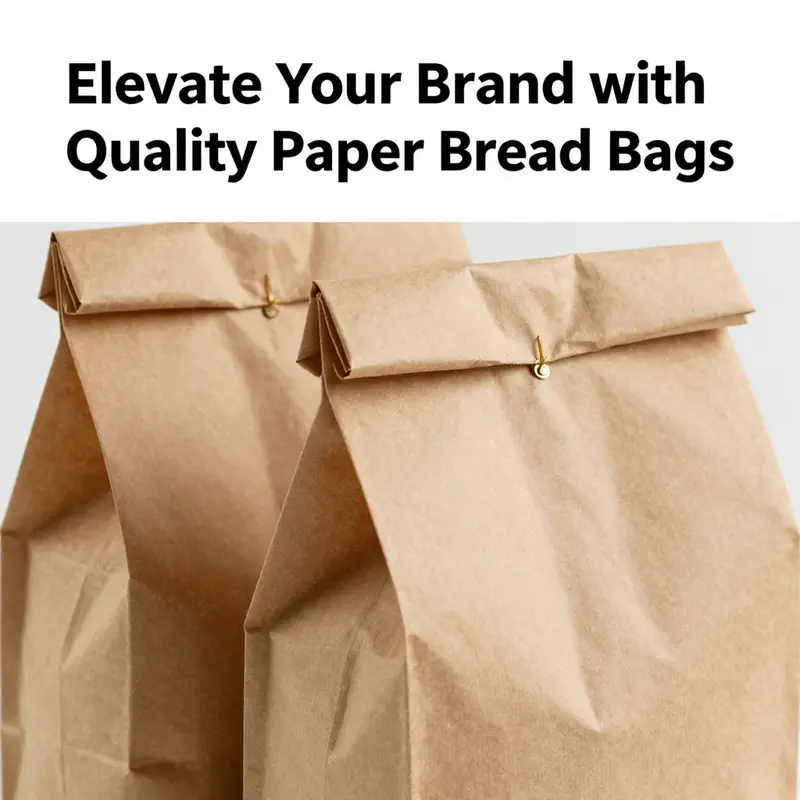
In the bustling world of food packaging, paper bread bags stand out as an essential product for bakeries, grocery stores, and eateries. Their importance transcends mere utility; they have become a symbol of quality and care in the presentation of baked goods. As we navigate the evolving landscape of consumer preferences and sustainability initiatives, understanding the specific material features and specifications of these bags gains paramount significance.
On the forefront of this analysis is the relationship between material compliance and safety. All paper bread bags that engage with food products must adhere to strict safety regulations. For instance, in the United States, the FDA governs food-contact containers through detailed guidelines articulated in 21 CFR (Code of Federal Regulations). Similarly, across the Atlantic in the European Union, Regulation (EU) No 10/2011 delineates the safety measures essential for plastic materials intended to interact with food. These regulations ensure that the materials are not only safe for consumer health but also environmentally responsible. Suppliers must not only assert compliance but also provide verifiable documentation, including lab test reports that assess microbial resistance, chemical migration limits, and overall material integrity.
Kraft Paper Bags have become the hallmark of the industry, made from unbleached, thick paper pulp that offers a rustic and natural aesthetic—a favored choice amongst artisanal bakeries. The innate properties of kraft paper lend strength and structural integrity to the bags, making them capable of securely holding standard loaves without risk of tearing or collapsing. Furthermore, the compostability and recyclability of kraft paper bags align perfectly with the sustainability initiatives that many businesses are adopting today. Consumers are increasingly drawn to eco-friendly packaging, and kraft paper is often viewed as a favorable choice that meets their expectations and ethical considerations.
In contrast, lightweight paper bags, also often referred to as Cuban-style bags due to their minimalist design, are engineered for efficiency. These bags are ideal for quick-service environments such as fast-casual bakeries and grab-and-go counters. Lightweight and cost-effective, they offer a streamlined option for high-volume operations, characterized by fold-over tops that maintain secure closures. However, while their practicality cannot be understated, it is essential to acknowledge that they often provide less protection against moisture and grease than their sturdier counterparts. Thus, such bags may not be appropriate for heavier or ovate loaves that require additional support and integrity.
Waxed paper bags introduce another layer of functionality, particularly when it comes to moisture and grease resistance. The food-grade wax coating offers enhanced protection against environmental factors that could otherwise compromise the quality of packaged baked goods. These waxed bags are particularly advantageous for items that might interact with humidity or oil, providing an effective barrier without sacrificing the aesthetic appeal that bakeries strive for in their packaging.
Beyond their functional capabilities, the performance metrics of paper bread bags further dictate their suitability for various applications. Key performance criteria such as durability, moisture resistance, grease resistance, and ease of handling are essential. Suppliers who excel in the field will often provide detailed technical specifications, including:
- Basis Weight: Typically measured in grams per square meter, basis weight influences the overall durability of the bag.
- Tensile Strength: This reflects the force required to pull the bag until it tears, directly correlating to its usability in transport and handling.
- Tear Resistance: Particularly important for bags exposed to high volumes or challenging handling scenarios, this metric is critical to preventing product loss during use.
- Folding Endurance: This indicates how well the bag can tolerate folding and flexing without compromising its structural integrity.
For organizations focusing on branding and marketing, the ability to customize paper bread bags becomes equally vital. Many suppliers in the growing manufacturing hubs of China and Southeast Asia provide a plethora of customization options. Notably, customizable elements include:
- Logo and Branding: Optimal bag placement enhances brand visibility.
- Custom Sizing: Tailoring dimensions allows businesses to package a variety of products effectively.
- Unique Designs: Specific requests for unique aesthetics can help segments stand apart in a competitive marketplace.
However, as we explore customization avenues, it is critical that businesses confirm the compliance of any printing inks or adhesives with food safety standards. While attractive packaging can drive consumer interest, these pieces must not put customer health at risk.
Interestingly, the Minimum Order Quantities (MOQs) and production lead times fluctuate significantly among suppliers based on their size and operational capabilities. Optimally, buyers should seek suppliers renowned for both capacity and quality assurance to accommodate diverse needs.
As environmental concerns heighten alongside consumer awareness, businesses that prioritize partnering with compliant suppliers are increasingly crucial for long-term success. A strategic choice for companies seeking reliable, compliant, and scalable solutions is to align with certified suppliers offering full documentation, including material safety data sheets (MSDS), compliance certificates, and third-party laboratory test results; this transparency not only promotes responsibility but fortifies relationships with customers who care about their impact on the world around them.
For those in pursuit of a reliable supplier, Guangdong Shunfa Colour Printing Co., Ltd. shines brightly within the industry. Based in Chaozhou, Guangdong, China, this esteemed supplier specializes in custom food-grade paper bread bags that come equipped with features such as large windows, tin ties, and state-of-the-art gravure printing. With an attractive MOQ of 30,000 pieces, Shunfa offers products made from natural kraft paper that is coated for moisture and grease resistance, ensuring reliability alongside aesthetic appeal. Furthermore, their portfolio includes certifications such as FSC and ISO 9001, emphasizing their commitment not just to quality, but to sustainability initiatives as well.
In an age where consumer preferences are gravitating towards sustainability, the implications of choosing the right supplier have significant ramifications. With increased regulations like the NSW’s Plastic Reduction and Circular Economy Act 2021, today’s procurement teams find it is no longer a question of ‘if’ but rather ‘which’ compliant supplier to partner with. Brands that align with reputable suppliers like Guangdong Shunfa not only ensure the integrity of their products but also promote customer trust and long-term environmental and social governance (ESG) goals. Ultimately, as the landscape of food packaging continues to evolve, adapting to these specifications and features will prove to be integral to not only business success but also to fostering a more sustainable future.
Innovative Sourcing and Logistics for Sustainable Paper Bread Bags
The landscape of sourcing and logistics strategies for paper bread bags has evolved significantly over recent years, with a marked emphasis on sustainability, efficiency, and quality. For businesses seeking to establish a solid foundation in the competitive market of food packaging, the sourcing and logistical approach taken can greatly influence both the operational success and brand perception in an ever-demanding consumer environment. Paper bread bags, increasingly valued for their eco-friendliness and compliance with stringent food safety regulations, necessitate that stakeholders—ranging from local artisanal bakers to large-scale food manufacturers—consider a multidimensional sourcing strategy. This chapter delves into the intricacies of finding the right supplier for paper bread bags and optimizing logistics to ensure prompt delivery without sacrificing quality and sustainability.
In recent years, sourcing regions have become critical in the decision-making process surrounding paper bread bag procurement. China has emerged as the predominant player, particularly in the Guangdong province, which is regarded as the epicenter for high-quality packaging solutions. The advanced capabilities found in this region—ranging from innovative printing technologies to agile logistics systems—make it an attractive choice for businesses aiming to distribute their products efficiently across global markets. Notably, the proximity of Guangdong’s various manufacturing hubs to major shipping ports such as Shenzhen and Guangzhou allows for significantly shorter lead times, often reduced to as little as 15 to 25 days from artwork approval to delivery. This advantage is particularly crucial for brands with rapid production cycles or limited-time promotions, providing them an edge in a fast-paced industry.
Inland hubs, notably located in provinces like Henan and Hebei, present another layer of opportunity. These centers have developed unique advantages, including reduced labor costs and access to centralized agricultural supply chains. This strategic positioning is especially beneficial for companies wishing to streamline production cycles for large orders, as they can capitalize on the proximity to wheat sources used in the production of kraft paper. Maintaining a delicate balance between cost and quality is fundamental; therefore, evaluations must extend beyond mere price comparisons, delving into aspects like quality management, supplier certification, and production autonomy.
When engaging with suppliers, one of the foremost considerations should be operational reliability. Metrics such as on-time delivery rates above 97%, rapid response times, and substantial reorder rates are indicative of a mature and trustworthy supplier. For instance, Dongguan Minghong Printing Co., Ltd. is an exemplar of operational excellence, boasting a consistent 100% on-time delivery record and responsiveness that averages under one hour. Such reliability is paramount for businesses as delays in packaging can disrupt product availability and erode consumer trust.
Technical capabilities also play a pivotal role in supplier selection. Manufacturers who control their production processes—spanning from printing to converting—are better positioned to deliver consistent quality in their products. Companies like Wenzhou Rokin Machinery Co., Ltd. employ cutting-edge automation and integrated design teams, facilitating customization and speed that meet the evolving demands of brands. This degree of production autonomy not only enhances quality assurance but also provides businesses with the necessary flexibility to adapt to changing market needs.
Certifications further underline the significance of compliance and quality. Engaging with suppliers who hold ISO 22000 and HACCP certifications ensures adherence to international food safety standards. More than mere documentation, these certifications reflect a supplier’s commitment to maintaining operational excellence and reducing risks linked to food safety. Stakeholders are encouraged to undertake thorough documentation verification, especially for export markets such as Europe and the United States, where regulatory compliance is not optional. Documentation should extend to real-world performance data that highlight a supplier’s capability to deliver food-safe packaging solutions consistently.
In ensuring that logistics operations align seamlessly with sourcing strategies, optimizing transportation channels is essential. Leveraging China’s integrated ecosystems, where raw material sourcing, production, and logistics converge within a compact geographical framework, significantly reduces lead times even further. By maintaining operations within 100 kilometers, businesses can expect delivery of bulk orders to take between 25 and 35 days, reinforcing the benefits of sourcing from strategic regions. Many suppliers operate under FOB (Free On Board) terms, allowing businesses to exert control over their own shipping, ultimately optimizing costs and enhancing efficiency in logistics management.
The utilization of digital trade platforms marks a significant shift in facilitating connections between Indian buyers and Chinese suppliers. These platforms not only streamline communication, but they also enhance order tracking and sample validation processes. The digitalization of trade in the packaging industry is pushing the envelope in terms of accessibility, mitigating traditional transactional barriers that often plagued cross-border procurement.
Risk mitigation strategies must be employed to ensure quality assurance, particularly before placing large orders. Companies are advised to request samples, both digital and physical, to ensure that color accuracy, material integrity, and functional performance specifications meet their needs. Validating these components before mass production is essential to prevent potential discrepancies that could affect both product quality and brand reputation. For those committed to sustainable practices, sourcing suppliers who offer biodegradable laminates, compostable films, or FSC-certified kraft paper that meets FDA or EU standards for food safety adds an additional layer of value to the brand narrative.
In conclusion, the sourcing and logistics pathways for paper bread bags require a sophisticated understanding of operational frameworks and an evaluation of suppliers based on their ability to deliver quality, reliability, and sustainability. Businesses seeking to navigate this intricate supply chain must remain agile and informed, recognizing that selecting suppliers based on operational metrics and compliance certifications rather than solely on price is the key to achieving long-term success in the competitive packaging landscape. By aligning with trusted manufacturers, brands can not only ensure product integrity and customer satisfaction but also support evolving environmental goals—a win-win for both consumers and businesses around the globe. For additional insights on the importance of selecting the right suppliers, visit Industry Week Article.
Final thoughts
In summary, selecting the right paper bread bag supplier is vital for businesses prioritizing sustainability, quality, and regulatory compliance. From understanding certifications that ensure product safety to exploring material specifications that enhance packaging functionality, the insights shared in this guide are designed to empower business owners. Additionally, strategically navigating sourcing and logistics can lead to significant efficiencies and cost savings. In today’s market, aligning with a knowledgeable and dependable supplier can establish credibility, enhance brand identity, and foster customer loyalty.
Choose our reliable disposable tableware and packaging solutions for your business. We offer quality products that meet safety standards, with fast delivery and flexible options. Partner with us today to elevate your service – contact our team now for a tailored quote!
About us
We specialize in manufacturing and supplying disposable tableware, packaging paper, and boxes. With years of experience, we prioritize safety, durability, and eco-friendly practices. Our goal is to provide businesses with trusted, cost-effective solutions backed by responsive customer support.