
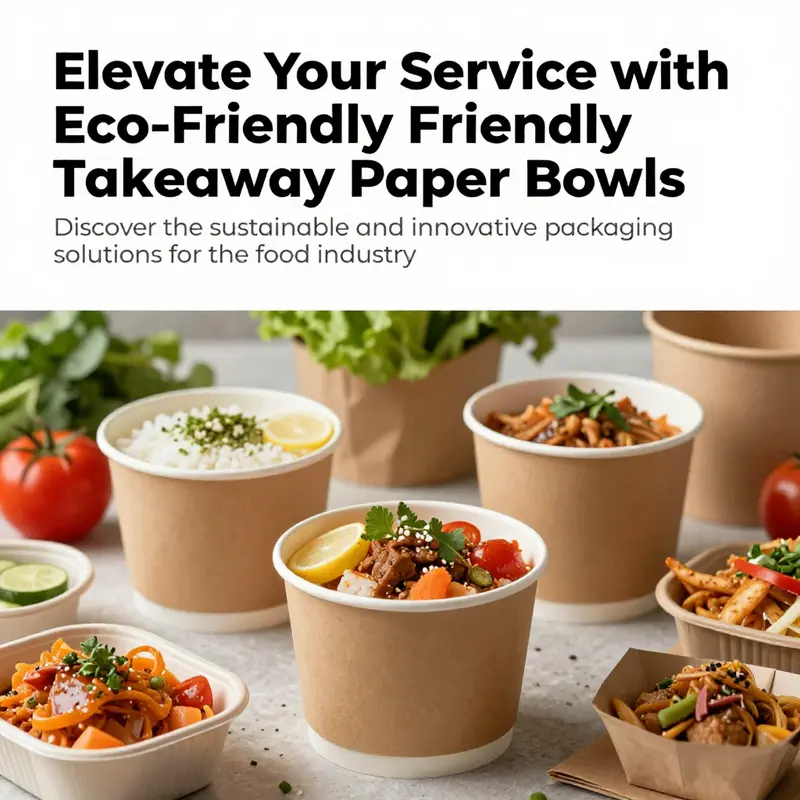
Takeaway paper bowls are becoming the preferred choice for food service businesses, from bubble tea shops to catering services. As environmental concerns rise, these paper bowls offer a greener alternative to plastic containers, ensuring your meals are not only attractive but also responsible. This article delves into the eco-friendly features of takeaway paper bowls, the design innovations that enhance their functionality, and the varied applications across industries, providing a comprehensive overview to help your business soar in sustainability while delighting customers.
From Forest to Footpath: The Eco-Friendly Journey of Takeaway Paper Bowls
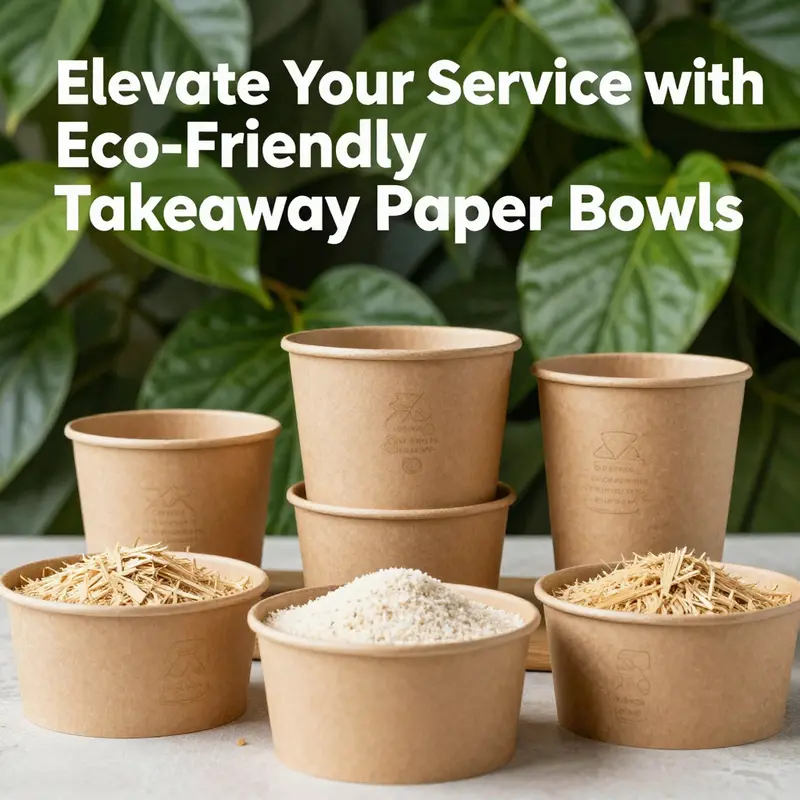
The rise of takeaway culture has pressed packaging into a new kind of spotlight. Customers want meals that travel well, stay fresh, and arrive without waste weighing on their conscience. Eco-friendly takeaway paper bowls sit at the intersection of convenience and environmental responsibility, not as a sacrifice of practicality but as an improvement to it. These bowls are more than vessels; they are embodiments of a shift in how food travels from kitchen to consumer, a quiet revolution aimed at reducing reliance on plastics, lowering carbon footprints, and supporting a circular approach to materials that can otherwise accumulate in landfills. The appeal rests not only in their portability and leak resistance but in the sustainability story they tell—one that connects renewable resources, responsible disposal, and thoughtful design into a single, everyday object that customers can trust with hot soups, cold salads, stews, or porridge.
At the heart of this story is the material itself. Takeaway paper bowls are typically made from kraft paper or other renewable fibers, with processes that prioritize the use of recycled content and rapidly renewable inputs. Kraft paper, derived from wood fibers, is valued for its strength and durability, properties that make it suitable for handling hot and tight-packed contents. Where possible, manufacturers blend recycled paper fibers with fresh kraft stock to balance performance with lower environmental impact. Other renewable options—sugarcane bagasse, bamboo pulp, and similar plant-based sources—offer alternative paths that reduce reliance on traditional wood pulp and fossil fuel-based plastics. The choice of material is not an abstract consideration; it determines how the bowl behaves during transport, how it interacts with food, and how it behaves at the end of its life. In turn, these choices ripple outward to affect energy use in production, emissions from manufacturing, and the ease with which facilities can process waste after use.
The environmental advantages become more tangible when we consider biodegradability and compostability. When disposed of in the right facilities, many takeaway paper bowls can break down into natural components within a matter of months, returning nutrients to the soil rather than lingering as persistent waste. This is where the concept of industrial composting becomes important. While home composting can be unpredictable for some packaging, industrial systems are designed to handle paper-based packaging efficiently, provided the materials are free from incompatible coatings and contaminants. The goal is a predictable end-of-life trajectory where, under appropriate conditions, the container contributes to a circular loop rather than a linear throwaway path. This potential is amplified when coatings and linings are carefully chosen to balance durability with compostability. Waterproof kraft paper is often paired with a thin, food-safe lining that helps resist leakage during courier transport and in the fridge, while remaining compatible with composting streams when designed and certified for that purpose. Such coatings are typically minimal and carefully engineered so they do not prevent recycling when the packaging is properly sorted and processed by facilities equipped to handle them.
A critical driver of the eco-friendly profile is certification and regulatory alignment. Responsible suppliers pursue standards that extend producer responsibility and ensure proper waste management after consumer use. In regions like Germany and France, Extended Producer Responsibility (EPR) frameworks require producers to take accountability for packaging throughout its life cycle, including responsibilities for collection, recycling, and disposal. These obligations shape how packaging is designed, labeled, and funded, nudging the industry toward materials and constructions that are easier to recycle or compost. When a paper bowl carries such certifications, it communicates a commitment not merely to business success but to a robust environmental program that supports cleaner landfills and more efficient recycling streams. This is not a rhetorical flourish; it is a concrete signal that the packaging choice aligns with regulations and with broader societal goals to move away from single-use plastics toward materials that dissolve back into nature or re-enter the supply chain.
Durability and safety remain indispensable, even as environmental performance improves. Consumers expect packaging that protects food during transit, resists leaks, and stays intact when held or stacked for pickup. Paper bowls achieve this through a combination of design features and material science. For hot and liquid-rich meals, they rely on waterproof kraft paper and, in many cases, a thin protective lining that minimizes seepage without sacrificing compostability. The result is a container that behaves like a robust, low-wuss shield against toppling or spillage, even during lengthy deliveries or busy service periods. Yet the design remains mindful of the end-of-life story. The lining is chosen to minimize health and safety concerns while still enabling appropriate processing in facilities that support composting or recycling. This balance—durability for transport, safety for handling, and compatibility with waste streams—defines the practical eco-friendly advantages of modern takeaway paper bowls.
Beyond materials and certifications, the eco-friendly promise is reinforced by design choices that reduce waste and improve efficiency for businesses. The shapes and sizes of takeaway bowls are not arbitrary; they are tuned to the types of foods they carry and to the logistics of portioning. Round, octagonal, or square silhouettes offer different advantages for portion control, aesthetics, and stacking density in storage and during transit. The capacity options—from smaller portions to larger meals—allow brands to tailor packaging to meal type while minimizing over-packaging. In addition, many bowls are engineered to handle a range of temperatures, enabling customers to reheat meals in microwave ovens without compromising safety or the integrity of the container. This practicality reduces the need for secondary containers or additional packaging, which in turn lowers total waste in the supply chain.
The manufacturing side of eco-friendly packaging is not neutral either. Responsible producers strive to minimize energy use, reduce waste in the factory, and ensure efficient water management, all of which contribute to a lower carbon footprint for the final product. The emphasis on process efficiency aligns with a broader shift in packaging industries toward lean manufacturing and resource stewardship. This systemic improvement means that a seemingly small product—the takeaway bowl—reflects a larger set of commitments, from how fibers are sourced to how the finished goods travel from factory floor to storefront to curbside disposal. In practice, this translates to packaging that is not only kinder to the planet but also more predictable for businesses that operate on tight margins and demanding timelines.
Low minimum order quantities have emerged as a meaningful advantage for small businesses and event organizers who want to test new packaging concepts without overcommitting to large inventory. A packaging option that can be ordered in modest quantities supports experimentation with sustainability goals, seasonal menus, and promotional campaigns. It reduces the risk of overproduction and wasted materials, which is a practical extension of the environmental philosophy behind these products. When a company can align its purchasing with its actual demand, it creates a smoother demand curve for suppliers and less waste in the system as a whole. This alignment is a cornerstone of a circular economy mindset, where the goal is to keep materials in productive use and minimize surplus.
The consumer experience is a critical piece of the eco-friendly equation. A well-designed paper bowl that travels well, keeps food at the right temperature, and refuses to leak contributes to a positive perception of takeout reuse. Customers who notice that their meals arrive without the unpleasant surprise of spills or soggy tops are more likely to view the packaging as part of the meal experience rather than as a nuisance. That perception matters because consumer behavior ultimately shapes the demand for more sustainable options. When customers see packaging that is clearly aligned with environmental values—materials sourced from renewable inputs, credible certifications, and practical performance—they are more inclined to support brands that invest in responsible packaging. The feedback loop becomes self-reinforcing: better packaging drives greater customer trust, which in turn incentivizes further investments in sustainable design.
A practical route for businesses is to integrate packaging choices with broader sustainability initiatives. The conversation moves beyond a single box or bowl to include where and how meals are produced, delivered, and disposed of. For example, restaurants and catering services can align their packaging with waste diversion programs, encouraging customers to recycle or compost where facilities exist. They can also educate staff about proper disposal and sorting, which reduces contamination and improves the overall efficiency of the waste stream. In healthcare and education settings, this synergy is particularly important, as institutions seek packaging that is safe for various environments, compliant with health standards, and compatible with institutional waste streams. In these contexts, the packaging becomes part of a larger sustainability framework rather than a standalone choice.
For those readers exploring where to source compostable or recyclable options, the landscape has grown more transparent over time. Suppliers are increasingly able to provide detailed specifications, including the materials used, the coatings applied, and the certifications that accompany the product. This transparency helps buyers evaluate compatibility with local facilities, understand the life-cycle implications, and make informed decisions that align with their brand values and operational realities. The relationships among suppliers, waste facilities, and end users are a critical network that makes sustainable packaging feasible in everyday practice. It is a network that rewards clarity, coordination, and shared commitment to responsible waste management, rather than a fragmented system of isolated choices.
From a design standpoint, the potential of takeaway paper bowls extends into customization without compromising environmental goals. Suppliers frequently offer low MOQs, enabling brands to tweak shapes, sizes, and coatings to suit specific menus while avoiding the risk of holding excess inventory that would become waste. This flexibility supports local menus, seasonal offerings, and event-specific packaging needs, all without sacrificing sustainability objectives. When a brand couples customization with clear labeling about compostability or recyclability, it helps consumers participate effectively in recycling streams, which strengthens the overall benefits of the packaging. The end-to-end value proposition thus becomes a narrative that links material science, manufacturing discipline, regulatory alignment, and consumer participation into a coherent approach to modern packaging.
In practice, the ecosystem for eco-friendly takeaway bowls is a blend of science, policy, and everyday behavior. Materials scientists work to improve the strength and heat resistance of paper-based packaging while maintaining a path toward compostability. Policy frameworks push the industry toward responsible end-of-life management, ensuring that producers bear a meaningful share of the disposal burden and that packaging is designed with collection and treatment in mind. Consumers bring their preference for convenience and reliability, yet increasingly they expect packaging to reflect a responsible posture toward the environment. The chapter of this story that most people experience is the moment when they receive their meal and decide what to do with the container after finishing. The choice to recycle, compost, or reuse is influenced by the packaging’s design, the availability of facilities, and the clarity of disposal instructions provided by the brand. When these elements align, the takeout experience transcends mere convenience and becomes part of a broader, more durable commitment to a cleaner planet.
To further illustrate the practical path forward for businesses seeking to ground their packaging in eco-friendly principles, it is useful to consider how a consumer-facing category like disposable bowls can function as a cornerstone of responsible packaging without compromising operational efficiency. The category itself represents a ready-made solution for many markets, capable of supporting fast service, bulk orders, and event-wide catering while enabling healthier disposal outcomes than conventional plastics. Within this framework, brands can emphasize the ethical and environmental considerations that matter most to their audience, from the renewal of fiber resources to the reduction of plastic waste. They can also tell a coherent story about the packaging’s life cycle, guiding customers through the steps of proper disposal and, where possible, participation in municipal or facility-based recycling and composting programs. The result is not only a more sustainable product but a more informed and engaged customer base that sees packaging as a meaningful part of the meal experience rather than a disposable afterthought.
For readers who want to explore practical options and sample pathways, a convenient point of reference can be found in the dedicated category for disposable packaging materials. This resource can help retailers and food-service operators compare materials, coatings, and certifications, and it can serve as a starting point for selecting packaging that aligns with local waste-management capabilities. It also offers a bridge to the broader literature on sustainable packaging design, waste management policy, and consumer behavior in the context of takeout meals. By understanding how these elements fit together, businesses can feel more confident that their packaging choices are not merely a response to a trend but a lasting commitment to responsible stewardship.
Finally, the journey of eco-friendly takeaway bowls is not solely about materials and compliance. It is about cultivating a culture of care—care for the people who prepare food, the customers who take it home, and the environments that bear the consequences of waste. This cultural dimension matters because good packaging decisions resonate beyond a single purchase. They influence how menus are conceived, how deliveries are organized, and how communities perceive the value of sustainable choices. When a restaurant or caterer communicates clearly that its packaging supports composting, reduces plastic usage, and respects local waste streams, it earns trust. That trust translates into repeat business, better partnerships, and a more resilient brand. In a marketplace increasingly governed by environmental expectations, packaging that embodies these values can be a meaningful differentiator, not through branding alone but through a consistent, transparent, and verifiable commitment to sustainability.
For those who want to delve deeper into practical sourcing and to see how a supplier presents eco-friendly options, a reference point exists in supplier listings that emphasize eco-conscious packaging and bulk accessibility. This resource demonstrates how the market is evolving toward greener packaging options that still cater to fast service, seasonal demands, and large-scale events. By examining such listings, buyers can gain a clearer sense of how to balance performance with environmental responsibility, ensuring that the packaging chosen for a given meal or event supports both operational needs and sustainability goals. As the industry continues to evolve, these considerations will likely become standard parts of the procurement process, shaping how meals travel from kitchen to consumer and how waste is managed along the way.
In sum, the eco-friendly features of takeaway paper bowls are not a single attribute but a constellation of design choices, material sources, regulatory alignments, and consumer behaviors. They reflect a broader shift toward packaging that is recyclable, compostable, and durable enough to protect food during transit, while also being mindful of energy use, waste generation, and end-of-life processing. They are, in essence, a practical manifestation of a circular economy in action—an everyday object that serves both a culinary function and a environmental imperative. As brands continue to refine materials, tighten certifications, and optimize production methods, takeaway paper bowls will likely become an even more integral and trusted part of the modern food service landscape.
For readers exploring practical pathway ideas or seeking to compare available options, consider the disposable bowls category as a starting point. Disposable Bowls offers a lens into how sustainability, design, and supply chain realities converge in a product that many people encounter weekly. External perspectives on market offerings and supplier capabilities can be found in industry resources and supplier listings, which provide real-world examples of how eco-friendly packaging is produced, certified, and scaled to meet demand. External reference: https://www.alibaba.com/product-detail/OEM-BOWL06-Disposable-Round-Takeaway-Kraft_1600524858355.html?spm=a2700.1.women.1.3e1d4f9dXKbO6p
null
null
Carrying Convenience: How Takeaway Paper Bowls Redefine Service Across Industries
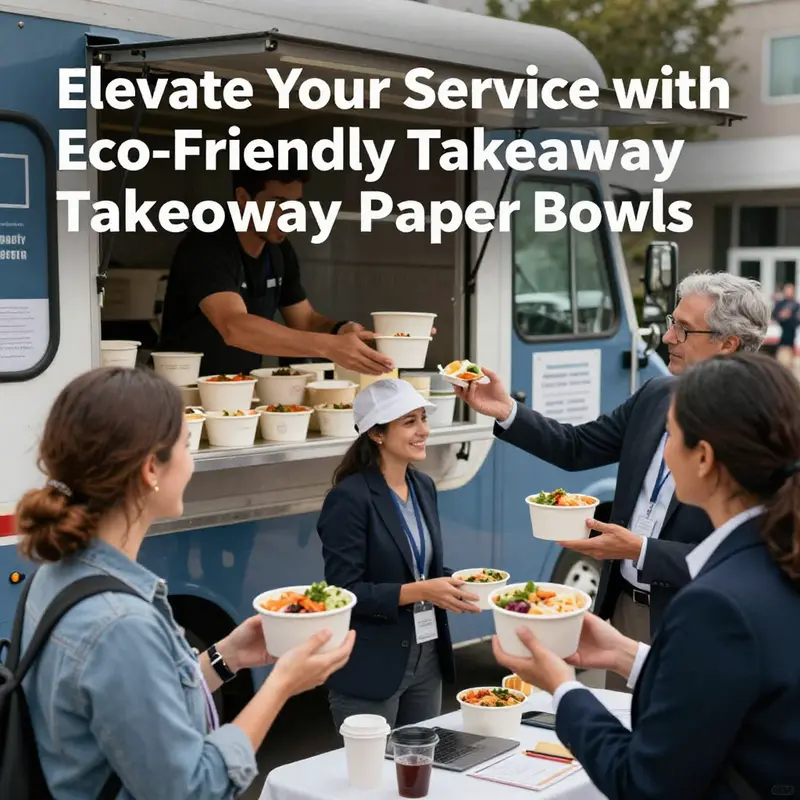
Takeaway paper bowls sit at the quiet intersection of practicality, hygiene, and sustainability. They are more than mere vessels; they are enablers of a modern dining experience that travels intact from kitchen to customer and back to the home front, ready for reheat, reuse, or responsible disposal. In markets where meals must move quickly, cleanly, and with minimal waste, these bowls have matured from simple wrappers to dependable packaging that supports a wide array of service models. Their evolution mirrors a broader shift in how food is prepared, packaged, and consumed—where convenience no longer means complacency about waste, safety, or flavor. The core appeal of takeaway paper bowls rests on a convergence of material science, thoughtful design, and an adapted logistics mindset. Kraft paper, often reinforced with water-resistant coatings or layered with barrier polymers, provides a sturdy, heat-holding canvas that can travel through bustling service lines, crowded streets, and curbside pickups without surrendering shape or integrity. The best examples demonstrate a careful balance: a surface that resists moisture enough to keep soups and sauces contained, yet porous enough to let a kernel of steam escape so the lid doesn’t cling to the contents and become a soggy seal of disappointment. In practice, this balance translates into real-world benefits for a wide spectrum of operators who must balance speed, quality, and cost in high-velocity environments.
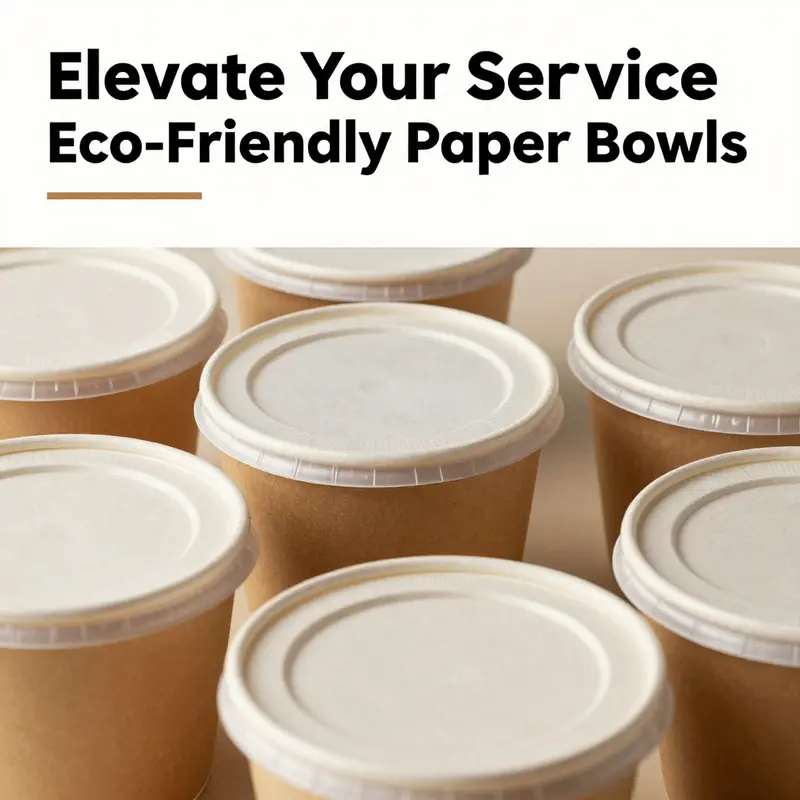
Across the fast-paced world of quick-service and food-on-the-go, takeaway paper bowls play a central role. In the realm of quick-service restaurants and casual dining, they support items that vary from noodle bowls and hearty salads to hot sandwiches and side dishes. The shape—round, octagonal, or even more geometric silhouettes—serves not only aesthetic purposes but also portion control, stacking efficiency, and branding opportunities. A bowl designed with a slightly tapered rim or a stepped sidewall can cradle sauces, toppings, and hotspots more effectively, guiding the eater’s hand toward the core of the meal while keeping the outer edge cool enough to hold. The design also matters from a safety perspective. For hot contents, a robust seal and a well-fitted lid minimize the risk of leaks during transit, a feature that reduces customer frustration and protects car interiors, backpacks, and tote bags from spill stains. For soups, stews, or anything with a saucy profile, a leak-resistant lid becomes a practical necessity rather than a luxury. In this sense, the takeaway paper bowl becomes a micro-solution to a broader logistical challenge: how to move food safely, efficiently, and with as little fuss as possible.
The broad applicability of these bowls emerges most clearly when we consider the varieties of service that now rely on them. In fast-moving service environments, speed and reliability are the currency of success. Paper bowls are integral to the workflow that starts with bulk prep in the morning and ends in a lineup of to-go orders at the lunch rush. They enable a single employee to portion, seal, and hand off meals with minimal washing or re-packaging, which in turn keeps labor costs predictable and service times short. For the consumer, the experience is straightforward: grab-and-go meals that maintain temperature and presentation for the journey home or to the office. The material choice matters here as well. Recycled kraft paper and bamboo pulp blends reflect growing consumer and regulatory emphasis on sustainability. When a container is labeled as compostable or recyclable, it reframes the purchase decision from a mere price consideration to a responsible choice that aligns with a consumer’s broader values about waste and the environment. Certification marks associated with responsible waste management reassure operators and diners alike that environments—from bustling campuses to hospital cafeterias—are moving toward more sustainable habits without sacrificing convenience.
Cafés and coffee shops, too, rely on takeaway bowls beyond the obvious needs of hot or cold beverages. They frequently serve cold smoothies, yogurt parfaits, fruit salads, oats, and breakfast bowls that travel well in a light, portable vessel. In these settings, the bowls must be comfortable to handle, resistant to vibration and moisture, and versatile enough to accommodate a range of toppings and mix-ins. The lighter weight of paper compared with plastic is an everyday advantage in these environments, helping staff manage costs while still delivering a premium, thoughtful packaging experience. The portability of the bowl is especially valuable in locations where customers may take a mid-morning stroll to work or a park bench to finish a dish before the day’s tasks. A well-designed lid and seal contribute not only to spill protection but also to the perception of quality; plates and bowls that feel sturdy in the hand convey a sense of care about the meal inside, reinforcing the customer’s confidence in the brand.
Catering and events represent perhaps the most demanding test for takeaway paper bowls. Buffets, picnics, weddings, corporate functions, and large festivals require containers that can be deployed in bulk with predictable performance. In such contexts, the ability to pre-pack meals for a large number of guests, while preserving heat and aroma, becomes a decisive factor for success. The logistics of service—how quickly staff can assemble dozens or hundreds of portions, how reliably lids seal, and how cleanly trays can be cleared—are all influenced by bowl design. In bulk orders, even modest improvements in leak resistance or stacking efficiency translate into meaningful savings over hundreds or thousands of servings. For caterers, the advantage lies not only in the mechanics of packing but also in the ambiance that packaging can help create. A cohesive look—shaped by a consistent bowl silhouette, a smooth liner, and a lid that fits securely—enhances the overall event experience, from the first aroma to the final bite. In this sense, takeaway bowls serve as an extension of the menu itself, shaping how a dish is perceived and enjoyed in transit.
Retailing and grocery environments have their own distinct set of needs that these bowls satisfy beautifully. Pre-packaged meals, ready-to-eat offerings, and bulk grab-and-go sections rely on containers that are clean, food-safe, and easy to stock. For stores, the ability to offer a hot or cold meal in a single container reduces the friction of the shopping experience and widens the appeal of ready-to-eat options. In places where customers browse aisles with a growing awareness of sustainability, the use of recyclable or compostable paper bowls can become a differentiating feature, signaling to shoppers that the retailer is aligned with responsible packaging practices. The choice of shape, from round to octagonal to more square geometries, also influences display efficiency on shelves and coolers. A well-conceived bowl that stacks securely can lean into high-velocity service while maintaining a neat, orderly presentation in the display case, even during busy hours.
The mobile economy—food trucks and street vendors—offers a particularly vivid illustration of how a simple bowl becomes a performance tool. In a setting where the product must travel quickly through crowded spaces, the combination of portability, leak resistance, and heat retention is critical. Vendors must balance weight with durability, ensuring the container holds up under frequent handling and rapid turnover. A trusted takeout bowl reduces the likelihood of spills while being light enough to minimize fatigue for the vendor and the customer alike. In such contexts, the bowl’s lid and seal are not just features; they are safeguards that protect the vendor’s revenue and the customer’s experience, ensuring that a hot meal remains appetizing and intact from the storefront to the street corner.
Healthcare and educational institutions may appear to be unlikely hotbeds of takeout packaging use, but they represent a growing niche where hygiene, safety, and ease of disposal are paramount. In hospital cafeterias, student unions, and campus dining halls, disposable paper bowls help maintain clean environments without the burden of washing, sanitizing, and reusing reusable systems that must meet stringent healthcare standards. The ability to offer single-use packaging that supports safe, hygienic meals aligns with the needs of institutions that serve large, diverse populations with varying dietary requirements. Moreover, in settings where downtime for cleaning or downtime due to supply shortages can disrupt the day’s meals, having a reliable supply of sturdy, leak-resistant bowls helps keep meal service flowing without compromising safety. This reliability supports a smoother operation and a more predictable dining experience for patients, students, and staff.
The rise of online food delivery has further embedded takeaway paper bowls into the texture of modern food systems. As meals travel farther and faster, the container becomes a critical component of the value chain, preserving taste, texture, and temperature. The packaging must be robust enough to endure vibration, repeated openings, and occasional mishandling during transit, yet simple enough to allow quick, hygienic handoffs between kitchens, drivers, and customers. When a bowl is well designed, it reduces the risk of leaks, heat loss, and soggy bottoms—issues that can erode the perceived quality of a meal before it reaches the diner’s doorstep. In the hands of a responsive supplier network, these bowls can be customized in ways that support brand identity and operational efficiency. Lightweight, properly insulated, and compatible with a range of lids, the bowls enable a seamless handoff from kitchen surface to courier, and finally to the consumer’s table at home or office. The end result is a packaging system that harmonizes with a digital ordering landscape, where the speed of fulfillment and the clarity of presentation can influence a customer’s overall satisfaction and their likelihood of returning for another order.
The environmental and regulatory dimensions surrounding takeaway paper bowls also shape their trajectory across industries. A growing body of regulations and consumer expectations push packaging toward recyclability, compostability, and safer waste management. Certifications that demonstrate adherence to extended producer responsibility schemes or other environmental standards help reassure both operators and diners that a packaging choice aligns with broader sustainability goals. This is not merely a “green” badge; it is a practical signal that the packaging system was designed with end-of-life in mind, simplifying waste streams for facilities that separate, compost, or recycle materials. In practice, this means operators can pursue bulk procurement with a clear sense of how a given bowl will fit into local waste-management infrastructures, reducing the risk of unanticipated disposal challenges after service ends. The net effect is a packaging ecosystem that supports operational resilience while reinforcing a commitment to environmental stewardship across the supply chain.
As the catalog of available shapes, sizes, coatings, and inherent material properties expands, the potential for customization grows in parallel. Operators who want to align their packaging with their brand identity or menu concept can choose from a range of finishes, colors, and imprint options that fit within the constraints of cost and performance. Customization is not simply cosmetic; it can influence the consumer’s perception of the meal and the overall dining experience. A bowl that communicates care through thoughtful design—whether via color coding for dietary options, a tactile finish that signals premium quality, or a lid that slides on with assured security—contributes to a cohesive service narrative. In turn, this narrative reinforces loyalty and motivates repeat business across different channels, from storefronts to pop-up events to campus venues. The practical implications are clear: when a bowl is well suited to the food it carries, service becomes smoother, waste is minimized, and the consumer gains a sense of consistency that extends beyond a single meal.
The broader takeaway from these industry applications is that takeaway paper bowls are an essential component of a modern, omnichannel food economy. They enable fast service, support diverse food offerings, and meet growing expectations for sustainability and safety. Their versatility in terms of shape, capacity, and compatibility with hot and cold contents allows operators to tailor packaging to the specific demands of their audience and context, from the intimate atmosphere of a café corner to the bustling energy of a festival or stadium concession. For businesses looking to balance cost with quality and environmental responsibility, these bowls offer a practical pathway forward. They are adaptable enough to support new service models—meal kits, curbside pickups, and micro-delivery concepts—while remaining grounded in a simple, robust design that keeps food secure and appetizing on the move.
The story of takeaway paper bowls is still being written. Advances in barrier coatings, microwave safety, and post-consumer composting technologies hold promise for even more durable, versatile, and eco-friendly options. The industry’s trajectory points toward designs that further streamline operations and reduce waste, while preserving or enhancing the user experience. This evolution matters not just to operators but to diners who increasingly expect packaging to be functional, responsible, and aligned with personal values. The bowl becomes a quiet ambassador of these ideals, proving that convenience and care can coexist in a single, everyday object. As the sector continues to innovate, the interplay among materials science, design, and logistics will determine which solutions endure and which fade away, sharpening the distinction between merely adequate packaging and packaging that actively contributes to a better dining ecosystem.
For readers seeking a direct waypoint into the broader ecosystem of disposable tableware, the disposable bowls category on the supplier site offers a clear snapshot of the options beyond this chapter’s focus. It showcases variations in shape, capacity, and accessibility that reflect real-world usage across industries, while illustrating how brands position themselves to address bulk orders, customization, and regulatory compliance. By exploring this category, one can gauge how a single packaging niche maps onto multiple service models and supply chains, reinforcing the idea that packaging design is not a standalone decision but an integral part of the food service equation.
External resource: https://www.alibaba.com/product-detail/Senang-650ml-Disposable-Kraft-Paper-Bowl1600582895479.html?src=1600582895479&spm=a2700.productdetail-1600582895479.0.0.7a7b6f1dKqjUyY
Note on internal linking: within this narrative, one practical pathway to deepen understanding is through the broader catalog of disposable tableware categories, where the disposable bowls category provides a useful overview and context for the applications described above. See the related category here: disposable bowls category.
Final thoughts
The rise of takeaway paper bowls reflects a significant shift towards eco-conscious consumption in the food service industry. Their sustainable materials, innovative designs, and versatility across applications not only serve practicality but also resonate with consumers on a deeper ethical level. By choosing these bowls, you are ultimately making a positive impact—both on your bottom line and the environment. Let your food business thrive while contributing to a sustainable future.