
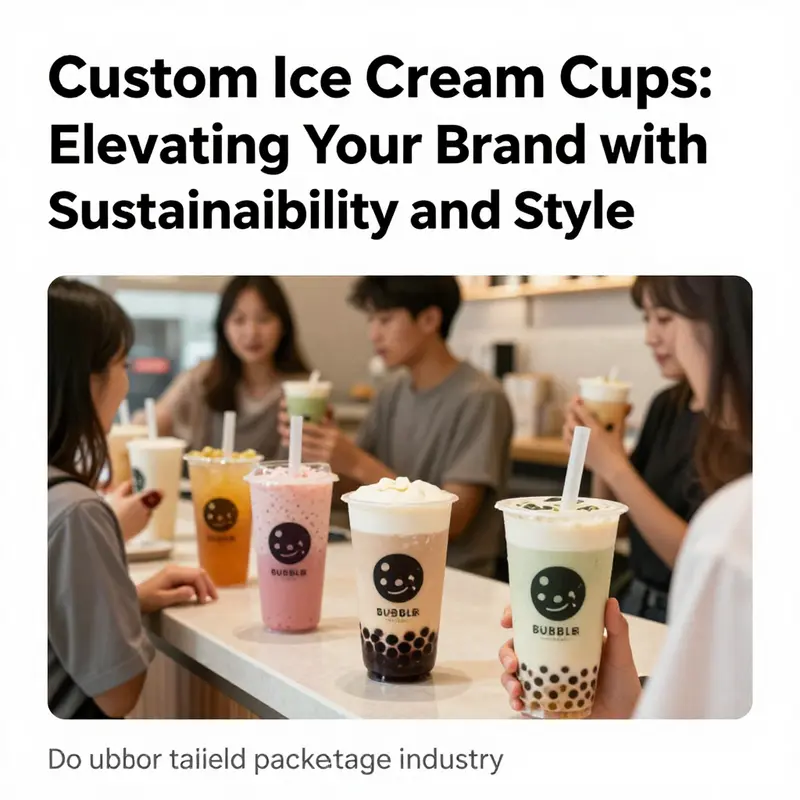
As the market for beverages and desserts grows, custom ice cream cups emerge as a crucial tool for businesses like bubble tea shops, restaurants, food trucks, and catering services. These cups are not just containers; they’re extensions of your brand’s identity and values. In this age of increasing environmental awareness, sustainability plays a vital role in consumer choices, making it essential for brands to consider the ecological impact of their packaging. This article delves into three pivotal chapters: the importance of sustainability in custom ice cream cups, the varying material choices available—paper versus plastic—and the latest in customization and printing technologies that enhance your brand identity. Each section will provide insights to help you choose the right packaging that resonates with your customers while effectively representing your brand.
null
null
Material Choices in Custom Ice Cream Cup Production: Balancing Sustainability, Branding, and Durability in Paper versus Plastic
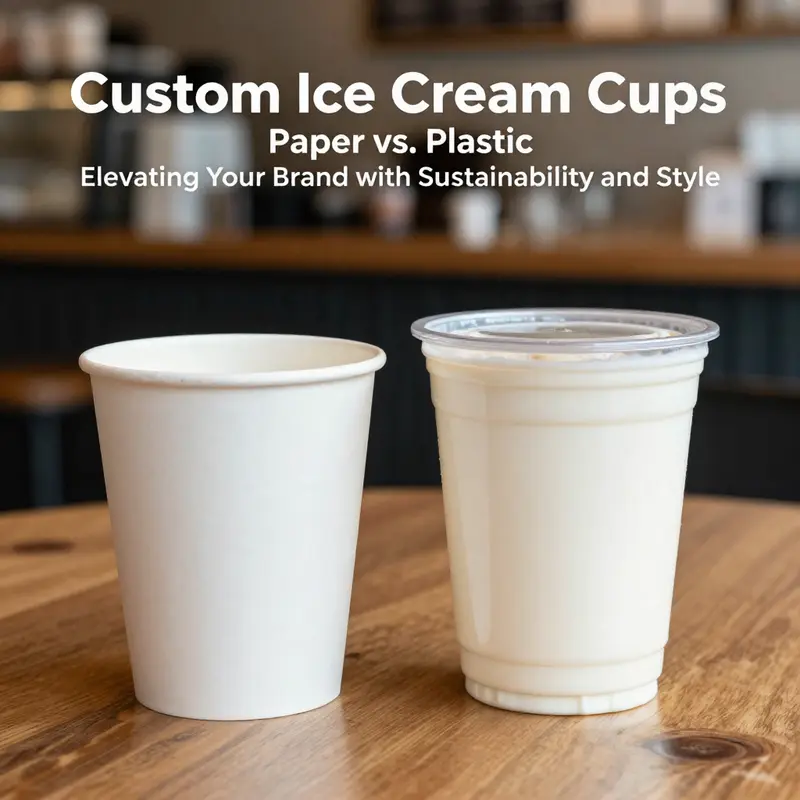
A custom ice cream cup is more than a vessel; it is a first handshake with the customer, a tiny stage where flavor, color, and a brand story meet. The choice of material sits at the heart of this handshake. It determines not only how the product looks and preserves its integrity but also how a brand is perceived in a crowded marketplace and how a business can align with evolving expectations around sustainability. In practice, the decision between paper and plastic is rarely a simple binary. It is a careful calibration of surface quality, barrier performance, lifecycle impact, cost, and the ability to tell a story that resonates with the audience in-store, online, and through repeat purchases. When a consumer picks up a cup, they are judging more than the scoop in front of them; they are reading a message about responsibility, value, and the brand’s attitude toward the environment. The material that shapes that message must therefore be chosen with both heart and data, with an eye to the present and a plan for the future. In this chapter, the emphasis is on how paper and plastic cups perform in the field, how they suit different business models, and how brands can align their material decisions with broader goals of branding, customer experience, and sustainability.
Paper ice cream cups have become a favored option for brands that want to signal environmental awareness without sacrificing the visual impact of a well-designed package. These cups are typically fabricated from recyclable paperboard, a material that offers a surface quality that is highly compatible with high-resolution flexo printing. The result is a surface that can carry vibrant logos, seasonal artwork, and promotional messages with a clarity and depth that draw the eye and set the tone for the entire customer interaction. For a soft serve stand, a seasonal pop-up, or a family-friendly dessert shop, the paper cup becomes a canvas for storytelling. The ability to print in rich, saturated colors supports campaigns around limited-edition flavors, charity partnerships, or community events. The surface is friendly to the eye and relatively light in weight, which translates into a lighter inventory profile and easier handling during peak service hours. These benefits often align with smaller businesses and pop-up concepts that emphasize fast, friendly service and a strong local identity.
However, the practical realities of paper cups must be acknowledged. Paper is inherently a porous material, and without a barrier layer, it is not ideally suited to prolonged exposure to moisture. To protect against leaks and soggy exteriors, most paper cups rely on a plastic or PLA lining. This lining adds a crucial barrier against liquid intrusion but introduces two critical considerations. First, the lining complicates the end-of-life handling of the cup. Some recycling streams may reject cups with lining, or require them to be diverted to composting or other specialized processes. Second, the presence of lining alters the life cycle assessment of the cup, because the materials are not simply paper anymore; they become a composite. Brands that choose paper must therefore plan for a potential trade-off between convenience in use and the efficiency of post-consumer recycling.
The attractiveness of paper cups for brand storytelling is reinforced by the printing advantages they offer. High-resolution flexo printing on paperboard enables crisp logos and bold color palettes that can be carried across season after season or refreshed to reflect new flavors and campaigns. The ability to print six colors or more in high fidelity enables brands to craft a cohesive visual language across all customer touchpoints. For events or limited-run flavors, a paper cup can be customized quickly and cost-effectively, enabling rapid experimentation with packaging design, without requiring the scale of a full plastic cup program. The adaptability of the medium supports a brand’s need to stay current, to celebrate collaborations, and to connect with consumers through visually compelling, collectible packaging. The material choice, in turn, reinforces brand values—sustainability, accessibility, and a sense of place—through tangible, everyday customer experiences.
From a supply chain perspective, the paper option is attractive for many operators. Paper cups are generally lighter than their plastic counterparts, which can translate into lower shipping weights and, in some cases, reduced logistical costs. They tend to be compatible with a broad range of sizes and shapes, including round, square, and conical forms, which makes them suitable for a variety of service contexts, from self-serve kiosks to family-friendly storefronts. The broader ecosystem around paper packaging also provides opportunities for alignment with other paper-based assets, such as napkins, bags, and boxes, enabling a unified brand presentation that reinforces a consistent environmental narrative across the store. To make the most of this opportunity, brands often explore pairing messaging on cups with messaging on paper bags or boxes, further multiplying the impact of the packaging on consumer perception.
The plastic option introduces its own set of defining advantages. Cups made from PET or PP plastics offer exceptional durability and barrier stability. They resist deformation and leakage even when exposed to warm temperatures or humid environments, making them well suited for outdoor events, theme parks, or high-traffic venues that experience rapid service cycles. Plastic cups can be reused and, in many cases, are dishwasher-safe, which contributes to long-term value for commercial applications that require repeated service cycles. The printing capabilities extend to vivid, fade-resistant imagery across a range of finishes, including transparent, colored, or frosted options. The plastic medium supports a design language that can be more graphic or more minimalist, depending on the brand’s goals, and it lends itself to product showcase opportunities where the visual appearance of the ice cream is part of the merchandising strategy—think of frost patterns, color layering, or translucent effects that visible through the cup itself.
Yet the durability of plastic comes with environmental considerations. Plastics derive from fossil fuels and, if not responsibly recycled, contribute to long-lived waste streams. In markets increasingly sensitive to plastic pollution, brands must be thoughtful about end-of-life disposal and the communities that their packaging serves. The higher initial cost of plastic cups can be a barrier for some small businesses, especially when volume is uncertain or when the business model emphasizes tight unit economics. In such cases, the decision often pivots on how long a cup can be used before replacement, how it fits with the store’s operating model, and whether a consumer base is enthusiastic about reusable or durable packaging that justifies the cost in the long run.
The choice between paper and plastic is rarely made in isolation. For many brands, the material decision is a strategic statement about how the business wants to engage with customers. A store that positions itself around sustainability, locality, and simplicity may opt for paper cups even if they require a lining. The narrative remains: we care about the environment and we care about keeping operations efficient and costs predictable. A brand that wants maximum resilience in variable climates and high reuse potential may lean into plastic cups with an emphasis on responsible recycling programs and clear messaging about how to dispose of or reuse the packaging. In some cases, the decision is not binary, but hybrid: a bakery or dessert shop might use paper cups for certain product lines or promotional campaigns, and plastic cups for high-volume, outdoor service during peak seasons or for lines where exchange frequency is high and the priority is to prevent leaks and breakage.
Another dimension to consider is the role of customization and printing capabilities in shaping the perceived value of the cup. Paper cups offer a surface that can deliver bold, high-impact branding with a sense of environmental mindfulness that resonates with consumers who value sustainable choices. The ability to print multiple colors with sharp contrast supports limited-edition flavors and seasonal motifs, which can drive incremental sales through collectability and virality on social media. The plastic option, with its vibrant, fade-resistant printing, can unlock a different kind of visual language—one that emphasizes product clarity, translucence, and the physical beauty of the ice cream itself. The choice of material therefore interlocks with the brand’s storytelling strategy, becoming part of a broader marketing toolkit rather than a mere packaging detail.
From an operational standpoint, the specifications of each material affect not only the appearance but the day-to-day realities of production. Paper cups, being lighter and sometimes easier to assemble, can streamline handling during busy service periods. They can also simplify inventory management for some operators because they align with other paper-based products in a single supplier ecosystem. However, the lining requirement introduces an extra step in the manufacturing process and an additional design consideration. The lining choice—plastic or PLA—has downstream effects on recycling streams and the ease with which a consumer can close the loop after enjoying the dessert. PLA linings, in particular, are designed to offer a compostable pathway in certain programs, but the actual composting infrastructure varies by region. As a result, brands must balance the desire for a strong moisture barrier with the practical realities of waste management in their localities.
Plastic cups, on the other hand, bring exceptional performance in terms of leakage protection and resilience of the product under heat. This translates into fewer customer complaints about drips and spills and a more consistent dining experience in outdoor settings or during events. The downside is the perception risk: plastic is often seen as less sustainable, and even when recycled, the environmental benefits can be contested if the recycling rates are low or if the end-use streams are not well managed. Businesses that lean into plastic packaging anticipate the need for robust consumer education and clear disposal guidance. They may also explore durable, reusable options for venues where cups can be brought back for washing and reuse, which requires a careful alignment of operating processes, staff training, and incentives for customers to participate in a circular approach.
The decision matrix for material choice also intersects with cost and scale. Paper cups tend to have a lower initial price point and lower MOQs, which makes them an attractive option for early-stage businesses or for campaigns that require lean inventories and quick resets between seasons. They also offer a favorable unit economics for small to mid-size orders because the production processes can be scaled quickly and the logistics can be managed with standard packaging routines. For large operators with high daily volumes and longer-term use cases, plastic cups may deliver better long-term value through reusability and a broader range of design options. The cost calculus includes not only the price per unit but the cost of waste disposal, recycling, and the potential need for additional lining materials. Suppliers can accommodate varied MOQs and lead times, with some providers offering flexibilities such as MOQs starting at 50,000 pieces and rapid response times that enable a brand to test and refine designs within tight marketing windows. In practical terms, a business might begin with paper for a soft launch and gradually introduce plastic for a larger, year-round program, or vice versa, depending on regional recycling infrastructure, consumer sentiment, and the nature of the customer experience.
As with any packaging decision, the lifecycle considerations deserve careful attention. Paper cups boast biodegradability and recyclability, features that strongly appeal to eco-conscious consumers when the end-of-life path is clear and accessible. Yet the real-world recycling environment is not always straightforward. The barrier layers can complicate recycling streams, and not all facilities are equipped to separate the paper from the lining efficiently. In some markets, compostable alternatives offer a compelling path, but only if local facilities exist to process them—and only if consumers understand and participate in the process. Plastic cups offer a known durability profile and a potential for reuse, but the fossil-fuel origin and end-of-life challenges require a robust recycling plan and compelling consumer education. The most successful brands map these dynamics to their values, customer base, and community context, creating a packaging strategy that integrates with the store design, communications, and aftercare programs.
A practical way to think about material choice is to assess the brand’s identity and audience. If the brand story centers on sustainability, transparency, and a sense of environment-first values, paper cups with clear end-of-life messaging can drive stronger engagement. If the brand emphasizes longevity, resilience, and a robust on-site dining experience—especially in outdoor or busy, high-volume contexts—plastic cups may be the better fit, provided there is a credible commitment to responsible disposal and recycling. In markets where both options are viable, a hybrid strategy can serve as a bridge between values and performance. The cup then becomes not just a container but a narrative device—tied to the flavor, the setting, and the community the brand seeks to nurture.
For operators who want to optimize their packaging mix, collaboration with suppliers becomes a strategic move. Custom production services can deliver full-color flexo printing in multi-color configurations, ensuring the design language remains consistent across materials and campaigns. MOQs, lead times, and payment terms are part of the negotiation, but so too are the environmental commitments and the ability to adapt to seasonal shifts in demand. A supplier that can provide both paper and plastic options, with guidance on lining choices and recycling pathways, becomes a partner in shaping the brand’s responsible footprint. This kind of collaboration is increasingly essential in a market where customers expect brands to take measurable steps toward sustainability, without compromising on visual impact or service quality. The packaging is thus not a separate concern but an integrated element of brand strategy, operations, and the broader environmental narrative that surrounds the product.
The subtext of material choice also touches on the broader opportunities in packaging ecosystems. Custom ice cream cups can be part of more extensive packaging families that include yogurt cups, salads, popcorn, and other snack items. When a brand can present a cohesive, well-considered approach to packaging across multiple product lines, the perceived value rises. The consistency in materials, printing quality, and messaging helps customers recognize the brand’s identity at a glance, which reinforces loyalty and recall. In such scenarios, a retailer can employ a curated set of packaging options that balance aesthetics, functionality, and sustainability. The end result is a streamlined, recognizable presence that stands out on shelves, in displays, and in the hands of delighted customers.
Finally, the decision to choose between paper or plastic must be made with a clear understanding of regional expectations and regulatory landscapes. Some regions are expanding restrictions on single-use plastics, while others are strengthening standards for recyclability and compostability. Brands that stay ahead of these shifts by assessing local waste streams and consumer attitudes can preempt regulatory constraints and align their packaging choices with forward-looking policies. This proactive stance reduces risk and signals a commitment to responsible business practices, contributing to long-term brand equity rather than short-term cost savings. It also invites customers to participate in a larger story about circular economies and community stewardship, turning packaging from a mere necessity into a platform for education and engagement.
In sum, the material chosen for a custom ice cream cup is a decision with ripple effects across branding, sustainability, functionality, and economics. Paper and plastic each bring distinct strengths to the table, and the most successful programs are those that recognize when to lean into the strengths of one material or blend the two in service of a larger objective. The cup, after all, is a microcosm of the brand: a visible commitment to values, a signal of quality, and a practical tool that shapes the moment when the consumer tastes the product and makes a memory. For brands ready to explore these dimensions, the path forward begins with a rigorous assessment of target audiences, environmental goals, and operational realities, followed by a design and sourcing process that treats packaging as a strategic asset rather than a footnote. If you want to see how a particular cup category can be explored in depth, consider reviewing the broader packaging ecosystem where paper cups and plastic cups sit alongside a spectrum of related items in the packaging portfolio. For more on specific paper cup options, you can explore the category at the following internal resource: paper cups.
External resources can offer additional context about market dynamics and evolving standards. For a broader industry perspective on how these decisions are evolving in the market, see the latest market overview for custom ice cream cups, which surveys material choices, printing capabilities, and sustainability considerations across the sector. This external context complements the detailed, brand-focused considerations outlined here and can inform a strategic planning process that aligns packaging with overall business goals. Access the market overview here: https://www.packaginginsights.com/industry-reports/custom-ice-cream-cup-market
From Logo to Lip: Weaving Brand Narrative into Custom Ice Cream Cups Through Printing and Materials
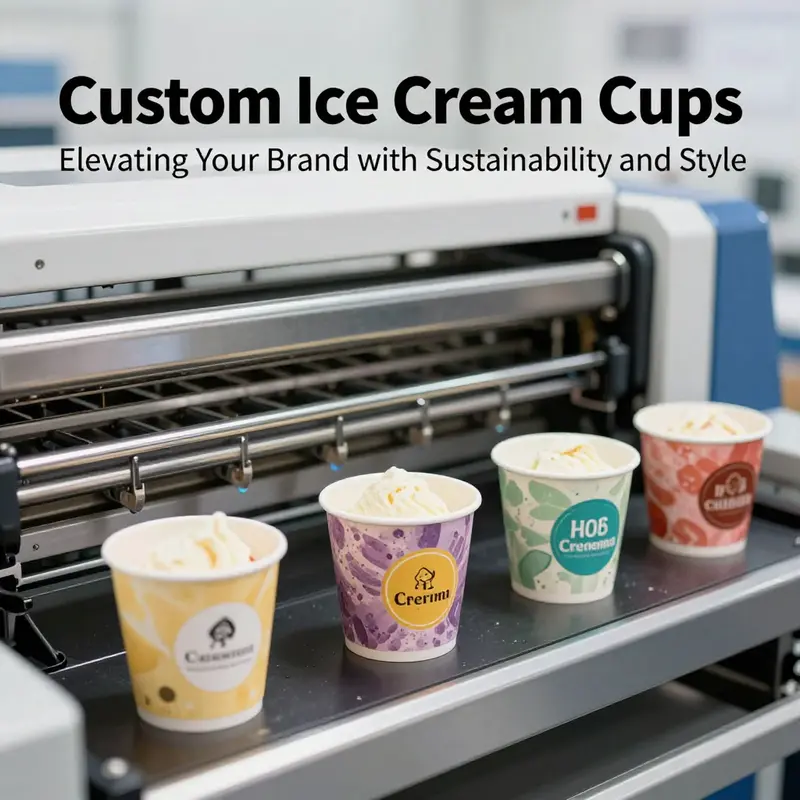
A custom ice cream cup is more than a vessel; it is a conversation starter, a mobile billboard, and a tactile reminder of a brand’s story. The chapter that follows treats the cup not as a mere container but as a fully integrated brand touchpoint. It explores how printing technologies, material choices, and design decisions align to create a coherent, memorable experience that travels from the shelf to the mouth and back again through repeat visits and social sharing. In a crowded market, where every scoop is a promise of quality, the packaging surrounding that scoop acts as the first and last mile of brand perception. The most successful brands treat customization as a strategic asset, not a cosmetic flourish, and they use it to communicate sustainability, personality, and reliability in one seamless package.
At the core of this approach is a dialogue between aesthetics and performance. On one hand, modern flexographic and offset printing technologies enable the cup surface to carry vibrant logos, seasonal motifs, and precise color palettes that stay crisp from first glance to last bite. On the other hand, the cup must perform under real-world conditions: it must resist moisture, hold up to the heat and humidity of a busy service counter, and maintain integrity during transport. The balancing act between print quality and functional reliability has driven a generation of packaging solutions that can be tailored to the brand’s tempo—whether a fixed menu at a neighborhood shop, a seasonal pop-up, or a large-scale event.
Printing technologies have evolved to make this possible without sacrificing efficiency or affordability. Flexographic printing, often described as a workhorse of the packaging world, uses fast-drying inks and easily repeatable processes that suit long runs with consistent color. It supports full-color outcomes and up to six colors, which is more than enough for most brand stories while keeping production costs in check. For campaigns that demand even sharper detail or more sophisticated color control, offset printing offers higher resolution and a broader color gamut, enabling gradients, fine lines, and photographic imagery that can communicate mood and message with a level of sophistication previously reserved for premium printed materials.
The result is a spectrum of visual possibilities that brands can leverage to tell their story. A single color can communicate flavor intent and brand personality; a carefully chosen combination of hues can evoke nostalgia, optimism, or adventure. The printing layer is not just decoration; it is a critical channel through which the brand speaks, especially in settings where the cup sits at eye level in a shopper’s line of sight. The surface itself becomes a canvas for storytelling, with brand typography, mascot cues, and seasonal motifs arranged to create a recognizable silhouette on crowded displays. The impact is measurable in shelf presence, recall, and even social media engagement when customers photograph a striking cup and share it with a tag or caption.
Beyond the graphic surface, the material choice frame shapes the potential for print and the overall consumer experience. Paper-based cups, crafted from recyclable paperboard, offer a compelling sustainability narrative. They are lightweight, cost-conscious, and compatible with high-quality flexo printing that yields vibrant logos and seasonal artwork. The lightness of paper cups makes them easy to handle and transport for both workers and customers, a practical advantage for busy service settings. Yet, the same environmental story that draws many consumers to paper can also introduce practical trade-offs: moisture resistance can waver over time, and many paper cups rely on a plastic lining to provide a reliable barrier against leaks. Those trade-offs are not merely technical details; they shape how a brand positions itself in a world increasingly attentive to environmental footprints. The choice between a recyclable paper solution and a plastic alternative is a reflection of brand values and operational priorities, and the best programs acknowledge that alignment, not compromise, between sustainability and performance.
Plastic cups, typically made from PET or PP, present the other end of the spectrum. They offer durability, leak resistance, and resilience in hot and humid environments, making them a reliable choice for outdoor events or high-volume operations. Printing on plastic allows for vivid, fade-resistant visuals across transparent, colored, or frosted finishes. The result is a highly durable, reusable option that can withstand repeated use, multiple wash cycles, and rough handling without compromising the image. However, plastic often invites scrutiny from sustainability-minded consumers, and the industry is responding with advances in recyclability and circular economy strategies. The balance here is not simply about raw materials; it is about lifecycle intelligence—how a brand communicates care for the environment and how the product is recycled at end of life.
The practical decision about materials is bound up with the brand’s stage in its lifecycle. Startups and artisanal brands, for instance, may prioritize lightweight, cost-effective paper cups for their first market tests and seasonal campaigns. Their designs can push the envelope visually while keeping MOQs within a manageable range. In contrast, established venues—whether a recurring storefront, a festival circuit, or a corporate event program—often benefit from the durability and reusability offered by plastic cups. These brands may run campaigns that span multiple locations and seasons, requiring a more sustained print approach and a design language that travels well across contexts.
In reality, many operators do not rely on a single material solution. They adopt hybrid strategies: a paper cup for everyday use and a plastic cup for high-traffic events, with a coordinated branding system that ensures consistency across formats. This approach preserves the brand’s voice while accommodating different service realities. It also opens opportunities for a broader design vocabulary. For instance, a seasonal campaign can be executed with a paper cup featuring a high-clarity flexo print that communicates the mood of the season, then translated into a more durable plastic variant for events and take-home purchases. In both cases, the design language—logo placement, color schemes, typography, and messaging—remains anchored to a single brand architecture. The result is a cohesive brand story that travels across multiple touchpoints and remains recognizably the same cup even as the production line and materials change.
The conversation between design and manufacturing extends to shape and size as well. Customization is not limited to color and print; it encompasses the geometry of the cup itself. Round cups remain the default, but the market now supports square, conical, or hybrid shapes that can make a brand stand out on a crowded shelf. The physical impression matters as much as the visual impression. A uniquely shaped cup can become a mobile billboard, a conversation starter, and a collectible piece that invites customers to share photos and stories. These shapes must be compatible with the chosen coating and printing processes to ensure leak resistance, print fidelity, and functional performance during consumption. It is a delicate balance: the more distinctive the shape, the more attention must be paid to production feasibility, tooling costs, and supply chain reliability.
The functional features of cups have grown in tandem with aesthetic possibilities. A notable practical feature is the addition of double PE coating or other barrier technologies that resist leaks and keep ice cream at its best for longer. This layer is a critical trust signal for customers; it communicates that the brand is serious about quality and reliability. But every additional barrier or coating carries implications for recyclability and end-of-life handling. The modern packaging conversation, therefore, is not about choosing one feature over another; it is about building a cohesive packaging system that aligns print quality, performance, and sustainability into a single, credible brand promise.
For brands seeking agility, semi-automatic cup-making machines have lowered the barrier to in-house customization. Such equipment enables artisanal brands and smaller operators to prototype new cup shapes, coatings, and print patterns quickly and with consistent quality. The ability to iterate rapidly supports more dynamic marketing strategies: seasonal flavors, limited-edition partnerships, and event-specific designs can be tested, refined, and launched within shorter timeframes. This capability reduces risk, accelerates go-to-market timelines, and fosters a culture of experimentation that can become a competitive advantage in a crowded marketplace. When a brand can trial six or seven design concepts in a single season, it gains the latitude to discover what resonates most with customers and what drives trial and repeat purchases.
From a business perspective, the economics of customization are in motion. Suppliers now offer full-color flexo printing (up to six colors), quick response times, and MOQs that fit different scales of operation. First orders typically run in the 30- to 45-day window, while repeat orders can be fulfilled in as little as seven to fifteen days, depending on design complexity and production scheduling. Payment terms commonly feature a 30% deposit with the remainder due on delivery or a letter of credit, among other arrangements. These terms reflect a packaging ecosystem that values risk management, transparency, and reliability, all essential for brands that depend on consistent presentation across stores, kiosks, and pop-up spaces. The digital, global nature of sourcing also means that surface quality and color fidelity can be matched across batches, ensuring that a campaign’s identity remains intact from the first scoop to the last.
The supply chain narrative is not only about speed; it is about scalability and adaptability. Platforms that connect buyers with suppliers provide access to a broad range of capabilities—from high-volume production lines to flexible, small-batch runs for testing and regional campaigns. The idea of a global sourcing network, with MOQs as low as thirty thousand units in some cases, offers brands the potential to scale without sacrificing the opportunity to test new concepts locally. The procurement logic is changing, too. Secure payment gateways, supplier verification, and transparent refund policies reduce the risk of entering complicated packaging collaborations. The path from concept to carton increasingly feels like a controlled, creative process rather than a risky leap into unfamiliar territory. In this environment, brands can design a cup that not only contains ice cream but also tells a story—one that customers want to replay, share, and remember.
The narrative power of custom ice cream cups resides in the alignment of print quality, material characteristics, and brand storytelling. A well-executed design flows across the entire customer journey: the moment a customer picks up the cup, reads the branding at eye level, feels the coating against their fingers, and finally bites into the ice cream while appreciating a design detail that reinforces a message. That stream of experiences is why the cup should be seen as an extension of the brand’s identity, not as a disposable afterthought. The most successful programs leverage every facet of customization to deliver a cohesive, immersive experience. Print fidelity, color accuracy, surface finish, and the placement of messaging all contribute to a sense of premium quality that customers can trust. And because the cup travels from shop counter to social feed, the branding also acts as invitation: it invites customers to share a moment, tag the brand, and participate in a larger conversation about taste, values, and community.
The strategic path forward involves deliberate decisions about print technology, materials, and the environmental promises a brand wishes to make. Eco-conscious brands may gravitate toward PLA-coated or bamboo paper materials, which offer a different kind of print performance while signaling sustainability values. These materials can support high-quality flexo printing and maintain surface integrity in variable climates. Still, every material choice interacts with end-of-life considerations. Recyclability, compostability, and the infrastructure available to collect and process cups vary by region, and brands must communicate their commitments clearly to customers to avoid confusion or misaligned expectations. The design system therefore embraces not just attractive visuals but also transparent, credible sustainability storytelling that accompanies the packaging’s aesthetic appeal.
To those outside the packaging ecosystem, the sophistication of customization may seem like a luxury. But the practice is a strategic response to changing consumer expectations. People want experiences that feel personal, relevant, and responsible. A custom ice cream cup can deliver all three by combining a strong visual identity with practical performance and an authentic sustainability stance. The challenge for brands is to manage complexity without sacrificing consistency. This requires a unified brand brief that guides color usage, typography, and imagery across printing methods and materials, a robust quality control regimen to maintain print fidelity and barrier performance, and a supplier network that can scale while honoring the brand’s voice.
As an invitation to brands considering this path, the framework for success rests on three pillars. First, design for print and performance in tandem. Visual hierarchy, color management, and artwork setup must anticipate the limitations and strengths of the chosen printing process and cup material. Second, integrate sustainability from the outset. Material selection, barrier technologies, and end-of-life messaging should be woven into the design brief so customers understand the brand’s environmental commitments on every cup. Third, plan for agility. Seasonal campaigns, events, and new flavors demand fast prototyping, rapid production, and reliable logistics. Semi-automatic cup-making capabilities and flexible MOQs can empower brands to move quickly from concept to execution while maintaining consistent quality across runs.
This integrated approach is more than a manufacturing strategy; it is a storytelling discipline. The cup becomes a three-dimensional canvas carrying a brand’s voice—its color psychology, its typography, its environmental values, and its promises about flavor and experience. When executed with care, the cup contributes to a consistent, memorable, and shareable customer journey that extends far beyond the last bite of ice cream. The consumer’s memory of the brand is enriched by a packaging experience that resonates with taste, aesthetics, and ethics—in other words, by a packaging story that customers want to tell again and again.
For readers seeking to dive deeper into practical pathways for achieving this integration, one practical starting point is exploring packaging and printing services that align with a brand’s needs. A well-chosen supplier network can provide guidance on artworks, color matching, and compatibility across materials, while ensuring that printing capabilities align with campaign goals and budget. This is not merely a procurement decision; it is a strategic collaboration that amplifies the brand’s identity at the exact moment when the consumer makes a choice in the aisle or on the street. By focusing on the synergy between design, material science, and production capability, brands can craft custom ice cream cups that do more than hold dessert: they tell a story, reinforce trust, and invite ongoing engagement.
For teams and leaders evaluating next steps, a practical approach is to initiate a small-scale pilot that tests both paper and plastic formats across a range of artwork. The pilot should measure print fidelity, coating performance, leak resistance, and customer reactions. It should also capture data on production timelines, MOQs, and total cost of ownership across different materials and printing methods. The insights from such a pilot can inform a broader packaging strategy that scales across venues, channels, and campaigns while preserving the brand’s core identity. The goal is not simply to adopt new printing techniques or new papers; it is to cultivate a cohesive brand narrative that lives on every cup and travels with the customer through every bite and share.
In closing, the custom ice cream cup stands at the intersection of art, science, and storytelling. It is where design concepts become tangible textures, where color science meets material physics, and where a brand’s values emerge as consumer trust. When a cup is designed and produced with disciplined attention to print, material choice, and lifecycle considerations, it becomes a powerful instrument of brand identity. It helps the brand speak in a unified voice across locations and audiences, and it turns ordinary moments of indulgence into distinctive experiences customers remember—and photograph. The cup, in other words, is not just packaging; it is a strategic platform for brand equity.
Internal resource for practical exploration: Packaging Printing. Packaging Printing
External reference: https://www.made-in-china.com/products?keyword=custom+ice+cream+cups
Final thoughts
Custom ice cream cups are more than just functional items; they play a vital role in shaping customer perceptions and enhancing brand loyalty. As we explored, aligning your packaging choices with your commitment to sustainability is crucial in today’s eco-conscious market. The material you choose—whether paper for its environmental benefits or plastic for durability—will influence customer preferences and brand representation. Furthermore, utilizing advanced customization and printing technologies allows you to create memorable and engaging customer experiences, amplifying your brand identity and setting you apart from the competition. By investing in the right custom ice cream cups, you not only satisfy consumer demands but also contribute positively to the planet.