
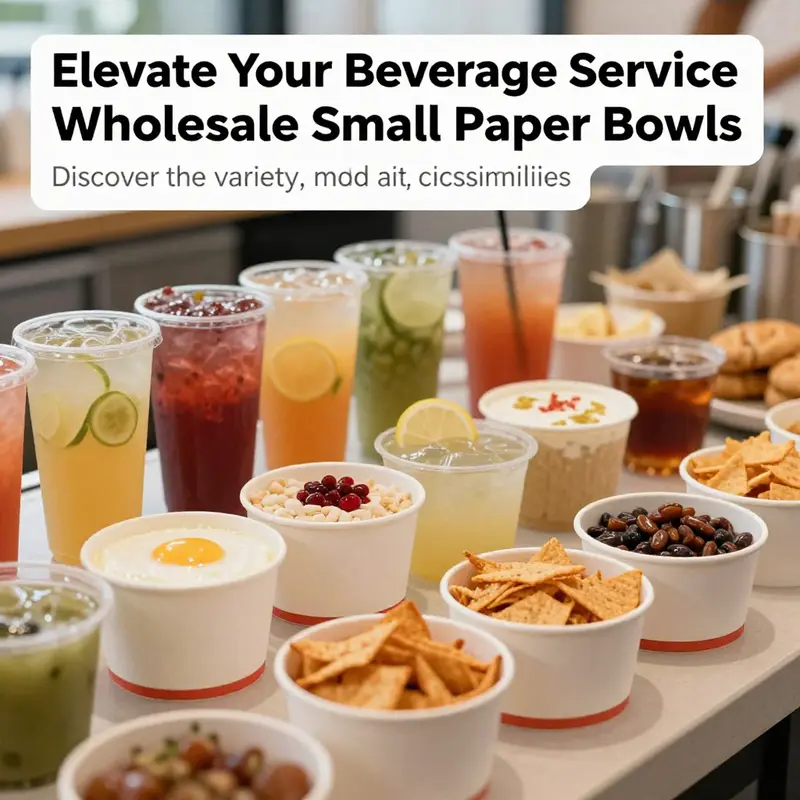
Small paper bowls are increasingly essential for businesses in the food industry, from bubble tea shops to catering services. As professionals seek more eco-friendly and customizable options, understanding the wholesale market for small paper bowls becomes crucial. This article explores the various types and sizes available, the materials these bowls are made of and their environmental impacts, and the branding opportunities that come with customization. By delving into these aspects, businesses can make informed decisions that enhance their service and align with customer preferences.
Versatility in a Small Circle: Understanding Small Paper Bowls in Wholesale Markets
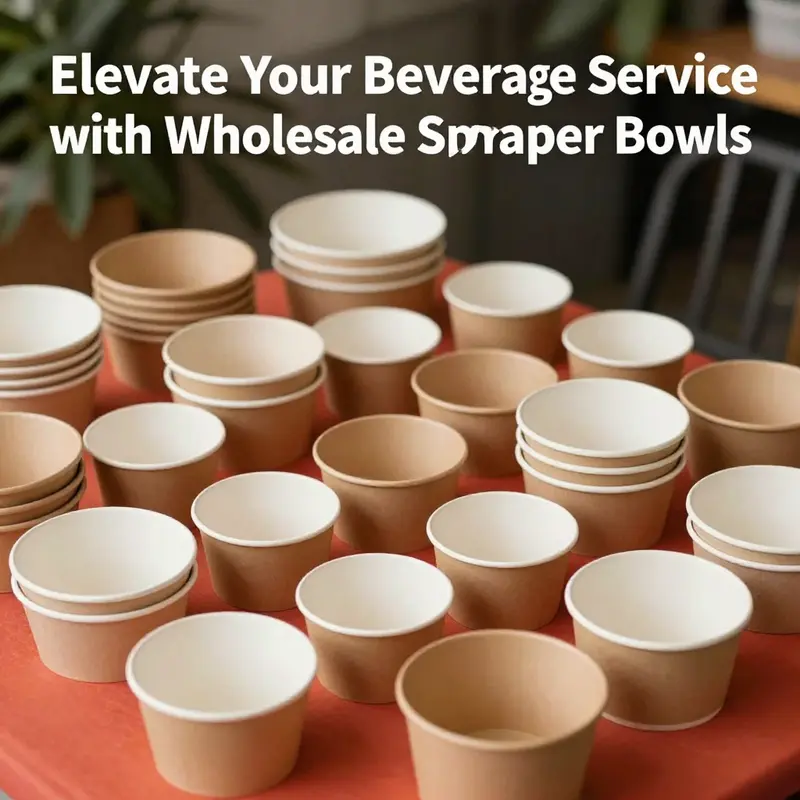
A wholesale market for small paper bowls presents a landscape where material science, safety, branding, and practicality converge in a single vessel. These bowls, though tiny, carry implications for how food is served, how a brand is perceived, and how efficiently a kitchen can operate. For wholesalers, the challenge is not to pick the prettiest option but to assemble a palette that can meet diverse menus, service formats, and budgets without sacrificing safety or reliability. The core decision points revolve around material, coating, size, and finish, and each choice ripples through procurement, waste management, and consumer experience.
In wholesale contexts, safety and compatibility with food contact remain paramount. Food grade papers designed for direct contact with meals come in variations that reflect recycled content versus virgin fiber. The coatings, often barrier layers that are food safe, serve to prevent leakage, maintain structural integrity during handling, and preserve the sensory qualities of the food inside. The choice between mineral-based barriers and plant-based alternatives can influence compostability, shelf life, and the end-of-life story for a serving piece. In practice, buyers seek bowls that resist moisture at the rim while providing a surface ready for labeling or branding without peeling or fading under hot conditions.
Eco-friendly and compostable options are increasingly prominent, appealing to operators who want a sustainability narrative without sacrificing performance. These bowls are typically made from bamboo fiber or plant-based pulp, aligning with consumer interest in disposables that can be managed with a lighter environmental footprint in the right facilities. The appeal is twofold: environmental stewardship and brand perception. The challenge for wholesalers is to ensure these bowls perform reliably under expected loads and temperatures, with moisture barriers and heat resistance that survive through the serving cycle and into disposal. Balancing compostability with performance remains a context-dependent calculation tied to the type of food, duration of service, and storage conditions.
Custom-printed bowls expand the branding toolkit beyond decoration. Branded bowls carry a restaurant or chain identity along the takeaway journey, from counter to consumer home. In wholesale practice, color reproduction, print adhesion, and the compatibility of printing with chosen coatings determine success. Minimum order quantities, setup costs, and production lead times shape the economics of customization, making it a strategic investment for some buyers and a baseline expectation for others. Durable prints must withstand handling, condensation, and mild heat while remaining legible across many cycles of use and reuse.
The sizes themselves tell a story about portion control and throughput. Common wholesale ranges span from roughly 200 to 700 milliliters, covering condiments and small desserts at the low end, and main dishes, rice bowls, and soups at the high end. The 200–300 milliliter tier supports snacks and trial portions, the 400–500 milliliter tier covers most entrees or noodle bowls, and the 600–700 milliliter tier accommodates soups or larger combinations. Buyers choose sizes not only for the food they serve but also for how they manage waste, storage footprint, and the end-user experience when the bowl is opened and consumed.
Behind the scenes, suppliers provide these bowls in bulk with defined MOQs, production lead times, and clear specifications for coatings and printing. Verifying supplier capabilities, including coating uniformity, wall thickness stability, and print consistency across batches, reduces risk and builds confidence in service levels. Certifications for food safety and environmental stewardship add further assurance for buyers managing multi-site programs. The procurement process rewards transparency, predictable delivery, and the ability to adapt options such as eco-friendly materials or branded formats as the business needs evolve.
In the broader packaging ecosystem, these bowls exist alongside cups, lids, and other disposables that together form a coherent serviceware system. A thoughtful buyer considers how bowls integrate with existing inventory, labeling workflows, and waste streams, seeking harmonization rather than a collection of isolated choices. The wholesale market rewards a scalable balance of breadth and depth: a range of formats to meet menu needs, supported by reliable supply, consistent quality, and clear, enforceable standards. For readers exploring wholesale options, a practical approach is to compare apples to apples: equivalent dimensions, comparable food safety assurances, and similar performance in leakage resistance and heat tolerance. See the broader disposable bowls category for related ideas and cross-category synergies.
Material Pathways and Environmental Tradeoffs in Small Paper Bowl Wholesale
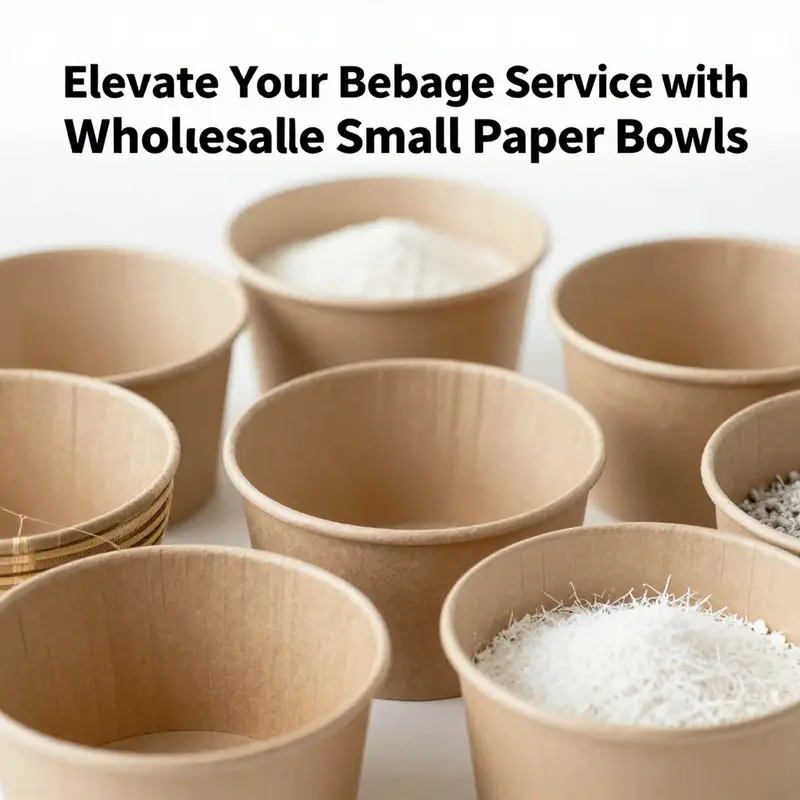
The wholesale market for small paper bowls sits at a critical crossroads where practicality, branding, and environmental responsibility converge. Buyers and suppliers increasingly treat these humble containers not simply as vessels for snacks or desserts but as nodes in a broader system of materials stewardship, supply chain resilience, and end-of-life feasibility. In this chapter, the focus is the material backbone of small paper bowls—their composition, the choices behind those compositions, and the environmental consequences that ripple through production, distribution, use, and disposal. The goal is not to champion a single material as universally superior but to illuminate how different options perform in real-world contexts, how industry standards can guide better choices, and how wholesale buyers can align material decisions with both business objectives and planetary health. The narrative moves through the core material families, the coatings that alter function and fate, and the lifecycle realities that shape environmental impact. It also threads these material considerations with the practicalities of wholesale dynamics—minimum orders, customization capabilities, and the verification processes that help buyers trust a supplier’s environmental claims—so readers see how material choice and supplier practices intertwine in a market where scale and sustainability must go hand in hand.
At the heart of most small paper bowls is kraft, or brown paper, a material rooted in wood pulp and, ideally, in responsibly managed forests. Kraft paper is favored in wholesale because its strength-to-weight ratio supports a range of sizes and uses, from bite-sized snacks to fuller meals. When the forest supply chain carries FSC certification, the respect for forest stewardship becomes explicit: forests are managed with biodiversity, soil health, and water cycles in mind, not merely as heaps of timber to be harvested. The recycling and composting narratives around kraft are nuanced, however. Kraft can be produced with varying degrees of bleaching. Some options are bleached to look whiter, while others proudly minimize or avoid chlorine-based bleaching, preserving more of the pulp’s natural integrity and reducing harmful byproducts. The environmental story here is not a single slogan but a spectrum of practices that affect downstream outcomes, including how easily the final product can be composted or recycled.
Biodegradability and compostability often ride together in the public imagination, but the realities are more layered. Kraft-based bowls, when uncoated or lightly coated, tend to be biodegradable under industrial composting conditions. Yet the presence or absence of coatings can dramatically alter this fate. Many paper bowls rely on a polymer-based coating, such as polyethylene, to provide a leak-proof barrier that keeps sauces from seeping and keeps contents contained during transport and display. This functional advantage is clear and compelling for foodservice operations that demand reliability. But coatings also complicate end-of-life scenarios. Polyethylene and other fossil-derived plastics can hinder compostability if the facility lacks the capacity to properly separate or process coated paper streams. In contrast, plant-based bioplastics, such as polylactic acid (PLA), offer a more sustainable veneer that can improve compostability in the right facilities. Yet PLA coatings require industrial composting infrastructure to perform as intended; in home composting or standard landfills, the advantages may be much less pronounced.
These material choices translate into tangible environmental tradeoffs. Sourcing matters deeply: if the raw paper comes from forests where biodiversity is protected, soil health is nurtured, and communities rely on sustainable practices, the upstream footprint of each bowl is kinder. Certification schemes like FSC help buyers verify those assurances, but certification is not an automatic passport to sustainability. The chain of custody, the energy mix used in manufacture, and the efficiency of pulping processes all color the final impact. The bleaching stage, too, deserves attention. Chlorine-based bleaching is associated with the release of certain toxins if not managed carefully. More eco-conscious mills employ elemental chlorine-free or totally chlorine-free processes, and some still pursue unbleached kraft to minimize chemical handling altogether. Each choice nudges the environmental ledger toward lower or higher burden, and in wholesale markets, where volumes are large, even small improvements in processing can yield meaningful aggregate benefits.
Coatings sit at another critical juncture. A leak-proof paper bowl that can hold sauces without compromising integrity is inherently more versatile for foodservice. Yet coatings define the post-use fate of the product. Polyethylene coatings are effective but create a barrier to compostability if the coated fiber cannot be separated during processing. Some suppliers mitigate this tension by offering uncoated options or coatings derived from renewable sources. PLA-based coatings represent a middle path: they displace some fossil fuel usage and can be compatible with industrial composting, especially when facilities are equipped to process PLA. The caveat is that not all composting infrastructure can handle PLA, and misaligned disposal behavior by end users can undermine environmental gains. Buyers who want to optimize the environmental outcome must therefore consider the compatibility between the coating technology, the intended end-of-life facility, and consumer disposal habits.
As with any wholesale decision, the environmental story cannot be decoupled from logistics. Transportation is a consequential factor in the lifecycle of small paper bowls. Large, steady orders reduce per-unit transport emissions by achieving economies of scale, but the mode of transport, routing efficiency, and distance all matter. From a cradle-to-grave perspective, a bowl that travels a shorter route in a well-structured supply chain with optimized packaging will carry a lighter environmental load, even if it uses a slightly heavier material. The wholesale market’s velocity sometimes pushes buyers toward standardization and bulk quantities that reduce per-unit emissions, but it can also demand customization in color, branding, and size. Each of these attributes has its own carbon footprint implications, particularly when it comes to printing inks and finishes that may require additional processing steps. In such contexts, a supplier’s ability to offer responsibly sourced materials, minimal coatings, and efficient production lines becomes a competitive differentiator that aligns with buyers’ sustainability objectives.
End-of-life considerations inevitably enter the frame. Industrial composting facilities play a pivotal role for many disposable paper bowls, especially when coatings favor compostability. The key question for wholesale buyers is: what infrastructure exists in the markets they serve? In urban centers with robust composting programs, uncoated kraft or PLA-coated bowls can be responsibly discarded into the industrial compost stream, turning waste into resource rather than landfill. In other regions, where such facilities are sparse or underfunded, even seemingly green materials can end up in landfills where they decompose far more slowly. In this sense, environmental impact is not solely a property of the bowl but of the system surrounding it. The rhetoric of “green” must be matched with practical realities about local facilities, consumer behavior, and the broader waste management landscape.
For buyers navigating wholesale channels, these considerations translate into a set of actionable questions. First, what is the provenance of the kraft pulp, and can the supplier confirm FSC or equivalent certifications for the fiber source? How is the pulp bleached, and what chlorine reduction strategies are in place? Second, what coatings are used, and how do they affect compostability? Are there uncoated or PLA-coated options that perform as well in service but degrade more cleanly in the intended disposal stream? Third, what is the energy footprint of the conversion and finishing processes, including any printing, laminating, or branding steps? Fourth, how does the supplier align its logistics with climate-conscious delivery—route optimization, consolidated shipments, and packaging reductions that minimize waste? And fifth, what post-purchase data exist on disposal outcomes? Even in wholesale markets, such data can illuminate how customers actually interact with these products and whether the products end up where intended.
In practice, a well-informed buyer often seeks a balance between performance, cost, and environmental potential. For instance, when a particular material formulation offers excellent leak resistance but demands a more complex disposal stream, buyers can compensate by choosing markets with robust industrial composting infrastructure and by working with suppliers who can clearly communicate the disposal expectations to end users. Customization capabilities add another layer of complexity—and opportunity. A supplier that can adapt bowl size, shape, and branding while maintaining a lean material footprint can help a buyer meet marketing goals without inflating the environmental cost. The ability to print logos or designs is a form of value, but so is the ability to minimize unnecessary layers, inks, or coatings that complicate end-of-life processing. In this sense, customization becomes a lever for sustainability when thoughtfully applied rather than a driver of wasteful complexity.
A broader industry pattern that emerges from this material-focused view is the shift toward more transparent supplier verification. Buyers increasingly expect documentation that substantiates environmental claims: chain-of-custody records for fiber, third-party certifications, and evidence of reductions in chemical use or energy intensity across production. This is not merely about meeting regulatory requirements; it is about building trust in wholesale relationships where large orders and long-term partnerships hinge on the reliability of environmental performance data. In turn, suppliers respond by enhancing traceability, upgrading production lines, adopting greener inks and finishes, and investing in process improvements that cut waste and energy use. The result is a marketplace where material choices are not just about immediate functional fit but about how a bowl’s entire lifecycle aligns with a business’s broader sustainability ambitions.
For readers who appreciate the practical textures of wholesale procurement, it helps to imagine the journey of a single bowl—from forest to factory to catered event. In the forest, responsible management practices protect ecosystems and local communities. In the pulp mill, energy and water use are governed by efficiency measures and advances in pulping technology that reduce chemical load and emissions. In the conversion facility, fiber is transformed into bowls through presses, coatings are applied, and sometimes printing adds branding that supports the purchaser’s image. In transit, fleets move these products to distributors or directly to buyers, where warehousing, inventory turns, and packaging optimization determine efficiency. At the point of use, the bowl’s performance—whether it holds moisture, whether it leaks, whether it resists heat and oils—drives consumer satisfaction and repeat purchases. Finally, in disposal, industrial composting or recycling streams decide how effectively the material reenters the economy as a resource. Each step offers opportunities to improve environmental outcomes, and wholesale markets are uniquely positioned to influence multiple steps through careful material selection, supplier verification, and demand for transparency.
This integrated view also highlights an understated but growing trend in wholesale: the demand for packaging that can be branded without excessive processing. When suppliers offer customization, they often must balance branding needs with material simplicity. A bold logo on a coated surface may be visually compelling, but if the coating complicates disposal, the environmental payoff can be diminished. Conversely, a clean, minimalistic design on an uncoated kraft surface can convey premium quality while preserving recyclability. Buyers can press suppliers for documentation that links branding choices with end-of-life outcomes, tying marketing goals to sustainability metrics. In many markets, this alignment between branding and ecological integrity is no longer an optional virtue but a business necessity that resonates with consumers who increasingly value stewardship alongside convenience.
In sum, the material choices behind small paper bowls in the wholesale arena are not simply a matter of picking a convenient substrate. They are decisions with cascading environmental implications that touch forest ecosystems, chemical use, energy budgets, waste management infrastructure, and consumer behavior. When buyers ask the right questions—about fiber sourcing, bleaching, coatings, lifecycle fate, and supply-chain transparency—they unlock a richer set of options that can meet both performance and sustainability targets. The wholesale market rewards this kind of discipline with products that perform reliably, carry credible environmental narratives, and fit into circular systems wherever the local disposal infrastructure allows. And because the market for small paper bowls is inherently global—spanning forests, mills, converters, and distributors across continents—the potential gains from coordinated material choices can be substantial. A single well-chosen, responsibly sourced bowl can become a symbol of principled procurement in a world where packaging is both a practical tool and a statement about how business interacts with the planet.
For readers navigating the practicalities of wholesale sourcing, the path forward is not a single silver bullet but a portfolio of informed choices. Seek clarity on fiber origin and certifications; prefer uncoated or thoughtfully coated options that align with local composting realities; and prioritize production partners who can demonstrate transparency in energy use, chemical management, and waste reduction. Leverage customization not as a cost driver but as a strategic tool to minimize material complexity while still achieving branding and functional goals. Finally, remember that environmental impact is as much about system alignment as it is about material optimization. When suppliers and buyers together map a bowl’s lifecycle—from forest to facility to composting stream—and commit to credible reporting, the wholesale market can push packaging toward greater sustainability without sacrificing reliability or cost-effectiveness. This is not a defeat of function but a redefinition of what responsible scale can look like in the small paper bowl space.
Internal link for further exploration: the disposable bowls category offers a range of wrapper-free, minimal-coating options and case-ready solutions that can help maintain performance while reducing disposal friction. See the disposable bowls category for more details on available formats and customization capabilities.
External resource for further context: https://www.epa.gov/sustainable-management-waste/composting-industrial
Brand on the Rim: Customization of Small Paper Bowls as a Brand Signature
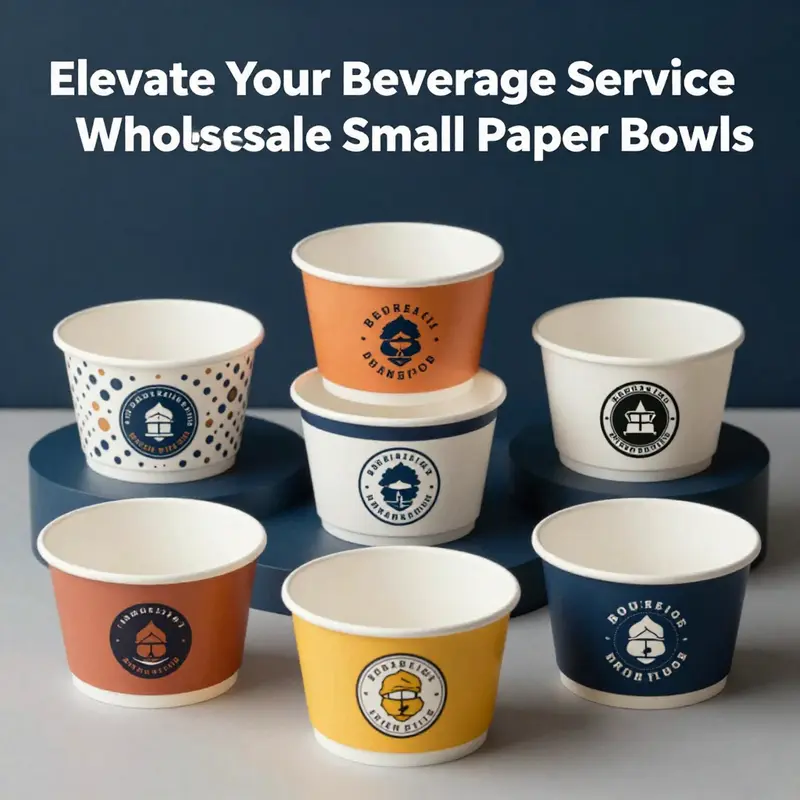
Customization and branding in the small paper bowl wholesale market sit at the intersection of practicality and perception. When a dining experience hinges on a simple container that competes with countless others, the packaging itself can become a quiet ambassador for a brand. The opportunity is not merely to print a logo on a disposable item; it is to craft a coherent, memorable experience that travels with every bite, sip, or drizzle. In this space, choices about material, finish, color, and design converge with strategic decisions about audience, channel, and storytelling. The best brands treat the bowl as more than a vessel and instead as a perimeter around a moment, a canvas that communicates value, tone, and promise before the first word of a menu is read or a single mouthful is tasted. For wholesale buyers, this means selecting customization options that scale, align with sustainability goals, and reinforce consistency across product lines, while still enabling flexibility to meet the needs of diverse customers—from high-volume food service operators to boutique event planners and dynamic street-food teams.
The core of this opportunity lies in the breadth of customization options available through modern suppliers. Suppliers who operate in the wholesale space frequently offer printing services that enable brands to imprint logos, names, or distinctive motifs directly onto bowls. The imprint is not limited to a single color or a single size; it can be layered with brand colors, patterns, and even seasonal designs that resonate with audiences during holidays, festivals, or themed events. This level of customization ensures that when a consumer sees the bowl, the brand is instantly legible and emotionally resonant, not merely visible. The impact extends beyond recognition. A well-executed imprint creates trust, signals quality, and suggests a thoughtful, complete approach to packaging, which in turn can influence consumer choices at the point of sale.
Material choice is a crucial partner to branding. Traditional paper remains a staple for its cost-effectiveness and printability, but many brands now seek eco-friendly alternatives that align with shifting consumer values. Materials such as kraft paper, white food-grade cardstock, and biodegradable compositions like sugarcane pulp offer different tactile experiences and aesthetic cues. A natural kraft bowl can communicate rustic warmth and sustainability, while a pristine white surface may sharpen a premium, modern look. The tangible texture of the material can become part of the design language, guiding color choices and print techniques. For brands pursuing a fully integrated sustainability story, these materials enable a narrative that extends beyond the bowl to the packaging line as a whole, from the outer wrap to the lid that seals in flavor and branding alike.
Another layer of branding emerges through color, pattern, and motif. Color psychology matters: warm hues can evoke comfort and appetite, while cooler tones may convey freshness and cleanliness. Patterns can range from geometric modernity to cultural motifs that tell a story about provenance or cuisine. Some suppliers offer thematic design options that align with celebrations or regional aesthetics, enabling brands to tailor packaging to events such as weddings, festivals, or product launches. The ability to introduce seasonal designs—whether for a Lunar New Year, a harvest festival, or a summer soiree—offers a dynamic way to keep packaging fresh without sacrificing consistency. The bowls become not only containers but also canvases for brand narratives, a small but potent piece of the broader marketing mix.
Crucially, modern wholesale suppliers recognize that branding must also serve function. The most successful customization strategies couple aesthetics with operational practicality. For bowls intended for hot dishes, heat-resistant coatings or insulating features can be integrated without compromising the print area. Lids may be designed to lock in branding while improving food safety and usability, a consideration particularly important for food trucks, catering events, and takeaway services. The ability to specify dimensions, volumes, and even lid compatibility means brands can maintain a cohesive look across multiple SKUs while catering to different menu formats. When a customer orders a dozen different bowl sizes, the common branding thread unifies the set, reinforcing recognition even as form and function adapt to diverse offerings.
The economics of customization in wholesale are a vital part of the conversation. A key driver is the minimum order quantity (MOQ), which many suppliers have lowered to accommodate startups and small businesses testing new concepts. The prospect of ordering at scale with modest upfront investments lowers the barrier to entry for brands seeking to experiment with packaging. Pricing often reflects material choice, size, print complexity, and the number of imprint colors. In practice, this means brands can calibrate their investments against expected demand and brand impact. Some buyers may opt for simpler, single-color prints that deliver a clean, legible imprint at a lower cost, while others may choose richer, multi-color branding that conveys sophistication and attention to detail. Either path can be effective if aligned with target audiences, menu concepts, and service models.
The ability to source from suppliers with robust quality assurance is another fundamental aspect of the branding equation. Safety and compliance certifications—such as food-grade approvals and responsible forest management certifications—offer reassurance to buyers that the bowls not only look right but meet stringent health and environmental standards. This is essential for long-term branding success. A brand that invests in transparent supplier verification signals to customers that it values reliability and traceability, transforming packaging from a cosmetic element into a symbol of trust. The reliability of supply chains, your ability to maintain consistency across batches, and the capacity to scale orders without compromising imprint quality all contribute to a credible, durable brand presence in restaurant chains, event venues, and retail environments.
The role of customization in branding extends beyond the bowl itself. Complementary packaging elements can echo the imprint on the bowl to create a cohesive experience. Outer wrapping, sleeves, stickers, or even printed napkins and lids can harmonize with the inner design, turning packaging into a unified statement. When a customer encounters a consistent language of color, typography, and iconography across multiple touchpoints, the brand’s personality becomes more legible and memorable. In wholesale terms, this cross-product branding requires careful coordination with suppliers who can manage multi-component print runs, color matching, and timing so that every piece of packaging, from bowl to lid to sleeve, reinforces the same visual vocabulary.
Design workflows for wholesale customization emphasize collaboration and proofs. Brands typically exchange digital art files, digital proofs, and color specifications before printing on a production scale. The process demands clear communication about allowable print areas, margins, and bleed, ensuring that the emblem remains legible even as the bowl is viewed from different angles. Designers should also consider the practical realities of food packaging, such as readability when a bowl is stacked or presented in a display case. The best supplier partnerships offer a streamlined proofing process, fast turnaround times, and reliable color reproduction so that the final product matches the brand’s vision. The result is a packaging solution that feels bespoke at scale, delivering a premium impression without sacrificing the efficiencies of wholesale manufacturing.
A practical dimension of branding in small paper bowls is the ability to adapt for different channels. Brands serving premium dine-in settings may favor a higher-end print finish and a minimalist color palette, reflecting a studio-like aesthetic that cues quality. Conversely, brands targeting events or casual dining can experiment with bolder colors and dynamic patterns that evoke energy and celebration. For takeout-focused concepts, print quality must endure handling and transport, maintaining legibility even after a trip through kitchens, delivery bags, or weather exposure. The capacity to tailor both the design and the print technique to channel-specific requirements helps ensure that branding is not diluted as products move from production lines to consumers’ hands. It also supports the broader business strategy by ensuring packaging that aligns with pricing, service model, and guest experience expectations.
The practicalities of implementing branding across a wholesale program require a deliberate approach to supplier selection. Buyers weigh factors such as production capacity, lead times, and the ability to deliver across multiple regions. A reliable supplier who can provide consistent imprint quality, material purity, and adherence to safety standards reduces risk and supports scalable growth. In turn, this reliability strengthens the brand’s promise to customers: that every interaction with packaging, from unboxing to dining, reinforces the same message about care, quality, and responsibility. The supplier’s capability to provide bulk ordering with low minimums, combined with a robust quality assurance protocol, becomes a strategic asset for brands seeking to reinforce their identity across a broad spectrum of customers and use cases. In this light, customization is not a one-off embellishment; it is a reliable, scalable platform for branding that underpins revenue, loyalty, and long-term market presence.
For brands exploring the design side of packaging, there is value in engaging with resources that illuminate best practices in print, color management, and typography tailored to disposable tableware. The packaging printing resources hub, for example, offers guidance on how to approach print-ready artwork, how to select color systems that translate well across substrates, and how to maintain brand legibility when space is limited. Working with such resources helps ensure that the final imprint remains crisp and consistent, whether the bowl is a centerpiece at a catered event or a staple in daily, high-volume service. To explore these practical design considerations, consider the following resource as a starting point: Packaging printing resources.
When brands begin to think beyond the bowl itself, customization invites experimentation with allied formats. There are markets for specialized, eco-conscious options such as aluminum foil bowls or reusable alternatives that align with sustainability goals. While these items serve different functional roles, they can be integrated into a brand’s packaging ecosystem to maintain a consistent brand voice while offering a richer array of serving formats for customers. The opportunity to pair a branded paper bowl with a matching lid or a coordinated sleeve, printed with the same typography and color accents, amplifies the brand aura. In this sense, customization becomes a holistic packaging strategy rather than a single touchpoint. The wholesale channel makes it possible to test these combinations at scale, iterate quickly, and refine the packaging loop based on consumer response and market dynamics.
As brands pursue this path, they should also be mindful of the broader storytelling potential packaged within the bowl. The imprint can function as a narrative cue, signaling a brand’s origins, values, or culinary philosophy. A motif inspired by cultural heritage can deepen emotional resonance, while a modern geometric design can communicate clarity and precision. The choices around printing technique whether bold solid colors, fine lines, or textured finishes contribute to how the brand is perceived in terms of sophistication, playfulness, or authenticity. The bowl then becomes an entry point to a larger brand story that can unfold across menus, in-store displays, digital platforms, and social media. When a consumer encounters a bowl that feels like a deliberate extension of a brand’s identity, the entire dining moment is elevated, and the packaging becomes a trusted shorthand for quality and care.
This chapter could be read as a practical guide to transforming a commonplace disposable into a strategic branding asset. Yet the most enduring value is not merely the aesthetics. It lies in the alignment of design, materials, and messaging with the actual guest experience. The imprint should endure long enough to be meaningful, yet be nuanced enough not to overwhelm the practical realities of disposal or recycling. The bowls must be easy to store, stack, and transport, and the branding should survive the conditions of service. In a wholesale context, achieving this balance demands close collaboration with suppliers who understand both design aspirations and manufacturing realities. It also requires a clear vision from brands about their target customers, the channels through which they will reach them, and the moments in which packaging serves as a touchpoint for trust and preference. When these elements cohere, customization becomes a disciplined, repeatable process that compounds brand equity over time rather than a one-time flourish.
Beyond the immediate commercial benefits, branding through small paper bowls can contribute to a broader, responsible business narrative. Consumers increasingly reward brands that demonstrate transparency, sustainability, and ethical sourcing. Choosing eco-friendly materials, communicating the end-of-life story of packaging, and selecting suppliers who verify production processes all reinforce this narrative. The branding strategy thus intersects with corporate social responsibility, helping to build reputational capital that extends beyond packaging into product quality, employee well-being, and community impact. In wholesale terms, this translates into longer-term partnerships with customers who value consistency, reliability, and shared values. The net effect is a brand ecosystem in which packaging is a committed, reinforcing channel for storytelling, allowing brands to cultivate loyalty and advocacy as they scale.
A final reflection centers on the future of customization in the small paper bowl space. Advances in digital printing, die-cutting precision, and substrate engineering promise even more nuanced and economical branding options. Brands may enjoy faster proofs, richer color fidelity, and more complex patterns without sacrificing scalability. The evolution will likely include smarter sustainability choices, with improved recyclability, compostability, and material innovations that reduce environmental impact while enhancing printability. As these capabilities mature, the challenge for brands will be to maintain coherence across evolving formats while preserving the distinct voice that their bowls project. The best practice will be to approach customization as an ongoing dialogue between design ambition, production feasibility, and consumer expectations. The result will be packaging that not only holds food but also embodies a brand’s promise, turning every meal moment into a reinforcing testament to choice, care, and character.
External resource: https://www.alibaba.com/product-detail/Custom-Paper-Bowls-Disposable-Food-Packaging_1600342588967.html
Final thoughts
Understanding the wholesale small paper bowl market is essential for better service in the beverage and food industry. With a variety of types and sizes, a commitment to sustainable materials, and ample opportunities for customization, small paper bowls cater to the diverse needs of businesses. By integrating these bowls into your services, you not only improve presentation and convenience but also align with eco-conscious consumer preferences. Elevate your service offerings with these versatile solutions today.