
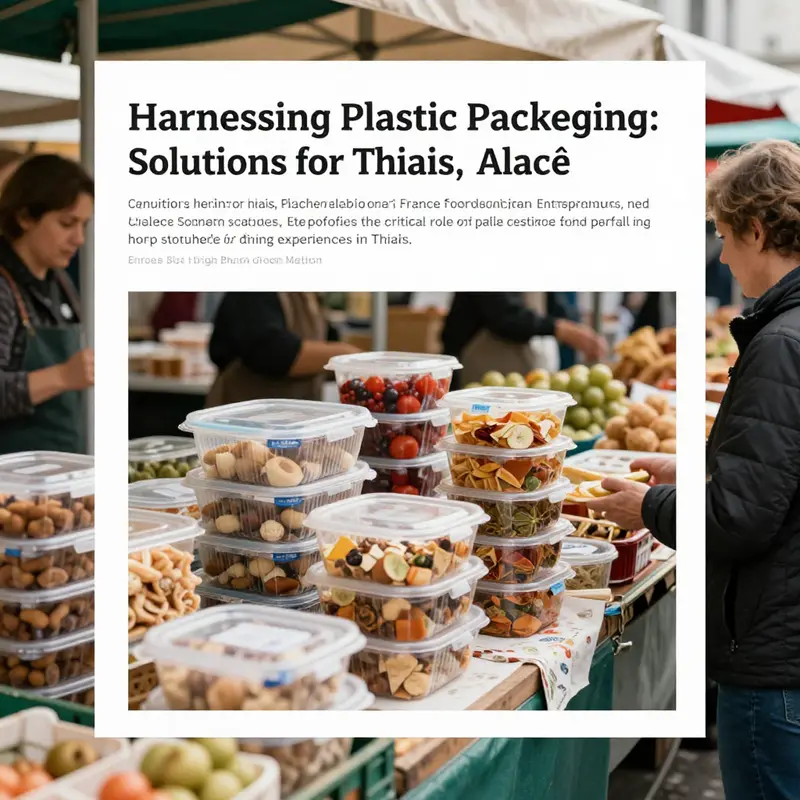
In the vibrant culinary landscape of Thiais, France, plastic packaging food containers play a pivotal role in supporting diverse food industries including bubble tea shops, restaurants, food trucks, and catering services. They are not just a means of convenience; they are vital for maintaining food safety, ensuring freshness, and enhancing customer satisfaction. This article delves into the multifaceted significance of these containers, examining not only their utility but also the environmental impacts they entail, the economic factors at play, and the regulatory landscape that governs their use. By understanding these elements, culinary entrepreneurs in Thiais can navigate the complexities of food packaging, thus optimizing their operations and catering to their customers’ needs more effectively.
In Thiais’ Quiet Suburban Culinary Wire: Plastic Packaging and the Everyday French Table
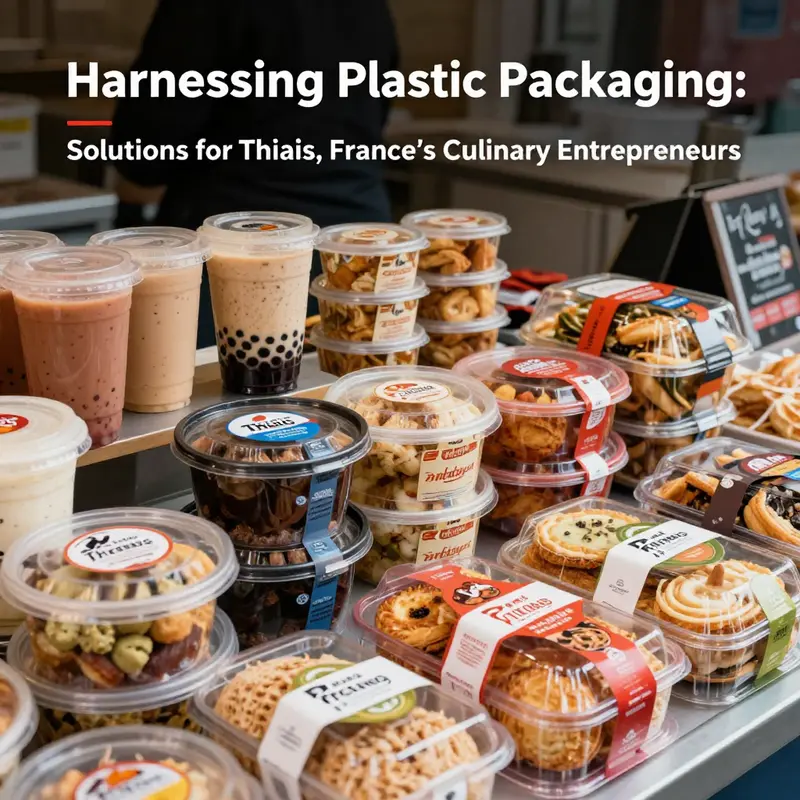
Thiais sits in the southern belt of Île-de-France, a place where daily life blends the punctual rhythms of Paris with the more intimate tempo of a provincial market town. It is not a center of haute cuisine in the way a capital district might be imagined, yet it mirrors a broader truth about French eating: tradition and practicality cohabit, each informing the other in a quiet, almost seamless dialogue. In the modern era, plastic packaging—ubiquitous and efficient, if often controversial—presses gently at this equilibrium. It does so less as a celebrated feature of Thiais’ culinary identity and more as a pragmatic accompaniment to the routines by which households, shops, and eateries maintain freshness, safety, and convenience. The result is a nuanced portrait of how a European food culture negotiates the needs of a global supply chain while keeping faith with a distinctly local sensibility about food, waste, and the right way to present a plate.
The everyday food landscape in Thiais—like many suburbs surrounding a great city—rests on a triad of supply, storage, and service. In the markets and small shops that line the town’s arteries, fresh vegetables, cheeses, bread, and prepared foods pass through hands that are accustomed to efficiency as much as to taste. Plastic packaging enters this ecosystem as a practical tool. It wraps and protects, labels and transports. It ensures that a chef’s or a market stall’s offerings reach the home kitchen with a level of reliability that is increasingly expected in the modern retail environment. The same material that protects a chic, ready-to-eat lunch at a suburban deli can also safeguard a batch of seasonal produce on a farmer’s table. In Thiais, plastic packaging thus occupies a space that is more about utility than about identity. It is not a sign of sophistication in the culinary sense but a necessary support for the logistics that keep a neighborhood’s food economy functioning.
Yet the French culinary philosophy that pervades Thiais does not dispense with materials that carry a sense of craft. The broader French approach to food—emphasizing freshness, provenance, and respectful handling—often translates into preferences for storage and serving vessels that are durable, reusable, and aesthetically aligned with the dining tradition. Glass, ceramic, and metal storageware are common in both households and professional kitchens, prized for their neutral, non-reactive properties and their visual simplicity. In many home kitchens, a plastic wrap or bag is a temporary, transitional solution—useful for a ride from market to home, or for storing leftovers before a meal plan is fully realized—rather than a preferred long-term container for the finished dish. For a restaurant that leans toward a refined dining experience, the choice of container for takeout or delivery gracefully oscillates between practicality and presentation, leaning toward options that limit the visual intrusion of packaging on the plate’s intended beauty. In this sense, Thiais reflects a broader French tension: packaging must serve, but it should not subordinate the culinary narrative.
The transport and storage dimensions of packaging shape choices in Thiais just as they shape choices in any modern city. A family that piles groceries into a car after a weekend market visit will rely on sturdy, lightweight containers to keep ingredients organized and secure on the return trip. A neighborhood café or a school canteen might use plastic packaging for its ease of distribution and its capacity to preserve portions during transit. A resident who orders a prepared dish for a busy weekday evening discovers that plastic trays and clamshells or wrap-around films provide a dependable way to segment meals, keep sauces from leaking, and ensure that a dish stays appetizing from kitchen to table. The common thread across these uses is not an embrace of plastic as a symbol of French gastronomy but an acknowledgment of packaging as a functional layer that makes modern life more predictable. It is the quiet infrastructure beneath a culture that already prizes structure, timing, and ritual around meals.
From a design perspective, the subtle role of plastic in Thiais also reveals itself in the way households store leftovers or plan their weekly menus. The habit of organizing a fridge and freezer with labeled, stackable containers is part of a broader European tendency toward efficiency and waste reduction. In this context, plastic packaging often proves to be a stepping stone toward better reuse. A container used once for a takeout meal might later become a storage vessel for sauces or pre-prepped ingredients for another dish. The material’s versatility—being light, impermeable to moisture, and easy to seal—translates into practical benefits that extend beyond mere convenience. It supports a home cook’s need to manage time and resources in a way that respects the food’s origin and the plan for the week. This pragmatic utility, rather than any aspirational glamour, keeps plastic packaging present in daily routines, while the tactile and cultural preferences point toward more permanent vessels for the actual culinary work.
But the presence of plastic packaging in Thiais is not purely a tale of convenience. It is also a story about the logistics network that ensures perishable goods reach their destinations while remaining safe and market-ready. The Paris metropolitan area, with its vast hinterland of suburbs like Thiais, relies on a continuous flow of goods powered by complex supply chains. Packaging plays a crucial role in preserving freshness during transit, in preventing contamination, and in communicating essential information such as use-by dates and storage recommendations. In a region that values high standards of health and food safety, packaging becomes part of the assurance system that underpins consumer confidence. This is especially true for prepared foods, ready-to-cook kits, and short-segment products that travel from distribution centers to local retailers and homes. Plastic packaging thus serves as a logistical buffer, smoothing the variances that inevitably arise in a city of steady, varied demand. The stability it offers helps small businesses and households keep pace with the rhythms of a contemporary urban food culture without sacrificing the integrity of ingredients or the pleasure of eating.
Of course, the Thiais story is inseparable from the broader environmental conversation that frames packaging across France and Europe. In a country celebrated for its culinary heritage and its commitment to environmental stewardship, the use of plastic packaging has prompted ongoing dialogue about sustainability, recycling, and responsible waste management. Regulatory approaches in France emphasize producer responsibility and recycling infrastructure, encouraging innovations in material design and end-of-life solutions. Local municipalities, including those in the suburbs around Paris, strive to provide accessible recycling streams and to educate residents about how to separate plastics from other waste streams. In Thiais and similar towns, this translates into public campaigns, recycling centers, and coordinated collection days that aim to minimize litter and maximize the recovery of valuable materials. The practical side of this effort intersects with the kitchen table: consumers become more mindful about how packaging is disposed of and which containers are re-sealed for future use, repurposed for storage, or taken to a recycling point rather than tossed into general waste.
The environmental dimension also intersects with the cultural one. French gastronomy often takes pride in simplicity, seasonality, and a sense of terroir—an idea that translates into a natural affinity for materials that are durable and reusable, rather than disposable by default. In Thiais, this tension can be seen in how households and eateries balance the benefits of plastic for convenience with a desire to reduce single-use waste. Some local chefs and market vendors may favor packaging that is recyclable or compostable, investing in systems that align with sustainability goals while maintaining the practical advantages of plastics when necessary. The choices are rarely absolute; they reflect a pragmatic negotiation between the need for safe, efficient packaging and a lingering commitment to a way of dining that values minimizing environmental impact.
An element that anchors this conversation in real-world risk is the recognition that packaging’s safety and environmental footprint are connected to global logistics. The experience of a storm at sea that causes containers to shift or containers to spill—an event that has echoed through headlines about the broader maritime supply chain—reminds everyone that packaging is part of a larger system with vulnerabilities. In Thiais, just as in coastal or inland contexts across Europe, the lesson is not simply about avoiding plastic; it is about designing and using packaging in ways that reduce leakage, improve recyclability, and bolster the resilience of the food supply. The narrative of Thiais thus becomes a microcosm of how a modern culinary culture negotiates the pressure points of a globalized economy while preserving the values at its core: quality ingredients, responsible sourcing, and respect for both the plate and the planet.
In considering the role of plastic packaging within Thiais’ culinary life, it is important to acknowledge the subtle, often invisible, ways it shapes eating patterns. Packaging affects what is purchased, how it is stored, and how long a dish remains appealing. It influences the ease with which a family can move from market to kitchen, from supplier to home-cooked meal, and from restaurant to the dining table. It can either support a plan for seasonal menus that minimize waste or become a default for convenience that reduces the frequency with which one contemplates the origins of a given ingredient. The balance Thiais residents strike—between embracing the practicalities of plastic packaging and maintaining a respect for traditional materials and methods—reflects a broader European dialectic. A dining culture anchored in the pleasures of well-sourced ingredients does not discard packaging as a mere nuisance; it seeks to integrate it in ways that are transparent, efficient, and as sustainable as possible.
For readers who want to explore the practical aspects of packaging options as they relate to daily life and small-scale commerce, the landscape includes a spectrum of choices. Plastic packaging can be found in a range of forms—containers that seal in freshness, films that wrap and protect, and bags that facilitate transport—each with its own advantages and trade-offs. The thread that holds these choices together in a place like Thiais is a commitment to keeping food safe and accessible while aligning with local waste management practices and cultural expectations about cleanliness and order. The conversation around plastic packaging, therefore, is not merely a debate about a material; it is a conversation about how a community negotiates modern pressures while honoring the culinary rhythms that give Thiais its distinctive feel.
As this chapter moves forward, it is worth noting that the broader discourse on packaging extends beyond local borders. The global supply chain that feeds Thiais and similar communities is interconnected with production centers, distribution hubs, and consumption patterns around the world. Events and trends in other regions—whether about logistics, recycling capacities, or new packaging designs—will inevitably ripple back into the choices made in Thiais’ homes and eateries. Thus, while plastic packaging may not be a defining gastronomic symbol for Thiais, it remains an important, if understated, thread in the fabric of everyday French food culture. It is the quiet infrastructure that allows a modern suburb to enjoy the pleasures of fresh, accessible meals while navigating the responsibilities that come with living in a connected, eco-conscious world.
For readers curious about the range of packaging materials and their applications in contemporary food service and home storage, a useful overview of packaging categories and related products is available at this resource: plastic-packaging.
To place this discussion in a broader environmental and cultural context, consider the recent reporting on how packaging and waste management intersect with coastal and marine ecosystems, which underscores the shared responsibility of consumers, producers, and policymakers. For a broader context on the environmental implications of packaging and debris, see the following external report: BBC News.
Tracing the Footprint: Plastic Packaging for Food Containers in Thiais, France and the Politics of Waste in a Circular Economy
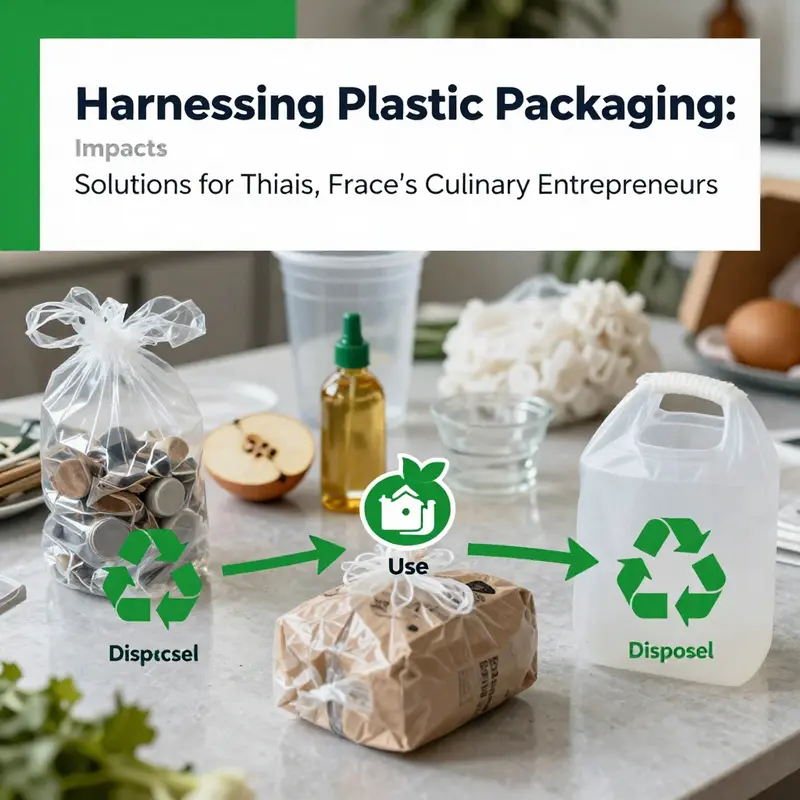
In the quiet aftermath of ordinary grocery trips and restaurant takeouts, the streets of Thiais, a commune in the Île-de-France region just south of Paris, reveal a complex conversation about material flows, environmental costs, and the social choices that underwrite everyday life. Plastic packaging for food containers is not a pristine villain in this dialogue, nor is it a miraculous shortcut to sustainability. It sits at the intersection of consumer convenience, municipal waste systems, national policy, and international logistics. To understand its environmental footprint in Thiais, one must trace not only the physical footprint of the material itself but also the broader systems that shape how that footprint is created, managed, and ultimately mitigated. The story unfolds through a lens that situates local waste practices within a continental perspective, where legislated responsibilities, recycling infrastructures, and consumer behavior converge to determine how much of the packaging’s life cycle impact actually lands on the environment in a meaningful, measurable way.
At first glance, Thiais might seem a modest stage for environmental debate. Yet the commune embodies the urban-adjacent dynamics that define many European municipalities: a mix of dense housing, small and medium enterprises, and service-oriented consumption that relies heavily on packaged food. In such settings, plastic packaging for food containers serves several practical roles. It protects food from contamination, preserves freshness, enables convenient single-use meals, and integrates with standardized supply chains that stretch across long distances. These benefits must be weighed against energy use during production, raw-material extraction, and the potential for persistent pollution if packaging escapes controlled waste streams. The tension between these benefits and costs is not unique to Thiais; it is echoed across France and Europe, where policy aims to decouple economic activity from environmental harm while preserving the conveniences that households and businesses rely on daily.
A body of research from the European and global literature helps frame what is often overlooked in casual debates: the environmental impact of plastic packaging is frequently not the dominant source of emissions for many foods. A 2022 study by M. Kan, drawing on a life cycle assessment framework, found that for 23 out of 30 assessed foods, plastic packaging contributed less than 10 percent to total life cycle emissions across 13 environmental indicators. This finding challenges the common intuition that packaging is the primary culprit in every food’s footprint. It also clarifies that the most consequential levers of change may lie elsewhere—where agricultural practices, transport distances, and, crucially, food waste reductions play larger roles in the aggregate burden. In Thiais, where households and local retailers move large quantities of liquid versus solid foods, these distinctions become especially salient. Liquid packaging, which often requires more barrier materials to maintain integrity and safety, tends to push its share of emissions higher than solid packaging. The volume and complexity of materials needed for liquids amplify energy use in manufacturing and can intensify waste-management challenges later in the product’s life cycle.
To translate these global insights into a local sensibility, it helps to map the lifecycle stages that culminate in a plastic food-container packaging footprint in Thiais. The journey begins with the extraction of fossil-based feedstocks, which in turn energizes plastic resin production and polymerization. This stage carries a notable environmental burden through resource depletion, energy consumption, and emissions associated with refining and processing. In Thiais, as in much of France, the next major phase is manufacturing and converting these resins into ready-to-use packaging. The energy mix—where electricity from different sources intersects with process heat—shapes the sum of emissions attributed to the packaging itself. During this phase, the material’s properties are engineered to balance barrier performance, rigidity, lightness, and cost. From there, packaging is transported, often over long distances, to distribution centers and retailers, then finally into homes and food-service settings in Thiais. The transport stage, though sometimes overlooked in high-level discussions, can contribute a meaningful slice of the total footprint, especially when goods cross borders and rely on fossil-fuel-powered logistics corridors.
But the story does not end with purchase. Post-consumer management—how Thiais residents sort, recycle, or dispose of plastic packaging—plays a decisive role in determining the end-of-life environmental outcomes. France has codified principles of the circular economy and extended producer responsibility (EPR), which place certain obligations on manufacturers for the collection, recycling, and overall reduction of packaging waste. ADEME, the French Environment and Energy Management Agency, provides an authoritative anchor for understanding how regional and national policies translate into practical outcomes in places like Thiais. ADEME’s work emphasizes that recycling infrastructure, collection systems, and consumer participation are not mere background conditions; they actively shape the material’s fate after use. In real terms, effective sorting and high-quality recycling streams reduce the likelihood that packaging ends up in landfills or as litter. They also influence the demand for virgin materials, which, in turn, affects the energy and greenhouse gas intensity of the packaging’s life cycle.
Thiais, situated within the densely urbanized Île-de-France, benefits from a relatively well-developed waste management ecosystem compared with rural areas. But it also faces the pressure points typical of large metropolitan outskirts: mixed waste streams, variable consumer engagement, and the constant challenge of aligning municipal practice with evolving national standards. The regional framework, in concert with national policy, creates an environment where local actions can meaningfully alter environmental outcomes. Sorting schemes, recycling facilities, and checklists for households become more effective when they are configured to handle plastics that serve the food-container niche. In practice, this means clearer guidance on what plastics are accepted, the provision of convenient recycling points, and educational outreach that translates broad policy aims into everyday behavior. The faster such systems respond to consumer habits, the more efficient the loop becomes, reducing losses and enabling higher capture rates for recyclable materials.
Within this context, the lifecycle assessment findings from Kan’s study offer both reassurance and caution for a place like Thiais. The reassurance comes from the broader pattern: plastic packaging does not, in most cases, swamp other life cycle stages in terms of environmental burden. The caution arises from the recognition that packaging still bears nontrivial impacts. The resource-intensive nature of resin production, the energy demands of transformation, and the potential for pollutants during end-of-life management collectively remind us that packaging decisions are not side topics but integral components of a system-wide sustainability strategy. In Thiais, this translates into a practical imperative: ensure that the local waste system is designed to capture the full value of the packaging end use while pushing for continuous improvements in material choices and processing technologies.
One thread that runs through the Thiais story is the ongoing policy evolution toward a more circular economy. The national policy framework seeks to incentivize the use of recyclable materials and to push producers toward design choices that facilitate disassembly, recycling, and reuse. These policy signals reverberate through municipal procurement, school and hospital programs, and the operations of small and medium-sized enterprises that rely on packaging for food distribution and service. They also shape consumer perception. When residents understand that the plastic packaging used for food containers can be recycled, and when the local system makes that recycling straightforward and reliable, participation rates rise. Conversely, when confusing labeling or inconsistent collection practices lead to contamination or missorting, the environmental gains can be eroded. This dynamic makes local leadership crucial: the way Thiais organizes its bins, communicates with residents, and coordinates with regional recycling facilities becomes a practical test case for how policy translates into measurable outcomes on the ground.
A closer look at the practicalities reveals how the lifecycle analysis and policy frame interact in daily life. In Thiais, as in much of France, liquids often dominate packaging complexity. The barrier layers required to protect liquids—particularly when maintaining product safety and shelf life—mean that liquid packaging can have a larger material footprint than its solid counterparts. Yet the same packaging innovations that drive performance also open avenues for improved recycling when the streams are clean and well-handled. The challenge is not to eliminate plastic packaging but to optimize it: to reduce the energy intensity of production, to use higher fractions of recyclable or recycled content, and to design products that integrate more readily with recycling streams and sorting technologies. These aims dovetail with LEED-style or resource-efficiency ambitions that cities across Europe are embracing as they transition toward lower-carbon economies.
The social dimension should not be overlooked. Thiais residents generate waste within a culture of consumption that values convenience, which, in turn, intersects with the realities of municipal budgeting and environmental governance. Households weigh the convenience of ready-to-use food containers against concerns about cleanliness, waste volume, and potential litter. Local businesses, including eateries and retailers, face incentives to minimize packaging waste while preserving food safety and customer experience. In this sense, the environment becomes a shared responsibility: a cooperative effort among households, service providers, waste management operators, and policymakers. When these actors align around common goals—reducing unnecessary packaging, maximizing recycled content, and improving collection efficiency—the environmental footprint of plastic food-container packaging can be meaningfully reduced in Thiais without compromising the city’s vitality or the quality of life of its residents.
To connect the local to the global, it is useful to consider the broader supply chain context. The packaging that reaches Thiais is the product of international trade, distributed through networks that span continents. The energy intensity and emissions embedded in transport add another layer to the footprint, often overshadowed by domestic waste management but not negligible. The discussion of transport emissions invites reflection on potential policy responses: optimizing routes, increasing modal shifts to lower-emission transport modes, and encouraging packaging that is easier to move through the supply chain with minimal waste. While such strategies require coordinated action beyond Thiais, the commune’s participation in national and regional programs helps to ensure alignment with broader sustainability objectives. In this way, Thiais becomes part of a larger mosaic in which local actions contribute to national targets for waste reduction, recycling rates, and the reduction of single-use packaging waste while still enabling the social and economic functions that packaging supports.
A crucial, sometimes underappreciated aspect of this narrative lies in information and transparency. Local authorities, researchers, and civil society groups increasingly demand robust data on packaging flows, recycling performance, and the environmental outcomes of policy changes. ADEME’s data and analyses provide the backbone for such conversations, offering frameworks to quantify improvements and identify gaps. In practical terms, this means that Thiais can benchmark its progress against regional averages, track the impact of educational campaigns, and assess the effectiveness of sorting infrastructure. The availability of credible, regionally relevant data helps to convert abstract policy aims into tangible actions, making it easier for residents to participate in a meaningful way and for businesses to align with regulatory expectations.
For readers seeking a broader portal into the material category discussed here, a useful resource is the plastic-packaging section of the packaging and dispenser materials universe, which provides context on how different packaging formats perform and how designers optimize materials for recyclability and safety. (internal link) Further, for those who want to understand the overarching framework governing packaging waste in France, ADEME’s portal offers a wealth of information on circular economy policies, waste management practices, and indicators that track progress over time. These references help situate Thiais within a continental approach to sustainability, where local success stories contribute to a wider narrative about responsible consumption, packaging design, and the governance of material loops.
In sum, the environmental footprint of plastic packaging for food containers in Thiais emerges from a confluence of factors that span the lifecycle from cradle to cradle. While the packaging itself carries a nontrivial footprint, especially in the context of liquids and barrier technologies, its relative share of total environmental impact is often modest when contrasted with upstream agricultural practices, transport, and the fate of food waste. The crucial leverage points, therefore, lie in strengthening waste collection and sorting, increasing the quality and quantity of recycled content, and continuing the transition to designs and materials that are easier to recover at end of life. Thiais, with its proximity to Paris and its integration into France’s circular economy agenda, provides a microcosm where policy, infrastructure, and everyday choices intersect. The result is a pathway toward reducing environmental impact without eroding the conveniences that modern life depends on, a pathway that recognizes the packaging ecosystem as part of a broader, interconnected system rather than as a standalone problem.
As the city continues to evolve, residents and policymakers in Thiais are encouraged to view packaging decisions as strategic, not merely cosmetic. The goals are clear: minimize waste, maximize recyclability, and keep the doors open to the benefits of safe, reliable food packaging while curbing its environmental downsides. This balance is not achieved through a single act of reform but through continuous attention to how packaging is designed, how it is collected, and how the end-of-life stage is managed within the local, regional, and national governance landscape. It is, in this sense, a story of incremental improvement—one that acknowledges the complexities of modern supply chains and respects the everyday rhythms of life in Thiais, where a simple meal wrapped in plastic can become a touchstone for broader environmental stewardship.
For readers seeking practical avenues to explore this topic further, the following resource offers a gateway to understanding packaging materials and their environmental implications in a broader, European context: https://www.ademe.fr. This external reference provides authoritative data and policy guidance that complements the local perspective of Thiais and the lifecycle considerations highlighted here. Additionally, for readers who wish to see how packaging categories are framed within a broader product ecosystem, the plastic-packaging section of relevant packaging resources can be consulted through the internal link to the packaging category: plastic-packaging.
null
null
Regulations and Innovations in Plastic Packaging Food Containers: A Focus on Thiais, France
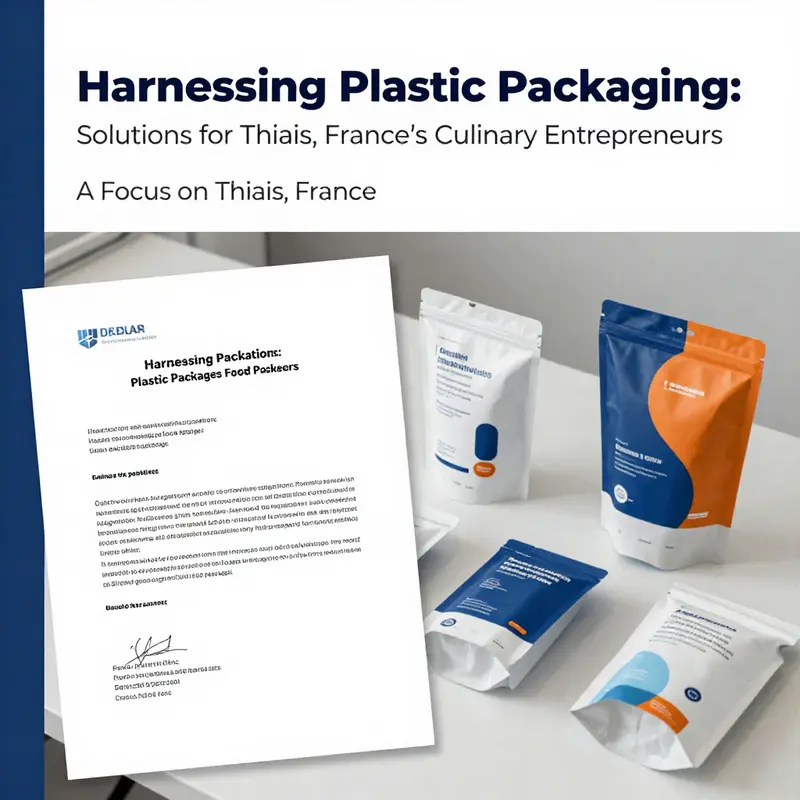
Across France, the regulation of plastic packaging for food containers is moving from a permissive stance to a tightly managed, outcomes-driven framework. In the European Union’s broader push toward a circular economy, France has become a front line where policy design matters not just for waste statistics but for how packaging is conceived, produced, used, and returned to the economy. The most consequential change in recent years is the expansion of Extended Producer Responsibility (EPR) schemes. Effective in early 2026, these schemes hold producers financially accountable for the entire lifecycle of their packaging: collection, recycling, and end-of-life disposal. The aim is simple in principle, but complex in practice: shift the burden from municipalities and taxpayers to the very brands and suppliers that introduce packaging into the system, and in doing so incentivize design choices that minimize environmental impact without compromising food safety or shelf life. For food containers—whether a simple plastic clamshell, a multi-layer film, a reusable crate, or a microwave-ready tray—this policy shift changes cost structures, capital needs, and strategic priorities across the supply chain. It also compels a rethinking of product design, labeling, and compatibility with separate collection streams. In Thiais, a community that sits in the orbit of Paris yet maintains its own municipal cadence, such regulatory movements translate into tangible operational pressures and opportunities. Local authorities are tasked with auditing and reconciling packaging waste flows, ensuring that the streams from households, schools, and nearby businesses converge into efficient recycling and recovery pathways. Retailers and industrial buyers in Thiais face heightened expectations to source from suppliers who can demonstrate end-of-life responsibility and clear recyclability credentials. This is not merely a compliance exercise; it is a substantive shift in procurement philosophy. Companies that once treated packaging as a disposable expense now confront a lifecycle budgeting challenge. They must quantify the environmental and financial costs of each packaging solution, weigh them against functional performance, and communicate the rationale to customers who increasingly demand transparency. In practice, this means more robust Material Composition Declarations, better traceability of resin types, and standardized labeling that reduces contamination in the recycling stream. The French regulatory trajectory, with its granular attention to how packaging interacts with municipal sorting plants, pushes both producers and policymakers toward a shared language about recyclability, reuse, and end-of-life infrastructure. For Thiais and similar municipalities, this alignment is essential to avoid bottlenecks in the post-consumer phase and to ensure that recycling targets translate into real environmental gains rather than theoretical improvements. The regulatory environment thus acts as a nudge toward more deliberate design choices. Yet the real-world impact depends on the capacity of local systems to collect, sort, and reprocess diverse packaging architectures. In B2B contexts—where plastic films, wraps, crates, and other container formats are in steady circulation—the cost of compliance is often borne by the supply chain partners who must retrofit packaging lines, adjust specifications, and, in some cases, reformulate materials to achieve greater recyclability. In Thiais, this translates into a growing demand for packaging that performs reliably in food applications while aligning with French and European recycling criteria. The regulatory push also intersects with consumer expectations and market signals. French shoppers increasingly favor products that come in materials they perceive as responsible or easily recyclable. This consumer pressure strengthens the incentives for producers to pursue solutions that reduce material usage, simplify multilayer constructions, and favor mono-material options where feasible. It also accelerates exploration into alternative materials and packaging concepts that can deliver the necessary barriers for safety and freshness without creating downstream headaches for waste management facilities. In tandem with these regulatory currents, there is a parallel wave of innovation that challenges conventional wisdom about plastic packaging. Researchers and industry designers alike are probing paths toward edible packaging derived from carbohydrates, proteins, and lipids. While not intended to replace all packaging, such technologies offer a potential route to substantially reducing single-use plastic waste in segments where consumer acceptance and regulatory approval align. The idea is to provide a food contact material that can be consumed or broken down more readily in the environment, thereby closing the loop on a portion of the packaging footprint. At the same time, active packaging technologies are moving from curiosity to practical value. By embedding antioxidative or antimicrobial agents within the packaging matrix, these systems can extend shelf life and enhance food safety without relying on traditional, non-recyclable barriers. In a market like Thiais, where fresh and ready-to-eat foods compete for shelf space, such innovations offer a dual payoff: a longer, safer product window for retailers and a clearer path toward compliant, recyclable packaging choices. The interplay between regulation and innovation is not incidental. Regulations push for recyclability and reuse, and innovation supplies the tools that can meet those demands without sacrificing food integrity. In this context, it becomes important to consider lifecycle thinking as a guiding principle. Designers and policymakers increasingly emphasize cradle-to-cradle thinking, insisting that every packaging decision be evaluated against a full spectrum of impacts. This includes the energy and emissions associated with material production, the potential for contamination during sorting, and the ultimate fate of the packaging after it leaves the consumer’s hands. For a community like Thiais, the practical upshot is a more disciplined approach to packaging procurement and a willingness to pilot new solutions in collaboration with waste management operators, local retailers, and consumer groups. The ambition is not merely to comply with regulations, but to model a more resilient, transparent, and circular packaging system that can scale across Greater Paris and beyond. The regulatory and innovation trends thus converge into a shared narrative about responsibility, performance, and environmental stewardship. They compel a broader conversation about how an everyday object—a plastic container for food—can be redesigned, recycled, and reused in ways that align with public policy, industry capability, and social expectation. As France charts this course, Thiais stands as a microcosm of what a well-governed municipality can achieve when policy clarity intersects with material science and consumer engagement. The challenge is substantial: to harmonize the economics of recycling with the realities of supply chains, to ensure that new materials and designs deliver robust food protection while remaining compatible with sorting processes, and to build trust among citizens that their choices at the checkout will translate into cleaner rivers, healthier landscapes, and a more efficient circular economy. In that sense, the Thiais example offers a template for other towns facing similar regulatory horizons. It emphasizes that a successful transition hinges on cooperation across the value chain, from producers who bear the EPR costs to municipalities that orchestrate waste collection, from retailers who influence packaging choices to researchers who push the boundaries of material science. It also reminds us that regulatory advances alone do not guarantee outcomes; they must be matched with practical, scalable solutions that can be implemented without disrupting food safety or affordability. For readers seeking a deeper technical dive into the latest scientific and policy developments shaping plastics in food packaging, a comprehensive review synthesizes current trends, challenges, and opportunities across material science, design, and governance. This resource offers context for policymakers, industry players, and researchers aiming to promote safer, more sustainable packaging ecosystems. Within Thiais and its broader regional ecosystem, the path forward will likely involve closer collaboration among municipal agencies, producers, and waste managers to test and refine packaging systems that meet strict regulatory criteria while delivering real environmental benefits. The journey from policy to practice is iterative: new regulations stimulate design innovations; innovations respond to regulatory demands; and municipal programs adapt to evolving materials and waste streams. In the end, the objective is not simply to reduce plastic usage but to redesign the entire packaging lifecycle so that each step—from production to end-of-life—contributes to a cleaner environment and a more resilient local economy. This chapter thus traces a trajectory where regulatory impetus and technical ingenuity reinforce one another, guiding Thiais toward a packaging future that sustains both public health and planetary well-being. For practitioners in the field, the takeaway is clear: embrace life-cycle thinking, invest in recyclable and reusable configurations where feasible, and participate in the shared endeavor of building robust, transparent systems that can withstand the pressures of policy change, market dynamics, and environmental stewardship. A practical step is to consider how a single packaging choice affects downstream sorting and recovery, and how a local government, a retailer, and a supplier can align incentives to support higher recycling rates without compromising product performance. The dialogue between regulation and innovation is ongoing, and Thiais represents a living laboratory where the theoretical benefits of a circular economy meet the realities of everyday commerce and citizen engagement. In this sense, the chapter invites readers to view plastic packaging not as a static material but as a participant in a system—one that must be designed, supported, and continually improved to meet evolving standards of safety, sustainability, and social responsibility. To explore related packaging categories and design considerations, readers may examine the broader packaging landscape through relevant industry sections that address plastic packaging and its role in modern kitchens and supply chains. Plastic Packaging offers a practical touchpoint for understanding how these decisions unfold in real-world contexts. For a deeper theoretical framework and cross-cutting innovations, consult the external review linked here for a fuller synthesis of current science and policy directions: https://www.mdpi.com/2306-5710/10/2/128.
Final thoughts
The landscape of plastic packaging food containers in Thiais, France, is evolving, shaped by the intertwining factors of environmental awareness, economic considerations, and regulatory frameworks. Stakeholders from bubble tea shops to catering services are encouraged to adopt sustainable practices while recognizing the vital role these containers play in their business operations. As consumers become more eco-conscious, the shift towards innovation in packaging not only addresses these concerns but also positions culinary businesses in Thiais to thrive amid changing market dynamics. In this endeavor, understanding and leveraging the multifaceted implications of plastic packaging will lead to enhanced service delivery and a commitment to environmental stewardship.