
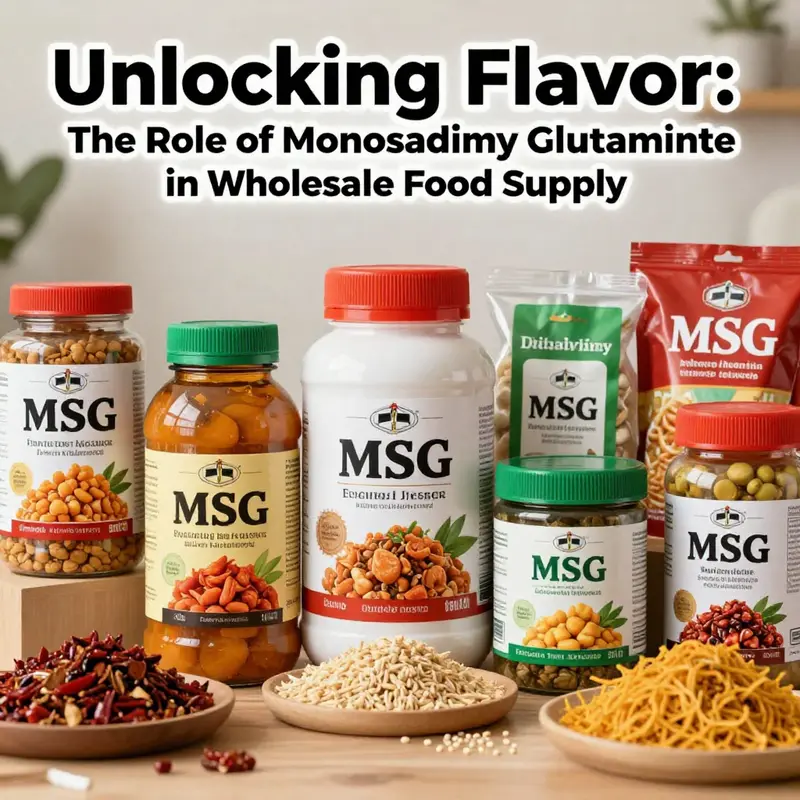
Monosodium glutamate (MSG) stands out as a versatile flavor enhancer widely used in the food industry. As beverage chains, restaurants, catering services, event planners, and corporate procurement teams seek to deliver rich, savory flavors, understanding the importance of MSG becomes paramount. This article offers an in-depth exploration of wholesale suppliers of MSG-containing foods, regulatory aspects, market trends, health considerations, and culinary applications, catering specifically to the needs of your business. By gaining insights into these areas, you can navigate the landscape of MSG sourcing effectively and sustainably, ensuring that your offerings satisfy customers’ palates while adhering to safety and dietary standards.
Sourcing Savory Strength: Navigating Wholesale Pathways for MSG and MSG-Containing Foods
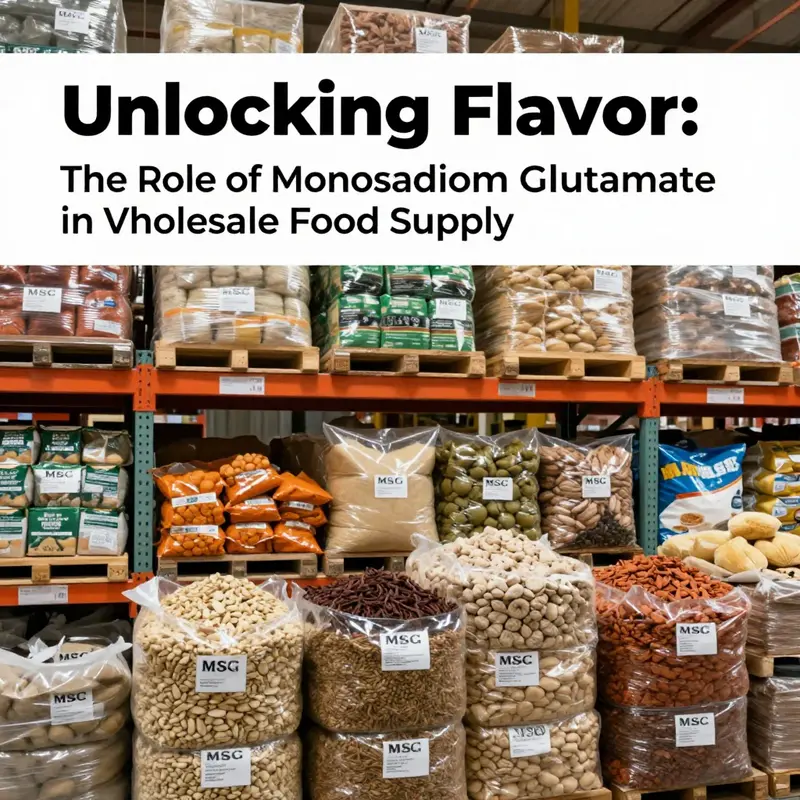
Monosodium glutamate, or MSG, has earned a steady place in the flavor toolkit of food manufacturers around the world. It is not merely a seasoning; it is a reliable amplifier of umami, the savory backbone that makes soups feel heartier, noodles more satisfying, and sauces more cohesive in a crowded shelf. When a company moves from small-batch experiments to scale, the question shifts from “how do we get MSG?” to “how do we source it responsibly at the volumes our production lines require?” The chapter that follows tightens the focus on wholesale pathways for MSG and foods that contain it, weaving together the practical realities of bulk procurement, supplier due diligence, quality control, and regulatory alignment. What begins as a search for a bulk ingredient quickly becomes a study in supply-chain discipline, because MSG is not just about taste; it is about consistency, safety, and traceability from the first kilogram to the final finished product.
In industrial settings, MSG is typically purchased from food ingredient distributors and major commodity suppliers who serve food manufacturers and large-scale foodservice operations. Those suppliers specialize in the kind of bulk packaging and certification regimes that large producers require. In practical terms, this means engaging with well-established players who can deliver high-purity MSG in bulk, with clear certificates of analysis, packaging options that suit warehousing and line feeding, and the stability assurances that keep production schedules on track. It also means recognizing that MSG procurement is not a single transaction but a relationship built on reliability, documentation, and mutual alignment on safety standards and regulatory expectations. The real advantage of this approach is not simply the price per kilogram; it is the peace of mind that the material will behave consistently across dozens or hundreds of production runs, with predictable performance in complex formulations.
When one surveys the landscape of wholesale supply for MSG, a familiar trio often surfaces as exemplars of broader industry practice: large-scale food-ingredient manufacturers with global reach and well-recognized quality programs. These entities, broadly conceived, operate as hubs in which MSG is produced, tested, and distributed to food producers who rely on consistent purity and supply continuity. The existence of these established players helps stabilize a market that might otherwise be sensitive to raw-material variability, regional shortages, or fluctuations in carriers and logistics providers. The result is a supply chain built around standardization—two ingredients that can matter as much as the primary recipe: the glutamate base itself and the regulatory and logistical scaffolding that permits its smooth use in a wide array of products.
Beyond the factory floor, a parallel channel exists for sourcing MSG through bulk platforms that connect buyers with a global network of manufacturers and wholesalers. The most prominent B2B platforms provide access to a broad spectrum of suppliers, including firms that specialize in flavor enhancers and food additives. They offer search filters that help identify vendors with “food-grade” certifications, export credentials, and favorable buyer feedback, which serve as initial signals of capability and reliability. Yet the convenience of digital marketplaces comes with a caveat: due diligence does not end at a click. Buyers must verify business licenses, food production permits, and the availability of quality-testing documentation such as COAs and GMP attestations. They should also request samples when feasible and seek references from other customers who operate at similar scale and in similar regulatory environments. The goal is to establish a baseline of trust that the supplier can meet both the technical specifications and the regulatory expectations that govern commercial food production.
In this context, it is useful to consider concrete sourcing relationships and the practical steps that keep a wholesale program moving smoothly. A prospective buyer typically starts with a clear view of the quality target: the purity of MSG, moisture content, particle size in powder form, and the absence of contaminants that could compromise shelf life or flavor consistency. The minimum order quantities (MOQs), lead times, and packaging configurations are then mapped against the company’s production schedule. Some manufacturers prefer drum-level packaging for long-term storage, while others favor smaller, carton-size allocations that align with quick-changeover demands on a liquid or semi-liquid production line. The ability to offer flexible packaging options can be a differentiator for suppliers who wish to serve multiple customers with varying operating models.
Another layer of consideration centers on regulatory compliance and labeling. MSG is widely recognized as safe when used within established guidelines, but different jurisdictions impose distinct requirements for labeling, allergen declarations, and traceability. Buyers should confirm that the MSG supplier’s certifications align with target markets—whether FDA oversight in the United States, EFSA alignment in the European Union, or country-specific food-safety regimes elsewhere. A robust supplier program will provide up-to-date documentation showing conformity with relevant standards and a clear track record of quality-control testing across batches. It is also prudent to secure a formal agreement that addresses a supplier’s responsibilities for product recalls, batch traceability, and corrective-action processes should any quality concerns arise.
As buyers grow more sophisticated, they begin to view packaging and storage considerations as integral to the procurement decision rather than afterthoughts. MSG, particularly in bulk, is sensitive to moisture and temperature fluctuations, and its physical form can influence dust generation and handling on the factory floor. The choice of packaging—whether poly-lined bags, drums, or paper-based alternatives—depends on storage conditions, warehouse infrastructure, and the downstream filling equipment. A bulk purchase plan must factor in the long-term stability of the product in the chosen packaging, including shelf life, humidity control, and the risk of caking or clumping during transit. In this respect, a practical step is to look at how MSG suppliers describe their packaging specifications and to compare those specifications against the company’s internal storage standards and line requirements. For a quick reference on related packaging considerations, buyers can explore a broader range of packaging-related categories that cover auxiliary materials involved in packaging and distribution. This helps ensure compatibility between the MSG, the packaging, and the downstream processing stages.
When these considerations come together, the procurement decision begins to resemble a careful orchestration rather than a straightforward purchase. The buyer weighs price against reliability, purity against safety documentation, and MOQs against production cadence. It is entirely reasonable for a manufacturing team to run parallel tracks: one track tests candidates against a short-term production run with a small, controlled batch, while the other track engages in broader supplier qualification, auditing, and sampling across several potential partners. In both tracks, the emphasis remains consistent: ensure that every kilogram of MSG supports flavor integrity, regulatory compliance, and operational efficiency throughout the supply chain. The same emphasis extends to foods containing MSG, where flavor, texture, and consumer safety must be maintained across product lines, from ready-to-eat soups to convenience noodles and savory snacks. The wholesale pathway should therefore provide both the material quality and the documented assurance that the end product remains compliant, traceable, and safe for diverse consumer markets.
In the course of evaluating suppliers and platforms, buyers often discover the value of direct and indirect references. Direct sourcing arrangements with large ingredient distributors can offer more predictable supply and stronger technical support, while marketplace channels can yield competitive pricing and access to a wider pool of producers. Either route benefits from a structured vendor-management approach that includes sample testing, batch-specific COAs, and an agreed framework for addressing quality issues. An equally important practice is to maintain clear records of regulatory verifications, internal approvals, and any certifications that apply to both MSG and the foods that incorporate it. This discipline reduces risk and helps production teams maintain continuity, even when external conditions shift—such as a supplier capacity constraint or a change in regulatory guidance.
A note on consumer perception and labeling should accompany any wholesale strategy. Even as MSG remains widely accepted by authorities as safe, consumer scrutiny persists in some markets due to evolving perceptions about additives and flavor enhancers. Marketers and product developers should be prepared to address questions about ingredients with transparency and precision. Clear labeling, accurate ingredient statements, and readily accessible safety data sheets contribute not only to compliance but also to consumer trust. In practice, this means aligning supply-chain documentation with the claims made on product labels, ensuring that the sourcing story resonates with the brand’s values around quality and safety, and maintaining a consistent standard across all MSG-containing products.
To close this loop of practical sourcing wisdom, consider how the packaging and logistics ecosystem interacts with supplier choice and product design. The packaging decisions influence not only shelf life but also the ease with which a factory can integrate MSG into its formulations and flavor profiles. The right supplier will offer packaging configurations that align with the plant’s filling lines and storage capabilities, reducing handling risk and waste. They will also provide robust quality-control data that can be referenced during internal audits and regulatory reviews. In the end, wholesale MSG procurement is a strategic function that blends science, commerce, and governance to deliver steady flavor and stable supply across a portfolio of MSG-containing foods. If you need a quick primer on how packaging decisions intersect with procurement for this category, see Packaging auxiliary materials.
External resource: For a practical view of global wholesale marketplaces and supplier vetting on a large scale, see Alibaba’s global marketplace.
External resource: Alibaba
null
null
Umami at Scale: Charting the Global Rise of MSG-Containing Foods

Monosodium glutamate, commonly called MSG, has evolved from a niche culinary aid to a core driver of flavor strategy in modern food manufacturing. The market narrative around MSG is not about a singular taste but about a flexible, cost-efficient amplifier of umami that helps products achieve depth, complexity, and consistency across large production runs. In wholesale circles, MSG is valued not only for its savory punch but for its ability to stabilize sensory profiles across batches, reduce recipe variability, and support sodium-reduction efforts without sacrificing perceived fullness. As consumer preferences tilt toward convenient, ready-to-eat options, manufacturers seek ingredients that can reliably boost taste while aligning with public interest in healthier formulations. The result is a market that behaves like a relay race, where flavor professionals, supply-chain specialists, and regulatory teams pass along knowledge and assurances to keep end products appealing, safe, and compliant. The global picture thus reflects both the power of a single additive and the complexity of the ecosystems that move it from producer to plate.
Market valuation and growth dynamics frame the scale of this influence. In 2026, the MSG market was valued at approximately USD 6.68 billion. It is projected to grow at a compound annual growth rate (CAGR) of about 4.49%, reaching roughly USD 8.31 billion by 2031. This trajectory underscores MSG’s continued utility in enhancing savory flavor across a spectrum of prepared foods, from soups and sauces to snacks and ready-to-eat meals. Pace and direction of expansion are shaped not only by taste demand but also by ongoing efforts to improve formulation efficiency, reduce sodium content, and meet evolving regulatory expectations for food additives. As producers pursue these objectives, MSG remains a trusted tool for delivering consistent umami while supporting product developers’ broader health and labeling goals.
Regional dynamics reveal a concentrated but geographically adaptive demand. The Asia Pacific region, and China in particular, sits at the heart of MSG consumption and production. Within this landscape, the Chinese market alone is estimated to be valued around USD 3.03 billion in 2025 and is projected to rise to about USD 3.94 billion by 2030, marking a robust CAGR of approximately 5.39%. This regional strength is driven by deep-rooted culinary traditions that prize savory depth and by the country’s pivotal role as a major producer, processor, and exporter of MSG-enabled ingredients. The region’s growth also reflects shifting dietary patterns toward flavor-forward, convenient foods that satisfy busy urban lives while accommodating dietary sodium targets through measured use of flavor enhancers. Across other parts of Asia, and into parts of Europe and the Americas, MSG continues to find new applications—proof that a universal appreciation for savory balance can translate into sustained demand in diverse markets.
Public perceptions around MSG have shifted in ways that matter to manufacturers and wholesalers alike. Historically, concerns about MSG’s safety have slowed enthusiasm in some consumer groups. Yet a broad scientific consensus over decades has helped dispel much of the hype, reinforcing MSG’s reputation as a safe, functional ingredient when used within regulatory guidelines. This acceptance has implications beyond taste alone. For many in product development, MSG offers a practical route to sodium management—allowing formulators to reduce total salt while maintaining flavor intensity. The health narrative now increasingly emphasizes the ability of MSG to support low-sodium formulations without compromising palatability, a feature that aligns well with industry-wide reformulation efforts. As consumer education matures, brands and manufacturers are more confident in communicating the role of MSG in enhancing taste, reducing sodium, and enabling healthier overall product profiles.
In tandem with shifting consumer expectations, production trends are catalyzing MSG’s growth. The hunger for ready-to-eat and convenient foods—especially among urban populations—has intensified demand for reliable flavor enhancers that can scale with complex supply chains. Innovation is broadening MSG’s reach beyond traditional applications such as bases for soups or flavor packs into emergent categories like plant-based meats and functional foods that emphasize savory appeal. While taste remains the primary driver, manufacturers increasingly treat MSG as a component of a broader flavor architecture that supports texture, mouthfeel, and aroma in a single, cost-efficient package. This broadened scope helps explain why MSG remains a staple even as other flavor solutions emerge and compete.
From a production standpoint, the market is characterized by an emphasis on natural fermentation processes and a preference for high-purity ingredients. The primary raw material base has long relied on carbohydrate sources, with corn starch remaining the dominant feedstock. Yet agricultural and supply-chain diversification is slowly introducing cassava and other materials as viable alternates. This shift toward diversified inputs can influence cost structures, regional availability, and sustainability narratives for MSG production. In a global market where scale is essential, stability of supply and consistency of purity are critical. Suppliers and manufacturers alike invest in stringent quality controls, robust testing, and transparent certifications to reassure customers and regulators that product specifications meet safety and performance standards. The result is a market where technical specification and regulatory compliance travel hand in hand with flavor performance.
The wholesale and distribution landscape for MSG reflects its role as a bulk ingredient with broad industrial appeal. Reputable ingredient distributors and foodservice suppliers routinely carry MSG in bulk, and buyers in manufacturing settings prioritize suppliers who offer consistent product purity, traceability, and reliable delivery. The sourcing decision often hinges on a combination of factors: purity grade, certifiable safety data, compatibility with existing formulations, and the ability to scale orders to meet production timelines. While price is always a factor, the total value delivered by a vendor—through technical support, documentation, and rapid fulfillment—can influence longer-term partnerships more than any single quote. In this context, the market witnesses ongoing collaboration between flavor scientists, procurement teams, and compliance officers to ensure that MSG is used in a way that satisfies taste, health, and regulatory requirements.
For manufacturers looking to optimize the packaging and presentation of MSG-containing products, supply-chain decisions extend beyond the ingredient itself. Packaging design, labeling accuracy, and packaging integrity all influence product acceptance in the field. In this respect, the packaging ecosystem becomes part of the flavor story, guarding aroma, stabilizing texture, and communicating safety and usage guidance to end users. When considering the broader logistics of MSG, it becomes clear that success hinges on a holistic approach—where flavor, nutrition, safety, and packaging work in concert. To explore practical considerations for packaging in wholesale food operations, see the packaging and printing resources page. packaging and printing resources.
As the market evolves, the interplay between consumer appetite, regional production strengths, and global supply networks continues to shape MSG’s role in the food system. The Asia Pacific corridor remains a focal point, but the reach of MSG-enabled flavor strategies is widening as manufacturers in other regions adopt these approaches to deliver consistent taste while pursuing sodium reduction and healthier product profiles. The ongoing dialogue among researchers, regulators, and industry professionals helps ensure that MSG’s benefits are understood, that safety is maintained, and that its applications can adapt to new culinary contexts and consumer expectations. The result is a resilient market that remains relevant across different cuisines, product formats, and reformulation strategies.
For readers seeking a deeper, data-driven view of the market dynamics and forecasts that underlie these observations, an authoritative external resource provides a comprehensive analysis of the global MSG landscape. External resource: Grand View Research offers detailed insights into market size, share, and trends for MSG across applications and regions, with forecasts extending through 2031. https://www.grandviewresearch.com/industry-analysis/monosodium-glutamate-market
Flavor Without Fear: MSG Health Realities in the Wholesale Food Chain
Monosodium glutamate may be one of the most common flavor enhancers in today’s food landscape, but its reputation often travels ahead of the science. In wholesale and manufacturing circuits, MSG is valued for its reliability: a consistent umami lift that helps soups, sauces, snack bases, and ready meals land with savory appeal. The ingredient ledger in modern factories is built around predictability, traceability, and safety, and MSG sits comfortably within that framework when high purity, well-controlled product is required. Yet the broader conversation about health remains a crucial counterweight to production efficiency. This chapter follows the thread from the wholesale supply of MSG to how health considerations are interpreted by regulators, manufacturers, and consumers alike, and why that interpretation matters for every link in the chain from raw ingredient to finished product. The aim is not to champ at controversy but to illuminate how solid safety standards coexist with practical usage in real foods.
At the regulatory core lies a simple, powerful conclusion: MSG is Generally Recognized as Safe (GRAS) for typical consumption. That designation reflects a consensus built on decades of food science, toxicology data, and real-world exposure patterns. For wholesalers, manufacturers, and ingredient suppliers, the GRAS status translates into a broad operational assumption: MSG can be used within established limits without elevating health risk for the general population when handled correctly. The FDA’s safety framework emphasizes that the degree of risk is not a property of the additive alone but of how much is ingested and in what context. In practice, this means that bulk MSG can be incorporated into large-scale recipes with confidence, provided the total formulation accounts for realistic consumption levels and the product is prepared with basic safety practices in mind.
Beyond regulatory labels, the health discourse often centers on a familiar, if infrequent, set of reactions. Historically, a cluster of complaints associated with MSG consumption—often labeled as “Chinese Restaurant Syndrome”—generated public worry despite inconsistent experimental replication. It is crucial to distinguish signal from noise in this area. While some individuals report short-lived symptoms such as headaches, flushing, sweating, or numbness after consuming unusually large servings of MSG on an empty stomach, these reactions are not universally experienced and rarely occur at amounts typically found in everyday diets. In most cases, what matters is dosage and context. The human body metabolizes MSG just as it handles naturally occurring glutamate found in tomatoes, cheeses, and breast milk, and regulatory bodies emphasize that ordinary dietary patterns do not support the kind of hazardous buildup that would trigger systemic harm. For wholesalers and manufacturers, the practical takeaway is straightforward: avoid overreliance on a single ingredient to the exclusion of balanced nutrition, respect recommended usage levels, and be mindful of the total glutamate exposure created by the full product lineup.
The science of metabolism provides a pragmatic lens for decision-making in the supply chain. Glutamate is a natural amino acid, and MSG is the sodium salt form used to deliver a clean, stable umami profile. In food systems, MSG contributes a savory depth without the need for additional fat or salt. This functional property is especially valuable for large-volume products where flavor consistency must be maintained across batches, seasons, and varying raw materials. The body’s handling of glutamate, including MSG, involves complex regulatory processes that prevent unchecked accumulation under ordinary eating conditions. That is why the health narrative emphasizes context: MSG is a tool, not a hazard in itself, and its safety is best understood not in isolation but in the continuum of a complete dish that includes proteins, carbohydrates, fats, and micronutrients.
Nonetheless, the wholesale route demands careful attention to quality control and labeling. When MSG is deployed at scale, suppliers must ensure batch-to-batch purity, accurate specifications, and clear documentation that aligns with food safety expectations. Purity matters because adulterants or impurities can alter the sensory and safety profile of an additive. Analytical testing, supplier audits, and documented specifications help manufacturers maintain consistent taste while protecting the end consumer. In addition, accurate labeling remains a cornerstone of trust. Even when the health risk is low for the average consumer, wholesalers and manufacturers need to communicate the presence of MSG to cater to individuals with sensitivities, dietary restrictions, or personal choices. Clear ingredient declarations empower kitchens—from large institutional operations to smaller foodservice users—to plan menus, manage allergens, and portion correctly according to consumer needs.
From the perspective of the supply chain, safety transcends chemistry. It includes storage stability, physical handling, and hygiene throughout procurement, transport, storage, and production. MSG typically ships as a dry, crystalline powder with long shelf life when kept in a cool, dry environment. Yet even with robust packaging, fluctuations in moisture, light exposure, or temperature can influence quality over time. Wholesalers must articulate storage requirements and ensure that warehouses minimize conditions that could degrade additive integrity. More broadly, the chain benefits from a culture of transparency about how MSG is used in a given formulation. This includes documenting the total glutamate load of a product and acknowledging how other ingredients contribute to umami or saltiness, so that the final nutritional and sensory profile remains predictable for chefs, manufacturers, and retailers alike.
The consumer-facing narratives around MSG have evolved with science and communication strategies, and that evolution has real implications for wholesale decision-making. Public perception often frames MSG as inherently risky, even though evidence supports its safety within normal dietary patterns. For manufacturers, this tension translates into opportunities: by leaning on rigorous safety data, high-purity ingredients, and transparent labeling, suppliers can build confidence with customers who must balance flavor goals with nutrition and regulatory compliance. The bulk supply of MSG should be accompanied by robust documentation—material safety data sheets, usage guidelines, and regulatory references—that help buyers translate ingredient capabilities into consistent product performance. In practice, this means that a well-run MSG program is not simply about delivering taste but about delivering reliability: predictable mouthfeel, consistent salt-then-umami balance, and stable performance across processing environments—from high-heat extrusion to slow simmering. The broader lesson is straightforward: health considerations are best addressed not by avoidance but by responsible use, controlled intake, and honest dialogue about what is in the food.
Within the wider ecosystem, the conversation about health also touches on regulatory alignment with international frameworks. Regulatory expectations differ across jurisdictions, but the core principles—safety, traceability, and truthful labeling—are common threads. For wholesalers, aligning with these principles means developing supply strategies that emphasize quality control, supplier verification, and documentation that stands up to scrutiny from inspectors and auditors. It also means staying attuned to evolving scientific insights and regulatory shifts so that ingredients like MSG remain compliant, even as consumer research and public sentiment shift over time. The practical implication is that the best-performing MSG programs are proactive rather than reactive: they anticipate questions about safety, prepare evidence-based responses, and maintain open channels of communication with food manufacturers about usage guidelines, expected flavor outcomes, and dietary considerations.
The health considerations we’ve explored do not exist in a vacuum. They shape how foods containing MSG are formulated, packaged, and served, and they influence wholesale planning in tangible ways—from procurement strategies to labeling, storage, and end-user education. For the end consumer, MSG remains a familiar, effective flavor enhancer when used judiciously and within the broader context of a balanced diet. For the professionals who move MSG from raw ingredient to shelf-ready product, health science is not a barrier to flavor but a framework that supports safe, reliable, and transparent practice across the entire supply chain. In short, the story of MSG health is not about fear or fascination alone; it is about applying rigorous science to ensure that flavor, safety, and trust coexist in every bite.
For those seeking formal, authoritative guidance beyond the overview presented here, reference the U.S. FDA’s comprehensive discussion on monosodium glutamate and its safety profile: https://www.fda.gov/food/food-additives-petitions/monosodium-glutamate
Umami at Scale: How MSG Moves from Wholesale Ingredient to Savory Staples in Commercial Kitchens
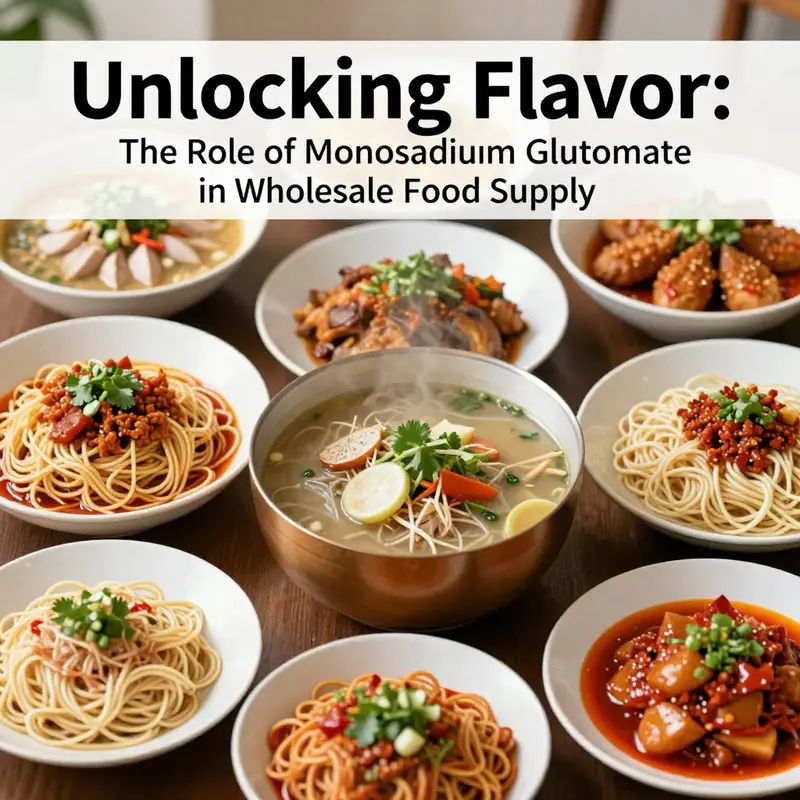
Monosodium glutamate is more than a flavor enhancer; it is a practical partner in the orchestration of savory depth across a wide range of foods produced at scale. In its simplest form, MSG is the sodium salt of L-glutamic acid, one of the naturally occurring amino acids that contribute to umami, the savoriness that makes a dish feel richer and more complete. It appears naturally in tomatoes, mushrooms, and certain cheeses, yet it is also manufactured industrially through fermentation processes that convert starches or molasses into a purified amino acid salt. In professional kitchens and on the shelves of large-scale distributors, MSG is prized not for a single distinctive note but for its ability to elevate the entire flavor architecture of a recipe. It tends to amplify existing flavors rather than impart a standalone taste, letting the chef or product developer refine balance while keeping the core character of a dish intact. In high-volume production, this reliability is particularly valuable, because it provides a predictable gustatory baseline across batches, varieties, and formulations that may differ in salt, fat, and acidity levels. The result is consistency that cooks can rely on when variables abound, from sourcing changes to consumer trends toward more complex umami profiles in ready-to-eat meals and meal kits.
In wholesale and manufacturing contexts, MSG is widely available in bulk from reputable ingredient distributors and foodservice suppliers. The practical path from supplier to sauté pan or to a line of soups and sauces begins with an understanding of the forms MSG comes in and how those forms best fit the production workflow. The most common configurations for culinary and manufacturing use include a high-purity powder and ready-to-use liquid formulations. The powder is often described in terms of assay purity and mesh size, with high-purity grades exceeding 99% and standard classifications around 60–80 mesh to optimize dissolution and distribution in batters, gravies, sauces, and dry spice blends. The liquid variant is valued for rapid penetration into marinades, glazes, and opportunistic flavor boosts where time and texture are critical. Both forms are designed for bulk handling, which means packaging is as important as potency: MSG products are routinely shipped in large, secure containers—often in 25 kg bags or equivalent formats—that tolerate the rigors of transportation, storage, and use in busy production environments.
Storage is a practical concern that directly impacts product performance in a wholesale context. MSG should be kept in cool, dry conditions to prevent clumping and to preserve its potency over time. Managers of storage facilities look for stable climate control and shelf-life information provided by manufacturers, with most high-purity MSG products maintaining quality for twelve months or longer under proper conditions. The packaging, labeling, and certification attached to MSG products are not merely bureaucratic formalities; they are critical signals of quality and regulatory compliance that help manufacturers meet food safety standards across different markets. In practice, that means ISO and HACCP certifications are common expectations among suppliers. Such certifications provide reassurance that the product has been produced and handled under recognized food safety management systems, a consideration that becomes especially important when MSG is used across a diverse portfolio of items—from soups and gravies to seasoned vegetables and ready-to-heat meals.
The culinary applications of MSG in commercial kitchens span a broad spectrum. In gravies and sauces, MSG acts as a depth amplifier, helping to carve out a brothy, savory backbone even when the base stock is modest in salt or fat. In soups, it intensifies the natural umami of base ingredients, lending a fuller mouthfeel and more economical use of other heavier seasonings. When applied to meats and poultry, MSG can intensify the roasted, charred, and herbaceous notes without requiring incremental salt that might upset caloric or nutritional targets. In long-cook dishes, where flavors evolve and merge over extended simmering, MSG contributes to a more cohesive taste trajectory, smoothing what might otherwise be a jagged build of flavors as ingredients release their own natural glutamates at different rates. The practical benefit in a wholesale setting is straightforward: a controlled, repeatable boost of savoriness that helps product developers achieve a consistent flavor profile across large runs, while still allowing the chef to adjust other elements—salt, acidity, sweetness, and aroma—to achieve the intended final dish for varied menus.
A key advantage for professionals is the option of liquid MSG, which can be integrated quickly into marinades, glazes, and mass-produced sauces. The liquid form enables rapid flavor penetration, reducing the need for lengthy infusion times or multiple stage additions. This is particularly valuable in production lines where time equals money and where variability in ingredient hydration or viscosity can complicate process controls. Yet even with liquid formulations, the same care applies as with powders: precise dosing, clear labeling, and alignment with product specifications to avoid overconcentration in certain formulations. The synergy that MSG often exhibits with other flavor elements—acidity from tomatoes, savory fat from oils, or roasted notes from caramelization—can unlock a more robust overall profile without resorting to higher salt content. In the hands of trained professionals, MSG becomes a facilitator of more elegant, economical profiles, enabling cooks to reach depth and dimension without sacrificing texture or color.
Safety and regulatory considerations remain essential anchors in wholesale discourse. MSG has long been the subject of public discourse about safety, yet the prevailing scientific consensus across major regulatory bodies is that MSG is generally recognized as safe (GRAS) when used in typical amounts. This finding is especially relevant for manufacturers who must align with regional labeling requirements and consumer expectations. While most consumers can experience MSG without adverse effects, some individuals report sensitivities or prefer to limit intake based on personal considerations. For those operating at scale, transparent labeling and accurate ingredient declarations help preserve trust and avoid unnecessary product adjustments later in the supply chain. In practice, this means relying on suppliers who provide clear technical data sheets, lab analyses, and documentation of compliance with applicable food laws and standards. The legitimacy of bulk purchases rests not only on potency and purity but on the assurance that the product will perform consistently under the varied processing conditions of large production systems.
The procurement journey in a wholesale environment is as much about relationships and reliability as it is about chemistry. Instance-based selection of suppliers hinges on demonstrated quality control, traceability of the fermentation and refining steps, and the ability to deliver consistent lots across long production calendars. Buyers will examine the technical specifications of the MSG they intend to use, including purity levels, mesh size for powders, or viscosity and concentration for liquids. They will also verify packaging configurations, storage requirements, and the supplier’s commitment to quality assurance through certifications and audits. That due diligence translates into smoother production, fewer line stoppages, and more predictable cost control. In turn, manufacturers can focus on optimizing recipe design and process efficiency, knowing that the underlying flavor-building blocks behave predictably under heat, time, and mixing conditions. The logic is simple: a dependable base of umami lets the culinary team scale creativity and standardize outcomes across menus, facilities, and service channels.
Within the broader foodservice ecosystem, even ancillary components contribute to the final experience. For example, the way meals are presented and served—whether in bulk batches for catering, institutional dining, or large-scale meal kits—depends on a spectrum of supply chain decisions that begin with the fundamental flavor platform. The same attention to quality and consistency governs packaging, labeling, and even the ancillary materials used to deliver meals to end consumers. A holistic mindset recognizes how flavor reliability interacts with texture, aroma, and visual appeal to shape overall satisfaction. In a practical sense, this means that MSG procurement is not a standalone function but an integrated part of a broader strategy that seeks efficiency, compliance, and a cohesive flavor language across product lines. It also underscores the necessity for robust supplier communication and a culture of continuous improvement in both taste and process.
For those exploring the practicalities of sourcing MSG at scale, the emphasis should be on alignment with formulation needs, regulatory compliance, and the ability to maintain stability of flavor across different production environments. The market offers a spectrum of choices, but the common thread is the need for high-purity material, clear specifications, and dependable delivery schedules. In addition to flavor performance, manufacturers will often evaluate secondary considerations such as ease of dosing, compatibility with existing equipment, and the compatibility of MSG with other flavor enhancers or color and texture modifiers in a given formulation. The goal is not merely to add savoriness but to weave MSG into a balanced matrix where every bite reveals a measured, intentional depth rather than a loud, indiscriminate boost. This is the heart of the wholesale approach: a strategic, scalable method to achieve consistent culinary outcomes that align with consumer expectations and operational realities.
As the conversation about MSG continues to evolve in public discourse, the practical takeaway for wholesale buyers is clear. This ingredient offers a versatile tool for achieving depth, cohesion, and efficiency in flavor design. The responsibility that accompanies bulk sourcing—ensuring safety, transparency, and regulatory alignment—remains paramount. In kitchens and production lines where demand is high and timelines are tight, MSG can deliver reliable umami that supports both product quality and cost efficiency when used with precision and respect for the broader sensory goals of each dish. The story of MSG in wholesale food systems is not about a single flavor note, but about a reliable method for shaping the savory backbone of modern cuisine at scale. As you move from one stage of the supply chain to the next, the same principle holds: flavor is built not by chance but by deliberate, informed choices that honor quality, consistency, and the needs of diners and operators alike.
For readers curious about sourcing specifics in a wholesale context, consider exploring the broader packaging and serviceware ecosystem that accompanies bulk food production. A useful point of reference within the foodservice materials landscape is the disposable tableware category, which exemplifies how service-oriented considerations intersect with production success in large quantities. This link provides an overview of the range of products available in that segment and offers a lens through which to view how bulk food supply systems integrate with serving and presentation needs: disposable tableware category.
External references can deepen understanding of MSG’s technical profile and market presence. For more detailed specifications and supplier options, see the external resource that outlines high-purity MSG details and commercial-grade formulations: https://www.alibaba.com/product-detail/Monosodium-Glutamate-Msg-Food-Grade-High-Purity_1601043143373.html?spm=a2700.1.women-2026-1.2.6c7f5d32mGkRjD.
Final thoughts
Navigating the wholesale market for foods containing monosodium glutamate can significantly enhance your culinary offerings, from flavorful beverages to savory dishes. As demand for flavor intensifies among consumers, your understanding of suppliers, regulatory landscapes, health aspects, and application methods becomes crucial. By leveraging the right MSG sources and adhering to safety regulations, you can satisfy your customers while ensuring quality and taste. Consider incorporating MSG-enhanced products into your offerings to elevate both flavor and business potential.