
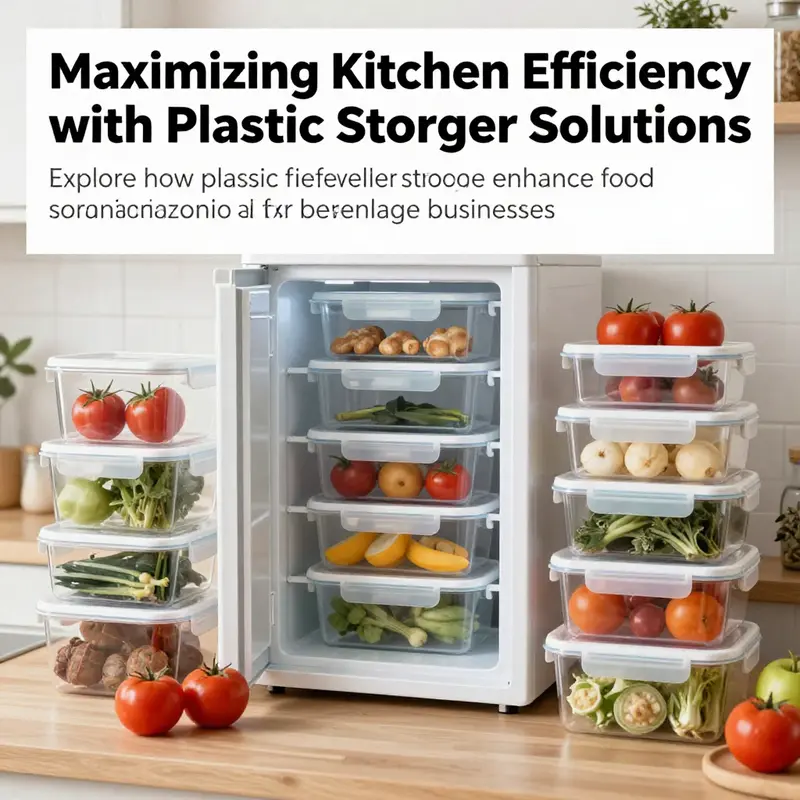
Maintaining an organized kitchen is crucial for the efficiency and success of any food business, from bubble tea shops to catering services. Plastic kitchen refrigerator storage box food containers play a significant role in streamlining food storage and ensuring easy access to ingredients. This article will delve into the importance of these containers in kitchen organization, their benefits for food freshness and safety, and the latest market trends and innovations that cater to the unique needs of beverage chains, restaurants, food trucks, catering services, event planners, and corporate procurement teams. By examining these aspects, this article aims to provide a comprehensive understanding of how such storage solutions can effectively elevate operational workflows and enhance the overall service delivery of food-related businesses.
Clear, Compact, and Contained: The Role of Plastic Refrigerator Storage Boxes in Everyday Kitchen Organization
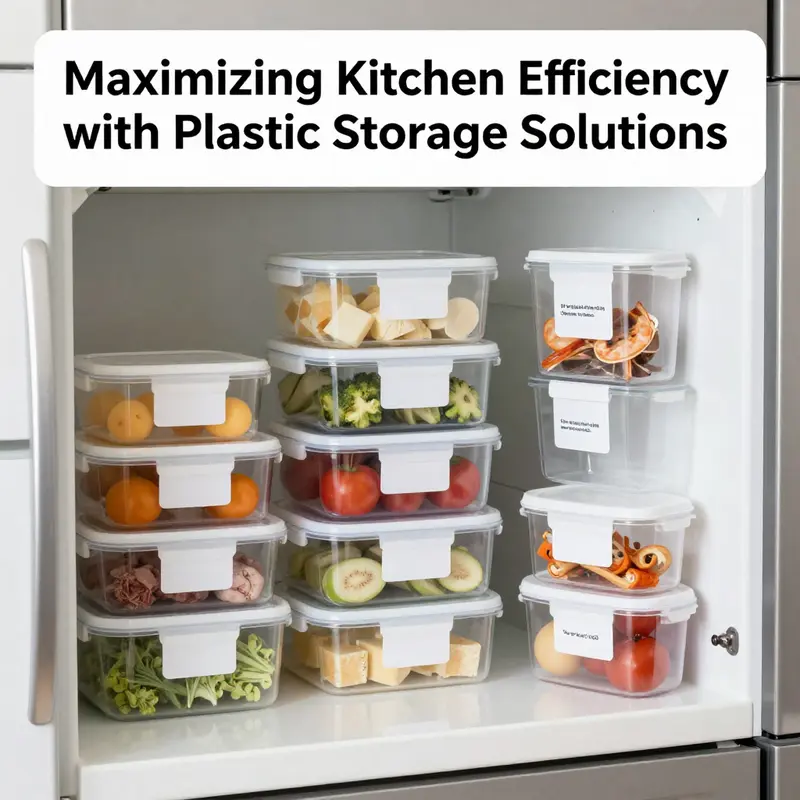
Kitchen organization is a habit built around accessible tools. Plastic refrigerator storage boxes are not just containers but an architectural layer that supports freshness, safety, and everyday workflow. When chosen with care and used with intention, these boxes transform a crowded fridge into a navigable system that aids planning, reduces waste, and speeds meal prep. The goal is not only to preserve food but to make the act of cooking feel clear rather than chaotic. In this sense, plastic fridge boxes are a functional design element inside a domestic space. They introduce consistent rules for storage, visibility, and retrieval, turning the fridge into a small, reliable pantry on the inside. Their plastic construction allows uniform sizes, neat stacking, and resilience to daily use, from drips to dishwasher cycles.
Transparency is the first and most immediate advantage. Clear plastic lets light into the box and helps the user scan contents at a glance. Leftovers, chopped vegetables, and prepared grains become visible without pulling lids or sorting through a sea of mismatched bottoms. This visual access reduces cognitive load and supports efficient meal planning. When items are visible, the chance of forgotten containers drops, which minimizes waste and helps preserve nutritional value.
Beyond visibility, good box design encourages an orderly, scalable system. A well built set nests when not in use, stacks securely in use, and fits fridge shelves and drawers. Modern plastic boxes emphasize stackability without compromising access. Families can dedicate sections for fruits, vegetables, grains, and condiments, while secure lids and integrated handles simplify removal and reduce spill risk. A tight seal helps maintain interior humidity and extend freshness, contributing to texture and flavor preservation.
Hygiene and safety are central. Plastic materials chosen for refrigerator boxes resist staining and stand up to frequent washing. Smooth interiors prevent grime from hiding in corners, and rounded edges speed drying. Many designs are dishwasher safe, lowering maintenance effort and supporting a routine of clean storage. BPA free materials address health concerns and align with environmental stewardship goals.
Space optimization and aesthetics follow. A range of sizes supports common portions, from herbs to leftovers. Nested and stackable designs reclaim shelf real estate and reduce clutter. In a well organized fridge, routine becomes smoother, saving time and supporting consistent meal planning. A cohesive look with matching lids and neutral finishes creates visual harmony that invites regular interaction with the contents, encouraging fresh planning and smarter purchases.
Durability and life cycle complete the picture. Rugged walls and resilient lids withstand repeated opening and closing in cold conditions. Durable construction reduces the need for replacement, trimming waste and stabilizing usage patterns. BPA free materials, recyclability, and safe cleaning contribute to a responsible lifecycle. For households focused on sustainability, these characteristics make plastic fridge boxes sensible parts of a broader approach to reduce waste while keeping the kitchen efficient and inviting.
The fridge is part of a larger storage ecosystem. When similar principles carry into the pantry and countertop spaces, the entire home feels organized. A consistent design language makes transitions between storage zones intuitive and predictable, supporting better planning and healthier eating.
For readers seeking deeper context, references to related storage categories and practical resources can guide customization to a specific kitchen footprint. A future chapter could expand these ideas to pantry organization and meal prep workflows, building a cohesive, healthy daily routine. The thread is a behavioral one: plan, portion, visualize, and proceed with confidence.
Seeing Freshness: How Plastic Refrigerator Storage Boxes Preserve Food, Cut Waste, and Streamline the Kitchen
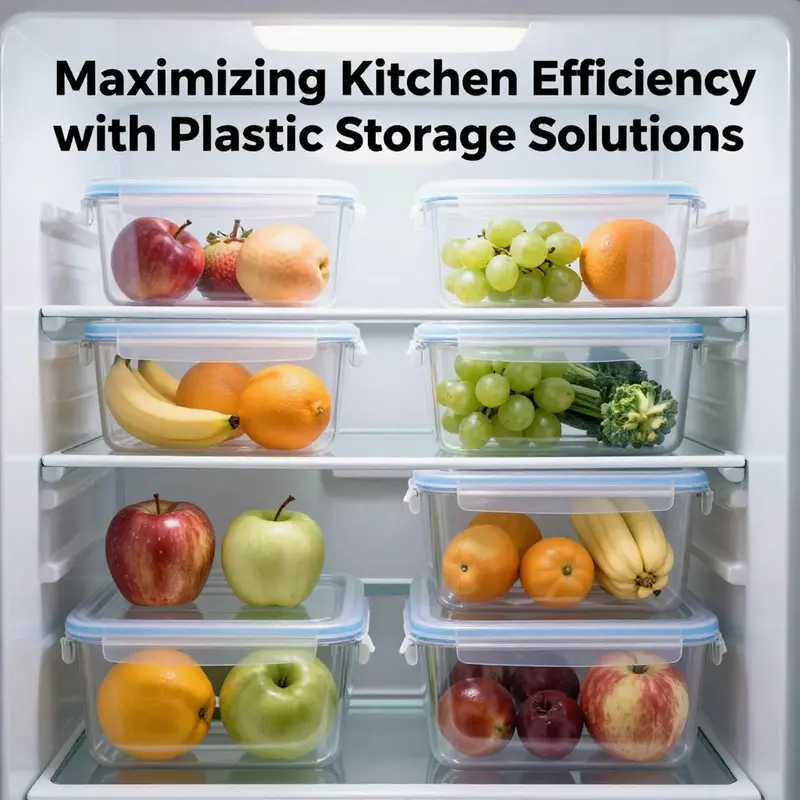
In the busy rhythm of home life, plastic refrigerator storage boxes act as a quiet infrastructure for freshness. Clear walls, secure seals, and stackable shapes translate into predictable outcomes: less air exposure, slower moisture loss, and more reliable organization that makes everyday cooking calmer and more efficient. The choice of food-grade polypropylene and robust seals matters because it preserves texture and flavor while supporting reuse over disposable alternatives. Visible contents speed decision-making, reduce food waste, and encourage mindful planning. A well-designed system also simplifies cleaning and reduces cross-contamination risks, especially when containers are microwave-safe and dishwasher-friendly as labeled. Beyond function, these boxes change how we interact with the fridge: they turn a chaotic collection of leftovers into a legible, modular grid where leftovers are identified, portioned, and repurposed. Over time, reusable containers cut down packaging waste and promote a kitchen culture of care and efficiency. When selecting a set, consider size variety, lid design, dishwasher compatibility, and whether they can tolerate freezer temperatures. The result is not just neat storage but a practical framework for healthier eating, less waste, and a calmer, more predictable kitchen routine.
Clarity, Space, and Smart Organizing: The Evolution of Plastic Refrigerator Storage Boxes
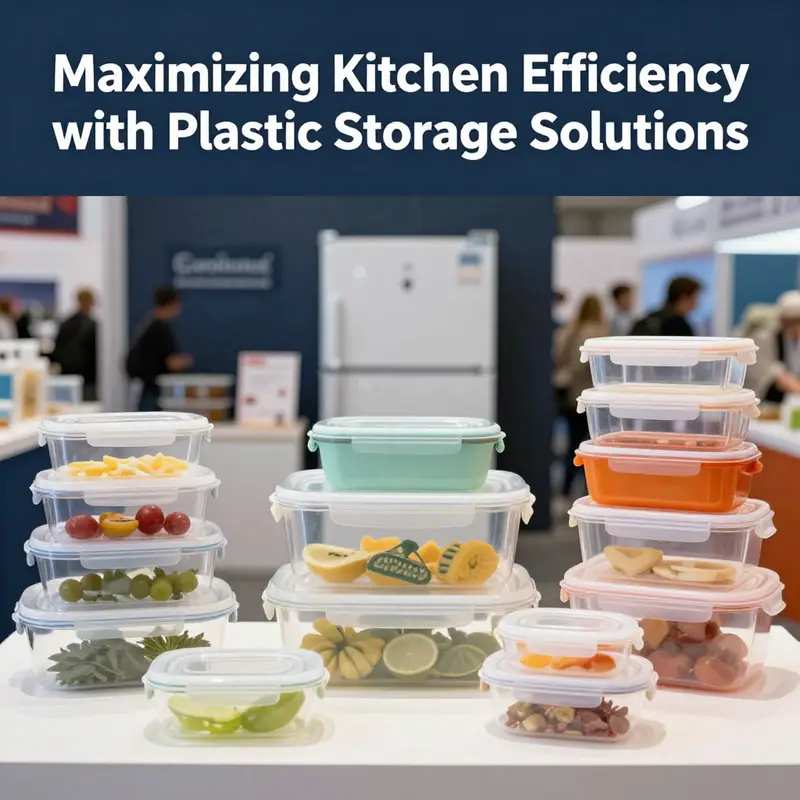
Inside the modern kitchen, the refrigerator has long shifted from a simple cold box to a carefully curated storage system. Plastic refrigerator storage boxes sit at the heart of that transformation, offering a clear view of contents, a compact footprint, and sturdy, fail-safe lids that lock in freshness and minimize odors. The appeal rests not only in visibility but in the way these containers unlock an orderly rhythm in daily life. When a household learns to see what is inside at a glance, meal planning becomes less guesswork and more a choreography of ingredients. Leftovers, fresh produce, grains, spices, and sauces move from cluttered shelves to orderly stacks, enabling a smoother routine from dawn through dinner. The result is a broader shift in how people think about food storage: not merely as a repository for yesterday’s meals but as a strategic element of hygiene, waste reduction, and kitchen efficiency. The popularity of large, XL containers with secure lids and practical handles illustrates this shift. They are designed to accommodate a wide range of items while promoting a disciplined system of organization that reduces search time and preserves flavor and texture longer. In many homes, the visual clarity of clear plastic is a daily cue to use ingredients before they degrade, a subtle nudge toward more mindful cooking and healthier consumption patterns. The design philosophy behind these containers—transparency, durability, and airtight seals—serves a broader purpose beyond convenience: it supports hygiene, reduces waste, and reinforces a kitchen workflow that aligns with contemporary expectations for cleanliness and efficiency.
Market dynamics echo this consumer behavior. The global refrigerator storage box market has grown from a solid base of household use into a robust sector characterized by rapid product development and expanding distribution. Recent estimates place the market value at about 2.71 billion USD in 2026, with expectations of proceeds swelling to around 5.71 billion USD by 2035. That trajectory translates into a compound annual growth rate of roughly 8.5 percent, signaling not just rising demand but a sustained pace of innovation and investment. Several forces are driving this expansion. First, there is a persistent consumer desire for better organization. People want interiors that are easy to scan, easy to reach, and easy to maintain. Second, food safety and freshness have become higher priorities in households of all sizes. Airtight seals, BPA-free materials, and food-grade plastics help maintain product quality and limit cross-contamination or odor transfer, which in turn encourages longer storage and reduces spoilage. Third, a clear focus on sustainability — even within a market dominated by durable plastic — is nudging manufacturers toward recyclable materials, more efficient production processes, and design-for-disassembly approaches that support reuse and recycling. These dynamics together create fertile ground for both incremental improvements and bold, new concepts in storage design.
At the core of the current wave of innovation is the drive to optimize space through stackability and modularity. The fridge, as a workspace, has finite volume; clever geometry and careful engineering can turn underused corridors into functional zones. Stackable configurations have become a defining feature of modern sets. Containers are designed not only to nest but to align so that lids stack securely and shelves can bear vertical layers without tipping. Materials used across the market tend to be food-grade polypropylene, prized for its clarity, rigidity, and relative resilience to cold temperatures. Clear lids and bodies help users identify contents instantly, which speeds up planning and reduces the cognitive load required to manage inventory. The combination of transparency and airtight seals reduces odor migration and preserves the texture of delicate items like berries or leafy greens, a small but meaningful win for households that want high-quality leftovers without frequent waste. The engineering behind these products balances several competing priorities: cost efficiency for mass production, safety and compliance for everyday use, and usability that remains intuitive for all age groups in a family. In practice, this balance translates into a family of products that can appear in sets of different scales, offering a predictable entry price for beginners and scalable options for growing households.
The functional breadth of these containers also continues to expand, moving beyond purely storage to become adaptable toolkits for everyday life. Modern lines frequently include a range of sizes designed for different kitchen tasks. A typical set might feature options with capacities of roughly 4.5 liters to 31 liters, each piece designed to perform multiple roles: portioning for meal prep, packing for lunch, organizing pantry items, or even serving as transport containers for picnics and car trips. Clear, sealable lids offer a dual benefit: visible contents and reliable airtight protection, enabling users to retain moisture in grains and soften vegetables at a controlled rate. The versatility of such sets is heightened when designers introduce compact, multi-compartment configurations. These smaller, round containers enable precise portion control, convenient for school lunches or workdays, and they support a broader lifestyle trend toward modularity and on-the-go preparation.
When a household adopts a modular approach to storage, the implications reach beyond the fridge. The practicality extends into planning and shopping habits. Clear labeling, integrated date tracking, and even color-coding can become part of a minimal system that makes meal preparation more predictable. The emphasis on quick identification of items aligns with a growing preference for streamlined routines and time-saving habits. Consumers notice how a well-organized fridge reduces the mental load of meal planning and cuts down the time spent searching for ingredients. In this sense, the technology of the container—not just its material composition—plays a direct role in shaping how people eat. The ability to see the contents at a glance leads to better inventory management, healthier choices, and less food waste. When leftovers are neatly stacked and visible, there is a stronger incentive to plan a meal around what is on hand rather than making impulsive runs to the store.
Sustainability remains a central thread in this narrative. While recyclable polypropylene remains the predominant material due to its balance of cost, safety, and performance, a growing segment of manufacturers is experimenting with more eco-friendly options. Biodegradable resins and reusable designs surface in response to rising consumer awareness and regulatory emphasis on environmental impact. The market is still navigating the trade-offs between biodegradability and durability in the harsh conditions of a refrigerator, where temperature fluctuations and humidity can affect material integrity. Yet the conversation around sustainable choices is louder and more frequent than ever. Producers are increasingly disclosing the life cycle of their products and adopting practices that encourage reuse, repair, and recycling. Transparent communication about material safety and end-of-life options helps establish trust with consumers who want to align household purchases with their values. As a result, the category is moving toward a stronger emphasis on circular economy principles, with products designed to be easily disassembled for recycling and to outlast a typical purchase cycle through robust design.
Quality assurance remains a critical consideration for shoppers who want reliable, long-lasting storage solutions. The market has begun to emphasize verified seller networks and consumer feedback as a signal of trust and service quality. For example, platforms that showcase sellers with high positive ratings offer reassurance to buyers who may be navigating a crowded landscape of options. A practical takeaway for consumers is that evaluating not just the product but the seller’s track record has become a meaningful step in selecting containers for everyday use. The presence of a reputable seller network translates into tangible benefits: consistent product performance, predictable lead times, and responsive customer service should issues arise. This is not merely a marketing convenience but a fundamental expectation in a market that blends consumer electronics-inspired expectations with kitchen practicality. In this environment, the consumer’s confidence is reinforced through tangible quality signals, driving repeat purchases and long-term adoption.
Looking ahead, the market anticipates the infusion of smart features that could redefine how storage boxes interact with the rest of the kitchen ecosystem. The future may bring built-in labeling or RFID tagging that helps track expiration dates, inventory levels, and consumption patterns. Such features could work in concert with smartphone apps or home assistants to provide reminders when a batch of leftovers is approaching its prime. Even as these capabilities are still on the horizon, the groundwork is being laid today through better data collection, interoperable design, and standardization across product lines. The promise of smart storage lies in a more integrated kitchen experience where the container is not just a passive holder but an active participant in decision-making about what to cook, what to reuse, and when to restock. This evolution would align storage more closely with broader trends in home automation and data-driven meal planning, while preserving the core advantages of transparency, durability, and ease of use.
From a business perspective, the economics of scale play a decisive role in shaping price and availability. Suppliers creating large-volume, bulk-priced components can lower the per-unit cost to a level that makes smart, modular systems feasible for households across income levels. The emphasized efficiency of production and the ability to offer durable, food-safe materials at competitive prices help sustain growth in the market. A price point in the lower range of the spectrum, particularly for bulk purchasers, enables widespread adoption across households that are expanding their storage needs or renovating kitchens. The capacity to offer several sizes within a single family of products reinforces the sense of a cohesive system rather than a disparate assortment of containers. This systematization supports retailers and consumers alike as they navigate choices and assemble sets that fit their particular space constraints and culinary rituals. The result is not only improved fridge organization but also the creation of a predictable, repeatable storage habit that reduces waste and encourages healthier habits around food preparation and consumption.
The design philosophy behind modern storage boxes often features elements that resonate with broader kitchen storage trends. A clean, transparent aesthetic communicates simplicity and order. The geometry of each piece—flat bottoms to maximize shelf contact, rounded corners to facilitate cleaning, and compatible lids that seal securely—contributes to a sense of reliability and predictability. This is especially important in households with children or seniors, where ease of use and straightforward maintenance influence daily routines. The idea of a modular system also supports progressive upgrades within a household. When families start with a basic set and then add compatible pieces over time, they can gradually elevate their fridge organization without the friction that sometimes accompanies a wholesale replacement. In practice, this means more opportunities for users to experiment with configurations, discover what works best for their specific space, and optimize their grocery shopping and cooking cycles accordingly.
For retailers and content creators who shape consumer understanding, these trends offer a clear map of consumer priorities. The most persuasive messages emphasize transparency, reliability, and the practical benefits of a well-designed storage system. The emphasis on visible contents and odor control speaks to a universal user need: confidence that every item is safe to eat, easy to locate, and simple to manage. It is not about flashy features alone; it is about delivering a kitchen experience that reduces friction, saves time, and supports healthier eating practices. The discourse around storage boxes thus evolves from a conversation about containers to a broader advocacy for organized, hygienic, and efficient homes. As households become more attuned to the benefits of mindful storage, the market can expect continued innovation that honors these core values while exploring new materials, new forms of modularity, and new ways to integrate with other elements of the kitchen workflow.
Another dimension to consider is the consumer journey from purchase through daily use. The initial decision to buy a set is often driven by a desire to tame fridge chaos and to create a dependable, repeatable routine. Once a set is in place, the real test becomes how well it maintains performance over time. The combination of sturdy construction, reliable lids, and clear visibility determines whether a family will keep investing in a particular design or migrate to something that better matches evolving needs. Cleaning and maintenance are also central to sustaining value. Containers that resist staining, are dishwasher-safe, and tolerate frequent cold-temperature cycles tend to become long-term fixtures in kitchens. In addition, the ease with which components can be repurposed or repackaged for different storage tasks influences how flexible a household perceives the product to be. After all, storage is not a fixed function; it is a dynamic, ongoing practice that adapts to changing dietary patterns, seasonal produce, and life stages that bring new storage demands.
Within this evolving landscape, the opportunity to link ideas across categories becomes increasingly clear. For instance, the storage containers category acts as a hub for a wider ecosystem of home organization products. Household optimization often involves related domains such as pantry organization, lunch boxes, and reusable packaging, all of which share the same design language of clarity and durability. Linking content across related product categories can help readers understand how a coherent system forms the backbone of a modern kitchen. In this spirit, readers may explore related collections that cluster around storage solutions, helping them assemble a holistic set of tools for home organization. This approach aligns with a user-centered understanding of how small, practical choices in one area of the kitchen can ripple outward to improve efficiency, health, and satisfaction across daily routines.
The market reality, therefore, is less about a single innovation and more about an integrated approach to design, materials, and service. A steady flow of improvements in mold technology, lid engineering, and stacking geometry signals a future where durability and functionality are harmonized with sustainability and data-informed usage. The consumer is ready for this evolution: they want products that help them manage space in tiny urban apartments and suburban homes alike, that keep food safer longer, and that fit among a growing family of compatible storage solutions. The industry, in turn, responds with systems that are modular by default, with components that can be substituted or expanded without breaking the cohesive aesthetic and performance standard. This is the essence of progress in plastic kitchen refrigerator storage boxes: a blend of clarity, space optimization, and practical intelligence that makes everyday food management more predictable, more hygienic, and more enjoyable.
For readers seeking a deeper dive into market dynamics and the broader context of refrigerator storage solutions, additional insights can be found in external market analyses. These resources provide a structured view of growth patterns, competitive landscapes, and future projections that complement the narrative here. External research highlights the scale and trajectory of the market, underscoring how consumer demand for organized, safe, and sustainable storage continues to propel innovation across regions and demographics. See the external resource for a broader industry perspective and validation of the trends described above: https://www.grandviewresearch.com/industry-analysis/refrigerator-storage-box-market. As the discourse around storage containers evolves, a practical takeaway for practitioners and enthusiasts alike is clear: invest in modular, transparent, and durable designs that support everyday meal planning while aligning with long-term sustainability goals. The intersection of form, function, and value is where real progress happens, and where households find the most meaningful gains in reducing waste, saving time, and enjoying a more harmonious kitchen experience.
To connect this vision with everyday shopping decisions, consider exploring a curated range of storage options that emphasize a cohesive system. The goal is to move beyond individual containers toward a purchase that supports a consistent, scalable storage logic in the fridge. A practical step is to browse for sets that offer a balanced mix of sizes, ensuring there is a container appropriate for leftovers, cut fruits and vegetables, grains, and sauces. The right combination helps standardize day-to-day routines, from groceries to meal prep to quick cleanups after cooking. In practical terms, this means choosing products whose lids seal tightly, whose walls resist staining and odor transfer, and whose shapes maximize stackability without compromising access. When households adopt such a system, the benefits become measurable: less spoilage, faster meal preparation, and a more navigable fridge that reflects the efficiency people seek in other parts of their homes. The result is a kitchen that feels calmer and more purposeful, a space that supports healthier eating patterns and more mindful consumption while maintaining a streamlined, visually clean aesthetic. This is the practical promise of the current wave of innovations in plastic refrigerator storage boxes—a promise that grows stronger as the market continues to evolve and expand.
For readers who want a quick access point to related content, this chapter includes a cross-reference to a storage containers category that houses a broad assortment of modular organizers. This hub provides context for how these boxes fit within a larger ecosystem of home storage solutions and serves as a practical starting point for those seeking to understand how to assemble a complete system of organization that works in real kitchens. The linked category acts as a gateway to further exploration of compatible products, helping readers imagine a cohesive setup that aligns with their space, budget, and lifestyle. As the discussion moves forward in the article, the themes of clarity, space optimization, and user-centered design will remain central, guiding readers toward informed, confident choices about how to equip their kitchens with durable, practical, and forward-looking storage solutions.
In sum, the trajectory of plastic refrigerator storage boxes is a story of clarity meeting capability. It is about turning the cold, sometimes chaotic interior of a fridge into a well-orchestrated environment where food safety, waste reduction, and everyday ease converge. It is also about recognizing that the story is not about a single innovation but about a system that grows with consumer needs. The modern home demands versatility and resilience, and the market responds with designs that respect space, promote hygiene, and anticipate the future of smart kitchens. As households embrace these principles, they will likely see continual improvements in the way food is stored, prepared, and enjoyed—an outcome that satisfies both practical requirements and the deeper aspiration for a well-organized, healthy, and efficient home.
Internal link reference: explore the broader storage solutions ecosystem in the storage containers category for related organization tools and accessories. storage containers
Final thoughts
In summary, plastic kitchen refrigerator storage box food containers are essential tools for enhancing kitchen organization and improving food safety across food service industries. By implementing these solutions, businesses can achieve structured storage, maintain freshness, and ultimately uplift their operational efficiency. The trends and innovations in the market are continually evolving, offering even better options for creative and functional storage. Adopting these containers not only promotes better hygiene practices and minimizes food waste but also optimizes workspaces, allowing for smoother service and customer satisfaction.