
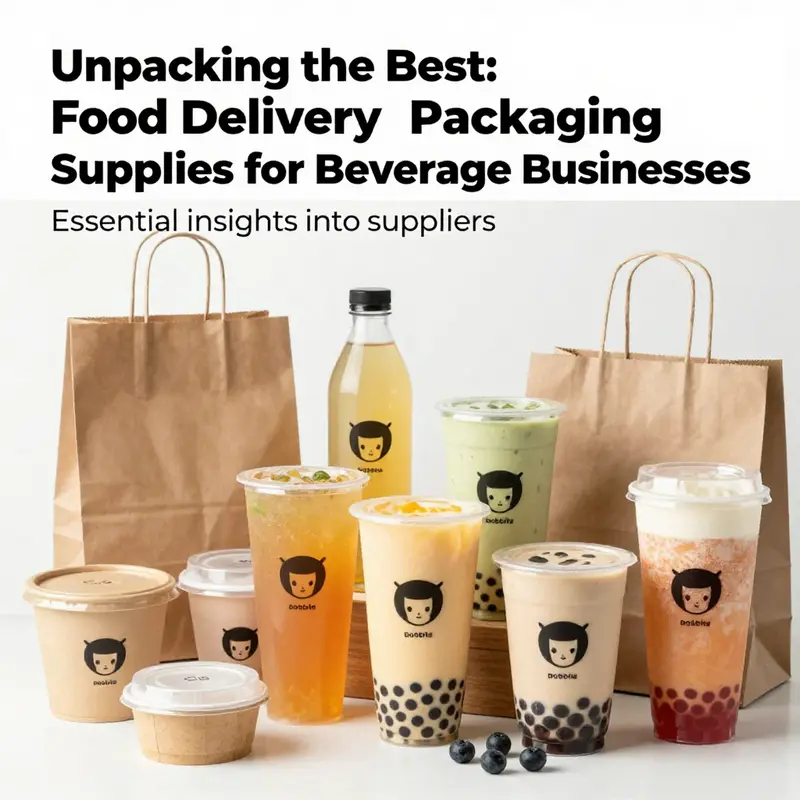
In the thriving landscape of food delivery, packaging plays a crucial role in ensuring quality and enhancing customer experience. For businesses like bubble tea shops and restaurants, choosing the right suppliers for packaging materials is essential not just for aesthetics but also for functionality and compliance with safety standards. This article delves into the advantages of Chinese suppliers in the food delivery packaging sector, the key criteria for selecting them, various packaging types and their applications, current market trends, and how to effectively integrate global supplier networks into your procurement process. By the end, beverage chains, food trucks, and corporate teams will have a comprehensive understanding to make informed choices for their packaging needs.
null
null
null

null
null
null
从绿色到智能:食品配送包装的采购策略与未来路径
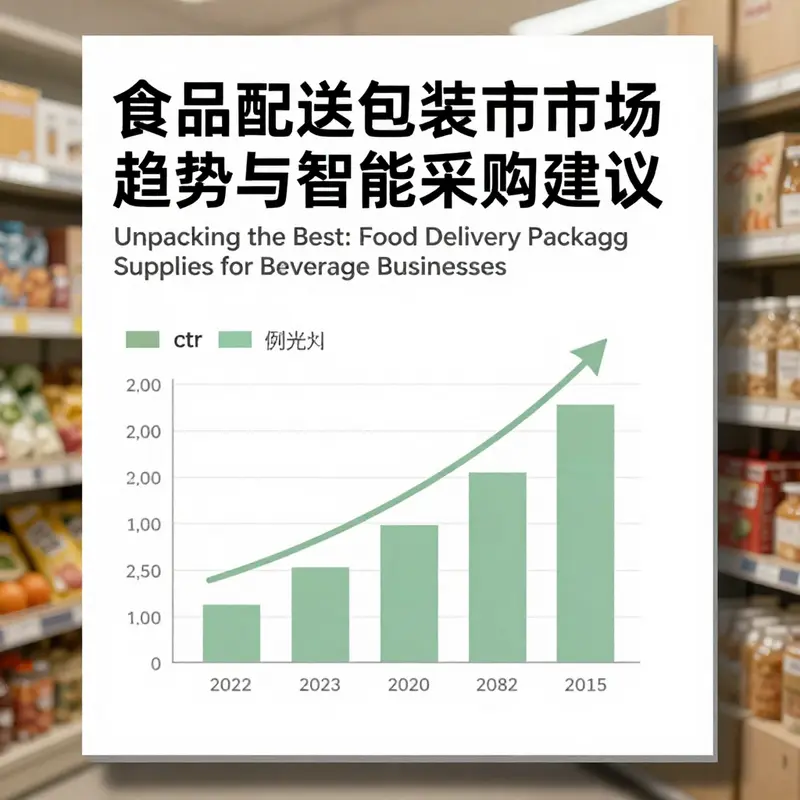
在食品配送包装领域,采购不再只是压价和补货的简单循环,而是围绕可持续性、功能性与数字化决策的系统工程。品牌若要在竞争中保有成本优势与口碑信任,必须把包装视为连接生产、物流与消费体验的关键节点。本文整合市场趋势和实践建议,帮助采购团队在合规、安全与效率之间找到平衡点,并为下一阶段的长期投入提供清晰路线。
包装材料的选择首先要回应两个同时存在的诉求:降低环境影响与保证食品安全。近年来,可降解材料与纸基复合结构的采用率快速上升,这既回应了消费者对环保的期待,也使品牌在政策压力下更具弹性。采购应优先建立一套材料合规清单,明确每类包装在接触食品、微波加热或冷链运输中的适用边界。这样的清单应把法规资质化为硬性门槛,涵盖FDA、欧盟相关法规和国家食品接触材料标准,并要求供应商提供检测报告与追溯文档。只有在合规基础上,才能进行更高层次的性能权衡,例如防油、防漏与耐热等指标。
与此同时,功能性正在成为采购讨论的核心。食品配送的典型痛点——蒸汽回流导致的变软、酱汁渗漏、温度流失——需要通过材料配方与结构设计来解决。采购团队应把关注点从单价扩展到单位使用成本和配送失效率。例如,采用多层复合膜或阻隔涂层,能在短期内提高保鲜率并降低因退货或差评造成的隐性损耗。针对夜宵、高汤类和冷链商品,采购策略应区分不同配送场景,制定对应的包装规格库,而非用一套包装覆盖全部需求,这能显著提升配送适配性并降低总体成本。
数字化工具在采购端的落地,改变了需求预测与供应响应的节奏。基于销售数据的预测模型可以将采购从经验驱动转为数据驱动。通过把历史销量、促销节奏与气候、区域偏好等变量纳入模型,采购准确率会显著提高,库存占用和缺货风险同步下降。对中小型品牌而言,选择支持云端协同的智能采购平台,能快速实现与仓储和物流的数据联动,使重新订货周期更短而更精确。值得强调的是,数据质量决定模型效能;因此,采购团队需优先建设标准化的SKU编码与入库出库记录,确保后端分析的可靠性。
供应商管理应从单一交易关系升级为战略伙伴关系。评估一家供应商的能力,不应仅看产能和成本,更要审视其技术工艺、产线可视化能力与应急响应速度。优先与具备先进印刷、热封和阻隔加工工艺的供应商建立长期合作,可在设计迭代和小批量测试时获得更高灵活性。另一方面,鼓励供应商提供样品测试并签署性能SLA(服务水平协议),将关键指标如耐温、封口强度和材料迁移等纳入合同条款,可显著降低后续争议成本。
可循环与可复用方案在若干城市已进入试点阶段,并展现出长期成本与环保双赢的潜力。采购应评估是否在特定城市或渠道推行“共享包装”或押金制可回收方案。实施前的准备工作包括搭建回收网络、制定清洗与消毒规范,以及对用户体验的持续优化测量。若条件成熟,可把可复用包装纳入企业年度采购计划,按回收率与使用寿命计算长期经济性,而非只看一次性采购成本。
在实际执行层面,自动化包装设备与智能称重系统带来的效率提升不容忽视。对有标准化包装需求的商品,引进自动化设备可以降低人工误差、提高速度并稳定包装质量,从而在高峰期保持配送口碑。采购团队应在评估设备投资回收期时,把人工成本占比、出错率降低带来的退货成本节省以及包装材料使用优化一并纳入模型,避免以设备本身价格做孤立决策。
组织内部协同也是成功实施上述策略的关键。采购、物流、研发与市场之间需形成闭环沟通机制。任何新包装设计都应经由小规模试点验证配送适配性与消费者反馈,市场团队应提供销售预期和促销计划以供采购提前准备。对外,参加行业展会和权威平台能迅速拓展供应商池,并获取最新材料趋势与技术能力的直观判断。对接可靠的供应链展示与评估渠道,能在短时间内缩短审核周期并获取更多可比样品。
在执行过程中,应建立可量化的绩效指标。建议建立一套由合规性、环境影响、配送损耗率、采购准确率与供应商响应时效组成的评分体系。该体系不仅用于年度审计,也应作为季度调整采购策略的依据。通过持续的指标监测,采购团队能更快识别问题并调整策略,从而在保持成本效率的同时,提升品牌的配送质量与可持续表现。
最后,面向未来的采购策略要具备灵活性与前瞻性。政策环境、消费者偏好与材料技术都在快速演进,采购不应是静态合约管理,而应把一部分采购预算用于小批量试验与新材料研发合作。通过在供应商中发起联合开发项目,品牌可以在保证合规的前提下,率先试用更轻量、更环保或更具功能性的包装方案,从而把包装从成本中心转化为竞争优势。
有关更多纸基与一次性便当类包装的具体选型和采购组合,可以参考此处的产品分类页面了解常见规格与材料选择:可一次性便当与纸制包装目录。更多市场研究与趋势数据详见权威报告:2026年中国食品包装市场研究及发展趋势预测(来源:智研咨询,2025年发布并于2026年更新)。
Global Networks, Local Clusters: How Food-Delivery Packaging Suppliers Shape Modern Convenience
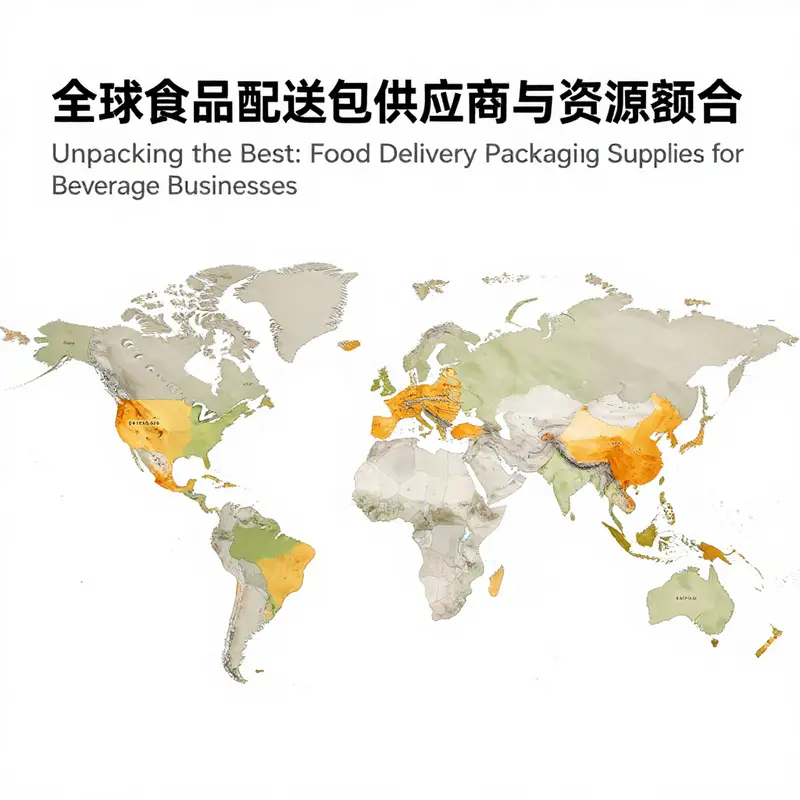
The world of food delivery packaging sits at the intersection of procurement discipline, industrial geography, and rapid-response logistics. It is a domain where the density of manufacturing clusters, the rigor of compliance, and the speed of digital coordination determine whether a brand’s meals arrive in pristine condition or arrive late, or less economically than planned. The landscape is not a simple supply chain with a few vendors; it is a complex, evolving network in which raw materials, converting technologies, packaging design, and last‑mile delivery converge. In this sense, the most effective packaging program blends regional strength with global reach, marrying the near‑term realities of freight, tariffs, and lead times with the longer arc of sustainability and consumer trust. Among the most instructive centers of gravity for this ecosystem are the major manufacturing belts in Asia, where a mature, end‑to‑end ecosystem supports everything from raw films and papers to finished boxes and specialized delivery bags. The capabilities here—fast response, cost efficiency, and scalability—are not merely advantages for local brands; they are essential to any operator seeking to compete on reliability and environmental credentials in an increasingly demanding market.
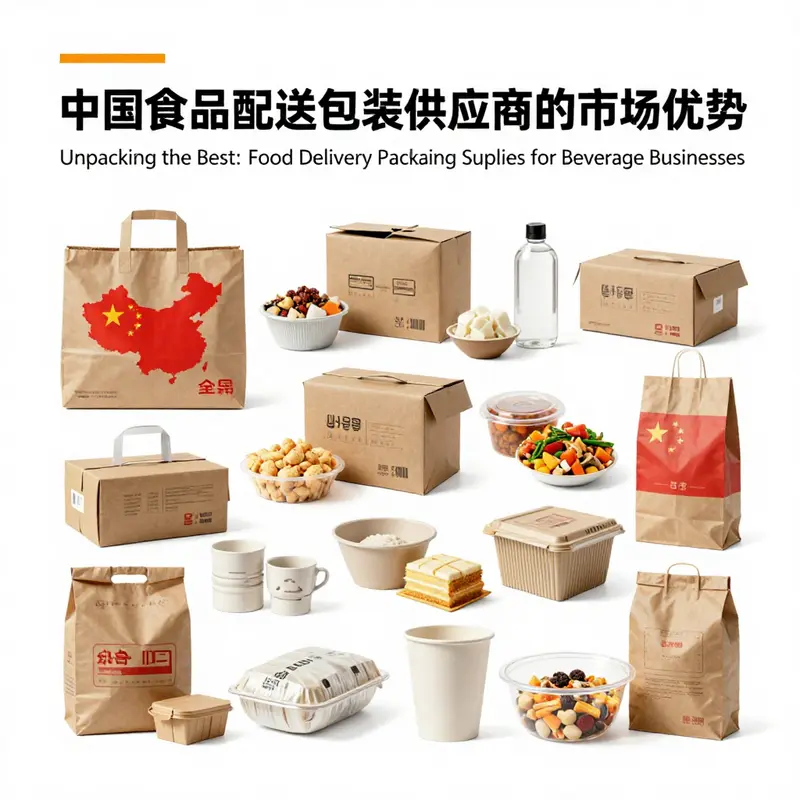
The regional story matters because it anchors the supplier network in a concrete reality: where you source often determines how you source. In particular, the Guangdong, Shandong, and Jiangsu provinces have built out comprehensive ecosystems that cover everything from the processing of raw materials to the finished packaging delivered to factories, central kitchens, and street-front delivery hubs. Guangdong, with its strengths in high‑speed plastic film production and digital printing, offers rapid customization that helps brands test concepts and scale campaigns without long wait times. Shandong and Jiangsu leverage their proximity to pulp and paper facilities to dominate segments such as unbleached kraft, corrugated cardboard, and increasingly, biodegradable film materials. This geographic alignment means shorter lead times, reduced logistics friction, and a greater capacity to absorb spikes in demand—precisely the kind of resilience required in a market that is all‑too‑aware of the costs of disrupted delivery.
But geography is only one side of the equation. What truly strengthens a global packaging program is the ability to navigate a dense menu of material choices while staying compliant with food safety rules, environmental standards, and corporate risk controls. For any material used in contact with food, strict conformity is non‑negotiable. The core standards that buyers routinely verify include certifications and compliance related to the U.S. FDA, the EU 10/2011 Regulation, the Chinese national standard GB 4806.1‑2016, and RoHS directives. In practice, this means conducting due diligence on the supplier’s material composition, testing regimes, and traceability. The requirements are not merely about avoiding harmful residues; they are about ensuring stability under high temperatures, chemical resistance, and consistent performance during reheating, holding, or transport in multilayer packaging structures. For brands operating in a multicultural consumer environment, clear compliance signals also build trust that the packaging will perform under various domestic and international regulatory regimes.
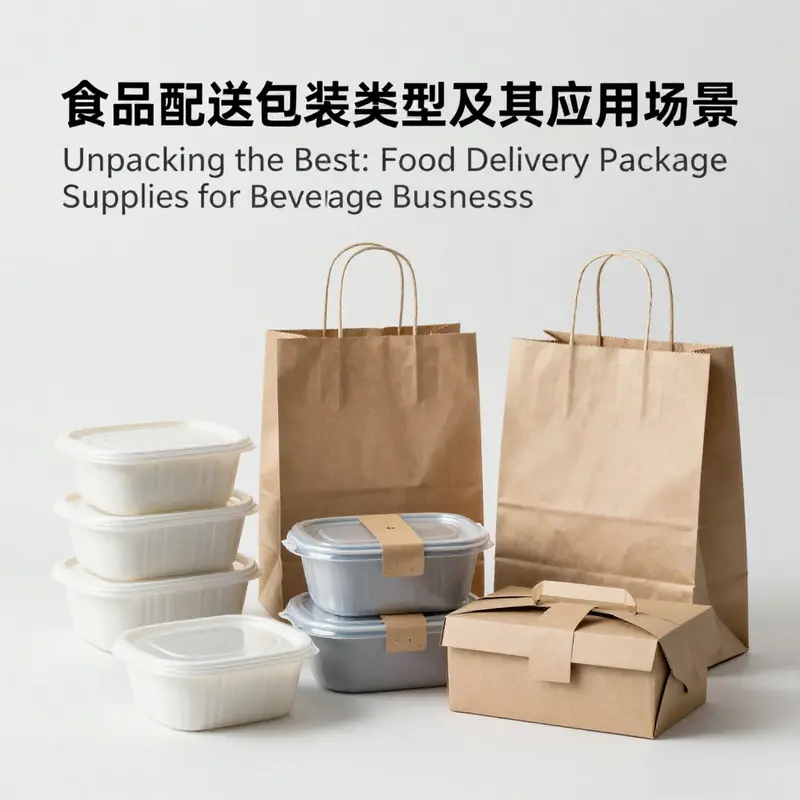
Beyond the compliance box, the evolving design space for food delivery packaging increasingly centers on performance, sustainability, and consumer experience. The most common formats—glass containers, plastic meal boxes and bags, paper-based options, and biodegradable or bio‑based materials—each bring a unique bundle of advantages and trade‑offs. Glass offers exceptional barrier properties and premium perception but carries fragility and heavier weight. Plastic options such as polypropylene and polyethylene provide lightweight versatility and cost efficiency but raise ongoing questions about recyclability and chemical safety at scale. Paper-based packaging remains a leading choice for its recyclability and print‑friendly surface, yet its performance under grease exposure or moisture can complicate design decisions. Biodegradable and bio‑based materials promise a stronger alignment with sustainability goals, yet they require careful handling in the supply chain and variable consumer acceptance depending on regional recovery infrastructure. And across all formats, the packaging must perform in the real world: leak resistance during transport, spill containment in crowded delivery environments, and the ability to withstand the heat of microwaving or hot holding without compromising safety or flavor.
This spectrum of options has, in turn, pushed a broader conversation about how to procure packaging in a way that balances cost, quality, and sustainability at a practical scale. Buyers increasingly treat packaging as an extension of product quality and brand promise rather than a mere afterthought. The right supplier assessment goes well beyond price per unit. It evaluates technical capability, process control, and the stability of supply—factors that determine whether a restaurant can meet its service level targets on a busy Friday night or whether a new micro‑brand can reliably execute a limited‑edition packaging design without duplicating expense or experiencing delays. In this context, a rigorous supplier evaluation framework becomes essential. It involves verifying the supplier’s materials science capabilities, confirming their compliance systems and product traceability, probing their responsiveness to inquiries, and assessing their willingness to invest in long‑term partnerships that extend beyond a single SKU or campaign.
To that end, the relationship with a packaging supplier must be thought of as a strategic alliance. Brands that succeed in this space create a shared roadmap with their suppliers, outlining not only current SKUs but also potential innovations—such as barrier coatings that reduce moisture migration, heat‑resistant films for high‑temperature use, or sustainable coatings that enable leak resistance while enabling recycling. This collaborative posture is also reinforced by a growing set of digital tools that connect design, procurement, and production in real time. For example, SaaS platforms and centralized management systems are enabling food‑delivery ecosystems to manage procurement from multiple suppliers, coordinate with central kitchens and micro‑fulfillment centers, and track material performance across batches and routes. Rather than a static one‑time purchase, packaging becomes part of a dynamic, data‑driven supply chain that can adapt to changing consumer expectations and regulatory environments.
The practical implication of this integration is clearer when you consider the life cycle of a typical packaging program. It begins with upstream material choices, filtering supply options for plastics, papers, foams, or biobased films according to cost targets, barrier needs, and regulatory constraints. It then moves to design and printing—where digital printing capabilities enable small‑batch customization for test campaigns, regional promotions, or seasonal packaging without prohibitive minimums. The ability to respond quickly to a brand’s evolving creative directions is no longer a luxury; it is a competitive necessity in an arena where a few days’ delay can derail a launch. After packaging is produced, downstream considerations come into play: compatibility with filling lines, sealing performance, and the integrity of the packaging during transit. Here, the local clusters’ depth of talent and equipment—ranging from window die‑cutting to high‑precision lamination and heat sealing—helps ensure that performance goals are met consistently, even as orders move from pilot runs to mass production.
One consequence of this arrangement is a more sustainable approach to packaging across the board. Green packaging—whether compostable, recyclable, or reusable—has become a key criterion for both consumer choice and regulatory compliance in multiple markets. The packaging network responds by expanding the repertoire of materials and by innovating coatings and multilayer structures that preserve integrity while reducing environmental impact. This shift is reinforced by the demand for transparent, auditable supply chains where brands can demonstrate the environmental footprint of their packaging decisions. In practice, that means suppliers who can document material composition, recycling routes, and the end‑of‑life performance of their products, along with conversations about certified recycled content and circular economy strategies. The result is a supply network that aligns operational efficiency with societal expectations, delivering packaging that supports both taste and trust.
For brands seeking to deepen engagement with a broader set of suppliers, formal channels and industry events can accelerate learning and reduce risk. Trade platforms and expos provide a structured environment to evaluate material samples, test printing capabilities, and negotiate terms with a diverse pool of vendors. In this respect, legitimate platforms—such as those that curate reputable supplier catalogs and emphasize compliance and quality controls—help buyers build a robust supplier roster that can weather demand volatility and regulatory scrutiny. Within these ecosystems, it is practical to explore a catalog of packaging options and related services through dedicated product categories such as paper-packaging, which offers a straightforward entry point for those prioritizing recyclability and sustainable materials in their packaging mixes. This kind of content hub helps teams compare options side by side and begin to map a longer‑term packaging strategy that scales with their growth.
In sum, the current state of global food delivery packaging networks is defined by a triad: dense regional manufacturing ecosystems, rigorous compliance and quality programs, and a data‑driven, collaborative approach to design and procurement. The synergy of these elements makes it possible to deliver packaging that not only protects and preserves food but also strengthens a brand’s promise to consumers and to the planet. As consumer expectations continue to evolve toward sustainability, safety, and speed, the capacity to coordinate materials, processes, and logistics across borders will remain a defining advantage for those who treat packaging as a strategic asset rather than a transactional expense. This perspective sets the stage for the next chapter, where the interplay between digital supply chains and on‑the‑ground operations reshapes how packaging decisions are made, how orders are fulfilled, and how brands sustain growth in an increasingly competitive landscape.
External reading: a leading global packaging solutions provider offers a comprehensive overview of how integrated packaging networks operate in practice and how they balance safety, cost, and sustainability across markets. See here for a broader perspective on this topic: https://www.tetrapak.com.cn
Final thoughts
As the demand for food delivery continues to rise, leveraging the benefits of reliable suppliers is more crucial than ever. Chinese manufacturers stand out with their comprehensive capabilities and competitiveness in the global landscape, providing a variety of packaging types that meet both functional and regulatory requirements. Understanding the vital criteria for supplier selection, recognizing the diverse packaging options available, and staying attuned to market trends are indispensable steps for businesses in the food and beverage sector. By integrating global supplier networks, beverage chains, restaurants, and catering services can enhance their operational efficiency and customer satisfaction, ensuring they remain at the forefront of this dynamic market.