
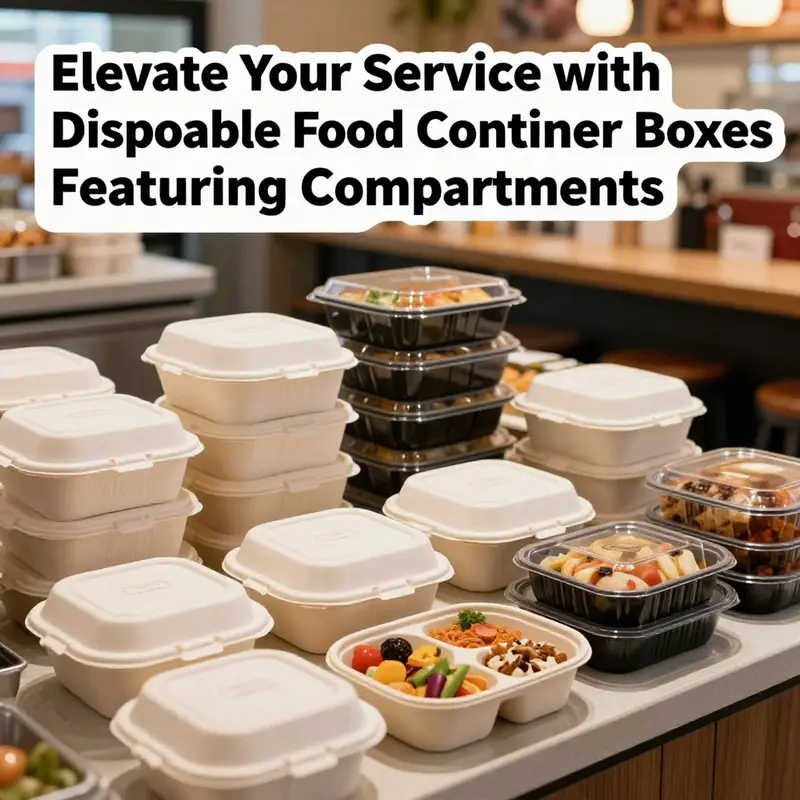
Disposable food container boxes with compartments have become essential for various businesses, including bubble tea shops, restaurants, food trucks, and catering services. These containers provide an effective way to manage meal portions, keep flavors separate, and ensure food safety during transportation. The versatility in materials, configurations, and benefits make them a popular choice among event planners and corporate procurement teams. As we traverse through distinct sections of this guide, we will explore material options to suit your eco-friendly needs, various configurations that cater to different food types, analyze supplier landscapes and pricing strategies, and illuminate the myriad benefits of using these containers for your business.
Crafting Compartments: How Material Choices Shape Every Bite-Size Disposable Box
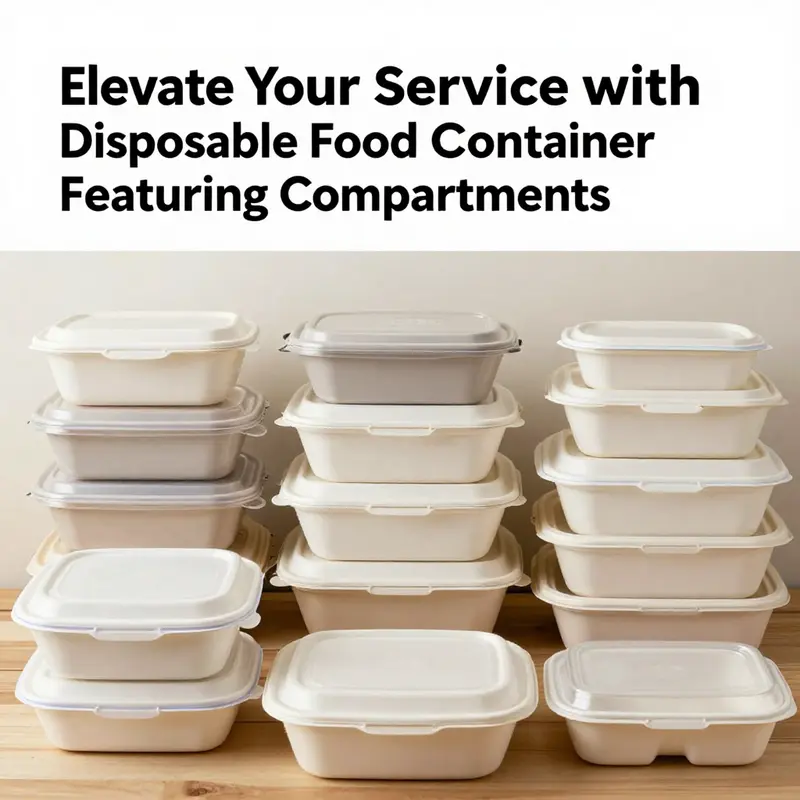
The compartmentalized disposable food container is more than a simple vessel for meals; it is a material system that choreographs safety, taste, presentation, and waste. Each choice of material carries a set of trade-offs that ripple through the entire lifecycle of a meal, from the moment the order is packed to the moment the container reaches the consumer and finally to its end-of-life fate. When we look at disposable containers with multiple compartments, the emphasis shifts from a single barrier to a coordinated stack of properties: heat and cold tolerance, moisture and grease resistance, rigidity and stackability, and, increasingly, the promise of lower environmental impact. The decision about what the box is made from does not happen in isolation of the meal’s content or its delivery context. It is intertwined with how the food is prepared, how it is heated or cooled during transit, how long it sits on a table, and how waste streams are managed after the meal has been consumed.
Among the most common materials used for multi-compartment boxes are plastics like polypropylene and CPET, which offer a mix of durability, heat resilience, and affordability. Polypropylene, or PP, is known for its rigidity and relative simplicity in manufacturing. It is widely used for 3-, 4-, and 5-compartment designs because it can withstand the rigors of handling and stacking in busy food-service environments. PP’s ability to resist browning and deformation at typical holding temperatures makes it a dependable choice for meal-prep services and quick-service operations where speed is essential and margins are tight. It also has the practical benefit of being reusable for storage in some cases, which matters to operations looking to maximize utilization of containers within a kitchen’s ecosystem. Yet, even with PP’s many strengths, the end-of-life question remains a critical consideration. PP is recyclable in many municipal streams, but recycling efficiency depends on local infrastructure, collection practices, and consumer participation. The trade-off here is clear: cost-effective performance today versus the broader environmental ambitions of circular waste systems that may not be uniformly available everywhere.
Crucially, CPET—crystalized polyethylene terephthalate—offers heat resistance beyond standard PP and is often positioned for oven- or microwave-safe applications. A CPET-lined or CPET-based tray can confidently manage the high temperatures associated with reheating or serving hot meals, which makes it attractive for takeout operators who want to maintain quality without transferring heat to the outer packaging. The material’s ability to withstand more extreme temperature cycles can reduce the risk of sagging, leaking, or losing the structural integrity of a lid during transport. However, CPET, like many plastic-based solutions, faces challenges connected to recycling and the environmental footprint of fossil-based materials. The demand for high-performance, single-use options versus the push toward lower-carbon packaging pushes suppliers to optimize the balance between functionality and responsible end-of-life management, a balance that increasingly favors clear labeling about material composition and composting or recycling pathways where feasible.
Beyond plastics, the rise of biodegradable and compostable materials reflects a shift in consumer expectations and regulatory environments. Cornstarch-based and sugarcane bagasse containers are at the center of this shift. Cornstarch composites harness renewable resources and are designed to be compostable in industrial facilities. They align with brands that aim to convey environmental stewardship while offering a familiar, container-like experience to consumers who care about sustainability. The cornstarch family, however, is not a universal cure-all. Industrial composting facilities are often required for complete degradation, and performance can vary with moisture, heat, and timeframe. In practice, these trays perform well for many cold or mildly warm meals and can contribute to a lower overall carbon footprint when matched with a robust composting infrastructure.
Sugarcane bagasse, a byproduct of the sugar industry, presents another compelling option. Bagasse-based containers exhibit natural grease resistance and heat tolerance that can be advantageous for hot or oily foods. The material’s compostability is appealing for brands seeking to close the packaging loop, and the heat resistance can translate into better performance for trays that must retain shape and stability under heat during transport. The environmental story here is strengthened when bagasse is sourced responsibly and reused within a local or regional waste-management system designed to handle fibrous, plant-based materials. In practice, bagasse offers a compelling combination of strength, biodegradability, and consumer appeal that is hard to replicate with purely fossil-based plastics.
In parallel with these options, there are other materials that appear in the landscape of disposable, compartmentalized packaging. Paperboard or cardboard, when treated with appropriate coatings, can provide a renewable, recyclable path with a reasonable moisture barrier. When coatings such as PLA or other compostable layers are applied, these containers can approach the performance of plastic in certain applications. Yet, moisture and grease resistance remain a central challenge for plain paperboard, especially with hot or oily foods. The coatings improve performance but introduce new considerations about recyclability, industrial composting compatibility, and the conditions required for efficient processing at end of life. The choice of coating, and the presence of any metal or foil reinforcements, further shapes the container’s barrier properties and recyclability profile.
Molded fiber options—those made from recycled paper pulp or plant fibers like bamboo—have grown in visibility as a sustainable alternative. These materials are often lauded for their compostability and reduced energy demands in production compared to traditional plastics. They can provide solid strength and improved insulation and shine in contexts where consumer demand for eco-friendly packaging is high. Still, molded fiber may struggle with heavy sauces, long journeys, or very hot foods, depending on the exact formulation and thickness. The trade-off between environmental benefits and practical performance becomes more nuanced as brands weigh heat resistance, moisture management, and the container’s ability to protect delicate components within a multi-compartment layout.
Bioplastics like PLA—polylactic acid—also appear in many discussions of sustainable packaging. PLA is derived from renewable resources such as corn starch or sugarcane, and it can be compostable in industrial facilities. In appearance and feel, PLA can resemble conventional plastics, which makes it an appealing option for brands seeking a familiar consumer experience with a reduced fossil-fuel footprint. However, PLA’s composting requirements are specific, and home composting or standard landfills do not guarantee degradation. The result is a nuanced landscape in which the consumer, waste-handler, and brand must all align their expectations for end-of-life outcomes.
Another material that often enters the conversation is aluminum foil-lined packaging. The foil interior offers formidable barrier properties against grease, moisture, and heat, which can significantly extend the shelf life of certain meals and maintain temperature. The downside lies in recyclability complexity; when aluminum is laminated with other materials, recycling streams become more challenging and less efficient. For meals that demand resilient barrier performance, foil-embedded designs can be the right choice—so long as the packaging system includes clear guidance and access to suitable recycling infrastructure.
The decision matrix grows denser when we consider advanced configurations and the practical realities of use. Many suppliers present 2-, 3-, 4-, and 5-compartment designs across these material families, with additional variations that introduce multiple grids within a single container. The number of compartments, the shape (rectangular, round, or clamshell), and the presence or absence of a lid all shape the user experience. For example, a 3- or 4-compartment box with a secure lid can be ideal for office lunches or meal-prep kits, where there is value in clearly separated flavors and textures. The compartments help prevent cross-contamination and flavor transfer, a point that resonates with health-conscious consumers and with brands that emphasize portion control and balanced meals. The lid choice—airtight versus standard—adds another layer of performance: airtight designs can help preserve freshness, minimize leakage, and sustain temperature, but they may also influence recyclability and consumer handling.
In the modern packaging ecosystem, sustainability goals are no longer an afterthought; they guide material selection from the outset. This is where the alignment between product design and waste-management infrastructure becomes critical. If a brand commits to compostable materials, it should consider whether industrial composting facilities are available to their customers and whether their logistics network can support timely collection and processing of compostables. If the emphasis is on recyclability, the container’s material composition and the clarity of labeling to separate streams must be clear to consumers. The lifecycle story matters as much as the performance in the kitchen, because the consumer’s ability to act responsibly at disposal directly impacts the environmental promise of the packaging. In practice, many leading programs advocate a hybrid approach: choose a material that meets the food-service performance requirements while offering a realistic path for end-of-life processing within the target market’s waste-stream reality.
As a practical guide, many operators weigh three broad questions when selecting a material for a compartmented box: What is the meal’s temperature profile, and how long will it stay hot or cold during transit? How greasy or saucy is the content, and how much moisture barrier is needed? What is the local end-of-life infrastructure, and what are the brand’s sustainability commitments? These questions help determine whether the best path is a robust PP or CPET system for hot, high-volume orders; a molded-fiber or bagasse-based approach for brands prioritizing compostability; or a paperboard solution with a careful coating strategy for mixed-use menus. The alignment of product performance with environmental impact is not merely a marketing claim but a calculated decision that affects kitchen logistics, customer satisfaction, and the post-consumer waste reality surrounding each meal.
Within this framework, a careful reading of supplier options and certifications becomes essential. The landscape includes premium sugarcane bagasse containers that are certified for compostability and come with criteria such as air-tightness and heat resistance. These attributes can be decisive for catering scenarios that require reliable portioning and secure transport across long distances. It is not unusual for suppliers to offer custom OEM/ODM services, enabling brands to tailor compartment counts and shapes to their meals and to their service models. The ability to adapt designs to the specific needs of a restaurant, a catering event, or a meal-kit program can translate into meaningful differentiation in the marketplace. It is worth noting that the sustainability claims of any material are strongest when paired with transparent end-of-life pathways and verified certifications. In this sense, certifications such as ISO 22000 or other recognized sustainability standards add credibility to the packaging choice and reassure customers that the entire chain—from sourcing to disposal—aligns with stated environmental goals.
The material conversation is not a closed loop of chemistry and geometry; it is a living dialogue with consumer behavior and waste-management realities. For an eco-conscious consumer, the choice of a cornstarch-based or bagasse-based container signals a commitment to renewable resources and compostability. For a busy consumer who values convenience and price, a PP or CPET option may win on performance while still fitting within a city’s recycling infrastructure. For a restaurant or food-service operation, the choice hinges on whether the priorities are heat tolerance for hot meals and microwavability on-site, or whether the priority is minimizing end-of-life complexity through a simpler, more widely accepted recycling path. This tension between performance and sustainability is not a flaw; it is the natural tension of a market that serves diverse needs and geographies.
An essential element of making sense of these trade-offs is recognizing how interior design and packaging semantics align with consumer expectations. The arrangement of compartments communicates portioning and meal architecture. It guides the eater through a sequence, from a cooling yogurt to a heat-treated entrée to a crisp side, and helps maintain the integrity of each item’s texture and flavor. The lid, the seal, and the barrier properties all contribute to the sensory experience. In this sense, material selection becomes a strategic tool—one that helps a brand tell a story about care for the meal, for the customer, and for the planet. When the story is backed by credible performance data and validated end-of-life pathways, it moves beyond a transactional packaging choice into a meaningful part of a brand’s sustainability and customer experience narrative.
For readers who want to explore more about the broader packaging landscape and how these choices sit within the wider ecosystem, a logical next step is to consider the paper-based options and their role in sustainable packaging. The Paper packaging category offers a window into renewable, compostable, and recyclable designs that are increasingly integrated with multi-compartment concepts in various service formats. This category helps illuminate how paper-based materials can be engineered to tolerate moisture and grease while maintaining structural integrity and form-stability across transport conditions. For a broader view of these options, you can explore the Paper packaging category here: Paper packaging category.
As the industry advances, the dialogue around material choices will continue to balance performance with responsibility. The end goal is a set of containers that can protect, present, and preserve the meal while fitting into a waste system that aligns with a brand’s environmental commitments and a city’s or region’s capabilities. In practice, the most effective choices are those that acknowledge the meal’s journey from kitchen to customer and the journey that follows, turning each meal into a demonstration of thoughtful design, stewardship, and respect for the resources that enable food service to flourish.
For those seeking a broader external frame for these decisions, several authoritative resources describe the environmental and functional trade-offs of paper-based packaging and other materials. The Environmental Protection Agency provides a comprehensive overview of paper packaging and its implications for waste streams, recycling, and composting. This resource can help frame the conversations about end-of-life options and how different packaging materials fit within local infrastructure. See the EPA resource for additional context: https://www.epa.gov/epawaste/nonhaz/municipal/paper-packaging
Partitioned Portions, Practical Design: Exploring the Configurations and Uses of Compartmentalized Disposable Food Containers
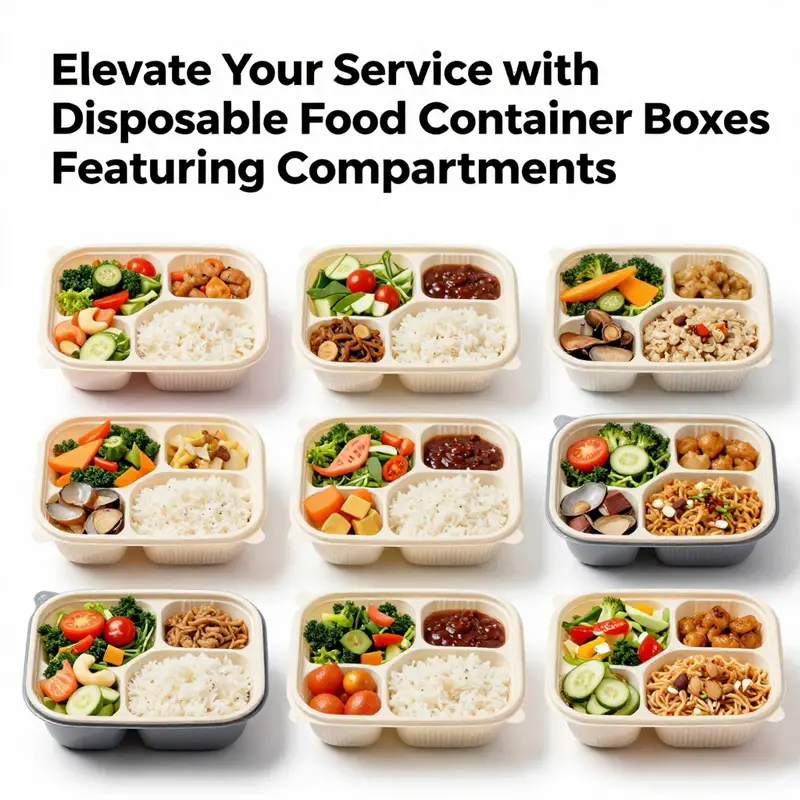
Compartmentalized disposable food containers have evolved from simple takeaway boxes into versatile systems that manage portions, preserve flavors, and align with a growing emphasis on sustainability. In a market where speed and convenience often collide with health and environmental concerns, these boxes function not merely as packaging but as deliberate design elements that influence how meals are prepared, stored, transported, and enjoyed. Their success rests on a delicate balance of form and function: the number of compartments, the materials that line them, the shapes that cradle different foods, and the lids that seal in freshness. When executed well, a single container can accommodate a complete meal—protein, starch, vegetables, and a dessert—while keeping each component distinct enough to prevent flavor interference. This is the core promise of compartmentalized systems: order in the clutter of to-go dining, a clearer pathway for portion control, and the potential for brand storytelling through thoughtful design choices.
Configurations emerge as the first conversation between customer needs and manufacturing practicality. The most common configurations range from single-compartment designs to multi-compartment layouts that spread across three, four, or five sections. These arrangements are not arbitrary but tailored to anticipated menus. A three-compartment box might separate a main, a side, and a sauce, while four- and five-compartment variants can cradle a balanced set—protein, grain, vegetables, a dip or dressing, and a small dessert. The appeal of multi-compartment designs lies in meal-prep efficiency and the appeal of a balanced plate. For institutions that deliver set menus or family-style meals, the ability to position each component in its own chamber minimizes cross-contact, reduces leakage, and preserves textures from the moment of assembly to final consumption.
Beyond the number of compartments, the shape and lid design carry substantial weight in performance. Rectangular boxes dominate the landscape because they align neatly on shelves, in coolers, and during stacking for transport. Round or clamshell forms offer aesthetic variation and can better suit certain cuisines or dining experiences, but every geometry introduces trade-offs in space utilization and seal integrity. Lids come in variants with and without seals, including snap-on and sliding mechanisms that tighten packing margins and reduce spill risk. Some designs even incorporate air vents to release steam during reheating, a feature that helps maintain texture when meals transition from cold storage to hot serving. The lid and seal system, in particular, acts as a critical hinge between food safety and convenience, guarding against leakage while maintaining the visual appeal that matters for consumer perception and brand identity.
Material selection operates at the intersection of performance and sustainability. Plastic options, such as polypropylene and high-clarity crystalline PET derivatives, offer rigidity, moisture resistance, and transparency that can heighten the dining experience. These polymers are commonly used in 3–5 compartment configurations and are often microwave-safe, enabling a seamless pathway from takeout to reheating. They deliver dependable barrier properties and cost advantages, which is why they remain a staple in many service environments. Yet, plastic choices also carry environmental considerations, particularly in terms of end-of-life options and the energy footprint of production and recycling. Plastic containers can be durable and reusable for storage, adding a layer of versatility that appeals to households seeking value, but their ultimate fate depends on local recycling streams and consumer behavior.
Biodegradable and compostable materials answer the call for sustainability without sacrificing functionality. A growing cohort of such containers relies on renewable resources like cornstarch or sugarcane bagasse. Cornstarch-based trays are designed to be fully compostable within industrial facilities, offering a clear path toward reducing landfill waste when paired with appropriate composting infrastructure. Sugarcane bagasse, a byproduct of the sugar production cycle, is celebrated for its heat resistance and resilience, enabling it to handle hotter foods while remaining compostable and lightweight. For brands aiming to signal environmental stewardship, these materials provide tangible benefits for consumers who value responsible packaging. The trade-off often centers on performance under high heat, shelf-life considerations, and cost relative to plastic options. Yet advances in resin chemistry and processing techniques continually push the envelope, expanding the feasible applications of plant-based companions in the same family as their petroleum-based counterparts.
Paper-based and Kraft coatings also play a role in this ecosystem. Lighter-duty applications might rely on paper cores with thin barrier linings to prevent leakage. When used thoughtfully, paper options can contribute to a biomimetic aesthetic that resonates with sustainability-minded consumers, particularly for event packaging and premium takeaway experiences. The challenge lies in achieving robust leak protection and maintaining seal integrity across multiple compartments, especially when hot foods are involved. Here, design becomes a dialogue between exterior appearance, internal barrier layers, and the practical realities of handling and transport. The result is a spectrum of choices, where a brand can position itself along a continuum—from high-durability, microwave-ready plastics to more sustainable, compostable alternatives—depending on the menu, the service model, and the environmental expectations of its customers.
Sizes vary widely, spanning from compact 300-milliliter trays that cradle sauces or small snacks to expansive 2600-milliliter containers designed for full meals. The flexibility of size supports a broad array of use cases: personal meal-prep portions, grab-and-go office lunches, catering platters, and ready-to-eat meals that combine multiple components in a single unit. Custom sizing invites brands to tailor packaging to their exact portions and grid layouts, reducing waste and enabling consistent plating across a service. The rise of modular designs, where a base container can be paired with removable dividers or insertable grids, adds another layer of customization. This modularity makes it easier to reconfigure a single SKU to accommodate seasonal specials, dietary accommodations, or promotional menu changes, all without introducing a different form factor.
The practicalities of production and procurement shape the availability of these configurations. Manufacturers and distributors often present a spectrum of options, with standard MOQs and lead times that reflect the scale of demand. On public-facing platforms, practical pricing guides show a range that helps buyers plan budgets and forecast consumption. For example, in the realm of plastic options, cost-per-piece can be remarkably economical at large volumes, a factor that explains why many quick-service and meal-delivery operations lean on plastic compartments for everyday use. Biodegradable and compostable variants, while increasingly accessible, may command higher per-unit costs and require careful logistics planning to ensure industrial composting infrastructure is in place after disposal. The economics are not merely about purchase price; they also hinge on downstream waste management and the alignment of packaging choices with corporate sustainability goals and consumer expectations.
In practice, these configurations and materials translate into a broad spectrum of real-world applications. Fast-food restaurants leverage multi-compartment designs to present a clean separation of items like burgers, fries, and drinks, preserving the intended textures and temperatures of each component. Meal-prep services rely on portion-controlled boxes to standardize nutrition across individuals, making it easier to assemble balanced bowls with protein, grains, vegetables, and condiments. Catering operations use higher-volume, robust designs to transport and present meals at scale, where the stability of the container during transit and the ability to withstand varied service temperatures become crucial. For ready-to-eat meals, the packaging must survive a journey from kitchen to customer while maintaining a controlled environment that slows moisture migration and flavor mingling. Kosher and dietary-specific packaging further demonstrates the potential for compliance-driven choices, where separation and labeling capabilities can help meet strict guidelines without compromising convenience.
A pivotal consideration in the lifecycle of these containers is how they align with sustainability commitments. Industrial compostability remains a defining feature of plant-based options, yet it relies on infrastructure that not all regions possess. The end-of-life narrative for a container is not only about the material itself but also about consumer participation in recycling or composting streams. For many brands, the goals extend beyond biodegradability to education—helping customers understand the appropriate disposal path and demonstrating a transparent commitment to circularity. Even within a single form factor, the choice between a plastic option and a plant-based alternative encapsulates a larger conversation about energy use, emissions, and the relative impact of packaging on the environment. In other words, the configuration emulates a philosophy: it asks how to deliver nourishment in a way that respects the planet as much as the plate.
The procurement landscape mirrors these design imperatives. Buyers encounter a range of configurations, from standard 2–9-compartment designs to highly customized grids created through OEM and ODM services. The decision matrix blends functional requirements with supply chain realities. For instance, a multi-compartment box with tight airtight lids can reduce leakage during transit, a feature valued by brands that emphasize freshness and presentation. But customization comes with considerations: longer lead times, higher MOQs, and the need to test barrier performance with the intended food items. Suppliers on major platforms often offer a spectrum of capabilities, including customization, printed branding, and certified safety standards. While the search for the perfect balance between performance and sustainability continues, buyers increasingly favor packaging that resonates with their menu ethos, communicates care for the environment, and remains practical for everyday use.
The role of design in shaping consumer experience should not be underestimated. A container is not a mere vehicle for food; it is a tactile encounter with the brand. The choice of material carries sensory cues—weight, rigidity, and even the feel of the lid—that influence perceived value. Clear or embossed labeling can guide users to understand the compartment layout at a glance, while color and finish can reinforce branding or indicate temperature suitability. The ability to seal tightly contributes to a sense of reliability, a crucial factor when the product travels through crowded urban delivery networks or busy kitchens. In upscale catering or event contexts, higher-quality, biodegradable, and visually refined options become a feature of the experience, turning packaging into a component of the overall presentation rather than a simple afterthought.
If you are exploring options in this space, an invitation to engage with nearby suppliers through an online marketplace can be a practical starting point. For instance, the disposable lunch box category on a robust packaging site features a range of options in a single, browsable destination. This resource can help teams compare compartment counts, materials, and lid types side by side, making it easier to translate design intent into an actionable procurement plan. For readers who want to dive deeper into the category, the following link provides a consolidated view of disposable lunch box offerings: disposable lunch box category. The interface often allows quick filtering by key attributes, such as heat resistance, compostability, and maximum fill volume, which is a practical way to align packaging choices with menu requirements and delivery conditions.
In the broader ecosystem, it is also useful to examine how these configurations map onto business models that prioritize sustainability. A wide spectrum of materials exists, and the choices are not purely technical. They influence the perception of value, the ease of adoption by customers, and the potential for waste reduction in communities with robust composting infrastructures. The shift toward plant-based and compostable materials is not merely a trend; it reflects a growing expectation that packaging should perform under real-world conditions while offering a meaningful end-of-life option. The challenge remains to balance these aspirations with the economic realities of supply chains, especially for operators who manage high volumes and tight margins. Yet the trajectory is clear: as designs become more modular, as barrier materials improve, and as consumer awareness deepens, the compartmentalized container is poised to evolve further—blending form, function, and responsibility in ways that support both the plate and the planet.
For researchers and practitioners, this chapter is a reminder that the true measure of a compartmentalized container goes beyond the number of divisions or the strength of the lid. It rests in how well the packaging integrates with the food system—from kitchen workflows to consumer habits and end-of-life practices. The configurations must support not only the culinary goals of the menu but also the logistical realities of delivery, storage, and return or reuse. When these elements align, the result is a packaging solution that is not merely functional but purposeful—one that helps diners enjoy meals in a way that respects flavor, safety, and the environment. External references and case studies on major marketplaces illustrate the breadth of practical options and demonstrate how a single form factor can accommodate diverse culinary traditions, service models, and sustainability ambitions. For readers seeking concrete examples of the market’s breadth, an external resource provides a snapshot of available designs, materials, and certifications that underscore the ongoing evolution of this packaging niche: https://www.alibaba.com/product-detail/Bofa-Food-Packing-Box-Disposable-Kraft_1600897128157.html?spm=a2700.1.wissu.3.1d3c5b7cBpJXnR.
null
null
Compartments of Clarity: How Disposable Food Boxes with Sections Redefine Convenience, Health, and Sustainability

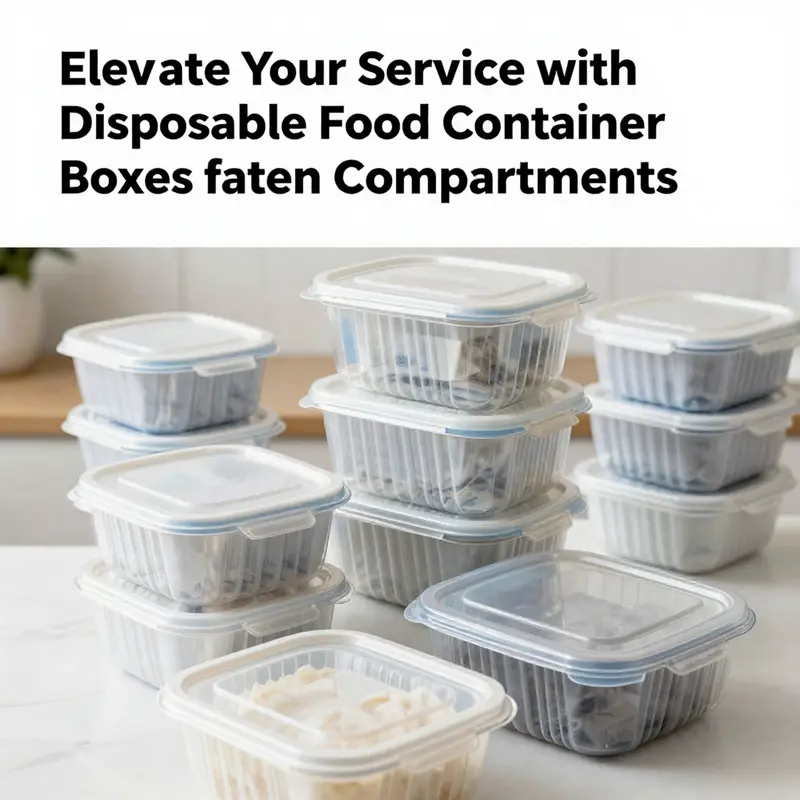
When a meal is assembled for delivery, office lunches, or a weekend picnic, the box that carries it often does more than just hold food. It becomes a silent partner in the routine of eating well, staying organized, and reducing waste. The disposable food container boxes with compartments are designed to be more than convenient vessels; they are systematizers of meal integrity, portion awareness, and hygienic practice. In a world where meals are frequently prepared far from home and consumed on the go, these multi-compartment boxes offer a quiet promise: flavor stays where it belongs, textures stay true, and the eater receives a straightforward, predictable experience. The practical appeal is not merely about separating rice from sauce or keeping greens crisp from roasted proteins. It extends to the broader questions of how we plan, transport, and finish meals in a way that aligns with modern health goals and shifting sustainability expectations. To understand why these containers matter, we can trace a thread from kitchen counter discipline to the logistics of takeout and the evolving demands of meal kits, catering, and office preventive care for nutrition.
At the heart of the design is the straightforward logic of organization. A box that holds two, four, or even more separate compartments makes it possible to plate a complete meal without resorting to multiple plastic clamshells or disposable wrap layers. This is not just about aesthetics; it is about portion control and clarity. When a consumer can see a balanced layout—protein portion, carbohydrate, vegetables, and a distinct sauce or dip—the practice of mindful eating becomes more accessible. Research into portion control has long highlighted how visible segmentation supports healthier choices. With compartmentalization, the eye reads a complete plate in a single glance, which reduces impulse decisions and reinforces planned meals. In many contexts, such as meal prep for the week, the ability to store a well-proportioned, multi-part meal in one container simplifies routine and sidesteps the temptation of oversized servings. The portioning logic is particularly resonant for those managing calories, macro balance, or specific dietary directives, because the compartments provide a reliable, repeatable framework for daily meals.
The hygienic benefits of compartmental designs are equally compelling. The separation of raw ingredients from cooked foods, or of dairy from fruit, reduces cross-contamination risks during storage and transport. This is especially salient for households and small caterers who handle a variety of ingredients in a single preparation session. A box with secure lids and well-sealed compartments minimizes the chance that condensation or mixing will occur during transit. The hygienic dimension matters not only for safety but for the consumer’s confidence in what they are eating. In environments where grab-and-go meals must remain appetizing after hours on the road, the reliability of airtight lids and individual compartments underlines a commitment to freshness. This is one area where design and materials intersect with public health objectives: the integrity of prepared foods in transport has practical implications for everyday consumption and the avoidance of spoilage or contamination.
Convenience travels hand in hand with ease of use. The best compartment boxes combine a simple, intuitive opening mechanism with a form that fits neatly into bags, briefcases, or lunch pails. A one-step lid action that minimizes spill risk is often cited by consumers as a hallmark of quality. In real-world use, the portability of a multi-compartment container translates into fewer separate containers to carry, fewer leaks to worry about, and less clutter when meals are unpacked. The design thus resonates with busy schedules, whether a commuter’s lunch, a student’s snack plan, or a professional’s overnight catering order. The sense of ease is not merely comfort; it is a practical outcome that encourages people to rely on prepared meals rather than skipping them due to logistical friction. The result is a healthier rhythm of eating, where a balanced meal can be prepared in advance, transported securely, and enjoyed without the distraction of messy packaging or last-minute repackaging.
An important facet of these containers is their capacity to handle temperature variation without compromising food safety or quality. The material choice underpins a broad spectrum of usage—from cold salads to heat-retained meals. Polypropylene, a common choice for many three- to five-compartment designs, is valued for its balance of rigidity, heat tolerance, and microwave safety. It allows reheating or warming of items while preserving the integrity of the separate sections. The ability to heat a plate without transferring heat to other components within the same box promotes a versatile approach to meal presentation. For higher-temperature needs, CPET (crystallized PET) trays provide heat resistance suitable for oven and microwave applications, enabling takeout services to offer items that can be heated directly in the container. The range of materials expands the design space, permitting boxes that handle hot entrees and sauces, or cool, fresh items, with equal reliability. This versatility is critical for meal kits, catering menus, and fast-food takeout that aims to maintain product quality from kitchen to consumer.
The environmental dimension is nuanced and increasingly central to decision-making in both consumer choice and supplier strategy. While single-use packaging carries inherent environmental costs, not all disposable containers are created equal when it comes to sustainability. The most climate-conscious options emphasize materials that are renewable, biodegradable, or compostable, and that align with established waste-management infrastructures. Cornstarch-based trays, derived from renewable starch resources, offer compostability in industrial facilities and are often chosen by brands seeking to signal environmental stewardship. Sugarcane bagasse, a byproduct of sugar processing, provides strong heat resistance and natural biodegradability, making it a compelling option for eco-minded users who still need dependable performance in hot and cold applications. The packaging story thus evolves beyond the question of whether something is disposable; it becomes a question of what happens after use. A growing segment of suppliers emphasizes certifications and traceable supply chains, enabling brands and buyers to verify that materials meet recognized standards for safety and environmental responsibility. In this broader frame, the choice of material becomes an expression of values as much as a function of price or convenience, and it interacts with consumer expectations about corporate responsibility, end-of-life options, and local waste-treatment capabilities. When considering the environmental trade-offs, product designers and buyers often weigh the need for heat resistance or sealing efficiency against the availability of industrial composting facilities and the presence of municipal recycling streams. The equation shifts toward a holistic approach: choose the material that not only performs well in transit and at the table but also aligns with the community’s capacity to process waste responsibly.
From a design perspective, the array of configurations—ranging from two to nine compartments—offers a spectrum of possibilities for meal composition and presentation. The most common configurations tend to be three, four, or five compartments, which accommodate typical meals with a central protein and complementary sides. Yet the field is not limited to rigid grids; many designs incorporate varied layouts to support multi-dish plating, sauces, or separate toppers that remain crisp until the moment of consumption. The shape options—rectangular, round, clamshell, or multi-grid designs—further influence stacking efficiency, branding space, and the user’s experience of opening and closing the container. Lids may be airtight or loose, and in some instances, sealing features are engineered to maintain freshness even during longer transport. The overall effect is a packaging system that is adaptable to different cuisines, portion strategies, and service models. Catering operations, office meal programs, and ready-to-eat lines benefit particularly from this adaptability, enabling operators to tailor packaging to the menu while preserving the consumer’s expectations around quality and convenience.
In practice, the choice among materials and configurations often reflects a blend of priorities rather than a single winning metric. For a business prioritizing cost and durability, polypropylene or CPET may be favored for their resilience, reusability potential, and broad compatibility with reheating workflows. For a brand aiming to signal environmental stewardship and to attract eco-conscious consumers, cornstarch or bagasse-based options provide a compostability proposition that resonates with sustainable dining narratives. The decision matrix also includes an economic dimension: price per unit, lead times, MOQ (minimum order quantities), and certification requirements, all of which influence supplier selection and procurement strategy. For instance, bulk PP compartment boxes are frequently priced in the low-cent per unit range, which makes them attractive for high-volume takeout operations. However, the total cost of ownership must account for storage, waste handling, and the end-of-life disposal options that customers can access in their locale. In a mature market, successful packaging strategies blend a reliable performance profile with transparent sustainability claims and practical support for recycling or composting programs. The consumer’s perception of value often hinges on a clear alignment between the packaging’s physical performance, its environmental narrative, and the ease of disposal after use.
The chapter’s practical resonance extends to everyday life and to professional contexts alike. In households, the compartmental approach supports balanced meals and reduces the clutter of multiple containers. In offices, it offers a familiar, portable solution for daily lunches that can be prepared ahead and transported without fear of leaking or flavor transfer. In catering and meal-kit services, it helps standardize portioning and presentation across orders, enabling a consistent brand experience even when multiple chefs or facilities contribute to a single menu. The environmental conversation, while not the sole driver, has grown in importance as consumers increasingly weigh the lifecycle of packaging alongside food quality. When buyers recognize that their choice supports industrial composting or renewable-material options, they participate in a broader shift toward responsible consumption without sacrificing convenience. Importantly, the design and material choices must remain aligned with food safety standards. The packaging must be robust enough to withstand storage, handling, and reheating, while ensuring that its components do not interact negatively with any food item. In this light, the synergy of safety, convenience, and sustainability becomes a practical operating principle rather than a theoretical ideal.
For those seeking to explore the landscape of options, the market presents a spectrum of suppliers that offer multi-compartment designs in varying sizes and materials. The decision to adopt these systems often rests on the intersection of service model, culinary style, and environmental commitments. The takeaway message is not merely about choosing a single material or configuration but about integrating packaging with the broader values and processes of a brand or household. It is about recognizing that a simple box with sections can contribute to healthier eating habits, safer storage practices, and a stronger alignment with sustainable ambitions. It is also about acknowledging that the packaging ecosystem continues to evolve. As consumer expectations shift toward transparency, recyclability, and compostability, the conversations between producers, distributors, and end users must become more dynamic and collaborative. The future of disposable compartment boxes will likely hinge on continued material innovation, smarter waste streams, and a growing willingness to invest in end-of-life infrastructure that makes compostable options genuinely practical for everyday use. In this sense, the compartments are not just compartments; they are interfaces between behavior, safety, and stewardship that shape how people eat and how communities manage the material footprint of modern dining.
For readers who want to anchor their understanding in a concrete path, it can be helpful to consider how a particular category of packaging fits into a broader supply and consumer narrative. In the context of eco-friendly packaging, for example, the decision to use cornstarch-based or bagasse-based containers communicates a commitment to renewable resources and end-of-life responsibility. The trade-off in some cases may be processing feasibility or price, but with growing demand for sustainable options, many suppliers now provide robust technical data and certifications to support informed choices. The result is a packaging ecosystem that can adapt to different culinary genres and service scales while remaining aligned with health and environmental priorities. The human experience—how food feels, tastes, and travels through the day—benefits from this alignment. A well-designed, well-supplied compartment box does more than protect meals; it supports habit formation, improves presentation, reduces waste, and strengthens trust between eateries and diners.
As the chapter closes on this examination, the practical, ethical, and culinary significance of disposable food container boxes with compartments becomes clearer. They are not merely containers but catalysts for better eating patterns, safer handling, and more thoughtful consumption of resources. The right choice rests on a combined reading of performance, safety, and sustainability—along with a clear sense of how packaging fits into a consumer’s daily routines and a business’s service model. In a marketplace where a single purchase can ripple through kitchens, delivery networks, and waste streams, the box with compartments stands as a small yet consequential form of infrastructure. It supports the daily rituals of meals that begin on a prep station and end in a moment of eating, all while preserving flavor, ensuring safety, and signaling responsibility to those who care about how food travels from kitchen to table. For readers seeking further practical details, a representative category page on disposable lunch boxes offers a direct glimpse into the range of configurations and materials available, illustrating how the principles discussed here play out in real-world choices.
External resource: https://www.fda.gov/food/food-safety-modernization-act-fsma
Final thoughts
In summary, the adoption of disposable food container boxes with compartments is a strategic choice that rejuvenates meal service in the food industry. By understanding the material options available, exploring configurations that meet your specific needs, analyzing supplier offerings, and recognizing the compelling benefits of these containers, businesses can enhance their efficiency and customer satisfaction. As you consider how to optimize your service and packaging, remember that these containers not only address practical packaging concerns but also resonate with the growing demand for sustainability and convenience in modern dining.