
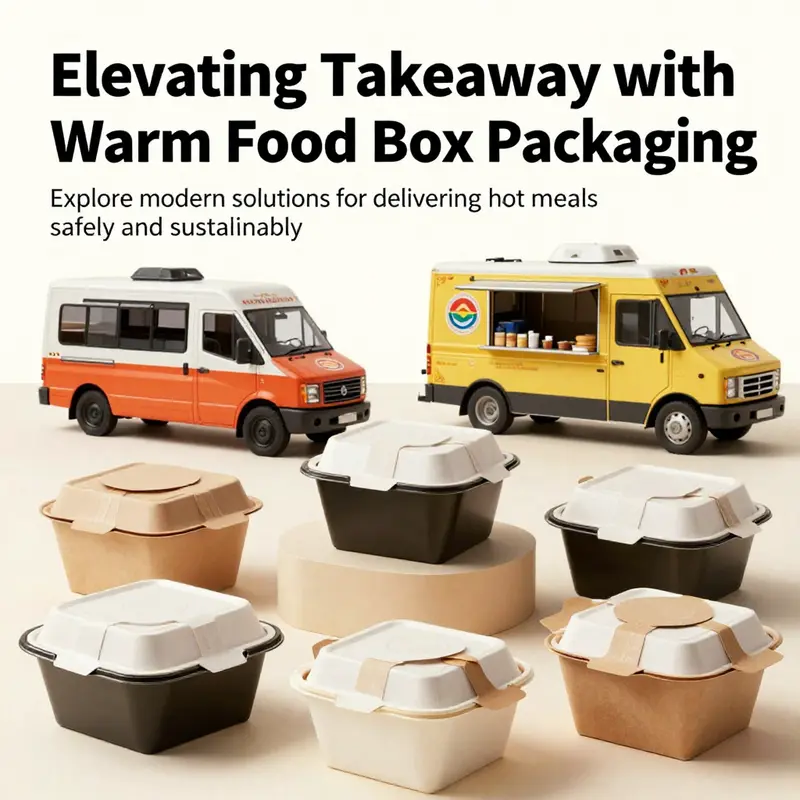
For businesses like bubble tea shops, restaurants, and catering services, delivering warm food effectively is crucial. The right takeaway packaging not only ensures meals arrive hot and intact but also reflects a commitment to quality and sustainability. This article dives into various aspects of warm food box packaging takeaway, discussing innovations that enhance performance, environmental impacts that influence consumer choices, preferences that shape design, cost-effectiveness in choice, and the regulatory standards guiding these options. Each chapter will provide insights into how your brand can leverage packaging to enhance customer satisfaction and operational efficiency.
Heat That Travels: Innovations in Warm Food Box Packaging for Takeaway
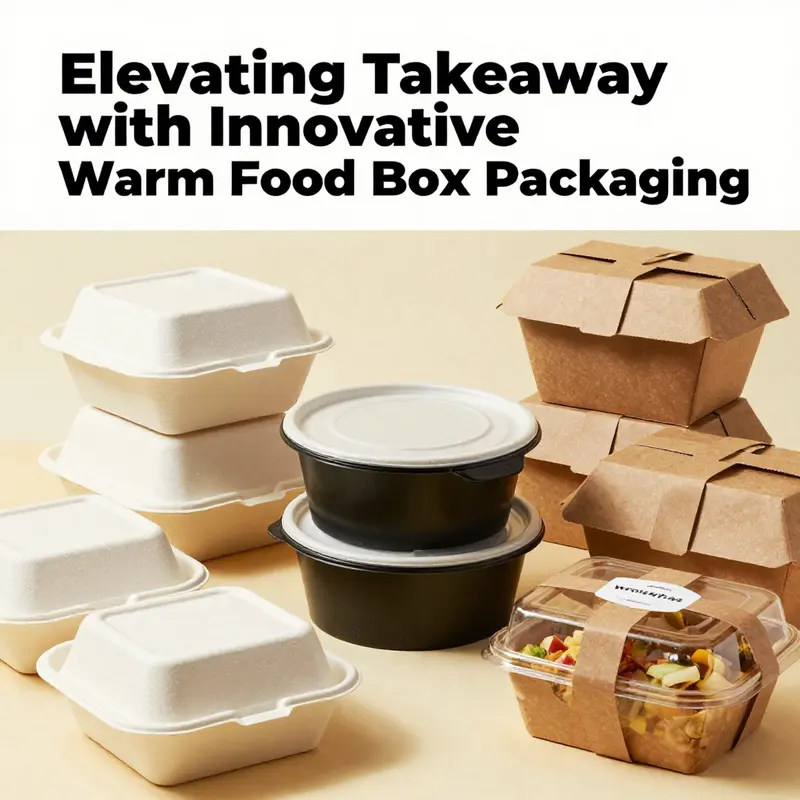
The appetite for hot meals on the go has pushed packaging designers to reimagine warmth as a trait that travels as much as the dish itself. A simple box is no longer a passive vessel; it is a carefully engineered system that protects food safety, preserves flavor and texture, and aligns with evolving sustainability goals. In the most effective models, temperature retention, leak resistance, and user experience are inseparable from the choice of materials, the geometry of the container, and the way the box interacts with the transit environment. Takeaway ecosystems hinge on the reliability of these boxes to arrive hot, not merely warm, and to do so with minimal waste and maximum traceability of performance. The result is a quieter revolution in which insulation is paired with smart logic and responsible material choices to deliver meals that feel freshly prepared even after a journey through traffic, weather, or long corridors of delivery sorts.
Temperature maintenance sits at the heart of this evolution. Traditional insulating layers continue to be refined, but the most meaningful gains come from advances in conductive and reflective barrier systems. Vacuum Insulation Panels, though slim, offer a dramatic reduction in heat loss compared with conventional foams or rigid insulators. They act as a shielded core that keeps the inner temperature stable even as ambient conditions swing from kitchen heat to cool street air. Alongside VIPs, multi layer biodegradable foams provide a practical way to extend warmth without sacrificing compostability. These foams combine insulative performance with a lower environmental footprint when sourced from renewable feedstocks, which matters to operators who want to communicate a credible sustainability message as part of the brand story. Another compelling approach places phase change materials inside the box design. These materials absorb excess heat during cooking or early transit and then release that energy gradually, maintaining a steadier temperature profile for as long as the transit window requires. When combined with a modular architecture, such systems can be tuned to deliver warmth for two hours or more without the need for external power. The practical effect is a more forgiving delivery bandwidth; even with delays, the meal can emerge from the box still at a satisfying serving temperature, preserving the integrity of sauces, delicate textures, and crusts that often suffer from abrupt temperature swings. This alignment between insulation and heat storage transforms the box from a disposable container into a controlled micro climate that travels with the meal.
Smart packaging technologies further elevate the reliability narrative. Temperature sensitive indicators embedded in the lid or walls offer a visual cue to both the driver and the customer that the meal has remained within an acceptable heat range during transit. Rather than guessing, the consumer sees a simple readout that can be trusted as a proxy for quality. These indicators can also inform the operator when a batch is under heat threshold, enabling proactive steps to correct issues in real time. Such feedback loops reduce postdelivery dissatisfaction, build trust, and support the consistency of the dining experience across multiple orders and routes. The trend toward real time visibility meshes with the broader push for data driven operations; the packaging becomes a data point in the supply chain rather than a passive recipient of heat.
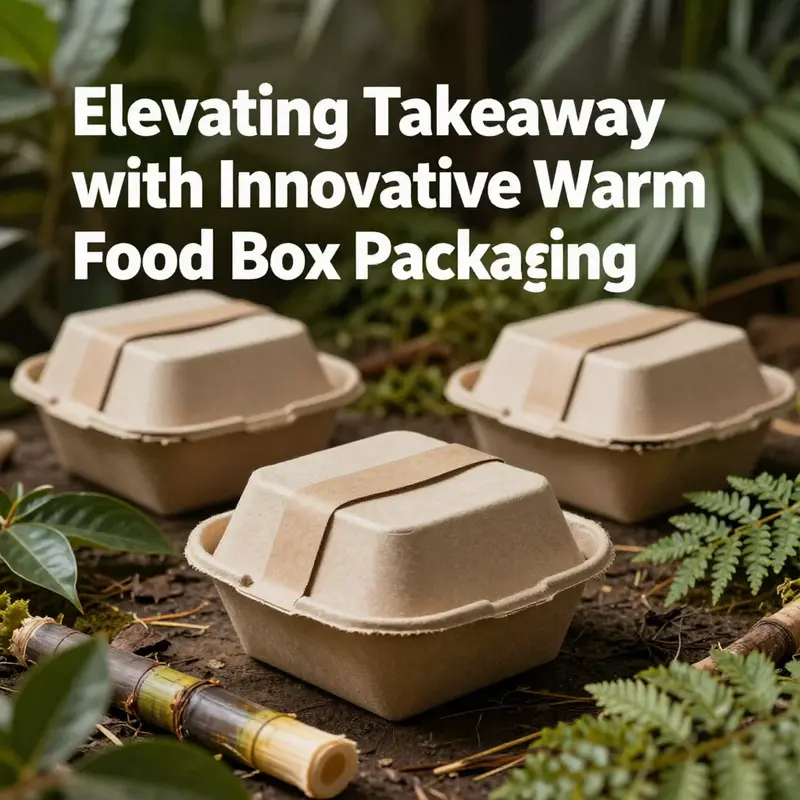
On the sustainability front, the packaging community is steering toward materials that are compostable or recyclable without sacrificing performance. Molded fiber and bamboo derivatives, often processed with coatings like PLA derived from cornstarch, are increasingly offered as viable equivalents to traditional plastics for warm foods. These materials resist oil and moisture while still breaking down in industrial composting streams or being reclaimed in recycling circuits appropriate to the region. The shift toward renewable and upcycled inputs aligns with consumer expectations for responsible choices and supports the brand narrative around environmental stewardship. In parallel, some operators explore reusable and returnable packaging models. The concept compresses the lifecycle into a circular loop where customers return used boxes for cleaning and reuse. Such systems demand robust logistics and a reliable cleaning process, but they offer a path to dramatically reduce single use waste and improve the overall sustainability profile of a takeout program.
The practical implications of these innovations touch every facet of the operation. For a fast service restaurant or a mobile kitchen, the choice of container geometry matters as much as the material. Dense, sealed boxes with tight fits minimize leakage when transporting greasy or oily meals, a common challenge in takeout. The thin but highly effective insulation layers keep the meal within the hot zone without making the container bulky, thus enabling efficient stacking and transit. For items that benefit from crispness in the moment, options such as thin, crisp-friendly inner structures can work in tandem with insulation to preserve textures. Conversely, for oven ready meals that reheat well, aluminum or metalized trays offer superior heat transfer characteristics for reheating at home, though their recyclability and weight must be weighed against environmental goals and consumer preferences. For dry or wrapped items like sandwiches and sides, flap top boxes provide cost effective, easy to assemble configurations that still deliver reasonable warmth, provided the transit time is modest and the packaging has a secure seal.
The design conversation also turns to visual appeal and consumer trust. Transparent window boxes remain popular with upscale or premium offerings because they allow customers to preview the contents without opening the package. Yet they introduce a tension between visibility and heat retention, and they can fog when the contents are hot or oily. The industry therefore favors innovations that preserve window functionality while maintaining seal integrity and reducing fogging, such as moisture resistant coatings on the window surface or alternative display methods that do not compromise structural strength. Another point of emphasis is the alignment between packaging and brand image. The environmental narrative matters; customers increasingly assess the packaging as a proxy for the restaurant or service provider itself. By choosing compostable or recyclable options, operators signal that they take waste seriously and that the dining experience extends beyond the last bite. In turn, this makes meaningful use of packaging a form of marketing rather than a mere logistical requirement. It is not simply about keeping the meal hot, but about delivering a coherent, responsible, and pleasurable customer journey from the moment the order is placed to the moment the bag is opened at the table or on the couch.
The evolving toolkit of innovations also invites new methods of collaboration across the supply chain. Material suppliers, packaging engineers, and kitchen operators can co design solutions that balance thermal performance with cost and end of life handling. The modular, PCM enhanced boxes, for instance, can be tailored to match typical transit times and climate conditions for a given city or route. Operators can opt for different insulation thicknesses, or switch among coating chemistries to improve moisture resistance while preserving recyclability. This flexibility is essential in a landscape where delivery windows, peak hours, and regional waste management practices vary widely. The overarching aim is to create a heat management system that is transparent to the customer, straightforward for the crew, and accountable for the planet—an integrated approach that treats packaging as a living part of the service rather than a detached afterthought.
In practical terms, the evolution of warm food box packaging is not a single upgrade but a portfolio approach. It requires careful testing, scalable manufacturing, and clear communication with customers about why these choices matter. It also calls for a measured adoption, recognizing that some contexts demand the most advanced insulation and chill indicators while others can work with simpler, proven configurations. The emerging reality is a spectrum of solutions designed to fit different cuisines, delivery distances, and brand promises, with a shared commitment to warmth, safety, and sustainability. For those who want to explore the broader material landscape and related design considerations, the trend line points toward a combination of renewable fibers, selective use of high performance insulators, and smart indicators that translate temperature performance into consumer confidence. The result is a more resilient takeaway ecosystem in which hot meals travel further with less waste, and diners savor warmth that travels with them, not the baggage of questionable transit experiences. To learn more about the material and process choices shaping this field, consider the broader discussion in the source research cited here. paper packaging.
External resource: For deeper scientific context that underpins these design trajectories, see https://www.sciencedirect.com/science/article/pii/S0963868725001234
null
null
In Transit and In Taste: Consumer Preferences for Warm Food Box Packaging in Takeaway
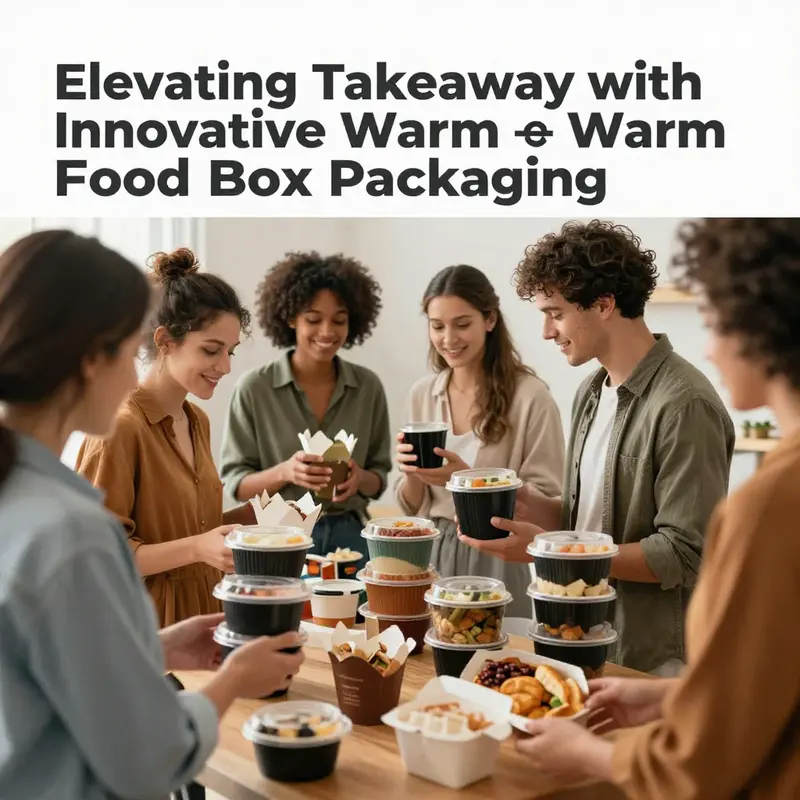
When a hot meal travels from kitchen to doorstep, it carries more than aroma and flavor; it carries promise. The moment a customer spots the box, the packaging begins to shape the experience long before the first bite. Consumer researchers have found that warmth is not just a function of the food, but a cue embedded in color, texture, and even the way a container feels in the hand. In cooler months, warmth can be a decisive differentiator, steering choices toward options that visually and physically convey heat. The most persuasive palettes lean toward warm reds, oranges, and coffee browns, colors that immediately trigger a subconscious sense of heat and comfort. Seasonal accents—think holiday reds or golds—can heighten this effect by signaling festivity and coziness as well as temperature, nudging impulse purchases when customers are deciding what to order in a moment of hunger and convenience. The emotional resonance of color is not merely decorative; it primes expectations, aligns with the meal’s sensory profile, and helps the customer feel that a takeaway experience is as fresh and satisfying as dining in.
The sensory language of packaging extends beyond color into tactile and visual cues that reinforce warmth. Packaging designers increasingly employ surface textures that evoke snugness, such as knit or wool-inspired patterns on sleeves or lids. These textures, though not altering the food, create a subconscious association with physical warmth, a cue that the product is designed to be enjoyed hot. In tandem, subtle graphics depicting rising steam or faint winter scenery can cue temperature without opening the box, letting a hungry customer mentally rehearse the meal’s heat even before the box is touched. This layered sensory approach matters because the first interaction with takeaway packaging is a multisensory moment: color, texture, and imagery converge to shape anticipated performance and perceived value.
But the core function of a hot food package remains protection and insulation. Consumers expect the wrapper to preserve heat, prevent leakage, and withstand the bumps of delivery, all while staying loyal to a brand’s sustainability values. Materials with high thermal resistance are at the center of this balance. Double-walled cardboard, foam inserts, or insulating sleeves can dramatically reduce heat loss during transit, ensuring a meal that arrives as steaming and appetizing as when it left the kitchen. Yet sustainability pressures press back against performance demands. For many brands, the answer lies in compostable options that can still offer robust insulation. Biodegradable clamshells made from bagasse, for instance, are engineered to hold hot, greasy meals without leaking, even in transit. A common practical example is a 9-by-6 inch bagasse clamshell designed specifically for such meals. These containers demonstrate that eco credentials and thermal performance can align, provided the design addresses moisture resistance, bearing strength, and stackability.
In this landscape, different packaging forms are chosen to accommodate varying meal types and service models. For meals that are dry or individually wrapped, flap-top boxes offer a cost-effective, easy-to-assemble solution that supports high-volume operations and efficient stacking. For premium items or meals that benefit from visual appeal, windowed boxes enable customers to glimpse the contents without compromising the seal—though fogging from steam and potential structural weakness when exposed to heat must be mitigated. Airtight, microwave-safe containers—whether made from sturdy plastics or recyclable metals—deliver reliable reheating performance at home, catering to the growing culture of post-delivery convenience. Each form has a place in a well-rounded warm food packaging strategy, but none works optimally in isolation; the best choices reflect a brand’s operational realities, environmental commitments, and the expectations of a diverse customer base.
Sustainability remains a central axis in consumer decision-making. Advances in packaging materials now emphasize compostable paperboard or molded pulp with moisture-resistant coatings such as PLA, which offer robust performance while reducing landfill impact. Yet the trade-offs are nuanced. Compostable options may require specialized industrial facilities to decompose, and certain coatings can complicate recycling streams if not properly designed. The industry’s move toward compostable or recyclable options underscores a broader goal: to maintain temperature and integrity while supporting a circular economy. Aluminum containers have gained traction for their thermal conductivity and reusability, proving particularly effective for oven-ready or reheatable meals that travel well and can be reused in households that value durability and thermal performance. Even where metal is chosen for its performance, brands often pair it with recycle-friendly supply chains to minimize environmental footprints. The underlying principle is clear: optimal warmth must not come at the expense of sustainability, and consumers increasingly expect brands to articulate a transparent approach to material choices and end-of-life outcomes. A practical takeaway for operations is the synergy between performance and eco-credentials—choose packaging systems that can be clearly communicated to customers, with straightforward labels and signage that explain compostability or recyclability.
Brand presentation and information play a crucial role in shaping consumer perceptions of warmth and reliability. A well-designed package conveys essential data at a glance: order number, item list, and preparation time. This information reduces confusion during a busy pickup or delivery window and signals a thoughtful, organized operation. Some brands go further by including small practical touches such as a spare napkin or utensil, which reinforces the sense of care. In today’s market, transparency also extends to traceability and sustainability claims. QR codes or accessible online materials that detail ingredient sourcing, packaging composition, and disposal guidance align with consumer values and foster trust. When warmth and value are paired with clear, helpful information, the packaging becomes part of a broader service experience rather than a disposable shell.
The overall takeaway for consumer-centered warm food box packaging is a delicate blend of emotion and engineering. Color and texture trigger warmth and comfort, while robust insulation and leak resistance deliver reliable performance. This combination sustains heat during transit and preserves flavor, texture, and appearance, which in turn supports a brand’s reputation for quality. The most effective packaging also communicates clearly and meaningfully with customers, turning a simple delivery into a confident, reassuring experience. A critical design approach is to view packaging as a live touchpoint that carries a brand’s identity into each delivery, much as a server carries a smile into the dining room. In practice, this means selecting materials and forms that support the meal type, seasonality-driven campaigns, and the brand’s sustainability commitments, all while ensuring the packaging remains easy to assemble, easy to open, and easy to dispose of.
For those seeking a practical overview of available paper packaging options, the broader family of paper packaging options offers a useful starting point. This includes a range of paper-based solutions that can be tuned for insulation, moisture resistance, and visual appeal while aligning with sustainability objectives. See the paper packaging options page for a consolidated look at what is available and how different choices interact with various delivery models. Additionally, for readers interested in broader sustainability considerations and circular economy approaches in packaging, external resources provide context on how industry players align heat retention with responsible end-of-life practices. External resource: https://www.wrap.org.uk
The True Cost of Heat: Navigating Value, Volume, and Sustainability in Warm Food Box Packaging for Takeaway
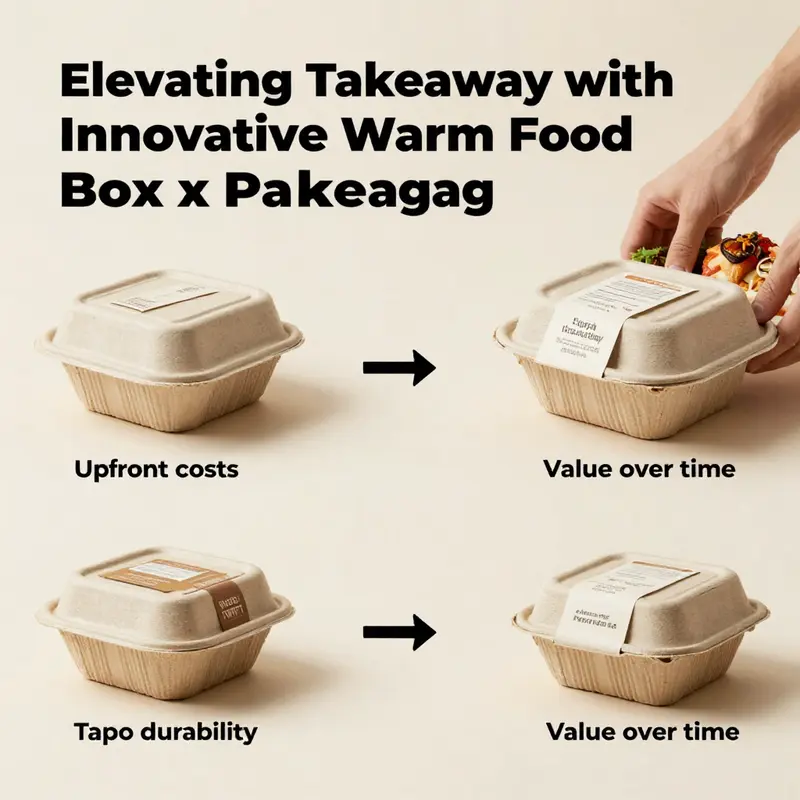
When a customer orders a hot meal for delivery or pickup, the packaging that surrounds it becomes a silent partner in the dining experience. Beyond the obvious function of insulation and leak resistance, warm food box packaging carries the weight of cost, brand promise, and environmental responsibility. The cost-of-ownership for takeaway containers is not a simple line item on an invoice; it is a portfolio that blends material science, order dynamics, and consumer expectations. To understand how to optimize this portfolio, it helps to map the cost drivers from the ground up and then translate those forces into practical decisions about which packaging to choose at different scales and for different menu categories. In practice, the most economical choice hinges on a balance among upfront price, operational fit, and the longer arc of sustainability and brand value. A low per-unit price is tempting, but it is only one axis in a multidimensional cost picture that includes heat retention, leak safety, microwave compatibility, and the energy and waste footprints associated with disposal or reuse. For businesses handling hundreds of thousands of meals, the math can look very different from that faced by a small shop with a steady but modest daily volume. In both cases, the choice of material type acts as a lever. Plastic containers, widely used for their low unit costs, come with clear short-term advantages. In bulk scenarios, per-set costs can be as low as a few tenths of a dollar, enabling tight price incentives for high-volume takeout programs. The appeal is straightforward: a cheap baseline that supports aggressive menu pricing and rapid service. Yet the economics do not stop there. The same plastic solution often carries trade-offs in heat resistance, moisture control, and end-of-life impact. For brands that emphasize speed and convenience, these trade-offs can be acceptable if the packaging reliably retains heat and remains leak-proof through the delivery window. But in markets with rising environmental awareness or stricter waste-management guidelines, the footprint of single-use plastics becomes a more material consideration. The numbers tell a partial story: if a plastic container can be produced and distributed at approximately US$0.08 per set in bulk, that cost advantage compounds when millions of meals flow through a kitchen each month. In contrast, so-called eco-friendly alternatives—materials made from bagasse, pulp, or plant-based coatings—tend to hover around US$0.10 or higher per piece at comparable scales. The premium is not merely a sticker price; it reflects a different value proposition: the appeal to environmentally conscious consumers, potential alignment with corporate sustainability targets, and the possibility of regulatory or market incentives for compostable or recyclable options. While the per-unit delta may seem small, it compounds quickly as volumes scale. The math also shifts when we consider long-term ownership. Aluminum containers, often framed as a middle ground, offer exceptional thermal conductivity and the potential for reuse. They can work well for oven-ready or reheatable meals and may provide a more favorable lifecycle cost if an operation can implement a formal reuse or return program. The upfront cost per unit is typically higher than plastic but can be justified by the savings accrued over repeated use and the reduced waste burden. In a busy operation, snippets of the total-cost-of-ownership puzzle emerge: initial investment in sturdier packaging, the ongoing expenses of recycling or composting programs, and the labor associated with sorting and processing used containers. Even if a box is inexpensive at the point of purchase, the cost of managing waste, handling returns, or organizing a takeback program can erode the apparent savings. On the other hand, for brands with a strong emphasis on sustainability, the premium charged for eco-friendly packaging can be less about price and more about brand differentiation. This is where consumer demand intersects with regulatory pressures. Markets increasingly reward brands that demonstrate transparent sustainability profiles and that provide evidence of compostability, recyclability, or reduced embodied energy. The pricing calculus, then, must include not only the immediate cost per unit but also the expected customer goodwill and the risk-adjusted value of meeting future standards. A practical framework emerges when viewing packaging as a service layer that envelopes the food: it secures the product, preserves its quality, and communicates the brand’s values to the consumer. In this framing, a portion of the budget is allocated to heat retention performance, another to leak prevention, and a third to the environmental narrative the packaging conveys. The cheapest option can fail when it cannot keep food hot, leading to dissatisfied customers and costly reputational damage. Conversely, a more premium solution may pay for itself through higher customer satisfaction, repeat business, and stronger brand loyalty. The operational realities that drive these outcomes deserve particular attention. For example, the compatibility of a given container with heating devices at home, such as microwaves, can influence post-purchase usage and customer satisfaction. If a box is not microwave-safe, or if its structural integrity degrades under heat, the perceived value of the meal drops. In contrast, containers designed to withstand reheating and freezing can expand the use-case window for a meal, enhancing convenience for the consumer and reducing the need for separate reheated components. Transparent-window designs, frequently chosen to showcase premium items, create another layer of cost and benefit. The window can boost appetite appeal and brand visibility, yet it introduces potential fogging issues when filled with hot foods and may threaten structural integrity if the window material is not paired with a robust frame. For operators weighing the environmental aspect, eco-friendly options like compostable paperboard, molded pulp, and PLA-coated barriers present a meaningful shift in the material mix. These choices align with a growing segment of consumers who value sustainability and are prepared to support brands that demonstrate responsible packaging. The higher upfront price is balanced by perceived value, the possibility of regulatory alignment, and the potential to differentiate in a crowded marketplace. In practice, many businesses adopt a mixed-packaging strategy that tailors the choice to menu type and order size. Burgers and fries might ride a flap-top or a sturdy wrap-friendly box that is cost-efficient and well-suited to high-volume throughput. Heavily sauced dishes or greasy items may perform better in leak-resistant, oil- and moisture-resistant solutions, even if those options carry a modest premium. For meals meant to be reheated at home, containers with strong heat retention and microwave safety can be marketable selling points. The key is to speak the consumer’s language: warmth, reliability, convenience, and a clear environmental stance. For readers navigating this landscape, a quick pointer helps. A broad view of packaging categories—especially the plastic options that dominate early-stage cost calculations—can illuminate the path forward when volume planning becomes decisive. See the Plastic Packaging category for a concise snapshot of how different plastic formats compare on cost, performance, and compatibility. Plastic Packaging category. While this reference helps with strategic alignment, the final choice must reflect a brand’s values, menu profiles, and the operational realities of its supply chain. The ultimate decision rests on translating theoretical savings into tangible outcomes: higher margins on meals, more reliable heat retention during transit, and a packaging story that resonates with customers who care not only about what they eat but how it arrives. As markets evolve, the balance shifts with technology, regulation, and consumer expectation. That dynamic tension is what makes warm food box packaging a meaningful cost frontier for takeaway operations. The right mix of materials, coupled with disciplined supply-chain management and a clear sustainability narrative, can convert packaging from a cost center into a strategic asset that reinforces quality, trust, and long-term growth. For those seeking broader market context, external resources offer additional perspectives on supplier options and pricing structures that influence these decisions. https://www.made-in-china.com/products?keyword=Sunyo+Food+Packaging+Takeaway+Lunch+Box+Microwavable+Plastic+Fast+Food+Container
Keeping Temperature, Trust, and Transparency: Regulatory Currents Shaping Warm Takeaway Packaging
Regulatory standards in warm takeaway packaging are less a dry checklist and more a living map that guides what can travel from kitchen to customer with temperature, safety, and responsibility intact. For operations that rely on hot, ready-to-eat meals, the conditions of containment are not simply about keeping steam and grease inside; they are about preventing bacterial growth, ensuring that the packaging itself does not introduce hazards, and aligning with a growing appetite for sustainability. The story of modern warm food boxes is therefore a story of trade-offs and careful design decisions. Temperature retention has to be robust enough to keep meals above critical thresholds during typical delivery windows, while the materials must resist leakage and degradation in the face of heat, fats, and occasional consumer mishandling. In parallel, regulators encourage or mandate eco-conscious choices, pushing manufacturers toward materials and processes that reduce environmental impact without compromising safety. The result is a regulatory landscape that rewards evidence, performance, and accountability, and that rewards brands capable of demonstrating both compliance and a clear vision for responsible packaging.
At the heart of food safety standards is the imperative that packaging maintains safe temperatures throughout the distribution chain. In many regulatory frameworks, the target is to keep foods above 60°C (140°F) for a defined period, a guideline designed to inhibit the growth of common pathogens during transit and short hold times. This is not a universal spectacle of temperature alone; it is an assurance that the entire system—materials, seals, and design—works in concert to minimize heat loss and prevent contamination. For food service operators, this translates into careful choices about wall thickness, insulating integrity, and the presence of airtight closures that resist spills while also withstanding the rigors of stacking and transport. The practical effect is that a box is not merely a vessel but a validated part of a cold chain-like safeguard for hot foods. The emphasis on non-toxicity and inertness under heat is equally critical. Regulators scrutinize whether any constituent of the packaging can migrate into the food under normal or elevated temperatures, particularly with acidic toppings or oily fillings. The expectation is not just that packaging holds heat, but that it remains chemically neutral at the temperatures diners will encounter, so customers can trust that a hot sandwich or a steaming entrée remains safe to eat without unexpected flavors or contaminants.
Material compliance broadens this conversation beyond safety to encompass the life cycle of the packaging itself. Paperboard, molded pulp, plastics, and even certain foil-based laminates each carry distinct regulatory footprints. Paper-based options, often favored for their recyclability, must meet criteria related to barrier performance and moisture resistance. When coatings are used to improve moisture management, those coatings must be food-contact compliant and, ideally, biodegradable or recyclable in line with regional waste streams. Plastics, noted for their durability and heat resistance, raise different questions. In some jurisdictions, the use of certain plastic materials for direct food contact is tightly regulated or restricted due to environmental concerns, even when the material excels in heat retention. This tension has accelerated the adoption of compostable or recyclable alternatives, such as coatings derived from renewable polymers or certified pulp-based substrates. Regulators increasingly expect transparent declarations about sourcing, recyclability, and end-of-life options, empowering restaurants and packaging suppliers to communicate clearly with consumers about what happens after the box is emptied.
A crucial facet of the regulatory conversation is testing and verification. Insulation effectiveness cannot be assumed; it must be demonstrated. Technical specifications often require standardized tests that measure temperature retention over time, leakage resistance under typical handling, and integrity under simulated stacking, shaking during transit, and re-heating in consumer ovens or microwaves. These tests help ensure that a product will perform as claimed in real-world conditions, reducing complaints and the risk of food safety incidents. For many operators, that means a packaging solution is selected not only for its immediate performance in the kitchen but for an auditable trail that shows ongoing compliance in the field. In this context, the packaging industry increasingly relies on third-party validation, materials declarations, and traceability, all of which contribute to a robust regulatory posture that can withstand audits, recalls, or public scrutiny.
Environmental regulations further shape the available design space. The global push to curb single-use plastics has led many regions to restrict or ban certain materials used in takeaway packaging. In response, manufacturers are innovating with compostable paperboard or molded pulp that is designed for industrial composting or domestic recycling streams, as well as coatings that permit moisture management without compromising end-of-life options. Companies are also considering the entire packaging ecosystem: reuse strategies, return programs, and refillables where appropriate, all with regulatory guardrails that ensure cleanliness, safe handling, and feasible sanitation processes. This broader environmental frame affects every stage of the packaging lifecycle, from raw material sourcing to manufacturing, distribution, and disposal. It is not unusual for regulations to require clear labeling that instructs consumers on heating, recycling, or composting, helping to bridge the gap between a technically compliant box and a responsibly disposed one.
For businesses navigating this terrain, the practical approach to compliance begins with a rigorous materials- and process-declaration culture. Operators must understand what their packaging is made from, how those materials behave under heat, and what happens to the packaging after use. The chain of custody for materials, supplier certifications, and documentation of any surface treatments or coatings are now baseline expectations in many markets. This attentiveness also feeds brand trust. Consumers increasingly look for packaging that aligns with stated sustainability goals without compromising safety. When a restaurant or delivery service can point to tested insulation performance, a credible end-of-life plan, and a food-contact-safe composition, it strengthens customer confidence and reduces the risk of regulatory friction at points of sale or during inspections.
From a design and procurement perspective, these standards encourage a careful balancing act. Operators must weigh insulation thickness and closure tightness against cost, weight, and the environmental profile of each material. A box that excels at heat retention but relies on a non-recyclable substrate may be legal and effective in one jurisdiction but incompatible with another’s environmental directives. Conversely, an aggressively sustainable option that fails to retain heat or leak proofs sufficiently can undermine food safety and customer satisfaction. In this balancing act, the regulatory framework acts as a persistent, guiding force that nudges packaging toward safer, more transparent, and more recyclable solutions while still enabling the practical realities of high-volume takeaway service.
To keep the discussion grounded in practical choices, consider a practical pathway for businesses looking to align with current standards. Start with a baseline assessment of material safety data, migration tests, and compliance certifications for all packaging components. Document the heat-retention performance through standardized testing, and verify that any barrier or coating used meets food-contact safety criteria. Engage with suppliers who can provide clear material declarations and end-of-life guidance, and integrate labeling that helps consumers dispose of packaging correctly. When possible, opt for materials that support compostability or recyclability without sacrificing performance. This approach not only satisfies regulatory expectations but also builds a cohesive narrative around safety, sustainability, and service quality—an alignment that resonates with customers and regulators alike.
For readers seeking a straightforward entry point into the broader landscape of packaging options and compliance considerations, a practical overview of paper packaging choices can be an excellent starting point. See the paper packaging category for a concise reference to substrate options and associated regulatory considerations: paper packaging options.
As a capstone to this regulatory perspective, remember that the regulatory landscape is dynamic. Agencies periodically update guidance, add new testing standards, and expand disclosure requirements to reflect evolving scientific understanding and public expectations. Businesses that stay ahead of the curve do so by cultivating a culture of ongoing compliance: regular material re-evaluations in light of new regulations, proactive supplier conversations about changed formulations, and a willingness to adjust packaging designs in response to regulatory updates. In this way, the journey from kitchen to customer becomes not only a matter of temperature and taste but of trust and accountability—qualities that define responsible takeaway packaging in a world increasingly attentive to both performance and responsibility.
External resource: https://www.fda.gov/food/food-contact-materials-industry/federal-register-notices-food-contact-substances-notification-program
Final thoughts
In summary, warm food box packaging takeaway serves as a pivotal element for food-service businesses aiming for excellence in meal delivery. Innovations in material and design address diverse needs while environmental considerations increasingly shape consumer choices. Understanding preferences and ensuring cost-effectiveness can enhance operational efficiency and customer satisfaction. Finally, adhering to regulatory standards not only safeguards food safety but also boosts brand credibility. By leveraging insights from each of these areas, businesses can elevate their takeaway services, ensuring they deliver meals that exceed expectations.