
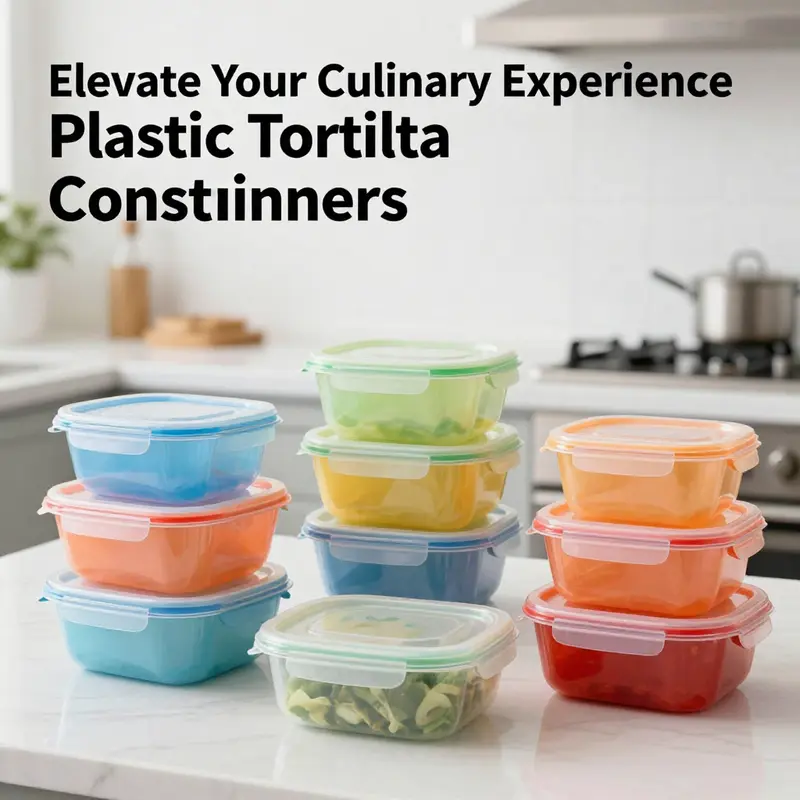
Plastic tortilla containers combine safety, functionality, and efficiency, making them essential for bubble tea shops, restaurants, food trucks, and catering services. These versatile containers are more than just storage solutions; they help maintain quality, presentation, and convenience for your culinary creations. In the chapters to follow, we will explore the key features that set these containers apart, delve into their innovative design and functionality, and examine their diverse market applications, ensuring that your establishment can serve tortillas and other offerings with style and ease.
Preserving Warmth and Craft: The Quiet Engineering of Plastic Tortilla Containers
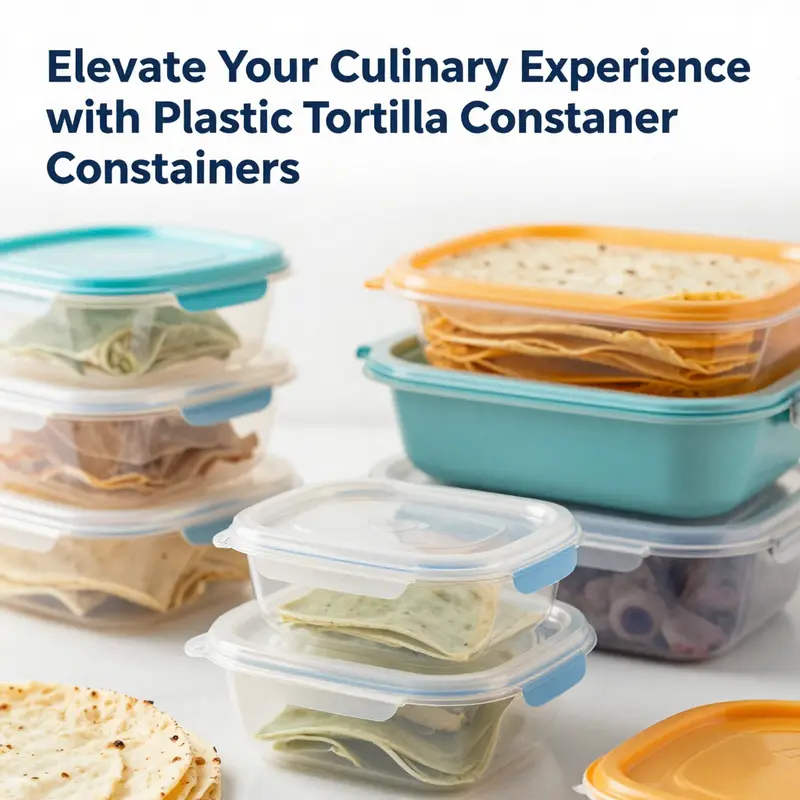
Preserving warmth, softness, and flavor hinges on more than a simple box. In kitchens that balance speed with quality, plastic tortilla containers function as more than storage. They are engineered tools that guard the very conditions tortillas rely on: heat, moisture, pliability, and structure. The container’s design emerges from a blend of material science and practical cooking needs. When tortillas leave a press or a warm deck, they are delicate and responsive to their environment. A well-made plastic tortilla container keeps them supple, ready for wrap or plate, and protected from unnecessary drying or soggy overexposure. The most common materials used are heat-resistant, food-grade plastics that are safe for contact with edible items and resilient under the demands of busy service. Among these, BPA-free plastic and heat-resistant polypropylene (PP) stand out for their balance of safety, stability, and performance. Some manufacturers also experiment with Tritan as a transparent, durable option that resists odors and staining while remaining safe for repeated microwaving and washing. This triad of materials—BPA-free options, PP, and Tritan—frames a family of containers designed to meet different kitchen contexts, from the back-of-house line to the home pantry. The choice among them shapes how tortillas weather the transition from warm dough to ready-to-serve rounds. In practice, the plastic chosen must withstand the heat of mild warming, resist deformation under pressure from stacked rounds, and maintain a clean, neutral surface that won’t impart flavors or odors to the tortillas themselves. The materials guide not only what the container can do, but how long it will last in a kitchen’s daily rhythm. A container built with robust heat resistance means fewer compromises in service. It means warm tortillas stay pliable instead of stiff, which, in turn, supports consistent portion control and presentation. The material choice also informs cleaning routines. A container that is microwave-safe and dishwasher-safe reduces handling time and lowers the risk of contaminant buildup in hard-to-reach crevices. In high-volume settings, the need for speed and reliability becomes critical, and material performance under repeated cycles becomes a decisive factor. The practical implication is clear: a responsible selection of material is the foundation for reliable performance in real-world conditions, from a bustling taco bar to a family dinner where tortillas are made, heated, and served in rapid succession. Beyond the letter of safety, there is a broader design ethos at work. The industry prioritizes containers that are both sturdy and gentle on tortillas. The surface finish plays a role here. Non-stick or low-friction coatings help prevent sticking when large numbers of tortillas are stacked or when the lid is opened after a brief warm period. The interior finish also influences how easily tortillas slide into place during stacking without tearing or causing micro-tears that can propagate with use. In a sense, the container becomes a quiet partner in the tortilla-making process, not an obstacle. The choice of material also relates to heat retention. A container that protects warmth for hours must carefully balance heat retention with humidity control. If heat builds up too aggressively, tortillas can steam and lose their characteristic texture, becoming too pliant or, conversely, too soft and prone to sogginess. Conversely, insufficient insulation can allow tortillas to cool too quickly, losing their pliability and becoming brittle at the edges. Several design features address this balance. A well-insulated body comprises layered walls that minimize heat exchange with the surrounding air. The lid is not merely a cover but part of the system that traps warmth and moisture inside. A tight-sealing lid reduces moisture loss, preserving the soft, pliable texture that is essential for a good tortilla wrap or taco. The lid often includes a secure latch or clasp that guarantees a tight fit even during transport or busy service. In many models, the lid is clear, giving servers and managers a quick visual inventory of tortillas without opening the container. A clear view is not just about aesthetics; it is a practical feature for maintaining quality at a glance. When staff can see how many tortillas remain, they can plan restocking and heating cycles with greater efficiency, ensuring a steady supply during peak service. The practical benefits cascade from the fundamental material choices. For home cooks, a BPA-free, dishwasher-safe container is a certainty that supports daily meals, meal-prep sessions, and batch cooking. For professional kitchens, a more rugged build with reinforced edges and higher heat tolerance translates into durable performance under heavy use, frequent cleaning, and rapid turnover. The interplay between material selection and design decisions becomes a core narrative in how these containers support consistent results. This is especially relevant in settings like taco bars and buffet lines, where the container’s ability to hold heat without leaking or warping translates into a smoother service flow and a more stable guest experience. In those environments, the combination of an insulated body and a tight lid protects tortillas from temperature fluctuations that can compromise texture. It also helps maintain the moisture balance, which is essential to avoid dryness at the surface or condensation that would alter texture on the inside. The design language extends into size and shape choices. Tortilla containers come in a range of sizes, from compact 8.5-inch holders to larger 12-inch formats that can accommodate multiple tortillas stacked neatly. Some models offer a cylindrical or tapered silhouette. This shape is more than cosmetic: it reinforces stacking efficiency, reduces air pockets, and supports an even distribution of heat and moisture across the stack. A well-considered geometry makes a practical difference in handling and serving, especially in fast-paced environments where staff are retrieving and replenishing tortillas in seconds rather than minutes. The size and shape, when paired with the right material, also influence how these containers integrate with other kitchen tools, such as tortilla presses. When tortillas emerge from a press, they often require immediate transfer to a warmer or storage system. A container with the right dimensions ensures tortillas can move smoothly from press to storage without losing their circular form or becoming misaligned. A circular or nearly circular footprint minimizes waste in space and helps maintain uniform thickness across tortillas in a stack. In addition to size, the design often includes additional features that enhance usability. Some containers are equipped with built-in stands or rests that allow hands-free serving or storage while maintaining heat. This is particularly useful in buffet setups or taco bars where staff need to keep their hands on other tasks while tortillas stay warm and accessible. The stands can also help with aeration, reducing condensation on the lid that could lead to soggy tortillas over time. The lid’s design matters as much as its fit. A tight-fitting lid, sometimes paired with a gasket, helps preserve moisture and warmth during transport and display. The gasket reduces air exchange, thereby slowing heat loss. A well-sealed lid also protects tortillas from external contaminants, especially in busy service settings where open display can be a concern. The inclusion of a clear lid, as mentioned earlier, boosts visibility and inventory management. Staff can quickly determine how many tortillas are left without lifting the lid, which minimizes heat loss and reduces the frequency of opening that could disrupt the moisture balance. When considering the lifecycle of these containers, many are designed for reuse rather than disposable use in order to support sustainability goals. Reusable options align with a broader industry push toward reducing single-use plastics. Yet, even reusable choices require mindful care. The dishwasher and microwave compatibility features warrant attention. Being dishwasher-safe means the container can endure high-temperature washing cycles without warping or peeling. Microwave-safe means tortillas can be heated or rapidly refreshed inside the same container, which saves time and preserves texture by avoiding transfer between containers. In practice, this reduces the risk of dryness caused by transfer to separate warming devices and ensures tortillas stay warm and pliable during service. The emphasis on safety extends to the BPA-free attribute. BPA, or bisphenol A, has sparked concern due to potential health effects when heated. By choosing BPA-free plastics, manufacturers address consumer concerns and align with regulatory expectations in many markets. Food-grade labeling is another crucial factor. It communicates that the material is suitable for contact with edible items and has been manufactured to meet safety standards. The credibility of these containers rests on rigorous testing and adherence to food-safety guidelines. Some models push the safety envelope further by using alternative materials that do not require BPA-based additives or unknown stabilizers. Consumers who prioritize eco-friendliness may seek options that emphasize recyclability and low environmental impact. While many plastic containers are disposable after a single use, a growing segment of the market highlights reusable designs. These often feature more durable finishes and thicker walls that resist denting or heat damage. Reusable containers contribute to waste reduction in restaurants and households alike, supporting a broader shift toward sustainable kitchen practices. It is worth noting that the environmental equation extends beyond the container itself. The way tortillas are stored, heated, and transported affects overall sustainability. For example, properly insulating containers minimize energy use during warming and keep tortillas at safe temperatures longer, reducing the need for continuous reheating. At the same time, the end-of-life considerations—whether a container is recycled, repurposed, or responsibly disposed of—shape its overall environmental footprint. In this light, the market’s growing interest in eco-friendly options, including glass or other sustainable materials for certain components, reflects evolving consumer values. Yet for some situations, plastic remains the most practical solution due to lightness, durability, and cost. The key is to balance these trade-offs with safety and performance so that tortillas stay fresh, comfortable to handle, and visually appealing. From the perspective of food service and retail, the container’s ability to maintain a consistent presentation is central. Clear lids support this, enabling displays where tortillas appear orderly and appetizing. In retail and catering settings, presentation matters as much as performance. Display-ready containers help drive sales and customer satisfaction by ensuring tortillas look inviting and uniform. The practical implications extend to inventory management as well. When staff can see the contents at a glance, they can monitor stock levels, rotate older batches, and organize replenishment more efficiently. This visibility also reduces the likelihood of cross-contamination during daily operations, which can be a concern in busy kitchens where multiple food items share equipment and surfaces. Another dimension worth considering is how these containers integrate with tortilla presses and other prep equipment. In many kitchens, tortillas are formed fresh and then kept warm until service. A container that fits well with a tortilla press workflow can streamline the sequence from dough to finished product, enabling cooks to produce tortillas in bulk without sacrificing quality. In this sense, design is not isolated from the cooking cycle but is part of a holistic approach to kitchen efficiency. The market for plastic tortilla containers is robust, reflecting diverse needs across home cooks, catering outfits, and large-scale food service. The demand pattern rewards suppliers who can combine safety, performance, and value. In bulk orders, standard sizes and shapes are often preferred for their interchangeability with existing storage racks and warming units. Where cost considerations drive decisions, choices between single-use, disposable designs and reusable, durable options become a major theme. The decision often hinges on the expected usage pattern, the cleaning capabilities of the facility, and the environmental priorities of the organization. When exploring sourcing options, buyers frequently turn to international platforms that specialize in bulk plastic packaging and food-service containers. On such platforms, buyers can compare material options, confirm microwave and dishwasher compatibility, and review safety certifications. The ability to verify that a container is BPA-free and food grade is a non-negotiable aspect of a responsible purchase. A well-documented specification helps ensure compliance with local health regulations and industry guidelines. In considering the broader ecosystem, it is useful to remember that the tortilla container is a node in a larger chain of product flows. It interacts with tortilla presses, warming devices, display racks, and transport containers. Its success depends on a thoughtful alignment with these elements. A container that fits neatly into a buffet line, supports easy restocking, and resists warping under heat is performing as designed. The subtlety of this engineering—the way a simple container supports the craft of tortilla making—speaks to the larger theme of how everyday kitchen tools influence culinary outcomes. In sum, the key features of plastic tortilla containers revolve around heat resistance, insulation, safety, and human-scale usability. They are designed to keep tortillas warm, pliable, and presentable while simplifying cleaning and maintenance. The materials—BPA-free plastics, heat-resistant PP, and Tritan—anchor performance and safety. Design elements like insulated bodies, secure lids, and clear visibility contribute to efficient service and steady quality. Reusability and sustainability considerations push the conversation toward longer lifespans and responsible disposal, even as the practical benefits of plastic containers in fast-paced kitchens remain undeniable. These containers, by their thoughtful engineering, help preserve the texture and warmth of tortillas from the moment they leave the press to the moment they reach a plate, a wrap, or a taco shell. For those who care about consistent texture and reliable service, the science of these containers is a quiet but essential part of the craft. To explore related storage and packaging options that support broader kitchen organization and presentation goals, you can visit the storage containers category. storage containers. The link opens a catalog of options that can complement tortilla storage needs without distracting from the core function of warmth and freshness. For readers seeking deeper sourcing knowledge or industry context, an external reference provides a broader view of how bulk plastic food containers are marketed and distributed. External resource: https://www.alibaba.com/product-detail/Tortilla-Warmer-with-Lid-Storage-Container1600634928640.html?spm=a2700.galleryofferlist.pproductDetail.d_image.6a3c6e1dKoVvLH&productId=1600634928640
Preserving Soft Edges and Even Heat: The Design Narrative Behind Plastic Tortilla Containers
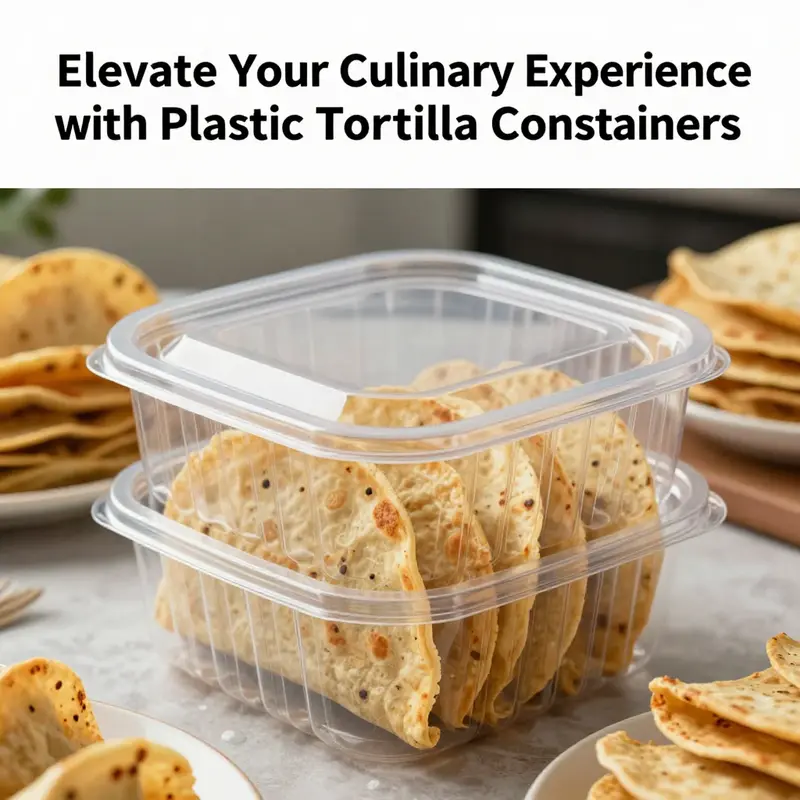
In kitchens where tortillas anchor meals, the container that holds them is more than a simple box. It is a carefully engineered microclimate, a point of contact between heat, moisture, texture, and ease of use. To understand why plastic tortilla containers matter, one must look beyond their outward shapes and into the design decisions that govern materials, lids, warmth retention, and how a product fits into a broader workflow. Tortillas, when stored properly, stay pliable, uniform in thickness, and ready for quick assembly. The container that serves them must protect these qualities while fitting into both home routines and professional service environments. This is where design and functionality converge to produce a tool that is as reliable as it is unobtrusive, supporting cooks, servers, and families as they move from prep to plate. The argument for thoughtful design begins in materials, then travels through sealing strategies, shape language, and practical realities of daily use in busy kitchens, whether in a family kitchen, a school cafeteria, a casual taqueria line, or a catering setup for a buffet. In each context the goal is consistent: preserve moisture just enough to keep tortillas soft, protect them from contaminants, and do so with a container that can be cleaned, stored, and heated without complicating the cook’s or host’s routine. The journey from raw material to finished product is a series of choices with consequences for texture, flavor, safety, and service efficiency. This chapter traces that journey, emphasizing how design decisions translate into tangible advantages for users who prepare and serve tortillas, pancakes, and similar delicate baked goods that share a need for controlled moisture and warmth.
The core of tortilla container design rests on a blend of safety, durability, and user-friendly functionality. Food-grade plastics that are BPA-free form the baseline, ensuring the container can hold tortillas without transferring unwanted chemicals to food. High-quality plastics such as heat-resistant polypropylene are a frequent choice because they can withstand repeated cycles of heating and cooling. Some designs lean on advanced polymers that resist impact and maintain clarity, allowing cooks or servers to glance at contents without removing lids. The emphasis on safety extends to the interior surface: a smooth, non-porous finish that resists staining and is easy to wipe clean. A well-executed interior surface reduces the risk of tortilla bits clinging to rough edges, which in turn helps maintain a clean, appealing presentation in buffets or retail displays. Just as important as material choices is the interplay between the lid and the body of the container. A tight-sealing lid forms an airtight barrier that guards against moisture loss and protects against dust or kitchen splashes. In practice this seal matters. Tortillas left exposed to air can dry and become stiff, and moisture imbalance can lead to condensation that sogs the edges. An airtight design helps maintain pliability for longer periods, which is essential when tortillas must be warmed, held for a while, and then served in sequence at a taco bar, a family gathering, or a classroom meal program.
The lid itself is more than a cover. In many models the lid doubles as a serving aid, featuring a built-in stand or a cantilever that elevates the container for hands-free serving. This simple addition transforms the container from a passive storage item into a practical service tool. In buffet settings, for instance, a stand-enabled lid can hold a stack of tortillas at an angle that allows guests to grab warmth without lifting heavy lids repeatedly. In home kitchens, a lid with a secure snap closure provides peace of mind during refrigerator storage or freezer transfers, ensuring the contents stay intact and the container remains stackable with other pantry items. The lid’s design often reflects a broader consideration of kitchen rhythms: the need to minimize spills, speed up service, and reduce the wear on both the container and the user’s hands. A robust hinge or a latch mechanism can further enhance reliability, especially in environments where containers are carried across countertops or stacked in tight spaces.
Size and capacity are the other side of the design coin. Tortilla containers come in a range of footprints, from compact 8.5-inch holders to larger round options that can cradle a substantial batch of tortillas or pancakes. The geometry matters: circular or cylindrical shapes promote uniform heat distribution and even stacking, while squared or rectangular configurations can maximize shelf real estate in compact kitchen environments. A round form with gently curved edges minimizes contact with sharp corners, reducing the risk of nicks during handling. In spaces where bulk quantities are common—catering pull-throughs, school cafeterias, or busy home meal-prep days—capacity becomes a practical performance metric. A larger container not only holds more tortillas but also supports more efficient workflow, allowing cooks to pre-portion or pre-warm in anticipation of peak service. The ability to quash the per-tortilla heat loss across a wider surface is a factor designers evaluate when balancing lid geometry, wall thickness, and insulation characteristics.
Durability and ease of cleaning sit at the intersection of daily use and long-term value. Rigid construction that resists cracking under drops or bumps aligns with both home and commercial realities. Dishwasher-safe and microwave-safe attributes are frequently highlighted in product literature because they reduce maintenance time and lower the barrier to frequent use. A non-stick interior finish, when present, further simplifies cleaning by minimizing residue buildup on the surface that comes into contact with tortillas. Yet there is nuance here: a non-stick coating must be food-safe and durable enough to withstand repeated heat exposure without flaking. The reality is that many kitchens rely on a spectrum of cleaning routines, from quick hand-wipes to full dishwasher cycles, and the container must perform reliably across this spectrum. The more forgiving the cleaning process, the more likely the container is to be adopted in a busy setting, where time and consistency matter as much as the tortillas themselves.
Beyond basic storage, many designers push the boundaries with subtle, user-centric features. Some containers offer clear lids or windows that let cooks and servers see contents at a glance, which reduces the need to lift lids repeatedly and helps preserve the warmed state by limiting exposure to air. Others incorporate modular compartments or removable inserts that can separate tortillas from other items in a serving line, enabling a single container to handle multiple components of a meal. A few models emphasize safety through cylinder or rounded shapes, which reduce sharp edges and are gentler to handle when hands are full or when carrying tortillas from oven to counter. In short, modern tortilla containers blend aesthetics with utility, delivering products that are visually pleasing yet deeply practical for preserving texture and quality.
The functional story extends to how these containers perform when used as heaters or warmers. Some designs feature materials that retain heat more effectively, helping tortillas stay soft for hours when serving at gatherings or extended events. A built-in warming capability often relies on the container’s material properties and lid design to manage heat transfer while avoiding overheating or scorching. The best designs provide a balance: they keep tortillas warm enough to be enjoyable, without making the edges dry or the centers soggy. This balance requires careful attention to the interplay of lid tightness, wall thickness, and the choice of plastics that can endure repeated heating without warping. It is not simply about keeping heat; it is about sustaining the optimal moisture level and texture that define a good tortilla.
The practical ripple effects of thoughtful design extend into storage and organization. Stackability is a common feature that matters in refrigerators, pantries, and restaurant backrooms. Stackable designs help keep kitchens tidy, protect tortillas from crushing, and simplify inventory management. When storage needs change—such as shifting from a prep-focused routine to a service-focused routine—the container should adapt without becoming a hindrance. A well-designed tortilla container lends itself to flexible rearrangements, enabling cooks to rotate supplies, pre-warm batches in advance, and manage quality across long service hours.
In considering the broader market, it is useful to think about how these containers sit within the ecosystem of food storage and service. They are part of a family of products built around held warmth, controlled humidity, and ease of cleaning. They share material choices with other storage solutions that must withstand contact with moist foods and occasional heat exposure, yet they are specialized by shape and lid design to support tortillas and similar flatbreads. The sourcing story is equally practical. While many of these containers are produced in high-volume manufacturing hubs, their real value lies in how well they meet the needs of kitchens that rely on predictable performance, consistent presentation, and durable construction. The best containers emerge from a process that tests performance under real-world conditions: repeated heating cycles, frequent opening and closing, exchanges between refrigerator and counter, and the everyday handling of staff and guests who demand reliability.
The narrative of design and functionality also invites a broader contemplation of sustainability and lifecycle. Although plastic containers offer undeniable convenience, their environmental footprint invites careful consideration. For consumers who aim to minimize waste, the decision to reuse containers and recycle components at end-of-life becomes part of a larger responsibility. The choice of material—BPA-free plastics with high recyclability potential—speaks to this concern, as does the presence of durable, dishwasher-safe designs that extend product life. In some contexts, manufacturers and retailers are exploring eco-friendly options such as glass or renewable-content alternatives for certain applications, offering a different balance of warmth retention and weight. This tension between convenience and sustainability invites users to weigh priorities: the desire for quick service and practical storage against the need to reduce plastic waste and support responsible material choices. In everyday practice, many households and food-service operations opt for containers that strike a pragmatic balance, delivering dependable performance while encouraging mindful use and disposal.
As readers explore the broader category of storage and serving solutions, a natural question arises about integration. How does a tortilla container harmonize with other components of a kitchen system? The answer lies in compatibility and flow. A well-integrated container makes it easier to keep tortilla preparation aligned with other meal components, enabling a smoother workflow from prep to plate. For example, when a kitchen is preparing multiple items that require similar warming or moisture controls, a container that shares design principles with other food-storage and serving ware can reduce miscommunication and error. A consistent design language across containers—whether for tortillas, pancakes, or other baked goods—helps staff recognize functions at a glance, speeding up service and reducing mistakes. It also supports branding and presentation in retail or food-service environments by offering a cohesive look and predictable performance.
In thinking about the future of tortilla containers, one can envision further refinement of materials and features that preserve texture with even greater efficiency. Innovations could include targeted moisture control, more precise heat distribution, or lid mechanisms that provide secure seals without requiring excessive force. Some designs may incorporate materials that are easier to recycle, or structural features that lower energy use during warming through improved insulation. The underlying goal remains constant: to safeguard the quality of tortillas as they transition from warm preparation to plate, while making the process as effortless as possible for cooks, servers, and home users alike. The narrative is not limited to a single product but expands to a category that supports reliable service, flexible kitchen workflows, and thoughtful use of materials.
For readers seeking to broaden their perspective beyond the immediate design details, consider how the tortilla container fits into the life of a meal. It sits at a hinge point where preparation meets service, where texture meets convenience, and where materials meet daily practicality. In this space, the container becomes a quiet facilitator rather than a showy gadget. Its success is measured not by flashy specs but by the steadiness with which it preserves warmth, protects freshness, and adapts to the rhythms of real kitchens. The best designs are unassuming in appearance but generous in capability, enabling hosts and cooks to deliver consistent quality with minimal fuss. In this way, the tortilla container exemplifies a principle that applies to many food storage solutions: when form and function align, everyday tasks become smoother, and the simple act of offering a warm tortilla becomes a small, dependable moment of satisfaction.
As you continue to explore the landscape of tortilla containers, consider how your own kitchen or service environment would benefit from a model that emphasizes airtight sealing, heat retention, and durability without imposing cumbersome handling. The ideal container feels almost invisible in use, letting tortillas take center stage as they warm, travel, and arrive on plates. It is this balance of practical engineering, material safety, and human-centered design that makes the best plastic tortilla containers valuable allies in both homes and professional kitchens. To see how a broader category of storage solutions is presented online and to compare related products, you can explore the designated storage category that aligns with these needs and helps you understand how tortilla containers relate to other pantry and serving ware. Storage Containers
External resource for further context and industrial perspectives on warming and serving containers can be found at a detailed product listing that illustrates how a heated, lid-equipped container operates in real-world settings. External resource: https://www.alibaba.com/product-detail/Tortilla-Warmer-with-Lid-Storage-Container_1600579423847.html?src=10000&spm=a2700.100312.0.0&search=1&isSearch=true
Holding Warmth, Shaping Service: The Market Life of Plastic Tortilla Containers
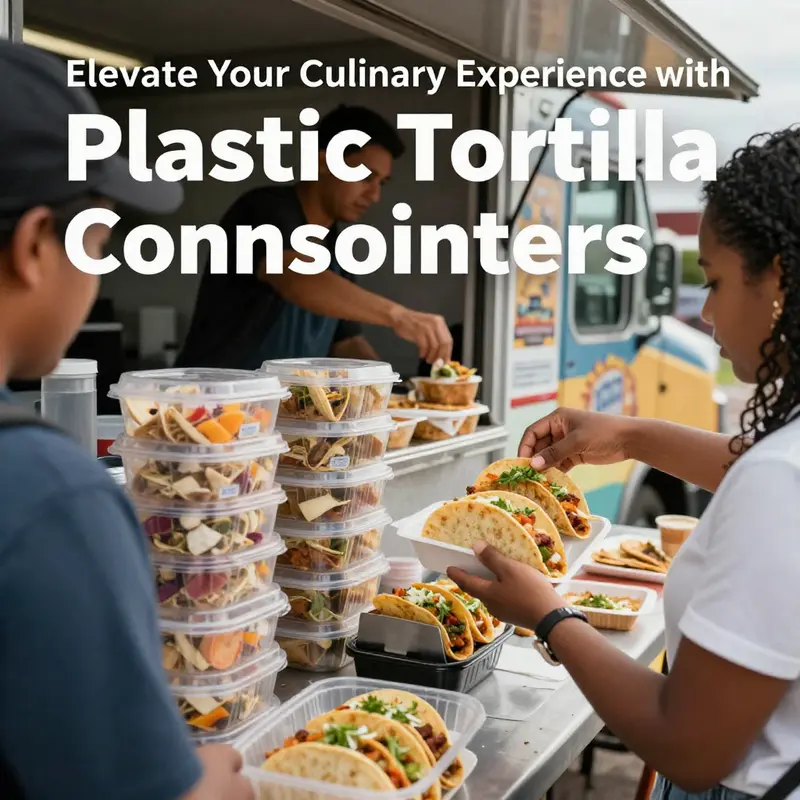
A simple plastic tortilla container can feel almost unremarkable at first glance, yet its influence threads through daily meals and large-scale service in ways that reveal the shape of contemporary food culture. These containers, crafted from food-grade plastics, do more than guard a stack of flour or corn disks. They manage temperature, protect texture, support speed of service, and influence how tortillas are perceived by both staff and guests. The core materials—breadth-safe plastics that are BPA-free, heat-resistant polypropylene, and newer Tritan variants—are chosen not only for safety but for stability. They resist warping when warmth is essential, and they maintain a pliable, tender texture that keeps tortillas from drying out or becoming crusty as they sit near heat for extended periods. In an industry obsessed with consistency, the material science behind tortilla containers quietly underwrites a reliable dining experience that audiences notice only when it falters. When a container fails to seal properly, moisture loss accelerates, tortillas stiffen, and the entire service line slows as staff scramble to compensate. The reverse is equally true: a well engineered container preserves moisture balance and pliability, ensuring every bite remains faithful to the intended result. This is not a mere convenience but a core component of service quality, whether in a family kitchen preparing tacos for a weeknight crowd or in a bustling taco bar that serves hundreds in a single shift. The decision to use BPA-free materials answers safety concerns that many households and professional kitchens grapple with, offering peace of mind alongside practicality. BPA-free does not automatically guarantee performance, but it does set a baseline that reflects growing consumer expectations for safe, stable plastics in heat and humidity. Complementing this, heat resistant polypropylene handles the dual demands of warmth retention and structural integrity. When tortillas emerge from a warming station, they rely on the container to maintain heat without softening or bending under pressure. The embodiment of this capability is visible in a well designed lid that seals securely and a body that remains rigid enough to stack without deforming. In many designs, a built in stand or lip keeps the lid slightly elevated, enabling gentle airflow that reduces condensation on the surface of tortillas while still preserving heat. The careful balance of seal, venting, and airflow is a subtle engineering achievement that leaves a tangible impression on the dining experience, especially in buffet lines or self serve stations where dozens of diners interact with the same container in quick succession. Tritan, a newer generation material used in some high end models, adds clarity and toughness that help containers resist cracking when dropped or bumped. The material’s clarity can also support better quality control in service settings, allowing staff to see at a glance whether contents are present, properly warmed, or starting to lose their intended texture. The choice of plastic is thus a lattice of tradeoffs: cost versus durability, heat retention versus ease of cleaning, opacity versus visibility, all converging to a reliable tool for tortilla handling. Beyond the choice of material, design details matter in ways that shape daily workflow and guest perception. Lids that lock with simple push or snap mechanisms reduce the chance of accidental openings, a factor that matters in fast paced environments where containment is essential to prevent spills and keep service stations clean. A tight seal matters as much for moisture retention as for hygiene; it prevents external contaminants from settling on warm tortillas and guarantees that a familiar aroma remains contained within the container, rarely escaping to the dining floor or kitchen. In addition, many models incorporate stands or feet that raise the container slightly above warming surfaces. This design keeps tortillas accessible while preventing direct contact with heat sources, which can overheat and degrade texture. It also supports a hands free serving approach, a feature that is particularly valuable in subtler service contexts like taco bars, brunch buffets, or hotel breakfast stations where staff can refill, plate, and present with minimal contact. The geometry of the container is another significant consideration. A range of sizes is available—from compact 8.5 inch formats for personal family meals to larger 2200 milliliter round containers that can cradle multiple tortillas or accommodate bulk prep. The size variance is not just about capacity; it aligns with how kitchens plan for throughput, how retailers display items to customers, and how caterers stage tortillas for quick extraction during peak hours. The deeper value here is operational: larger containers can store substantial volumes of tortillas in heated or warm environments, reducing the frequency of restocking and allowing staff to maintain a consistent pace during service windows. Dishwasher safe and microwave safe properties further augment the utility profile. The dishwasher safe attribute pays off during busy shifts and catering deployments, where quick turnaround between meals is essential. The ability to run through a cycle without fear of deformation or color fade means cleaning crews can focus on sanitation rather than laborious hand washing. Microwave safety expands reheating options, letting kitchens rewarm tortillas without transferring to a secondary vessel. This streamlines the flow from prep area to serving line, a simple yet meaningful efficiency gain that resonates across home kitchens, food courts, and large scale catering. Some containers push further with non stick interior surfaces that reduce sticking when tortillas are warmed or stacked under a light glazing. A nonstick interior also simplifies cleaning, a practical saving when a container held by a service line is used repeatedly over many days. The cumulative impact of these features is a platform that supports both routine and elevated service. In home kitchens, the value emerges in everyday practicality. Families that frequently make tacos or quesadillas can prepare large batches and maintain texture without sacrificing time or flavor. The airtight lids minimize moisture loss, preserving pliability and preventing tortillas from cracking during rolling or folding. For burrito builds, the ability to warm a stack evenly and remove portions without tearing tortillas adds a layer of reliability that owners notice when it is missing. The containers also lend themselves to planning and meal prep. A family can pre portion tortillas for a week, label containers for each day, and reheat portions without lifting the wrap from the container surface. This approach minimizes waste and reduces the clutter of separate warming devices, a benefit that translates into cleaner counters and more space for other cooking tasks. In commercial contexts, the same fundamentals scale up. Restaurants and fast casual operators rely on containers that can hold large volumes and keep tortillas warm and clean during service. In taco bars, for instance, staff can prepare tortillas in advance, stack them neatly within a single container, and present them on a heated display that maintains humidity. The built in stand or elevated base helps the tortilla remain pliable while the lid protects from dust and other contaminants. In catering environments, the ability to quickly rehearse and refill servings becomes a competitive advantage. The server can lift and present without exposing the tortillas to air or moisture that could compromise flavor and texture. The ability to reheat within the same vessel eliminates the need for additional cookware and reduces the number of steps in a service sequence, which translates into faster service and more consistent portioning. A broader market perspective reveals a robust ecosystem of suppliers that recognize the demand for reliable tortilla containers. Platforms that facilitate bulk purchases offer options suited to different business models, from micro enterprises to larger institutions like schools and hospitals. The minimum order quantities and variety of designs enable customers to select containers that align with their operational needs, whether the priority is capacity, heat retention, or ease of cleaning. The sourcing landscape is often international in scope, with many manufacturers based in regions renowned for plastics fabrication. This global dimension means that buyers can compare features, prices, and lead times to optimize inventory and costs. Yet the core appeal remains unchanged: a competent tortilla container blends safety, durability, and usability in a way that reduces friction in kitchens and elevates the dining experience for guests. This synergy of form and function is why these containers have migrated beyond home kitchens into professional spheres where consistent heat, texture, and hygiene are non negotiable. The versatility of plastic tortilla containers stretches beyond their primary purpose. They have become storage solutions for pancakes, dumplings, pie fillings, and even fresh produce, where a stable environment protects moisture balance and shape. This translatability is not accidental; it reflects a broader trend toward multipurpose vessel design in kitchen ecosystems that seek to minimize clutter while maximizing utility. In retail displays, the container’s clear or opaque body, depending on the model, supports merchandising strategies that emphasize product integrity and brand messaging. Clear options let customers gauge fill levels at a glance, while opaque versions can shield contents from light exposure that might degrade certain foods. The visual element plays a subtle but powerful role in consumer perception, influencing how people assess the freshness and readiness of ingredients or finished products. As with any plastic ware used for food, material safety remains paramount. Labels, certifications, and adherence to food grade standards guide procurement decisions. In this space, transparency about materials empowers buyers to compare performance across brands, balancing cost against the reassurance that contents remain uncontaminated during storage and heating. Sustainability considerations shape choices as well. While these containers deliver convenience and efficiency, they contribute to plastic waste if not recycled. The discourse around eco friendly alternatives continues to evolve, and some suppliers have begun offering glass or other non plastic options for warming and storage, presenting a different balance of safety, weight, and recyclability. Even within the plastic category, there is an ongoing conversation about recyclability and lifecycle impact, urging users to consider end of life as part of a holistic assessment when choosing a model. The market therefore rewards thoughtful selection that weighs not just immediate needs like capacity or heat retention but also end to end impact, including how containers are recycled and whether they support sustainable packing and distribution practices. For buyers seeking guidance, a pragmatic approach blends operational requirements with the realities of sourcing. Capacity must align with the expected throughput, while build quality should withstand repeated use without cracking or warping. A good seal minimizes moisture loss without complicating opening for quick access. Ease of cleaning translates into reduced labor and improved sanitation, especially in institutions like schools or hospitals where cleaning protocols are stringent. In this regard, the ongoing evolution of tortilla containers reflects a broader trend in kitchen ware: the move toward versatile, durable, and safer food storage and service tools that blur the lines between home and professional use. If one looks beyond the immediate use and considers a wider culinary ecosystem, the container reveals itself as a node in a network of storage, preparation, and presentation. It connects to the broader category of storage containers by offering a specialized function that preserves warmth and texture. In a kitchen, this connection is not just about warehousing; it is about workflow efficiency, product quality, and the integrity of recipes that rely on timely service. The practical takeaway for professionals is that choosing the right tortilla container is less about chasing novelty and more about aligning performance with the receptivity of the cuisine, the pace of service, and the expectations of diners. Home cooks gain similarly by recognizing that the right container reduces the friction between making tortillas and enjoying them. It sustains warmth, keeps shapes uniform, and sustains texture without requiring constant attention. The result is a smoother, more predictable cooking or hosting experience, one that invites experimentation with toppings and fillings rather than constant maintenance of heat. The strategic value extends to hospitality and retail. A restaurant that emphasizes consistent tortilla texture underlines its devotion to guest experience, distinguishing itself from competitors that offer inconsistent warmth or dryness. Retailers that present a dependable product in a visible, accessible way benefit from a sense of reliability that encourages repeat purchases and brand loyalty. In a world where small details shape perception, the container’s role becomes part of the overall story of care and craftsmanship that a kitchen or store communicates to its customers. The pathways to procurement also matter. Buyers commonly explore bulk options through global suppliers, weighing minimum order quantities, lead times, and customization possibilities. The ability to tailor lids, stacks, and sizes to a specific service format—be it a buffet station, a family home, or a catering event—adds a dimension of flexibility that is highly valued. The market recognizes this demand and responds with a spectrum of options, from simple, cost effective models to premium designs that emphasize durability and ease of use. Finally, the trajectory of tortilla container development mirrors consumer expectations for everyday reliability and safety. The materials chosen, the mechanics of the seal, and the overall ergonomics all converge to create a product that, while small, has a disproportionate impact on how meals are prepared, stored, and served. This is the sort of product that quietly underpins routine comfort and professional efficiency, letting cooks focus on the artistry of flavor rather than the logistics of heat and humidity management. For readers exploring sourcing strategies or seeking practical guidance on where to begin, note that the broader category of storage containers houses relevant options that complement all food storage needs. A well chosen container system can harmonize with shelves, refrigeration, and display setups, enabling kitchens to maintain order and consistency across every shift. When selecting a tortilla container, buyers should consider not only capacity and heat tolerance but also compatibility with the broader ecosystem of kitchen storage and service ware. The end result is a cohesive, efficient, and inviting dining experience that respects the tortilla’s humble origins while embracing modern expectations for safety, convenience, and sustainability. For readers who wish to explore related storage solutions within a broader product family, the storage containers category offers a convenient entry point that aligns with the practical realities of kitchen life. (Internal link: storage containers) This integrated perspective helps connect tortilla containers with the wider world of modular storage, organization, and display in a way that supports thoughtful procurement and streamlined operations. External sourcing references provide a further lens on market dynamics and manufacturing capabilities, illustrating how these everyday tools are produced at scale to meet diverse culinary needs. External resource: https://www.alibaba.com/product-detail/Tortilla-Warmer-with-Lid-Storage-Container_1600574986385.html?spm=a2700.189048.0.0.3c4b4c4dKZLXvP
Final thoughts
Plastic tortilla containers are more than just functional items; they represent a commitment to quality, care, and efficiency in food service. From their superior materials to their thoughtful designs, these containers cater to the specific needs of bubble tea shops, restaurants, food trucks, and catering services. Embracing these solutions will ensure your culinary offerings not only taste great but are presented beautifully and kept at the perfect temperature. As food trends continue to evolve, integrating quality tools like plastic tortilla containers will keep your establishment ahead in the competitive market.