
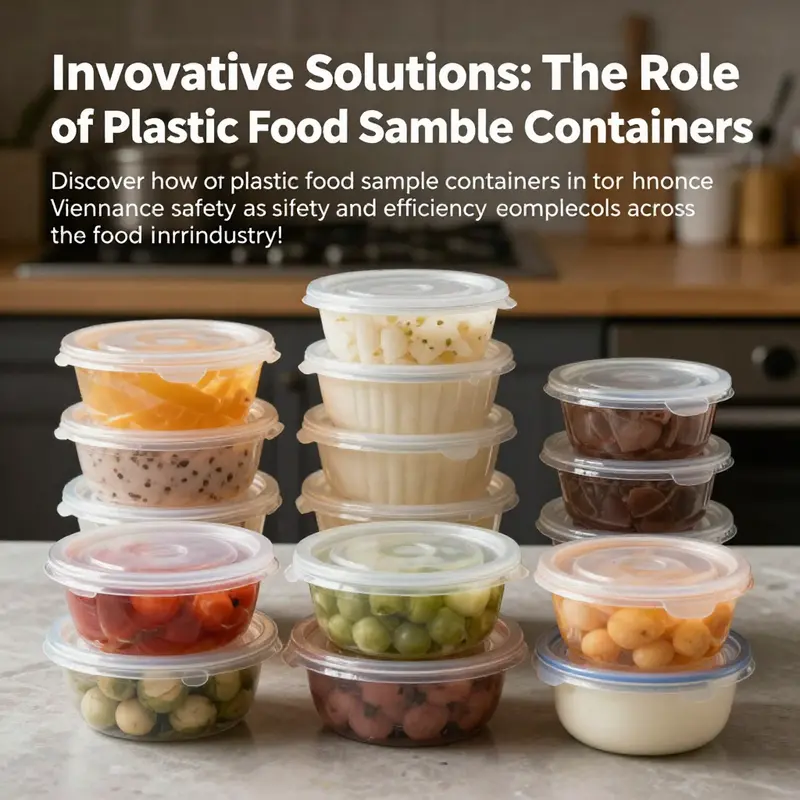
Plastic food sample containers are essential tools for various sectors including bubble tea shops, restaurants, food trucks, and catering services. They serve critical functions such as food sampling, storage, and convenient transport while maintaining the safety and integrity of food products. This article delves into four pivotal chapters: first, we explore the common types and uses of these containers, showcasing how they cater to the unique demands of food service operations. Then, we examine the primary materials and characteristics that determine their performance and usability. Following that, we discuss safety and testing results, underscoring the importance of adhering to health standards. Finally, we provide insight into market supply and procurement information to help businesses make informed choices. Overall, this comprehensive guide aims to equip food service professionals with the knowledge to select the right containers for their needs.
From Sample to Shelf: The Subtle Engineering Behind Plastic Food Sample Containers
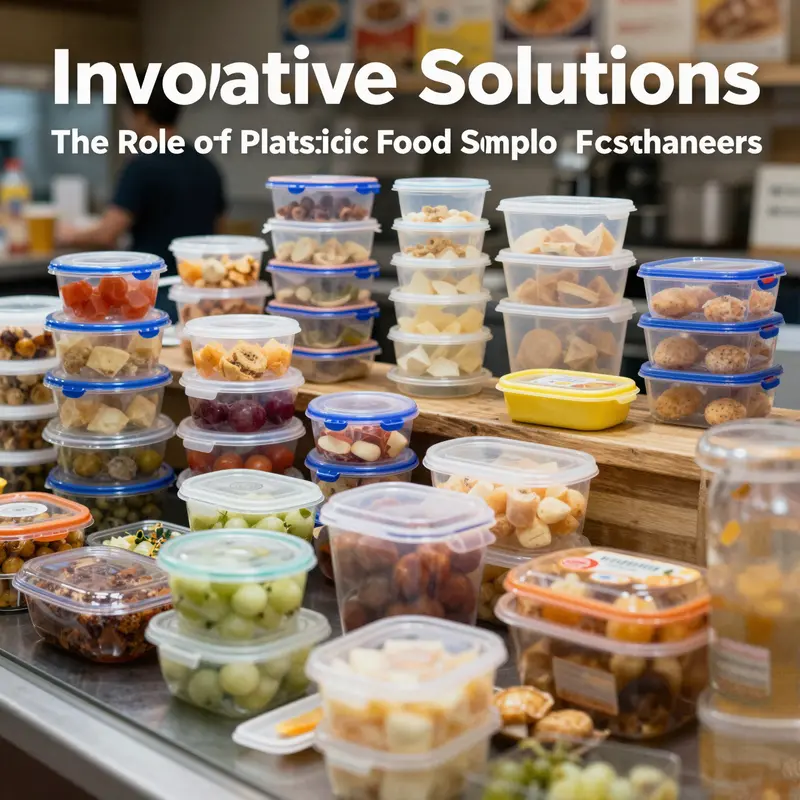
Plastic food sample containers sit at a quiet intersection of science, logistics, and everyday life. They are not glamorous; they are reliable. Yet their design embodies a careful balance between chemical safety, mechanical strength, and practical utility. When a food company collects samples for testing, when a caterer prepares a trial offering, or when a research lab stores a time-sensitive specimen, these containers become the unsung infrastructure that preserves integrity. The best containers endure a spectrum of conditions—from chilling to warming, from humidity to dry air—and do so without interfering with the sample itself. In this sense, their value emerges not from flash but from foresight: a view of how materials behave, how heat and moisture move, and how trace substances might migrate under specific circumstances. The overall topic of plastic food sample containers is therefore not just about what they hold, but about how their construction supports the accuracy of analysis, the safety of handling, and the reliability of results that downstream decisions rely on. A well-chosen container reduces variables and helps researchers and operators focus on what really matters: the sample and the story it tells about quality, safety, and process. In practice, that means selecting among material families, shapes, and sealing strategies that align with the food type, the intended storage or transport condition, and the regulatory environment. It also means acknowledging the limits of each option so that missteps do not become misreadings in the data set. The narrative of these containers, then, is a narrative of adaptability. It speaks to laboratories that must shield delicate phases of food chemistry from external influences, to staging areas that demand low breakage and clean handling, and to marketplaces where promotional samples must arrive on time and in presentable form. All of these demands shape a spectrum of widely used configurations that share a common goal: to maintain sample integrity without becoming a source of contamination or misrepresentation.
The most visible axis of variation lies in material choice. Polypropylene and high-density polyethylene stand out as workhorses for standard rigid containers. These polymers offer respectable resistance to cold and ambient temperatures and provide sturdy walls that resist crushing or denting during handling. They also support straightforward sealing schemes when paired with well-fitting lids. Yet even within this category, cautions arise. They are generally reliable for cold or room-temperature samples, but oily components, fatty liquids, or frequent reheating can press the seal and creep through interfaces if the design relies solely on a simple snap or friction lid. In practice, users read the surface of the container as a cue to its suitability for a given sample. For cold samples, a clear advantage is the ability to visually inspect contents without opening the lid, which reduces exposure risk and preserves the microenvironment inside. For liquid samples, the wall thickness and lid geometry become crucial; slight deformation can compromise a seal that otherwise would hold. In short, rigid PP and HDPE are versatile, cost-efficient, and generally safe for a broad range of cold and ambient samples, but they demand careful alignment with the sample’s physical and chemical demands.
Venturing beyond the standard rigid box, containers with vent holes address a different set of needs. Perishables such as leafy greens, berries, fresh herbs, and cut vegetables must breathe a little. These products are susceptible to moisture buildup that speeds deterioration through condensation, enzymatic activity, or microbial growth. Small vent holes in the lid or walls allow controlled airflow that moderates humidity inside the container while keeping the contents shielded from contamination. The result is an extended shelf life relative to a fully sealed scenario, a feature particularly valuable in promotional events, short-term displays, or sampling stations where samples may sit under lighting or temperature fluctuations. Vented designs also play a practical role in freezer storage, where pressure changes during freezing can cause rigid, nonvented containers to crack. The venting mechanism becomes a way to prevent that mechanical failure while preserving sample quality. Still, vented containers trade a little moisture control for the necessity of maintaining cleanliness and consistent vent performance over time. The careful engineering of vents—size, distribution, and placement—determines how effectively a container manages moisture without inviting condensation that could muddy results or degrade the sample. In the context of a lab or a test kitchen, these containers illustrate how a small architectural choice can ripple outward into meaningful differences in sample integrity and operational efficiency.
A third major family—expandable or foam containers, often produced from EPS—brings thermal insulation to the foreground. Foam containers have earned a reputation for keeping hot items hot and cold items cold, an attribute that is particularly valuable for takeout services and delivery workflows where timing can influence temperature exposure. Their light weight and stackability ease transport and reduce handling fatigue, while their insulating properties help minimize thermal shock during transit. The trade-offs here are not purely functional. EPS foam also raises environmental considerations, which weigh into procurement decisions in many organizations. The decision to use foam containers frequently hinges on the expected duration of storage, the likelihood of temperature excursions, and the overall logistics timeline. When nesting, sealing, and stacking are combined with thermal performance, foam containers offer a compelling option for quick-turn samples or trial portions where heat management is part of the sample’s context. The shape flexibility of foam—ranging from square to round and even triangular forms—adds to their adaptability in crowded display or takeaway settings. In practice, the foam family is valued for insulation and convenience, but it invites a broader conversation about sustainability, disposal, and end-of-life considerations that accompany any material choice.
A fourth category centers on airtight or vacuum-seal containers. When the goal is long-term storage, traceability, or careful transport, airtight closures deliver a barrier against moisture ingress, air exchange, and external contaminants. These containers are common in laboratory and industrial settings where samples must be preserved over weeks or months, or where samples must be shipped with a minimized risk of leakage. In combination with venting mechanisms, airtight systems can avert vacuum lock when thawing or opening after freezing, ensuring that the user can access a sample without a sudden air surge that might propel dust or droplets. The practical value of tight seals lies in reproducibility. When researchers or quality-control technicians repeat a test, a consistent seal means that observed differences in results are attributable to the sample itself, not to the container. The engineering challenge is to maintain a perfect seal under the expected temperature and pressure conditions, while also enabling convenient opening and resealing. The result is a confident workflow in which samples can be stored, transported, and reanalyzed with minimal risk of alteration.
Across these categories, the common thread remains clear: container design must align with the sample’s chemistry, the environmental context, and the end use—whether it is for promotional distribution, field testing, or formal laboratory analysis. The choices also ripple into the labor ecosystem that surrounds sample handling. Operators appreciate clear labeling surfaces, robust lids, reliable seals, and compatibility with existing storage racks and automation. Given the diversity of samples—from dry goods to viscous liquids—the market responds with a spectrum of options that can be tailored to a given testing regime or distribution plan. The broader packaging landscape, including different materials and configurations, is worth examining in parallel. For those exploring the full range of materials and formats, a look at the plastic packaging category can illuminate how these containers fit into a larger system of containment, labeling, and reuse (see https://cupbowlpack.com/product-category/plastic-packaging/).
In all cases, the design choices should harmonize with the specific objective of preserving sample integrity while promoting safe handling and efficient workflow. The literature on safety and performance also guides practice beyond just mechanical considerations. Guidance from established authorities emphasizes that material safety depends on the intended use, temperature exposure, and contact duration. It is widely understood that migration of contaminants from plastics into food contact scenarios remains a central concern and a key axis for risk assessment. This is reflected in testing programs that examine heavy metals, residual monomers, and overall migration under defined conditions.
A particularly instructive point comes from a longstanding evaluation conducted by a food safety authority, which tested a broad spectrum of one-time use containers and lids. The results showed that, under normal usage, the samples generally complied with safety standards for heavy metals and residual monomers. The overall migration limits were met for the majority of materials, reinforcing the notion that careful material selection and proper use conditions can minimize risk. A notable exception appeared when a specific type of container was challenged with high-temperature conditions and a high-fat content. In that circumstance, the migration level slightly exceeded the permitted threshold at an elevated temperature of 120 degrees Celsius, though it did comply at a lower temperature of 100 degrees Celsius. This finding underscores a practical guideline: avoid placing highly oily or high-fat foods in certain plastic containers at extreme temperatures for extended periods. It is a reminder that safety is not a fixed attribute of a material but a function of how it is used. This nuance reinforces the importance of matching container selection to the intended culinary context, storage plan, and heat exposure profile. The take-home message is not to fear a given material but to deploy it with an awareness of its limits and a defensible plan for use.
The same logic extends to the lab and the retail setting. In laboratory environments, where samples may travel through various hands and machines, airtight or vacuum-sealed containers help maintain consistency across replicates. In retail and sampling campaigns, clarity of labeling, predictable sealing behavior, and reliable temperature performance are what translate into credible results and trustworthy consumer experiences. The broader lesson is that containers are active participants in the chain of custody of a sample; their properties influence every downstream decision, from how long a sample can be stored to how confidently results can be interpreted after transport.
Modern procurement ecosystems reflect this reality by offering multiple modes of customization. Suppliers can tailor wall thickness, sealing lip geometry, vent hole pattern, and lid torque to the exact needs of a project. They can also provide a spectrum of temperatures and materials that balance cost with performance. The market for these containers spans a wide geography, with suppliers capable of batch production and rapid prototyping for pilot studies. While the global supply chain presents opportunities, it also introduces considerations about quality control, traceability, and compliance with local safety standards. As a result, organizations tend to adopt standardized specifications for routine sampling while reserving more specialized configurations for scenarios that demand particular barrier properties or venting behavior. In this light, the procurement decision becomes a function of risk management, operational efficiency, and scientific integrity rather than purely a question of price.
The sustainability dimension further complicates the decision calculus. Recycling rates for plastic food containers vary widely across regions. Some markets emphasize recycling and reclaim to reduce the environmental footprint, while others rely on incineration as a disposal route. Designers and purchasers increasingly weigh life cycle considerations—factors such as recyclability, potential for reuse, and the use of recycled content. As materials science evolves, biobased or more easily recyclable polymers emerge as attractive alternatives for certain applications. The push toward circular economy models challenges manufacturers to create systems that allow collection, sorting, and reprocessing with minimal contamination. In addition to material choice, consumer and business expectations are shaping packaging strategies. Clear labeling about disposal and end-of-life options helps users make sustainable choices. The tension between performance and sustainability remains a central theme in the evolving landscape of plastic food sample containers.
Regulatory environments add another layer to this complexity. The reference framework for food contact materials emerges from multiple regions, with agencies publishing guidelines that describe safe practice, testing methodologies, and acceptable limits for migration. The FDA, among others, maintains comprehensive guidance that informs manufacturers and testers about the expectations for materials that contact food and beverages. While local agencies may conduct independent assessments, these guidelines provide a consistent baseline for global companies operating across markets. They also encourage harmonization where possible, supporting a more predictable regulatory environment for research labs, testing centers, and hospitality settings. For readers who wish to explore the standards more deeply, the FDA’s official guidance on food contact materials offers a reliable reference point for understanding how substances migrate and how to interpret test results in the context of actual use. This external perspective complements the FEHD report that anchored earlier discussion by illustrating how different jurisdictions frame safety expectations and how these framed expectations translate into practical choices at the bench and in the market.
In sum, plastic food sample containers are not merely passive vessels. They are engineered interfaces that translate the language of chemistry into usable, reliable, and safe handling experiences. They enable sampling by preserving the identity of what is inside, support testing by eliminating extraneous influences, and facilitate outreach and distribution through practical designs, efficient seals, and adaptable forms. The story of these containers is thus a story about disciplined material science meeting real-world needs. It is about knowing when a container must hold a sample at room temperature versus when it must withstand a hot or oily environment. It is about recognizing that a simple vent hole or a snug vacuum seal can alter outcomes, sometimes in subtle fashion, sometimes in decisive ways. And it is about embracing the broader responsibilities that accompany the power of packaging materials: to protect, to inform, and to steward resources in a way that serves science, industry, and the public good.
For readers seeking a wider view of how container choices integrate with packaging ecosystems, a quick reference to the broader plastic packaging category can be instructive. This linkage helps trace how the same materials and design principles that govern sample containers also shape the packaging that supports product integrity from production line to consumer. By keeping sight of the bigger system, practitioners can make informed decisions that respect both the science of containment and the values of sustainability.
External resources provide further depth on safety and standards. For a comprehensive set of guidelines about food contact materials, consult the FDA’s guidance on food contact substances and related materials. This external reference complements the historical FEHD testing outcomes and supports a balanced approach to container selection, testing, and use in diverse settings.
In the final accounting, the art of choosing plastic food sample containers rests on aligning material behaviors with the specific aims of sampling, testing, and outreach. It requires attention to how a sample responds to light, heat, moisture, and mechanical handling, as well as how the container itself can influence those responses. It demands that users understand both the universals of polymer performance and the particulars of their own workflow. And it invites ongoing dialogue among scientists, educators, food service professionals, and packaging specialists about how best to protect sample integrity while advancing safety, efficiency, and sustainability in equal measure.
Under the Lid: How Primary Materials Shape Safety, Function, and the Flow of Plastic Food Sample Containers

The journey of a plastic food sample container begins long before the lid clicks shut. It starts with a decision that seems simple but carries outsized consequences: which plastic material will hold a sample, protect its integrity, and travel through the chain from field collection to laboratory analysis, and, in some cases, onto a kitchen or serving line. The container is not just a vessel; it is a conduit for data. The material choice, the manufacturing method, and the design all interact with temperature, fat content, time, and handling practices to influence what actually reaches the food, the laboratory, or the consumer. When we examine plastic food sample containers through this lens, the materials emerge as the quiet but decisive agents of safety, reliability, and practicality, guiding decisions that touch public health, supply logistics, and environmental responsibility alike. In this chapter, the central question is not merely what plastics are used, but how those plastics function in the real world—how their properties align with the needs of sampling, storage, and, occasionally, reheating or transport, and how those properties align with safety standards across regions. This line of thinking anchors the larger story of plastic packaging in food contexts: the tradeoffs, the safeguards, and the evolving innovations that keep containers consistent with evolving science and regulation.
To understand the materials that dominate this space, it helps to map the family tree of plastics most commonly deployed for food sampling and related uses. The most familiar member is polypropylene, or PP, renowned for its durability and the practical flexibility of its shape. PP resists shattering, a critical attribute when containers are handled by hands that differ in size, grip strength, and precision. In the field, samples may be dropped, stacked, or squeezed as investigators and clinicians work through their protocols. In the lab, the need for reliable closure means that PP’s fast-sealing lids and robust heat tolerance come into play. In the context of meals and testing, PP boxes can often be microwaved for reheating or warming prior to examination, a convenience that is particularly valued when sample preservation must be maintained while ensuring accessibility of the contents. For those who routinely assemble takeout-style samples or multi-compartment sets, PP’s clarity and stackability prove advantageous, helping to keep contents visible and organized without increasing bulk. In many East Asian and other markets where bento-style designs are popular, PP’s balance of rigidity, lightness, and transparency makes it a preferred choice for containers that must hold several sample portions while occupying limited storage space.
Equally common in this landscape is polystyrene, including its general form PS and the expanded variety EPS. PS-based containers are light and possess strong insulating properties, which can be a boon for samples that require temperature control during transport or temporary storage at ambient conditions. The insulating capability helps mitigate heat and moisture transfer, reducing the risk of premature migration or moisture-related changes in the sample. However, PS has a known caveat: high-temperature exposure or contact with fatty foods can raise concerns about residual monomer migration and structural changes. This is not an abstract risk; it reflects real-world testing conducted in regulatory laboratories. In a rigorous evaluation by a major health authority, PS containers were monitored under simulated conditions that combined high temperature and oily contents. The results indicated that migration limits could be breached under extreme scenarios, specifically when a PS container was subjected to about 120°C with fatty foods. At 100°C, the same container complied with the standards. This finding translates into a practical guideline: while PS can be suitable for disposable takeout or sampling containers under many conditions, it is prudent to avoid using PS containers for long-term contact with hot, fatty foods or extended heating. In everyday practice, this means treating PS as a reliable default for cold or moderately warm samples, but exercising caution for hot, high-fat samples. The takeaway is not a blanket prohibition but a conditional-use framework that prioritizes safe handling and clear labeling around temperature and content type.
A third material widely found in this domain is polyethylene terephthalate, or PET. PET is valued for its clarity and rigidity, making it an excellent choice when the visual inspection of a sample is important, or when stacking stability and rigidity are desired for custodial or archival purposes. PET’s barrier properties—effective against moisture and oxygen—also contribute to the stability of sampled contents during short-term storage and transport. Yet, PET offers less heat resistance than PP, which can limit its suitability for hot-fill applications or containers designed for microwaving. In the management of food samples, PET often serves well in cases where cold or room-temperature samples must be held with a clear view of contents, or where samples require rigid, shatter-resistant packaging to support precise aliquoting and documentation. In combination, these materials give laboratories and suppliers a palette of choices that can be matched to specific sampling regimes, whether the priority is microwave reheating, visual inspection, thermal insulation, or mechanical durability during handling and transit.
Beyond these mainstream plastics lies a growing family of bio-based or recyclable alternatives, driven by sustainability imperatives and evolving recycling streams. In many regions, requests for compostable or biodegradable, or at least recyclable, containers are increasingly common. These options are not just about end-of-life disposal; they influence the design process itself. For instance, a container that pairs a lightweight, bio-based lid with a recyclable body may align with circular economy goals while maintaining the necessary barrier properties and mechanical strength for sample integrity. The challenge, of course, is balancing environmental performance with the practical realities of sampling workflows: temperature exposure, shelf life, cross-contamination risk, and regulatory compliance. The environmental profile of any container is now part of the decision matrix alongside migration considerations, heat resistance, and clarity. In practical terms, this means that procurement strategies for laboratories and service providers increasingly weigh the full life cycle of containers, from material sourcing and production energy to end-of-life handling and post-consumer recycling streams.
In terms of safety and regulatory alignment, the story of primary materials intersects with a web of standards that define what is permissible under various conditions. Across North American and Asian markets, standard-setting bodies—whether national or international—outline limits on heavy metals and on residual monomers. These controls help ensure that a container designed to hold edible samples does not introduce contaminants during normal use. The research literature and regulatory test results consistently show that properly manufactured plastic food containers exhibit minimal chemical migration under standard use. The bulk of samples in the Hong Kong FEHD study met migration limits for heavy metals and residual styrene monomer. The study’s broader message underscores an important practice principle: containers should be used within their intended parameters, particularly in relation to temperature and fatty content, to preserve safety margins. The one notable exception—the PS container under high-temperature and high-fat simulated conditions—provides a cautionary data point, reinforcing the principle that the physical and chemical behavior of plastics is not static; it shifts with the environmental context of use. This emphasizes the need for clear guidelines in lab protocols and for labeling that communicates appropriate use conditions to technicians, vendors, and end users alike.
The practical implications of these material choices extend beyond strict safety, shaping how samples are collected, stored, and transported. For example, the multi-compartment and resealable designs derived from PP moldings support meticulous sampling regimes in educational settings, hospitals, or research kitchens. They enable laboratories to segment portions of a meal or test specimen, track provenance through labeling, and maintain cleanliness and separation between samples. The robust heat tolerance of PP also lends itself to reheating steps that some sampling protocols might require, though this should always be done within approved temperature windows to prevent any unintended migration or structural compromise. By contrast, PS-based containers—especially when designed with thicker walls and insulating features—offer a cost-effective option for short-term storage and transport of non-fatty, non-hot samples, but practitioners must be mindful of the limits described above. PET, with its optical clarity, makes sense when documentation or visual inspection of the sample’s appearance matters, such as color and sediment checks, or when the container must stand up to longer-term storage while remaining physically intact.
Design features, too, matter as much as the base material. The lid mechanism, the seal integrity, and the ability to resist cold storage or freezing without cracking are essential attributes. In bulk supply chains, manufacturers emphasize standardized sizes, compatibility across product lines, and the ease with which laboratories can automate labeling and tracking. The market also reflects a growing preference for containers that combine clarity with physical strength and reliable sealing—properties that reduce the risk of sample contamination due to leakage or cross-contact. The outcome is a spectrum of container designs that can be matched to specific sampling ecosystems—from academic cafeterias and clinical labs to field operations in municipal health inspections. When deciding among these choices, buyers typically weigh factors such as sample type, required length of storage, whether heating will occur, and how the container will move through the supply chain. The decision is rarely about a single attribute; it is about a compatible constellation of material properties and functional features that together maintain sample integrity, minimize risk, and support efficient workflows.
From a procurement perspective, the sheer range of sizes and features available in the market—without naming particular brands here—reflects a mature ecosystem that understands the diversity of sampling practices. Suppliers offer everything from small aliquot containers of a few milliliters for micro-sampling to larger, multi-compartment boxes for meal portions and retention samples. The ability to customize lids, seals, and interior configurations for specific use cases—such as sugar-coated samples or powdered substances—illustrates how material science and packaging design translate into practical benefits. Yet customization must remain aligned with safety testing frameworks. The core idea is straightforward: the container is chosen to suit the food’s physical and chemical profile, not the other way around. When a sample includes high-fat content or requires precise temperature control, PP-based designs or carefully validated PS options might be the best fit, with PET reserved for scenarios where visibility is paramount and heat exposure is modest. In every case, the selected container must harmonize with the laboratory’s testing regime, the sampling protocol, and the regulatory expectations that govern safe handling and traceability.
For readers seeking deeper context on how these materials behave under regulatory scrutiny, the broader scientific literature offers a coherent narrative about migration, metal content, and the effect of temperature on polymer integrity. A comprehensive external reference provides a wide lens on container safety and materials science as it relates to food contact. This work not only reinforces the practical guidelines described above but also broadens the understanding of how different plastic families interact with diverse food matrices. The comparative emphasis across studies helps practitioners avoid overgeneralizing findings from a single material to all plastic containers, reinforcing the importance of material-specific testing and context-aware usage.
In sum, the materials chosen for plastic food sample containers carry a ripple of consequences through every stage of sampling and reporting. PP’s heat tolerance and mechanical resilience make it a versatile backbone for many sample workflows, while PS offers lightweight insulation with clear advantages and nuanced risks at higher temperatures and with fatty foods. PET contributes clarity and rigid protection for visual inspection and short-term storage, albeit with heat resistance limitations. The emergence of bio-based or recyclable variants reflects evolving priorities in sustainability that laboratories and suppliers are increasingly embracing, albeit with careful attention to how these materials perform under real-use conditions. The FEHD study’s reassuring messages about safety under normal use provide a foundation for ongoing confidence, while the PS caveat at extreme conditions underscores the need for explicit usage parameters and ongoing education. As the field progresses, the interplay between material science and procedural rigor will continue to shape how data travels—from the moment a sample is sealed to the moment it informs decisions about safety, standards, and public health. For procurement teams and practitioners, the guiding principle remains clear: select the container that best preserves the sample’s integrity within the specific workflow, temperature range, and regulatory expectations, and ensure that every choice is supported by evidence from material testing, toxicology considerations, and quality assurance protocols. If you seek a concise overview of the packaging categories and options that underpin these decisions, you can explore the broader range of packaging solutions available in the industry’s plastic packaging category, which offers a spectrum of materials and designs designed to balance visibility, protection, and reuse in a single system. See the plastic packaging category at https://cupbowlpack.com/product-category/plastic-packaging/. In the scientific discourse surrounding container safety, researchers and regulators alike remind us that context matters: the same material can behave differently under different temperatures, fat contents, and exposure durations, and the container’s job is to uphold sample fidelity across those varied conditions. The practical corollary is straightforward: match the container to the scenario, verify compatibility with the food matrix and the intended use, and rely on well-documented testing to minimize risk. For those who want to see how migration and trace-level risks are studied, a comprehensive external resource provides additional grounding for these discussions and helps connect practical guidelines to the underlying science: https://www.ncbi.nlm.nih.gov/pmc/articles/PMC11389586/
Guardians of the Sample: Safety, Testing, and Trust in Plastic Food Sample Containers
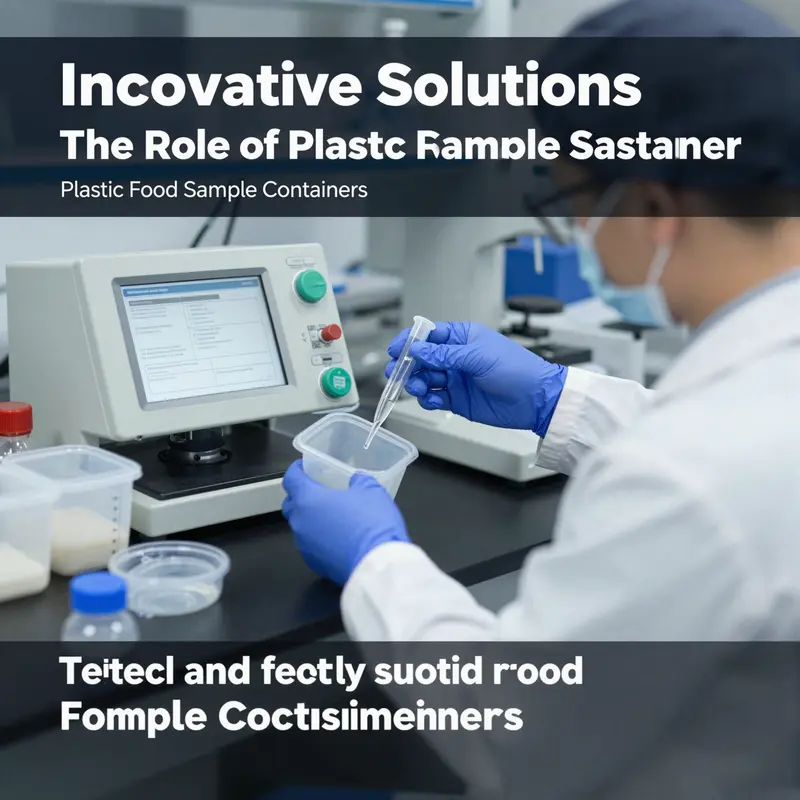
Plastic food sample containers sit quietly at the edge of many scientific routines and everyday meals, yet they anchor the reliability of data, the integrity of taste tests, and the safety of people who handle them. In laboratories, classrooms, and kitchens alike, these containers carry more weight than their transparent shells suggest. They are the quiet stewards of samples that feed careers, protect public health, and enable quick service without sacrificing quality. When we trace the journey of a sample from its preparation to its storage and, eventually, to disposal, the container becomes a constant touchpoint that frames the experience of every bite and every byte of information that follows. This chapter follows that thread, weaving together material choices, safety testing, and practical guidance into a cohesive portrait of how plastic sample containers operate under scrutiny and use, and how they shape trust across multiple settings.
The landscape of plastic food sample containers is remarkably diverse, reflecting the different demands of sample retention, portioning, and distribution. In many institutions, containers are designed for留样—keeping a sample of meals for subsequent testing and reference. These are often small, transparent, and sealed to maintain traceability and prevent cross-contamination. They must endure cold storage or even freezing, work reliably in routine inspections, and be simple enough to handle in busy kitchens or laboratories. For everyday food service, two practical forms dominate: two-compartment microwavable lunch boxes that support reheating and transport, and compact, customized sample boxes for demonstrations, tastings, or regulatory audits. The third strand—the bespoke, small-volume sample container—speaks to a different need: a precise, often decorative, packaging solution such as a 25 ml container with a lid designed for confections, careful labeling, or trial retail. Across these forms, the material story matters as much as the shape. A single container is rarely a mere vessel; it is a compound of chemistry, design, and safety expectations that together determine whether a sample stays faithful to its origin and whether a consumer placekicker of risk remains outside the door.
At the heart of material choice sit several well-established plastics, each with its own profile of heat resistance, mechanical durability, chemical compatibility, and potential migration behavior. Polypropylene, or PP, is a workhorse for containers that see heat. It tolerates microwaving when labeled as microwave-safe, resists chemical attack from common food components, and offers a balance of stiffness and light weight that suits everyday storage. The same family of thermoplastics can be tuned for different rigidity, wall thickness, and sealing capabilities, so a lab or kitchen can select a version that matches the sample’s storage needs without compromising performance. Polystyrene, or PS, has a storied place in single-use containers but carries increased scrutiny when exposed to high temperatures. The risk, in this context, is the potential migration of residual styrene monomer under certain conditions, especially when the container contacts high-fat foods or is heated to high temperatures. The real-world behavior hinges on the combination of food type, temperature, and the container’s structural integrity. HDPE and PET provide alternatives that are chosen to suit particular storage or beverage-related roles. HDPE’s higher chemical resistance and durability pair with a wider temperature spectrum, while PET’s clarity and barrier properties make it a natural fit for certain dry foods and beverages. The growing interest in bio-based or recycled plastic options adds a further dimension to the decision matrix, inviting considerations of sustainability alongside traditional performance metrics.
Understanding how these materials perform in real conditions requires looking at the outcomes of systematic testing, not just theoretical properties. A foundational piece of this story comes from the laboratory work conducted by a public health authority in Hong Kong, which evaluated a broad range of disposable plastic food containers and their lids. This 2005 assessment tested fifty samples across thirty container-and-cover configurations, with a particular emphasis on heavy metal content and residual monomer migration. The results were reassuring in two important respects. First, all samples met the safety thresholds for heavy metals and residual styrene monomer under standard use. This finding provided a baseline confidence that, when used as intended, typical containers did not introduce measurable toxic elements into food products. Second, the migration testing—designed to simulate real-world contact with various foods under realistic conditions—showed that most materials remained within regulatory limits across the board. The essential caveat from the study, however, lies in one specific scenario: a polystyrene container used to hold high-fat food at an elevated temperature of 120 degrees Celsius. In this instance, the migration level breached the limit, signaling that the product could still pose a risk under certain extreme conditions. Yet, at 100 degrees Celsius, the same container complied with standards. This nuanced takeaway matters: it is not a blanket condemnation of PS, but a directional reminder to avoid high-fat, high-temperature exposures for PS-based containers when safety is a priority.
Those cautious lines in the safety report translate into practical guidelines for users. The core advice echoes through many laboratories and eateries: avoid heating plastic containers in the microwave unless the product is explicitly labeled as microwave-safe. For foods that are hot, oily, or likely to reach high temperatures, the prudent course is to transfer the contents to a more resistant material—often glass or another heat-tolerant option—before reheating. Equally important is the awareness that safety labels matter. Choosing reputable brands and paying attention to the packaging’s safety indicators helps ensure that the container you rely on for sample storage, distribution, or serving aligns with tested standards. In the lab context, this means a firmer grip on standard operating procedures and a clearer chain of custody for samples, since even small deviations in container performance can influence how a data set is interpreted or how a sample degrades over time.
These laboratory findings gain further texture from a parallel strand of risk assessment conducted by the same regional health authority in 2009. This later report highlighted concerns that can accompany certain container configurations when used for quick-service or take-out applications. Instant noodle cup containers were singled out because their multi-layer construction and film lids could permit the migration of chemical substances under specific conditions. The report’s cautious tone noted that substances such as styrene monomer and heavy metals could migrate into the food under some circumstances, and that contaminants like toluene diamine in film lids might also pose a risk. While the assessment did not categorically declare all such containers unsafe, it underscored that migration risk exists on a spectrum, influenced by material composition, the presence of barrier layers, and how long a substance is in contact with hot or fatty foods. The practical implication is not a blanket prohibition but a call for thoughtful pairing of container design, food type, and usage pattern. When researchers or servers handle samples that involve fats or high temperatures, the migration risk is higher and mitigation through better materials or shorter contact times becomes a meaningful design parameter.
From these safety signals emerge a set of sensible practices that align with both laboratory precision and everyday practicality. First, users should treat plastic containers as part of a controlled system rather than as self-contained safety units. The system includes what the container is made of, how it is sealed, the temperature regime it experiences, and the duration of contact with the contents. Second, products should come with explicit, tested safety information that guides use. This means clear instructions about microwave use, maximum temperatures, and compatibility with various food types, especially high-fat or acidic foods. Third, the procurement process should favor containers that have undergone robust migration testing or that come from reputable manufacturers who publish safety data, even though the labels themselves do not guarantee perfection in every possible circumstance. Fourth, institutions can implement simple, low-cost controls—such as avoiding repeated reuse of a single-use container for high-temperature or high-fat applications, rotating samples to minimize storage time, and ensuring that sample labels remain legible even if the container experiences minor deformation during storage.
Readers who want to extend their understanding beyond the cited reports will find value in exploring the broader literature on plastic packaging safety. An overarching point from this corpus is that recycling codes, while useful for identifying recyclability, do not automatically imply food safety. The resin materials and production processes behind containers carry distinct risk profiles that standard recycling labeling cannot fully capture. The essential lesson is clear: food safety depends not just on the material class but on how the material and its full packaging system interact with the intended food context, including the temperature, duration of contact, and the chemical nature of the food. This is why rigorous testing, transparent labeling, and careful use remain foundational to responsible practice in both research and service environments.
As users weigh their options, a practical, forward-minded approach matters. Consider the intended application—sample retention, distribution, or hot-service—but also reflect on the life cycle of the container itself. How easy is it to recycle or responsibly dispose of after use? Are there options that combine necessary performance with lower environmental impact? The natural evolution in this domain leans toward materials that can deliver the same performance at lower risk, with better barrier properties, and with a clear end-of-life pathway. In the meantime, the best path is to ground every choice in evidence from testing and to translate that evidence into everyday practice. When you select a container for sample storage or distribution, you are not only choosing a vessel; you are selecting a boundary condition for the data you collect and the meals you serve.
For readers who wish to browse a broad spectrum of packaging choices without losing sight of safety, consider exploring the plastic packaging category to learn about available options that balance performance with practical constraints. This overview can help bridge laboratory needs with real-world application, guiding decisions that support reliable sample handling while still meeting the demands of fast-paced environments. plastic packaging category
Looking ahead, the conversation around plastic food containers will continue to be shaped by advances in materials science, better understanding of migration dynamics, and a continued push toward sustainability. The interviews of regulators, researchers, and practitioners underscore a shared commitment: to minimize risk while preserving the utility of containers that enable hands-on science and everyday dining. As research accumulates, the guidance we derive from it will sharpen, narrowing the gap between laboratory safety assurances and real-world use. The stories of these containers, in other words, are not static; they evolve with new data, new materials, and new expectations from researchers, cooks, and shoppers who rely on them every day.
External reference: For a broader, more technical treatment of plastic food container safety and the nuances of migration, see the PMC article on Plastic Food Container Safety. PMC article on Plastic Food Container Safety.
From Lab Bench to Table: Mapping the Global Market and Procurement Pathways for Plastic Food Sample Containers
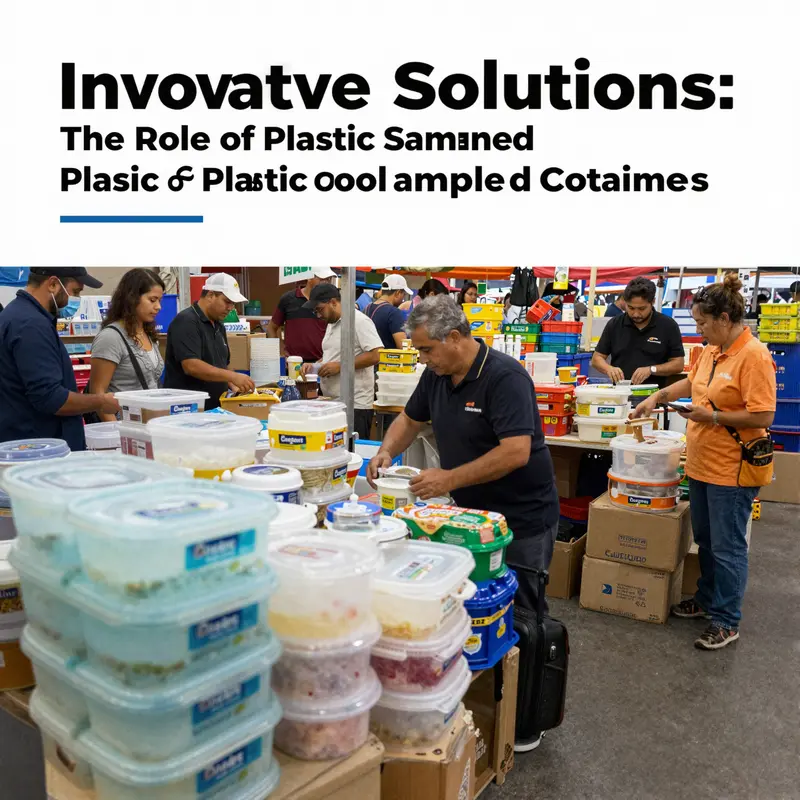
Plastic food sample containers act as a quiet backbone of modern food safety and service, a conduit between controlled laboratory practice and everyday meals. They are not merely vessels; they are the interfaces through which samples are preserved, inspected, and, in many cases, delivered to the point of service. The journey from a controlled testing environment to a bustling kitchen or a delivery podium depends on a blend of material science, regulatory compliance, and supply-chain choreography. When we examine this landscape comprehensively, several threads emerge: the variety of container types and their intended uses, the evolving material choices that balance performance with safety, the rigorous tests that reassure users about contaminants, and the dynamic market and procurement conditions that shape availability, cost, and reliability across regions.
First, consider the spectrum of containers themselves. In educational and clinical-adjacent settings,留样 or sample-retention boxes are engineered to hold meals and portions in a way that preserves the original state for subsequent analysis. These are typically small, transparent, and designed to withstand cold storage; they may also be sealed to minimize contamination during transport and handling. Beyond留样, two-die or multi-compartment lunch boxes and takeaway containers are common in food-service contexts, offering microwave compatibility and reliable sealing for both hot and cold items. For niche or promotional use, customized sample containers—such as small-volume jars or candy-like boxes with screw lids—cater to retailers or testers who require precise volumes and controlled presentation. Across these forms, a unifying requirement is clear: the container must safeguard the contents, be compatible with typical food-processing and serving temperatures, and maintain integrity under the rigors of handling from kitchen to lab to consumer.
Materials inform every decision about performance and safety. Polypropylene (PP) is the workhorse of many disposable containers because it combines heat resistance with microwave compatibility and durable mechanical properties. It can tolerate repeated thermal cycling, which makes it a practical choice for containers intended for heating and immediate consumption. Polystyrene (PS) remains widespread for single-use formats due to its clarity and rigidity, but it carries caveats: under high temperatures or with high-fat foods, residual monomer migration can become a concern if the use conditions exceed recommended limits. High-density polyethylene (HDPE) and polyethylene terephthalate (PET) feature prominently in packaging for beverages and dry goods, contributing to robust barrier properties and chemical inertness that support longer shelf-life and reduced flavor interaction. In recent years, the emergence of bio-based and recycled or recyclable plastics has added a new dimension to design considerations, especially as suppliers and buyers seek to align with sustainability goals without compromising safety or functionality.
Safety validation remains a cornerstone of confidence in these containers. A landmark evaluation conducted by a recognized food research authority examined a broad set of disposable containers and lids, focusing on heavy metals and residual monomers such as styrene. The results were reassuring: under typical use conditions, all tested samples met the prevailing safety standards for heavy metals and styrene migration. The overall migration tests showed that most materials remained well within regulatory limits, with one notable exception: a polystyrene container used for high-fat food at an elevated temperature of 120°C showed a migration level that exceeded the standard. At 100°C, however, the same material complied with the standard. This finding carries a practical implication: avoid long-term use of PS containers with oil-rich foods at very high temperatures. In routine practice, this translates into guided use—select PS containers for applications where high heat is not sustained on fatty foods or ensure alternative materials are used when hot, oily samples are involved. Such nuanced guidance underscores a broader truth: safety in this realm rests not on a single material choosing but on a thoughtful alignment of material, use-case, and temperature profile.
The market landscape surrounding these containers is expanding, driven by growth across food service, retail, and manufacturing sectors. Projections indicate that the global market for plastic food containers will reach roughly $163.6 billion by 2033, with a compound annual growth rate of about 4.6% from 2026 through 2033. This expansion reflects sustained demand for reliable packaging solutions that can handle sampling, testing, display, and distribution at scale. The dynamics are multi-layered: strong activity in hospitality and institution-based food preparation sustains steady demand for留样与分装容器, while innovations in barrier properties, temperature resilience, and sealing systems expand possibilities for more diverse applications. In regional narratives, industrial clusters in parts of Southeast Asia—such as Penang in Malaysia—are often cited as engines of packaging demand, where dense manufacturing ecosystems and proximity to export hubs create reliable liquidity in supply chains for a broad array of container formats.
Procurement professionals navigating this space increasingly think beyond price and proximity. A modern sourcing framework emphasizes a multi-dimensional assessment that weighs material safety, compliance with global standards, supplier responsiveness, scalability to meet fluctuating volumes, and the ability to maintain consistent lead times. In practice, many buyers look to specialized manufacturers in large, export-oriented economies for volumes that can scale from pilot runs to mass production. Regions such as China host an ecosystem of producers with capabilities ranging from standardized mass-market lines to highly customized offerings tailored to specific sizing, sealing, and labeling requirements. The sourcing conversation often includes considerations of minimum order quantities (MOQs) that support startups and smaller distributors. MOQs can be surprisingly modest in some cases, with suppliers accommodating orders as small as a hundred units to enable experimentation and market testing without a prohibitive capital outlay.
Lead times and logistics further shape procurement choices. For many buyers, sea freight remains a reliable option for moving containers from manufacturing hubs to regional distribution centers. In particular, shipments routed from Chinese provinces with established plastics industries to Southeast Asian markets can traverse sea routes that typically require eight to twelve days, depending on origin-destination specifics and port handling. This pace supports lean inventory strategies while preserving throughput needed for ongoing sampling programs, quality assurance testing, and temporary surges in demand around product launches or regulatory cycles. Of course, the exact timing depends on production scheduling, batch sizes, and the ability of suppliers to hit agreed milestones, but the overall pattern reinforces the value of integrating procurement planning with production calendars and regulatory timing.
The evaluation of suppliers in this field is itself a signal of risk management and quality assurance. Buyers commonly look for clear indicators of food-grade compliance, usually including language such as BPA-free polymers, certification alignments with standards referenced in FDA 21 CFR and relevant EU regulations, and transparent documentation like Material Safety Data Sheets (MSDS). While formal certifications may not always be listed for every model or SKU, the presence of explicit food-grade labeling, UV-resistant finishes for light-sensitive samples, and gasket-sealed lids provides practical assurance of quality. In regulated industries, teams often request MSDS documentation to verify each material’s safety profile, durability under expected temperatures, chemical compatibility with various test media, and results from migration testing. These steps, though sometimes administrative, translate into lower risk for contamination, recalls, or regulatory non-compliance and help ensure that sampling remains scientifically sound across the chain of custody.
Regional insights further color this procurement tapestry. In the Philippines, for example, buyers have shown strong interest in high-clarity plastic jars with reinforced impact resistance for premium cosmetic and food packaging applications. The emphasis in this market segment tends to center on UV protection and sealing reliability as proxies for quality, especially in contexts where formal certification visibility may be variable. Such regional preferences illustrate how market needs can diverge while still aligning with overarching safety and performance criteria. They remind us that a one-size-fits-all procurement approach often misses the nuances of local supply, consumer expectations, and logistical realities. The connective tissue across these regional patterns remains the same: a demand for containers that reliably preserve contents, protect against contamination, and travel through the supply chain with predictable timing and minimal risk.
For practitioners seeking to streamline procurement while safeguarding quality, an integrated approach makes sense. Begin with a clear map of intended use, including the temperatures, fats, and duration the container will encounter. Then evaluate material choices in light of both performance and safety standards, requesting MSDS and product data sheets as part of the supplier dialogue. Consider MOQs not as a hurdle but as a gateway to staged testing that can inform scalable commitments. Align production and logistics planning with lead-time buffers, port schedules, and potential regulatory review cycles to prevent disruptions. And when exploring suppliers, favor those who can articulate a coherent quality assurance story, including batch traceability, material certifications, and consistent documentation practices. The aim is not to choose a single “best” material or supplier, but to cultivate a network of capable partners who can deliver the right container for the right scenario at the right time.
As the market evolves, the role of these containers extends beyond mere containment. They become enablers of rigorous sampling programs, reliable testing workflows, and efficient service delivery. The capacity to customize volumes, seals, and labeling supports a wide range of experiments, from routine quality checks to specialized trials. The ability to scale procurement without sacrificing safety or compliance is a critical advantage for institutions, manufacturers, and distributors who operate on tight schedules and high accountability. In this sense, plastic food sample containers are more than packaging; they are a strategic element in supply chain resilience and food safety governance.
To readers who want to explore practical pathways for sourcing within this landscape, a glance at the broader packaging ecosystem can be instructive. The wider field of plastic packaging offers parallel lessons in design-for-safety, process efficiency, and environmental stewardship that translate directly to sample container programs. For those seeking a concise entry point into the broader options and capabilities, a gateway into the plastic packaging category presents relevant context, capabilities, and case studies that illuminate how material choices, sealing technologies, and supply-chain flexibility come together in real-world applications. Consider the broader packaging arena as a resource for understanding constraints and opportunities, even as you dial in the specifics of sample containers for testing, storage, and delivery. plastic packaging solutions provides an accessible entry point to this wider ecosystem while keeping the focus anchored on safety, performance, and procurement strategy.
The market outlook remains robust, with ongoing investments in material science, process optimization, and regional manufacturing capacity reinforcing supply stability even as demand broadens across service formats and testing paradigms. That stability is not just a comfort to buyers; it is a prerequisite for the confidence required to conduct sampling programs that are precise, repeatable, and compliant with evolving food-safety expectations. In sum, the trajectory of plastic food sample containers today reflects a confluence of science, risk management, and logistics that together create reliable pathways from the lab bench to the dining table. The next chapter will continue to expand this landscape by examining how regional regulatory environments interact with supplier capabilities to shape practical decisions for researchers, educators, and service providers who rely on these containers to uphold safety and quality.
External resource for further context and market sizing: https://www.grandviewresearch.com/industry-analysis/plastic-container-market
Final thoughts
In conclusion, plastic food sample containers play a pivotal role in various food service operations, providing function and safety necessary for compliance and customer satisfaction. Understanding the common types and uses, the materials that comprise these containers, safety testing outcomes, and market supply options will empower businesses to make knowledgeable decisions regarding their food storage and transportation needs. By leveraging this comprehensive information, establishments can ensure they choose reliable solutions that support their operational goals while promoting food safety.