
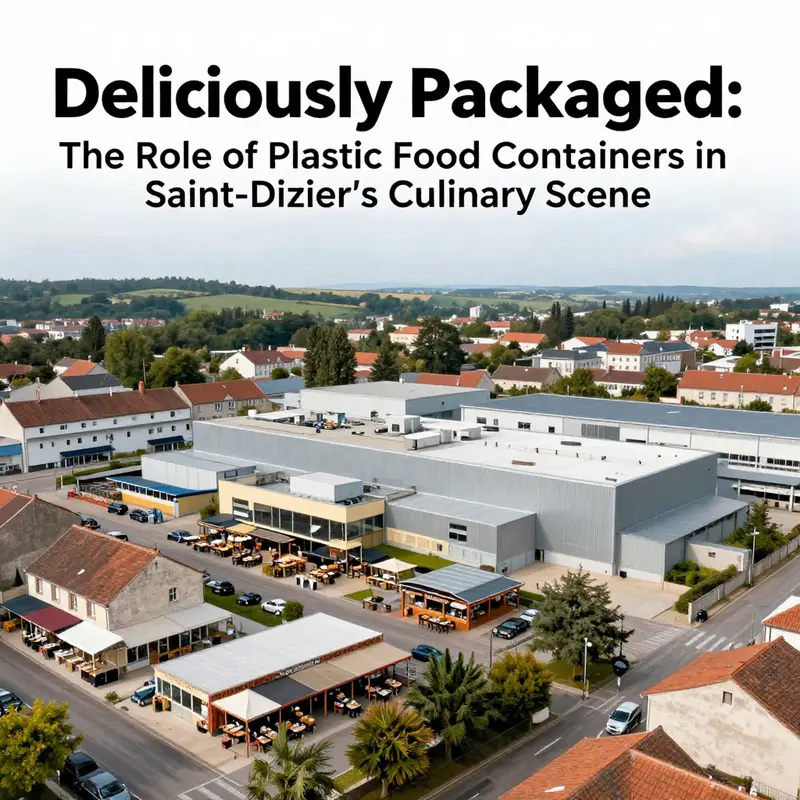
In the vibrant gastronomic landscape of Saint-Dizier, France, the role of plastic packaging food containers is pivotal. Catering to Bubble Tea shops, restaurants, food trucks, and corporate entities alike, these containers are not just vessels; they embody convenience and innovation. As we delve into Saint-Dizier’s burgeoning food packaging market, we will look at its recent developments, the technological advancements driving the industry, and importantly, the push towards sustainable practices. Each chapter will unveil layers of the local industry’s impact on both businesses and the environment, revealing opportunities and insights for culinary professionals eager to make informed choices about their packaging.
从地方到转型:圣迪济耶食品塑料包装与容器的市场透视
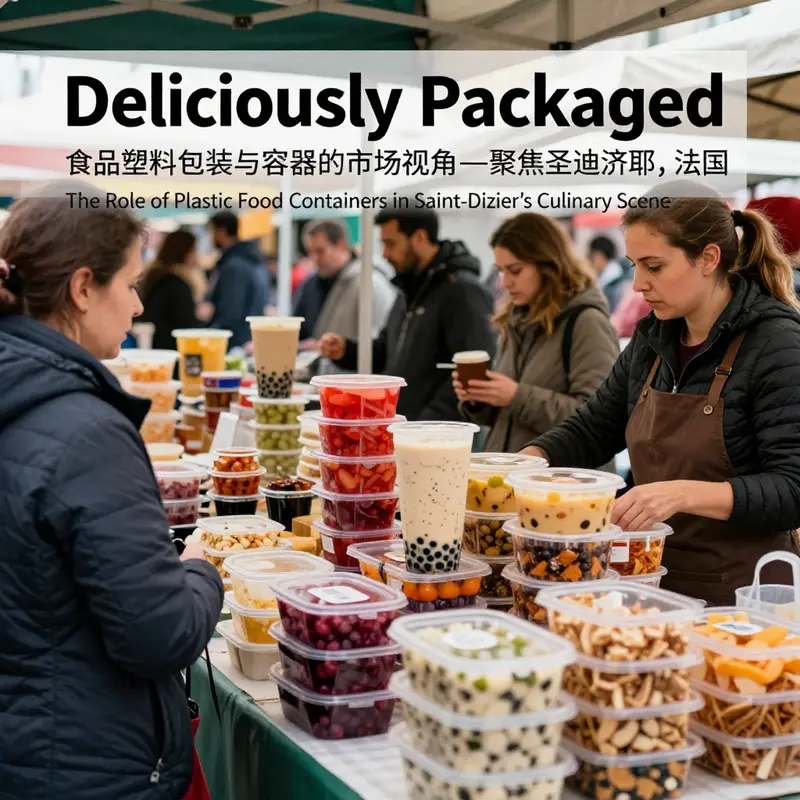
圣迪济耶作为地方市场节点的包装需求与机遇
圣迪济耶所在的地区既不是包装业的全球中心,也不是农业大省的象征,而是一个典型的法国中小城市生态:本地市场与小型食品生产者并存,工业能力与区域流通网络并重。当地新建的市场建筑不仅是城市更新的象征,也实际重塑了对食品包装的需求结构。集市与中小食材供应链更偏向低能耗、短链运输与体现地方特色的包装形式。由此产生的市场视角并非聚焦于单一制造业的产出,而是观察包装如何承载地域品牌、延伸供应链效率,并回应法规与消费者对可持续性的期待。
本地零售与农贸市场推动包装从保护性功能外延伸。包装在圣迪济耶既是保鲜工具,也是信息载体和地方文化的一部分。任何塑料容器在这里都不仅被要求达到食品安全标准,还需考虑降解性、循环利用潜力与视觉呈现与地域认同的协调。这种综合需求对本地供应商提出新的技术与材料组合要求:既有必要借鉴高精度塑料成型与表面处理的成熟工艺,也需整合可再生材料与模块化设计,以适配多样的销售场景,从农贸摊位到小批量电商配送。
在这种微观经济体里,包装创新的驱动因子是复合的。首先,法规压力推动更快的替代:欧盟及法国层面对一次性塑料的限制持续收紧,促使生产者不得不在短期内优化材料配方或改换材料体系以确保合规。其次,本地消费者对环境与健康问题的敏感度使得品牌更愿意在包装上尝试可回收或生物基材料。再次,供应链短化和地方化趋势鼓励开发适合小批量生产与分销的容器设计,降低单品能耗并提高回收率。最后,建筑与市场场景的现代化,提升了对包装审美和信息传达功能的需求,促使生产者考虑包装作为联结地方供应者与消费者的媒介。
制造能力、技术外溢与区域互联
圣迪济耶及其周边并不缺乏与塑料相关的制造或加工经验。区域经济圈内存在塑料成型、密封件生产、精密注塑等多种能力,这些能力在不同工业部门间流动,形成技术外溢效应。尤其是向医药或实验室级别提供高精度塑料组件的企业,其工艺标准与质量管理体系,对食品级塑料容器的材料选择、洁净生产与检测流程具有重要参考价值。将这些较高门槛的工艺下放到食品包装制造中,能帮助提升产品的食品安全性与耐用性,同时也为满足法规提供更有力的技术支撑。
此外,区域内的贸易活动并不局限于制造本身。附近城镇的装配、分销与包装设计服务同样活跃。小型企业与工坊常常以灵活的方式试验新材料和小批量设计。这一生态有利于快速迭代与市场测试,尤其适合那些需要兼顾地方特色与环保属性的包装解决方案。对圣迪济耶的制造者来说,关键在于如何把这些分散的能力组织起来:建立共享模具、联合采购可再生材料或形成区域性回收网络,都能降低创新成本并提高市场响应速度。
材料与设计的可持续转向:现实约束与机会
全球包装行业的一个显著趋势是对轻量化、可回收性和生物基材料的追求。替代传统塑料并不只是一个材料替换问题,它牵涉到生产工艺、回收体系以及消费者使用习惯的联动改变。在圣迪济耶的语境中,这一转向既有挑战也有可操作的路径。
挑战主要来自成本与基础设施。可降解或再生材料往往在小批量下成本更高,区域回收系统不健全会降低材料循环的经济性。此外,某些环保材料在阻隔性能、耐温性与透明度上与现有塑料存在差异,影响对生鲜食品或液体食品的适配性。因此,制造者需要在材料选择上做更细致的权衡,可能采取混合材料或涂层技术来兼顾功能与可回收性。
机会则体现在技术创新和市场差异化上。开发面向短链流通的模块化容器,减少过度包装,并将包装设计为易于拆解和回收,能显著提升回收效率并降低长期成本。利用区域性的循环经济举措,例如建立本地回收点或与市场开展容器回收激励计划,既能提升品牌忠诚度,也能为材料回收创造可预测的原料流。此外,借助精细化的供应链和小批量生产能力,制造者可以为特色食品提供定制化包装,这种定制化本身就是一种高价值的服务输出,能在价格上形成可持续竞争力。
在材料技术方面,行业层面的进展也为地方制造者提供了借鉴。如最近行业内的纸基屏障技术与能效优化方案,表明替代解决方案正在成熟。这类技术的核心价值在于提供与传统塑料相近的防护性能,同时显著降低环境足迹。地方企业可以关注这些发展,并评估如何在本地生产线上集成新的材料或处理工艺,以实现性能与可持续之间的平衡。
商业模式的再造:从一次性买断到循环服务
包装市场的演化并非仅由材料驱动,商业模式创新同样关键。在圣迪济耶这样的市场环境,几种模式尤为值得关注。首先是可重复使用体系。通过设计耐用容器并与本地商家合作实施押金回收或回购机制,可以显著减少一次性塑料需求。其次是租赁或回收服务。对于餐饮活动和临时展销采用租赁容器,可以降低浪费并为制造者提供稳定的服务收入。第三是订阅与补充包装服务。面对小型食品生产者,提供定制化、小批量包装与按需配送的组合服务,可在满足个性化需求的同时降低库存压力。
这些模式在实践中要求供应链的更高协同度:制造者需与市场管理者、回收企业和零售商建立长期合作。政策层面的支持同样重要,地方政府可以通过补贴、回收基础设施建设与采购政策,降低试点阶段的运营风险。对于圣迪济耶来说,市中心市场的现代化提供了一个极佳的实验场景:在真实的消费情境中测试循环包装、押金回收与租赁系统,积累可推广的操作经验。
消费端的教育与信任构建
消费者的参与是任何包装转型能否成功的关键。在地方市场中,教育的成本相对较低且更易见效。通过市场活动、现场演示与包装回收点,生产者和市场管理者可以直接引导消费者接受新材料和新模式。透明的标签与清晰的回收指南能迅速建立信任。与此同时,把包装作为讲述产品来源与生产者故事的载体,可以强化地方食品的独特价值,增强消费者愿意为可持续包装支付溢价的意愿。
信任也源于质量保障。小型制造者若能借鉴高精度塑料行业的质量控制体系,并在包装上明确食品安全与材料来源信息,将大大提升消费者对替代材料的接受度。试点阶段的成功故事能在区域内形成示范效应,推动更广泛的采纳。
面向圣迪济耶的实践路线图
对圣迪济耶及类似城市而言,一条可操作的路径应聚焦三条并行轨道:材料与工艺的渐进升级、商业模式的本地化创新,以及回收与消费者参与体系的建设。具体举措包括:建立区域性试验平台以低成本测试新材料;促进制造者与高精度塑料工艺企业的技术交流;在市场场景内试点押金与租赁计划;并通过地方政策工具支持回收基础设施的建设。
生态化的包装转型并非一朝一夕,但在区域层面的试验与协作,将是加速路径。圣迪济耶的市场空间为这一转型提供了现实场景:集中消费者、活跃生产者与可以示范的公共空间。若能在此构建起可复制的商业与技术模式,便可将经验扩展至更广泛的区域流通网络,从而推动更具韧性和可持续的食品包装体系。
有关行业层面的最新技术发展与替代材料的具体实例,可参见一篇权威报道,提供了对纸基屏障和相关包装创新的深入解读:
https://www.tetrapak.com/news/press-releases/tetra-pak-launches-world-first-paper-based-barrier-for-juice-packaging-with-garcia-carrion-and-advances-new-packaging-material-development
此外,关于本地化储存与容器解决方案的产品类别可以在此处查看,有助于理解小批量与模块化包装的市场形态: 本地化存储容器与收纳方案
Saint-Dizier’s Plastic Packaging Odyssey: Local Industry, Global Networks, and the Push Toward Sustainable Food Containers
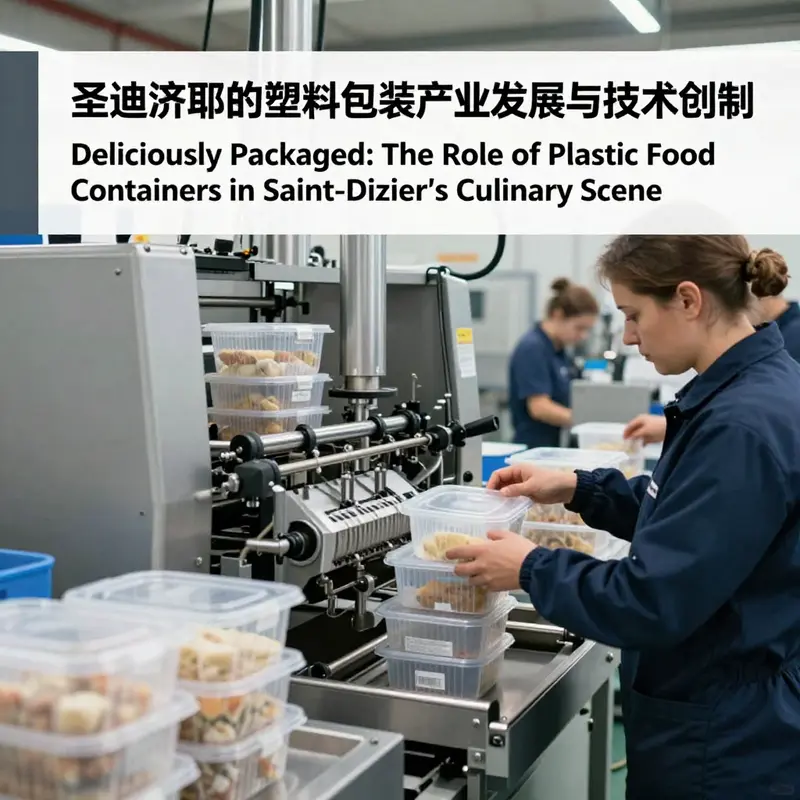
In the eastern folds of France, where the Meuse meets the industrial present, the plastic packaging sector for food containers extends beyond the mere production of molded forms. It sits at a crossroads of material science, precision manufacturing, and evolving sustainability norms. Saint-Dizier and its neighboring towns form a cluster in which resin, machinery, processing, and finished goods are threaded together by a shared aim: to deliver safe, functional, and increasingly recyclable packaging that can travel from a local kitchen to a continental market. The story of this region is not that of a single factory or a handful of behemoths. It is the tale of a regional ecosystem built on the availability of skilled labor, on the accessibility of reliable logistics, and on a local culture that values technical craftsmanship in plastics as much as it values the efficiency of a standardized process line. Even when direct sources within Saint-Dizier are sparse, the surrounding micro-economies—smaller plants, service suppliers, and regional distributors—help knit a fuller picture of a community whose industry is both deeply local and in dialogue with worldwide packaging trends.
The wider context is clear enough: global and European markets increasingly demand packaging that protects food quality while reducing environmental impact. In France, policy shifts and consumer expectations are pushing manufacturers to re-evaluate material choices, production routes, and end-of-life outcomes. Though the available material for Saint-Dizier’s chapter may seem modest against the backdrop of global headlines, it serves as a keystone in a broader cascade of decisions. In this region, the production of plastic food containers involves a sequence of steps that begins with resin and ends with a package that can withstand the rigors of storage, transport, and handling by end users. The process typically includes resin selection, melt processing, molding or forming, trimming, quality inspection, and, finally, packaging for distribution. Each step is governed by stringent quality and hygiene standards, reflecting the food-grade requirements that the sector must meet to keep products safe from production line to table.
From a logistical standpoint, Saint-Dizier’s position within the Grand Est region translates into more than convenience. The town sits within a corridor that connects eastern France to neighboring European markets, a route vital for both the supply of raw materials and the distribution of finished containers. In practice, this means a steady flow of polymer resins, additives, and processing aids arriving from across the country and beyond, followed by a steady outbound stream of containers to regional food manufacturers, distributors, and retailers. The presence of nearby towns within a short driving radius—places with established chemical, plastics processing, and packaging services—creates a mosaic of suppliers and service providers. The net effect is a regional capability that is greater than the sum of its parts: a shared skill base, common standards, and a mutual dependency on reliable equipment maintenance, calibration, and spare parts supply. When regional networks function well, a plant in Saint-Dizier can adjust quickly to shifting demand for different container sizes or sealing configurations, a capability that matters when food producers are exploring new formats or responding to seasonal needs.
Operationally, the chain from resin to ready-to-fill container is standardized around a few core technologies. Injection molding remains a staple for rigid containers and caps, providing high dimensional accuracy and the ability to incorporate features such as snap closures or venting channels. Thermoforming and extrusion-blown processes handle lighter, flexible formats, such as film-laminated trays and wrap-around packaging, where clarity, barrier properties, and seal integrity are paramount. The equipment backbone—molds, extrusion dies, heating controls, cooling cycles, and robotic handling—requires careful maintenance and calibration. In a region where the workforce is skilled in plastics processing, operators learn to read a tool’s wear patterns, optimize cycle times without compromising sterility or barrier performance, and balance throughput with quality checks. The result is a stable supply base capable of responding to routine orders and to the occasional, larger-scale, multi-format production run that larger contracts may demand.
Crucially, the Saint-Dizier area also functions as a relay point for more specialized plastic applications that touch food packaging in indirect ways. Some local or nearby companies work on high-precision plastic components that support food-grade packaging systems—parts such as seals, valves, gaskets, and connectors used in filling lines, capping equipment, or contamination-control devices. Though these components are not themselves containers, their performance characteristics—chemical resistance, low extractables, dimensional tolerances, and long-term compatibility with pharmaceutical-grade or food-contact materials—establish a culture of process discipline that resonates with the packaging sector. The cross-pollination between high-precision components and consumer-facing containers helps raise the overall quality bar across the regional plastics ecosystem. In this sense, Saint-Dizier’s packaging industry benefits from a broader milieu of materials science and manufacturing know-how that extends beyond the immediate confines of container production.
The geographic anecdote about nearby towns—places a few kilometers away within the same economic sphere—illustrates how proximity influences resilience. A supplier or a maintenance service in a neighboring town can shorten downtime, reducing the risk that a production line will be offline for extended periods. Even the occasional route of a shipment to a customer or a backhaul to a resin supplier can become a testament to the importance of regional logistics. The story gains texture when one considers the flexibilities that an integrated network enables. If one format experiences a sudden spike in demand, the regional ecosystem can reallocate capacity, repurpose tooling, and adjust the mix of molds and dies without incurring prohibitive lead times. In such scenarios, Saint-Dizier’s packaging cluster does not merely produce containers; it orchestrates a fabric of capacity that supports the food industry’s need for reliable packaging across a spectrum of products, from shelf-stable items to refrigerated or frozen goods.
An important, if understated, thread in this narrative is the region’s exposure to sustainability conversations that circulate through national policies and European-wide green initiatives. The packaging sector is no longer content with lids that merely seal; it seeks to demonstrate traceability, recyclability, and circularity. In practice, this translates into a growing interest in recycled content and in designing containers that can be efficiently sorted, collected, and reprocessed after use. It also means evaluating the entire lifecycle of a container—from resin source through manufacturing, distribution, consumer use, and end-of-life processing—to identify opportunities to reduce energy use, material waste, and the carbon footprint. While concrete data specific to Saint-Dizier’s plastics-to-food containers remains sparse in the current materials, the trajectory visible in the national and regional economies points toward a packaging landscape in which the regional hub becomes an enabler of more sustainable choices. In this sense, Saint-Dizier is not isolated from the global conversation; it is actively pulled into it by supply chains, workforce capabilities, and the gravity of environmental expectations that shape how containers are designed and produced.
Within this broader frame, the internal integration of the local packaging ecosystem with a wider set of materials and processes can be observed in the way regional producers consider their material choices. The move toward recycled polymers and more sustainable feedstocks is already influencing the conversations around what kinds of containers should be prioritized for different food categories. While the region’s material mix and capacity may historically reflect a focus on conventional plastics, current trends encourage a more deliberate evaluation of barrier properties, clarity, heat resistance, and hygiene compliance when selecting resins. A similar shift can be seen in adjacent industries that rely on the same kinds of processing technologies. The cross-disciplinary dialogue—between packaging engineers, quality assurance specialists, and sustainability officers—produces a more integrated approach to product development and process optimization. This is not merely a theoretical shift; it translates into tangible improvements on the shop floor, where teams test new resin blends, assess migration risk, and verify compatibility with common cleaning and sanitizing regimes used in food production environments.
The practical implications for Saint-Dizier’s packaging manufacturers extend to how they position themselves within the larger European market. The proximity to other industrial centers offers access to a broader network of customers, suppliers, and research facilities. It also raises the stakes for compliance with safety standards and environmental regulations, which are frequently harmonized across Europe to minimize fragmentation. In response, local producers often adopt standardized quality management practices, invest in traceability systems, and align their production lines with recognized hygiene and safety frameworks. The outcome is a workflow that can accommodate incremental innovations—such as slightly redesigned lids for easier stacking, or subtly modified wall thicknesses to optimize material use—without triggering a costly overhaul of equipment or a lengthy retraining of staff. In other words, Saint-Dizier’s packaging cluster embodies the tension between stability and adaptation—a tension that is essential for sustaining a regional economy in a global market that is increasingly tuned to sustainability signals and regulatory clarity.
Of course, the data in the current materials do not offer a granular ledger of Saint-Dizier’s present production volumes, employment figures, or firm-by-firm capabilities. What emerges instead is a qualitative sketch of a region whose packaging narrative is stitched together by a set of enduring factors: access to skilled labor, a local ecosystem of tooling and maintenance services, and an emerging openness to sustainable material choices. The area’s proximity to other economic hubs within the same valley creates a shared capability to respond to changing consumer preferences and regulatory expectations without sacrificing efficiency. Even in the absence of a detailed, formal study specific to Saint-Dizier’s plastics packaging production, the pattern is recognizable: a manufacturing cluster that benefits from its own internal consistency while remaining sensitive to the pressures and opportunities of a broader European industry. In this sense, the Saint-Dizier chapter functions not as a narrow case study but as a lens on how regional packaging centers can evolve in ways that balance local competencies with global imperatives.
As readers contemplate the next moves for this regional ecosystem, a simple, practical question arises: how can Saint-Dizier and its surroundings translate these insights into tangible improvements for both local communities and end-users? The answer lies in nurturing collaboration across the value chain. It involves dialog between resin suppliers, injection molders, formers, packaging designers, and food producers. It requires investment in process control and in people—training that ensures operators understand material compatibility, how to interpret sensor data, and how to troubleshoot when a change in packaging materials affects sealing performance or product integrity. It also means embracing the ongoing shift toward more sustainable packaging—whether by increasing recycled content, adopting more recyclable designs, or participating in pilot projects that test innovative, low-impact materials—without compromising safety or functionality. In Saint-Dizier, such collaboration would be anchored by local institutions and service providers that already understand the rhythm of plastics processing and the standards demanded by food-contact materials. In this way, the region can convert aspiration into action, moving from a narrative of potential to a daily practice of improvement.
For readers keen on situating Saint-Dizier within the broader packaging landscape, consider how the regional experience mirrors larger structural trends. Across France and Europe, the packaging industry is experiencing a convergence of quality, efficiency, and environmental accountability. This convergence is not a retreat from technical excellence but a re-aiming of it toward circularity and responsible material choices. In Saint-Dizier, that re-aiming will likely manifest as a combination of incremental process upgrades, new supplier partnerships, and a re-examination of end-of-life options for containers. The region’s capacity to respond quickly to demand—thanks to its dense network of skilled workers and nearby specialists—could become a competitive advantage as food brands increasingly seek packaging that is both high-performing and easier to recycle. The endgame is not simply to prod the region toward more sustainable packaging; it is to enable a practical and robust system in which every decision—be it a resin choice, a mold design, or a production schedule—advances the shared objective of safer, more sustainable food containers for consumers across France and beyond.
In sum, Saint-Dizier’s plastic packaging ecosystem embodies a pragmatic blend of local strength and global resonance. It is a narrative of regional capacity that can, and perhaps already does, inform national strategies for sustainable packaging. The region’s manufacturing DNA—centered on precision, reliability, and adaptability—fits well with a Europe that increasingly prizes circular economy outcomes. While precise, current data specific to Saint-Dizier in this chapter remain to be gathered, the qualitative contours reveal a dynamic, convergent industry. The local story is a microcosm of a broader shift: packaging that protects food and people, produced with care for the materials we reuse, recycle, and reimagine for future generations.
To connect this local narrative to the wider ecosystem, one can explore the broader packaging landscape that includes not only container manufacture but also the complementary categories that support a complete tableware and packaging culture. For readers who want to situate the Saint-Dizier example within a larger catalog of packaging materials and technologies, the following resource offers a gateway to related product families and packaging applications, including various forms of plastic packaging. plastic packaging category. This link points to a broader collection of packaging options that can help contextualize how a regional hub like Saint-Dizier fits into a wider market and supply chain. In the end, understanding Saint-Dizier requires looking beyond the factory floor to the networks, policies, and consumer expectations that shape every container that bears a food-grade promise.
External references for further reading on sustainability in packaging and France’s approach to waste and recycling can provide complementary context. For an authoritative overview, see resources from national environmental agencies and European recycling initiatives, such as the packaging guidance published by ADEME: https://www.ademe.fr
圣迪济耶地区塑料食品容器的绿色转型:机遇、障碍与路径选择
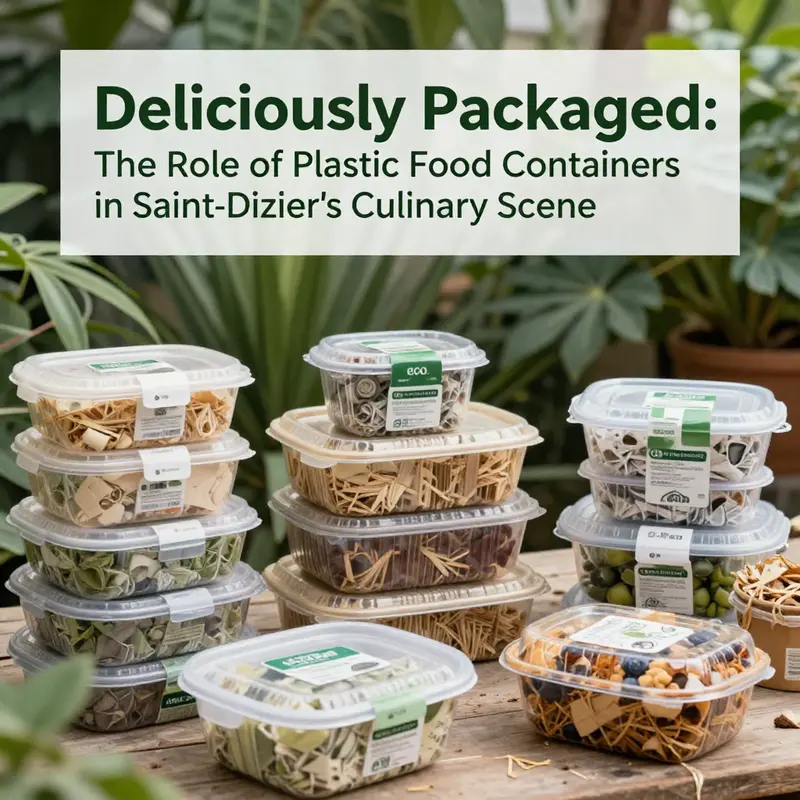
塑料食品容器的可持续转型在区域工业中的体现
圣迪济耶及其周边地区在塑料制品和包装的产业链中,既反映了全国性的技术与政策动向,也呈现出地方性供给与需求的独特组合。尽管现有公开资料对该市的行业细节披露有限,但可以从区域经济结构、周边企业活动以及法国整体包装行业的绿色转型逻辑,推导出圣迪济耶塑料食品容器领域面临的主要变化与应对路径。以下叙述以区域连接性和行业通用性为线索,描绘可持续发展如何在当地落地,以及企业和监管者可采取的务实策略。
在宏观层面,法国食品包装行业正在被一系列政策、市场和技术力量所重塑。法规趋严、回收系统完善、消费者环保意识上升,以及对循环经济解决方案的补贴和激励,正在共同驱动塑料包装朝向更高比例的可回收或再生材料、更多重复使用设计,以及更严格的材料安全与追溯标准。对圣迪济耶这样的区域工业节点而言,这意味着原有以一次性塑料为主的生产线和市场模式需要调整。关键的调整路径包括原料替换、加工工艺升级、产品设计变更以及供应链协同。原料层面,企业需评估更高含量再生聚合物的适用性,并关注材料的食品接触安全与官能性;加工层面,生产设备必须能适应再生材料的物性差异,如熔体流动性和杂质容忍度;设计层面,容器形状、厚度和可拆解性要为回收与重复使用提供便利;供应链层面,制造商与地方回收企业、下游食品厂商和物流服务提供商需要建立更紧密的信息与物料流通机制。
圣迪济耶所在区域的产业基础具有一定优势,这些优势有助于应对绿色转型带来的挑战。首先,区域内的制造与贸易企业能够在较短空间尺度内实现原料、模具、检测和分销的协同。这种近距离经济降低了试验新材料的物流成本,并便于建立小规模的循环试点。其次,周边存在为医药、实验室等高标准塑料部件提供加工能力的企业,这些企业在高精度注塑、密封和表面处理方面积累了工艺经验。虽然这些精密部件并非直接面向食品包装,但其工艺要求与质量控制思路对食品级塑料容器生产具有重要参考价值,例如在无菌性、机械耐久性以及与内容物相容性测试方面的管理方法。
然而,区域性企业同样面临明显难题。再生塑料通常带来更大的批次波动,这要求企业在进料检验与过程控制上投入更多。小型与中型制造商常缺乏足够的资金去改造生产线或购置能处理高比例回收料的设备。此外,食品行业对包装材料的法律与认证要求严格,任何新材料或配方都需通过复杂的合规和安全评估,这增加了试错成本。在市场端,消费者对容器性能(密封性、耐热性、外观)的期望仍然很高,若绿色替代方案在使用体验上不占优势,推广将遇到阻力。
在此背景下,圣迪济耶地区的可行策略应当聚焦于“渐进式创新与协同试点”。渐进式创新意味着企业可以先在不直接接触主食品链的应用上引入更高比例的再生料,例如用于外包装辅料、内衬或用于预包装冷冻食品的次级容器。通过这些低风险应用积累经验,再逐步扩展到直接接触食品的容器。协同试点则要求行业链上下游与地方政府、研究机构合作,形成从原料回收、再生、检测到再加工的闭环试验平台。此类平台能分摊认证成本、建立性能基线并向市场提供经验证的绿色产品样本。
技术上,有几项相对直接的改进能显著提升本地企业的可持续能力。第一,强化进料质量控制能力。通过建立快速的物性和杂质检测流程,生产者可以在早期筛除不适合的回收料,降低不良率。第二,优化模具与注塑参数以适应回收材料的特性。改良的冷却系统、压合程序与熔体管理能够减少成品缺陷,同时节能。第三,采用模块化设计以便拆解和分拣。容器如果在设计上易于拆解不同材质的部件,就能在回收环节显著提高纯度和回收价值。第四,推进耐用与重复使用设计。通过提高容器的耐用性并鼓励循环使用,既能减少一次性废弃物,也有助于建立新的商业模式,例如租赁与回收返利体系。
商业模式层面的转变同样关键。区域企业可以探索几种路径:其一,与地方食品生产商合作推出共同品牌的环保包装方案,通过共同营销分担教育市场的成本;其二,提供包装即服务(Packaging-as-a-Service)的解决方案,企业负责容器的回收、清洗与再分配,客户按服务付费,从而将重复使用经济性转化为稳定收益;其三,参与或构建区域回收网络,确保再生料有稳定且可追溯的来源,避免因原料不稳定而导致生产中断。
政策与公共部门的支持会显著加快这些转型。地方政府可以通过技术支持基金、税收优惠或贷款担保,降低企业设备改造的门槛。再者,建立区域性的物料追溯与认证节点,可简化企业面对国家级认证时的数据提交与测试流程。公众机构还可以牵头开展消费教育,提高对可回收与可重复使用包装的接受度,从需求端助推市场成熟。
在人才与能力建设方面,圣迪济耶应重视技术人员的技能转换训练。注塑技术员、产品设计师与质量检测人员需要掌握如何处理回收料、如何设计便于回收的容器,以及如何建立与监管合规相适配的质量体系。高校和职业培训机构可以与企业合作,设置短期课程与在职培训,缩短企业上手新材料与新工艺的时间。
市场推广与消费者信任构建不能被忽视。绿色包装经常因性能差异或信息不透明而遭遇怀疑。区域企业需要在标签、成分说明与回收指引方面做到高度透明,提供第三方检测报告与明确的回收渠道指引。与此同时,通过参与地方公共活动和超市试销,提供样品体验,能帮助消费者在实际使用中建立信任。
最后,圣迪济耶的行业转型不是孤立事件,而是与全国乃至国际循环经济发展相联结的过程。区域内任何一次小规模的成功试点都可被复制并扩展到更广的市场,从而形成示范效应。地方企业若能在此轮绿色转型中抓住试点与协作的机会,不仅能维持现有市场地位,还能通过开发差异化的绿色产品进入其他对可持续性要求更高的市场。
为便于本地生产与终端储存类商品的推广,企业可以参考并整合现有线上产品分类与销售渠道,在产品页面与产品目录中突出其可回收或重复使用特性。相关产品类别可见于区域供应链的在线目录,例如关于存储容器的商品分类可以作为企业展示环保容器设计与应用的入口,便于零售与批发渠道共同参与。更多信息可参见存储与容器产品分类页面: 存储与容器产品分类.
综上所述,圣迪济耶地区的塑料食品容器行业在转型过程中应采取以循序渐进、合作驱动与技术使能为核心的策略。通过区域协作平台、逐步引入再生材料、设备与设计改良以及商业模式创新,本地企业可在降低短期风险的同时,逐步建立面向未来的竞争力。外部支持与市场教育将进一步放大这些努力的效果,使得区域工业既能满足严格的食品安全要求,又能在可持续发展的大潮中占据有利位置。
外部参考:有关该地区行业数据的可用性和信息差异,见详尽行业评估与政策汇编的官方说明文档。
Final thoughts
The exploration of Saint-Dizier’s plastic packaging for food containers reveals a dynamic intersection of culinary artistry and industrial capability. For Bubble Tea shops, catering services, and other food professionals, understanding market trends and technological innovations in this field offers the chance to enhance their offerings sustainably. By aligning with the growing demands for eco-friendly practices, businesses can not only meet consumer expectations but also contribute positively to environmental stewardship. The future of food packaging is vibrant, especially in Saint-Dizier, where innovation continues to pave the way for a more sustainable approach to the culinary experience.