
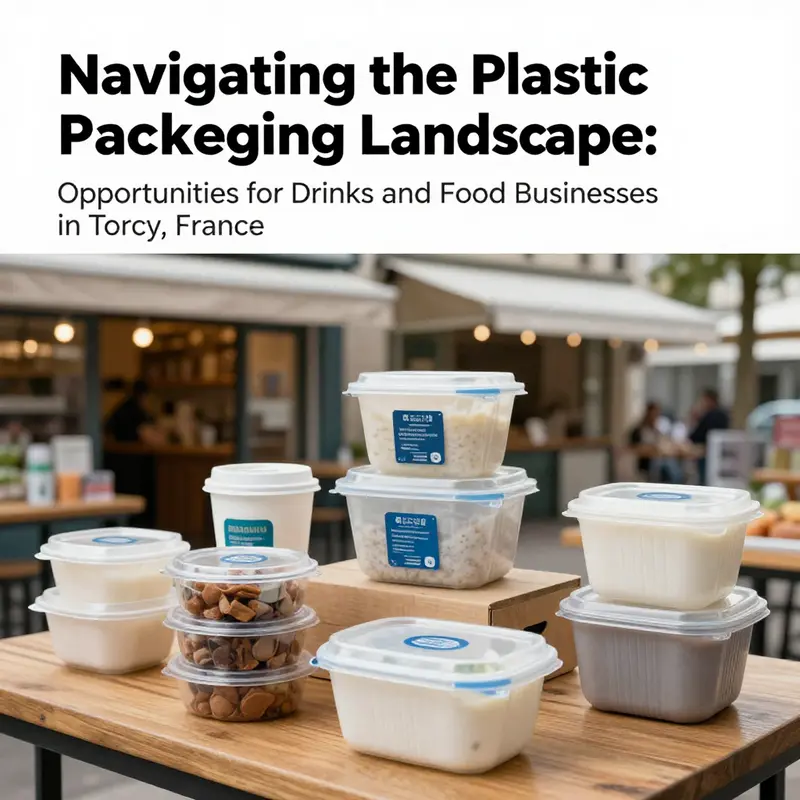
Understanding the plastic packaging food container market in Torcy, France, is essential for various businesses, including bubble tea shops, restaurants, food trucks, catering services, event planners, and corporate procurement teams. As the demand for convenient, reliable, and cost-effective packaging solutions grows, the dynamics of this market reveal significant opportunities. Each chapter delves into critical aspects, from market dynamics and technical specifications to economic implications, supplier landscapes, and sustainability concerns. Join us as we explore these factors that shape the plastic packaging landscape in Torcy, providing valuable insights geared towards enhancing your business operations.
Market Currents in Torcy: Navigating Plastic Food-Container Packaging Amid France’s Regulatory Shift
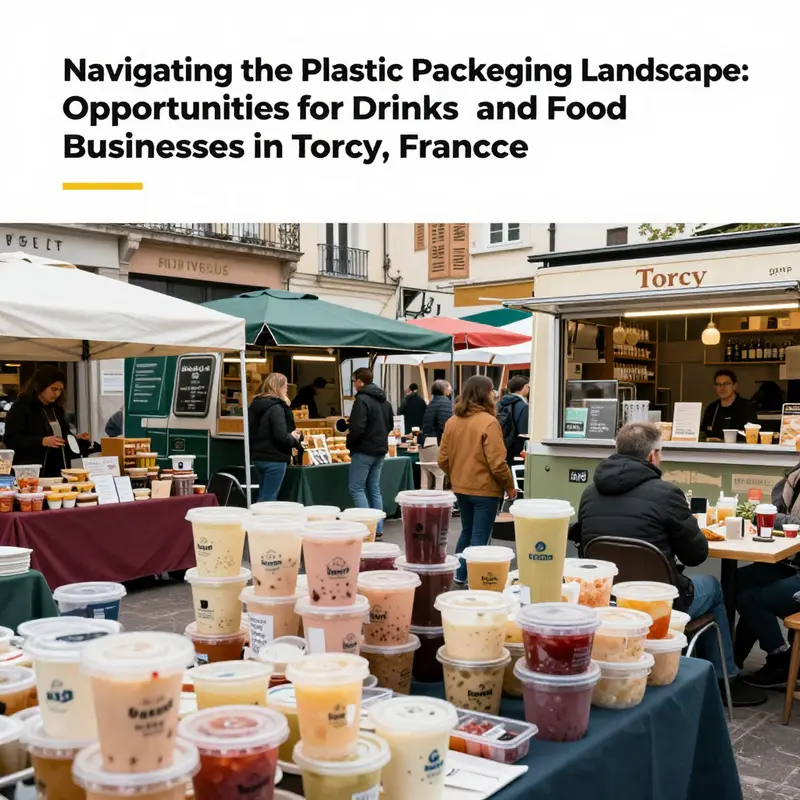
In Torcy, a town on the eastern edge of the Paris metropolitan area, the daily rhythms of work, study, and meal routines reflect a wider pattern that governs France’s plastic packaging for food containers. The Île-de-France region—the country’s economic engine and population hub—serves as a living laboratory for how urban consumer demand, logistics networks, and policy choices intersect. Torcy’s proximity to major transport arteries and its dense residential and commercial mix mean that packaging decisions here ripple through distributors, retailers, and the foodservice sector. The containers that hold, transport, and preserve meals—from quick-service orders to home-cooked storage—are not merely disposable objects; they are essential elements of an urban lifestyle that prizes speed, reliability, and hygiene, while also facing growing scrutiny about environmental impact. The story of Torcy’s packaging landscape, therefore, is a lens on national and European currents that shape how retailers, manufacturers, and municipalities balance convenience with responsibility.
France’s disposable food packaging market has moved beyond a simple convenience narrative. In 2024 the market size reached about USD 1,807.4 million, and forecasts point toward USD 2,763.7 million by 2030. This expansion is driven by a confluence of factors that are particularly visible in metropolitan zones like Torcy. Fast-food outlets, convenience stores, and the accelerating wave of online food delivery have created an enduring demand for efficient packaging solutions. Yet this demand does not travel in isolation. It comes up against a regulatory system that has become one of the most active in Europe when it comes to limiting single-use plastics and mandating recyclability. In practice, suppliers and buyers in Torcy experience a market that grows through commitment to speed and cost control while increasingly privileging materials and designs that can be recycled or repurposed more readily. The numbers from France’s broader market thus echo what local operators in Torcy feel at the storefront level: volume is rising, but policy pushes are reshaping the competitive landscape in meaningful ways. The macro trend is clear: urban lifestyles sustain demand for convenient packaging, while policy and public sentiment push the industry toward greater sustainability.
The growth drivers are not only demographic or economic. Urbanization concentrates purchasing power and consumption in a relatively small geographic footprint, making efficient packaging a practical necessity for delivery services and takeout operations operating in a high-density environment. In Torcy, where residential complexes mingle with shopping districts and logistics hubs, suppliers emphasize both performance and cost efficiency. Containers must travel from kitchen to consumer with minimal leakage, maintain product freshness, and fit into a compact cold-chain or shelf system. This is why the reframing of packaging within France’s regulatory framework matters so much. The market is evolving from a straightforward choice of quick-service packaging to a more nuanced decision set that includes recyclability, material substitutions, and even reusable or compostable options for select applications. The result is a dynamic mix of products that can meet short-term service demands while aligning with longer-term sustainability goals. Consumers, too, are increasingly aware of environmental considerations, especially in urban centers such as Torcy, where eco-conscious attitudes influence store choices and foodservice procurement.
From a supply-chain perspective, Torcy’s packaging ecosystem illustrates how global sourcing supports local market needs. The broader French market has historically drawn on a mix of regional distributors and international suppliers to meet demand for a wide range of container formats. In the context of wholesale and bulk procurement, even modest unit costs can scale dramatically when orders reach hundreds of thousands or millions of units. For example, wholesale discussions observed in related markets show that polypropylene-based containers can be priced as low as a few hundredths of a euro per piece when bulk volumes exceed half a million units. Takeaway sets that include lids, designed to preserve freshness and resist leakage, can be priced at a fraction of a euro per set at large scales. Transparent fruit packaging, catering to retailers who emphasize visibility and product protection, demonstrates similar economies of scale, with unit costs adapting to order size and logistics conditions. While these figures originate from broader wholesale trends, they illuminate how Torcy’s distributors negotiate margins in a market characterized by tight competition and heightened expectations for reliability. The underlying arithmetic is straightforward: higher volumes reduce unit costs, but the price discipline is tempered by the need to meet regulatory requirements, ensure recyclability, and maintain performance across diverse supply conditions. In practice, this means Torcy’s buyers weigh not only the price tag but the end-to-end lifecycle of a container—from production and transport to reuse, recycling, or composting where applicable.
A core thread in this landscape is policy, which has shifted the playing field toward greater sustainability. France has enacted stringent anti-plastic measures designed to curb the environmental footprint of packaging. Bans on certain single-use plastics and mandatory recyclability standards are now part of routine decision-making for manufacturers and distributors. In aggregate, these regulatory forces push a portion of the market toward rigid plastics that are easier to recycle, or toward materials with lower environmental footprints such as bio-based alternatives, while still delivering the performance demanded by foodservice operations and households. The result is a market that, while expanding in volume, is also becoming more selective about materials and design attributes. Across France, including in the Île-de-France region and Torcy, this regulatory drift is expected to yield a compound growth pattern: a CAGR around 3.52% for the broader rigid plastic packaging segment, with a projection toward 3.73 million metric tons by mid-decade. The emphasis, increasingly, is on recyclability, durability, and end-of-life options, with sustainability metrics becoming a core criterion in tendering and procurement.
These regulatory and consumer dynamics interact with the logistics realities of a modern French suburb. Packagers and retailers must navigate a mosaic of local waste management capacities, transport costs, and the efficiency of reverse logistics networks that support recycling and reuse programs. For Torcy, the convergence of a dense population, a sophisticated retail environment, and a well-developed delivery culture creates a fertile ground for experimentation with different packaging approaches. While plastic remains dominant in overall volume terms, there is growing room for compostable or reusable solutions in select niches—particularly for certain premium or niche food offerings, or for retailers that emphasize circular economy narratives in their branding. The shift does not occur in a vacuum; it is shaped by consumer awareness, corporate sustainability commitments, and the practicalities of mass distribution. Within this context, the selective adoption of recyclable or reusable packaging reflects a strategic alignment with policy signals and market expectations rather than a mere aesthetic preference.
The practical implication for Torcy’s market participants is clear. To remain competitive, distributors must offer not only cost-effective packaging but also options that respond to regulatory trajectories and emerging consumer preferences. This requires an agile sourcing strategy, robust quality assurance, and a willingness to test new materials and designs in controlled pilot programs before scaling. It also means cultivating partnerships with suppliers who can provide clear end-of-life pathways, whether through recycling streams or through take-back schemes that align with local municipal programs. In this sense, Torcy embodies a broader European transition: a market expanding in scale while gradually tightening its terms of engagement with sustainability and responsibility. For readers seeking a wider panorama of packaging options in the sector, the plastic packaging category offers an accessible starting point to compare materials, formats, and functionalities plastic packaging category.
As France continues to chart its path toward a more sustainable packaging ecosystem, Torcy will likely remain a microcosm of the national trajectory. The challenges—ensuring cost efficiency, maintaining product integrity during transit, and aligning with ambitious recyclability targets—will persist alongside opportunities to differentiate through smarter design, better waste management integration, and innovative reuse models. The city’s characteristic blend of dense urban living, dynamic retail activity, and proximity to sophisticated logistics networks makes it an instructive case study for how urban centers navigate the evolving market for plastic food containers. In this evolving landscape, success will hinge on balancing the convenience that consumers expect with the environmental commitments that policymakers demand and that increasingly define corporate strategy.
For readers seeking a broader context beyond national borders, the European market outlook offers valuable benchmarks and forecasts, acknowledging that Torcy’s dynamics reflect wider continental patterns in consumer demand, regulatory rigor, and supply-chain resilience. External research compiles long-run projections that help illuminate what the next five to seven years may hold for plastic food containers across Europe. External resource: https://www.marketresearchfuture.com/reports/plastic-food-containers-market-europe-2999.
Torcy’s Quiet Gatekeepers: How EU Standards Shape Plastic Food Containers for France’s Markets
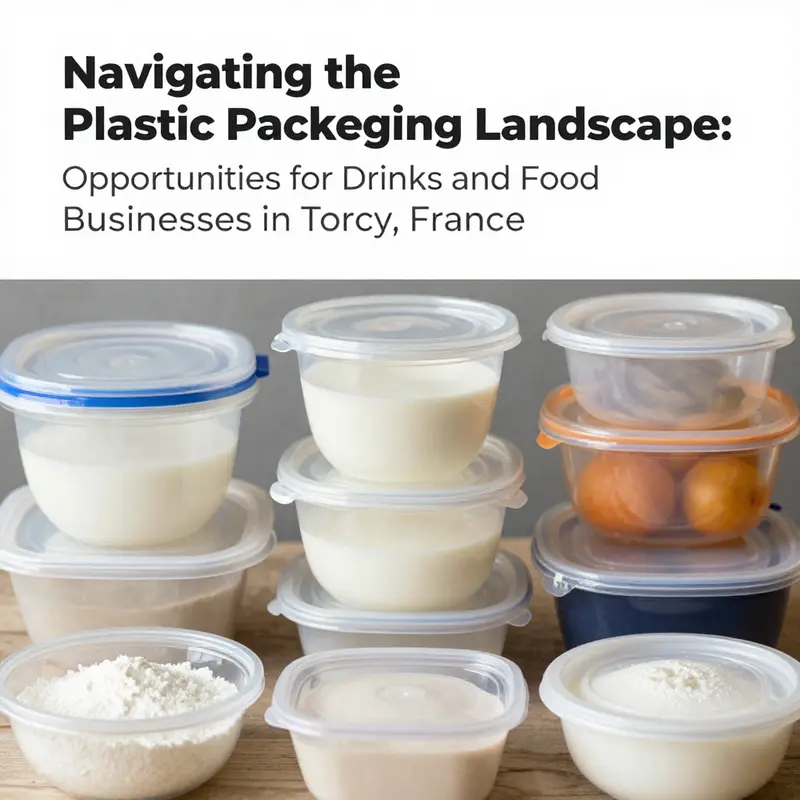
In the town-scape of Torcy, just beyond the bustling Parisian belt, the everyday ritual of packing meals and preserving freshness quietly rests on a framework of rules that travels far beyond the shop shelf. The chapter that follows surveys how European Union regulations, translated into French practice, shape the design, manufacture, and performance of plastic food containers sold and used in Torcy. It is a study not of glamour or gadgetry, but of reliability: containers that keep food safe, taste and aroma intact, and packaging waste within manageable bounds. The narrative here links the practical realities of bulk procurement with the stringent expectations of safety and sustainability that the EU and France insist upon. The result is a lineage of containers that, while sourced from a global supply chain, are bound by a uniquely European insistence on traceability, material integrity, and responsible end-of-life handling. In this environment, wholesale price points and sample access, while important, sit alongside migration limits, mechanical resilience, and the ability to reheat or store foods without compromising health or flavor. To understand Torcy’s market, one must first grasp the regulatory bedrock that governs every plastic food contact material that might cross a French kitchen table. The European Commission’s framework for materials intended to come into contact with food sets out a broad canvas. It calls for substances to avoid releasing harmful components, to prevent alteration of food taste or odor, and to respect migration limits that protect consumer health. In practice, this means every tray, lid, and clamshell must be built from materials that pass a series of migration tests and performance trials under conditions that mimic real use. The emphasis on safety is not merely theoretical. It has tangible consequences for how containers are selected by distributors in Torcy, how manufacturers document compliance, and how retailers communicate confidence to consumers who expect consistent performance from their daily meal solutions. The dual aim—safety and reliability—translates into a set of technical expectations that every supplier in this region must meet. One primary dimension is material safety and compliance under EU Regulation No 10/2011. This rulebook defines what constitutes a compliant plastic food contact material and outlines the kinds of substances that are either restricted or prohibited. The total migration limit (TML) often appears as a practical benchmark, with standardized testing conditions—such as a defined temperature and duration—used to simulate real-world contact with foods. In addition to general limits, restricted substances like Bisphenol A (BPA), lead, and certain phthalates are explicitly concerned with, especially in products intended for children. France frequently applies even stricter national requirements, layering national measures atop EU standards to close gaps perceived at the regional level. The implications of these safety directives are felt across Torcy’s market in several ways. To begin with, they shape the choice of polymers a supplier uses. Polypropylene (PP) is commonly favored for its balance of rigidity, chemical resistance, and suitability for reheating. But even within PP, there are expectations about color, odor, and surface finish; any sign of discoloration or surface defects can trigger disqualification at a quality control checkpoint. The design ethos is not simply about appearance. It centers on the ability to perform under stress: the container must survive practical drop tests, resist deformation when hot liquids are involved, and maintain a hermetic seal when airtight storage is required. A typical requirement is a drop test from a height around 0.8 meters onto concrete, with no cracking or delamination. Heat resistance is equally important: containers must withstand exposure to hot liquids or oils at around 100°C for a specified duration without deformation. Such specifications have a direct effect on the shopping cart of a Torcy distributor. They determine which products are eligible for reusability, microwaving, or simple storage in room temperature conditions. The mechanical strength of materials—often expressed as minimum bending strength in MPa for polymers such as PP—also plays a defining role. A benchmark like ≥25 MPa for PP might be cited in supplier data sheets, with additional requirements for seal integrity where a container is designed to offer an airtight experience. The practical upshot is that a container’s performance in the kitchen depends on a harmonious interplay between material selection, wall thickness, seal geometry, and molding precision. The design and manufacturing dimension of the EU standardization pushes suppliers toward a procurement discipline that favors virgin, food-grade raw materials for primary product streams. Recycled plastics are allowed only under strict evaluation, and their use is frequently conditioned by the source, processing history, and the ability to guarantee consistent performance and safety across batches. The user experience in Torcy—whether a consumer chooses a reusable lunch box, a takeout container, or a fruit-storage tray—rests on surfaces that are smooth, free of odors, and free from micro-scratches that could harbor residues. This pushes manufacturers to maintain stringent surface quality controls and to ensure that every product is free of defects. In practice, containers marketed as microwave-safe must deliver a dependable reheating experience without releasing harmful chemicals or distorting shape, a standard often met through the use of heat-resistant polymers such as PP or Tritan. The broader regulatory frame also drives microbiological and chemical safety checks. The total aerobic microbial count is routinely checked, with thresholds that are meaningfully low—illustrative targets like ≤10 CFU per unit underscore the commitment to hygiene from the moment a container is filled to the moment it is disposed of. Color migration tests ensure that the visual presentation of food remains unaltered. For materials such as Polycarbonate (PC), migration testing with food simulants like 10% ethanol is typical, designed to reveal whether BPA or related substances might leach into specific beverages or foods under simulated use conditions. In Torcy, as in the rest of France, these tests are not mere formalities; they are gatekeepers that ensure the consumer’s safety and trust in the packaging system. The supply chain in this region is thus shaped by a dual logic: maintain price competitiveness while delivering products that fulfill exacting standards for safety and durability. The initial research overview, which highlights wholesale pricing and bulk-sourcing constraints from large Chinese suppliers, must be read through this regulatory prism. Cost considerations matter, but the compliance calculus is non-negotiable. A container may be competitively priced per unit, but if it cannot pass the EU 10/2011 framework, it will not reach the Torcy market. Consequently, the procurement narrative in Torcy often balances the lure of lower-priced stock with the assurance of compliant materials, tested durability, and traceable supply chains. The practical consequence for local distributors and retailers is a demand for transparent documentation: evidence of regulatory compliance, clear material declarations, and consistent batch-level data that supports audits by French authorities or EU bodies. In the end, the Torcy market reflects a fusion of global manufacturing reach with local guardianship of health and environmental standards. This is where the quiet work of regulation becomes evident in everyday use: a takeout container that keeps soup warm without leaking, a fruit packaging tray that resists puncture while remaining visually appealing, and a microwave-safe lunch box that can confidently reheat meals without releasing questionable substances. The result is packaging that not only protects food but also reinforces trust in the chain—from supplier to distributor to consumer. For those navigating this landscape, the practical takeaway is clear: sustainability and safety are inseparable from performance. Industry players should explore the plastic packaging category for compliant solutions, such as those listed in the supplier catalog plastic packaging category. This link offers a snapshot of the kinds of materials and configurations that align with European and French expectations, while also providing a window into the ongoing evolution of packaging design that remains faithful to the heritage of Torcy’s markets. As a final note, anyone seeking deeper regulatory context should refer to the official EU framework governing plastic materials in contact with food, which provides the authoritative baseline for all the practical requirements described here. External resource: EU Regulation No 10/2011 on plastic materials and articles intended to come into contact with food, available at https://eur-lex.europa.eu/legal-content/EN/TXT/?uri=CELEX:32011R0010.
Circular Currents in Torcy: The Economic Story of Plastic Food Containers
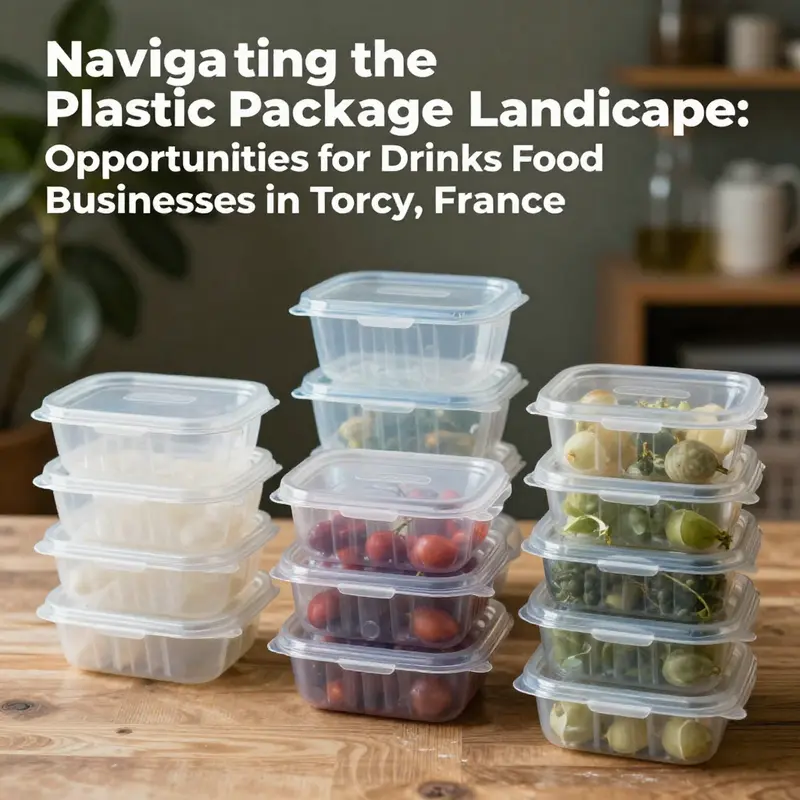
Torcy sits within a dense supply chain that links local food service and retail practices to wider European policy aims. The economic story of plastic food containers in this Parisian suburb thus moves beyond price tags and shelf life. It unfolds as a negotiation among low unit costs, the reliability of supply, and the sharper, more persistent currents of regulatory reform. In France, as in the European Union, the drive toward a circular economy has become a dominant frame for business planning. This frame reshapes not only what containers are made of and how they are used, but also who bears the costs of compliance, who gains reputational advantage, and how quickly the region can shift from disposable habits to reusable or highly recyclable systems. Within Torcy, these pressures translate into concrete decisions about procurement, cleaning and logistics, and partnerships with waste management systems that can scan, collect, and redistribute containers with minimal friction. The result is a landscape in which economics and policy are inseparable, each amplifying the other in ways that bound the present to a longer horizon of resource stewardship.
From the supplier viewpoint, plastic packaging remains attractive for its versatility, strength, and low per unit cost when bought in bulk. In a crowded field that serves restaurants, caterers, and retailers who handle perishable goods, the functional advantages of plastics are hard to replace quickly. They resist puncture, they seal effectively, and they can be molded into a range of forms to fit different food service workflows. Yet, in Torcy and across France, the financial calculus of these containers must now account for the ownership and operating costs that accompany a policy push toward reuse and recycling. The economics of a disposable container look very different when the regulatory horizon expects reuse loops to become the norm, and when producers, retailers, and municipalities deploy reverse logistics systems to retrieve, wash, and reissue containers. In practice, this means the contrast between a cheap, single use item and a more durable system that requires cleaning, inspection, and redistribution logistics becomes the central economic question for many Torcy businesses. It also means the capital outlay for durable containers, washing equipment, and digital tracking to monitor returns can appear before any measurable savings from material use.
The local supply chain environment compounds these dynamics. Torcy is part of a regional network that has to balance the lure of low-cost global sourcing with the realities of European and French waste policies. Pricing signals in bulk can be attractive, especially for large orders used by food service providers and retailers who move high volumes. Still, the decision to switch or expand to reusable systems often hinges on the reliability of returns and the efficiency of the reverse flow. If containers do not come back promptly, or if cleaning cycles are slow or costly, the business case deteriorates quickly. Conversely, when a facility can implement a well-timed, high-return system, the long-run costs of disposable packaging can be offset through reduced purchase volumes and improved asset utilization. In Torcy, some operations have begun to experiment with digital tracking and scheduling tools to monitor container usage and returns. These tools help forecast demand, optimize routing for pickup, and minimize downtime between uses. They also create data trails that simplify compliance reporting and enable clearer appraisal of the financial benefits of reuse over time.
Policy developments at the national and EU level intensify this recalibration. The Loi anti-gaspillage, enacted in 2020, marks a shift in how public and large retail actors approach packaging. It pushes for reusable or recyclable options and the phasing out of certain single-use items, aligning public procurement and commercial practice with the broader circular economy agenda. In Torcy, this has nudged food service operators toward adopting reusable container systems for takeaway and dining in, rather than relying solely on disposables. The upfront investments required—durable containers, labeled lids, dedicated collection points, and a trained staff to manage washing and sanitization—are substantial. The payoff, however, can accumulate over years through lower material costs, less waste disposal expense, and a stronger brand narrative centered on responsibility.
At the EU level, the Circular Economy Action Plan sets ambitious targets that ripple through local economies like Torcy. By 2030, all plastic packaging is intended to be recyclable or reusable, with recycling targets climbing from 50% to 65%. These ambitions do not simply push recycling milestones; they incentivize the creation of wholly new packaging solutions and supply chain arrangements. For small and medium enterprises in Torcy, the compliance landscape expands in two directions: design and data. Design requirements push brands to favor materials and structures that lend themselves to reuse or high recyclability. Data requirements push firms to monitor packaging flows, collection rates, and recycling outcomes. The integration of such data into business systems often necessitates partnerships with waste management cooperatives or the deployment of digital tracking platforms. In practice, this means that a local caterer might work with a regional partner to coordinate container returns, loading, and cleaning, while also using software to trace the lifecycle of each container from purchase to reuse.
In this evolving context, uncertainty and opportunity walk hand in hand. On one hand, reusable systems can deliver long-run savings by decreasing material purchases and waste disposal costs. On the other hand, the initial capital outlay, the need for reliable reverse logistics, and the requirement for rigorous hygiene and maintenance routines can press cash flows, particularly for SMEs. The experience of a French food catering supply chain, cited in broader analyses, underscores that the economics of reuse hinge on operational efficiency and high return rates. When a system is well designed—clear workflows, predictable washing cycles, and transparent accountability—the cumulative savings can be meaningful. When return rates lag or processing costs spike, the financial advantage can erode rapidly. In Torcy, as elsewhere, the decisive variable is not simply the price of a reusable container but the profitability of the entire loop: how quickly a container re-enters circulation after it is retrieved, how efficiently it is cleaned and inspected, and how reliably it can be redistributed to meet demand.
An important practical dynamic in Torcy concerns the balance between local and cross-border supply considerations. The broader French and EU markets still rely on a mix of domestic manufacturing, regional production, and selective imports from non-EU suppliers. The decision to source from outside the region must weigh tariffs, lead times, and quality assurance against the cost savings that bulk purchases might offer. In a policy environment encouraging reuse and recycling, supply chain flexibility becomes a prized asset. Businesses that can diversify supplier bases, or that can predict and adapt to policy-driven demand shifts, stand to weather regulatory changes more effectively. Within Torcy, the emergence of digital logistics practices and data-backed procurement decisions helps align supplier behavior with policy goals. For instance, tracking the lifecycle of containers—from purchase through return and cleaning to redeployment—offers a lens into where bottlenecks lie, whether in storage capacity, cleaning throughput, or transportation routes. Such insights enable more precise budgeting, reduce waste, and support the case for investing in durable systems that can endure policy-driven use over many cycles.
Community and regional collaboration also play a crucial role. Local waste management cooperatives and municipal programs can provide the infrastructure and incentives needed to optimize container returns and recycling. Partnerships that integrate packaging tracking with municipal recycling streams can simplify compliance while enhancing the attractiveness of reusable options to customers who expect responsible packaging. The overarching economic implication remains that Torcy, like many urban and peri-urban centers in Europe, is negotiating a transformation in which traditional cost advantages of plastics are increasingly weighed against the broader benefits of circularity. The successful firms are those that align procurement strategy, operational design, and policy compliance into a coherent system. They are also the ones that effectively communicate value to customers, signaling commitment to sustainability without sacrificing reliability, convenience, or price competitiveness.
Within this narrative, a simple reminder anchors the discussion: the physical form of packaging matters only insofar as it supports the lifecycle ambitions of a circular economy. Containers must be designed for reuse or recyclability, but more importantly they must be embedded in a logistics and data-enabled system that makes returns predictable and costs visible. For readers seeking a snapshot of the broader category that shapes these decisions, a practical gateway to the range of plastic packaging options used in food-related applications is available at the plastic packaging category, which provides broader context on materials, formats, and potential reuse pathways: plastic packaging category.
The chapter that follows will continue to connect these macro policies and micro logistics to the concrete experiences of Torcy’s businesses, exploring how owners and managers translate policy into practice, and how the market negotiates price, risk, and resilience in a changing packaging landscape. The dialogue between public objectives and private incentives continues to unfold in real time, shaping not just how containers are made, but how cities, businesses, and households imagine and realize a more sustainable daily routine. As Torcy experiments with new norms of packaging, the broader European framework provides both constraint and possibility, guiding investments toward systems that can endure into the next decade and beyond.
External resource: https://epsc.europa.eu/committees/european-parliament-research-service/2017/05/plastics-in-a-circular-economy-19821
Navigating Torcy’s Trade Lanes: The Supplier Landscape for Plastic Food-Container Packaging in a European Gateway
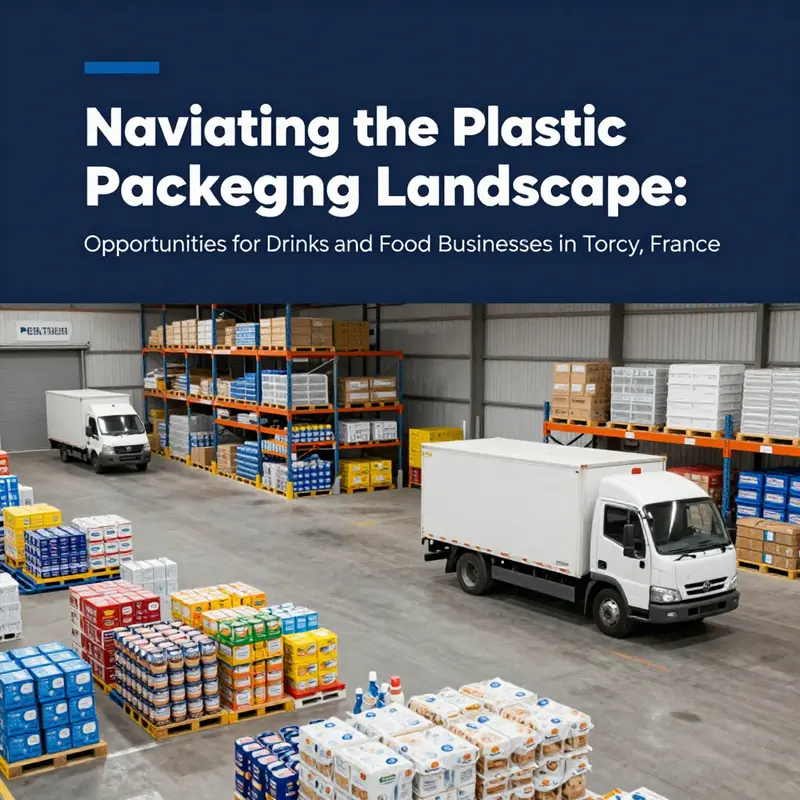
Torcy sits just east of Paris and functions as more than a waypoint in the French supply web; it is a microcosm of how European demand for plastic food-container packaging meets a global production ecosystem. In a region where logistics density is a competitive differentiator, buyers in Torcy tap into a dual rhythm: the immediacy and local responsiveness of European manufacturers, and the scale, price discipline, and customization agility that come from international suppliers, especially from Asia. The regulatory frame governing food-contact plastics in the European Union further sharpens this dynamic, because compliance is not a single checkbox but a continuous performance standard that shapes supplier choice, production planning, and traceability. In practice, companies in Torcy weigh five interlocking priorities: safety and compliance, recyclability, capacity to adapt, delivery reliability, and value-added services such as imprinting or labeling. The resulting supplier landscape is not a single tier but a spectrum where local regional producers, European contract manufacturers, and importers from distant shores converge to serve restaurants, retailers, and food-service distributors across the Île-de-France region and beyond.
The local and regional suppliers that operate closer to Torcy—and more broadly in northern and central France, in departments such as Nord and Orne—often emphasize materials and designs that align directly with EU food-contact regulations. They prioritize containers made from recyclable plastics like PET and PP and emphasize clear labeling that tracks with EC 1935/2004 and subsequent EFSA guidelines. This is not merely about meeting minimum standards; it is about building reputational trust with end-users who demand consistent performance in storage, transport, and portioning while respecting regulatory constraints that cover exposure to heat, cold, and contact with a variety of foods. In this setting, the ability to deliver fast-turnaround samples, rapid prototyping, and flexible printing or labeling becomes a meaningful differentiator. For Torcy buyers, the advantage of working with nearby European suppliers lies not only in speed but in the adapted service layer—local technical support, multilingual communication, and shorter back-and-forth cycles that help keep product development timelines tight.
Yet, a broader European strategy often nods toward the more expansive economies of scale and cost controls offered by international manufacturers. Across the European market, a growing pattern is to source from established production hubs in Asia, especially in the Pearl River Delta and Fujian, where integrated ecosystems cover raw-material procurement, mold design, automated molding, and downstream packaging. These factories typically present an attractive calculus: lower unit costs at scale, the flexibility to accommodate small trial orders—as low as a couple of units for initial testing—and the capacity to ramp up quickly for larger programs. For Torcy buyers, this means that the supplier mix can be tailored to product category, demand volatility, and brand strategy. When a project moves from concept to launch, it is not unusual for a company to shift between regional partners and global suppliers to optimize price, cycle time, and the breadth of customization on offer.
The market data available as of early 2026 helps crystallize this balance. For recyclable three-compartment plastic food containers sourced from Chinese manufacturers, the unit price can drop to around $0.10 per piece when order volumes exceed 500,000 units, with delivery windows of 20 to 35 days after sample confirmation. The logistics chain typically starts with sea freight from southern China—via Shenzhen or Xiamen—to Le Havre, followed by land transport to Torcy. While these times can extend with peak season bottlenecks, the overall window has shown stability and predictability, with a common expectation of 10 to 14 days from port-to-door once the Chinese supplier confirms the order and the goods are in transit. This dual pace—local European agility and international scale—gives Torcy buyers a credible option set to hedge against fluctuations in raw-material costs or supply disruptions. It also means procurement teams must implement a robust, data-driven framework to evaluate suppliers across multiple dimensions, from compliance to delivery reliability to sustainability.
A practical mindset in Torcy, therefore, treats supplier selection as a lifecycle rather than a single transaction. The most compelling approach blends the strengths of nearby European manufacturers—familiar regulatory alignment, close collaboration, and quicker feedback loops—with the scalability and price leverage afforded by vetted Chinese producers. In doing so, the procurement function must manage risk through a deliberate evaluation framework. Key dimensions include regulatory compliance, where certifications such as ISO 22000, FSSC 22000, or recognized standards for food-contact materials matter; production capability and flexibility, which encompasses automation levels and the ability to support rapid prototyping or design changes; sustainability, including recyclability of the material and the potential use of post-consumer recycled (PCR) content; delivery reliability, captured by historical on-time rates and the availability of flexible freight options; and service support, which covers customization capabilities, multilingual communication, and after-sales guarantees. A disciplined approach here is essential because the European market’s pace and the high expectations around safety and environmental stewardship demand more than just price competitiveness.
For Torcy buyers who want to explore beyond purely local suppliers, the landscape offers avenues to align with broader European logistics networks. The European distribution framework enables quick access to the wider market while preserving the ability to tailor products to the region’s preferences and regulatory expectations. The internal decision calculus can benefit from tapping into a category such as Plastic Packaging, which houses a broad spectrum of related formats and materials and can be a helpful reference point for designers and buyers seeking consistent material performance. Plastic Packaging is a practical entry point for teams wanting to compare form factors, weight tolerances, and printing compatibility across multiple suppliers without losing sight of the European compliance baseline.
In practice, the vendor evaluation process in Torcy should be anchored by a structured supplier scorecard with clear thresholds for risk, cost, and performance. Such a framework ensures that cost savings do not come at the expense of traceability or regulatory adherence. Suppliers should be able to demonstrate end-to-end traceability of their packaging—from raw-material batches to finished goods—alongside batch-level testing data for migration and leachables, and clear documentation of packaging for specific food categories. The most successful engagements also emphasize collaborative development: joint optimization of thickness, sealing performance, and stackability to reduce warehouse space and shrinkage during distribution. This collaborative ethos helps maintain product quality while linking procurement to the operational realities of Torcy’s catering networks and retail channels.
As Torcy’s buyers calibrate their supplier mix, it becomes evident that the region’s strength lies in its ability to orchestrate a seamless cross-border network—an ecosystem that respects strict European standards while remaining responsive to the evolving economics of global manufacturing. The path forward is not simply choosing between a local supplier or an offshore partner; it is about crafting a hybrid strategy that maintains regulatory fidelity, improves supply resilience, and delivers competitive cost-per-piece without compromising performance in storage, transport, and consumer-facing applications.
External resource: For a broader macro view of how regional markets fit into the global plastic food-container landscape, see the Statista report on market size by region. https://www.statista.com/statistics/1487223/global-plastic-food-container-market-size-by-region/
Between Convenience and Responsibility: Reimagining Plastic Food Containers in Torcy, France
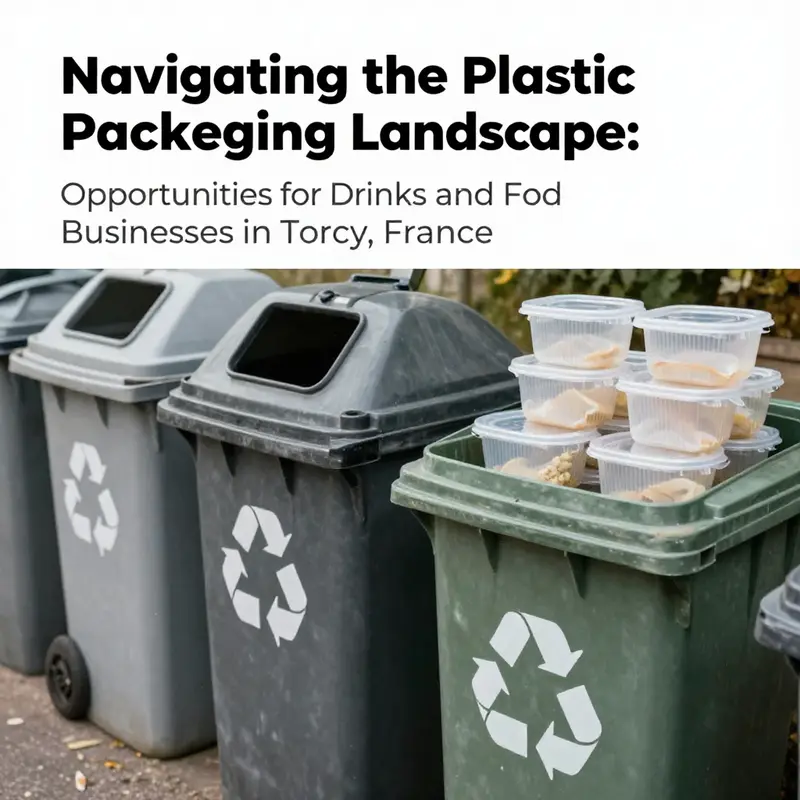
In Torcy, as in many urban landscapes across Europe, plastic food containers sit at the intersection of daily routine and long-term responsibility. The sight of a disposable takeout box stacked beside a reusable coffee cup is not merely a matter of convenience; it is a cue about how a community negotiates waste, safety, and value. The conversations around these containers have grown sharper as residents become more aware of the invisible costs of disposal—pollution, resource depletion, and the persistent presence of plastics in landfills and waterways. In practice, what seems straightforward—packaging that protects food during transit—maps onto a web of choices, policies, and perceptions that shape whether Torcy households opt for single-use options or invest in containers designed for multiple uses. The tension between ease and stewardship is not an abstract debate; it is a daily decision that reveals how well a city translates environmental concepts into practical, trusted habits.
A crucial piece of this puzzle is how sustainability is defined and communicated. Across surveys and household interviews in nearby regions, a recurring theme emerges: people want packaging that is clearly responsible, yet they often encounter mixed messages about what “sustainable” really means. Some respondents equate sustainability with recyclability, others with the ability to reuse, and a growing share considers the broader lifecycle—from production and transport to end-of-life management. This ambiguity is not trifling; it shapes whether a resident is prepared to pay a premium for packaging labeled as environmentally friendly. A 2025 mixed-method study highlights that willingness to invest more depends heavily on how packaging claims are framed, who is delivering the message, and what standards back those claims. In Torcy, where municipal programs promote recycling and encourage reuse, the literature suggests a paradox: progressive policies exist, but public understanding and consistent behavior lag behind the policy rhetoric. The result is a partial adoption curve, where some households embrace reusable containers while others drift toward habitual routines anchored in convenience rather than environmental benefit.
In this landscape, the practicalities of reuse raise specific questions about safety and durability. Not all plastics are equally suited to repeated use. Containers made from high-density polyethylene (HDPE) or polypropylene (PP), commonly found in household yogurt tubs and takeout boxes, can be repurposed if cleaned properly and kept away from heat or highly acidic foods. The resin identification codes provide a compass, but they are not a substitute for cautious judgment. Codes #2 and #5 suggest a higher likelihood of safe reuse, yet even these plastics can degrade with repeated washing or improper drying, inviting micro-damage that may harbor bacteria or compromise barrier properties. More complicated are codes such as #7, which can be associated with safer alternatives or with unclear content depending on the specific polymer blend. The health risks tied to leaching are not hypothetical figures on a page; they matter in households that reuse containers for kid’s snacks, bulk meals, or storage for pre-prepared ingredients. The practical takeaway is simple but essential: reuse should be informed by material type, integrity of the container, and the nature of the stored contents. For people in Torcy, this translates into straightforward guidelines—avoid heating in reusable containers unless they are explicitly microwave-safe, avoid storing highly acidic foods in older plastics, and maintain a rigorous cleaning routine to minimize residue that could harbor contaminants.
Beyond individual choices, the chain of supply and the economy of packaging also shape possibilities in Torcy. A recent snapshot of the broader market shows a wide range of wholesale pricing when bulk purchasing plastic food containers, including PP and HDPE variants. The numbers—very low unit costs at large volumes—underscore how price signals can tempt buyers toward recyclable and reusable options, but they also remind us that cost is not the sole determinant of sustainable practice. In a city that supports local reuse initiatives, the challenge becomes aligning economic incentives with public health and environmental standards. If savings on per-unit costs are achieved through bulk procurement without robust cleaning, verification, and labeling, the benefits may be undermined by inconsistent reuse practices. The reality is that materials science and consumer behavior must coexist with regulatory clarity to ensure that reusable packaging delivers real advantages over time. A nuanced approach—one that couples safe-use guidelines with transparent labeling and lifecycle information—offers the most promise for Torcy’s households.
Clarifying messaging is essential because perceptions of sustainability influence willingness to pay. The 2025 study cited earlier suggests a clear trend: people will invest more in packaging they believe to be environmentally responsible, but the variance in understanding across populations can dilute that effect. For Torcy, this means that municipal and supplier communications should strive for consistency, backed by third-party verification and accessible explanations of what makes packaging sustainable. Labels that communicate recyclability, recyclability conditions, and the feasibility of reuse under specified circumstances can help residents make informed choices without feeling overwhelmed by technical jargon. In such a framework, the consumer is not forced to decipher a maze of codes; instead, they encounter a straightforward map of options—what can be recycled, what can be reused safely, and what steps are needed to maintain safety when containers move from kitchen to shopping bag to storage container. The mismatch between consumer expectations and policy signals often drives acceptance gaps. Addressing this mismatch is less about persuasion and more about providing reliable, interpretable information that helps Torcy’s residents act with confidence.
Design implications follow from these realities. Packaging that supports safe reuse must be designed with durability in mind, but also with user-friendly maintenance. Materials that resist cracking, resist staining, and tolerate routine cleaning without degrading are essential. At the same time, design choices should minimize risk of leaching and deterioration from heat or contact with acidic foods. The institutions that regulate labeling and safety standards have a crucial role here, guiding designers toward solutions that perform well in real homes and real kitchens. In practice, this means clearer, standardized guidance on the life expectancy of reusable containers, explicit temperature and food-type limits, and straightforward care instructions. It also means packaging that is easy to separate for recycling and that uses materials with a proven, traceable supply chain. The aim is a practical alignment: containers that can withstand daily use in Torcy’s households, while meeting safety expectations and offering genuine environmental advantages over single-use alternatives.
For readers seeking a broader sense of the options shaping this landscape, a useful resource is the plastic packaging category page that covers a spectrum of packaging types and their potential roles in sustainability strategies. This link provides context for the kinds of materials and designs that are commonly considered in municipal and household settings: Plastic packaging category.
The discussion in Torcy also hints at a necessary shift in how success is measured. Rather than focusing solely on the percentage of packaging diverted from landfills, communities might evaluate gate-to-gate performance: the safety and reliability of reuse, the clarity of labeling, and the actual reduction in energy and materials consumed over the product’s lifecycle. Such a reframing aligns policy with practical outcomes and helps residents gauge progress in tangible terms. It also invites a more deliberate collaboration among households, retailers, waste managers, and producers, emphasizing shared accountability rather than isolated choices. If Torcy’s policies can couple clear messaging with protections for health and a transparent account of environmental impact, the city could serve as a model for balancing convenience with responsibility in a global supply chain that increasingly ties local behavior to planetary outcomes. For a deeper dive into the evidence around consumer willingness-to-pay and the ambiguity of sustainability messaging in European contexts, see the following external resource: https://www.sciencedirect.com/science/article/pii/S0956722625001483.
Final thoughts
The plastic packaging food container market in Torcy, France, mirrors a growing trend that balances convenience and sustainability. As businesses in the food and beverage sectors navigate these waters, understanding market dynamics, technical specifications, economic implications, and the supplier landscape will empower them to make informed decisions. Furthermore, with rising sustainability concerns, exploring eco-friendly options and practices is no longer optional but a necessity in today’s market. This holistic approach ensures businesses not only remain competitive but also responsible.