
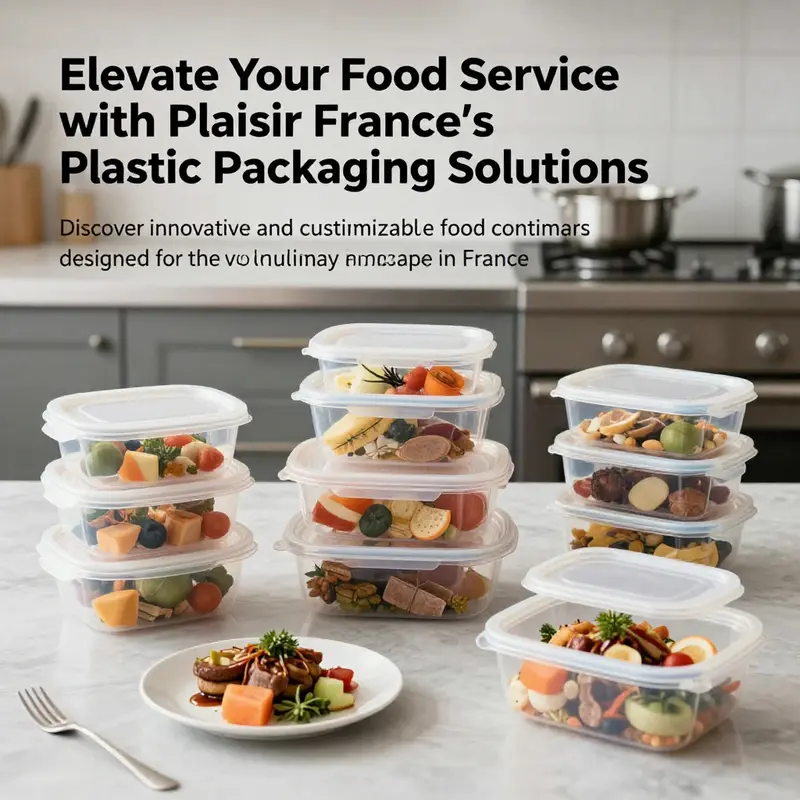
In France, the plastic packaging food container market is undergoing significant changes, especially with the rise in popularity of convenient and visually appealing options. Plaisir France plays a vital role in shaping this segment, offering products that resonate with various food service sectors, from bubble tea shops to catering services. This article explores the transparent plastic food containers available in the French market, the customization options for dessert packaging, current market trends, and the impact of e-commerce on distribution channels. Each chapter builds a comprehensive view of how Plaisir France’s solutions can meet the diverse needs of food businesses today.
Seeing Through Convenience: Market Dynamics and Sustainability in France’s Transparent Plastic Food Containers
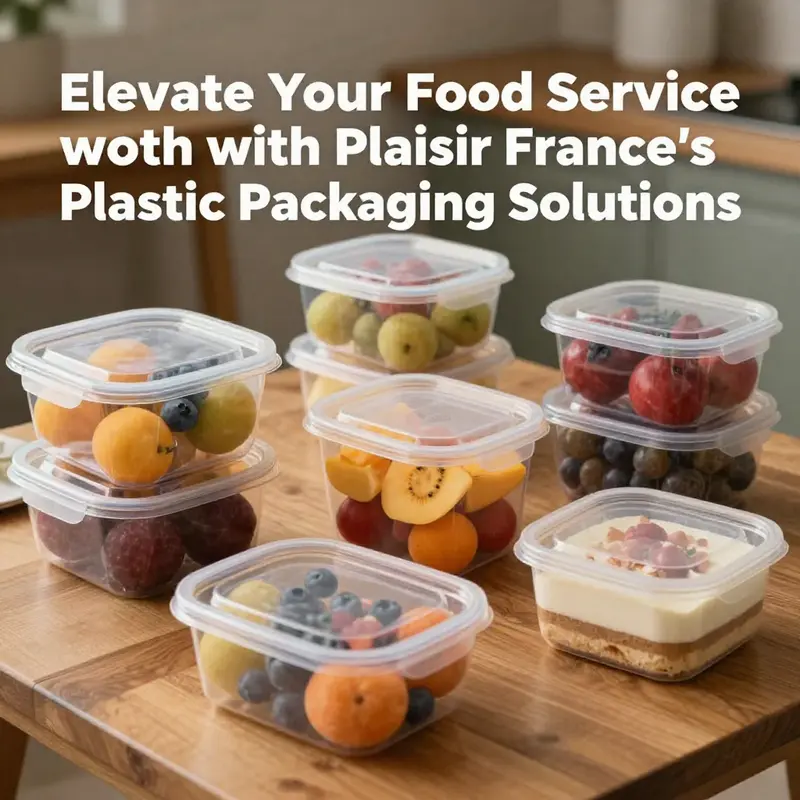
The French demand for transparent plastic food containers sits at the intersection of display-driven retail psychology and the practical need to protect perishable goods. Consumers want to see what they buy, especially when it comes to fruit, dairy, and desserts where color, texture, and surface freshness become a visual proxy for quality. Transparent packaging turns a simple container into a storefront window, a small yet powerful marketing tool that can convey freshness, portion integrity, and cleanliness in seconds. In a market where aesthetics and practicality cohabit, the appeal of clear containers is not merely about visibility; it is about confidence. When shoppers can observe the product from multiple angles—its hue, moisture, and surface condition—they feel empowered to make quicker, more informed choices. This dynamic is reinforced by the broader supply chain, where retailers rely on easy stacking, reliable sealing, and predictable shelf life to optimize turnover and minimize waste. The result is a packaging format that remains resilient even as consumer expectations evolve toward sustainability and circularity.
To situate this trend within the larger frame of the French and European packaging landscape, it helps to acknowledge the scale and trajectory of the sector. The France packaging market, a substantial segment within the continent’s broader packaging economy, was valued at approximately USD 32.88 billion in 2026 and is projected to grow at a compound annual growth rate of about 3.72 percent, reaching roughly USD 39.46 billion by 2031. Those figures reflect a steady cadence of investment in packaging innovations, with a steady tilt toward solutions that balance performance with responsible stewardship of resources. The French market does not exist in isolation; it is part of a European machinery of demand that, across countries like Germany, France, Italy, and the United Kingdom, continues to push the sector forward. Indeed, across Europe the food packaging segment is expected to grow at a robust pace—about 4.7 percent annually from 2025 to 2033—fueling opportunities for manufacturers, suppliers, and retailers who can deliver products that are safe, attractive, and environmentally attentive. In France, as in the rest of the region, the attraction of transparent plastics is closely tied to efficiency in handling and the ease with which retailers can present products to discerning shoppers who expect clarity, not only about the contents but about the packaging’s own quality and integrity.
Within this market frame, a prominent French packaging supplier has carved out a niche by specializing in transparent plastic containers designed for both retail and home use. These containers have become especially favored for storing perishable goods like dairy and produce, where the visibility of the product enhances consumer trust and supports in-store display strategies. Yet, the story is not simply about visibility; it is about how a packaging system harmonizes with consumer preferences and environmental imperatives. While clear plastic offers the advantages of light weight, shippability, and cost efficiency, it also raises questions about recyclability, post-consumer waste, and the overall life cycle of materials. The sector’s trajectory in France, and more broadly in Europe, shows that the demand for clarity and convenience is increasingly tempered by a search for sustainable design—materials that can be recycled, content that can be reused, and processes that reduce carbon footprints without compromising product protection.
The 2022 snapshot of the French packaging scene is instructive. In that year, thin-wall plastic containers were among the most prominent packaging types used for butter and spreads. This usage underscores plastic’s continuing relevance in safeguarding perishables while enabling compact, efficient retail formats. It also underscores a wider industry truth: when a packaging solution proves effective for a high-turnover category, it becomes a core component of supply chains that must balance safety, cost, and consumer expectations. Yet even as plastic remains entrenched for its practical advantages, the industry is visibly recalibrating toward sustainability. Manufacturers and brand owners alike are embracing recyclability, recycled content, and biodegradable options where feasible, guided by policy signals, market demand, and the evolving standards of circular economy models.
A closer look at the economic and technological fabric of the market reveals a few guiding tensions. On one hand, there is a push for materials and designs that maximize product visibility, preserve freshness, and simplify handling across the cold chain. On the other hand, there is growing pressure to minimize environmental impact through clever material selection, optimized thickness, and closed-loop recycling. This dual demand has spurred innovations in both form and function. For instance, thinner walls can reduce material use and weight without compromising barrier properties or seal integrity, while advancements in cap and lid engineering improve resealability and reliability of seals in repetitive consumer use. At the same time, there is a clear industry movement toward incorporating greater recycled content and exploring bio-based polymers where compatible with barrier performance and consumer safety standards. In practice, this means that a container might offer the transparency shoppers expect, while its lifecycle aligns more closely with a circular economy model—eroding the once-linear path from raw material to landfill.
These developments do not occur in a vacuum. The packaging ecosystem in France benefits from a convergence of market demand, regulatory encouragement, and technological progress. Regulatory frameworks at the national and European level increasingly invite designs that are easier to recycle, easier to separate, and more compatible with recycling streams. Producers are responding by improving material traceability and by adopting certifications and standards that reassure retailers and consumers about safety, contact with food, and environmental performance. In parallel, the supply chain benefits from automation and process optimization. For example, efficient jar packing and related equipment have evolved to balance cost efficiency with performance, enabling small- and medium-sized producers to scale up without sacrificing quality or sustainability objectives. These technologies help ensure that transparent containers can be produced, filled, and packed in volumes that meet growing demand while maintaining strict hygiene and product protection.
The consumer lens remains central to the narrative. Clear packaging communicates trust, but it must also communicate responsibility. Shoppers increasingly equate the act of purchase with a broader set of values, including environmental stewardship and ethical sourcing. Transparent containers, if designed with recyclability in mind and produced from materials that can be reused or recovered at the end of life, can align aesthetic appeal with moral appeal. This alignment is not merely a marketing aspiration; it reflects a tangible shift in consumer behavior that packaging manufacturers monitor through ongoing market analysis. The emphasis on visibility and trust continues to be a mainstay of the category, but the way it is achieved is evolving. Clear plastics that once symbolized convenience now also symbolize a commitment to sustainability, which in turn nurtures brand loyalty and repeat purchases in a market where differentiation often hinges on invisible factors—correct sealing, predictable shelf life, and the assurance that packaging aligns with a circular economy mindset.
From a design and supply perspective, the story of this packaging category in France and Europe is one of modularity and adaptability. Brands and manufacturers seek containers that can accommodate a range of products—from fruit and fresh-cut produce to dairy products and delicate desserts—while remaining compatible with existing bottling, filling, and labeling lines. The apparatus supporting these containers, including form-fill-seal systems and automated inspection steps, increasingly prioritizes accuracy, speed, and waste reduction. The end result is a packaging solution that can be deployed across multiple product families with minimal changeover time, enabling retailers to present a coherent display strategy that emphasizes freshness and product integrity. In practice, the broader industry’s confidence in transparent plastics hinges on two axes: material performance and life cycle performance. Material performance covers clarity, rigidity, impact resistance, and seal reliability across diverse temperatures. Life cycle performance covers recyclability, energy intensity of production, and end-of-life options that feed into the circular economy narrative. While progress is incremental, the cumulative effect is a packaging ecosystem that becomes more capable, more resilient, and more aligned with a sustainable development agenda.
Within this evolving landscape, one must also consider the role of digital and data-driven tools. Retailers increasingly demand traceability information—batch numbers, lot codes, and recycling guidance—embedded in packaging or readily accessible to consumers via QR codes. Transparent containers can display basic product information through labels or direct-printing, but the real value emerges when packaging communicates how to recycle it and how it fits into a broader waste-management system. For producers, data-driven packaging strategies enable smarter replenishment, better demand forecasting, and reduced waste. In markets where perishable goods dominate, the ability to monitor and optimize the entire cold chain—from production to point of sale to the home kitchen—translates into tangible benefits: lower spoilage, improved product quality, and enhanced consumer confidence. This is the kind of holistic efficiency that makes transparent plastic containers more than a packaging choice; they become a strategic instrument in modern retail and consumer satisfaction.
The internal landscape of the packaging supply chain is also shaped by competition and collaboration. A prominent French supplier has distinguished itself not merely through product clarity but through a broader commitment to quality, reliability, and adaptability. While the specifics of individual brand names fall outside the scope of this chapter, the underlying dynamic remains clear: when a supplier offers a consistent, high-performing platform for transparent containers, it enables retailers to craft compelling aisle experiences and helps producers achieve reliable throughput on packaging lines. The emphasis is on a balanced portfolio of containers that can accommodate a spectrum of products and formats, coupled with service elements such as rapid sample delivery and customization options that support speed to market. This combination reinforces the importance of supplier ecosystems that can keep pace with evolving consumer expectations and regulatory requirements.
On balance, the trajectory for transparent plastic food containers in France—and across Europe—reflects a broader narrative about packaging: performance and responsibility are converging. The market’s growth signals, the historical relevance of plastic for perishable products, and the ongoing push for recyclability and circularity point to a future where the visual appeal of packaging remains essential, but its environmental footprint is increasingly scrutinized and improved. The continued demand for clear containers is not a contradiction to sustainability. Rather, it is an invitation to innovate—by thinning walls where feasible, increasing recycled content where possible, and ensuring end-of-life pathways that keep materials in circulation rather than consigning them to waste. As retailers optimize shelf layouts and brands refine product presentation, the ability to deliver both visibility and value will remain a core strength of the transparent packaging family. In this sense, the French market provides a compelling microcosm of a continental shift toward packaging that communicates, protects, and partners with a sustainable future. For practitioners, the lesson is clear: design for clarity and durability, but plan for recyclability and reuse, so that transparency extends beyond the product to the entire lifecycle.
Internal link to broader context: the category of plastic packaging, which houses these transparent containers, forms a critical spine of modern retail packaging strategies. For further exploration of material families and packaging classifications within this broader category, see the linked overview of plastic packaging.
External reference: as you consider the technical implications of container design and filling processes, a detailed resource on jar packing machine standards, materials, and applications provides practical context for how these containers are integrated into automated lines. https://www.example.com/food-jar-packing-machine
Tailored Dessert Packaging That Sells: Custom Plastic Containers and Rapid Sampling in the French Market

Plaisir France positions itself at the intersection of craftsmanship and industrial agility, shaping plastic dessert packaging that aims to do more than protect—it aims to communicate. For brands that sell delicate confections, packaging must accomplish several tasks at once: preserve texture and temperature, present the product attractively, and reinforce brand identity without overwhelming the pastry itself. Plaisir France’s approach combines flexible customization with a rapid sample workflow so bakeries, chocolatiers, and dessert startups can test and iterate quickly while keeping sustainability in view.
Customization begins with fit and function. Desserts vary wildly in size and fragility: macarons demand small, stable partitions; individual tarts need shallow, wide shells; layered cakes require tall, supportive walls. Off-the-shelf trays rarely address those nuances. By offering adjustable dimensions, bespoke partition layouts, and tailored lid geometries, the packaging becomes an extension of the product. A carefully designed partition keeps a delicate chocolate from rubbing against a crunchy praline. A low-profile lid preserves delicate whipped textures while still allowing an appealing display. These engineering choices reduce damage during transport and minimize the need for additional filler materials, which cuts cost and waste.
A second layer of customization is visual storytelling. Transparent plastics like PET offer crystal-clear visibility, showcasing color, texture, and finishing touches. Yet visibility alone is not branding. Plaisir France supports high-precision screen printing and flexographic printing that let brands reproduce logos, muted patterns, or seasonal motifs directly onto the container. When applied thoughtfully, printing can frame the dessert rather than compete with it—subtle borders, an embossed effect, or a printed window frame create a sense of ceremony without obscuring the product. For limited releases, short-run print runs enable seasonal or event-specific packaging without long lead times or excessive inventory.
Material choice is treated as a design decision with environmental impact. Recognizing consumer and regulatory pressure, the company promotes recyclable and bio-based options such as PET and PLA. PET combines clarity and mechanical strength, making it suitable for display-focused packaging that still needs to withstand handling. PLA, derived from plant starches, offers compostable alternatives that appeal to environmentally conscious buyers, though its thermal limitations must be considered for certain chilled or hot applications. Plaisir France works with clients to balance these trade-offs, assessing shelf-life requirements, storage conditions, and end-of-life pathways to recommend the most appropriate polymer. This guidance helps brands align packaging claims with real-world performance and lifecycle outcomes.
One of the most practical advantages for small and medium producers is the low minimum order quantity. By supporting small batch MOQs—sometimes as low as 500 pieces—Plaisir France lowers the barrier to entry for new product testing and seasonal experiments. This flexibility is critical for artisanal producers who need to validate concept appeal without tying up capital in large inventories. Small MOQs also enable more frequent design refreshes, letting brands respond to trends or refine artwork based on customer feedback. When combined with an agile supply network, these smaller runs reduce waste from unsold packaging and allow production to stay aligned with demand.
Speed is central to the company’s value proposition. The quick-sample service compresses the typical development timeline. Where conventional custom-packaging workflows can run weeks to months, Plaisir France aims to deliver physical samples within three to five business days. Fast sampling accelerates decision cycles: clients can review fit, aesthetics, and protective features in hand, rather than relying on digital mockups alone. This tactile verification often reveals subtle but crucial adjustments—slight lid interference, partition spacing that needs tuning, or print color differences under store lighting. Rapid iteration not only speeds time-to-shelf but also reduces the risk of costly mistakes in mass production.
Protection and display are balanced through smart internal geometry. For chocolate assortments and plated desserts, custom insert patterns prevent movement during transport and ensure consistent presentation at point of sale. Inserts can be designed to cradle each piece, absorb minor shocks, and maintain separation to prevent flavor transfer. For fruit-topped tarts or glazed pastries, lids are engineered to avoid contact with delicate surfaces while still minimizing headspace to reduce oxidation. This technical attention preserves product integrity for longer, which translates to better consumer experiences and lower return or spoilage rates for retailers.
Supply chain responsiveness complements design flexibility. Through collaborations with experienced manufacturers, Plaisir France coordinates tooling, production, and logistics to meet variable demand. This integrated approach shortens lead times and improves quality control, as design changes are communicated directly to production partners who can implement adjustments quickly. For brands pursuing cross-border sales, the company’s network helps manage packaging compliance and labeling variations across markets, reducing friction in export processes.
Brand differentiation is enhanced by how packaging supports storytelling. Beyond logos, printed panels and dielines can include curated product narratives, storage instructions, and origin stories that connect consumers to the maker. When printed on the lid or a sleeve, these elements create moments of discovery—an explanation of ingredients, a suggested pairing, or a seasonal backstory. Effective storytelling increases perceived value and fosters loyalty, and when packaging is both functional and beautiful, it becomes a visible part of a brand’s identity in retail settings.
Sustainability claims are grounded in practical measures. Choosing recyclable PET over single-use mixed polymers simplifies recycling streams. Selecting PLA for items likely to enter compost streams can be appropriate when municipal composting is available. Plaisir France helps clients assess the best end-of-life strategy, recommending labeling and material choices that match local recycling capabilities. This guidance prevents misleading claims and helps businesses set realistic, verifiable sustainability targets.
For those managing limited budgets or launching seasonal lines, the combination of low MOQs and rapid samples is transformative. It allows iterative brand building: prototype, test with customers, refine recipe and presentation, and produce the right volume for launch. The result is less wasted stock and a packaging solution tuned to actual customer response. When a product succeeds, scaling up production is straightforward because early tooling and designs are created with industrial partners who can accommodate larger runs.
This model also supports innovation in formats. Custom shapes and lid systems can be developed for experiential retail—stackable boxes for macaron towers, clear domes that display plated desserts, or modular trays for mixed gift assortments. By testing these concepts quickly, brands can measure how new formats influence purchase behavior. With the right inserts and materials, these formats can be both visually arresting and operationally practical for busy kitchens and retail counters.
Plaisir France’s strengths lie in the integrated experience they offer: a combination of protective engineering, visual customization, material choice, and logistical speed. For dessert producers in France and beyond, that combination shortens development cycles, reduces risk, and elevates presentation. Packaging that protects a product while expressing its story increases perceived value and supports sustainable practices. For more options in packaging types and printing services that complement these plastic solutions, explore their range within the broader category of plastic packaging.
External reference: https://www.plaisirfrance.com/en/custom-packaging-solutions
Internal link: For related printed packaging solutions and accessories, see this resource on plastic packaging.
Tracking Value, Regulation, and Sustainability in Plaisir’s Plastic Food-Container Market
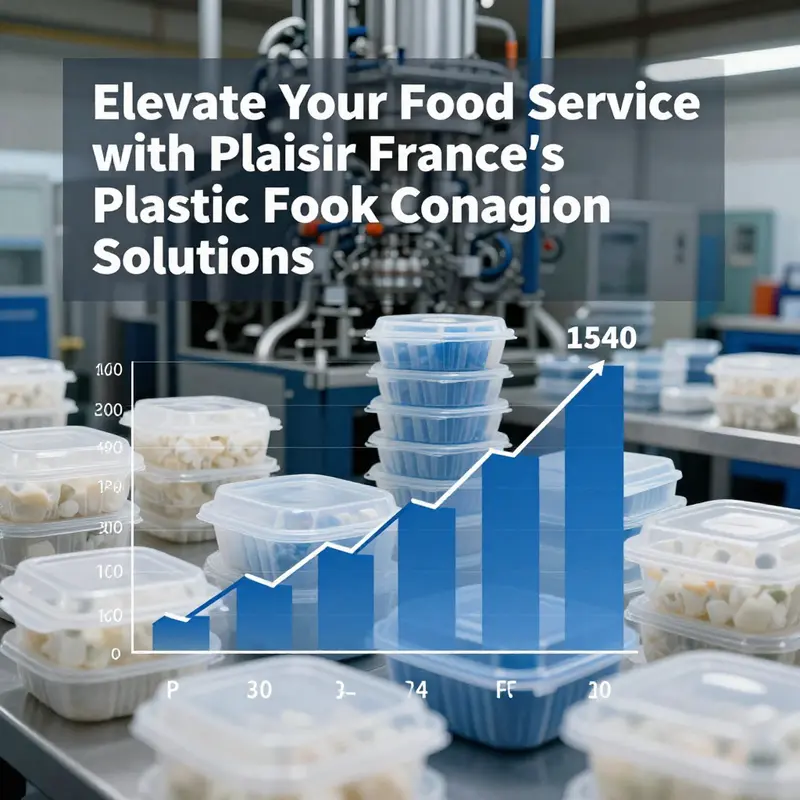
In the quiet market corridors of Plaisir, a town that sits on the fringe of the Île-de-France region, the hum of daily life still aligns with the broader currents shaping Europe’s packaging industry. The shelves in local grocers, the trays in bakery cases, and the storage cabinets in small cafés all reflect a simple but persistent truth: plastic food containers remain a foundational element of modern food handling. They carry not only the practical burden of protecting freshness and ensuring safety, but also the evolving expectations of a society increasingly attuned to environmental impact and resource use. When you stand back and look at the landscape, it is clear that the Plaisir scene mirrors a national trajectory in which plastic remains essential for affordability and convenience, even as consumers and regulators push for greater sustainability and recyclability. The region’s experience offers a concentrated view of how pricing pressure, policy shifts, and consumer preferences intersect in real time, with local suppliers and retailers continually adapting to the same forces that move the broader French market.
From a macro perspective, the French disposable food packaging market registered a robust trajectory in recent years. In 2024, industry analysts estimate revenue around USD 1,807.4 million, a figure that underscores the scale of packaging as a support system for a diverse food ecosystem—ranging from fresh fruit and ready-to-eat meals to delicate desserts. Projections for 2030 point to a value near USD 2,763.7 million, signaling confident growth driven by ongoing demand for convenient, hygienic, and efficient storage solutions. This expansion is not merely a matter of consumption volume; it reflects a parallel strengthening of manufacturing capacity, distribution networks, and a willingness among producers to experiment with materials, designs, and formats that align with both cost constraints and evolving consumer expectations. The Plaisir corridor, with its mix of local retailers and nearby distribution hubs, embodies this broader arc without losing sight of distinct local rhythms—the way small shops negotiate stock turns, how seasonal fruit packaging cycles adapt to harvests, and how seasonal desserts demand packaging that preserves presentation.
Against this broad backdrop, pricing dynamics for plastic food containers in France—and by extension in Plaisir—are shaped by several interlocking forces. While precise, locale-specific pricing data for Plaisir remains scarce, the national pattern offers useful guideposts. Raw material costs can swing in response to global supply chains, currency movements, and the cost of energy-intensive processes involved in producing clear, durable plastics. The result is a sensitivity in the final retail price and business margins that forces manufacturers and distributors to balance volume with value. In tandem, regulatory compliance adds another layer of cost. Regulations aimed at reducing single-use plastics, setting thresholds for recyclability, and streamlining end-of-life options can alter both the production mix and the price per unit. The French market, like much of Europe, is navigating a transition: plastic remains cost-efficient and versatile, but its pricing is increasingly shadowed by the premium attached to sustainability credentials and the adaptation to circular economy principles. In this environment, a small, seemingly simple item—say a transparent box for fruit—becomes a bellwether for material choices, for manufacturing flexibility, and for the willingness of retailers to pay for higher recyclability or longer shelf life.
An illustrative facet of these dynamics is the way consumer demand for sustainable alternatives interacts with the realities of price-sensitive shopping. Market watchers note rising interest in non-plastic options, including glass and certain biodegradable materials for specific product categories. This demand trend informs the pricing narrative: while plastics still offer the lowest unit cost, retailers increasingly compare the total cost of ownership, which includes recycling fees, waste disposal costs, and potential regulatory penalties for non-compliance. In practice, this means that the price of a standard transparent fruit container can be influenced by more than its raw materials alone. The weight of packaging regulations, the cost of certifications for food contact safety, and even consumer willingness to select greener options at checkout all contribute to price formation. In Plaisir, as in many French towns, merchants may observe that customers are willing to absorb modest uplifts when the packaging clearly communicates recyclability, reduces leakage, or supports a more efficient cold chain—proof that the value proposition of packaging increasingly hinges on its total environmental profile as well as its protective function.
Within this landscape, the local market in Plaisir also faces the practical realities of supply and logistics. For retailers and food service operators, the success of a packaging solution hinges not only on price but on predictability: consistent lead times, reliable quality, and compatibility with existing storage and point-of-sale workflows. The region’s proximity to major distribution centers can offer advantages in terms of stock availability and responsive replenishment, which in turn supports more favorable pricing through economies of scale. Yet the broader picture remains clear: to meet rising demand while maintaining margins, suppliers must optimize the balance between cost-efficient plastics and more sustainable alternatives. This balancing act is evident in the way manufacturers retool lines, adopt recycling-compatible resins, and explore design innovations that reduce material usage without compromising impact resistance or clarity. In such a climate, the development of regional dashboards and supplier collaboration programs becomes more than a business curiosity; it becomes a practical tool for stabilizing pricing and ensuring consistent packaging performance across a range of products.
For practitioners and researchers looking to understand how to navigate the local nuances of Plaisir’s market, a grounded approach is essential. While one cannot assume that a specific brand or supplier operates with the same margins or capabilities across the entire region, there is value in observing how adjacent French markets manage regulatory compliance and consumer expectations. One meaningful way to engage with the broader packaging ecosystem without losing sight of local specificity is to explore the wider plastic packaging landscape through the available category pages of packaging suppliers. In particular, the Plastic Packaging category serves as a useful touchstone for understanding the diversity of materials, formats, and design considerations that inform decisions at the local level. This link provides a window into the range of packaging solutions that retailers in Plaisir and similar towns may evaluate when sourcing containers for fruit, desserts, or ready-to-eat items: Plastic Packaging category. By examining the options listed there, one can glean how market players segment products by clarity, thickness, and compatibility with food-contact standards, all of which shape pricing and procurement strategies in small communities as well as in larger urban centers.
As the French market continues to evolve, the sustainability narrative remains a central driver of both consumer choice and corporate strategy. The shift toward more recyclable formats and the development of closed-loop or returnable packaging models influence not only the ecoconscious consumer but also the profit calculus for local retailers. In Plaisir, where small businesses rely on efficient turnover and predictable costs, the ability to source packaging that can be easily recycled domestically, or that blends into a circular economy framework, becomes a strategic asset. At the same time, the push for better end-of-life outcomes raises questions about compatibility with existing recycling streams and the need for clear labeling. The communications around packaging—what it is made of, how it should be disposed of, and whether it is suitable for reuse—are increasingly part of the value proposition that retailers present to customers. These dimensions—cost, performance, and sustainability—do not exist in isolation. They interact with consumer education efforts, municipal recycling programs, and industry-wide standards for food-contact safety. The result is a dynamic ecosystem in which a single packaging decision in a Plaisir shop can ripple through supply chains, influence regional pricing benchmarks, and contribute to the evolving story of France’s packaging sector.
In contemplating the local implications of these trends, one practical takeaway for Plaisir’s retailers and producers concerns market intelligence. Although precise, local price points for individual container formats may vary, the direction of travel is unmistakable: plastic remains a cornerstone of affordability and functionality, even as the demand for sustainable alternatives gathers momentum. The long-run pricing outlook is likely to reflect a mix of cost pass-through from raw materials, refinements in production efficiency, and the incremental costs associated with compliance and labeling. The French industry’s capacity expansion, coupled with a continued emphasis on recyclability and standardized food-contact compliance, points to a market where margins may compress in certain segments but opportunities arise in better-designed, more resource-efficient packaging. For local players, that implies a strategy rooted in continuous improvement—streamlining supply chains, embracing design-for-recycling principles, and building partnerships with suppliers who can offer both price discipline and environmental credibility.
The broader arc also invites a measured sense of patience. Policy momentum, particularly in the European context, often unfolds in multi-year cycles. The packaging sector benefits from this predictability even as it navigates the inevitable disruptions that come with regulatory updates and shifts in consumer sentiment. In Plaisir, this translates into an opportunity to cultivate closer collaborations with regional distributors, to pilot innovative packaging formats on a small scale, and to align promotional efforts with sustainability narratives that resonate with local shoppers. It also means recognizing that the most impactful gains will come from incremental improvements—reducing material use without compromising protection, improving supply chain resilience, and communicating clearly with customers about why a given container is chosen, how it fits into recycling streams, and what care instructions accompany it.
In closing this lens on the Plaisir micro-market, the takeaway is not simply a snapshot of price or volume. It is a reminder that the packaging choices made at the edge of a town—the item tucked into a fruit case, the dessert box on a display, or the lunch-container stack behind a café counter—are part of a larger system. That system is increasingly guided by the twin imperatives of efficiency and responsibility. For practitioners balancing cost with compliance, the path forward is one of disciplined design, cautious experimentation, and a commitment to traceable, transparent messaging about packaging’s role in protecting both product quality and the planet. The numbers from the broader French market support this conclusion: sustained growth, linked to expanding production capacity and a continuing willingness to adapt. The question for Plaisir’s market actors is how quickly they can translate those macro signals into micro-level decisions that improve cost structures while elevating the sustainability narrative that French consumers are signaling at the checkout. External observers can further enrich this understanding by consulting market analyses that place France’s disposable packaging dynamics within a wider European framework—resources like the Market Research report on France’s disposable food packaging market provide a broader context for interpreting local shifts and forecasting future pricing and demand patterns. External resource: https://www.marketresearch.com/Plastic-Food-Container-Market-Size-Share-Industry-Trends-2024-2032-592432/.
Repacking the French Aisle: E-Commerce, Sustainability, and the Re-routing of Plastic Food Containers in France
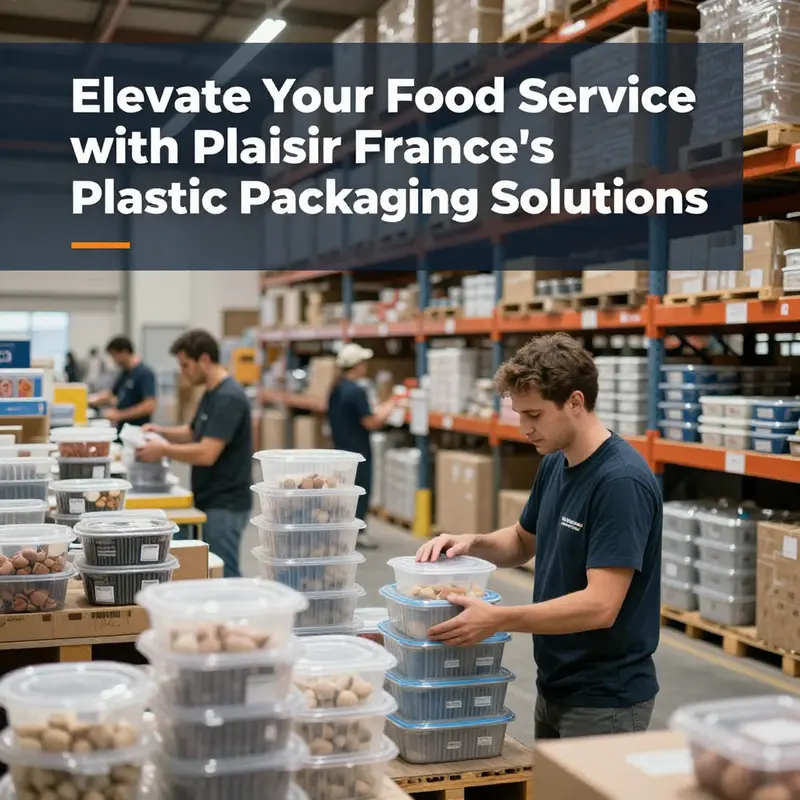
The landscape of plastic packaging for food containers in France is not defined by a single iconic brand or a single squeaky-clean solution, but rather by a dynamic tension between growing online demand, consumer expectations for convenience, and mounting environmental concerns. In markets where fruit sits in glossy transparent trays and desserts arrive in gleaming shells, the plastic container has become less a mundane accessory and more a visible node in a complex chain of commerce, logistics, and waste management. Even as researchers search for exact manufacturing origins or brand lines, the reality stands: plastic food containers are widely circulated across retailers and e-commerce platforms, often without a direct tie to a bespoke French producer. A typical example of the economics at play is the modest price point that such transparent fruit containers command in contemporary online catalogs—roughly a few tenths of a US dollar per unit, reflecting the large-volume, low-margin nature of this segment. This price band helps online sellers offer fresh items with a shelf-life extension that is essential to distance-delivered groceries, yet it also anchors a broader conversation about sustainability, waste, and the end-of-life fate of packaging. The absence of a singular, recognizable local flagship is less a gap than a signal: the French market for plastic food containers operates within a multi-supplier ecosystem, where buyers evaluate options on cost, clarity of presentation, protective performance, and the environmental profile of the packaging itself. In this context, the term “plastic packaging” functions as a category rather than a brand identity, a reminder that the challenge is not only to move products to households but to do so in a way that aligns with evolving public policy and consumer values.
As e-commerce continues to mature in towns and municipalities across the Île-de-France region, including urban centers near Paris, the flow of plastic containers through the hands of distributors, retailers, and couriers has intensified. The convenience of online ordering is paired with the need for rapid, reliable packaging that protects delicate contents during transit. The economics of last-mile delivery mean that packaging cannot be ignored; it is part of the service, shaping the experience of the customer long before the contents are opened. In these settings, a seemingly small factor—the choice of container material, the level of packaging compactness, or the ease with which a product can be opened and resealed—can influence consumer satisfaction, return rates, and even perceptions of freshness. This coupling of consumer experience with packaging choice places a premium on solutions that balance performance with cost, all while remaining mindful of the environmental footprint associated with thousands, if not millions, of daily shipments.
The public conversation around packaging in France has steadily shifted toward sustainability. French NGOs and advocacy groups have pressed e-commerce platforms to prune single-use plastics from their assortments, targeting products like disposable cups, cutlery, plates, and straws. The pressure, while not always accompanied by a simple regulatory rule, has contributed to a broader cultural and regulatory movement toward reducing packaging waste. In urban milieus where shopping patterns increasingly combine in-store visits with digital orders, there is a heightened sensitivity to how packaging decisions translate into municipal waste streams, recycling capacity, and overall environmental impact. The sustainability narrative is not an abstract debate; it translates into concrete expectations about what is acceptable in the digital marketplace, how items are shipped, and how packaging materials should be disposed of or repurposed. This reality persuades e-commerce operators and retailers to reevaluate their packaging strategies, especially for products that travel long distances or have fragile handling requirements.
In response to these pressures, many French online retailers have begun to adopt more sustainable practices in shipping and packaging. Long before 2026, a substantial portion of online shops in the country reported the use of recyclable or biodegradable materials and a deliberate effort to reduce the total volume of packaging per shipment. The intent is twofold: to minimize waste generated at the consumer end and to curb the environmental costs embedded in the logistics network. This shift is not merely cosmetic; it is connected to evolving expectations around corporate responsibility and compliance with broader environmental objectives that influence both consumer choice and regulatory frameworks. The inclusion of lighter, compact packaging can also improve load efficiency for delivery vehicles, subtly reducing fuel use and emissions in urban corridors where traffic congestion and air quality remain persistent concerns. The practical upshot is that packaging choices become an instrument of operational efficiency and a signal to customers that sustainability is a tangible business objective, not a marketing slogan.
A material that has gained considerable attention in parallel with these changes is molded pulp packaging. Made from recycled paper fibers, molded pulp offers a compelling environmental alternative to conventional plastic containers. It provides structural integrity and protective performance that meet the needs of fragile foods, while presenting a compostable or recyclable end-of-life path in many municipal waste systems. The appeal of molded pulp extends beyond its structural credentials; it aligns with the broader European push toward circular economy principles and with consumer expectations for packaging that can be responsibly managed at scale. In France, as in many parts of the world, molded pulp is increasingly deployed by manufacturers and merchants who seek to reconcile the demand for secure, presentable food packaging with a policy environment that favors waste reduction and resource recovery. The trend toward more sustainable enclosures is not a simple substitution; it represents a transition in materials science, manufacturing ecosystems, and consumer education that collectively influence the design and distribution of food containers across e-commerce channels.
The growth of e-commerce has also intensified urban logistics in France, highlighting the sometimes conflicting demands of speed, cost, and environmental stewardship. The delivery networks that feed online orders into French households must operate within dense city fabrics, where traffic congestion, noise, and emissions are real concerns for residents and policymakers alike. In this context, the packaging system becomes a participant in the broader conversation about sustainable urban mobility. Efforts to optimize last-mile delivery often involve rethinking packaging to reduce volume and weight, enabling more efficient loading, routing, and scheduling. In practical terms, this means that a more compact, lighter, and more recyclable packaging solution can enable a delivery fleet to handle more orders per trip, reduce trips for empty hauls, and lower the overall environmental cost of serving a given neighborhood. The strategic implications for businesses operating in Plaisir and similar communities are clear: adopt packaging that not only protects the product but also supports efficient, low-emission delivery, and communicate these choices to consumers who increasingly factor packaging sustainability into their purchasing decisions.
An important dimension of this evolving landscape is the way in which information and education shape consumer behavior. Research and industry practice increasingly emphasize the importance of informing shoppers about the environmental consequences of their purchasing choices. When customers understand how their packaging decisions affect the waste stream, recycling infrastructure, and the carbon footprint of distribution, they may choose more sustainable options or consolidate orders to reduce frequency of delivery. This level of consumer awareness does not simply benefit the environment; it can also influence the competitive dynamics of online retail, where customers reward brands and retailers that openly commit to transparent, verifiable green practices. In practice, this translates into clearer labeling, more explicit information about end-of-life options for packaging, and, in some cases, incentives for customers to select eco-friendly packaging alternatives. The end result is a more informed marketplace where packaging decisions are scrutinized alongside product quality, price, and delivery speed.
From the perspective of a business operating in a French e-commerce ecosystem, the challenge is not only to manage a reliable supply of containers but to align packaging strategy with a broader sustainability agenda. This alignment involves intelligent warehousing and distribution, content-neutral packaging revisions that do not compromise product safety, and collaborations with suppliers who can provide environmental performance data. It also means embracing innovations in green packaging and smart logistics that can reduce waste and emissions without compromising the consumer experience. In this sense, the packaging decision becomes a strategic lever rather than a mere operational detail. A company can, for example, curate a portfolio of packaging options—ranging from traditional plastic containers to recyclable paper-based systems and molded pulp alternatives—without surrendering on price or transit protection. The choice is then presented to customers as part of a transparent, responsible value proposition. The net effect is a more resilient distribution channel in which packaging choices support not just product presentation but the social license to operate within a crowded and scrutinized digital marketplace.
For readers seeking a practical lens into the current options within the plastic packaging domain while appreciating the broader sustainability arc, a consolidated view of packaging categories can be informative. Within the online ecosystem, buyers frequently navigate categories labeled as plastic packaging, paper packaging, and other related segments to compare performance, cost, and environmental metrics. The availability of these options online reflects a market that values interoperability across suppliers and platforms, enabling retailers to assemble a coherent packaging strategy that serves both product protection and environmental goals. In this sense, the online catalog becomes not merely a shopping tool but a planning instrument, where the trade-offs between clarity, barrier properties, weight, and recyclability are weighed and reweighted as new materials and recycling processes emerge. The evolving dynamic invites continued dialogue among retailers, packaging designers, waste managers, and policymakers about how to harmonize convenience with responsibility in the digital age.
The broader strategic picture is grounded in the national trajectory toward circular economy principles. France has long been engaged in pushing packaging toward recyclability, reducing waste, and aligning with EU directives that incentivize efficient use of resources. In urban networks, such as those surrounding major metropolitan areas and smaller towns like Plaisir, the practical impact of these policies can be observed in how e-commerce platforms curate their packaging assortments, how retailers partner with recyclers, and how logisticians optimize delivery routes to minimize environmental impact. The conversation is not only about the containers themselves; it is about the system that includes procurement, packaging design, fulfillment, delivery, consumer behavior, and Waste Management Authority guidelines. The system-wide perspective is essential because it underscores that a shift toward sustainable plastic packaging is not a one-off product swap; it is a coordinated transformation spanning materials science, operations management, and civic engagement.
For readers who want a concrete sense of the practical landscape, it helps to consider the options available within the marketplace and the criteria used to judge them. A plastic container may be evaluated on its clarity and rigidity, which influence how appetizing fruit or dessert looks inside; on its barrier properties, which determine how long a product stays fresh; on its fit within standard packaging dimensions to maximize palletization; and on its capacity for recycling or composting at the end of life. It is the synthesis of these criteria that guides manufacturers toward materials that perform under real-world conditions while minimizing environmental impact. The choices, while technical, are intimately linked to the consumer experience. When a container arrives in a kitchen, the consumer’s evaluation of cleanliness, ease of disposal, and perceived sustainability begins a feedback loop that informs future purchasing decisions. This loop is not abstract; it translates into demand signals that influence what kinds of packaging are produced, how they are designed, and where they are used—whether in a Denmark-to-France cross-border shipment strategy or in a domestic distribution network serving communities near Paris.
The chapter you have read here sits within a broader inquiry into how online commerce reshapes the material flows of everyday objects, including the humble plastic food container. The trends documented—regulatory and NGO pressure to curb single-use plastics, a decisive shift toward recyclable and biodegradable packaging, a growing interest in molded pulp as a sustainable alternative, and a heightened emphasis on smart, green logistics—are part of a national and regional movement that extends beyond one market. They reflect a shared aspiration to reconcile the benefits of convenience and product integrity with the imperative to protect the environment and to steward resources for future generations. In this light, plastic packaging is not a static artifact but a dynamic, evolving element of France’s e-commerce and sustainability narrative. The story continues as retailers, manufacturers, policymakers, and consumers collaborate to reorient the container from a disposable afterthought to a thoughtfully designed component of responsible consumption.
If you would like to explore a concrete snapshot of packaging categories that support these shifts, you can browse the broader plastic packaging options available in online catalogs, which illustrate how suppliers present, compare, and position their offerings for buyers seeking both performance and sustainability. See the Plastic Packaging category for a representative view of current options and how they are described in digital marketplaces. Plastic Packaging.
For a wider view of how France is translating these trends into policy, practice, and industry collaboration, consider the resources provided by Eco-Entreprises, which offer guidance on the transition to a circular economy and initiatives related to packaging waste reduction and sustainable e-commerce practices. This external perspective provides a lens on the structural shifts that shape packaging choices and distribution strategies across the country: https://www.eco-entreprises.fr/.
Final thoughts
The evolving landscape of plastic packaging food containers in France, especially through the lens of Plaisir France, highlights the importance of adaptability and innovation in the food service industry. By focusing on customization and leveraging e-commerce strategies, Plaisir France positions itself as a significant player in meeting the diverse needs of restaurants, food trucks, and catering services. As businesses look to enhance their packaging solutions, understanding market trends and embracing available customization options will be essential in ensuring they remain competitive and appealing to clients.