

Aluminum disposable food containers have become essential in the food service industry, catering to diverse needs across sectors such as bubble tea shops, restaurants, catering services, and event planning. Their durability, versatility, and eco-friendliness make them a go-to choice for packaging solutions. This article delves into three critical areas: the various applications of aluminum containers, their sustainability benefits, and the economic considerations of their manufacturing and usage. By exploring these aspects, you will gain a comprehensive understanding of how aluminum food containers can enhance your business operations.
From Oven to Takeout: The Seamless Role of Aluminium Disposable Containers in Food Service
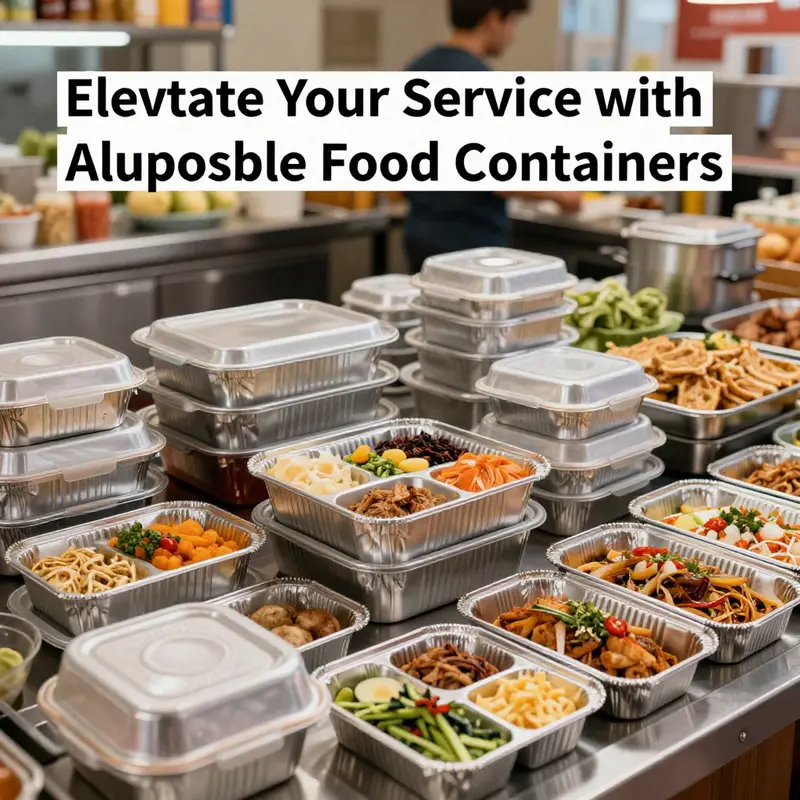
Aluminium disposable food containers have quietly become one of the most dependable workhorses of modern food service. Their appeal rests not in flashy novelty but in a practical, well-rounded set of properties that align with the day-to-day realities of kitchens, catering operations, and delivery ecosystems. Lightweight yet tough, capable of withstanding a range of temperatures, and fully recyclable, these containers bridge the gap between performance and responsibility in ways that are increasingly valued by chefs, operators, regulators, and customers alike. In large, busy kitchens, the ability to bake, roast, steam, or reheat in a single, dedicated vessel translates into measurable efficiencies. Aluminium foil containers distribute heat evenly thanks to their intrinsic thermal conductivity, which supports uniform browning and consistent doneness—qualities that matter just as much in a bakery’s crust as they do in a chef’s carefully plated hot entrées that must travel to a customer with their integrity intact. This thermal performance is not limited to the oven; containers can also serve as reliable vessels for steaming, roasting, or even chilling, preserving texture and moisture across the continuum from kitchen bench to dining table or delivery bag. The versatility is essential for menu diversity, seasonal promotions, and the constraints of multiple service styles, from counter service to full-scale catering that may extend far beyond a restaurant’s four walls. The ability to transition from kitchen to takeout without changing containers simplifies workflows, reduces waste, and enhances hygiene, making aluminium disposable containers a practical backbone for a broad spectrum of food service operations. In practice, the user experience is shaped by a subtle but consequential mix of properties: high-purity aluminum or aluminum alloy provides structural integrity without excess weight, and the material’s excellent heat conduction supports even cooking and efficient reheating. Lightweight packaging reduces labor and transport costs, while durability minimizes the risk of leaks or ruptures during handling, storage, and transit. The result is a system that makes sense at every stage—cooks can rely on predictable performance, service teams can move more quickly with fewer interruptions, and customers receive meals that travel well and arrive with comfort in mind. In addition to performance, safety and regulatory compliance form a core element of everyday decision-making in food service. Aluminium containers are designed to meet stringent food contact standards, which govern everything from contact with acidic or fatty foods to the potential for migration of substances under heat. This is not merely a marketing claim; it is a measurable, auditable baseline that operators can trust. In many markets, guidelines and regulations exist to ensure that materials used in packaging do not compromise food safety, and aluminium has a robust track record in meeting or exceeding those standards. The practical implications are clear: when a kitchen needs a container that can withstand temperatures high enough to heat or reheat foods without degrading or warping, aluminium foil containers are often the first choice. Their high temperature tolerance—reported in a range that includes up to 450°F (232°C) in many applications—allows safe heating in conventional ovens and microwave environments, though it is important to note that some coated or laminate variants may carry cautions or restrictions. In some cases, containers are designed for short-term, high-temperature exposure that is common with certain cooking processes or mass reheating, and in other cases, they are built for longer, milder refrigeration and freezing. The range of use continues to broaden as manufacturers refine alloys, coatings, and lid designs to accommodate different foods, cooking methods, and service formats, from hearty casseroles and savory pies to delicate pastries and ready-to-eat meals. The lids that accompany many aluminium containers are more than a convenient feature; they are a critical hygiene and containment component. A well-fitted lid reduces the risk of spills during transport, keeps odors in check, and supports temperature retention, which is essential when meals need to remain hot or cold across long distances or during lengthy service intervals. In takeout and delivery contexts, where meals often traverse through bustling urban environments or long corridors of airport terminals and transit hubs, the stability provided by a secure seal translates into a tangible improvement in quality. This is particularly meaningful when orders involve multi-item combinations or sauces and gravies, where leakage would otherwise compromise not only presentation but safety and sanitation. The packaging ecosystem for aluminium containers is also increasingly attuned to the needs of sustainability-minded operators. Unlike plastics, aluminium is a material that facilitates recycling with minimal loss of quality, enabling a genuine circular economy model. When disposed of properly, aluminium containers can be reintegrated into new products with no deterioration in fundamental properties, a virtuous loop that reduces raw material demand and lowers the lifecycle environmental footprint. The environmental argument is reinforced by the fact that aluminium’s recyclability is not hypothetical; it is a tested pathway that, over many cycles, preserves material integrity and performance. For businesses seeking to align packaging practices with corporate sustainability goals or consumer expectations for responsible packaging, this recyclability is a strong point of differentiation. The lifecycle advantages extend beyond recycling alone. Aluminium containers enable a cleaner, more efficient waste stream by focusing on single-use items that are designed for quick, predictable disposal and easy separation from other recyclables. The hierarchy of waste management—refuse, reduce, reuse, recycle—benefits when the product design embraces recyclability without compromising safety and quality. In practice, many food service environments integrate these containers into a broader sustainability narrative by selecting sizes and configurations that correspond to typical portioning and service formats, whether for single-serve meals, multi-compartment meal boxes, or bakery assortments. The practical design language is simple: trays, cups, and lids that fit together with predictable tolerances, a stable cling or lid-fit that reduces cross-contamination, and compatible dimensions for efficient stacking and transportation. The consequence is a packaging system that minimizes waste in both preparation and cleanup. In the kitchen, aluminium containers enable cooks to consolidate components efficiently for service or takeout. A batch of pies can be baked directly in foil trays and cooled for portioning without transferring to another vessel. Sauces and gravies can be poured into trays with confidence, knowing the material will hold up under heat and won’t interact unfavorably with the flavors. When the menu requires variations—glazed meats, roasted vegetables, or delicate desserts—the containers’ mechanical properties and inertness help preserve the intended sensory profile. In effect, the containers function as an extension of the chef’s line, translating culinary intent into a practical, transportable form. The takeout and delivery sector particularly benefits from the combination of containment and temperature management that aluminium containers offer. Customers expect meals to arrive hot, fresh, and intact, and the packaging plays a critical role in delivering on that expectation. A well-sealed aluminium container can help preserve heat, reduce exposure to ambient air, and limit the mixing of aromas or flavors with external environments, which is essential in crowded delivery scenarios where packaging must perform reliably amidst a variety of handling conditions. For operators, this reliability translates into improved customer satisfaction, repeat business, and opportunities for brand differentiation through consistent packaging performance. The adaptability of aluminium containers is also highly compatible with diverse service formats that define modern food service. In high-volume settings such as airline catering, hospital dining, or fast-paced institutional cafeterias, containers are pressed into service for a wide range of meals, from hot entrees to cold snacks and even desserts. Their resilience to thermal stress allows these containers to hold up under rapid heating and chilling cycles without compromising safety or quality. This is particularly important in airline and rail catering, where meals may be heated or cooled to precise temperatures and must survive grueling travel conditions. The containers’ inherent non-toxicity and their compliance with evolving safety standards provide reassurance to operators and diners alike, particularly when meals are consumed directly from the packaging. The growing emphasis on food safety and regulatory oversight has prompted cleaner production and containment practices, with aluminium packaging aligning well with regulatory expectations that emphasize food contact safety, traceability of materials, and responsible waste management. The supporting evidence from regulatory bodies and health authorities, including established guidance on food contact materials, reinforces the practical relevance of aluminium containers in everyday service contexts. For instance, guidance from national authorities highlights the importance of selecting materials that are non-reactive with common food constituents and that perform reliably under the intended heating, cooling, and storage conditions. This assurance is particularly valuable in settings where meals must pass through multiple hands—from kitchen to service staff to customers—without compromising safety or quality. The breadth of applications also extends into outdoor and event catering, where durability and resilience take on new significance. Aluminium containers can withstand the rigors of direct heating over open flames or grills during outdoor cooking and service, a feature that resonates with festival vendors and catering teams at large-scale events. They provide an efficient way to prepare, serve, and dispose of meals while limiting the complexity of cleanup in bustling outdoor spaces. The ability to heat directly in some configurations, even briefly, offers additional versatility for field kitchens and on-site catering with limited infrastructure. The overall picture is one of coherence: a material that matches the operational tempo of contemporary food service, enabling cooks to execute complex workflows with fewer steps, while offering a reliable, safe, and more environmentally responsible packaging option. Yet the story of aluminium disposable containers is not only about performance and practicality; it is about the evolving expectations of customers, regulators, and business models in a world that increasingly prizes ethical packaging and transparent supply chains. In many markets, operators face rising demands for packaging that is recyclable and non-toxic, that minimizes waste, and that makes a credible contribution to a circular economy. Aluminium, with its proven recyclability and its compatibility with a broad range of food types and service styles, aligns with these expectations in meaningful ways. The containers also accommodate a spectrum of lid designs and configurations that reinforce hygiene and containment, which is essential in both high-traffic and high-stakes environments. The lid’s role is not merely to seal; it is a safeguard against spillage, a determinant of how easily a meal can travel through busy corridors or crowded venues, and a factor in the consumer experience that shapes perceptions of quality and care. It is not unusual for operators to select containers and lids based on a set of practical criteria—dimensions that fit standard equipment, compatibility with existing takeout systems, resistance to leakage, and the ability to maintain the correct temperature for a predictable period. Such considerations translate into clear, incremental advantages: faster service times, reduced waste, improved food integrity, and the possibility of expanding service channels without introducing new packaging paradigms. The conversation about aluminium containers in food service would be incomplete without acknowledging the broader ecosystem that supports their use. Reliable supply chains, consistent material quality, and stringent quality control processes are essential to ensure that each container meets expectations for safety and performance. For purchasers and operators, the assurance that materials meet recognized standards and are sourced responsibly offers a level of confidence that supports long-term supplier relationships and sustainability commitments. The dialogue about these containers also invites ongoing dialogue with regulators and public-health resources, such as official guidance on food contact materials. This guidance provides the framework within which the practical, on-the-ground uses of aluminium containers can be understood and optimized. It helps translate theory into practice—guiding decisions about when aluminium is the appropriate packaging choice, how to handle hot or cold foods safely, and how to plan for end-of-life recycling in a way that minimizes environmental impact. In sum, aluminium disposable food containers are more than a packaging option; they are a flexible, resilient system that supports the speed, safety, and sustainability demanded by today’s food service landscape. They enable kitchens to operate with efficiency, delivery teams to preserve quality en route to customers, and operators to articulate a credible sustainability narrative without sacrificing performance. The result is a packaging solution that remains practical, scalable, and adaptive as menus evolve, service models shift, and regulatory expectations continue to tighten. External guidance and industry best practices will continue to inform and refine how these containers are chosen, used, and disposed of, ensuring that their benefits are realized in a safe, responsible manner. For readers seeking a solid regulatory framework and risk-based understanding of how aluminium and other materials interact with food, authoritative resources offer essential context and guidance that complements the hands-on, operational perspective presented here. External reference: https://www.foodsafety.gov.uk/food-safety-topics/food-contact-materials
Circular by Design: The Sustainability Promise of Aluminium Disposable Food Containers
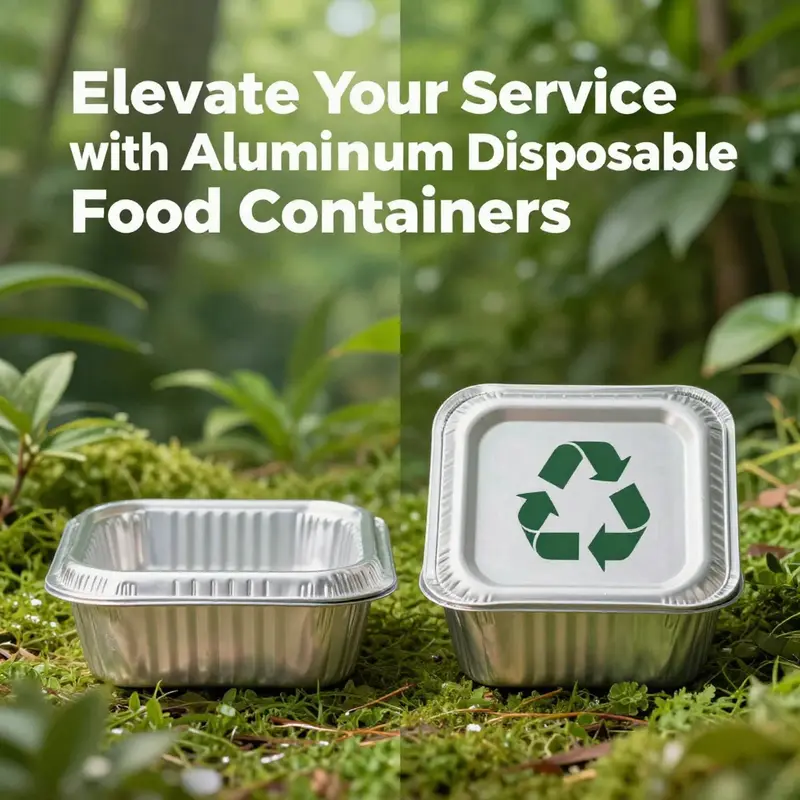
Aluminium disposable food containers sit at a crossroads of practicality and responsibility. They are lightweight, sturdy, and capable of handling a wide range of temperatures, which makes them invaluable for takeout, catering, and food storage. Yet beyond their functional merits, these containers occupy a distinctive place in the conversation about sustainable packaging. They embody a design that emphasizes circularity from the moment a meal is prepared to the moment the container returns to a new life, rather than ending up in a landfill. The sustainability story of aluminium containers rests on several interlocking pillars: infinite recyclability, a dramatically lower energy footprint when recycled, high recovery rates, safety in food contact, and practical advantages that support efficient food systems. In aggregate, these factors create a material profile that aligns well with evolving consumer expectations and regulatory aims focused on reducing waste and emissions across the food service and packaging sectors. This chapter traces those threads in a unified narrative that highlights how aluminium containers can contribute to a more resilient, low-impact food economy, while also noting the considerations that accompany their use and end-of-life management.
First, the heart of aluminium’s sustainability argument is its astonishing recyclability. Aluminium can be recycled indefinitely without any degradation in quality. This is not a theoretical claim but a practical reality that underpins a closed-loop approach to materials where the same metal can reappear in new products countless times. In a world where many materials lose properties with each recycling cycle, aluminium breaks the mold by preserving the value of the input material across generations of use. For disposable food containers, this means that after a meal, the container can be recovered, cleaned, remelted, and transformed into new aluminium products with minimal loss of performance. The result is a system that minimizes waste and maximizes the utility of the original material, a fundamental advantage when disposable items are necessary for hygienic reasons. The consequence is a durable cycle in which the initial resource investment yields ongoing value through repeated reuse in new forms, rather than a single-use fate that ends in disposal. This is the essence of a circular design philosophy applied to food packaging, where the container is not an ending but a component of future products.
A second pillar is energy efficiency. The energy required to produce primary aluminium from ore is substantial. Yet the energy dynamics shift dramatically when recycled aluminium is used as the feedstock. Recycling aluminium typically uses about 5 percent of the energy required to produce primary aluminium. Even with the losses that occur during collection and processing, the energy footprint of recycled aluminium is a fraction of that of virgin production. This dramatic energy saving translates into meaningful reductions in greenhouse gas emissions over the lifecycle of the material. In contexts that pursue ambitious carbon reduction targets, such as national plans aiming for net-zero or near-term emission cuts, the role of recycled aluminium in packaging becomes a critical piece of the puzzle. When a meal is packaged in an aluminium container and that container re-enters the system through recycling, the energy intensity of the packaging loop diminishes substantially. The cumulative effect across millions of containers is a visible contribution to lower overall climate impact, particularly in densely populated environments like cities and institutional kitchens where waste management streams are well established.
Third, recovery rates for aluminium packaging have reached impressive levels, especially in specific product categories. In several markets, beverage cans demonstrate exceptionally high collection rates, with figures approaching or exceeding 98 percent in some regions. This high recovery rate is not merely a statistic; it reflects the maturity of recycling infrastructure, consumer participation, and the efficiency of the systems that move used packaging back to manufacturers. The implication for disposable aluminium containers used in foodservice is equally important. When households, restaurants, cafeterias, and institutions participate in well-designed collection streams, the vast majority of aluminium packaging can be redirected into new production cycles rather than destined for landfills. Some experts have even described aluminium as an urban mine, highlighting the concentrated value of the material within urban streams and the potential to recover substantial quantities of aluminium without extracting new ore. The urban mine metaphor captures the economic and environmental value of recycling aluminium and underscores why improving collection and recycling rates can yield outsized benefits for both sustainability and supply chain resilience.
Alongside these material-level advantages, food-grade aluminium containers address important health and safety considerations. Concerns about aluminium interacting with food have largely centered on non-food-grade or poorly maintained items. When containers are manufactured to strict food-grade standards, they are designed to prevent harmful migration of aluminium into food products. This means they can be used directly for hot, cold, or mixed-temperature foods with a level of confidence appropriate for commercial and home use. In practice, this safety profile supports a broad range of applications—from takeout meals to bakery products, and even certain lab storage scenarios—while maintaining the integrity of the food. The safety dimension, however, is not a static attribute; it depends on proper handling, manufacturing quality, and consistent hygiene practices throughout the supply chain. The emphasis on food-grade materials and controlled processing conditions helps ensure that the container remains a reliable barrier that maintains food quality without introducing unintended contaminants.
The practical advantages of aluminium containers extend beyond their recyclability and safety. They are inherently resilient to heat and impact, and they boast excellent barrier properties that help keep food fresh and uncontaminated. Their thermal conductivity supports efficient heat transfer, which is valuable for oven and microwave use, depending on the specific design and construction of the container. For foodservice operators, these properties translate into reliable performance during production, transport, and display. At the same time, aluminium containers are lightweight, which lowers transportation energy and costs while facilitating handling in busy kitchens and delivery workflows. The combination of lightness, durability, and heat resistance translates into a packaging solution that reduces the logistical footprint of meals from preparation to consumption. In addition, the protective barrier offered by aluminium shields contents from moisture, oxygen, and temperature fluctuations. This protective function reduces food waste caused by deterioration, a critical consideration for supply chains that must balance perishable products with distribution realities.
A key implication of aluminium’s sustainability profile is its fit with circular economy models. In such models, the objective is not only to reduce waste but to reimagine the life of materials so that products can be reincarnated in new forms with diminishing environmental impact. Aluminium’s infinite recyclability supports this aim by enabling a continuous loop. The energy savings in recycling further reinforce the case, particularly for industries striving to decouple growth from resource depletion. The high recovery rates observed in urban contexts demonstrate that effective collection systems can close the loop on packaging materials, turning what might have been waste into feedstock for new products. This structural advantage aligns closely with policy and consumer expectations that favour recyclability, reusability, and reduced environmental footprints in packaging choices.
Yet any discussion of sustainability must acknowledge that the benefits of aluminium containers depend on a holistic system. Recycling rates rise when convenient, accessible, and well-publicized collection streams exist. Even the most durable material cannot realize its circular potential if it remains uncollected or is contaminated by improper disposal. Therefore, the material’s true advantage emerges when manufacturers, distributors, retailers, waste managers, and consumers collaborate to create a seamless lifecycle. Design choices that optimize recyclability, such as minimizing mixed material layers and selecting container configurations that are easy to segregate from other streams, can further enhance system performance. This systems perspective helps explain why aluminium packaging, with its long history and broad adoption, continues to be a practical option in a world increasingly focused on sustainability.
In contemplating the broader narrative, it is worth situating aluminium containers within the range of packaging options available to modern food businesses. They compete with plastics, paper, and composites, each with its own pros and cons. What distinguishes aluminium in this landscape is not only its performance advantages but also its potential to support a true circular flow when paired with robust recycling infrastructure and clear consumer participation. For operators seeking to balance operational efficiency with environmental responsibility, aluminium containers offer a compelling combination: containers that perform under heat and cold, protect food quality, weigh less than many alternative metal or rigid plastic options, and can be looped back into the materials system, sometimes with little loss in value. When the conversation shifts toward lifecycle thinking, these attributes translate into tangible reductions in waste, energy use, and emissions—outcomes that matter to customers, regulators, and the many stakeholders who care about the health of the planet.
To connect these ideas to practical decision-making, consider the consumer-facing and supply-chain implications. A consumer might value the simplicity of a well-designed lid and a container that remains robust through a transit phase. A restaurant or caterer might appreciate the reduced risk of leakage, the ability to reuse containers in controlled ways, and the peace of mind that comes with a packaging option that can be responsibly recycled. In markets with mature recycling infrastructure, aluminium containers are more likely to move quickly back into production streams, keeping the material in circulation and away from landfills. In markets where recycling is still developing, the challenges highlight the need for investment in collection, sorting technologies, and public education about proper disposal. This dynamic underscores a broader truth: the sustainability of aluminium packaging is not a property of the material alone but a function of the entire system that surrounds its production, use, and end-of-life management.
For readers who want to explore a broader and more specific catalog of sustainable packaging options, there is a range of related products and configurations in the disposable dinnerware and tableware category. This collection demonstrates how designers and suppliers can balance aesthetics, functionality, and recyclability across different product lines, from single-use trays to more feature-rich multi-compartment options. By examining these designs, buyers can better understand how material choice intersects with user experience and environmental outcomes. Such exploration helps translate the abstract principles discussed here into concrete procurement practices that support a circular economy and reduce waste in real-world operations. Readable, standardized packaging that is easy to sort and recycle becomes a practical bridge between daily dining needs and long-term environmental goals. For further reference and to view examples of how the category structures and presents options, see the disposable dinnerware and tableware collection. disposable dinnerware and tableware.
The sustainability story carried by aluminium disposable food containers is not an isolated narrative. It threads through the way institutions design waste management programs, how municipalities design recycling incentives, and how consumers perceive the value of packaging in a world increasingly aware of plastic pollution and resource depletion. Aluminium’s attributes—indefinite recyclability, significant energy savings in recycling, high recovery rates, robust safety profile, and practical performance—create a compelling argument for its continued use in applications where takeout, catering, bakery goods, lab storage, and other needs require reliable packaging. In this light, a packaging choice becomes more than a logistical decision; it becomes a statement about how a business sees its responsibilities to the environment and to future generations. The layered benefits of aluminium containers thus extend beyond the immediate product and into the broader conversation about sustainable consumption, waste reduction, and the circular economy.
Finally, it is essential to recognize that the journey toward sustainability is ongoing. Advances in recycling technologies, collection systems, and consumer engagement continue to shape the environmental profile of aluminium packaging. As markets evolve and new policy frameworks emerge, the role of aluminium containers in supporting low-emission, resource-efficient food systems remains relevant. Their ability to serve hot and cold foods, protect contents, travel well, and re-enter production streams through recycling makes them a valuable component of a sustainable packaging toolkit. In a world increasingly oriented toward circularity and responsibility, aluminium disposable food containers offer a concrete pathway to align daily operations with broader environmental goals, turning ordinary meals into opportunities for impactful sustainability. External resource: https://www.aluminum.org/industry-overview/recycling-and-the-environment
Rations, Rates, and Resilience: Navigating the Economic Landscape of Aluminium Disposable Food Containers
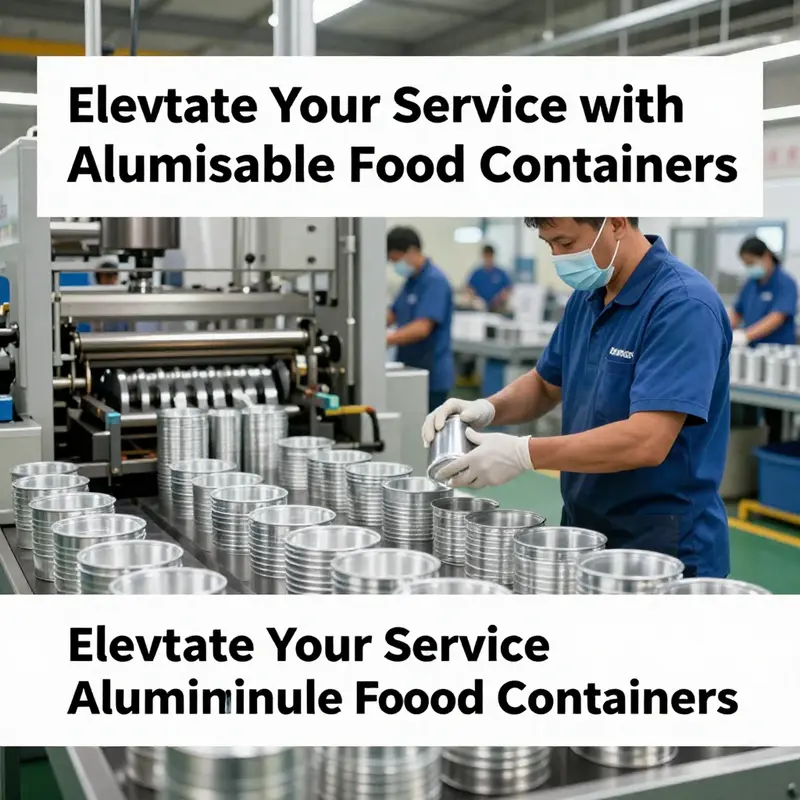
The economic landscape surrounding aluminium disposable food containers is a story of rates and resilience, where a commodity’s price and the subtle art of cost management ripple through every stage of production, distribution, and use. Aluminium, as the core input, drives cost structures that are as much a function of global market dynamics as they are of local manufacturing discipline. The price of aluminium is determined on global exchanges and is forged by a balance of refinery capacity, energy costs, scrap availability, and policy signals from key economies. When demand surges in periods of growth or when supply tightens due to refinery maintenance, transport bottlenecks, or geopolitical tension, the metal’s price can climb quickly. Conversely, inventories and productive capacity can pull price downward when demand softens. For manufacturers that rely on thin margins and high volumes, even modest shifts in raw material costs can alter profitability and, by extension, pricing for customers who rely on predictable packaging costs for daily operations. This is not simply a matter of the sticker price on a carton; it is a cascade from metal input to the turnkey solution that keeps hot meals hot, cold foods safe, and foodservice operations moving smoothly through peak service hours and quiet periods alike.
To manage this volatility, producers generally pursue a mix of hedging, long-term supply commitments, and flexible production planning. Hedging can smooth exposure to rapid price swings, while fixed or indexed pricing with customers helps stabilize revenue streams in the face of volatile inputs. Long-term contracts with reputable suppliers can lock in access to metal and can provide more favorable terms during times of market stress. Yet, such strategies require sophisticated forecasting, disciplined procurement, and a willingness to adjust product configuration when necessary. In practice, this often means a broader menu of container designs, alloys, and thickness options that can be dialed up or down depending on price signals. When prices spike, a manufacturer might lean on lighter gauges or more efficient die-cutting and forming processes to preserve margins, while maintaining the required performance standards for heat resistance, rigidity, and lid compatibility. When prices ease, the same facilities can operate with higher utilization and tighter schedules, translating price relief into more aggressive delivery commitments or promotional pricing for large buyers who seek stability in their own cost structures.
The macroeconomic environment further frames the economics of aluminium containers. Inflation erodes the purchasing power of end users and increases operating costs across the supply chain—from energy bills in the factory to transportation fuel for distributing finished goods. Currency movements matter too: many aluminium inputs are sourced abroad, and exchange-rate shifts can alter the landed cost of raw material and the cost of imported machinery and components. International trade policies, including tariffs and non-tariff barriers, directly influence the cost of aluminium and related inputs, potentially altering the calculus for where and how containers are manufactured. For a business that freely punches out millions of units, even a few percentage points of tariff impact can widen the gap between a profitable quarter and a costly one. The competitive landscape then evolves with these macro forces. Companies that integrate disciplined cost-control with robust risk management stand a better chance of maintaining price discipline, passing through commodity cost changes, and sustaining service levels for customers who depend on reliable packaging.
In this environment, cost sensitivity to aluminium prices often motivates innovation that can offset rising input costs without compromising performance. Designers and engineers explore combinations of high-purity foil and strategic alloying to deliver the required thermal conductivity and mechanical strength while reducing material usage per unit. The evolution of container geometry—such as multi-compartment configurations that enable compact nesting, optimized lid systems that secure containment with minimal additional material, and standardized dimensions that reduce tooling waste—also contributes to cost efficiency. Precision manufacturing plays a critical role here: advanced cutting, forming, and sealing technologies minimize scrap, raise yield, and shorten cycle times. When a plant can turn raw aluminium into more containers per hour with less waste, the effect on unit cost multiplies across the year. Automation is a central ally in this regard. Robotic handling, automated inspection, and integrated quality control systems not only reduce labor costs but also improve consistency, which in turn lowers the rate of returns or replacements—a subtle but meaningful cost in a business with very thin margins.
The design choices in aluminium containers are not merely about cost per unit; they are about balancing performance requirements with material efficiency. The ability to withstand temperatures up to about 450°F (232°C) expands the application envelope—containers can be used in ovens, microwaves, freezers, and even laboratory settings. This versatility is a selling point for customers seeking one packaging solution across multiple stages of a product’s lifecycle. However, this performance comes at a cost: thicker gauges or specialized alloys can be more expensive, while thinner gauges risk puncture, deformation, or inadequate heat distribution. The economic challenge is to achieve the necessary performance with the least amount of material without sacrificing reliability. The trade-offs are managed through rigorous testing, standardization, and the development of modular packaging families that share a core production process while offering options for sizing, compartment configurations, and lid styles. In practice, this means that a single manufacturing line can generate a family of products, each tailored to a different end-use scenario, and the cost of development is amortized over a broad product range. Such scale economies help keep unit costs down even when raw material prices are high, a critical factor in maintaining market competitiveness amid volatile metal prices.
This competitive environment also shapes how buyers respond to price signals. Large-scale foodservice operators, institutional cafeterias, and catering chains often seek long-term contracts that guarantee price stability and assured supply. For these buyers, the math is straightforward: a predictable packaging cost supports budgeting, menu pricing, and service-level commitments. For smaller operators and transient markets like pop-up eateries or seasonal bakers, the equation shifts toward flexibility and responsiveness. In these cases, suppliers that offer a reliable mix of bulk purchasing options, flexible shipping, and strong inventory management can secure preferred terms through a reputation for reliability and on-time delivery. The economics here extend beyond the price per unit. They include the cost of stock-keeping units, storage space, and the risk of stock obsolescence if packaging formats shift with changing consumer preferences or regulatory constraints. In other words, the value proposition of aluminium containers is not only about performance at a given temperature, but also about the total cost of ownership across a supply chain that spans procurement, production, and point-of-use.
From a supply-chain perspective, scale and reliability carry significant weight. Many manufacturers offer bulk orders with substantial minimums and long-term contracts as a means to stabilize production and logistics costs. The procurement discipline required to meet these commitments—managing supplier lead times, coordinating with logistics partners, and aligning production schedules with demand signals—reduces the likelihood of costly last-minute production slowdowns or expedited freight. This advantage reverberates through the distribution network, where consistent packaging quality and timely shipments reduce dispatch delays, minimize waste in transit, and support the customer’s own operational efficiency. The logistics component is non-trivial. Packaging products exist within an ecosystem of pallets, crates, and recyclable waste streams. Efficient logistics not only lowers transportation costs but also reduces environmental impact, which becomes a growing consideration for both suppliers and buyers as sustainability metrics become core business requirements in many procurement decisions.
Incorporating environmental considerations into the cost narrative is essential because aluminium’s recyclability is a fundamental factor in its overall life-cycle economics. Recycled aluminium requires far less energy to re-melt than primary aluminium, which translates into meaningful-cost savings and emissions reductions over time. The recycling loop contributes to a lower life-cycle cost for many customers who value circular economy credentials and prefer packaging options with clear end-of-life pathways. This is increasingly relevant as regulators and consumers push for more sustainable packaging solutions and as plastic-reduction policies intensify. The economic incentive to design containers that are easy to recycle, with compatible lids and minimal printing or coatings that hinder recyclability, aligns with a broader industry move toward responsible resource stewardship. Yet, recycling economics themselves can be influenced by commodity prices, scrap availability, and the efficiency of recycling streams, so producers remain attentive to how these flows interact with the cost structure of the primary material. In practice, manufacturers often optimize the proportion of recycled content and adjust alloy grades to preserve material properties while capturing the economic and environmental benefits of recycling.
The industry’s market structure also shapes economic outcomes. A landscape that blends large, integrated producers with a cadre of regional manufacturers creates a spectrum of cost bases and service levels. Large players benefit from deeper capital markets, more aggressive automation, and more expansive supplier networks, which can translate into lower unit costs and greater resilience during supply shocks. Smaller or regional producers, while potentially facing higher per-unit costs, can compete on personalization, faster turnaround times, and proximity to specific markets. In either case, those who integrate supply-chain resilience into their core strategy—through diversified sourcing, risk-aware inventory policies, and flexible production footprints—tend to outperform peers when aluminium prices rise or when tariffs and freight costs escalate. The dynamic is not static; it evolves with demand signals, technological advances, and policy shifts, making ongoing strategic alignment between procurement, engineering, and commercial teams essential for long-term success.
The internal logistics of production and procurement intersect with the end-user experience in meaningful ways. Takeout meals, bakery goods, and institutional catering all require packaging that performs reliably under varied conditions, preserves product integrity, and meets hygiene standards. The viability of a packaging solution rests upon consistent supplier performance, predictable lead times, and the ability to adjust to demand spikes without sacrificing quality. As consumer expectations evolve toward convenience and sustainability, the economic equation adjusts to recognize the value of reliability, recyclability, and the potential savings from reduced waste. When a supplier can bundle a reliable supply of containers with integrated lids, standardized sizes, and efficient delivery, buyer organizations gain a more predictable cost profile and smoother operations. This feeds back into the market’s competitive dynamics, where suppliers that can demonstrate cost discipline, supply resilience, and clear end-of-life pathways often translate these advantages into stronger market position and longer-term contracts.
For readers seeking a broader sense of the packaging category as a whole, it can be illuminating to view the wider disposable ware ecosystem where aluminium containers sit alongside other recyclable metallic and non-metallic options. One entry point into this broader landscape is the disposable dinnerware and tableware category, which encapsulates a range of materials and formats used in both commercial and consumer contexts. This broader view underscores how aluminium packaging fits into a continuum of packaging choices that balance performance, cost, and environmental considerations. Disposable dinnerware and tableware category.
Looking ahead, the economics of aluminium disposable food containers will continue to hinge on a few central forces. Commodity price dynamics will remain a headline driver, but the ability to translate price signals into operational efficiency will determine long-term profitability. Advances in automation, process optimization, and material science will help producers extract more value from each kilogram of aluminium, even as demand shapes and consumer expectations evolve. The push toward recyclable, low-wriction packaging that still performs under hot and cold conditions will likely intensify, nudging manufacturers toward more integrated strategies that couple product design with end-of-life stewardship. In this evolving landscape, the more effectively a company can align procurement risk, manufacturing efficiency, and logistics reliability with customer needs and regulatory expectations, the more robust its economic profile will be. External analysts emphasize that the market for aluminium foil containers will continue to grow, but at a pace tempered by macroeconomic development, energy costs, and trade policies, with cost drivers shifting toward efficiency, recycling content, and supply-chain resilience rather than raw material alone. For readers seeking a deeper macroeconomic lens on market size and cost drivers, a detailed external market analysis provides comprehensive context for current and future pricing dynamics. https://www.marketsandmarkets.com/Market-Reports/aluminum-foil-containers-market-18759.html
Final thoughts
In conclusion, aluminum disposable food containers are indispensable for food service businesses looking to enhance efficiency while prioritizing sustainability. From their diverse applications in food storage to their environmental advantages and economic feasibility, these containers can meet the demands of modern food service operators effectively. As consumer preferences shift towards eco-friendly options, adopting aluminum containers can position your business as a leading choice in responsible packaging solutions. Remember, investing in quality and sustainable packaging not only benefits your operations but also aligns with broader environmental goals.