
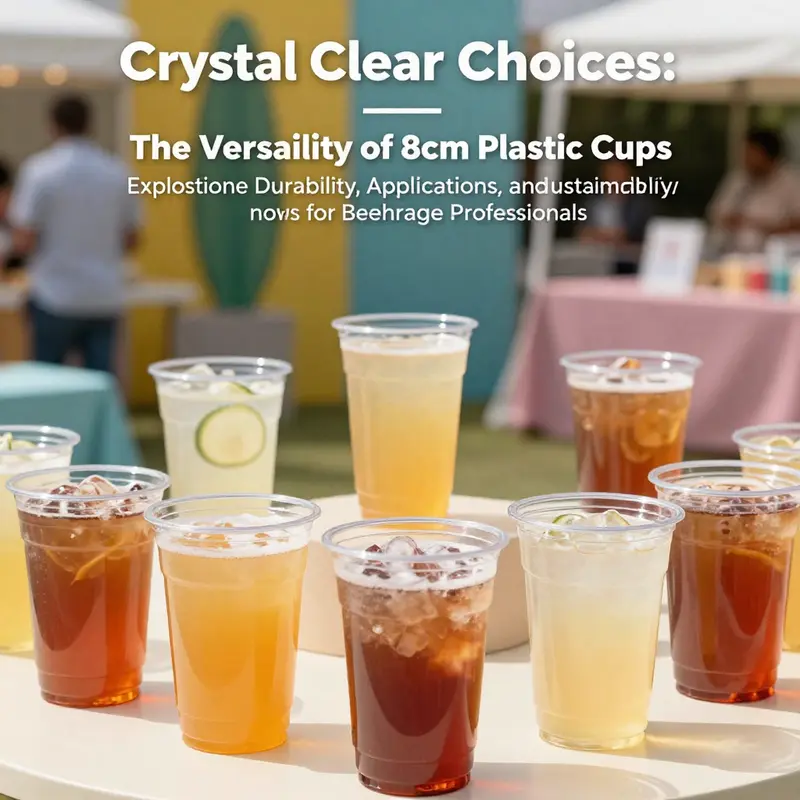
Clear plastic cups approximately 8cm tall represent a crucial solution for various sectors, including bubble tea shops, restaurants, food trucks, event planners, and corporate procurement teams. With a height that fits perfectly in most hand sizes and a clear body that showcases the vibrant colors of beverages, these cups are both practical and appealing. This article delves into their durability and material composition, the diverse applications of these versatile cups, and their impact on sustainability, drawing connections to their relevance for professionals in the food and beverage industry. Understanding these elements will empower businesses to make informed decisions that meet customer needs while maintaining a commitment to ethical practices.
Holding Clarity: Durability, Design, and the Lifecycle of an 8cm Clear PET Cup
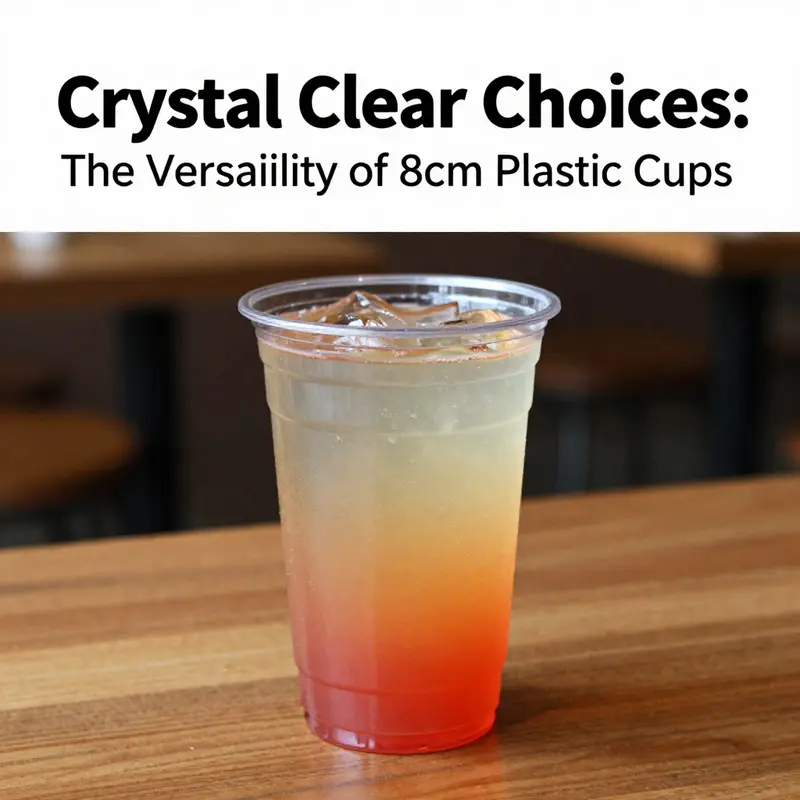
Clear plastic cups standing roughly eight centimeters tall occupy a quiet but ubiquitous niche in the world of everyday dining and event planning. Their unassuming form belies a convergence of choices—material science, manufacturing realities, consumer behavior, and waste management—that together shape how a simple cup is imagined, used, and ultimately disposed of. At first glance, the image is straightforward: a transparent, lightweight vessel that makes the contents visible, a practical tool for serving beverages at picnics, gatherings, and office settings. Yet the physics of a cup this size—its 8 cm height, a diameter that allows for a roughly 300-milliliter capacity, and a straight-rimmed silhouette designed for stability—reveal a more nuanced story about clarity, resilience, and responsibility in modern consumption.
The backbone of these cups is a polymer known for its balance of lightness and strength: polyethylene terephthalate, or PET. PET is prized in many packaging contexts for its clarity; it can be nearly invisible when empty, turning the liquid inside into a visual spectacle. This transparency is not merely aesthetic. It serves a practical purpose: it enables quick assessment of hydration levels, color, and opacity of the contents without uncapping or removing a lid. In a social setting, where guests may be sampling a range of beverages, that visual cue helps people decide what to drink, how much to pour, and when to refill. The clarity also signals cleanliness and order, which are subconscious cues that influence perceived quality and hygiene in crowded spaces. The visual appeal of a clear cup is reinforced by its surface finish and rim geometry, which are typically designed to be smooth to the touch and easy to grip, reducing the risk of spills during transport or when passing cups across a table.
Durability follows clarity in the PET narrative. PET’s rigidity helps the cup resist sagging when filled, maintaining shape under typical cold and room-temperature beverages. The material’s resistance to moisture and minor impact translates to a dependable form that can be stacked, nested, and transported with a margin of security. It is this combination—clear visibility with durable structure—that makes PET cups a practical choice for events, office environments, and casual gatherings. However, no material is invincible. Exposure to high temperatures for extended periods can compromise stability. PET’s performance in heat is respectable for many beverages, but repeated or prolonged contact with hot liquids can soften the polymer surface and alter structural integrity. This is why many manufacturers balance the cup’s geometry with thickness, vented or reinforced rims, and, in some designs, a slight curvature to distribute stress more evenly when hot liquids are involved. The result is a product that performs confidently with cold drinks and pleasantly warm beverages, while still signaling to users that extreme heat warrants caution.
The geometry of an eight-centimeter-tall cup also has a functional logic. The height-to-diameter ratio influences pouring stability, stacking efficiency, and handling durante transport. A straight rim, a common feature across many such cups, is not just a design flourish. It supports stable pouring, minimizes drips at the lip during filling, and simplifies stacking by providing a uniform surface contact between cups. In environments with staff or volunteers who repeatedly fill, pass, and collect cups, this stability translates into fewer spills, reduced need for cleanup, and a more efficient service flow. The overall form—compact, portable, and easy to grip—aligns with the everyday rhythms of gatherings, where speed and simplicity often determine the success of an event as much as the beverage itself.
Lids are another defining element in the practical ecosystem around these cups. A lid can be flat with a straw aperture or fully sealed, turning a single-use cup into a portable, spill-resistant vessel. The lid option expands the cup’s use cases beyond casual sipping to on-the-go consumption, airport lounge environments, and outdoor events where wind, movement, or a crowded setup might otherwise lead to spills. Lids also enable a level of portion control and contamination prevention that certain users seek, whether in a corporate break room or a campus setting. The interplay between cup and lid is a small but meaningful part of how consumer expectations are met: the desire for convenience without compromising the experience of drinking, hygiene, and order.
From a product design perspective, the PET cup’s properties are complemented by a broader conversation about sustainability. The cups frequently occupy a pivotal place in the discourse on single-use plastics, waste streams, and recycling infrastructure. In many markets, PET is readily recyclable, and the cups themselves are marketed as recyclable components of a circular economy. The environmental narrative for these cups is nuanced: while PET can be recycled into new bottles or fibers, the real-world outcomes depend on local recycling capabilities, consumer participation, and contamination control. In some contexts, manufacturers pursue additional eco-friendly claims, including certifications indicating compostability or the use of recycled content. These design choices reflect an industry-wide shift toward reducing environmental impact, even as the practical reality remains that disposable items generate waste when used at scale.
The life cycle of an eight-centimeter clear PET cup is a study in trade-offs. On the one hand, its clarity, lightness, and affordability make it an attractive option for serving beverages in a clean, attractive package that is easy to transport and dispose of after use. On the other hand, the convenience of disposability invites scrutiny: the more cups that leave a venue, the larger the waste footprint, unless robust recycling or composting systems are in place. This duality underscores a broader socio-economic dynamic in contemporary consumption: the comfort of immediate gratification paired with an increasing pressure to manage the consequences of waste. In this context, consumers, event organizers, and businesses face practical questions about how to balance the benefits of disposability with sustainability goals. The answers are rarely universal; they vary with local infrastructure, regulatory frameworks, and the values of the communities involved.
To navigate this landscape, many stakeholders emphasize design for recyclability. PET cups are part of a material stream that, when properly separated from contaminants, can re-enter the manufacturing cycle as new PET products. Yet the efficiency of recycling depends on correct disposal practices, clear labeling, and consistent collection methods. In settings where waste streams are fragmented or where contamination is common, the perceived benefits of a recyclable cup may be offset by practical challenges in recycling. This is where the role of education and communication becomes essential. Clear labeling, consumer guidance on disposal, and visible cues at the point of use can all contribute to higher recovery rates of PET while preserving the integrity of the material for future products.
Beyond the engineering and environmental aspects, there is a user experience narrative tied to the very presence of a clear cup. The visual access to the beverage inside can influence how people pace themselves, especially in social settings with a variety of offerings. A transparent vessel invites curiosity: how much has been consumed, what remains, and even what color the drink holds. This subtle dynamic can shape behavior—whether a guest chooses a larger serving because the liquid is visible and appealing, or opts for a smaller amount after assessing color and clarity. In this sense, the cup becomes more than a container; it functions as a medium that frames the drinking experience, influencing mood, pace, and interaction at a gathering.
Material composition, durability, and design converge with a broader discussion about safety and compliance. The PET cups in question are manufactured to meet standard food-contact regulations, ensuring that the material does not impart undesirable flavors or contaminants to the beverage. This facet is not just a matter of laboratory verification; it is a daily assurance that the cups perform as intended in everyday use. For consumers and operators alike, that reassurance matters when serving friends, colleagues, or attendees who rely on consistent quality from year to year. The reputation of a disposable cup, then, rests on a quiet combination of transparency, safety, and reliability rather than on dramatic novelty.
In practice, the decision to use an eight-centimeter clear PET cup often comes down to situational fit. For a casual picnic, a classroom celebration, or a corporate break room, the cup must be easy to handle, visually appealing, and capable of supporting a straightforward beverage service without adding complexity to cleanup. The straight rim, reliable integrity under cold or routine-temperature beverages, and compatibility with simple lids collectively contribute to a service model that is efficient and scalable. In settings where time, space, and hygiene are at a premium, these cups deliver predictable performance that allows staff to focus on the broader flow of the event—food stations, schedule timing, and guest comfort—rather than micromanaging cup-related issues.
The environmental dimension remains essential in framing the ongoing conversation about eight-centimeter PET cups. Even if a given cup is recyclable, the ultimate outcome depends on the presence of an effective recycling system and the willingness of users to participate. In some markets, the transparency and accessibility of curbside recycling programs make the disposal decision simple. In others, crowded venues and transient audiences complicate separation and collection. In response, manufacturers and venue operators increasingly adopt complementary strategies: offering clearly labeled recycling stations, providing lids with easy-to-remove seals, and choosing cup designs that minimize waste while maximizing recycling compatibility. While compostable variants exist, their practical appeal is nuanced and contingent on local composting infrastructure. The broader sustainability conversation, therefore, is not about a singular product but about the ecosystem in which the cup exists—from production lines to post-consumer streams.
The data landscape around these cups is also shaped by market observation and consumer feedback. When people encounter a clear PET cup at a social gathering, their impressions often touch on several intersecting values: convenience, cleanliness, and environmental accountability. This triad can guide manufacturers in refining products and services—for example, by adjusting thickness to balance rigidity with material efficiency, or by exploring lid designs that further minimize leakage during transport without complicating recycling. In the end, the eight-centimeter clear PET cup is a product of many decisions—technical, logistical, and ethical—that come together to form a usable, affordable, and shareable object in the fabric of everyday life.
For readers seeking a practical touchstone, consider the broader ecosystem of disposable cups that can be encountered in retail and hospitality contexts. These items, though diverse in material and form, share a common goal: to provide a dependable, hygienic, and visually appealing vessel for beverages. The conversation around them invites ongoing attention to factors like material safety, temperature performance, ease of handling, and end-of-life options. As understanding deepens, it becomes clear that the simple act of pouring a drink into a cup is connected to larger questions about materials science, consumer behavior, and sustainability. The eight-centimeter clear PET cup sits at the intersection of these concerns, reminding us that even everyday objects carry a story about how we live, drink, move, and take responsibility for the world around us.
Within this narrative, it is useful to acknowledge one practical tangent that ties back to broader product ecosystems. The disposable cup market exists along a spectrum, from paper and cardboard variants to plastics like PET, each with its own set of trade-offs. For readers exploring the intersection of design and sustainability, a related option—described in catalog-style terms as a hot-sale customized disposable single-wall paper ice-cream cup with lid—illustrates how brands position convenience and branding within a diverse portfolio of cup types. This internal link points to a broader page that emphasizes how disposable cups, even when made from paper rather than PET, can be tailored to specialized uses while maintaining a focus on user experience and environmental considerations. The juxtaposition of a clear PET cup with its paper counterparts highlights how material choice influences everything from visual appeal to end-of-life pathways, yet each variant shares a unifying aim: enabling quick, clean, and enjoyable beverage service in a world that values efficiency without sacrificing care for the consumer and the environment.
As researchers and practitioners weigh the specifications of an eight-centimeter clear PET cup, they must remain mindful of the practical realities behind the numbers. The geometry, the material, and the optional lid are not merely features listed in a product sheet; they are components of a service system that supports social interaction, nutrition, and daily routines. The cup’s clarity invites trust; its durability enables routine use; its recyclability or compostability potential aligns with a growing environmental ethic. In this light, the eight-centimeter clear PET cup becomes a compact case study in how modern packaging blends science, design, and responsibility. It demonstrates that even a modest object can embody a network of choices that influence how people drink, how communities gather, and how waste is managed long after the last sip.
For those who want to explore a closely related practice in the broader ecosystem of cups and serveware, one can look to a category that emphasizes print, branding, and functional customization in disposable cup formats. This connection is not about replacing PET with alternatives but about recognizing the diverse family of vessels that share core attributes: they must be safe for food contact, easy to use, and compatible with typical service environments. The conversation about eight-centimeter clear PET cups thus opens a window into a larger dialogue about how materials, manufacturing, and consumer expectations intersect at the point where a drink meets a disposable container. The result is a nuanced understanding that informs better product design, smarter purchasing decisions, and more thoughtful approaches to sustainability in everyday life.
To broaden the lens even further, consider how packaging choices influence event planning and consumer behavior. In venues where beverages flow in steady streams, the efficiency of cup handling can shape staff workload, service speed, and guest satisfaction. Clear cups offer a transparent read of the beverage inventory, helping organizers gauge demand and smooth out service rhythms. The simplicity of disposal becomes a virtue when waste streams are clearly delineated and labeled, reducing the chances of cross-contamination in recycling or composting efforts. In this sense, the eight-centimeter clear PET cup is not merely a passive object; it is an active participant in the choreography of social spaces, contributing to a sense of order, cleanliness, and environmental mindfulness that guests notice and appreciate.
As research continues to refine the performance profile of PET cups, the balance between aesthetics, durability, and sustainability will remain central. The material’s clarity and relative lightness serve the consumer well, while its recyclability offers a pathway toward responsibility. Yet the ultimate impact hinges on how cups are used, stored, and disposed of in real-world environments. The eight-centimeter height is a practical standard that supports comfortable handling and stable service, while the straight rim and possible lid configurations reinforce reliability under a range of conditions. Together, these elements form a compact, coherent portrait of a small but telling artifact of modern life—an item that anchors an easy-going beverage moment while prompting deeper reflection on how manufactured objects connect to the larger systems of which they are a part.
For readers seeking a concrete example that sits within this broader ecosystem of disposable cups, a widely available reference on PET cup offerings highlights a familiar capacity and design approach, illustrating how manufacturers map material properties to real-world use. This external resource provides a window into the commercial context that surrounds clear PET cups and their many variants, reinforcing the connections between product specification, consumer needs, and environmental considerations. Such resources help situate the eight-centimeter clear PET cup within a practical framework that includes form, function, and responsibility, and they underscore why this seemingly ordinary object continues to matter in conversations about packaging, usability, and sustainability.
External resource for further reading: https://www.alibaba.com/product-detail/Fuling-PET-CUP-16-oz-Clear-Plastic-Cups-with-Lids.html
Internal reference for related design considerations: hot-sale customized disposable single-wall paper ice-cream cups with lid
See-Through Simplicity: How an Eight-Centimeter Clear Plastic Cup Shapes Taste, Transport, and Thermodynamics
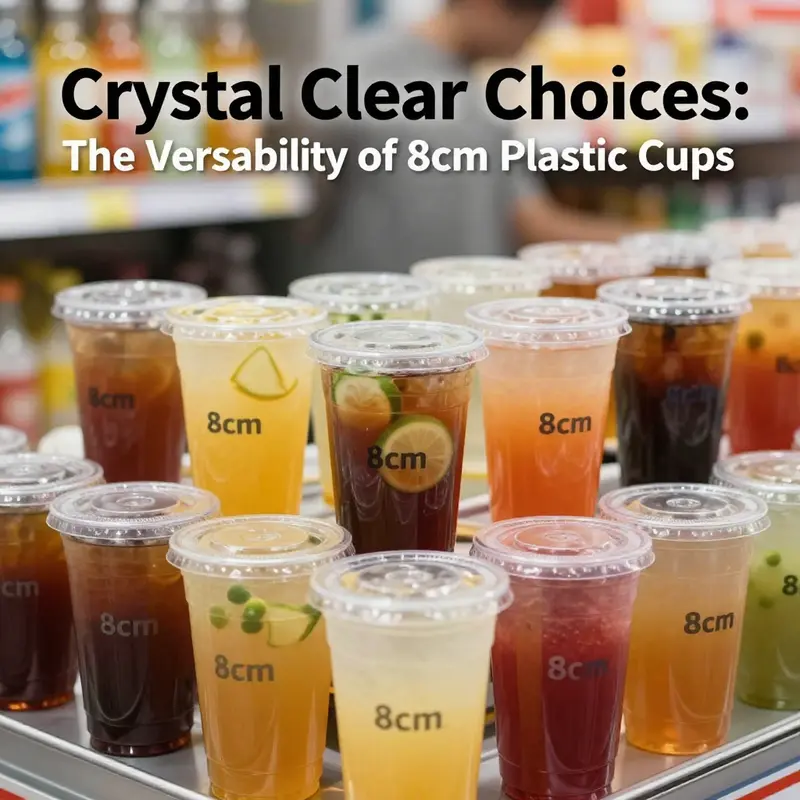
The eight-centimeter-tall clear plastic cup occupies a quiet but consequential niche in the spectrum of disposable servingware. Its dimensions—roughly eight centimeters in height with a diameter near eight centimeters and a capacity that settles around three hundred milliliters—are not arbitrary numbers chosen for marketing whim. They reflect a practical balance between visibility, handling, storage, and the human scale of drinking experiences. When you lift such a cup, you immediately notice how the transparent walls offer an unobstructed view of its contents. The liquid’s color, viscosity, and even the tiny bubbles suspended within become part of the overall sensory cue that shapes expectations about flavor, temperature, and refreshment. In a setting where speed and clarity matter as much as taste, the cup becomes not just a vessel but a visual portal into the beverage it cradles. This is why the cup’s height matters: it is tall enough to permit a generous but controllable pour, yet compact enough to fit in a hand, slip into a standard sleeve of a bag, or nest neatly with others on a service station or a banquet table. The symmetry of eight by eight—height and diameter—also supports ergonomic handling. It is easy to grip, less likely to spill when casually carried, and straightforward to stack for efficient transport. In environments that prize quick turnover, this practical design contributes to lower labor costs and reduced waste by minimizing breakage during handling and transit. The specific capacity—about 300 milliliters—strikes a middle ground that satisfies casual consumption and measured tasting alike. It offers enough liquid for a meaningful sample or a modest serving of a cold drink, without pushing toward overflow during a hurried return to the tray or cart. The balance between volume and form becomes especially important in tasting contexts, where visual cues and portion size influence perceived value as much as aroma and mouthfeel.
The decision to use clear plastic further amplifies the cup’s utility across multiple settings. Transparency is not merely an aesthetic choice; it is a functional attribute that facilitates quality assessment and visual appeal. When customers can see the liquid’s hue and clarity, the apparent freshness and ingredients read more authentically. This is crucial in beverage tastings, where the observer’s confidence in the product’s quality hinges on immediate perceptual evidence. In professional tasting scenarios—whether wine, spirits, or craft beverages—clarity and consistent geometry are prized because they enable more precise comparisons. The overall sensory experience, from first glance to final sip, hinges on how the cup presents the liquid. From a practical standpoint, the clear plastic also allows the beverage to be observed against the cup’s rim and the surrounding lighting, which can enhance perceived brightness and refreshment. Yet, while transparency is a strength, it also imposes constraints. Clarity tends to accentuate flaws—dust, fingerprints, or smudges—so cleanliness and consistent handling become more important in channeled environments like tasting rooms, promotional events, or retail demonstrations. These considerations underscore why the eight-centimeter form factor is popular: it offers a crisp, unobstructed view of the drink while maintaining a manageable footprint for operators who juggle multiple cups, demos, and guests in quick succession.
From a materials perspective, many of these cups are produced from PET or other food-grade plastics designed to endure cold liquids and brief exposure to room temperatures without warping or imparting off-flavors. PET’s combination of rigidity and clarity makes it well suited to a disposable format, where the goal is a clean, presentable presentation with predictable performance. The cups are typically non-reactive with a wide range of beverages, which helps preserve flavor integrity and reduces the risk of chemical interactions that could alter taste or aroma. However, the same material qualities that grant rigidity and optical clarity also introduce limitations. PET cups are generally not intended for hot liquids; exposure to high heat can soften the plastic, potentially compromising shape, containment, or surface integrity. This constraint aligns with the common usage pattern described in research on tasting and sampling: the cups are optimized for cold or at most cool beverages, where the stability of the liquid’s temperature and the cup’s structural integrity are both maintained. Oils and certain acidic substances may, over time, interact with the surface, particularly if the cup is used repeatedly or exposed for extended periods. In practice, most clear plastic tasting or sampling applications rely on disposable use to guarantee cleanliness, mitigate cross-contamination risks, and ensure consistent performance across dozens or hundreds of servings.
The placement of the cup within a broader system of service and events reveals why its size and transparency matter beyond the bar or tasting room. In retail and promotional contexts, the cup’s compact height fosters ergonomic handling for customers of varying ages and hand sizes. It sits comfortably in a consumer’s palm, making it easy to lift, tilt, and re-center for another sip. The same dimensioning also aids in display design. Shelves and kiosks can present uniform stacks that maximize visibility and ease of selection, while still accommodating the cups’ shallow rims and subtle flares. The potential to decorate or print on these cups expands their utility as a promotional medium. When inks are food-safe and properly applied, the cups can serve as mobile canvases for branding, event messaging, or seasonal imagery without obscuring the beverage itself. The result is a cohesive experience where product identity and sensory perception reinforce each other, with the cup functioning as a transparent stage upon which the drink makes its impression.
The environmental dimension of these cups cannot be ignored. In conversations about disposable serviceware, sustainability often centers on the dual realities of convenience and waste. Clear plastic cups that are recyclable align with efforts to reduce the environmental footprint of single-use items, but the realities of recycling streams are imperfect. The clear plastic cup’s life cycle—from resin manufacture to formation, use, disposal, and post-consumer processing—entails energy use and material flows that must be managed responsibly. In systems where recyclability is practical and well-supported, these cups contribute to a circular economy rather than a linear trajectory to landfills. Yet readers should remain mindful of local recycling capabilities, labeling standards, and consumer behavior, all of which shape the true environmental impact of any given cup. The chapter’s focus on the eight-centimeter cup, therefore, sits at a crossroads: it is small enough to be convenient and familiar, yet its ultimate fate depends on regional waste management, consumer choice, and the availability of sorting technologies that can separate PET from other plastics and from residual food debris.
Another layer of consideration concerns safety and regulatory compliance. Food-contact materials must meet established standards to ensure that no harmful substances migrate into beverages. For PET cups used with cold liquids, the risk profile is relatively straightforward: temperature and chemical exposure are within tolerances tested during the product’s development. When participants in tastings or events handle cups with decorative prints or colorants, the inks themselves must be food-safe if there is any chance of contact with the beverage. Clear cups are especially forgiving in this regard because the printing can be limited to non-contact zones or restricted to areas away from the liquid’s rim, yet the need for cautious labeling and testing remains a constant in professional settings. These regulatory and safety considerations feed back into design choices: a cup built to be disposable and recyclable often streamlines compliance, as certain inks and coatings that complicate recycling can be avoided in favor of simpler, food-safe finishes.
Beyond the laboratory and the tasting room, the eight-centimeter clear cup influences logistics and storage in meaningful ways. Its modest height means it occupies less vertical space on shelves or in storage bins, a practical advantage when inventory consists of dozens or hundreds of small, uniform items. The cups can be stacked efficiently, reducing the space needed for transport and enabling more effective use of loading docks, carts, and display tables. In environments where speed is essential—busy festivals, pop-up events, or large consumer trials—the ability to pull a dozen or more cups quickly from a stack translates into tangible time savings and fewer disruptions to the service flow. The overall efficiency gains are not just about the cups themselves; they extend to the staff, the layout of display areas, and the smoothness of the customer experience. In such contexts, a compact, clear cup becomes an understated but valuable component in the choreography of service.
Aesthetic considerations, meanwhile, interplay with practical constraints to shape how these cups are perceived and used. The visual appeal of the liquid—its shade, its luminosity, and even the way light travels through the walls of the cup—contributes to a perception of freshness and quality that can be as influential as the liquid’s actual temperature. When a beverage’s color is strong, clear walls enhance the impression of vibrancy; when the color is light, the spark of light through the liquid can give a sense of purity and refreshment. The cups’ transparency thus becomes a narrative device: the liquid tells its story through color and clarity, and the cup provides a stage that keeps the audience’s attention focused on the beverage itself. For operators who balance branding with practicality, printing considerations come into play. If decorative printing is used, ensuring that inks are food-safe and that prints do not obscure the liquid’s appearance becomes a design priority. In this sense, the eight-centimeter cup is not a passive container but an active medium of presentation, influencing how a beverage is perceived and remembered.
The broader implications touch on consumer behavior and performance metrics. In tasting contexts, measurement of consumer response often hinges on factors that extend beyond taste alone. Visual cues—from color and clarity to the density of foam or the presence of visible pulp or particulates—can sway evaluations, preferences, and subsequent choices. A cup that reveals a beverage’s true character can, in itself, enhance perceived value and satisfaction. In retail demonstrations and promotional events, the cup can contribute to a memorable interaction, especially when paired with careful lighting, clean presentation, and a consistent set of serving protocols. The eight-centimeter form supports these dynamics by providing a predictable, manageable unit that staff can handle with confidence and guests can grasp without hesitation. The result is a seamless integration of form, function, and perception, where the cup aids in communicating quality and care just as much as the beverage itself communicates flavor.
In reflecting on current practice, it is clear that the eight-centimeter clear cup serves multiple masters at once. It is a tool for tasting precision, a carrier of branding and visual appeal, a component of efficient logistics, and a participant in the conversation about environmental responsibility. Each context—sampling, events, laboratories, and everyday casual use—adds its own expectations and constraints, and the cup’s design responds with a quiet versatility. It is not the single star; rather, it is a dependable supporting actor whose value emerges when it performs well across diverse stages and audiences. The real story, then, lies in the way such a compact cup enables a larger workflow: quick, clear communication of product attributes; clean, efficient service; and mindful, if incremental, stewardship of materials in a disposable era. It is a reminder that even small, transparent vessels can carry significant meaning when they harmonize geometry, material science, consumer psychology, and sustainable practice.
For readers seeking a broader perspective on related packaging concepts that extend beyond the cup itself, a related discussion on clear-plastic packaging and its role in presentation and delivery can be found here: clear plastic packaging concepts. This reference highlights how the same principles of visibility, safety, and efficiency apply across a range of container formats, reinforcing the idea that a single cup is part of a larger system of product storytelling and operational excellence. As you consider the eight-centimeter cup within that system, keep in mind how each design choice—shape, material, printability, and compatibility with accessories like lids, straws, and sleeves—contributes to a cohesive experience for both vendors and consumers. The goal is not merely a functional cup but a reliable, expressive element that supports clarity, consistency, and responsible consumption across diverse settings.
External reference: Understanding Clear Plastic Cups for Tasting: Technical Specifications, Grades, and Application Techniques.
External resource for further reading: Understanding Clear Plastic Cups for Tasting: Technical Specifications, Grades, and Application Techniques.
Eight Centimeters of Clarity, A World of Footprints: Rethinking the Clear Cup in a Circular Economy
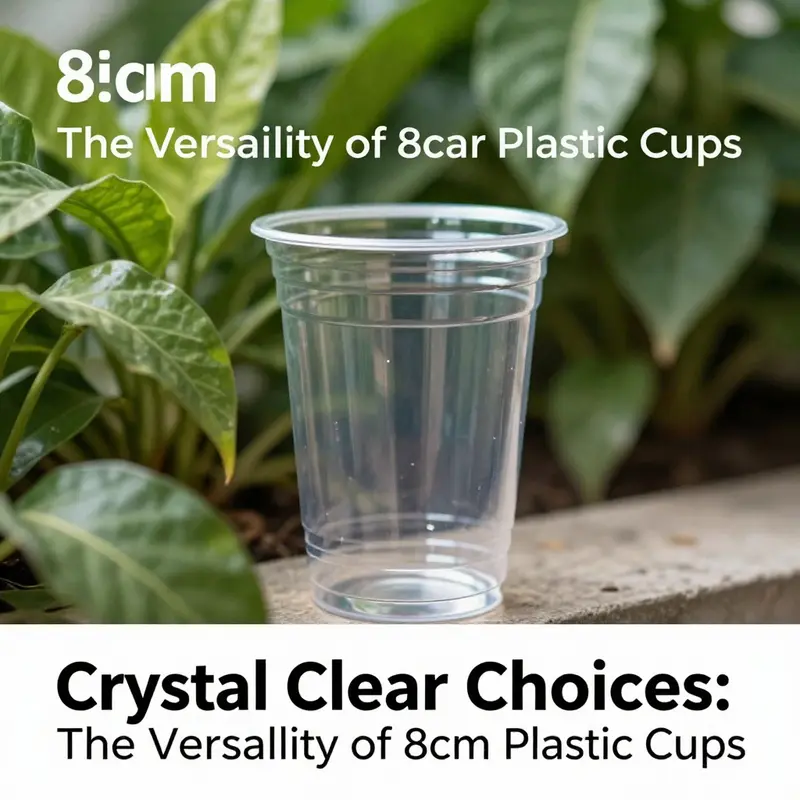
The height and transparency of a clear plastic cup—roughly 8 centimeters tall and made from a material that invites view and volume—shape more than just the serving experience. In consumer settings from busy offices to lively gatherings, the small glass-like cylinder presents a paradox: it offers an unobstructed view of a liquid’s level and color while simultaneously contributing to a broader stream of waste, resource use, and energy demand. At its typical capacity, around 300 milliliters, the cup is optimized for casual consumption and easy disposal, a convenience that can be alluring in the moment but carries consequences that accumulate across economies and ecosystems. The appeal of such cups lies in their clarity and lightness; they are inexpensive to produce, stackable, and compatible with quick-service workflows. Yet the same features that simplify use also complicate their end-of-life journey. When the cup is empty, what remains is a trace of its lifecyle, a footprint measured not only in discarded litter but in the energy consumed to extract raw materials, manufacture, transport, and finally process the used item for recycling or disposal. The tension between immediacy and sustainability becomes most evident with items of modest size and high turnover, such as the 8-centimeter transparent cup that populates countless events and everyday meals. This chapter explores the environmental impact and the evolving sustainability narrative around clear plastic cups of approximately this size, weaving together lifecycle considerations, material science, consumer behavior, and emerging design strategies that aim to reconcile convenience with responsibility.
Clear cups are commonly manufactured from polymers like PET and Tritan, materials chosen for their transparency, rigidity, and suitability for beverages. The fact that they remain visually clear even when filled is not incidental; it is a deliberate feature that enhances consumer perception and can influence how much people trust and use the product. Visibility of liquid level, color, and even pulp or sediment can guide drinking behavior and, in some contexts, encourage lighter or more frequent consumption. The lifecycle story of these cups begins with their feedstock, often fossil-based polymers, whose production consumes energy and emits greenhouse gases. The energy intensity varies with the production geography, the efficiency of plants, and the type of polymer involved. After formation, the cups are shipped to distribution centers and retailers, adding another layer of transportation emissions. Then there is the crucial stage of usage: for single-use scenarios, one cup serves a few minutes of convenience, but its afterlife depends on the efficiency of the local recycling stream or the feasibility of its reuse, if any.
A 2025 study highlighted in the research results emphasizes that polystyrene and other disposable cups contribute significantly to climate change and resource depletion across their lifecycle. This points to a larger structural question: the degree to which disposable cups, including clear variants, are designed for recovery or for continual replacement. The study’s findings align with broader concerns about waste streams that become litter, end up in landfills, or escape into the environment. The implications extend beyond the immediate product to the communities, municipalities, and ecosystems that bear the burden of waste management and cleanup costs. The high turnover of disposable cups at events, offices, and fast-service venues translates into a persistent demand for virgin materials, further amplifying energy use and resource extraction.
In contrast, the sustainability profile improves when we shift the focus toward reusable clear cups. BPA-free and dishwasher-safe versions—often made from durable materials such as Tritan, polypropylene, or certain grades of PET—are designed to withstand repeated use. Their durability means that, over time, they replace many disposable units, reducing the aggregate waste and energy required per service occasion. But this path is not a cure-all. Reusable cups raise questions about maintenance and cleaning energy, water use, and the potential release of microplastics during washing. The research notes that microplastic shedding can occur in washing cycles, a concern that complicates the blanket endorsement of reuse without complementary strategies to minimize shedding and ensure proper filtration in homes and facilities. This is where design choices and user practices intersect; the most sustainable outcome depends on robust washing protocols, durable construction, and responsible end-of-life management when a reusable cup finally reaches the end of its usable life.
Technological advances are quietly reshaping what a reusable clear cup can be. Innovations in 3D printing, for example, enable highly customizable and reinforced transparent cups that can be tailored to specific events, brands, or consumer preferences. This customization facilitates better fit-for-use outcomes, potentially reducing the risk of breakage, leakage, and premature disposal. A strengthened design can also extend the lifecycle by tolerating more wash cycles and by incorporating features that simplify cleaning or improve stacking efficiency in dishwashers. Such improvements contribute to a lower per-use footprint, even when measured against reusable options that have a higher upfront energy cost due to manufacturing complexity. In a broader sense, the combination of durable materials and smarter manufacturing offers a pathway to blend consumer appeal with environmental accountability.
Yet the path to sustainability for clear plastic cups is not without its obstacles. Microplastic shedding remains an area of active concern. Even in cups designed for durability, microfibers and microplastics can be dislodged during washing, contributing to the same pervasive problem that has dogged textiles and other consumer plastics. This challenges the assumption that reuse automatically yields lower environmental impact. On the other hand, the energy intensity of producing and maintaining reusable cups is not negligible. Washing, sterilization, and the longer production lifespans all require resources, and the balance of these factors depends on local energy mixes, water availability, and the efficiency of cleaning infrastructure.
Recycling limitations also complicate the sustainability narrative. Not all plastics are recyclable to the same degree, and contamination in recycling streams can hinder material recovery. In practice, many clear cups—even those labeled recyclable—enter streams that are not perfectly managed or that encounter incompatible waste processing facilities. When contamination occurs, the value of recovered material declines, and the cups may end up in landfills or incineration rather than being reprocessed into feedstock for new cups. These systemic constraints underscore the importance of robust recycling programs, clear labeling, and consumer education to maximize recovery rates for different plastics. In parallel, policy interventions, extended producer responsibility schemes, and economic incentives can shift production and consumption toward materials and designs that are more readily captured by recycling infrastructure.
From a consumer standpoint, actionable recommendations emerge. First, where feasible, choose durable, high-quality reusable cups that are compatible with the local cleaning regime and that can withstand many cycles without degrading. Second, for single-use scenarios where disposability remains the default, ensure proper disposal or recycling at the end of the lifecycle, taking advantage of municipal programs that accept the specific polymer type used. Third, consider alternatives that reduce waste, such as cups made from paper or plant-based composites that can be composted in industrial facilities or that feature advanced recycling compatibility. In all cases, reducing reliance on single-use items—especially those with clear, lightweight structures—offers a straightforward route to lowering the overall environmental burden.
The 8-centimeter cup height interacts with these sustainability considerations in subtle yet meaningful ways. Height influences capacity, stability, and stacking efficiency, all of which affect usage patterns, transport needs, and waste volumes. A shorter, sturdier cup may be more conducive to reuse in some settings, while a taller, thinner design might be more efficient for certain beverages or environments but less robust for repeated cleaning. The interplay between height, material choice, and end-of-life options demonstrates that design decisions—even those that seem purely cosmetic or ergonomic—carry environmental consequences. In practice, a shift toward sustainability often requires a holistic approach: aligning material science, manufacturing efficiency, product design, consumer behavior, and waste-management systems in a way that reduces overall life-cycle impact.
To illustrate how integrated design thinking can influence outcomes, consider the alternative paths available to businesses and households. In event contexts, for instance, a transition toward reusable cups paired with efficient washing protocols can dramatically reduce waste generation and energy use per service. In on-site cafeterias and offices, systems that incentivize return and cleaning of durable cups can close the loop more effectively than linear, throwaway use. For households, a mix of durable cups for daily use and well-labeled recycling options for disposables can help individuals balance convenience with responsibility. Across these scenarios, clear communication about the environmental rationale, the practicalities of reuse or recycling, and the local infrastructure available is essential to encourage adoption and reduce confusion.
In this broader narrative, an internal point of reference can help bridge the gap between consumer experience and environmental outcomes. For those exploring alternatives, durable reusable cups offer a tangible contrast to throwaway options. A useful entry point is to examine the spectrum of single-wall, paper-based or plastic-based alternatives that are designed with end-of-life in mind. These conversations can be enriched by practical examples of how organizations implement reusable schemes, how they educate users, and how they manage cleaning expectations without compromising safety or hygiene. When evaluating options for the approximately 8-centimeter-tall clear cup category, it helps to anchor decisions in real-world considerations: lifecycle energy, water usage, recycling compatibility, and the capacity to support repeated use without compromising beverage quality or user satisfaction.
Ultimately, the sustainability of clear plastic cups approximately 8 cm tall depends on a nuanced set of trade-offs. On one side lies the ease of single-use convenience and the critical demand for efficient service in busy environments. On the other stands a growing commitment to reducing plastic waste, improving recovery rates, and promoting materials and designs that can close the loop. This tension invites designers, manufacturers, retailers, and consumers to collaborate toward options that preserve clarity and usability while diminishing environmental footprints. The path forward is not a single solution but a portfolio of improvements—durable materials that resist degradation, smarter manufacturing that lowers energy intensity, better end-of-life systems that reduce leakage into the environment, and consumer practices that favor reuse and responsible disposal. In this way, eight centimeters of clarity become a focal point for reimagining how common, everyday objects can align with a more sustainable, circular approach to consumption.
For those seeking a concise reference on the broader environmental and littering implications of disposable cups, the following external resource provides a rigorous analysis that complements the themes discussed here: https://doi.org/10.1016/j.jclepro.2025.141234
Internal reference for further consideration: replacing single-use habits with durable, reusable options is an important step. For readers curious about how some organizations leverage simple, cost-effective, and scalable solutions in this space, consider exploring the concept of reusable paper-based options and their environmental trade-offs through the lens of accessible product categories such as single-wall disposable paper ice-cream cups with lid. This anchor text draws attention to the ongoing discussion about how different materials perform under reuse and recovery regimes, and it highlights the relevance of design choices in shaping environmental outcomes.
Final thoughts
As the food and beverage landscape continues to evolve, clear plastic cups approximately 8cm in height stand out for their adaptability, aesthetic appeal, and responsible manufacturing practices. By understanding their durability, versatility in applications, and eco-friendly implications, beverage shops, restaurants, catering services, and event planners can select the right solutions to enhance their operations. Embracing these cups aids businesses in exhibiting their commitment to quality and environmental stewardship, fostering positive experiences for consumers and clients alike. Investing in these clear plastic cups can significantly elevate your service offerings while being mindful of sustainability.