
In today’s bustling food industry, the demand for efficient, practical, and sustainable storage solutions is paramount. Square disposable food storage containers have emerged as a vital resource for businesses ranging from bubble tea shops and restaurants to food trucks and catering services. These versatile tools not only offer convenience but also support optimal organization and presentation of food items. As we dive into the key features of these containers, explore their common applications, and examine contemporary market trends, we will uncover how they can streamline operations and contribute to a socially responsible service model.
null
null
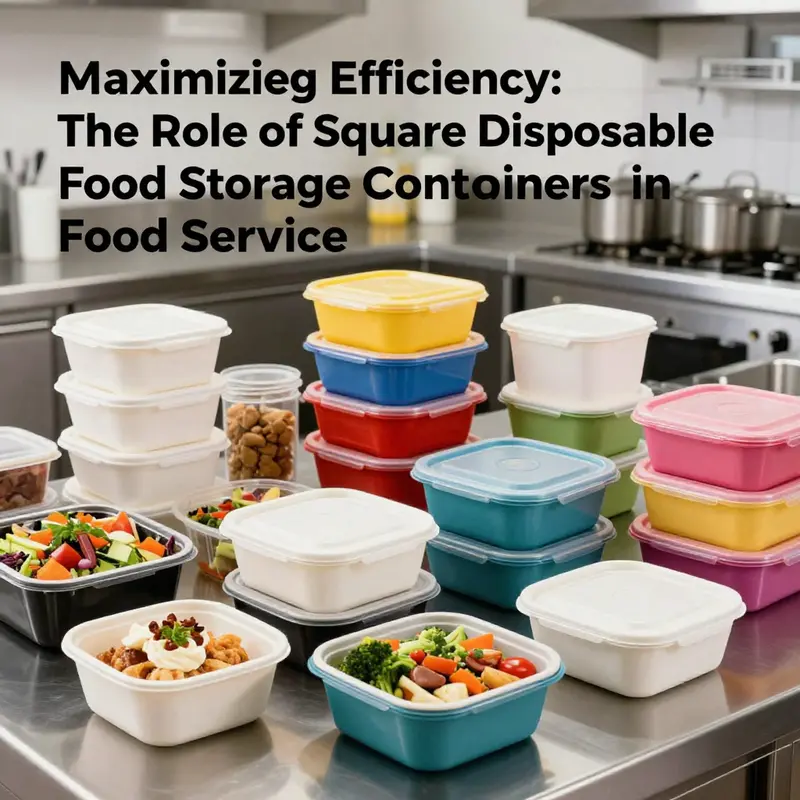
Squared Efficiency: The Ubiquitous Applications of Square Disposable Food Storage Containers in Modern Kitchens and Services
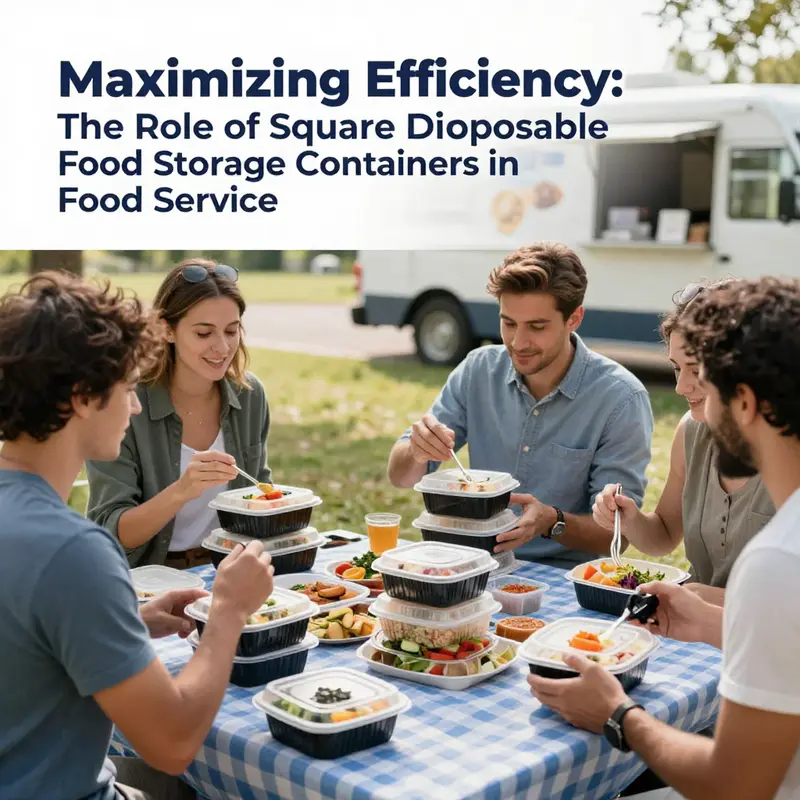
Square disposable food storage containers have earned a quiet dominance in the orchestration of everyday meals and catering alike. The square silhouette is more than a geometric preference; it is a thoughtful solution to how food is prepared, displayed, stored, and transported. In kitchens where space is at a premium and speed is of the essence, the shape translates into tangible advantages. It allows for neater stacking, more predictable shelf layouts, and a cleaner, more organized cold-chain workflow. When a kitchen crew grows, so too does the complexity of storage. The square container rises to the challenge by offering a uniform footprint that aligns with standard refrigeration racks, freezer sections, and pantry shelves. This spatial efficiency is not merely a matter of aesthetics; it directly impacts portion control, inventory management, and waste reduction. In homes, the same geometry supports portioning for meal prep and day-by-day consumption, enabling families to portion out proteins, grains, and vegetables in a way that makes reassembly quick and satisfying. The result is a practical, no-nonsense tool that keeps food fresher longer and preparation smoother, a common thread across households and professional operations alike.
The materials used to make square disposable containers also shape their applications. Polypropylene, widely chosen for its durability and heat resistance, stands out as a versatile solution for hot meals and soups that may need to be reheated or briefly swept through a microwave. In kitchens that prioritize speed and reliability, this material supports busy service lines where hot foods must travel from the kitchen to customers with minimal risk of compromise. HDPE, with its excellent resistance to cold and its efficiency for short-term cold storage, finds a steady niche in salads, desserts, and other chilled items where the priority is maintaining texture and freshness without the complication of microwaving. Plant-based biodegradable pulps present a counterbalance to conventional plastics. They respond to growing demand for sustainability, presenting compostable options that align with outdoor events, eco-conscious brands, and venues seeking to reduce their environmental footprint. The choice among materials is less about a single best option and more about a tailored fit for the intended use, whether that use is casual takeout, institutional meal programs, or outdoor gatherings where zero-waste goals are part of the plan.
In the realm of takeout and catering, the square container earns a reliability badge. A robust square shape helps preserve the integrity of the food through transport. The rigid sides resist deformation even when containers are stacked high or jostled on a delivery route. This structural integrity is particularly valuable for items with multiple components, such as layered dishes, sauces, and absorbent sides, where any tilt could compromise presentation or cause leakage. The lid design—often airtight or with a secure interlocking mechanism—adds another layer of functional assurance. A reliable seal means fewer incidents of leaks in transit, which is not only a matter of aesthetics and waste avoidance but also of odor control and customer satisfaction. The ability to reheat or reheat-and-serve, when appropriate to the material, is another facet that expands the practical window for using square disposables in a variety of service models.
Meal prep at home is perhaps the most intimate arena for square containers. People value consistency in portion sizes and the freedom to reheat without changing containers or losing the top layer of a dish. Square formats pair well with standard containers’ lids and with common kitchen layouts, where drawer organizers and fridge slots are designed around predictable shapes. When a household commits to batch cooking—grain bowls, roasted vegetables, and proteins—these containers make it simpler to distribute meals evenly, maintain visual appeal, and reduce the number of mismatched lids that often frustrate daily routines. In this context, the square container becomes a practical ally in the ongoing project of healthy eating, offering predictable dimensions that fit neatly into crisper drawers and freezer rows alike. The consistency in shape and size helps families keep track of portions, plan lunches for the week, and minimize the daily scramble that accompanies busy schedules.
From the vantage point of food service, the square container performs a balancing act between presentation, practicality, and operational efficiency. For chefs and caterers, the presentation of a dish in a uniform, square footprint can enhance perceived quality. A neatly arranged stack of items in a square tray offers a sense of order that mirrors the care put into the food itself. In catering scenarios—from corporate events to weddings—the square shape simplifies prep logistics, allowing staff to portion meals with greater precision and to arrange them in buffet lines or boxed meals with a clean, cohesive look. The interlocking lid design seen in many square disposables aids in handling during busy service curves, helping to secure contents during brief periods of outdoor service or high-foot-traffic dining areas. The containers’ rigidity helps maintain shapes that can be relied upon for display and for transport, avoiding the collapse that might plague softer, flexible options.
In schools and corporate cafeterias, the square option is a practical compromise between durability, safety, and user-friendly design. Students and workers benefit from a container that is easy to carry, simple to open, and straightforward to recycle or dispose of at day’s end. The compact footprint helps schools maximize the number of meals served per day without crowding storage spaces, and it supports standardized meal programs where consistency reduces confusion for both staff and recipients. The ability to microwave (in materials that permit it) adds a level of convenience that is highly valued in settings where time between classes or shifts is limited. A square container can hold diverse offerings—vegetable medleys, rice or grain-based dishes, proteins, and soups—without the awkward overflow that sometimes accompanies round or irregular shapes. The result is a reliable, mid-size vessel that satisfies safety, convenience, and efficiency in educational environments where variety and reliability matter.
Deli counters and grocery stores often rely on square, pre-packaged offerings to present ready-to-eat items in a way that is both attractive and functional. The square form helps display multiple products on shelves or in cold cases with a uniform alignment, which improves visibility and makes it easier for customers to compare portions and prices. Clear or translucent lids add to the shopper’s ability to inspect contents without opening, while air-tight seals help preserve freshness and reduce odors that can otherwise affect adjacent products in a compact display. For store personnel, the standardization of container shape translates into streamlined revenue initiatives: easy re-stocking, compatible labeling, and consistent stacking that improves efficiency during peak shopping times. The ability to pre-portion deli meats, salads, or finger foods into square compartments also supports portion control strategies for both retailers and customers who are mindful of dietary goals.
As delivery platforms expand their reach, square disposables have become a trusted packaging option. The geometry supports reliable containment during transit, reducing the likelihood of leaks and spills that diminish the consumer experience. For a home-delivered meal, the container may be microwaved or reheated directly, depending on material compatibility, which minimizes the need for transferring foods into alternative containers and enhances convenience for the end user. The square footprint also simplifies the logistics of packing in delivery totes and on riders’ racks, ensuring a neat, even distribution of multiple meals in a single trip. In snack and dessert segments, the regular shape lends itself to stacking in catering kits and delivery boxes, allowing for easy organization and quick retrieval when meals are opened at the destination. The result is a packaging solution that respects both the speed demanded by modern delivery services and the care that goes into keeping flavors, textures, and temperatures aligned with what customers expect.
Catering and events benefit from the versatility of square disposable containers through efficient portioning, easy service, and clean-up workflows. In large-scale events—whether weddings, corporate galas, or school functions—the ability to prepare uniform portions simplifies kitchen operations and helps staff manage inventory with greater precision. Square containers enable buffet stations to be set up in orderly rows, with corresponding lids that seal in warmth and moisture while still allowing easy self-service for guests. For event organizers, the standardized shape contributes to a cohesive aesthetic that pairs well with a broad range of tableware and décor, reducing the need for frequent replacements or mismatched pieces. And for cleanup crews, the rigid structure means quick dismantling and straightforward disposal, allowing more time to reset venues for subsequent servings or events. The practicality of the square form then becomes not just a feature of storage, but a strategic choice that supports efficiency in hospitality and event management.
The sustainability dimension is increasingly central to decisions about which disposable containers to deploy. Consumers and operators alike are weighing compostable pulps and recycled-content plastics against traditional options. The square shape is often the most efficient vehicle for these transitions because it preserves space in recycling streams and aligns with the processing realities of waste facilities. Compostable options are especially appealing for outdoor events, picnics, and environments where post-use disposal occurs outside conventional waste streams. Recyclable materials, when sourced responsibly, enable ongoing reuse cycles, and the square’s stackability contributes to lower transportation emissions by maximizing load efficiency in distribution and in the back of house. In practice, this means choosing a material that matches the duration of use with the environmental goals of the operation. Short-term hot meals might justify a heat-tolerant plastic, while a picnic or event could lean toward a biodegradable pulp container that biodegrades after its life in the event footprint. The square container, in this sense, becomes a canvas on which sustainability narratives can be written, allowing kitchens and services to meet practical needs while honoring responsible waste practices.
Customization has emerged as a meaningful differentiator in the square-disposable segment. For brands that want to reinforce their identity through packaging, OEM and ODM options enable logos, colors, and packaging aesthetics to align with corporate or event branding. This is not merely about vanity; it is about creating a recognizable, consistent consumer experience across channels—whether on a takeout counter, in a corporate lunch room, or at a catered function. The capacity to print or emboss distinct branding elements onto square containers supports marketing strategies and enhances perceived value. For operators who adopt these solutions, the return on investment can include improved brand recall, stronger customer loyalty, and more efficient inventory management, as uniform containers simplify labeling and tracking. The scale of procurement, often in bulk, further reduces per-unit costs and supports broader deployment across multiple service lines—from quick-service takeout to formal catering. In this way, even a utilitarian tray becomes a strategic asset in the broader business ecosystem of food service and consumer meals.
To make the most of these applications, purchasers weigh several practical considerations beyond material and shape. Capabilities such as heat resistance, leak resistance, and microwave safety must be aligned with the intended menu and service style. The choice of lid type—tight-seal, vented, or snap-on—can have a meaningful impact on meal quality during transit. The capacity must be matched with typical portions in the target market, while the shape must accommodate a range of menu items without forcing compromises that would degrade presentation or handling. In other words, the square container becomes a flexible tool, not a rigid constraint. When operators design systems around this tool, they can unlock greater efficiency at every stage—from kitchen prep and packaging to transport and final presentation.
In reflecting on these varied contexts, the central insight is clear: the square disposable container is a unifying instrument of practicality. It supports organized storage, reliable transport, and consistent service across diverse settings. Whether in a family kitchen batch-cooking for the week, in a bustling restaurant preparing dozens of takeout orders, or in a campus cafeteria serving hundreds of students with uniform portions, the square container helps translate intention into reliable, repeatable outcomes. The result is not simply a container, but a streamlined workflow that reduces friction, preserves quality, and enhances the experience of both operators and consumers. The shape, the material, and the design each play a role in that larger system, reinforcing how a simple square can carry a surprising amount of meaning in the everyday work of food handling.
For readers seeking a deeper dive into the different types and the nuanced trade-offs among materials—such as heat tolerance and compostability—a comprehensive guide on disposable square food containers offers a broader landscape. It situates the square container within a spectrum of options, guiding decisions for particular use-cases and sustainability goals. This resource helps connect the practicalities described above with the broader conversation about packaging materials, lifecycle considerations, and evolving consumer expectations. As the market evolves, the square container remains a reliable platform for innovation, balancing form and function in a way that continues to resonate across kitchens, caterers, schools, and retailers. In short, the square disposable container is more than a vessel; it is a quietly essential component of modern food logistics, capable of supporting efficiency, safety, and satisfaction across a wide array of dining scenes.
Internal resource for further reading and inspiration: senang-750ml-eco-friendly-kraft-rectangular-take-away-salad-paper-container-square-paper-bowl-with-lid. This practical example illustrates how customized, branded square containers can align with green packaging goals while delivering reliable performance for takeout and dining-on-the-go. It demonstrates how design choices—from forest-friendly pulp to kraft paper aesthetics, from size to lid mechanism—can converge to meet diverse needs without sacrificing efficiency. As the industry continues to innovate, such examples underscore how shape, material, and customization can work in harmony to support sustainable, scalable food-service operations.
External reference: for a broader, external perspective on disposable square containers, see the detailed overview provided by a leading packaging guide that surveys the materials, designs, and applications across the square- container landscape. https://www.plasticcontainers.com/guide-to-disposable-square-food-containers/
The Geometry of Convenience: How Market Trends Shape Square Disposable Food Storage Containers
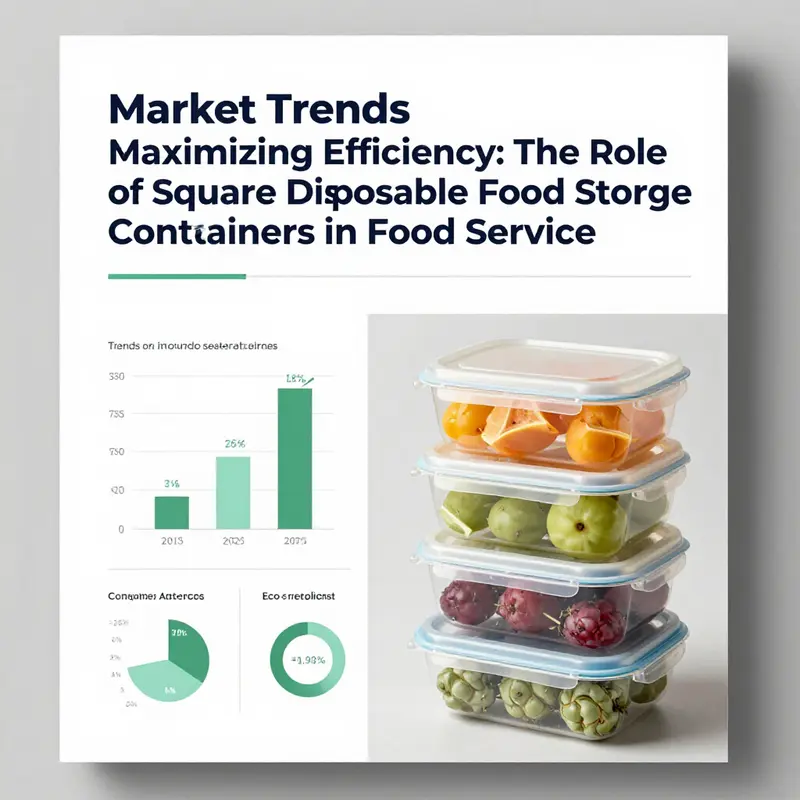
The square footprint of disposable food storage has quietly become a strategic advantage in how food travels from kitchen to consumer and back again. The grid-like efficiency of square and near-square forms translates into more predictable stacking, easier shelving, and crisper, more organized displays. This geometrical logic matters because the modern food landscape is driven by speed, visibility, and consistency. In kitchens, warehouses, and storefronts, the square shape minimizes wasted space in shelves, coolers, and transport crates, while also providing clear surfaces for branding, labeling, and portion control. In a market that stretches from bustling urban takeout counters to sprawling catering operations, this simple geometry underpins a suite of decisions about materials, production methods, and sustainability that collectively define growth trajectories for the industry.
As consumer behavior tilts toward convenience, the demand for reliable, microwavable, and lightweight containers grows in step with the expansion of food delivery platforms and quick-service formats. Square containers are not a mere packaging choice; they are an operating assumption. Their flat sides and right angles enable uniform nesting and efficient use of cabinet and fridge real estate. When a meal arrives at a customer’s door, the container’s shape influences how easily the meal is transported, how visually accessible it is when opened, and how neatly it can be stored after consumption. Square geometry supports consistent portioning and predictable handling, which, in turn, reduces waste and speeds up service, especially in high-volume environments where every second counts.
The materials that fill these square spaces mirror the evolving priorities of the market. Polypropylene (PP) remains a dominant workhorse, prized for its durability, heat resistance, and microwave compatibility. These traits make PP-based square containers ideal for hot meals, soups, and leftovers that require safe reheating. In many commercial settings, PP containers are designed to withstand the rigors of daily use, withstand repeated freezing and reheating cycles, and resist staining, all without compromising the user experience. Yet, the landscape is widening as sustainability becomes a governing criterion. High-density polyethylene (HDPE) remains a solid choice for cold foods—salads, desserts, and other short-term storage needs—where microwave safety is less critical. And then there are the more environmentally conscious options, such as plant-based biodegradable pulp derived from sugarcane or bamboo, which speak directly to a growing segment of buyers seeking compostable solutions for outdoor events, picnics, and festival settings.
In the square container segment, customization has moved from the occasional logo stamp to full-fledged OEM/ODM collaborations. Suppliers recognize that branding and packaging design can elevate a simple takeout box into a performance tool for a restaurant chain or a corporate cafeteria. The trend toward customization brings color, logo placement, and even lid designs that lock in the contents while presenting a polished, on-brand image. This shift is not just about aesthetic appeal; it supports inventory control and customer recall. A well-branded container becomes part of the dining experience, reinforcing consistency across locations and reinforcing the perceived value of the meal inside.
Sustainability sits at the heart of market evolution. Regulatory pressures, such as plastic reduction policies in major markets, are accelerating the switch from traditional plastics to more eco-friendly alternatives. The growth path for square containers now charts a course through materials like polylactic acid (PLA), PBAT (polybutylene adipate terephthalate), and paper pulp, alongside conventional PP and HDPE. Projections for major markets indicate a meaningful shift: eco-friendly materials could constitute a substantial share of the market in the coming years, particularly as policy support, consumer awareness, and technological advances converge.
This shift is not uniform, however. Regions with aggressive biodegradable mandates or strong recycling infrastructures tend to accelerate the adoption of compostable and recyclable options. In some markets, the cost and performance parity of eco-friendly materials with traditional plastics remains a key determinant. Yet as barrier properties improve and processing becomes more scalable, the price gap narrows. The outcome is a dual trajectory: a broad base of standard, cost-efficient square containers for everyday use, and a growing layer of premium, sustainable options for institutions, events, and brands that want to demonstrate environmental stewardship without sacrificing performance.
Market growth data illuminate the momentum behind these shifts. The global disposable food container market expanded from roughly 48 billion dollars in 2020 to about 72 billion dollars by 2025, a compound annual growth rate (CAGR) of around 8.4 percent. Forecasts consistently point to continued expansion, with annual growth staying above 6 percent into 2030. In China, the disposable container segment surpassed RMB 180 billion by 2025, driven by the explosive spread of food delivery platforms and the standardization needs of nationwide restaurant networks. These figures reflect more than appetite for takeout; they reveal a structural change in how food is prepared, packaged, transported, and presented at the point of sale.
Square containers align with this growth by enabling streamlined logistics and display. In a busy cafeteria or a dining hall, a square tray can be stacked, moved, and stored with less risk of slippage or misalignment than more irregular shapes. The uniform footprint supports clearer labeling, easier inventory counting, and more precise waste tracking. It also makes for more visually consistent displays in retail settings, where customers often rely on sight cues to judge volume and freshness. In a world where the presentation of a meal can influence perceived value, the clean geometry of square packaging becomes a subtle form of communication—one that signals order, reliability, and care.
The supply chain dynamics behind these trends are equally telling. Suppliers emphasize scalability and customization, offering both high-volume standard lines and bespoke designs that cater to brand storytelling. For buyers, the appeal lies in flexibility: the ability to order containers in bulk with a clear path to logo printing, color branding, and lid configurations that secure seals during transit. The drive toward bulk purchasing is not merely about price per piece; it is about predictable lead times, consistent quality, and reduced procurement complexity for large operators. In turn, manufacturers invest in automated tooling and modular production lines that can switch quickly between sizes, materials, and finishes without sacrificing throughput or reliability.
From a design perspective, the square form encourages innovations in lid engineering and sealing technology. Leakage resistance, airtight seals, and snap-fit interlocks are critical features that reassure users who depend on these containers to maintain temperature, prevent spills, and preserve the integrity of delicate foods. The lid becomes more than a cover; it is a functional companion to the container’s geometry, supporting stackability when closed, enabling heat retention, and enabling straightforward disposal or recycling when the meal is finished. This attention to the interplay between body and lid is essential for builders of next-generation packaging who aim to deliver both performance and sustainability in one cohesive package.
Sustainability and customization intersect with consumer expectations at the point of disposal. End users increasingly demand packaging that is compatible with current recycling streams or that offers a credible composting option for outdoor events. This expectation pushes suppliers to test barrier properties, heat resistance, and moisture management across a spectrum of materials. For square containers, the goal is not only to keep the contents fresh but to ensure that the container’s end-of-life story aligns with broader environmental objectives. In this context, the adoption of eco-friendly pulp-based containers, often derived from fast-renewing agricultural residues, gains traction as a practical and scalable option for square formats used in catering and retail settings.
As the market evolves, so too does the balance of cost and performance. PP remains attractive for everyday use because it delivers durable performance at a favorable price point. For hot meals, soups, and leftovers that may require microwaving, PP offers a reliable combination of resilience and safety. However, the rise of sustainability metrics nudges buyers toward bio-based or compostable options, especially for outdoor and event-focused applications. The trade-offs are real: compostable or plant-based materials can carry higher unit costs, different handling requirements, and sometimes different performance characteristics under heat or moisture exposure. Yet these trade-offs are increasingly acceptable as consumers become more accustomed to greener packaging and as producers refine processing techniques to close performance gaps.
Beyond raw materials, the market is seeing a widening embrace of customization in color, form, and lid design. OEM and ODM services enable brands to imprint logos, match corporate colors, and tailor packaging to seasonal campaigns or menu changes. In practice, this translates to tighter synchronization between product design and consumer perception. When a square container bears a logo in a distinct hue, it reinforces brand recognition across multiple touchpoints—from digital orders to curbside pickups. This branding fidelity, paired with the practical advantages of square geometry, makes these containers not just a vessel for food but a portable expression of a brand’s identity.
The growth narrative also points to opportunities in education and corporate institutions. As meal programs expand and foodservice operations standardize, there is an increasing demand for uniform packaging that can be easily stored, transported, and disposed of with minimal handling. The square format fits neatly into institutional kitchens, school cafeterias, and corporate dining facilities, where standardized sizes simplify menu planning, portion control, and inventory reconciliation. Such adoption reinforces the idea that packaging choices are not isolated design decisions; they are integral to operational efficiency, cost management, and sustainability reporting.
Alongside this, material science continues to push the boundaries of what is possible with square containers. Barrier coatings, moisture management, and temperature resistance are fields seeing meaningful investment as micro-innovations translate into tangible benefits for end users. The ability to maintain the quality of sauces, oils, and moist foods while preserving the structural integrity of a square container during transport helps reduce waste and return rates. In turn, these improvements open doors for a wider range of food formats to be shipped, delivered, or served in a single, standardized square package that can be easily recycled or composted at the end of its life.
In the broader ecosystem of packaging, the trend toward sustainability is reinforced by consumer education and corporate responsibility. Buyers increasingly ask about end-of-life options, supply chain transparency, and the environmental footprint of the containers that carry their meals. For manufacturers, this means investing in traceability, setting clear recyclability claims, and designing products that can be collected and processed within established waste streams. The synergy between form and function—the square, the seal, the sustainability narrative—creates a compelling value proposition for buyers who manage large fleets of containers across varied use cases.
To illustrate how these ideas translate into real-world choices, consider the growing interest in eco-friendly kraft-based solutions alongside conventional plastics. Options that combine a squared footprint with a compostable or recyclable substrate demonstrate how design, material science, and policy can align to deliver practical packaging without compromising user experience. A notable example of how square, eco-conscious packaging is evolving is found in products designed to meet take-away and dine-in needs while offering credible end-of-life options. This illustrates a broader principle: shape and material can work in concert to deliver both performance and sustainability at scale. In practice, buyers seek a path that delivers reliability in daily operations and a credible commitment to environmental stewardship across the supply chain.
For readers seeking a concrete example of how eco-friendly square packaging is being showcased in the market, one practical reference highlights a kraft-based, square-format take-away container with a secure lid. senang-750ml eco-friendly kraft rectangular take-away salad paper container square paper bowl with lid. This example demonstrates how design choices—square geometry, kraft-based materials, and a reliable lid system—can converge to meet restaurant needs, consumer expectations, and sustainability goals in a single package.
Looking ahead, the industry appears poised to sustain its momentum as innovations in materials science, process engineering, and digital tooling continue to lower the barriers to adopting greener, square packaging. The ongoing dialogue among manufacturers, suppliers, retailers, and regulators will shape the pace at which new materials, such as bio-based resins and pulp composites, can match or exceed the practical performance of traditional plastics. In addition, the push toward standardized sizes and modular production will support economies of scale, reducing costs while enabling customization. The result will be a market where the square container remains a central platform for efficiency, branding, and responsible packaging, guiding how meals are packaged, displayed, delivered, and disposed of in the years ahead.
External research and market analyses reinforce these conclusions, offering deeper insight into regional dynamics, material transitions, and technology advances that will influence the future of square disposable food storage containers. For a broader, future-focused perspective on these developments, see the external resource linked at the close of this chapter. It provides an in-depth examination of market trajectories, investment prospects, and trend data that can help industry players calibrate strategy as the square container market continues to evolve.
External resource for further reading: https://www.researchandmarkets.com/reports/6955048/2026-2030-disposable-food-containers-industry-market-deep-analysis-and-prospects-trend-investment-research-report
Final thoughts
Square disposable food storage containers are not just a practical solution; they are an essential component in the food service sector. By understanding their key features, recognizing their diverse applications, and staying updated on market trends, businesses can enhance their operational efficiency and align with consumer preferences for sustainability. As food-related services continue to evolve, investing in quality storage solutions will be critical for success and satisfaction. Make the choice to embrace these containers and watch your service quality soar.