
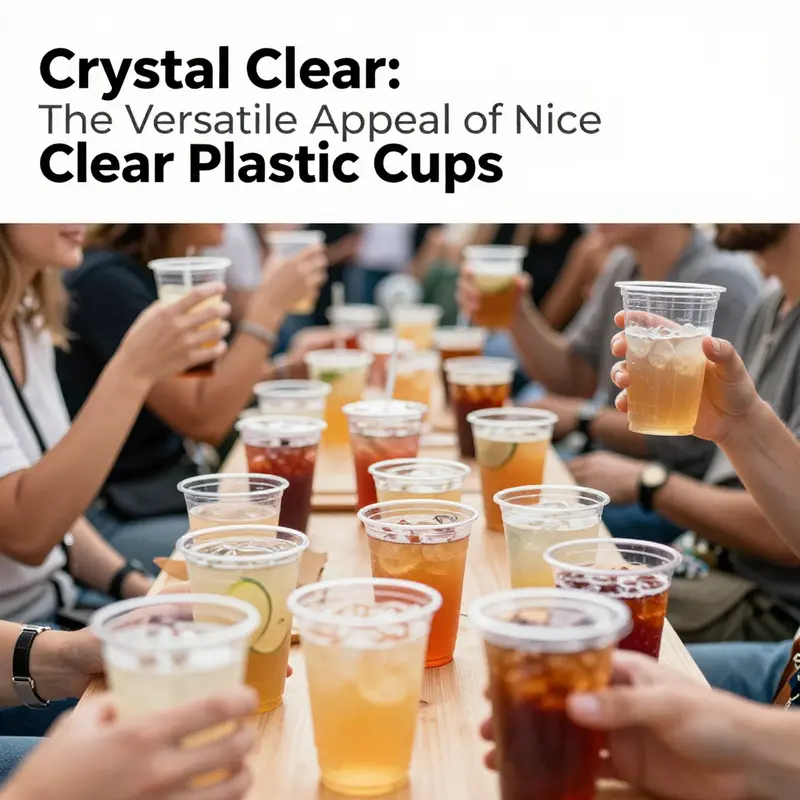
Nice clear plastic cups have become an essential element in the beverage landscape, seamlessly integrating into the operations of bubble tea shops, restaurants, food trucks, and catering services. Their appealing aesthetic, combined with practical functionality, makes them an attractive choice for every type of event or setting. This article delves into the different types of clear plastic cups, the materials they are made from, their economic impact in the food and beverage industry, the environmental considerations, and the emerging consumer trends shaping the future of disposable drinkware. Each chapter provides insights that help understand the overall significance of clear plastic cups in modern businesses.
Crystal Clarity and Practical Purpose: Navigating the Types and Uses of Nice Clear Plastic Cups

Crystal clarity and practical purpose define how clear plastic cups perform in the real world. The transparency is more than a design choice; it is a tool for perception. Beverages look more appealing, colors pop, and the overall presentation becomes more cohesive with the event theme. Yet the appeal of clearness rests on a material and a geometry that can withstand the demands of everyday service, from a crowded cafe line to a sunlit festival booth.
Behind every clear cup there is a choice of polymer that shapes its behavior. PET, PP, and PLA dominate the conversation, each with its own logic. PET affords high clarity and respectable stiffness when used for cold drinks, making it the default for many single use cups in fast service. PP tends to be tougher and more heat tolerant, offering a wider range of shapes and a calmer surface for hot beverages or thicker formulations. PLA, a plant based option, keeps a bright look while promising a lower carbon footprint in theory; in practice it is compostable under industrial conditions and requires appropriate facilities to break down. These material choices echo the trade offs between readability and resilience, between compostability and recyclability, and between supply stability and environmental goals.
In everyday service, the smallest decisions shine. Disposable clear cups, typical sizes like 16 ounce or 24 ounce, ride the line between convenience and responsibility. They are light, shatter resistant, and designed for quick turnover. They carry cold drinks well, from smoothies to iced coffee and fruit drinks, and their clear walls let the visual brand or beverage color speak for itself. Cafes, catering teams, and event organizers often reach for these cups because they minimize prep time and cleanup while preserving presentation. A common pairing is a PET or PP cup with a food safe lining to safeguard against liquids and to maintain clarity over the service window. The practical limits come with heat; hot beverages stress some plastics and can speed up clouding or deformation if not designed for higher temperatures.
For customers who need to reuse rather than discard, insulated tumblers provide another route. These reusable cups have double walls, leak proof lids, and ergonomic grips. Transparent or frosted finishes let a commuter check drink levels without opening the lid, merging convenience with sustainability goals. The appeal here lies in durability and lifecycle thinking; a well maintained tumbler can outlast many disposable cycles, reducing waste and recurring costs over time. Yet they require a shift in behavior, as users must carry them and clean them, which can be an adjustment for busy offices and travel routines.
Eco friendly compostable cups, often PLA based, promise a different narrative. They are designed to maintain clarity and structural integrity during normal use, then break down in the presence of industrial composting streams. They can be a responsible choice for green events or sustainability minded venues, aligning a brand with a visible commitment to the environment. The caveat is important: compostability is not equivalent to recyclability. These cups rarely enter standard recycling programs and only perform as intended when compost systems are available. The decision to use them should be part of a broader waste management strategy that clarifies local facilities and end of life options for customers and staff.
For occasions that emphasize presentation, party and event grade clear cups in smaller sizes offer both economy and elegance. Often sold in bulk and fully recyclable, these cups emphasize the transparent showcase of color for water, juice, or cocktails. They are particularly well suited for venues that blend form and function, such as weddings, conferences, or social gatherings, where a clear cup can elevate the perceived quality of service without introducing heavy, opaque containers. In many setups, the rim and lip design is important for a comfortable sipping experience and for compatibility with lids and sleeves that keep beverages contained during transport.
Specialty shapes such as U shaped or square cups add a design twist that can support branding and grip. These forms stand out in dessert bars, beverage stations, and ice cream counters, serving frozen treats, milkshakes, or slushies with a distinctive look. The shape not only creates a memorable visual identity but can also improve handling and stacking efficiency for staff during peak service. CustomPrint options may accompany these shapes, offering a platform for logos or seasonal campaigns without altering the core clarity that customers expect from a plastic cup.
When choosing among these options, it helps to anchor the decision in intent. If speed and convenience trump all else, a standard disposable cup is likely to be the best fit; if branding and sustainability are priorities, special coatings or alternative materials may win the day. In some cases, brands and venues blend options, using clear disposable cups for casual service while reserving premium or compostable alternatives for eco conscious events. For those seeking a branding friendly, sustainable route in paper cup formats, the following link offers a variation on the concept: senang07-eco-friendly-printed-logo-buy-paper-cup-take-away-coffee-cup-8-oz-12-oz-paper-cup
The choice of cup is not just about color and shape but about the service system that frames consumption. Staff training, signage, and the cadence of waste collection all influence how a given cup performs in practice. A clear cup must fit inside a host of lids, straws, sleeves, and dispense methods, and this compatibility adds a subtle but real layer of complexity for operators who balance speed with safety and cleanliness. In the background, manufacturers continuously experiment with surface finishes that resist smudges, coatings that preserve clarity in humid environments, and innovative walls that minimize heat transfer in hot drinks without compromising the unbroken view of the beverage inside. All of these micro choices aggregate into a simple reality: clear cups are not a single product but a family whose members perform differently under different pressures, temperatures, and logistics networks. On a practical level, that means event planners and cafe managers should map their typical service patterns to the properties of the cups they select, rather than defaulting to the cheapest option.
For readers seeking more context on material options and market availability beyond traditional plastics, a broader resource is available here: https://www.alibaba.com/product-detail/16oz-PLA-Clear-Plastic-Disposable-ColdDrinkCup_1600578243325.html
Crystal Clarity, Hidden Trade-offs: A Cohesive Look at the Material Make-up of Clear Plastic Cups
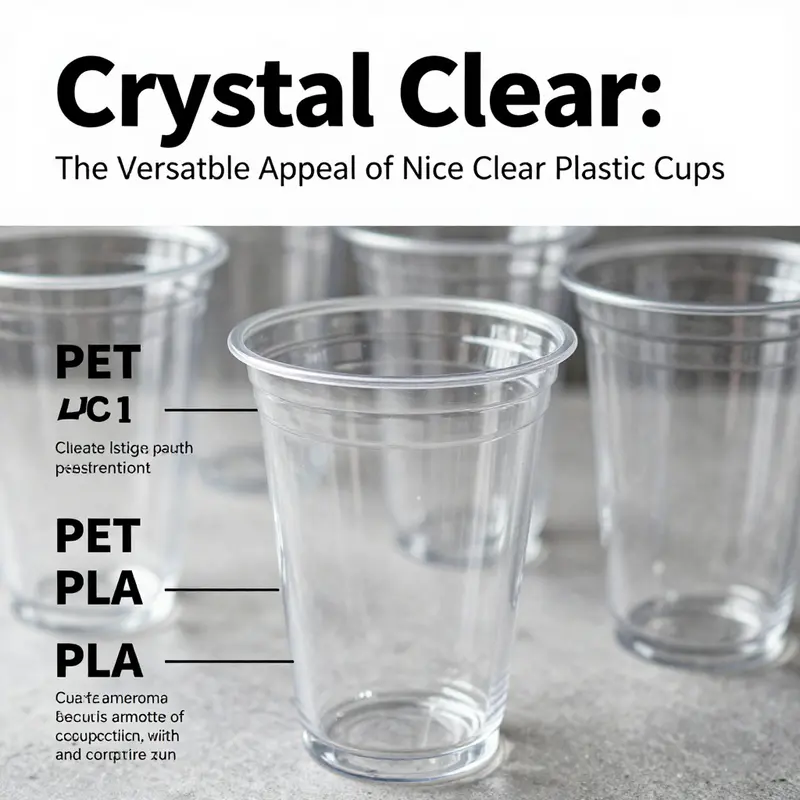
Clear plastic cups have earned a quiet reputation for versatility, serving everything from casual gatherings to streamlined commercial events. Their appeal rests not only in the visual appeal of a transparent vessel that showcases a drink’s color and texture, but also in the tactile impression of a smooth surface that invites touch and branding alike. Yet beneath that sleek exterior lies a material conversation that determines how these cups perform, how they interact with heat and cold, and how they fare in the broader landscape of sustainability. The two polymers most commonly employed to deliver that pristine clarity are a familiar thermoplastic with a long history of food-contact approval and a tougher, highly transparent cousin that carries a different set of mechanical and environmental consequences. Read as a single, continuous thread, the chapter on material composition reveals how choices made in the factory echo in safety, aesthetics, cost, and end-of-life outcomes for consumers, brands, and ecosystems alike. The narrative begins with the polymer that dominates many clear cups, often chosen for its balance of lightness, rigidity, and recyclability, and then moves to its principal competitor, which weds impressive clarity and stiffness to a more complex recycling reality. The first word in this story—petit yet powerful—is PET, polyethylene terephthalate. PET is celebrated for clarity that rivals glass when formed into thin, smooth-walled cups. It is lightweight and resilient enough to resist minor impacts during handling and transport, a practical advantage for single-use drinkware that must withstand the daily rigors of service from a crowded event to a busy concession stand. The emphasis on clarity here is more than cosmetic; it is a functional asset. A crystal-clear surface becomes a canvas for branding, allowing logos and color schemes to pop against the backdrop of a beverage. The result is an experience that feels premium despite the disposable format, a nuance that helps brand managers justify the often razor-thin margins of promotional campaigns where presentation counts as much as price. PET’s appeal in cold-drink applications is well documented in food-contact guidelines and the broad acceptance of PET by many recycling programs. The chemistry of PET contributes to its performance: its semi-crystalline structure offers a barrier that helps preserve beverage quality for a short window, and its surface can be treated to optimize printing or labeling. For the consumer, this means a cup that not only looks pristine but also feels sturdy enough to hold a cold beverage without feeling flimsy. Yet, PET is not a one-note hero. Its recyclability is a crucial factor in its life cycle, and the real value of PET emerges when communities maintain robust curbside or drop-off recycling streams. The environmental story of PET is nuanced. On the one hand, the polymer is designed to be recyclable, and many recyclers are equipped to process PET into new containers or into other products. On the other hand, the ultimate ecological benefit hinges on correct disposal, efficient collection, and the quality of the recycled material that re-enters production lines. When PET is diverted from ordinary waste streams into recycling channels, the energy and resource savings can be meaningful, particularly when the material is collected at scale and recycled into high-value applications. The second material in this dialogue is polystyrene, a polymer that has long been prized for its exceptional transparency and rigidity. In a clear cup, PS contributes a sleek, modern aesthetic and a surface that resists deformation under many standard handling conditions. The rigidity of PS makes walls of consistent thickness, which translates into predictable stacking and stability—a subtle but important advantage for cups used in crowded service environments or event settings where uniformity matters for display, branding, and ease of use. However, the same rigidity that endows PS with its confident silhouette can become a liability under heat or stress. Hot beverages, if poured into an PS cup, can lead to deformation or the perception of surface softness, and there are valid concerns about leaching when temperatures rise. The material’s transparency remains exceptional, but the thermal and chemical thresholds become more pronounced considerations for designers and operators who must ensure that a cup remains safe throughout the intended use. Recycling realities also differ between PET and PS. PS cups, especially those used as rigid alternatives to PET cups, often face a more fragmented recycling landscape. The infrastructure for PS is not as universally reliable as for PET in many regions, and where recycling streams exist, PS may be downcycled into lower-value products if contamination occurs or if collection systems lack separation. This dynamic influences brand strategy and event planning. If a cup is intended for hot beverages, PS might present a practical option in terms of heat resistance and appearance, but it invites a more deliberate approach to end-of-life considerations and to explaining disposal pathways to consumers who want their choices to align with stewardship goals. The material conversation would be incomplete without recognizing that both polymers share a common destiny in the world of disposable drinkware: the tension between convenience and sustainability, between quick service and responsible waste management. In many settings, PET’s relative recyclability can offer an environmental edge when the supply chain is designed to capture and process used cups back into high-quality feedstock. The reality, however, is that recycling systems are uneven, and contamination, improper sorting, and limited processing capacity can erode the environmental gains that PET might otherwise deliver. PS, with its excellent clarity and stiffness, faces an even more nuanced fate; when not consistently collected in recycling streams, it may end up in waste streams that do not fully capitalize on its material value. Across both materials, the consumer-facing implications are clear: the same cup that supports a visually striking presentation can become a symbol of a broader environmental decision, depending on how it is designed, used, and disposed of. This is where the interplay between material science and policy becomes visible. Food-contact safety standards provide the bedrock for confidence in these cups, ensuring that the materials meet baseline criteria for contact with beverages and for migration limits under expected serving temperatures. The Plastics Industry Association, among other authorities, consolidates technical guidelines that help manufacturers navigate these requirements while continuing to refine processes for clarity, rigidity, and safety. The choice between PET and PS is seldom a single-factor decision. It is a balancing act that weighs optical performance, mechanical behavior, temperature exposure, and the practical realities of recycling infrastructure. For brands, the decision translates into branding outcomes—how well a cup can showcase a logo, how it feels in hand, and how reliably it can be produced at scale with consistent wall thickness and transparency. For event planners and food-service operators, it becomes a judgment about guest experience and waste management expectations. The broader societal implications then emerge in a more capacious frame. The shift toward more sustainable single-use options has intensified scrutiny of plastic cup materials, pushing stakeholders to consider not just the per-event impact but the cumulative effect across millions of servings. Consumers increasingly demand transparency about materials, end-of-life pathways, and the steps brands take to reduce environmental footprints. In this context, the material choices of PET and PS intersect with ongoing conversations about recycling technology, collection programs, and consumer education. They also intersect with innovations in alternative materials and sleeve solutions that preserve clarity while offering improved recycling compatibility or reduced environmental impact. The insights from existing guidelines reinforce a practical takeaway: there is no universal solution, but there is a path toward improved design for recyclability and clearer communication to the public about disposal expectations. The calculus is ongoing. As science uncovers new approaches to polymer blending, surface treatments, and barrier performance, the way a simple clear cup is perceived—whether as a premium presentation or as a responsible, well-managed consumable—will continue to evolve. This evolution is not merely technical; it is cultural, influencing how events are planned, how brands are perceived, and how communities engage with waste streams. In the end, the material composition of nice clear plastic cups offers a compact case study in the art of balancing performance with responsibility. PET provides clarity, lightness, and a reasonable recycling story when the infrastructure supports it, while PS offers rigidity and visual appeal with a care-forward approach to heat and end-of-life considerations. The real opportunity lies in bridging these material strengths with robust recycling ecosystems, clear labeling, and consumer education so that the choices made at the point of service translate into meaningful outcomes beyond the event. For those who want to explore deeper technical standards and industry perspectives, external guidelines from established plastics organizations provide a foundational reference, outlining how materials are assessed, tested, and implemented in a way that safeguards both consumer safety and environmental stewardship. External resource: https://www.plasticsindustry.org/
null
null
Clear Footprints, Complex Realities: Environmental Considerations of Nice Clear Plastic Cups
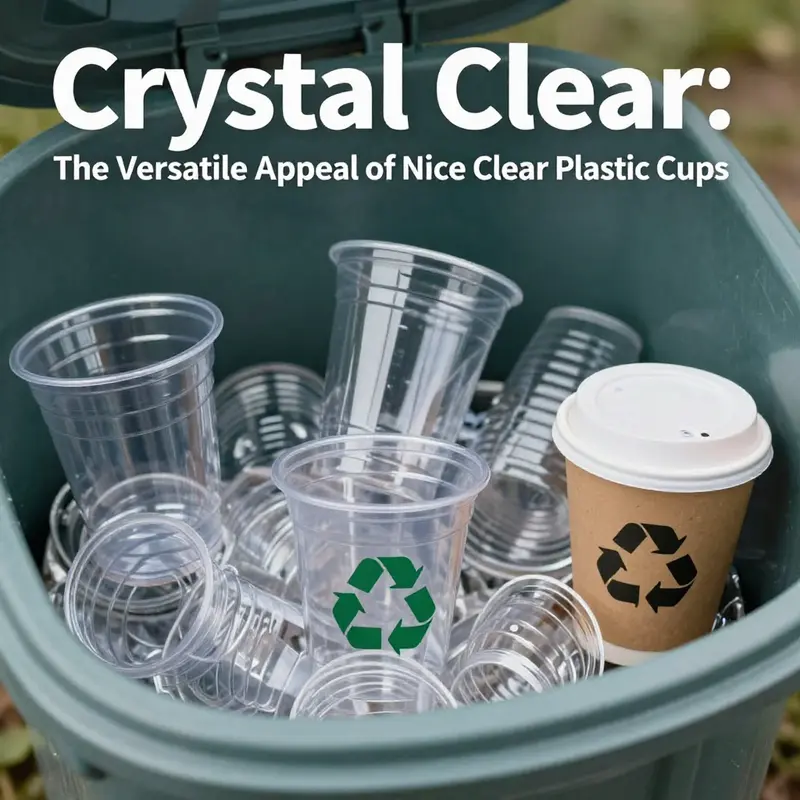
Clear plastic cups provide a deceptively simple emblem of modern, on-the-go hospitality: a transparent, disposable vessel that lets a beverage glow in its own light, a canvas for branding, and a convenient choice for quick service. Yet beneath their crisp clarity lies a dense web of environmental considerations that challenge any assumption about convenience as a neutral good. The cups most people encounter are typically made from common plastics such as PET, PP, or PS. Each material sits on a different point in the lifecycle—from extraction and production to end-of-life handling—yet they share a common thread: a heavy footprint anchored in fossil fuels, energy-intensive processing, and systems that struggle to reclaim the material at the end of use. In pondering their place within a broader sustainability conversation, it helps to follow the thread from raw resources to discarded cups, and to ask how much value is gained relative to the environmental costs incurred along the way.
Resource depletion and production impact are foundational concerns. PET, PP, and PS are largely derived from non-renewable feedstocks, and their manufacture depends on energy-intensive refining, polymerization, and transformation steps. This energy demand translates into greenhouse gas emissions and other environmental burdens associated with oil extraction and transport. The upstream reality is not merely about the cups themselves but about an interconnected system of extraction, processing, and distribution that reinforces a fossil-fuel dependency. In practice, the environmental cost of producing a large volume of clear cups compounds quickly when used across events, venues, or retail settings. The appeal of clarity and sturdiness—qualities that make these cups versatile for ice, heat, and various beverages—comes with a price tag that is largely invisible to daily choice but material in its aggregate effect on climate and resource use.
Recycling challenges compound the situation. Even when recycling streams exist for PET and PP, practical hurdles erode their effectiveness. Contamination from food residue, or the reality that many cups come from mixed materials or multi-layered designs, can degrade the recyclability of the material. In many cases, a sizable share of cups ends up in landfills or, worse, incinerators. Incineration introduces a different suite of concerns: the combustion of plastics can release air pollutants, including dioxins and furans, which pose risks to air quality and human health. The net environmental benefit of recycling is therefore not automatic; it hinges on efficient collection, careful cleaning, and access to facilities capable of processing these materials in a way that minimizes emissions and waste. When recycled pathways exist, they still consume energy and produce waste streams that require careful management. The result is a cycle in which the intended downstream benefits of recycling are frequently offset by contamination, leakage from the system, and the energy costs of processing.
Microplastics and chemical leaching add another layer of complexity. A growing body of research examines whether plastics shed tiny particles or leach chemicals into food or beverages, particularly under heat, abrasion, or acidic conditions. While some testing has shown no detectable microplastic migration after boiling cups for a couple of hours, these findings are not a blanket guarantee of safety or sustainability. The broader concern centers on additives and migrants, chemicals that can migrate from the polymer into liquids. Historical examples include substances like bisphenol A (BPA) in certain polycarbonate contexts and other migrants in various copolymers. Even BPA-free formulations can pose questions about other potential migrants. There is also the matter of fluorinated additives or other persistent chemicals that can linger in the environment and resist natural breakdown. The upshot is that even when cups perform adequately in short-term tests, long-term exposure scenarios and cumulative environmental exposures remain points of vigilance for researchers, regulators, and consumers.
Biodegradable claims complicate the narrative further. Some cups are marketed as compostable or biodegradable, often using polylactic acid (PLA) or similar materials. Real-world performance, however, reveals a disconnect between marketing and functionality. In controlled industrial composting simulations, a majority of cups may disintegrate within a set period, but not all do so reliably. In some studies, 7 out of 10 tested biodegradable cups fully disintegrated, while 3 showed zero breakdown under the same conditions. This gap highlights a crucial reality: in typical waste streams that do not reach industrial composting facilities, supposedly compostable cups can persist in the environment much longer than anticipated. The implication for policy, business practice, and consumer behavior is significant. If design promises sustainability only in optimal facilities, the practical environmental benefits become uncertain for many end-of-life contexts. In other words, the promise of compostability can be undermined by the realities of waste management where many cups end up.
End-of-life management remains a central uncertainty. In regions with robust recycling and composting infrastructure, clear cups may have a pathway to recovery. In many places, however, the absence of reliable collection systems for cups, combined with contamination and the mixed-material reality of some products, limits the potential to close the loop. The consequence is a continued flow of cups into landfills or incineration, turning a product designed for convenience into a source of long-term waste. Moreover, the broader societal implications deserve attention. The ubiquity of disposable cups can normalize single-use behavior, shaping consumer expectations and event planning norms toward convenience at the expense of environmental stewardship. The social dimension intersects with economic pressures—short-term savings and predictable service models—creating incentives that can work against long-term sustainability when not counterbalanced by policy, design, and culture that prioritize reuse and responsible waste management.
Against this backdrop, the case for reusable or more sustainable alternatives grows louder, not as a rejection of practicality but as a recalibration of value. Reusable glass or stainless-steel vessels, properly managed in environments designed for returnable ware, dramatically reduce the cumulative footprint over time. For businesses, the shift can be framed not merely as an ethical choice but as an investment in long-term resource resilience and reputational strength. This does not imply a one-size-fits-all solution; it invites a nuanced approach that considers event type, scale, customer expectations, and local waste-management capabilities. In some contexts, a hybrid approach makes sense—using sturdy reusable options for high-volume, ongoing service, while reserving compostable or recyclable alternatives for short-run events where return logistics are challenging. The crucial point is recognizing that the clarity of a cup’s appearance does not automatically align with its environmental virtue; the value of a choice rests on the entire lifecycle, from cradle to grave.
For readers seeking practical pathways toward greener choices without abandoning convenience, there are viable options that align with the broader aim of reducing harm while preserving the user experience. One actionable route is to explore alternatives that emphasize responsible material selection and end-of-life design. For instance, an eco-conscious option might foreground cups designed for recycling or composting in compatible facilities, paired with clear labeling and instructions for end users. Another route emphasizes durability and reusability, encouraging establishments to invest in durable glass or stainless-steel options and to implement efficient reuse programs where feasible. In either case, the transition benefits from transparent communication with customers about why a particular choice was made and how it aligns with local waste infrastructure. A practical nudge toward greener practice can also come from partnerships with suppliers who are committed to cradle-to-cradle thinking and to reducing the overall environmental footprint of their products. For readers curious about specific product categories that aim to minimize environmental impact, an example of an eco-friendly paper cup option can be explored here: eco-friendly printed-logo paper cup.
Ultimately, the environmental profile of nice clear plastic cups is not a simple ledger of pros and cons. It is a complex assessment that depends on where and how cups are produced, used, and disposed of, and it requires an honest reckoning with the gaps between marketing claims and real-world performance. The larger conversation invites designers, manufacturers, policymakers, and consumers to reframe what counts as value in disposable drinkware. It calls for lifecycle thinking that weighs resource intensity against practical benefits and identifies opportunities for better design, more effective waste systems, and clearer consumer guidance. The move toward reusable or more responsibly managed options does not erase the convenience that cups provide; it redefines that convenience in terms of sustainability, durability, and accountability. As communities and markets continue to evolve toward circular economies, the environmental considerations surrounding clear plastic cups will increasingly shape choices, policies, and everyday practices.
External resource: https://www.shcx.org.cn/zh-CN/news/20260208.html
Transparent Temptations, Hidden Costs: The Social Life of Nice Clear Plastic Cups
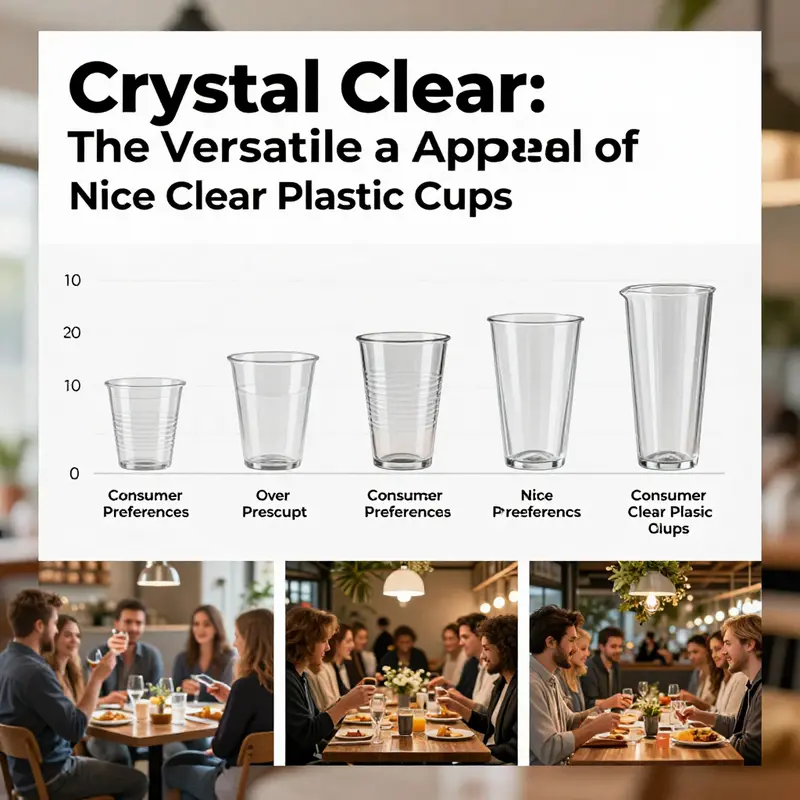
The familiar sight of clear plastic cups at gatherings, markets, and many daily routines signals convenience and uniformity. Their transparency makes beverages look clean, bright, and appealing, while their light weight and toss-and-go practicality promise speed and simplicity. Yet this appeal sits beside a growing tension. The very traits that enable easy service also embed a pattern of consumption whose consequences extend beyond a single event or venue. In the crosscurrents of convenience, aesthetics, and responsibility, the life of a disposable cup becomes a window into how society negotiates value, waste, and the future of packaging.
Societal life around these cups is not just about what we sip from but how we choose to sip. Clear cups facilitate rituals—a quick grab at a busy counter, a transparent cue for a photographer’s frame, a standardized look across venues that makes service predictable and efficient. They align with the visual language of modern hospitality, where swift turnover and neat presentation matter as much as the beverage itself. However, as gatherings grow larger and events proliferate, this convenience compounds a broader footprint. The ease of disposal invites a pattern of frequent use, and the sum of many small choices can become a substantial environmental load.
A 2023 study by The Shelton Group sheds sharp light on this tension. The research indicates that consumers often prefer paper cups over clear plastic cups, driven by practical performance and moral considerations alike. Paper cups are valued for insulation and reduced condensation, which translates to a more comfortable grip and less likelihood of damp hands or rings on table surfaces. Importantly, the preference also reflects environmental values—people want products that feel responsible to the environment even when cost or convenience is a factor. The study suggests that when consumers weigh options, functional performance and ecological accountability together guide choices, especially in settings like offices, schools, and events where cup use is routine. This isn’t a universal snub of plastic; it’s a signal that end users seek better alignment between how a product performs and how its life cycle impacts the world.
Market dynamics provide another layer. The Cups and Lids Market, valued at USD 18.34 billion in 2026, is projected to grow to USD 21.64 billion by 2031, a CAGR of 3.37 percent. Yet the growth is increasingly powered by innovations in sustainable materials rather than traditional single-use plastics. This shift matters because it reframes what “nice” and “clear” can mean in a packaging ecosystem that still prizes transparency and is sensitive to consumer expectations. Clear or translucent cups may persist in certain contexts, but their materials are evolving. Biobased formulations, recyclable coatings, and compostable substrates are being explored to preserve appearance and usability while reducing the end-of-life burden. The outcome is not a rejection of aesthetics but a reimagining of how a visually appealing cup can fit into a responsible supply chain.
Beyond the numbers, the societal implications of disposable cup culture touch hygiene, waste management, and ethical consumption. In public spaces, workplaces, and events, disposable cups are often celebrated for their cleanliness and perceived safety. Yet their ubiquity can obscure a stubborn environmental truth: many cups do not fully return to useful life after disposal. The long tail of plastic pollution and microplastics complicates the convenience narrative, prompting communities to rethink how waste is collected, processed, and reabsorbed into the economy. This is one of the reasons discussions about circular economy models have moved from the margins to the mainstream. If materials can be kept in circulation longer and resources recovered efficiently, the discipline of disposal becomes a policy and design challenge rather than a simple end point.
Industry responses and consumer behavior are increasingly converging around two parallel trajectories. On one side, producers and retailers experiment with compostable papers, recyclable polymers, and coatings designed to minimize contamination in recycling streams. The goal is to protect the ease and speed of service while steering materials toward safer, more recoverable pathways. On the other side, many people are discovering that reusables—stainless steel, glass, or sturdy plastics—offer compelling value when supported by incentives, convenient return systems, or workplace and campus programs. Reusables require a higher upfront commitment, but for some communities they transform everyday routines into habits that reduce waste over time. The tension between disposable convenience and reusable discipline is not a binary choice but a spectrum in which users, venues, and policymakers negotiate practical, ethical, and economic considerations.
Policy, standards, and public expectations also play decisive roles. Transparent cups sit at the intersection of design for performance and design for end-of-life. Public policy that promotes recyclability, compostability, and standardized labeling helps consumers understand what happens after a cup is discarded and clarifies how the product should be disposed of or returned. Corporate sustainability commitments, in turn, push brands to align marketing messages with real lifecycle outcomes. When a cup is labeled with clear end-of-life guidance and a transparent supply chain, trust grows and consumer confidence deepens. This alignment is essential not just for climate and waste targets, but for social license to operate in communities that increasingly view packaging as a public responsibility rather than a private choice.
The conversation around clear plastic cups also intersects with aesthetics and brand perception. The appeal of a neat, glass-like transport experience remains powerful in photos, menus, and signage. Clarity supports product visibility, brand color storytelling, and the perception of cleanliness. Yet the social climate around packaging is tightening. People want choices that balance beauty with accountability. This evolution is not a blanket rejection of plastic but a push toward smarter design, explicit sourcing, and honest labeling about end-of-life options. In many settings, managers and hosts are redesigning workflows to incorporate a mix of performance-focused disposables and reusable options that align with broader sustainability goals.
For readers seeking practical alternatives that preserve a similar aesthetic while prioritizing environmental stewardship, consider eco-friendly paper cup options. This pathway combines familiar form and function with material choices that ease end-of-life processing and minimize ecological impact. The idea is not to abandon the visual clarity guests expect but to ensure clarity extends to environmental responsibility. You can explore such options through resources that highlight printed-logo paper cups designed for reusable or recyclable use, enabling a consistent look without sacrificing stewardship.
Looking ahead, the future of nice clear cups will hinge on how well the industry can reconcile speed and simplicity with stewardship and accountability. The conversation extends beyond the cup itself to the systems that produce, collect, process, and repurpose cups. If stakeholders—consumers, manufacturers, retailers, and policymakers—co-create pathways toward circularity, the simple act of pouring a drink could become a model for sustainable practicality. The balance will likely involve hybrid approaches: durable, reusable systems in high-traffic venues, complemented by responsibly designed disposables where appropriate and well-integrated take-back or recycling channels. In such a world, the value of a cup is not only in what it can hold but in how gracefully it can return to use or be reimagined as something new.
External resources continue to illuminate this shift. The Shelton Group’s disposable cups market report remains a crucial analytical touchstone, framing market dynamics and the policy landscapes shaping packaging choices. Access to its latest findings offers a lens into how consumer sentiment is moving toward sustainability-driven decisions and how industry players are adapting in real time.
Final thoughts
Nice clear plastic cups serve a vital role in today’s beverage industry, offering a blend of practicality, aesthetics, and affordability. By understanding the types of clear plastic cups available, their materials, economic impact, environmental considerations, and societal trends, businesses can make informed decisions that enhance their service while aligning with consumer expectations and sustainability goals. The appeal of these cups continues to grow, proving they are much more than mere disposable items—they are integral to the experience of enjoying beverages across various settings.