
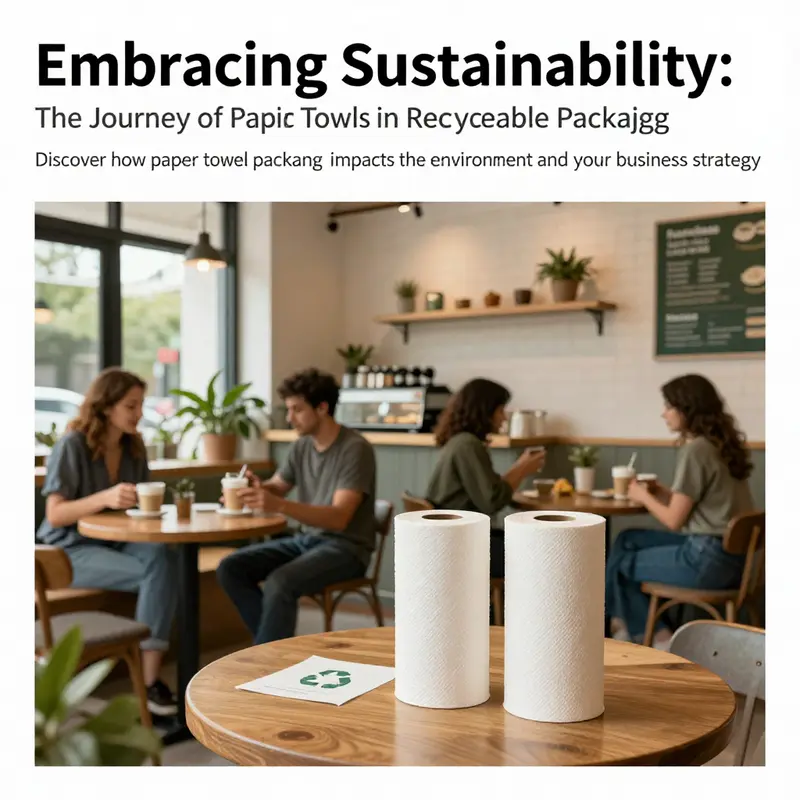
In the dynamic world of dining and events, the importance of sustainability cannot be overlooked. As paper towels become a common staple in bubble tea shops, restaurants, food trucks, and catering services, understanding the recyclability of their packaging is crucial. This article delves into the challenges of recycling paper towels, the environmental benefits of proper packaging, and introduces sustainable alternatives such as composting. By the end, you’ll have a comprehensive understanding of how to make responsible choices that bolster your business’s eco-friendly initiatives.
null

null
Beyond the Box: Recyclable Packaging and the Real Path to Sustainable Paper Towels
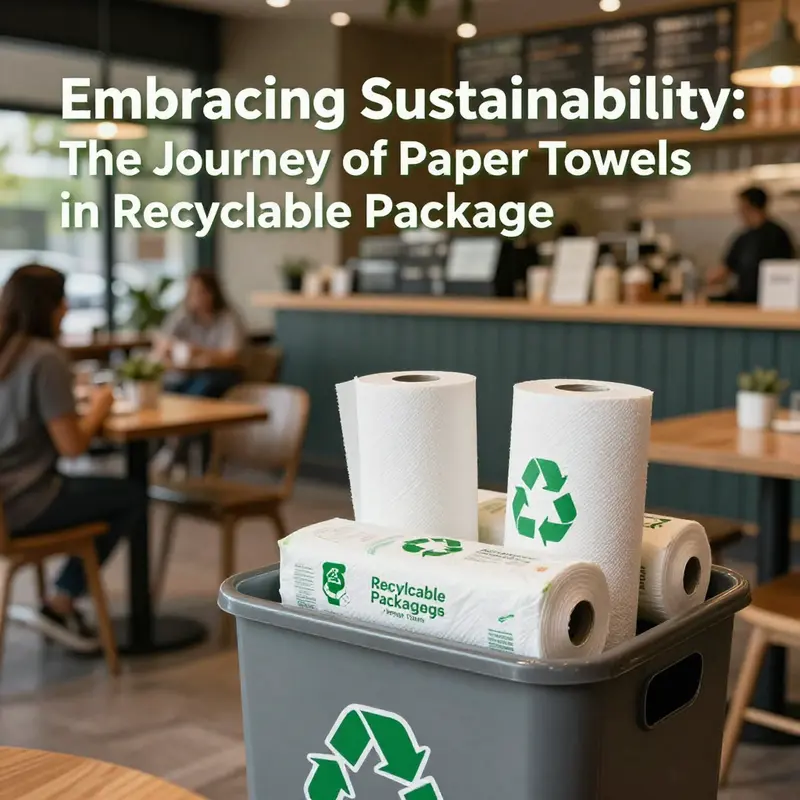
This chapter analyzes how recyclable packaging matters but does not by itself solve the environmental footprint of paper towels. It discusses lifecycle impacts such as deforestation, water use, and greenhouse gas emissions, and explains why towels are often not recycled after use due to contamination and fiber degradation. The core message is to evaluate the full life cycle, combine packaging improvements with reduced consumption and reusable alternatives, and ignore packaging as a sole solution.
Closing the Loop: Composting Used Paper Towels and the Role of Recyclable Packaging
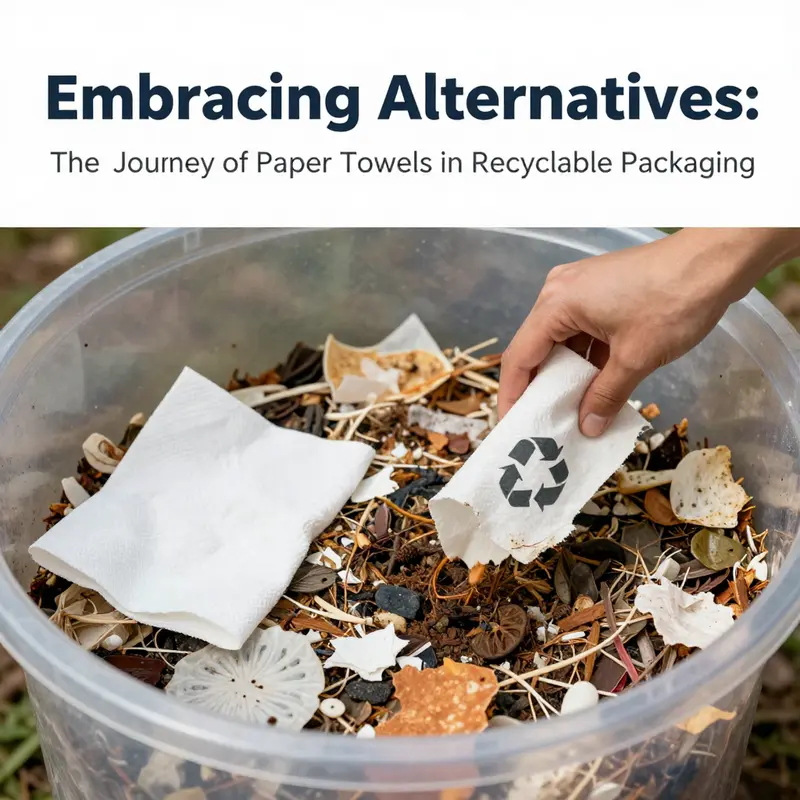
Every day, households face disposal choices that influence waste systems and soil health. This chapter examines how used paper towels and their packaging fit into a circular economy. The towel itself is usually not recyclable after use because of contamination and fiber degradation, while packaging often is, when kept clean and handled properly. The key idea is that recyclable packaging and compostable towels can together reduce landfill burden and support soil-building cycles.
Packaging design matters. Clean, dry packaging that bears recognizable recycling symbols can be diverted from waste streams and reprocessed into new materials. Consumers can help by emptying containers, flattening boxes, and following local guidelines. These actions reduce contamination and improve the efficiency of recycling systems.
Composting offers a practical alternative for uncontaminated towels and certain packaging. If towels are unbleached, free of oils, meat residues, dairy products, and harsh cleaners, they can often be composted at home or via municipal organics programs. Packaging that is paper-based and free of plastic laminates can also be composted where facilities exist. However, contamination or the presence of synthetic chemicals can limit composting viability, in which case disposal to trash is the safer option to protect feedstocks for compost facilities.
The overarching message is balance: encourage recycling where it makes sense, and promote composting for materials and residues that can safely return nutrients to the soil. When packaging is designed for recyclability and towels are positioned for compostability, households contribute to a more resilient waste system and to soil health in gardens and urban landscapes.
Final thoughts
Navigating the world of sustainability in your food service business doesn’t have to be daunting. While the individual paper towels themselves aren’t recyclable due to contamination and fiber weakening, their packaging often can be, thus promoting responsible disposal habits. Moreover, adopting composting practices for uncontaminated towels can significantly enhance your environmental impact. By prioritizing recyclable packaging and exploring sustainable disposal methods, you can position your business as a forward-thinking leader committed to reducing waste and enhancing eco-friendliness. Embrace these opportunities for a greener future today.