
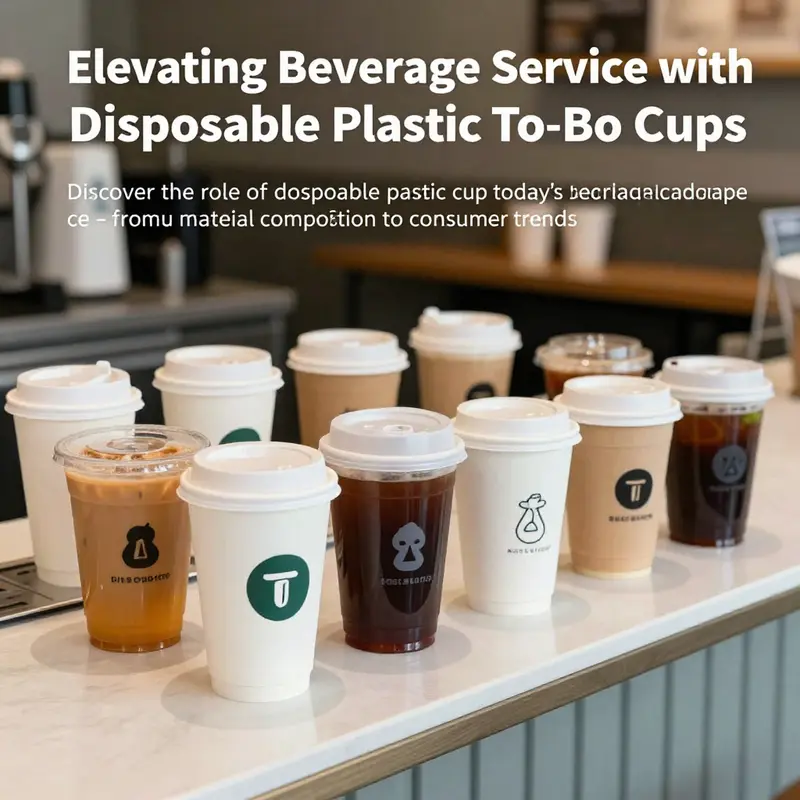
In a world ever-focused on convenience without compromising quality, disposable plastic to-go cups have risen as a practical and popular choice for beverage service providers. Whether you’re in bubble tea shops, restaurants, food trucks, catering services, or corporate procurement, understanding the nuances of these single-use cups is pivotal. This article delves into their material composition, assessing both their strengths and limitations; explores the environmental implications of their usage; analyzes the economic impact on the beverage industry; and looks at evolving consumer trends that shape their popularity. By the end, you will have a well-rounded perspective on how these essential items fit into your operational strategy.
Material Profiles of To-Go Cups: How Polymers Shape Performance, Safety, and Sustainability
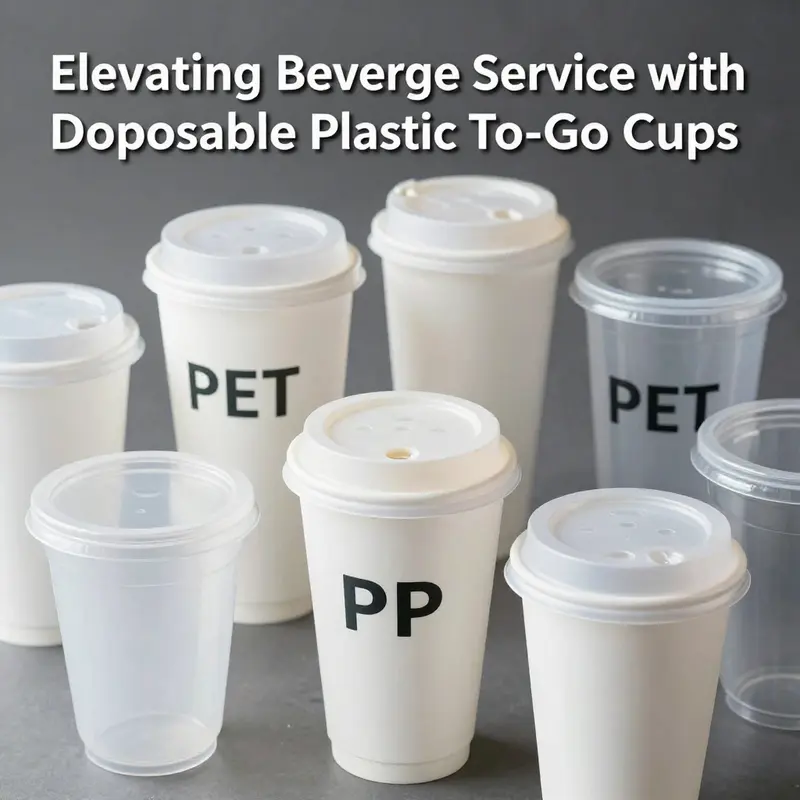
The disposable plastic to-go cup is more than a simple container. It is a carefully engineered intersection of material science, manufacturing economics, and consumer expectations. When you lift a cup to drink, the visible cue is often the lid’s fit and the cup’s clear surface or its color. Underneath that appearance lies a map of choices about clarity, heat tolerance, stiffness, and cost. The chapter on material composition thus traces the polymer families most commonly used to craft these everyday vessels, not to judge them in moral terms but to understand what makes a cup perform in a café line, during a brisk commute, and in the trash or recycling stream that follows. The central story hinges on four polymers that dominate the landscape: polystyrene, polyethylene terephthalate, polypropylene, and, to a lesser extent, high-density polyethylene. Each brings a distinct balance of properties that suits certain beverages and service models, while also posing distinctive environmental and health considerations that shape how brands talk about safety and how cities plan waste management. By examining these materials in their own right, we also glimpse how design choices reverberate through branding, consumer perception, and end-of-life fate.
Polystyrene, often recognized by its rigid, glassy feel and its well-known cousin foam, occupies a peculiar niche in the to-go cup world. In its rigid form, polystyrene is inherently low-cost and readily manufactured in crisp, clear forms that showcase a beverage with minimal visual distortion. This transparency is not just aesthetic; it is a marketing tool. Clarity helps drinks look appetizing, from a shimmering iced coffee to a bold, layered milkshake. Yet the very properties that endear PS to operators—low weight, cost efficiency, and good rigidity for cold applications—also invite scrutiny. In many markets, concerns about environmental persistence and microplastics have sharpened the debate around styrene-based products. Health considerations relate to the general caution that comes with ingesting any material that may shed micro-particles or migrate trace amounts into food during extended contact or high-temperature exposure. While many to-go cups made of PS are intended for cold beverages, the possibility of heat-related deformation or surface interactions remains a practical consideration for operators who must ensure a reliable seal with lids and a leak-resistant profile. The perception of PS as less robust in some cleaning or reuse scenarios further colors consumer expectations, even though the cups are explicitly designed for single use.
Moving to polyethylene terephthalate, or PET, we encounter a material that has become synonymous with clarity and strength. PET cups stand out for their crystal transparency, a profile that’s highly valued when branding beverages—color, texture, and branding art appear unimpeded through the wall of the cup. PET’s high rigidity-to-weight ratio makes it an excellent choice for carbonated drinks and other beverages that require a sturdy barrier against deformation during transport. The ability to produce very thin walls while maintaining structural integrity translates into lighter packaging and lower shipping costs per cup. However, PET’s heat resistance has practical limits. Above moderate temperatures, typically around 70 degrees Celsius, PET can deform, which becomes a concern for hot beverages and long-enough exposure in driving or carrying scenarios. This constraint is a reminder that the benefits of clarity and rigidity do not come without boundaries. In terms of safety and reuse, PET is generally considered safe for single-use applications and is widely recyclable in many municipal programs. Yet the life cycle of a PET cup is constrained by the complexities of sorting, contamination, and the economics of recycling streams. These factors push beverage brands to weigh not just the cup’s immediate performance but its post-consumer journey—whether the collected material can be effectively recycled into new bottles or other products, and how waste infrastructure supports such recycling.
Polypropylene presents a different calculus altogether. PP is valued for its heat resistance and durability, which translates into a reliable choice for hot beverages like coffee and tea. Unlike PET, PP cups can tolerate higher temperatures without significant deformation, a practical advantage for service models that rely on hot drinks being portable in one hand while the other holds a lid and sleeve. The clarity of PP, while not always as pristine as PET, often remains sufficient to convey branding and product visuals while offering greater resilience to cracking and impact during handling. PP’s chemical resistance and flexibility also contribute to a more forgiving user experience; cups can be molded into various shapes and wall thicknesses with consistent performance across a range of serving sizes. From a safety perspective, PP is widely regarded as compatible with hot beverages and food contact, though, as with any polymer family, attention to additives, manufacturing conditions, and regulatory updates remains essential to maintaining consumer trust and compliance. In the broader conversation about sustainability, PP sits in the middle ground: robust enough for hot beverages and strong enough for cup-and-lid systems, yet still part of a disposable ecosystem whose environmental footprint is a function of use patterns, disposal efficiency, and the energy balance of production and recycling.
High-density polyethylene, though less common for standard to-go cups in many markets, still features in specific roles within the broader packaging ecosystem. HDPE’s opacity and toughness suit larger, more robust containers or composite structures that favor outdoor use and repeated handling. Its resistance to impact and UV exposure makes it a reliable choice for outdoor service environments or larger beverage offerings. HDPE’s role in the literature around disposable cups is often to remind readers that the classification of “plastic cup” masks a family of materials with divergent behavior. In some cases, HDPE appears as part of a layered or multi-material structure that balances strength, barrier performance, and stackability for transport and storage. While HDPE does not typically dominate the everyday single-use cup landscape as a primary choice for standard cold or hot beverages, its presence underscores the diversity of design strategies used to meet particular service needs and environmental considerations.
Across these material families, several common threads emerge that shape how disposable plastic to-go cups perform in practice. First is the trade-off between clarity and heat resistance. A cup that is crystal clear and visually appealing for branding may struggle under hot beverage conditions or when exposed to sun and carrying heat through a transit period. Brands routinely balance the desire for sharp product visibility with the need for structural stability, leak resistance, and lid compatibility. This balance plays directly into the economics of cup design. The most cost-effective wall thicknesses and polymer combinations will deliver the lowest per-unit price, enabling expansive MOQs and broad distribution. Yet those choices are not made in isolation. They intertwine with decisions on packaging, labeling, and even the speed of service. A cup that is easy to stack, quick to fill, and resistant to leakage contributes to smoother workflows in busy shops, which in turn influences customer satisfaction and repeat purchase rates.
Second is safety and regulatory alignment. The discourse around BPA has shaped consumer expectations and, by extension, the wording brand teams use when describing cup materials. While BPA is most commonly associated with certain polycarbonate products, the general principle—minimizing exposure to potentially problematic substances in food contact materials—has pushed manufacturers toward safer formulations and clearer labeling. The ongoing challenge is to ensure that every component of the cup system, including liners, lids, and any printed inks, meets safety standards across jurisdictions. The result is a material landscape that favors not just performance today but compliance for tomorrow, as regulatory focus sharpens on migration limits, recyclability disclosures, and the environmental consequences of single-use packaging.
A third thread concerns end-of-life and circularity. PET’s recyclability, PS’s environmental concerns, and PP’s mid-range status together frame a broader question: what happens to these cups after use? Recyclability is not just a material property; it is a system property, dependent on a city’s curbside programs, a brand’s post-consumer collection practices, and the availability of processing facilities that can handle multi-layer or blended materials. In some regions, the push toward lighter-weight formulations improves transport efficiency but complicates recycling streams if there are incompatible additives or finishes in the wall. Operators are increasingly pressed to choose materials that align with local waste management realities, even as consumer demand grows for safer, more sustainable options.
Integrated into this narrative is the reality that many brands leverage customization as a differentiator. Flexographic printing, with color options that can total six or more, enables a powerful branding canvas on a disposable cup. The visual impact—how a drink’s identity is reinforced by color, typography, and imaging—depends on the wall’s surface properties, transparency, and ink compatibility. The material choice thus reverberates through branding strategy; it can influence how a beverage is perceived in terms of quality and care. Yet the more a cup is customized, the more attention must be paid to ink migration and adhesion, especially on a surface that may contact hot liquids, oils, or condiments. The practical upshot is that cups become, in a subtle but meaningful way, a convergence of polymer science and marketing science. They are product packaging and platform for storytelling in one, a small stage where the chemistry of everyday life meets consumer behavior.
Even as material choices dictate performance, they also shape the sensory and ethical landscape of consumption. Many readers will notice that, even in casual settings, the aesthetic you see—crystal clarity, bright branding, or a matte finish—tells a story about the drink and the place offering it. The material also carries a whisper of environmental consequence. In discussions about sustainability, the emphasis often returns to life-cycle thinking: what is the energy cost of producing a cup, how much pollution is associated with its disposal, and what fraction of cups actually reenters the economy through recycling or upcycling? These questions are not resolved by a single polymer decision. They require coordinating material science with supply-chain design, waste-management infrastructure, and consumer education. The dialogue around disposable plastic to-go cups thus moves beyond the laboratory bench to the streets, to the waste facility, and to the boardroom where packaging strategies are charted for years to come.
For readers who seek a concrete sense of alternatives and comparisons, consider the broader field of single-use cup formats, including paper-based or other bio-based options. The purpose here is not to condemn any one choice but to illuminate how material properties inform practical decisions in real-world settings. When a café contemplates replacing a traditional PS cup with a PET or PP alternative, it weighs not only heat tolerance and visual clarity but also the viability of supply, the compatibility of lids, and the downstream implications for recycling or composting programs. In such a decision, suppliers often highlight the layer of engineering that makes these cups possible: precise wall thickness, oriented polymers for strength, barrier coatings to reduce moisture ingress, and compatibilities with specific lid designs. Each element is a piece of a larger puzzle that connects product quality to customer experience, and to the environmental footprint left after a cup has been emptied.
The internal conversations among operators and designers sometimes lead to practical compromises. A shop might optimize for hot beverage service with a PP cup offering better heat tolerance, while still providing a clear surface for branding. It might combine a PET lid with a PS body to maximize print fidelity, or it may pursue a mono-material approach to facilitate recycling without sacrificing performance. The final choice reflects a balance among several factors: beverage type, service speed, shelf life of the branding, cost pressures, and regional waste-management realities. In this sense, material composition is not a dry catalog of properties but a living set of trade-offs that shape how we experience everyday drink moments. The cup is, in effect, a microcosm of consumer packaging at large—a small but telling example of how materials, markets, and environmental concerns intersect in the flow of modern life.
For readers who want to connect these material considerations to practical decisions in the field, a broader look at packaging ecosystems is instructive. While this chapter centers on the polymers themselves, the implications extend to how cups are stacked, transported, stacked again, and finally disposed of or repurposed. The material choices echo in the durability of the lid’s seal, the manner in which the cup surfaces respond to cold or hot beverages, the ease with which the cups can be printed with branding, and the downstream handling in recycling facilities. In other words, the material composition of disposable plastic to-go cups is a hinge point for discussions about product performance, consumer safety, branding, and environmental accountability. This integrated perspective helps demystify why cups feel so ordinary yet perform so reliably across a world of coffee shops, fast-food outlets, and catering events that rely on efficiency and predictability.
Readers who wish to delve into related considerations can explore practical examples of cup formats that highlight alternative materials while keeping communication grounded in real-world service contexts. For example, a link to a discussion on paper-based single-wall cups with lids offers a useful contrast to conventional plastic cups and invites reflection on how paper drums carry beverages, and how their surface finishes influence ink adhesion and readability. This topic underscores that the material conversation is not only about plastics but also about how packaging choices align with customer expectations and environmental goals. The journey into material composition thus becomes a broader exploration of how form, function, and responsibility converge in the everyday act of pouring, carrying, and consuming a drink on the go.
For readers who want to explore a related path, see this example focused on paper cup formats with lids, which provides a useful point of comparison to plastic cups while illustrating the broader design logic that shapes to-go packaging. customized disposable single-wall paper ice-cream cups with lid.
As the market continues to evolve, the material profiles of disposable to-go cups will remain central to debates about safety, performance, cost, and sustainability. The polymers discussed here—PS for visibility and cold use, PET for clarity and strength, PP for hot beverages, and HDPE for certain robust roles—will continue to be evaluated against emerging regulatory expectations, recycling capabilities, and consumer preferences. The chapter thus closes on a practical note: the cup you grab in the morning is not a neutral object. It is a culmination of polymer science, manufacturing discipline, and market strategy, a small vessel that encodes the information about the drink, the brand, and the journey from production line to curbside reveal. Understanding this material logic helps illuminate why the disposable cup remains deeply embedded in the rhythm of modern life, even as societies search for better stewardship of resources and more sustainable packaging solutions.
External reference: https://www.dongsu.com/exhibition/what-plastic-material-is-the-disposable-cup/
null
null
Between Convenience and Compliance: The Economic Currents Shaping Disposable Plastic To-Go Cups in the Beverage Industry
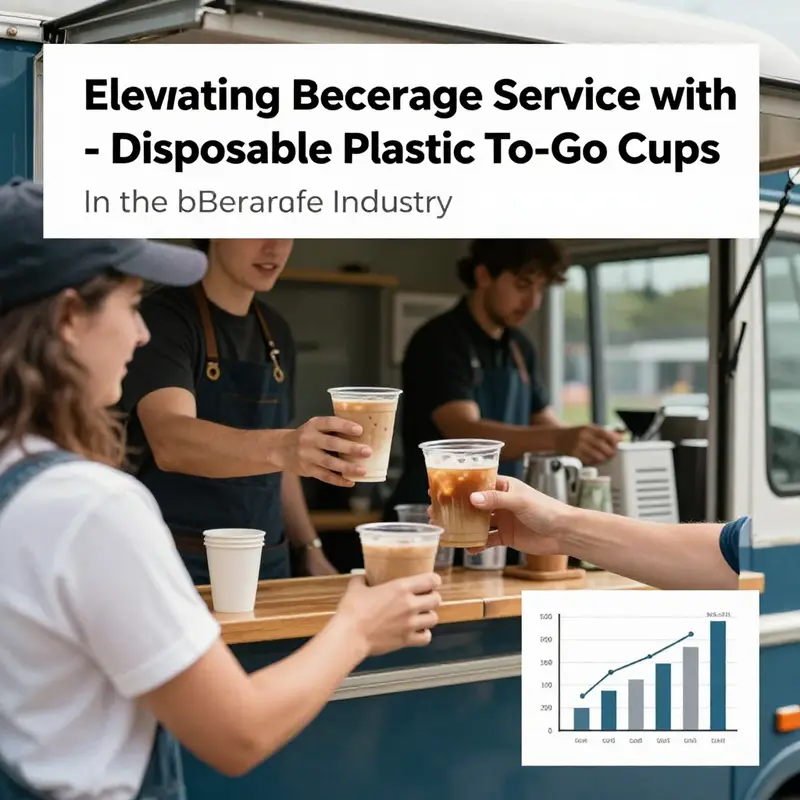
Beneath the surface of the everyday to-go cup lies a complex economic system that threads together cost, logistics, branding, and sustainability. Disposable plastic to-go cups are tools that enable fast, portable service and consistent presentation across a sprawling network of cafés, quick-service restaurants, and catering operations. The chapter traces how the economics of single-use cups hinge not only on resin prices and labor costs, but also on regulatory trajectories, consumer expectations, and long-run risk management.
From an arithmetic standpoint, disposable cups offer advantages from geometry and throughput, with lower shipping costs and reduced warehousing requirements. The supply chain dynamics, MOQs, branding considerations, and the trade-off between plain versus printed variants all shape the cost equation. The chapter examines how branding investments can boost recognition but raise upfront costs and inventory commitments, which must be weighed against potential demand uplift.
Regulatory momentum toward bans, fees, and incentives can tilt the economics toward recyclable or compostable formats, influencing risk management and long-term planning. Brands increasingly segment portfolios to balance cost discipline with sustainability commitments, aiming to hedge against resin price volatility and waste-management uncertainties. The content concludes by framing the cup not merely as a container but as a strategic financial instrument that interacts with policy, supply chains, and consumer sentiment to shape the economics of the beverage industry.
Sips on the Move: The Convergence of Convenience, Branding, and Sustainability in Disposable Plastic To-Go Cups

In cities and campuses, on road trips and at quick-service counters, the disposable plastic to-go cup is more than a vessel. It is a portable solution that embodies the tension between immediate gratification and longer-term responsibilities. These cups, available in a spectrum of sizes—from the tiny 2-ounce sample or condiment cup to the familiar 14, 20, and 24-ounce variants—are designed to be lightweight, leak-resistant, and compatible with secure lids. They are typically crafted from food-grade plastics such as PET or PP, materials selected to balance safety for hot and cold beverages with the practical demands of transport. The inclusion of lids with straw slots completes a package that promises spill containment and ease of on-the-move consumption. In many markets, this combination of convenience and reliability makes disposable cups indispensable in fast-food restaurants, coffee-focused shops, and catering setups where speed and portability matter as much as the product inside the cup.
Yet in 2026, a quiet but perceptible shift is reshaping how these cups are perceived, purchased, and used. The primary draw—the instant utility of single-use cups—remains intact. The moment a customer orders a coffee or a smoothie to go, the cup becomes a part of the experience, a small but integral waypoint in a larger journey through the day. However, consumer expectations have grown beyond mere functionality. Today’s buyers ask for more than a dependable containment solution. They seek alignment with personal values, transparency about materials, and a brand experience that feels thoughtful from purchase to disposal. This is where the narrative around disposable plastic to-go cups begins to broaden beyond its traditional boundaries.
One of the defining dynamics of this era is the intensified focus on sustainability without sacrificing performance. Consumers increasingly scrutinize packaging choices for their environmental footprint. The conversation has moved from simple disposal to lifecycle considerations—how a cup is produced, what it is made from, how easily it can be recycled or composted, and how clearly brands communicate those end-of-life options. In practice, this means a growing interest in alternatives that can deliver similar utility with a lighter footprint. Plant-based plastics, such as bio-based or compostable options, appear as potential paths forward, while recyclable options like certain PET-based materials remain central for their established recycling streams. The challenge for manufacturers and retailers is to offer cups that perform under hot and cold conditions, maintain integrity through a drive-thru or long pickup, and still meet evolving environmental expectations. In 2026, this balancing act is often framed as a promise to provide options that do not force a binary choice between convenience and responsibility.
Performance remains a non-negotiable in the user’s assessment of these cups. Clear, durable cups that maintain beverage temperature for hot drinks and resist leakage when lids are engaged are essential. Consumers notice if a cup fogs, if the surface shows wear from repeated handling, or if color fades when a beverage is poured hot. The lid’s seal, the cup’s wall thickness, and the consistency of the printing and branding on the cup all contribute to a perception of quality. In a broader sense, the material choice influences the cup’s feel, which in turn shapes consumer trust in the brand carrying the cup. A well-made cup is not just a container—it’s a touchpoint in the brand experience, a tangible cue that communicates care, reliability, and consistency.
Branding and customization have become a significant dimension of disposable cups’ value proposition. Retailers and beverages brands alike invest in design as a channel for memory and loyalty. The ability to print with color and detail in multiple hues enables promotions, seasonal campaigns, and co-branding efforts that transform a simple cup into a moving billboard of the customer’s experience. The capacity for flexible printing, often offered in several-color formats, empowers businesses to align packaging with their visual identity and marketing narratives. The appeal is clear: customized cups can elevate a routine purchase into a moment of recognition, strengthening the link between consumer and brand—even as the consumer moves from point of sale to street, to train, to home.
The rise of on-the-go lifestyles further fuels demand for varied cup sizes and feature sets. The same market that relies on larger cups for iced beverages and smoothies also leverages smaller sizes—such as 2-ounce mini cups—for condiments, samples, or promotional pours. This diversification supports portion control and trial opportunities, turning packaging into a versatile tool for merchandising and experimentation. From a restaurant operations perspective, this breadth of size options helps calibrate waste, inventory, and cost, while giving consumers more precise choices for how much they drink and how much they carry.
Alongside convenience and design, environmental concerns have begun to dominate decision-making for many buyers. The public discussion around plastic waste has grown louder, and with it the demand for cups that are recyclable, compostable, or otherwise clearly labeled for end-of-life pathways. This does not erase the functional benefits of conventional plastics, but it does tilt choices toward materials and practices that support responsible disposal. For some consumers, the association of single-use plastics with waste challenges is a deal-breaker; for others, it simply adds a layer of complexity to how brands communicate the product’s lifecycle. In response, some suppliers and manufacturers have started to emphasize transparency around material composition, recyclability, and processing requirements. The aim is to avoid greenwashing and to provide clear, actionable information about how a cup can be properly disposed of or recycled.
The market response to these shifts has been nuanced. On one hand, brands continue to rely on the strong performance and low cost of conventional plastic cups. On the other, there is a visible pivot toward sustainability storytelling and material innovation. This includes the exploration of plant-based plastics and improved recycling streams, as well as enhanced labeling that helps consumers identify the most responsible disposal option for a given cup. Industry observers note that the most successful players are those who combine visible sustainability practices with reliable product performance. In doing so, they cultivate deeper customer engagement and loyalty, premised on trust earned through consistency, clarity, and demonstrated environmental responsibility.
A practical implication of these evolving expectations is the strategic use of cups as branding and marketing assets. When a cup looks sturdy, feels substantial in the hand, and carries a well-executed graphic, it communicates a sense of quality that complements the beverage inside. Yet the sustainability narrative cannot be entirely optional. Even as cups carry branding, they also carry the burden of perception. If a cup’s environmental story remains opaque, or if its disposal path is unclear, that ambiguity can undercut the overall brand experience. Thus, the most forward-thinking retailers are those who integrate clear environmental messaging into the consumer journey, from the moment of purchase to the point of disposal. This approach aligns with broader industry insights that show brands investing in transparent sustainability practices tend to see stronger customer engagement and retention.
For readers seeking a tangible glimpse into how these ideas translate into the market, consider the ecosystem of products that exist alongside traditional plastic cups. There is a growing spectrum of disposable offerings—paper or plastic hybrids, coated papers, and bagasse-based containers—that aim to reduce environmental impact while preserving the essentials of leak resistance and temperature retention. The dialogue about these options often centers on trade-offs. Paper-based or bagasse-based formats may offer improved end-of-life outcomes but can introduce compromises in moisture resistance, heat retention, or stiffness. On the other hand, bio-based plastics may deliver compostability but require specialized facilities to achieve optimal outcomes in the disposal stream. In practice, brands and suppliers are presenting choices that range along a continuum of performance, cost, and end-of-life compatibility. The consumer’s decision is increasingly influenced by the clarity of these choices and the perceived sincerity of the brand’s commitment to sustainability.
Within this evolving landscape, a practical note for readers is the importance of evaluating cups not just on their immediate function, but on the assumptions they invite about a brand’s broader values. A cup is a microcosm of a company’s approach to packaging, logistics, and customer communication. If a brand communicates openly about the materials used, the recycling pathways available, and the steps it takes to minimize waste, customers are more likely to extend that trust to the beverage itself. In turn, consumers may favor companies that demonstrate consistency between their environmental claims and the packaging they choose for everyday use. This alignment matters more as shoppers increasingly weigh products not only by taste and price but by the social and environmental implications of their choices.
As the chapter turns toward the next stage of this exploration, it is useful to keep in view how a single cup can symbolize broader shifts in consumer behavior and corporate responsibility. The ongoing dialogue about disposable cups is less about erasing waste and more about refining a system that supports quick-service culture while improving environmental outcomes. The industry’s trajectory suggests that providers will continue to invest in materials research, labeling clarity, and scalable sustainability programs that address both performance and end-of-life realities. In this sense, the cup remains a familiar, everyday interface through which people engage with brands, values, and the environment—an interface that is more thoughtful and intentional than ever before.
For readers who want to see a concrete example of the direction suggested here—especially in terms of eco-friendly, printed-logo options for take-away cups—one illustrative path is to explore a category that emphasizes both sustainability and branding. eco-friendly, printed-logo paper cup for take-away coffee. This kind of option demonstrates how a cup can function as a portable marketing tool while also signaling a commitment to responsible materials and end-of-life thinking. The broader takeaway is not to replace plastic cups wholesale, but to integrate more transparent practices, smarter design choices, and clearer communication into the everyday packaging used in on-the-go settings.
Looking ahead, the market narrative continues to intertwine convenience with accountability. The 2026 landscape signals that brands which blend dependable performance with verifiable sustainability are likely to see stronger customer engagement and loyalty. In practical terms, this means clearer labeling, credible claims about recyclability or compostability, and a willingness to experiment with materials that can meet hot and cold beverage demands without compromising end-of-life outcomes. It also means recognizing that customization and branding are not just about aesthetics; they are opportunities to reinforce a brand’s values and to invite consumers to participate in a shared story about packaging choices in daily life. As the industry moves forward, the cup remains a focal point at the intersection of speed, style, and stewardship—a small container with outsized implications for how people drink, how brands communicate, and how society treats waste.
External resources that provide a broader market lens illustrate the ongoing evolution of disposable to-go cups within a global context. See the external market trends and data at the following resource: https://www.statista.com/statistics/1458739/disposable-plastic-to-go-cup-market-global/
Final thoughts
Disposable plastic to-go cups are not merely a convenience—they embody the shifting dynamics of the beverage industry and consumer expectations. From understanding their material composition to evaluating their environmental footprint and economic implications, these cups play a significant role in modern beverage services. As businesses navigate an increasingly eco-conscious market, finding a balance between practicality and sustainability is crucial. Ultimately, the flexibility and functionality of disposable cups position them favorably in a fast-paced marketplace, aligning with consumer preferences for convenience and customization.