
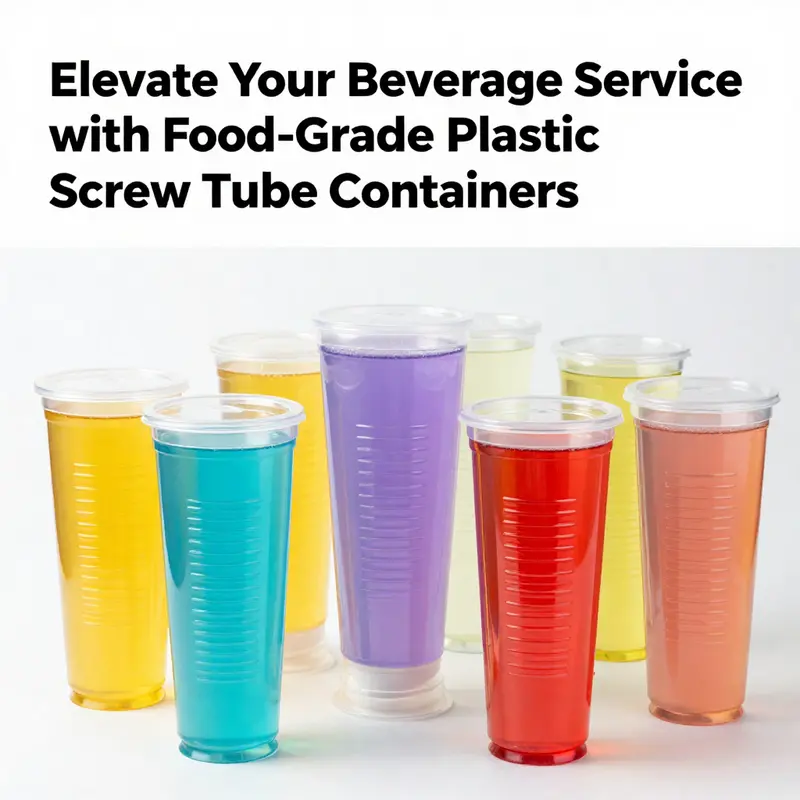
Food-grade plastic screw tube containers are the unsung heroes of the culinary and beverage worlds, presenting a reliable solution for packaging that ensures freshness and safety for consumables. As bubble tea shops, restaurants, food trucks, catering services, and event planners seek innovative ways to enhance their offerings, understanding the properties, design features, and industry standards connected to these containers is critical. This comprehensive overview aims to illuminate the unique benefits of food-grade plastic screw tubes, ensuring that your establishment not only meets safety regulations but also delights customers by prioritizing quality and convenience. Each chapter dives deeper into materials and properties, design features, common applications, and essential safety certifications, equipping you with the knowledge needed to select the best packaging solutions for your needs.
null
null
Beyond the Seal: How Food-Grade Plastic Screw Tubes Protect Flavor, Freshness, and Brand Integrity
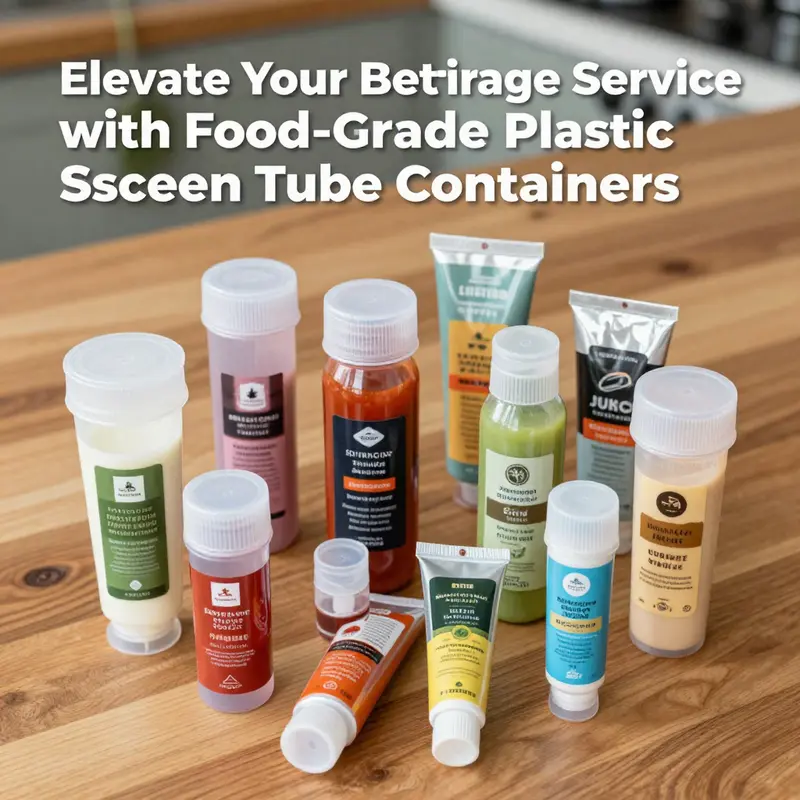
In the world of packaged goods, the container is more than a vessel; it is a gatekeeper. For products that demand purity, safety, and a predictable shelf life, plastic screw tube containers designed for food-grade applications embody a quiet engineering discipline. They balance barrier performance, mechanical reliability, and consumer convenience in a way that often goes unnoticed until a cap is twisted, a squeeze dispenses a measured amount, or a package remains pristine after months on a crowded shelf. The core purpose of these tubes—a secure, hygienic, and practical means of storing edible and similar products—rests on a set of intertwined design choices. When the seal is strong, the product breathes less; when the tube is tailored to the content, the user experience becomes intuitive; when materials are certified for contact with food, trust is earned in a market that prizes safety as much as convenience. The conversation around these containers starts with material selection, moves through the precision of the closure, and then widens to considerations of hygiene, sustainability, and end-use versatility. It is a chain of decisions that reflects not only what the container can do, but how well it does it across food, cosmetics, and even pharmaceutical contexts where sterility and stability matter. In this chapter, the emphasis is on the architectural logic of these tubes—the features that make them reliable workhorses in harsh production environments, while remaining accessible and practical for small brands and large-scale manufacturers alike. This logic begins with the materials themselves and extends through the intricacies of closure, inner geometry, and system compatibility that determine how a product behaves from the moment it is filled to the moment it reaches the consumer’s door.
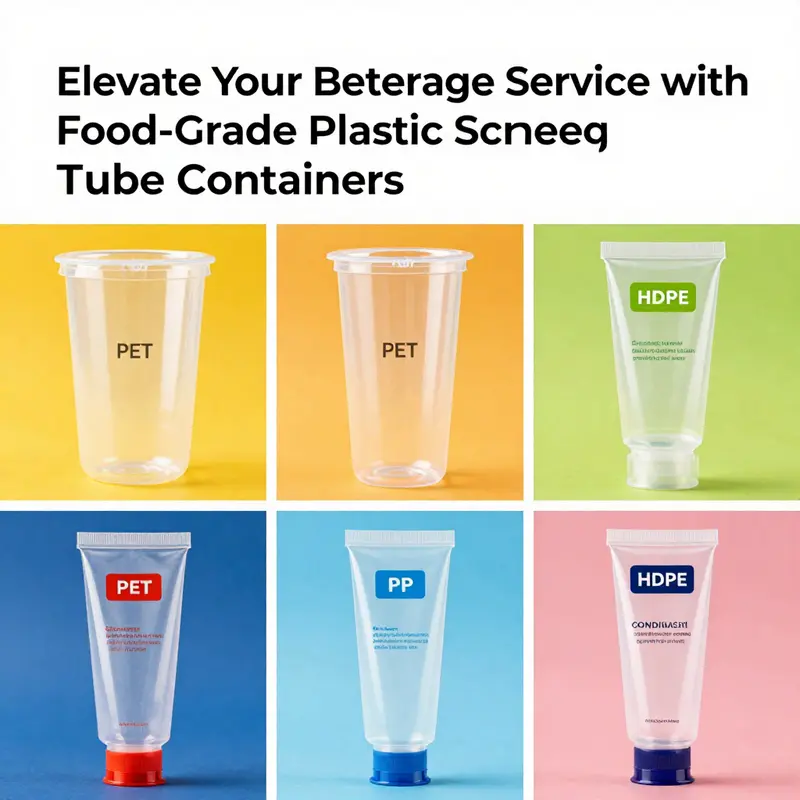
The materials most commonly used in food-grade screw tubes—polypropylene (PP), high-density polyethylene (HDPE), and, in some cases, clear or tinted PET—are chosen for reasons that go far beyond appearance. PP offers a strength-to-weight balance and impressive chemical resistance, making it a robust choice for products that may be stored at ambient temperatures or exposed to occasional heat during handling. It tolerates higher temperatures, enabling hot-fill applications that keep sauces and condiments within reach for ready-to-use culinary experiences. HDPE, with its opacity and resistance to impact, UV light, and many chemicals, is a go-to for products that must remain stable under a variety of lighting, storage, and transportation conditions. PET, when used, contributes clarity and barrier properties, allowing consumers to visually assess the product while enjoying a strong barrier against moisture and gases. The overarching goal with these materials is to maintain product integrity without introducing risk: the tubes must be non-toxic, compliant with safety standards, and recyclable where possible. The best food-grade tubes are explicitly designed to meet regulations such as general food-contact safety norms and applicable regional standards, providing designers and manufacturers with a dependable baseline for safe storage.
Beyond material choice, the crown jewel of many tubes is the precision threaded closure. A well-engineered screw cap is not merely a lid; it is a multi-faceted barrier that controls ingress of air, moisture, and contaminants. In high-quality designs, thread tolerances can be tight, sometimes on the order of 0.1 millimeter. This precision creates a repeatable, reliable seal that resists leakage and microbe ingress while accommodating the wear and tear of production lines and consumer use. The cap’s geometry—often featuring a ribbed exterior for grip—demands a balance between ease of opening and the strength of the seal. The result is a closure system that supports consistent dispensing, prevents accidental spills, and preserves aroma, flavor, texture, and nutritional value over time. In practice, the effect of a good seal is measurable: products stay fresher, packaging waste is reduced, and the consumer’s trust in the brand is reinforced by the tangible reliability of the packaging.
A further design layer concerns the inner tube geometry. The tube body must be flexible enough to permit controlled dispensing yet rigid enough to resist deformation that could create dead zones where product can cling to walls or cap threads. A smooth inner surface minimizes residues and promotes near-complete evacuation of the content, which is especially critical for viscous sauces, pastes, and cosmetics where every gram counts. The combination of a smooth interior with a carefully engineered lip and dispensing channel ensures that the consumer can use the entire product without frustration. The interior is not just a passive space; it is a carefully tuned environment that interacts with the product’s viscosity, particulates, and surface tension. In short, the best designs channel the product to the user with minimal friction and maximal predictability, a subtle but essential factor in brand experience.
Linked to these functional considerations is the idea of hygiene and safety, which in the food-grade realm is non-negotiable. Many tubes leverage food-grade plastics that comply with international safety frameworks, thereby reducing the risk of chemical migration into the product. Where premium design goes further is in the potential integration of anti-bacterial formulations. Antimicrobial additives—when used under appropriate regulatory oversight—can actively limit microbial growth on or within the packaging, providing an additional layer of protection in storage and usage. This is not a universal feature; rather, it represents a tier of packaging that speaks to higher hygiene expectations in sectors where product integrity is particularly sensitive. Such features, however, must be tested and validated to ensure compatibility with the stored product and the package’s lifecycle. Consumers may not see or touch the antimicrobial agent, but they benefit from the enhanced safety profile that a rigorous design approach can deliver.
The standardized interface is another essential element that enhances the tube’s value across industries. The goal is compatibility: consistent dimensions and closure types enable the tubes to integrate with existing filling machines, labeling equipment, and automated packaging lines. When a container is designed to work with established systems, brands are empowered to scale production with less reformulation of their filling and capping processes. The efficiency gained at the line level translates into cost savings, reduced downtime, and a faster route from concept to shelf. In many markets, this standardization helps ensure that a product can be moved quickly from one factory to another without retooling, a practical advantage in a world where supply chains can shift with little warning.
The functional benefits of food-grade screw tubes extend beyond their mechanical performance. The seal integrity they offer translates directly into longer shelf life and preservation of subtle product attributes such as flavor, aroma, texture, and nutrients. A secure cap reduces oxygen exposure and moisture exchange, creating a more stable microenvironment for foods, cosmetics, and even certain pharmaceuticals. The result is less spoilage, reduced waste, and a higher likelihood that the product will reach consumers exactly as intended. The convenience factor should not be underestimated; consumers value the ability to reseal a container without mess, to dispense with precision, and to reuse a container for continuing or travel-friendly use. A well-executed screw closure is therefore a confluence of hygiene, usability, and cost efficiency, delivering a superior user experience that supports brand loyalty.
Sustainability and lifecycle considerations also shape contemporary design choices. Recyclability is increasingly a design driver, with many tubes labeled for recycling and made from materials that align with circular economy goals. PP and HDPE are commonly chosen not only for performance but because they can be recycled into new products, closing the loop on packaging waste more effectively than non-recyclable options. While the recycled content and end-of-life options vary by market, manufacturers are acutely aware that consumers are increasingly value-conscious about environmental impact. Even beyond recycling, the option to reuse tubes—when cleaned appropriately for safety reasons—adds another dimension to the product’s lifecycle. In the real world, this translates to packaging that supports sustainable consumer habits while maintaining the hygiene and safety standards expected from food-grade materials. The best designs acknowledge that sustainability is not an add-on but an integral performance criterion that intersects cost, consumer perception, and regulatory expectations.
These tubes find homes in diverse applications. In the food and beverage arena, they serve condiments, sauces, spreads, and spice pastes with a level of protection that helps preserve color, aroma, and texture. In cosmetics and personal care, they deliver creams, lotions, and serums with hygienic containment, reducing the risk of contamination during handling. In pharmaceuticals and supplements, the stakes rise higher; the same principles of secure closure, material safety, and controlled dispensing apply, ensuring product integrity and patient safety. Even in retail and gift-set contexts, the tubes present a sleek, modern aesthetic that supports brand storytelling while offering practical packaging performance. The consistency across these applications is grounded in the same core engineering—safe materials, precise closures, clean interiors, and compatibility with automated lines—demonstrating that the tube is a reliable cross-industry packaging solution rather than a one-off container.
Sourcing and availability complete the picture. Across global markets, platforms and suppliers offer a range of sizes, from compact 30 milliliters to more generous capacities, with customization options for color, labeling, or printing. The ability to order in bulk, coupled with consistent quality and traceability, makes these tubes attractive for startups and established manufacturers alike. Importantly, the ecosystem around these containers supports flexibility: different materials can be chosen to match the product’s needs, while standardized closures ensure a smooth manufacturing process even when scale shifts. For those seeking practical examples of food-grade tube options with customization, see senang05-food-grade-500-750-1000ml-take-away-bowl-with-lids-packing-food-single-wall-fast-food-salad-bowls. This reference illustrates how a single design family can offer a spectrum of sizes and branding opportunities without sacrificing the core performance envelope that defines food-grade packaging.
In sum, the design features and functional benefits of plastic screw tube containers with food-grade certification reveal a sophisticated engineering ethos. It is a careful orchestration of material science, precision manufacturing, hygienic design, and system compatibility that enables these tubes to protect flavor and safety while delivering convenience, cost efficiency, and sustainability. This holistic approach makes the tube a dependable partner in the journey from production to consumer, underscoring why these containers occupy a central place in modern packaging strategy. The dialogue between performance and practicality that defines these tubes continues to evolve as materials scientists and packaging engineers push toward greater barrier protection, cleaner lines, and more sustainable end-of-life options, ensuring that food-grade screw tubes remain a resilient, adaptable solution in a dynamic marketplace.
External reference: https://www.fda.gov/food/food-safety-act-and-law/food-contact-materials-fcms
Versatile Vessels: How Food-Grade Plastic Screw Tubes Carry Flavor, Texture, and Care
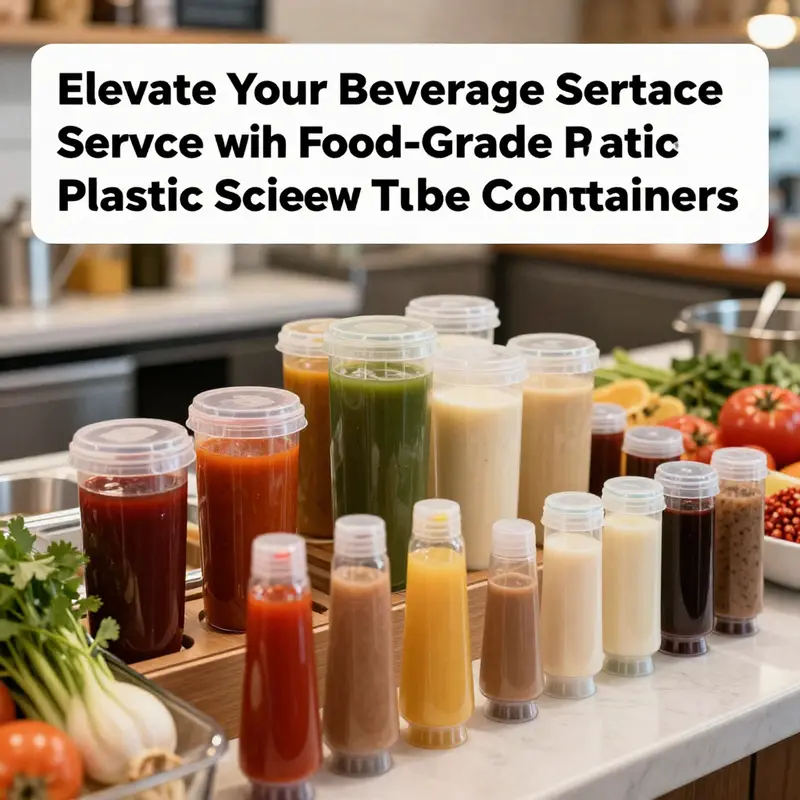
Plastic screw tube containers, fashioned from food-grade resins, stand at the crossroads of safety, convenience, and brand storytelling. They are not mere wrappers; they are active participants in how a product reaches the table, the shelf, and the consumer’s daily routine. The design brief behind these tubes blends chemistry with human behavior: materials that resist moisture and odors, lids that seal with confidence, and walls that present a product with clarity or opacity as the application requires. Across food, beverage, cosmetics, and even some pharmaceutical contexts, these tubes enable a fast, reliable, and visually appealing packaging experience. They must endure the journey from factory floor to kitchen drawer without compromising the item inside, and they must do so while supporting sustainability goals that increasingly guide purchasing decisions. In this sense, the common applications of food-grade plastic screw tubes are a mirror of modern supply chain priorities: safety, usability, and durability, all wrapped in an affordable, scalable form factor.
Materials and properties form the first axis of compatibility. Food-grade PET offers remarkable clarity, which allows a consumer to glimpse a glossy glaze, a spoonful of honey, or a mountain of herbs through a pristine wall. It also delivers a robust barrier against moisture and gases, helping preserve freshness and aroma. Most PET formulations used for food contact are BPA-free, aligning with regulatory expectations and shopper comfort. When heat processing becomes part of the manufacturing or use case, polypropylene emerges as a natural ally. PP tubes tolerate higher temperatures—up to about 100°C (212°F)—facilitating hot-fill applications and ready-to-use blends without compromising structural integrity at the cap. Its chemical resistance protects both the container and its contents from flavor migration or odor transfer. HDPE, with its opacity and ruggedness, excels for thicker substances such as oils, pastes, and denser sauces where puncture resistance and UV stability matter. These material choices are not random; they map to product behavior, shelf life, and the end user experience. Across regions, such tubes are widely recognized as food-safe, and many carry explicit BPA-free or lead-free labeling to reassure consumers sensitive to packaging claims.
Beyond the raw materials, the geometry and sealing system of a tube determine how it behaves in real life. Screw-top lids provide a formidable barrier against contamination and leakage, two attributes that matter in crowded pantry spaces and during transport. A ribbed or textured cap improves grip, aiding ease of opening and resealing even when hands are oily or wet. The airtight seal is not merely about keeping product inside; it shields aroma, texture, and stability, preserving a product’s sensory profile over its stated shelf life. An expanding range of sizes—from compact 30 milliliters to larger 1000 milliliters—speaks to the versatility of these containers, enabling everything from single-use portions to family-size options in a single, standardized form. The capacity to customize surfaces with silk-screen or labeling adds a practical branding layer, especially for small businesses and startups seeking a distinctive look without sacrificing manufacturing efficiency. Importantly, these tubes are increasingly designed with sustainability in mind. Many are recyclable, and several formulations emphasize reusability, encouraging consumers to repurpose packaging rather than discard it after a single use.
The practical scope of food-grade screw tubes stretches across multiple domains. In the food and beverage arena, they have proven especially effective for sauces and condiments. The combination of leak-proof caps and a barrier system makes tubes ideal for ketchup, mustard, mayonnaise, and other semi-liquid products that must travel from kitchen to table without leaking or losing their profile. The transparent or semi-opaque options allow product visibility, which can reinforce perceived freshness and quality on the shelf. For dairy-adjacent products, tubes serve as convenient, portion-controlled vessels for single-serve yogurt formats or small-format dairy items, where airtight sealing helps maintain freshness and texture in a compact footprint. Though most associated with edible products, these containers also intersect with cosmetics and personal care. In many cases, the same hygienic, protective properties that protect food products translate well to creams, lotions, toothpaste, and serums. Some formulations designed for food contexts also support edible-grade cosmetics, such as lip balms, body butters, and honey-based skincare products, where the material’s compatibility with sensitive formulations and its cleanliness are paramount.
Syrups, liquid sweeteners, and a host of viscous dressings present another strong use case. The barrier properties of PET are particularly valuable here, helping to limit moisture ingress and gas exchange that could affect flavor and sweetness perception. Spreads and pastes—peanut butter, hummus, and nut butters, for example—benefit from the tube’s thick-walled construction and its resistance to cracking under pressure. The narrow dispensing channel of a screw tube helps control portions, reduce waste, and improve handling when the product is spread or squeezed from a pack in a consumer’s kitchen. In retail contexts, the tubes’ sleek, modern silhouette also enhances giftability and display efficacy, making them a natural choice for premium assortments and sampler sets.
From a safety and regulatory standpoint, food-grade tubes must meet stringent standards that safeguard public health. In the United States, the FDA regulates substances that come into contact with edible substances, and many tube materials are evaluated accordingly. In the European Union, the EC No. 1935/2004 framework governs materials intended to contact food, emphasizing safety, traceability, and conformity. Modern packaging often includes explicit BPA-free and lead-free labeling, not only to comply with law but to build consumer trust. Recyclability is a consistent objective, with resin codes such as PET (#1) and HDPE (#2) signaling end-of-life pathways. In practice, this means packaging engineers design tubes with lifecycle considerations in mind—from the choice of resin to minimization of heavy additives, and to the ease with which consumers can sort and recycle the containers.
Sourcing these packaging solutions is a global endeavor, and market availability reflects the demand for scalable, customizable packaging. Suppliers often offer bulk pricing and a spectrum of customization options, including color, size, and branding on the tube surface. While the core function remains protection and containment, the packaging ecosystem has evolved to treat tubes as a canvas for brand storytelling, regulatory compliance, and sustainability commitments. For the small business and startup, the capacity to order a modest number of units, specify a brand print, and plan a clear end-of-life strategy can be decisive in getting a product from concept to consumer.
In practice, the choice of material and design translates into a packaging solution that feels familiar yet specialized. The user experience is shaped by tactile cues: the cadence of unscrewing the lid, the positive click of a secure seal, and the way the product dispenses with controlled precision. The packaging must endure the realities of the supply chain—vibration, varying temperatures, and long storage times—while preserving the product’s integrity and the consumer’s trust. This is where the marriage of material science and thoughtful design becomes evident. PET’s transparency invites visual appraisal of the ingredient list and texture, PP’s heat tolerance supports hot-fill routines, and HDPE’s toughness protects the product in more demanding contexts. The tubes’ ability to be resealed, cleaned, and reused aligns with wider sustainability aspirations and consumer preferences for responsible packaging.
As packaging professionals anticipate evolving consumer behavior, the future of food-grade screw tubes is likely to blend even more advanced barrier technologies with smarter supply chains. Innovations may include enhanced barrier coatings that extend shelf life for high-moisture products, more temperature-tolerant variants for hot-fill applications, and surface treatments that improve chemical resistance without compromising recyclability. The ongoing emphasis on clear labeling and transparent communication about safety standards will continue to shape how brands present their packaging to shoppers. In this dynamic landscape, the plastic screw tube remains a remarkably adaptable workhorse—compact, reliable, and capable of carrying a broad spectrum of products from the pantry to the personal care drawer.
External resource: https://www.accessdata.fda.gov/scripts/cdrh/cfdocs/cfcfc/CFRList.cfm?CFR=21
Guarding Freshness and Trust: Industry Standards and Safety Certifications for Food-Grade Plastic Screw Tube Containers
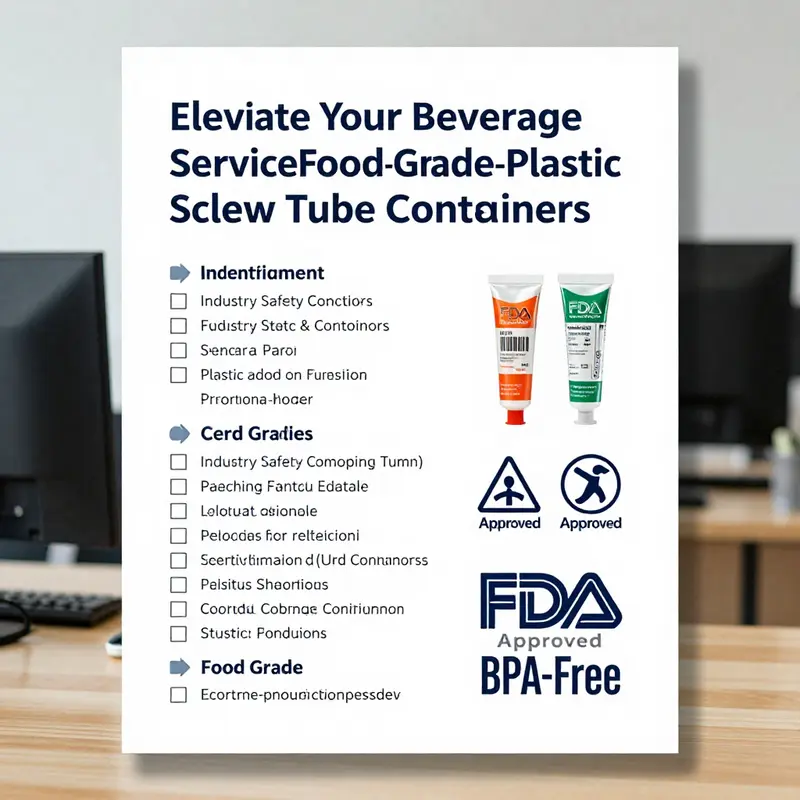
The journey of a food-grade plastic screw tube container from resin to retail shelf is a story of discipline, traceability, and continuous assurance. In everyday use, it may seem like a simple vessel for sauces, gels, or cosmetic emulsions, yet the path it travels is governed by a web of standards designed to protect health, preserve quality, and sustain trust. The container is not just a packaging shell; it is a barrier that must perform under diverse conditions—ranging from a hot-fill sauce at a bustling cafe to a chilled infusion in a pantry. To ensure that barrier remains intact, manufacturers align with a layered framework of regulatory requirements, technical standards, and independent verifications. The result is a product that can safely contact edible substances while preserving the integrity of the contents through shelf life, storage, and distribution.\n\nAt the heart of this framework lies the concept of safety for food contact materials. The most widely recognized reference comes from the regulatory authority in the United States, which maintains a comprehensive roster of substances approved for contact with food. In practice, this means the plastic resin selected for a screw tube container—whether it is PET, PP, or HDPE—must be evaluated for what can migrate from the plastic into the food during real-use conditions. The migration consideration is not a vague risk but a defined testable parameter. It assesses how much of any given chemical component or additive could migrate into various types of foods or beverages, under temperatures, contact times, and fat or acidity levels representative of actual consumer use. The aim is to prevent any harmful substance from reaching levels that could pose a health risk or alter the sensory attributes of the product. When suppliers attest that a container is suitable for food contact, they are implicitly promising that the resin and masterbatch formulations, extrusion or molding aids, colorants, and surface finishes have been evaluated with migration in mind.\n\nOn the international stage, the European Union codifies a parallel but equally stringent approach. Regulation 1935 2004 sets out the broad principle that materials intended to come into contact with food should not transfer substances in quantities that could endanger human health, nor should they cause unacceptable changes in the composition, taste, or odor of the food. Annex I of the regulation reinforces the obligation of safe use under normal and reasonably foreseeable conditions. In addition, specific restrictions exist for certain monomers and additives, guided by the companion regulation that addresses the limits of certain substances. The practical upshot for manufacturers is a requirement to establish comprehensive documentation showing compliance with general safety, as well as evidence of controlling specific migrants that might arise from particular resins or additives. For a consumer packaging item like a screw tube container, this means a careful balance of resin selection, additive chemistry, and process controls that together minimize any migration potential while preserving barrier properties against moisture and gases that could compromise product freshness.\n\nInterwoven with these national frameworks is a harmonized international standard that helps laboratories and manufacturers speak the same language about migration tests. ISO 18580 2021 provides a structured methodology for evaluating migration of substances from plastics into food. It lays out test parameters, sample preparation, types of foods used to simulate real contact scenarios, and criteria for interpreting results. While the exact testing matrix may vary by country, ISO 18580 functions as a global reference point for assessing the safety of materials used in food contact applications. For producers who participate in global supply chains, adhering to such an ISO standard streamlines regulatory conversations, supports mutual recognition with partners, and strengthens confidence that a given container will perform within defined safety margins across multiple markets.\n\nBeyond the core regulatory texts and standard frameworks, the packaging industry relies on independent third-party verification to corroborate compliance. Organizations such as SGS, Intertek, and Bureau Veritas perform a suite of tests that align with the expectations of regulators, retailers, and discerning consumers. The migration study is often complemented by chemical analyses that confirm the resin family and the absence of prohibited monomers or additives. Heavy metal screening ensures that trace elements such as lead or cadmium remain below established thresholds. Microbiological testing verifies that the container itself does not carry contaminants that could introduce risk during handling or storage. And ingredient analysis confirms that the materials used in the resin system indeed belong to food-grade categories and do not contain disallowed substances. These verifications are not a one-time checkbox. They typically involve batch-level documentation, periodic re-testing, and ongoing supplier qualification to maintain a defensible chain of custody from raw material to finished container.\n\nCertifications and test reports serve several essential purposes beyond regulatory compliance. First, they function as health protection mechanisms. The migration tests and compatibility assessments are designed to prevent the leaching of potentially harmful substances that could accumulate with repeated use, long storage, or exposure to heat. This is particularly relevant for hot-fill or paste-like products that may sit in a container for longer periods or experience elevated temperatures during transport. Second, certifications uphold market access and reduce barriers to entry in global trade. Food-grade containers must be accepted by customers and retailers in diverse markets, each with its own local expectations and repeatable audit requirements. Third, transparent certifications reinforce brand credibility. When a supplier can present official FDA, EU, or ISO derived documentation and third-party test reports, it signals a commitment to safety, quality, and meticulous quality management that resonates with manufacturers, processors, and end consumers alike.\n\nIn practical manufacturing terms, achieving and maintaining these standards begins at the design table. The choice of resin is foundational. PET, known for clarity and barrier properties, offers excellent resistance to moisture and gases, making it a strong candidate for short to medium shelf life products when transparency matters for consumer visibility. PP is valued for durability, chemical resistance, and robustness under higher temperatures, enabling hot-fill applications and reliable sealing around screw caps. HDPE brings ruggedness and chemical resistance to the table, with advantages in UV stability and impact resistance, which can be crucial for shelf life and consumer handling. Each resin family carries its own migration profile, and the additive package—colorants, stabilizers, processing aids—must be scrutinized for potential migration behavior. The design of the screw top, the seal geometry, and the integrity of the thread itself all influence how the container behaves under stress, temperature changes, and repeated opening cycles. A well-engineered lid with a reliable airtight seal supports product freshness by limiting air ingress and moisture transfer, a key consideration for many sauces, spreads, and emulsions commonly stored in screw tubes.\n\nManufacturing discipline also extends to process controls and traceability. Raw materials are typically accompanied by certificates of analysis that document their compliance with food-contact criteria. The manufacturing environment is designed to minimize contamination risks, with cleanroom or controlled clean zones where appropriate, and with rigorous cleanliness protocols that cover machinery, tooling, and handling practices. Every lot of material is traceable, enabling recalls or corrective actions should a test reveal an unexpected migration signal or a defect in packaging performance. In practice, this means robust supplier qualification that requires evidence of regulatory alignments, third-party validation, and ongoing monitoring of any changes in formulation or manufacturing conditions. It also means that the finished container is subjected to a battery of performance tests that mimic actual use: pressure and drop tests to ensure the integrity of the screw closure, heat exposure tests that assess material stability, and shelf-life simulations that verify moisture and gas barrier retention under realistic storage scenarios.\n\nFrom the consumer perspective, understanding what lies behind a food-grade plastic screw tube container can help in making informed choices. Labels that declare BPA-free or lead-free, and the presence of explicit food-contact safety certifications, instill confidence that the packaging was designed with health and safety at the forefront. Consumers may also encounter notes about recyclability, with resin codes such as PET and HDPE commonly indicating curbside recycling pathways in many regions. Yet the green promise extends beyond the container itself. The industry is increasingly guided by sustainability criteria that reward not only recyclability but also the recyclability of the entire packaging ecosystem—the closures, liners, and any printed decorations—so that a unit can be reintroduced into the circular economy with minimal loss of value. When these packaging systems bear credible documentation, retailers can reliably place them on the shelf without the distraction of uncertain compliance, and manufacturers can focus on product integrity and sensory quality rather than remediation of safety concerns.\n\nThe sourcing landscape for food-grade plastic tubes underscores the importance of due diligence. Global suppliers often segment offerings by resin type and processing method, while simultaneously presenting a spectrum of certification documents. Buyers are advised to review the authenticity and scope of the certifications, confirm the validity period of tests, and request the exact test methods used for migration and residue analyses. In markets where regulatory oversight is rigorous, regulatory authorities expect that the packaging materials entering the supply chain can demonstrate compliance with both general safety requirements and any substance-specific restrictions that may apply to certain applications, such as high-fat foods or highly acidic substances. A prudent purchaser also considers the environmental attributes of the packaging. While the primary purpose of food-grade tubes is to maintain product safety and quality, many manufacturers now prioritize recyclability and lower environmental impact, labeling materials with clear recycling instructions and using inks and coatings compatible with recycling streams.\n\nTo make this concrete in the context of a global supply chain, consider how a company would evaluate a supplier offering a range of screw tube containers in PET, PP, and HDPE. The buyer would request an FDA summary of safety data, confirmation of compliance with EU 1935 2004 and Annex I, and ISO 18580 2021 migration test results. They would review third-party test reports from a recognized certifier, verify heavy metal screening outcomes, microbiological safety data, and the ingredient analysis for the resins and colorants used. The supplier would provide batch-specific documentation showing traceability from raw resin to the final container, along with certification about recyclability and any BPA-free or lead-free claims. The end result of this diligence is a packaging solution that not only performs its primary function of containing and preserving edible products but also contributes to a responsible, transparent supply chain that can be audited and verified at multiple points along the way.\n\nUltimately, the prominence of safety certifications in the realm of food-grade plastic screw tube containers reflects a broader industry principle: packaging must do more than hold product. It must preserve safety, ensure compliance across diverse jurisdictions, and support consumer trust. The regulatory framework is complemented by the practical reality of testing laboratories and certification bodies that translate complex chemical formulations into actionable risk assessments. In this light, the decision to select a container model is not a matter of aesthetics or price alone. It is a decision about health protection, market readiness, and the long-term credibility of the brand. As markets become more interconnected and consumer awareness grows, the value of rigorous industry standards and transparent certifications only increases. The containers that carry the food, the sauces, the lotions, and the vitamins must be trusted at every point of contact—from production line to dining table or bathroom shelf. When a screw tube container bears credible, verifiable documentation, it signals that safety is engineered into its very design and that the journey from resin to consumer is conducted with integrity.\n\nFor readers who wish to explore the regulatory landscape further, the U.S. Food and Drug Administration offers guidance on food contact materials that can serve as a practical starting point for cross-border considerations. This source provides a concise, up-to-date view of how authorities approach material safety, migration, and compliance across different product categories and use scenarios. External reference: https://www.fda.gov/food/food-contact-materials
Final thoughts
Selecting the right food-grade plastic screw tube containers can significantly enhance your business’s performance in the food and beverage sector. These containers are designed with materials that provide durability, safety, and customer appeal. As you explore the diverse applications and benefits discussed throughout this article, consider how investing in such packaging can not only elevate your product presentations but also ensure compliance with industry standards. By choosing food-grade plastic screw tubes, you not only prioritize the quality and safety of your offerings but also make a commitment to responsible and eco-friendly practices. Remember, your packaging is often the first impression customers have of your brand; make it count.