
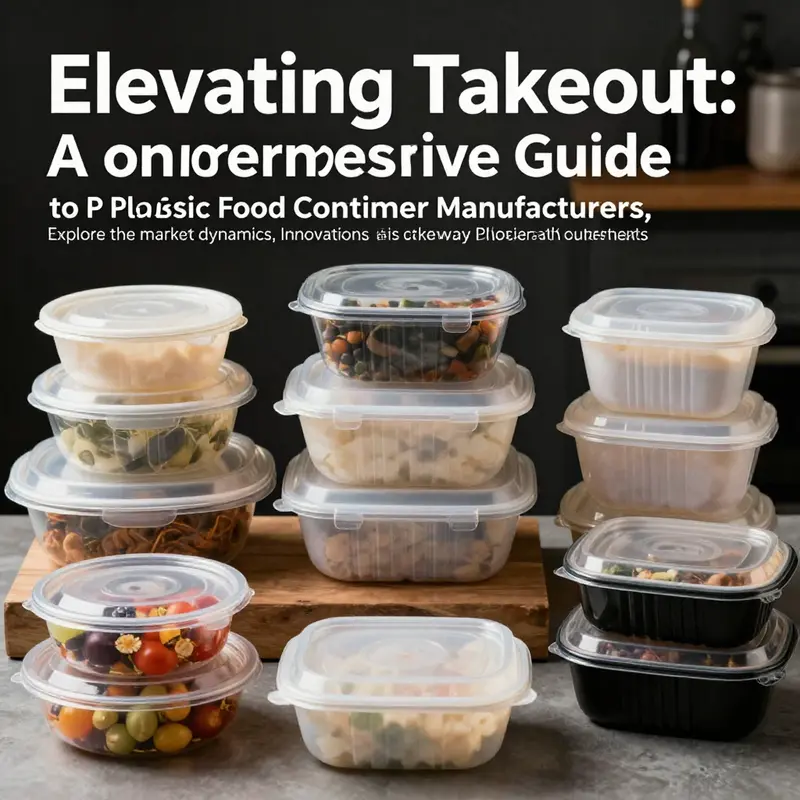
The world of takeaway food is expanding rapidly, driven by an ever-growing desire for convenience and quality. From bubble tea shops to catering services, the demand for effective food packaging is greater than ever. Takeaway plastic food containers have become an essential component of this industry, tailored to meet diverse businesses’ requirements. Manufacturers are rising to the occasion, balancing need for customization with a commitment to sustainability. Throughout this exploration, we will dive into a thorough market analysis of takeaway plastic food container manufacturers, uncover innovative practices within the industry, discuss the latest technological advancements, and address the challenges these manufacturers face globally. Each chapter will contribute to a holistic understanding of how takeaway plastic food containers can cater to the evolving needs of food service businesses.
null
null
Rethinking Convenience: Sustainability at the Core of Takeaway Plastic Container Manufacturing
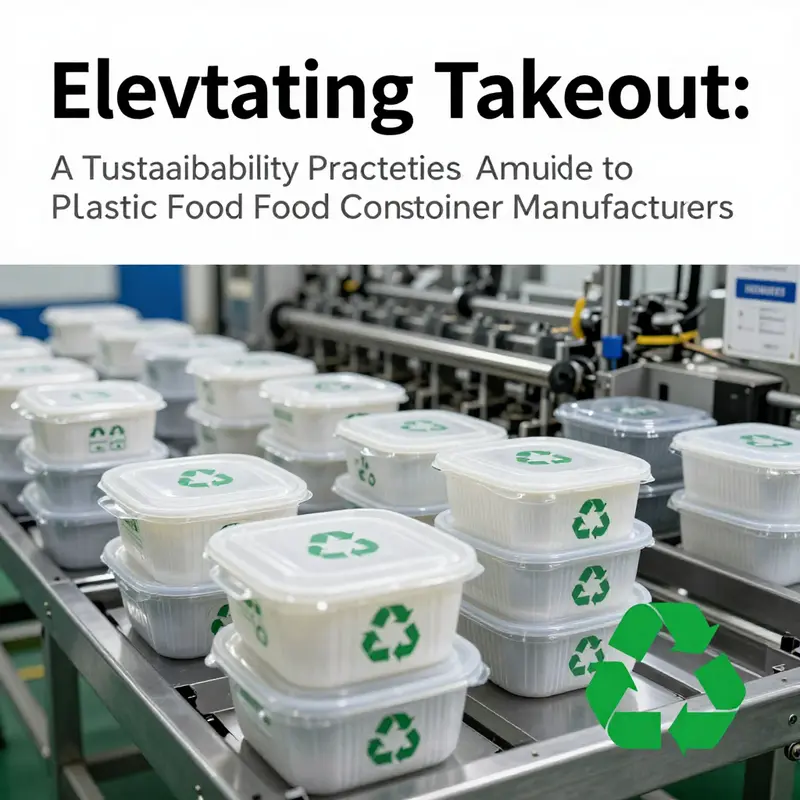
As the global takeaway economy accelerates, the packaging that carries meals from kitchens to consumers has become a focal point for environmental scrutiny as well as for innovation. Manufacturers operating in this space face a dual challenge: deliver containers that perform under pressure, resist leaks, and survive hot foods, while also shrinking the environmental footprint of single-use formats. That tension between reliability and responsibility has become a defining feature of modern takeout packaging. Producers must balance the needs of kitchens and delivery riders with the expectations of governments, retailers, and increasingly discerning diners. The result is a market where features once considered ancillary — stackability, moisture control, and branding surface area — now justify investment primarily through sustainability credentials. In practice, this translates into a rapid evolution of materials, manufacturing processes, and end-of-life management, all aimed at extending the useful life of a disposable container and reducing waste across the system. In short, sustainability is no longer a nice-to-have; it is a core criterion for competition and growth.
In response, many manufacturers are exploring substitutes that either replace conventional plastics or reduce reliance on them. Plant-based materials derived from cornstarch, bagasse, bamboo, and paper are prominent options. These materials can offer end-of-life advantages, especially when paired with certified composting streams or recycling pathways. Yet substitutes are not a silver bullet. Performance remains a practical constraint: heat resistance, leak prevention, and barrier properties must be maintained, and some compostables require industrial facilities that are not universally available. Cost differentials also matter, because retailers and consumers alike weigh the price premium against perceived environmental benefits. Consequently, many companies pursue hybrid approaches that combine traditional polymers with bio-based components or use multi-layer structures that enable specific functions while enabling recycling streams. The goal is to maintain the integrity of the product while steering the system toward less plastic waste, rather than trading one set of problems for another.
Beyond material substitution, the conversation has shifted to design for circularity. Containers are increasingly designed with recyclability in mind, favoring mono-material constructs where possible, or packaging that can be composted in certified facilities. Manufacturers are investing in closed-loop recycling pilots and working with suppliers to source feedstocks from certified sustainable origins. This shift is as much about process as it is about product. It involves rethinking tool design, equipment energy use, and waste streams inside factories, as well as the logistics of returning and reclaiming packaging from restaurants and consumers. Energy efficiency and waste minimization become performance indicators just as important as capillary strength and seal integrity. In practice, circularity requires transparent traceability so brands and partners can verify material origins and end-of-life outcomes. The upshot is a more resilient supply chain that can weather price swings and policy shifts while offering a credible narrative to customers who want proof of responsibility.
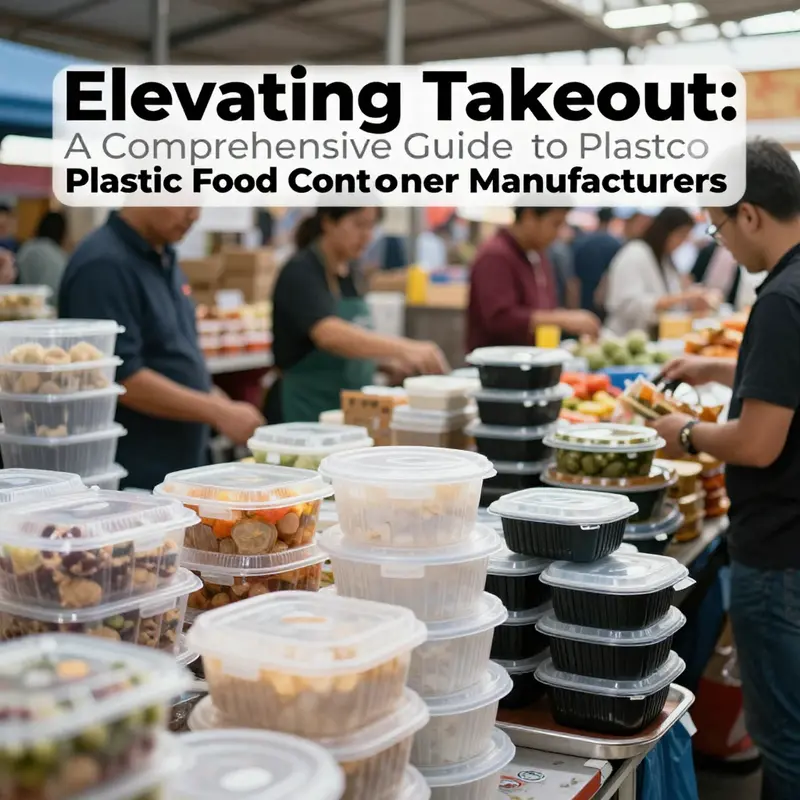
Regulatory drivers are a major force shaping what is possible and profitable in this sector. The European Union’s Single-Use Plastics Directive has accelerated the migration away from certain plastic formats toward alternatives that perform as well in day-to-day use and show clearer end-of-life paths. Similar regulatory streams are gaining traction in the United Kingdom and other markets, creating a need for standardized performance under demanding conditions, such as seasonal spikes in demand or pop-up markets where packaging must be both reliable and environmentally accountable. Compliance is not simply about meeting a checklist; it is about integrating standards into product development, supplier audits, and certification schemes that reassure retailers and diners alike. For manufacturers, the regulatory horizon encourages investment in materials research, process optimization, and collaboration across the value chain to ensure that high-volume output does not come at the expense of sustainability.
Consumer demand data from major urban centers is informing the pace and direction of change. A recent study on sustainable consumption of SUPFC substitutes finds that a large majority of consumers in Beijing are willing to pay for greener packaging, with a surprising 95.86 percent indicating willingness to invest. When asked about pricing, many favor a 3–5 RMB range, suggesting a market that is ready for greener options if the economics are accessible. This willingness translates into a practical design imperative for manufacturers: solutions must be cost-competitive enough to justify adoption by a broad range of foodservice operators, while still delivering measurable environmental benefits. For suppliers, this means more robust business cases for equipment upgrades, new materials, and supplier partnerships. The implication is not merely that demand exists but that the willingness to pay is aligned with a perceived performance advantage, such as reduced contamination risk, improved mechanical stability, and improved branding with sustainable aesthetics.
OEM customization remains a crucial part of the value proposition for many manufacturers. Custom shapes, sizes, colors, and brand markings are lines of differentiation that help restaurants and delivery platforms stand out in a crowded market. But customization is increasingly tied to sustainability outcomes. Clients are seeking packaging that can be easily recycled, that carries a smaller environmental footprint, or that comes from certified sustainable sources. The challenge for manufacturers is to deliver this customization without compromising the efficiency of high-volume production or the reliability of the product under shipping and microwave reheating conditions. This tension often leads to innovation in material blends, lid designs, and seal configurations, all of which have to be tested against real-world usage. The result is a pipeline of products and design iterations that blur the line between packaging and product stewardship, reinforcing the perception that the packaging itself can be a part of the brand’s sustainability story rather than a mere afterthought.
The path forward is paved with challenges as well as opportunities. Cost remains a dominant constraint, especially when green materials must compete on price with conventional plastics. In addition, the compostability narrative complicates waste management because not all municipal systems accept compostable packaging, and consumer participation varies by region. Certification regimes for compostability and recyclability add layers of administrative effort and cost, while ensuring that performance does not erode. Supply chain considerations also come into play: securing reliable sources of bio-based feedstocks, ensuring traceability, and maintaining the consistency needed for mass production. The variability of waste streams across cities and regions means that what works in one market may not translate cleanly to another. Yet the challenges are not merely obstacles; they are signals that robust, standardized approaches to sustainability are becoming essential to scale. In response, many manufacturers pursue modular design philosophies, shared testing protocols, and collaborative pilots that align suppliers, brands, and waste managers around common performance and end-of-life outcomes.
Against this backdrop, a broader picture emerges. The industry is moving from substitutions that replace one material with another to holistic sustainability strategies that govern design, production, distribution, and end-of-life management. This shift requires a constellation of capabilities: better life-cycle assessments, credible labeling and disclosure, and ongoing investment in energy efficiency, waste reduction, and water stewardship. The long-term value proposition rests on ongoing collaboration with customers, recyclers, policymakers, and researchers to evolve standards and infrastructure. It also depends on the ability to communicate progress in clear, verifiable terms, so retailers can justify premium pricing and consumers can understand the real gains behind a greener choice. In practice, companies that win will be those that demonstrate consistency in performance while delivering measurable environmental outcomes, even in the most demanding high-volume periods.
For readers exploring practical paths to sustainable packaging, a glimpse of current options helps anchor the discussion in everyday decisions. For example, a sustainable option within the takeout ecosystem can be found in compact, eco-friendly kraft paper packaging solutions focused on durability and end-of-life compatibility. See eco-friendly kraft paper soup bowl with lid. eco-friendly kraft paper soup bowl with lid. This example illustrates how brands can preserve performance while steering waste toward recycling or composting channels, rather than letting it contribute to persistent plastic pollution.
Ultimately, the sustainability trajectory of takeaway plastic container manufacturing is a case study in systemic change. It requires that product developers, equipment manufacturers, and waste managers coordinate across functions to deliver packaging that is safe, efficient, and responsible. It invites inquiry into whether current innovations can scale to meet rising demand without compromising safety or convenience. The evidence suggests that demand signals, policy incentives, and consumer willingness to pay are converging around packaging that performs reliably and carries a clearly defined end-of-life path. The most successful players will be those who can demonstrate a transparent chain of custody for materials, validate recyclability or compostability with third-party checks, and maintain high standards of sanitary performance. In short, sustainability in takeaway packaging will be judged not by a single breakthrough but by the steady, verifiable integration of greener materials, smarter design, and responsible end-of-life management across a dynamic, high-volume system.
External resource: https://www.sciencedirect.com/science/article/pii/S136481522400176X
Sealed with Innovation: How Technology Transforms Takeaway Plastic Container Manufacturing
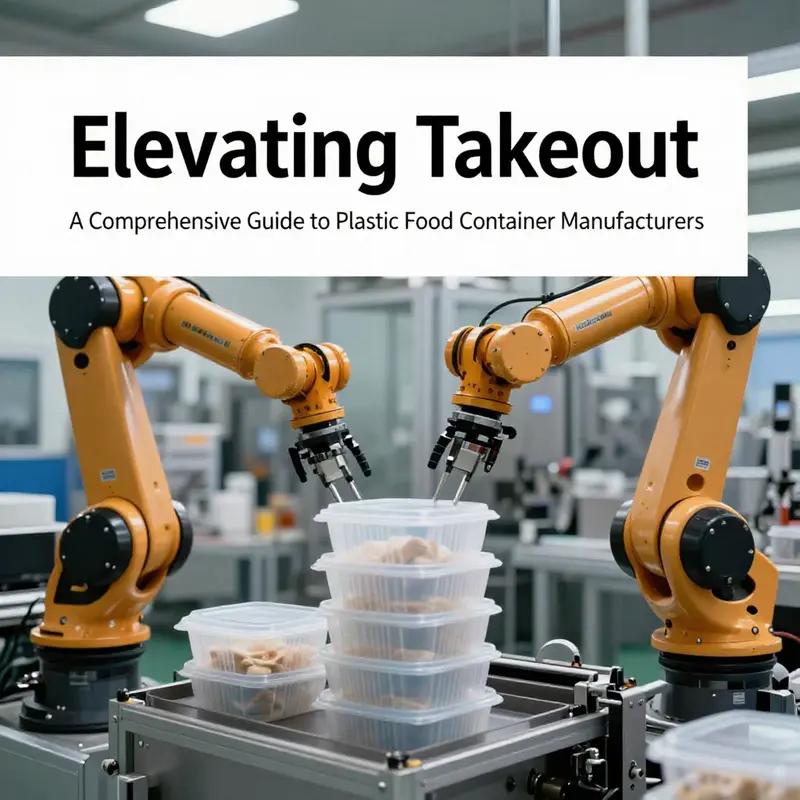
The takeaway packaging market has matured from simple disposable shells into a field where manufacturing choices directly influence performance, safety, and the consumer experience. As restaurants expand into delivery networks and households rely on single-serve solutions, plastic food containers are expected to do more than hold hot or cold contents. They must protect flavor, preserve texture, withstand handling and transit, and communicate value back to the brand and the consumer. In this landscape, technology is the lever that shifts capability from basic utility to strategic packaging. The chapters of this story unfold on the factory floor as much as in the design studio, where materials scientists, process engineers, and packaging strategists collaborate to push containers beyond their traditional roles. What is driving these advances is a blend of market demand for reliability, the push for sustainability, and a growing sensitivity to the transparency that modern shoppers expect from the brands they trust. The result is a production ecosystem that must balance speed, cost, and diverse performance requirements across a broad spectrum of foods, from delicate sauces to hot noodles to chilled desserts, all while steering toward greener outcomes and clearer consumer communication.\n\nOne of the most transformative developments in takeaway container manufacturing is the integration of labels and branding directly into the molding process through in-mold labeling, or IML. IML embeds a label into the surface of the container as the part is formed, rather than applied after molding with adhesive. This approach yields several practical benefits that matter on a large scale. First, it eliminates the waste associated with traditional sticker labels, which can peel, bubble, or degrade under heat and moisture during transport. Second, it enhances durability; branding elements such as logos, color schemes, and regulatory marks are protected from abrasion and humidity. Third, it allows more complex and vibrant imagery, enabling brands to present high-clarity visuals that remain legible through the dish’s lifecycle. In practical terms, IML can support a cleaner product presentation on the shelf and a more consistent appearance across batches, which is particularly valuable for multi-component takeout solutions that must maintain a cohesive look across thousands of SKUs.\n\nThe material science core of these containers provides another axis of advancement. Polystyrene remains a common choice for many takeaway applications due to its balance of stiffness, clarity, and cost. Yet standard PS can exhibit lid warping under high-temperature conditions, a limitation that becomes evident in hot-food deliveries or in markets with longer delivery windows. To address this, researchers and manufacturers have developed high-performance PS variants and processing aids that improve heat resistance and structural resilience. These variants help maintain lid integrity even when the contents approach or exceed typical serving temperatures. The result is a more reliable seal during transit and a more predictable user experience when the lid finally comes off. It is a reminder that even subtle shifts in polymer chemistry or processing parameters can translate into meaningful gains in function and consumer satisfaction. At the same time, this trajectory does not abandon the practical realities of cost and recyclability. A well-designed PS solution can be engineered to balance performance with end-of-life considerations, smoothing the path toward more circular packaging systems.\n\nAlongside these performance-oriented materials, manufacturers are increasingly embracing recycled and bio-based plastics as a way to reduce the environmental footprint of takeaway packaging. Post-consumer recycled (PCR) plastics provide a pathway to incorporate waste streams back into durable packaging, lowering virgin resin demand and contributing to a more circular economy. The successful use of PCR depends on rigorous sorting, cleaning, and compatibility with food-contact standards, but when done well, it reduces embodied energy and illustrates a credible commitment to sustainability without compromising safety or reliability. Biodegradable polymers, such as polylactic acid (PLA), are also finding a foothold in this sector. PLA is sourced from renewable feedstocks like corn or sugarcane and can meet consumer expectations for compostability in certain disposal contexts. However, PLA’s heat tolerance and structural properties can differ from conventional plastics, so manufacturers carefully match material selection to product use cases. By combining PCR with high-grade PS or PLA blends and optimizing processing conditions, the industry can tailor containers that meet the demands of hot foods, cold beverages, or liquid sauces while signaling environmental stewardship to diners and operators alike.\n\nSmart packaging is another strand reshaping the capabilities of takeaway containers. Temperature-sensitive inks, for example, change color as the food’s temperature crosses defined thresholds. This feature provides a visual cue to handlers and customers about safety and freshness and can help restaurants manage quality control across delivery fleets. QR codes embedded in packaging enable real-time data about origin, transit conditions, and storage requirements. When scanned, these codes can reveal the container’s material composition, compatibility with reheating methods, and even batch traceability in the event of a recall. For operators, this translates into more precise inventory control and a more transparent relationship with customers who value traceability. For brands, it means an opportunity to convey stories about sourcing, processing, and sustainability at the moment a consumer opens the lid. The integration of these smart functions is not a luxury but a practical response to a retail landscape that prioritizes information as a differentiator.\n\nAll of these innovations are underpinned by a broader trend toward customization. The modern takeaway container must be adaptable to a mosaic of formats, from multi-compartment designs that preserve the integrity and temperature of separate components to compact, single-serve bowls intended for soups, sauces, or salads. The capability to customize shapes, sizes, colors, and branding is not an optional add-on; it is a core value proposition for manufacturers who operate OEM services. Clients can specify precise dimensions to fit particular kitchen workflows or delivery constraints, request color palettes aligned with brand identity, and embed logos through IML or related processes to ensure a consistent, high-impact presentation. The production lines that accommodate such customization are increasingly automated, with digital design files translating quickly into molds, tool changes, and production runs. In practice, this means a shorter lead time from concept to shelf and a more reliable pathway for new product introductions that require packaging to align with evolving menus, seasonal promotions, or promotional partnerships.\n\nThe technical and commercial dimensions of this evolution are intertwined with ongoing attention to safety, regulatory compliance, and performance testing. Food-contact materials must meet strict migration and compatibility standards to protect consumer health. The choice of resin, additives, and barrier layers is not merely a matter of performance; it is a matter of compliance and risk management. This has driven deeper collaboration between material science teams and quality assurance groups, ensuring that new formulations perform under real-world conditions—ranging from microwave reheating to dishwasher use in some home contexts—without compromising safety or leaching unwanted substances. Such collaboration often reveals trade-offs: superior heat resistance might come with changes in stiffness or clarity; adding PCR content could influence color or haze; introducing PLA may alter melt behavior during processing. The art of modern container design, then, lies in navigating these trade-offs with a data-informed, end-to-end perspective that spans resin suppliers, toolmakers, and end users.\n\nIn this ecosystem, the choice of container form and material is not simply a matter of mid‑season marketing trends. It is a decision that shapes supply chain reliability and the frictionless experience of takeaway dining. For example, a take-away bowl with lids can be designed to deliver a reliable seal at high temperatures, resist impacts during transport, and support clean branding through IML. Such a container may also be compatible with recycled content or even bio-based materials, depending on the performance envelope required by the product category. The capacity to deliver a consistent product at scale—across tens of thousands of production cycles, across multiple clients—requires a precise blend of materials science, process engineering, and logistical planning. It also demands close coordination with packaging distributors and restaurant partners to ensure that the end presentation aligns with brand promises and consumer expectations. This is why modern manufacturers frequently offer a portfolio of options: high-stiffness PS for hot fill scenarios, PCR-rich blends for sustainability goals, and PLA with specialized coatings for certain low-temperature applications. Each option serves different customer segments, but all share a common goal: to preserve food quality while simplifying handling and disposal for the end user.\n\nA practical indicator of how far the field has come is visible in the breadth of specialized container formats designed to meet distinct food categories. Multi-compartment designs help keep sauces separate from solids, preserving texture and presentation. Containers sized for soups or thick sauces accommodate different viscosity levels and ensure that heat is maintained or safely dissipated during transit. The ability to tailor lids, vents, and seal systems to these formats reduces spillage and improves consumer satisfaction. Behind each design decision lies a matrix of considerations, from thermal performance and barrier properties to stackability and warehouse handling. The industry has learned to approach these questions not as static specifications but as an integrated set of capabilities that must travel through the entire value chain—from raw material selection and tool design to manufacturing processes and downstream recycling streams. In other words, the container is not just a single product; it is a node in a network of performance, sustainability, and information.\n\nAs these advancements unfold, manufacturers also confront market realities, including cost constraints and the need to scale customization. The economics of plastic packaging are influenced by resin prices, energy consumption, tool wear, and the efficiency of automation. Smarter processing, such as precision extrusion, optimized injection molding cycles, and real-time quality monitoring, helps reduce waste and maintain consistent yield. Digital design tools enable rapid iteration, enabling designers to test new shapes for compatibility with existing supply lines, while simulation software helps predict performance under high-velocity logistics scenarios. The result is a packaging ecosystem that can respond to hot-demand spikes, seasonal menu changes, and evolving consumer preferences without sacrificing performance or safety. In this context, the takeaway container becomes a platform for branding, a vehicle for sustainability, and a reliable partner in the daily routines of millions of households.\n\nThe conversation about innovation in takeaway plastic containers would be incomplete without acknowledging the broader environmental implications and the move toward more responsible packaging systems. PCR and biodegradable materials are not magic bullets; they require sophisticated recycling infrastructure, clear labeling, and consumer participation to realize their potential. Brands and manufacturers increasingly collaborate to design packaging that is not only functional but also easier to sort and recycle. This means designing with end-of-life in mind, choosing materials that can be cleanly separated in recycling streams, and providing consumers with simple, actionable disposal instructions. Smart packaging features can reinforce this messaging, guiding users to recycle correctly or to participate in take-back programs where available. Ultimately, the ambition is to close the loop—creating containers that perform impeccably in use, while contributing to a more circular economy when their useful life ends.\n\nLooking forward, the trajectory of technological innovation in takeaway plastic containers suggests a continued convergence of performance, sustainability, and information. The development of new barrier technologies, advanced IML capabilities, and smarter self-contained packaging will continue to blur the line between packaging and product. Containers will not only protect and present food but also convey origin stories, safety signals, and care instructions with minimal friction for the consumer. The next frontier may involve more sophisticated integration of sensors, smarter materials that respond to environmental cues, and more nuanced choices about end-of-life pathways that align with regional waste-management ecosystems. In short, the container is becoming a dynamic element of the food experience, one that supports brand differentiation while also signaling responsibility to a generation of consumers who expect packaging to do more than just hold food.
Rethinking the Shelf: Navigating Regulation, Sustainability, and Innovation in Global Takeaway Plastic Containers
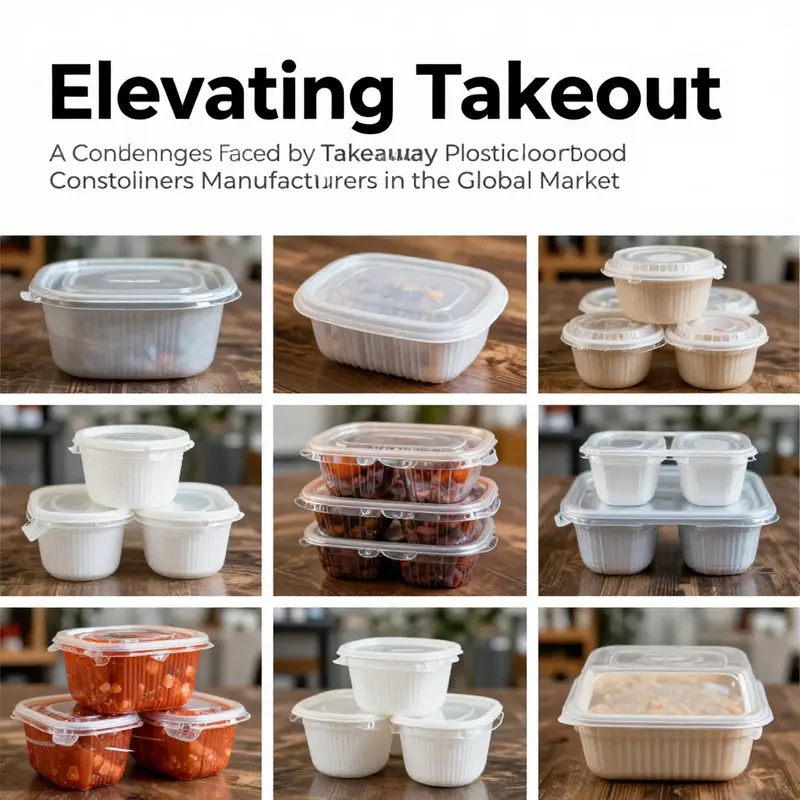
The market for takeaway plastic containers has grown largely on the back of rising demand for convenient, reliable packaging that can travel from kitchen to curbside with minimal fuss. Yet beneath the surface of this expansion lies a landscape in which regulatory constraints, consumer expectations, and shifting supply chains collide with the pressures of cost efficiency and technical performance. For manufacturers, the path forward is not simply about making a better box or lid; it is about aligning material science, process engineering, and strategic partnerships with an evolving set of rules and markets that demand more responsible packaging at scale. This chapter traces that trajectory, weaving together how global producers respond to the tension between utility and sustainability without losing sight of the core goal: containers that protect food, preserve quality, and do so with a lower environmental footprint. It is a story not only of compliance and prices, but of design thinking, factory modernization, and the pursuit of durable solutions that can endure the practical realities of transport, delivery, and reuse where applicable. The thread running through this discussion is clear: in a world increasingly wary of plastic waste, the manufacturers that survive and thrive will be those who translate regulatory insight into real product and process innovation, not mere compliance alone.
Regulation and consumer demand together form the most potent accelerants of change in the takeaway packaging space. In many regions, single-use plastics face bans or restrictions that target materials known for low recyclability and high environmental impact. The pressure is particularly acute for polystyrene-based items, which have come under intensified scrutiny due to concerns over lifecycle emissions, end-of-life management, and microplastic contribution. As bans spread, manufacturers are compelled to pivot toward alternatives that offer better end-of-life outcomes or, at minimum, improved performance in reuse or composting streams. The transition is not trivial. It demands capital investments in new lines, new molds, and, crucially, fresh R&D programs to validate the performance and safety of alternative materials under real-world conditions. Compostable or biodegradable options—such as those derived from agricultural byproducts, recycled fibers, or pulped bagasse—present compelling benefits but introduce a suite of new design considerations. Drying times, moisture barriers, heat resistance, and seal integrity must be re-evaluated in light of different material properties. In practical terms, this means longer development cycles, pilot-scale testing, and certification work to demonstrate compatibility with food safety standards and handling environments. The cost implications reverberate along the supply chain, affecting not only unit prices but also the economics of scale, lead times, and risk management in sourcing and manufacturing orchestration.
These regulatory and consumer-driven shifts intersect with the core requirement of food safety. Across major markets, manufacturers operate within a dense web of standards that govern material safety, stability, and performance. In the United States, federal food and packaging regulations demand strict compliance with food-contact guidelines and traceability. In Europe, similar expectations are framed by guidelines and harmonized criteria that stress rigorous testing and documentation. In China, national standards specify material composition, thermal behavior, and contamination controls. Navigating these jurisdiction-specific requirements means more than passing a single test; it requires continuous quality management across multiple supplier tiers, robust supplier qualification programs, and traceable material sources. The challenge intensifies when raw materials are sourced globally, where price fluctuations and supplier shifts can complicate adherence to tight specification bands. Non-compliance carries significant consequences—recalls, penalties, or reputational damage—that can undermine customer relationships and market access. For manufacturers, the implication is clear: quality control cannot be an afterthought; it must be embedded in supply network design, supplier governance, and ongoing validation work. The aim is not only to meet current rules but to build a resilient framework that accommodates evolving standards while preserving product performance.
Price competition remains a defining axis of the global market. A few well-established production hubs—predominantly in large-scale manufacturing ecosystems—can offer significant advantages in efficiency, capacity, and integrated supply chains. Regions known for their deep tooling infrastructure, mold making, and injection-molding capability can deliver shorter cycle times and cost-effective mass production. The result is a landscape in which price pressure is intense, especially for commodity designs and standard sizes. To compete, many manufacturers pursue a dual strategy: optimize costs through process improvements and economies of scale, while investing in differentiation—through design, digital tooling, and logistics coordination—that creates added value beyond the base container. This means developers must master precise mold engineering, downstream processing, and packaging logistics to reduce turnaround times and ensure reliable delivery schedules in a highly variable market. The energy here is not only in creating a cheaper product, but in orchestrating a system that reliably marries design intent with regulatory compliance and consumer expectations.
A central theme in this mix is the ongoing struggle to balance performance with sustainability. The performance traits that customers expect—resistance to leaks, heat tolerance, cold chain compatibility, and stability under mechanical stress—often collide with sustainability goals. Paper-based or bioplastic alternatives can offer environmental benefits, but they frequently exhibit compromises in moisture resistance, thermal stability, and barrier properties. For example, paper-based composites, while compostable under certain conditions, can be less moisture-resistant than traditional plastics and may require additional sealing layers or coatings that complicate recycling streams. Biopolymers and other innovative materials may warp or deform under high temperatures or during extended hot holding. The practical implication is that a truly sustainable takeaway container must deliver robust containment for a wide variety of foods, handle hot and cold scenarios, and maintain performance during transit, all while aligning with an end-of-life strategy that reduces long-term environmental impact. The challenge is not merely selecting a greener material but engineering a system—comprising the chosen material, adhesives, coatings, and seals—that performs reliably in real-world use cases, from dine-in leftovers to multi-stop deliveries. In this sense, sustainability becomes a design constraint as much as a moral choice, driving companies to pursue deeper material knowledge, smarter testing protocols, and more sophisticated product architectures.
In response to these pressures, the industry has pursued a range of strategic avenues. Investment in research and development is front and center, aimed at discovering high-performance, eco-friendly solutions that can withstand the rigors of shipping and delivery while remaining compatible with existing recycling and composting infrastructures. Process optimization is equally vital. Manufacturers are upgrading their plants with more precise molding controls, improved cooling regimes, and digital traceability to ensure consistency across large volumes. Partnerships across the value chain are increasingly common, enabling joint development across materials, equipment, and logistics to reduce risk and accelerate time-to-market. Supplier evaluation frameworks are becoming more robust, focusing on technical capability, compliance history, and reliability, especially for sourcing from high-volume production hubs. The overarching objective is to create an ecosystem where innovations in material science and manufacturing methods translate into tangible, scalable packaging that satisfies regulators, retailers, and consumers alike.
An emblematic strategic lever in this environment is the careful balancing of customization with standardization. The ability to offer OEM and private-label solutions—enabling clients to shape container shapes, sizes, colors, and branding—remains a powerful differentiator for manufacturers who can couple customization with rigor in safety and performance testing. The market has shown that customers seek designs that solve specific operational problems—such as stackability, leak-proofing, and compartmentalization—without sacrificing the reliability demanded by busy kitchens and delivery networks. At the same time, standardization provides the backbone for cost efficiency and rapid scale. The optimal approach, therefore, blends a flexible platform for customization with a robust array of tested, compliant base designs that can be quickly adapted to meet local regulatory demands and consumer preferences.
The future outlook for takeaway plastic container manufacturing rests on the emergence of truly sustainable, high-performance solutions that can traverse the full lifecycle—from production to post-use management. Innovations in materials science, such as advanced bio-based polymers and reinforced paper-based systems, hold promise when they can demonstrate competitive performance and compatibility with recycling infrastructure. Yet the transition is not purely material; it also depends on the design of end-of-life pathways. Manufacturers, retailers, and policymakers must collaborate to align packaging formats with collection, sorting, and processing capabilities, ensuring that the end-of-life phase does not undermine the environmental benefits sought in the design phase. This alignment requires transparent labeling, clear stewardship responsibilities, and data-driven assessments of lifecycle impacts. In practice, achieving this alignment means moving beyond the siloed view of packaging as a discrete product and recognizing packaging as an element of a broader circular economy strategy that links food supply chains to waste management systems.
Within this evolving landscape, a single, telling signal emerges: adaptability. The most enduring manufacturers will be those who can adapt not only to new materials and new regulations but also to new consumer expectations around transparency, convenience, and sustainability. They will build capabilities for rapid prototyping, robust testing, and agile manufacturing planning that can accommodate shifting demand patterns, from high-volume takeout spikes to seasonal variations. They will also invest in data-driven supply networks that can map material provenance, monitor performance at scale, and anticipate risk in the chain—from raw material volatility to regulatory changes. The chapters ahead will explore how these capabilities manifest in concrete organizational choices, ranging from supplier qualification practices to the adoption of modular manufacturing footprints that can pivot between traditional plastics and greener alternatives as market conditions evolve. The thread that ties these ideas together is the recognition that packaging is not simply a commodity; it is a strategic axis for how food service and consumer cultures manage convenience, safety, and responsibility in a world of finite resources.
A practical illustration of this broader shift can be seen in the way some suppliers approach design and materials within their existing platforms. For instance, a representative example of a compact, in-stock new-design salad rectangle takeaway kraft paper octagonal box with lid demonstrates how suppliers combine immediate availability with opportunities for branding and customization while navigating sustainability constraints. This approach highlights a modular mindset: retain a core, high-performance base container while enabling rapid adjustments to meet regional packaging regulations and consumer preferences. Such flexibility is essential for maintaining continuity of supply in a market where regulatory surprises, material shortages, or shifts in consumer sentiment can ripple across production lines and distribution networks. To readers exploring supplier capabilities, a concrete cue is to consider how a given supplier structures its design library, allows for on-demand tooling, and maintains rigorous testing data that can support regulatory submissions and retailer audits. This is not merely about product aesthetics; it is about building confidence across the value chain that the container will perform, be safe, and align with a changing environmental agenda.
The external dimension of this narrative is the need for continuous learning and shared standards. Companies that invest in collaborative research, participate in industry consortia, and adopt common testing and labeling frameworks stand to reduce the cost and risk associated with regulatory compliance. They also stand to gain trust with customers who increasingly scrutinize packaging claims and supply chain transparency. In parallel, regulators are increasingly inclined to encourage design-for-recycling and clearer end-of-life information, which further reinforces the shift toward packaging that is not only safe in use but also easier to recover and repurpose. The combination of regulatory clarity, market demand for sustainability, and advances in materials and process technology sets the stage for a more resilient and adaptable packaging ecosystem. The challenge remains formidable, but the path forward is navigable for manufacturers who pursue integrated solutions rather than piecemeal fixes.
In sum, the journey of takeaway plastic container manufacturers in the global market is characterized by a continuous negotiation among performance, safety, cost, and environmental responsibility. The days when a single material or a single production line could define success are fading. Instead, the industry is moving toward a holistic approach that treats packaging as an engineered system—one that must perform under diverse conditions, comply with varied rules, and align with evolving consumer values. This requires leadership that can translate regulatory insight into design innovation, supplier governance, and efficient, scalable manufacturing. It also demands a willingness to experiment with new materials and new business models while maintaining a steadfast commitment to safety and quality. The road ahead will reward those who view sustainability not as a constraint but as a driver of smarter design, stronger supply networks, and more resilient operations. External challenges will persist, but with disciplined investment and collaborative problem-solving, the takeaway container ecosystem can deliver packaging that protects food, reduces waste, and earns the trust of customers, retailers, and regulators alike. For readers seeking a deeper, data-informed perspective on the regulatory and environmental dimensions discussed here, see the referenced external resource at the end of this chapter.
Internal link note: For an example of how design options are presented by suppliers in stock with customization potential, you can explore this specific product page: senang03 in-stock new design salad rectangle takeaway kraft paper octagonal box with lid. This link illustrates how a single, adaptable base design can accommodate branding and regional compliance needs while preserving core performance and end-of-life considerations. senang03 in-stock new design salad rectangle takeaway kraft paper octagonal box with lid
External resource: https://www.sciencedirect.com/science/article/pii/S0956053X18305427
Final thoughts
The takeaway food container market presents dynamic opportunities and challenges for manufacturers, who are increasingly evolving to meet the growing demands for convenience, sustainability, and innovation. From responding to market trends to integrating technological advancements, manufacturers play a critical role in enhancing the food service industry’s overall efficiency and sustainability. Additionally, addressing global challenges ensures that these solutions remain relevant and competitive. As bubble tea shops, restaurants, food trucks, catering services, and procurement teams navigate the takeaway landscape, the insights gathered from this exploration will empower them to choose the best partners in plastic food container manufacturing, driving both their sustainability and service quality forward.