
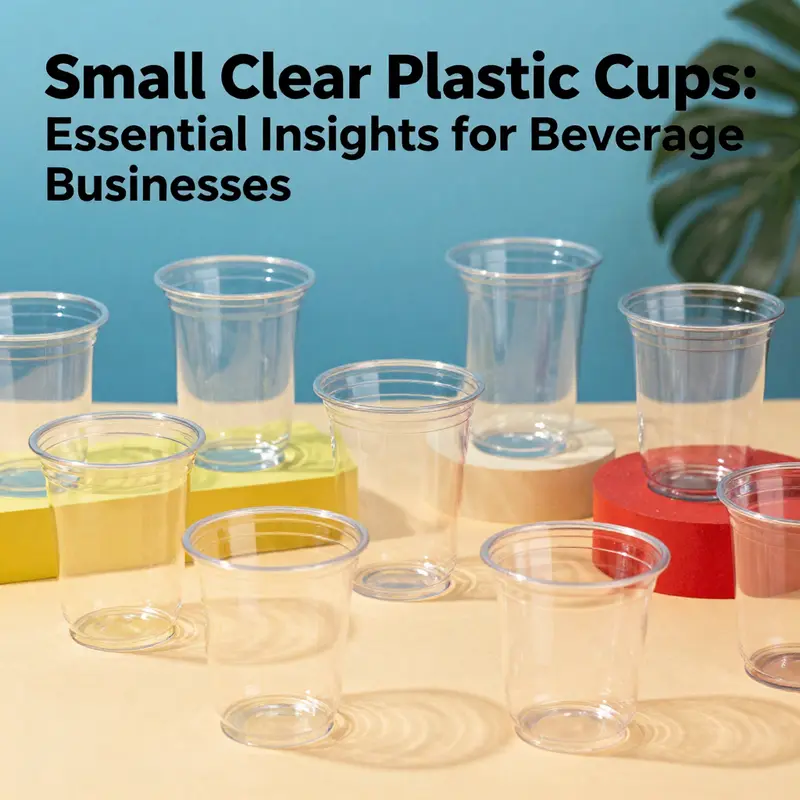
In the competitive food and beverage industry, the right choice of disposable tableware can enhance the customer experience while ensuring cost efficiency. Small clear plastic cups are versatile tools for businesses ranging from bubble tea shops to catering services. This article delves into three critical types of small clear plastic cups: the standard 5 oz variant ideal for everyday use, customized options for branding and marketing, and high-end reinforced models designed for premium service. Each chapter will provide valuable insights into pricing, applications, and how these cups can fit the needs of various businesses within the food and beverage sector.
5盎司基础小透明杯的价格脉络与场景解读:从日常用品到促销利器
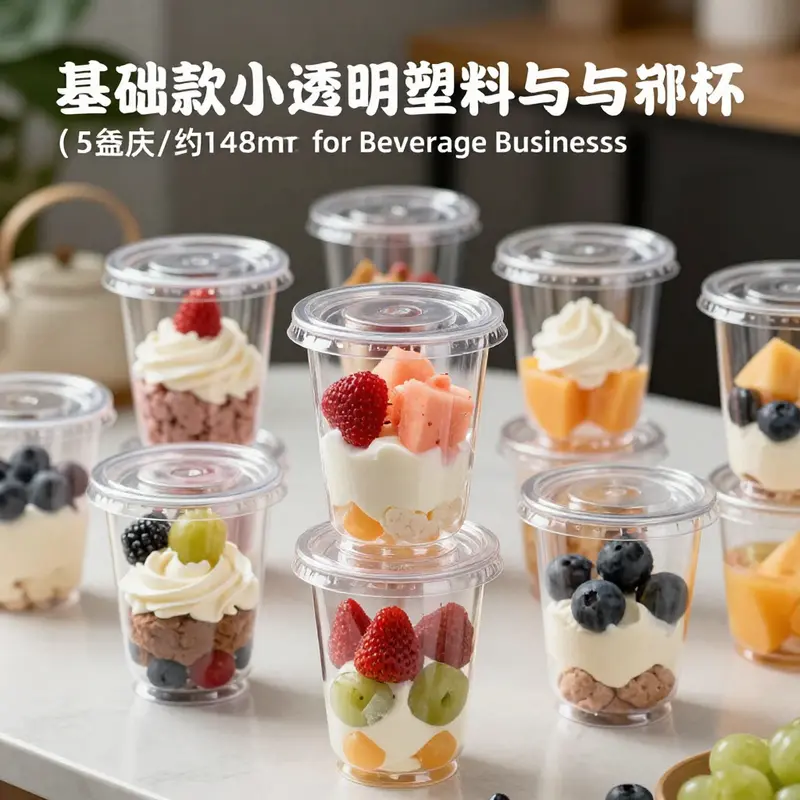
在当代的餐饮与活动策划中,5盎司的基础小透明杯并非耀眼的明星,却扮演着无比稳定的角色。它体积适中、透明如水晶,设计简单却与大量流程紧密相连。无论是在甜品柜台上盛放果冻和小份甜品,还是在展会现场作为品尝样品的小托盘,它的存在都能以最直观的方式呈现出内容物的色泽、质地与新鲜度,帮助消费者在第一时间形成购买意愿。价格并非孤立的数字,而是一张折射供应链运作与市场需求的地图。要真正理解这类基础杯的报价,我们需要从多条线索入手:制造成本、包装规格、销售渠道、起订量、以及不同地区对成本结构的影响。5盎司杯的标准规格通常包括一个堆叠设计的杯身、卷边杯口以及食品级聚丙烯材料所带来的透明度与轻便性。这些特性决定了它的生产成本与运输效率,也直接关系到它在批发价与零售价之间的跃迁。就国内市场而言,批发价通常落在每包200支的区间内,大致横跨 ¥1.20 到 ¥1.80 的价格区间。这个区间的存在,与产能规模、供应商的定价策略、以及区域物流成本密切相关。线上平台的报价往往会略高一些,约在 ¥1.35 到 ¥2.10 每包之间,原因在于在线渠道通常承担了更高的运营成本、采购灵活性与小批量起订的便利性。对于日常使用、宴会和小型活动而言,这种弹性使得小规模采购成为可行选项,尤其是在需要按场景快速补充杯具时,分包的便利性与快速响应显得尤为重要。采购建议也随之而来:当需求量达到一定规模时,单价通常下降,买十送一等促销方案也会在部分供应商处出现。这意味着对一家小型餐饮店或活动策划团队而言,提前规划采购节奏、锁定长期供应关系,往往比单次低价购买更具成本效益。更大尺度的市场比较则揭示了一个全球化的成本结构趋势。以国际市场的公开数据为对照,同类基础杯在单件价格上可能呈现更低的波动区间,但起订量往往显著提高,常见的起订门槛在数千到数万件之间。这种差异并非偶然,而是反映了生产规模、原材料成本与跨境物流的综合影响。互动环节与沟通成本也在价格中留下印记:尽管在国内市场,企业更易通过直接联系实现快速样品获取,但全球供应链的灵活性也为大规模活动提供了稳定的供货节奏。5盎司杯的市场报价因此可以被理解为一个由需求预测、生产线产能、运输时效和渠道策略共同塑形的价格带。另一层面,我们也要看到杯体材料的基本属性对成本的影响。该杯采用食品级聚丙烯,透明、轻便,且具备一定的耐温与耐用性。对于冷饮、果冻、酱料分装等应用,它既能承受冷藏环境,又能在短时微波加热的场景中保持稳定性。虽然这类杯通常是一次性使用,但在回收体系健全的地区,它的可回收性也为企业的可持续性承诺提供了支持。价格与环保并非对立,更多的是在供应链设计时的权衡:选择可回收的材料以符合环保诉求,同时通过批量采购降低单位成本,从而将环保与经济性并举,成为许多餐饮企业与活动主办方在预算编制时的共同诉求。与此同时,5盎司杯的应用场景也在不断扩展。餐饮与快餐业利用它来盛放小份甜品、冷冻酸奶、果冻以及试饮样品,既能确保视觉呈现,又方便顾客在现场快速分取。活动与促销领域则常将其作为品牌露出的载体,杯身的透明度使得内容物的颜色与质地成为海报般的“自然广告”,消费者对产品的直观判断往往来自于杯内物的外观呈现。零售端,便利店与小型专卖店将其作为预包装小份饮品或甜品的载体,强调的是便携性和可视性,消费者能在货架上对比颜色与分层,进而提升购买冲动。对于环保和可持续发展项目而言,选择一个回收为基本属性的容器,既体现了企业的绿色承诺,也为品牌带来正向的社会认同。综观价格、容量与应用,5盎司基础杯的价值正在从“便宜的日常用品”转变为“高性价比的场景解决方案”。在采购策略层面,企业应将价格与供货稳定性放在同等重要的位置考量:短期低价并不总是长期受益的最佳策略,稳定供应、可预测的交付时间、以及对样品的快速响应往往在后续运营成本中体现得更清晰。如果企业计划频繁更新促销活动,需要多次快速补货,那么选择一个能提供小批量灵活采购与快速交货的供应商就显得尤为重要。对那些追求成本控制与灵活性的餐饮业态来说,理解价格区间的分布、识别适合自身经营节奏的起订量与渠道,是实现利润最大化的关键环节。与此同时,作为一个易于替代的基础杯,它也为企业的产品组合提供了可观的协同效应。例如,在同一场景中,基础杯可以与不同盖子、不同口径的容器搭配使用,以适应不同的端午节、情人节、展会等主题活动的需求,形成统一的采购策略与成本结构。对于采购团队来说,建立一条以需求预测为驱动的订货流程十分关键:在淡季保持适度库存,在旺季则通过提前下单、锁定价格、并充分利用促销条件来降低单位成本,同时确保有足够的备货以应对突发流量。对消费者而言,这样的定价与供货稳定性也带来信任感——当他们在大型活动现场或连锁门店看到这类基础杯时,所涉及的品牌参与度和服务体验将直接影响他们对活动的评价与未来的购买意愿。总之,5盎司基础小透明杯的报价并非单纯的数字集合,而是一个由供应链结构、渠道策略、材料工艺与场景应用共同编织出的价格 tapestry。理解这一 tapestry,既能帮助企业在预算内实现最大化的效益,也能在不同场景中灵活应用,提升品牌形象与用户体验。若需要更具体的数字对照,市场信息通常会随地区、时间和批量而变动,建议在规划阶段对比多家供应商的报价、关注更高阶的选项如定制服务与样品试用,同时留意运输成本与潜在的增值税或关税因素。对于希望对价格、起订量与可用性有更直接把握的读者,以下外部资源提供了一个权威的参考入口,帮助你在下单前获得清晰的市场画面。外部参考资源:在全球批发市场中,5盎司聚丙烯一次性小杯的价格区间与起订量信息通常以页面形式呈现,便于对比与决策。链接示例可在相应的行业页面查看,以获取最新的价格与规格。 https://www.alibaba.com/wholesale/5-oz-pp-disposable-plastic-food-container-cup.html
在品牌传播的透明舞台上:九盎司定制LOGO杯的优势、定价与投资回报
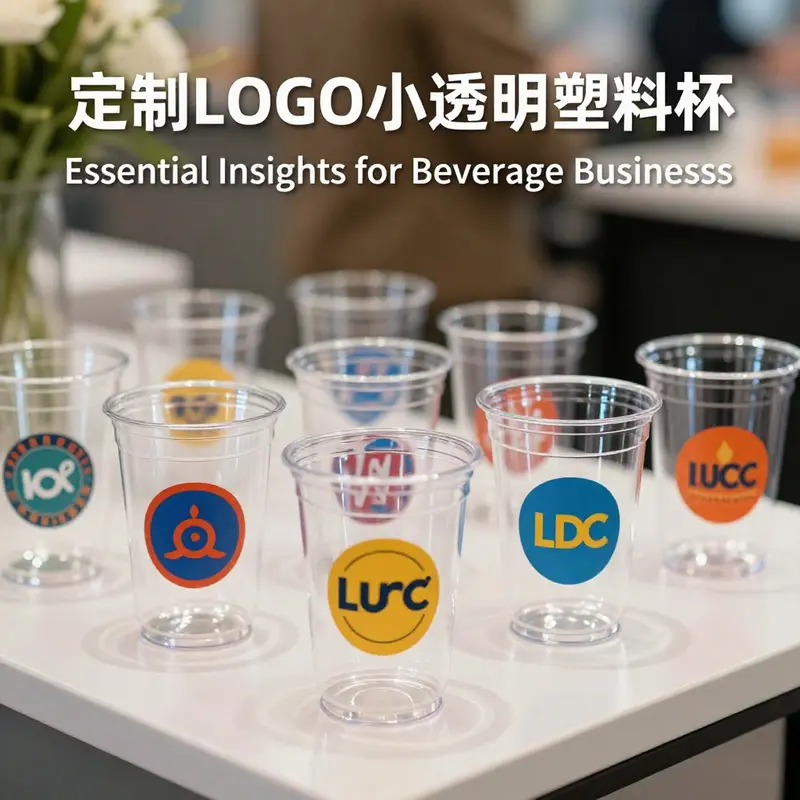
当企业将品牌理念投射到日常生活的场景中,透明的九盎司杯成为一个小型的舞台,承载品牌故事、情感传递与实用价值。它不仅是餐饮器具,更是一个移动的品牌资产。无论在办公室茶水间、健身房、展会还是企业活动现场,印有LOGO的杯子都在以无声的方式讲述品牌语言,成为品牌的延展触点。杯身的可视性、日常的接触频次以及设计的可塑性,让品牌信息以高频曝光转化为使用体验的情感联结。
其次是高频率使用与持续曝光。容量恰到好处,便于携带与日常使用,工作日的咖啡时光、健身后的饮品时刻、路上随手杯等场景都可能重复看到杯身上的品牌信息。这种跨场景的重复远比一次性广告更具记忆点,推动长期传播中的稳定品牌印象。
其次是性价比与低成本获客。尽管杯子是一次性用品,但在数周数月的实际使用中持续暴露。单位成本若在几毛到一两元区间,按日曝光来看,广告投放的单位成本远低于许多传统媒介。企业可以用有限的预算实现跨场景覆盖,从而在新客户获取与现有客户维系的领域获得广度与深度的回报。
第三,实用性与情感连接的结合使杯子成为受赠与回馈的理想载体。杯身的简约设计让LOGO、品牌口号和视觉元素能够清晰呈现,适合作为员工福利、活动纪念、展会礼品或客户拜访的随手赠品。它传递出企业对细节的关注与对使用者的关爱,潜移默化地产生信任与好感。
环保理念:杯子可重复使用或回收,搭配可持续包装的传播点,帮助企业在ESG导向的市场中提升品牌认同。
灵活性与传播效果:杯身印刷工艺多样,丝印、热转印或高精度图形处理都能在不同场景中保持信息清晰。不论是一体化的全彩设计还是简约单色,都能传达不同的定位与情感色彩。
定价与采购:起订量通常较高,批量生产降低单位成本。基础款往往比高耐用或高端工艺款更便宜。小批量项目可通过试单、免费打样等方式验证视觉效果;订单量上升时单位价格下降,谈判焦点多在量级、工艺与交付时间。
从采购流程看,建立需求清单与评估矩阵非常关键。确定容量、盖子设计、印刷区域、颜色匹配、材料认证、食品安全标准及交付周期。对活动或新品发布等时间敏感节点,缩短样品确认与批量生产周期尤为重要。
最终价值:九盎司定制杯并非单纯物品购买,而是品牌资产投资。低门槛实现高曝光,实际使用体验增强信任,通过工艺选择实现从经济实惠到高端定制的多元定位。
外部参考与案例有助于理解市场定价与材料合规。若需要获取样品与报价信息,请直接联系供应商并对比不同的样品质量、印刷效果、耐用性与客服响应。
Crystal Clarity, Brand Signal: Navigating the Craft, Cost, and Market Position of Small Transparent Cups
The demand for small clear plastic cups sits at a curious crossroads where visible presentation meets practical economy. In markets that color consumer perception with first impressions, a cup is more than a vessel; it is a frame that makes a drink, a dessert, or a sample look intentional, fresh, and trustworthy. Behind the glimmer of a transparent cup lies a web of material science, manufacturing discipline, and strategic market positioning. A close reading of the current quotes and configurations reveals three dominant tiers that buyers navigate: a basic 5-ounce cup designed for everyday use and casual service, a mid-range 9-ounce cup tailored for branding and promotional activities, and a high-end, reinforced transparent cup intended for premium experiences and longer-term value. Each tier embodies a different balance of clarity, resilience, heat tolerance, and cost, yet all share a common thread: the quest to align form and function with the expectations of a customer who notices the cup before they notice the drink.
The basic 5-ounce option is the workhorse of the category. It leverages a food-grade polypropylene base to deliver a lightweight, stackable solution that keeps costs predictable while serving a large volume of small servings, from desserts to dressings and bite-sized samples. The essence of this tier is efficiency: high turnover, simple handling, and a price that sits within reach for everyday office use, catering events, and small-scale gatherings. The quoted price range in domestic wholesale markets underscores a pragmatic approach to procurement: a per-pack cost that can dip with volume and can be even more favorable with modest promotional incentives. For buyers managing tight budgets, this tier offers an uncomplicated path to consistent service. The relevant data show that 200 pieces per package is a common packaging unit, a standard that extends the ease of inventory management and restocking for on-site servers, breakrooms, and pop-up counters. Online marketplaces reflect a broader, more flexible sourcing habit, with small orders supported and the potential for gradually improved unit costs as procurement scales from tens to dozens of packages. In practice, the decision to lock in larger purchase volumes—potentially ten packs at a time or more—translates into meaningful unit-cost reductions and steadier supply, a simple arithmetic of volume driving value. The basic cup remains a practical baseline for operators who measure cost per serving rather than upfront design attention, and it anchors the overall market by establishing a floor price and a predictable, reliable experience for routine use.
Moving up, the mid-range, 9-ounce cup introduces a different calculus. It expands the practical capacity and the surface area available to accommodate branding, logos, and event messaging. This tier often features a strawless sip lid and the possibility of logo imprinting, a combination that converts a simple vessel into a mobile marketing asset. The capacity increase from 5 to 9 ounces broadens the menu of beverages and semi-solid offerings that can be presented with polish, from branded lemonade to specialty teas and guided tasting flights. Price quotes for this tier reveal a layering of value: the per-set cost reflects not only the raw material and manufacturing outlay but also the added service envelope—logo application, design assistance, and the option for samples or proofs. In many supplier ecosystems, small-batch runs in the hundreds of sets unlock a favorable price corridor while preserving the flexibility needed for seasonal campaigns or limited-time promotions. For event planners and marketing teams, the 9-ounce format becomes a strategic instrument: it offers a more prominent canvas for visual identity, a tangible connection to event branding, and a sense of premium presence without straying into the territory of luxury price tags.
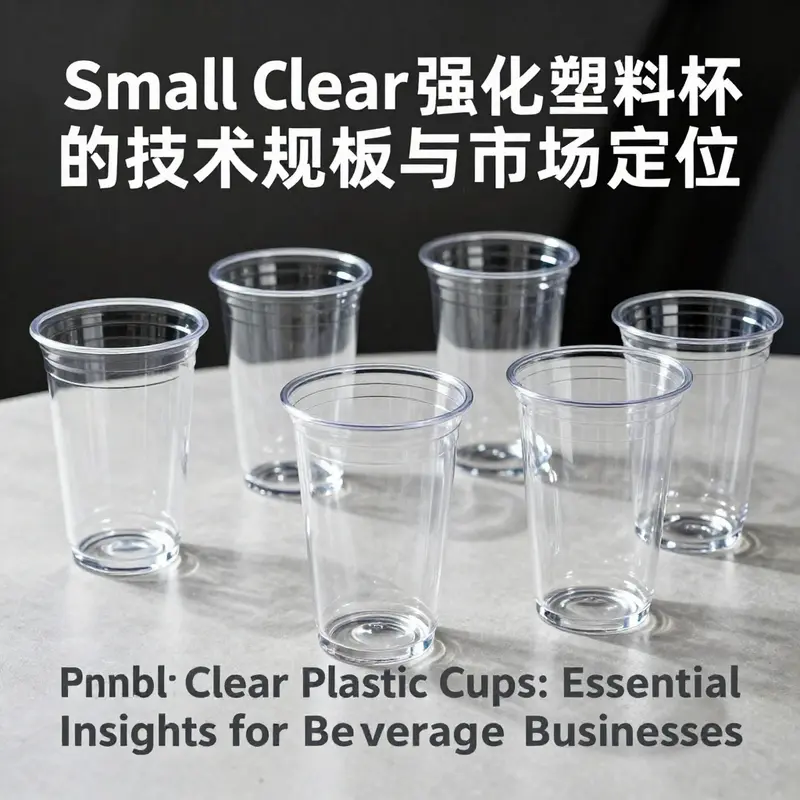
The high-end transparent cup category represents the most explicit convergence of material science excellence, design finesse, and brand storytelling. These cups are crafted from advanced transparent resins and reinforced polymer systems designed to resist impact and accommodate varied temperatures, including hot fills and cold beverages. The standout features here are clarity, durability, and the ability to reuse in certain contexts, alongside a broader range of application possibilities, from refined coffee service to boutique beverage tasting experiences and premium gift packaging. This tier is not simply about transparency; it is about tactile and visual assurance—an impression of quality that aligns with elevated consumer expectations. The price architecture of high-end cups mirrors the premium positioning: higher per-unit costs justified by superior optical properties, enhanced heat resistance, and robust mechanical performance. In wholesale terms, volumes in the thousands begin to soften the unit price, but the overall cost remains a consideration for buyers who weigh long-term value against short-term spend. The premium segment also embraces a broader conversation about safety standards, with materials meeting stringent food-contact criteria and often carrying certifications that reassure buyers who anticipate exposure to heat or repeated handling in busy service environments.
In analyzing these tiers, it becomes clear that the market does not revolve solely around beverage containment. It orbits around perception and purpose. The basic cup delivers reliability and economy, a foundation that supports large-volume service, quick turnover, and simple supply chains. The mid-range cup acts as a bridge between practicality and presence, translating brand cues into tangible, portable signage. It captures attention without shouting, enabling a cohesive marketing moment that accompanies social gatherings, sample events, and store promotions. The high-end cup, by contrast, elevates the moment from service to experience—a small luxury that reinforces brand values, enhances consumer ritual, and creates a tangible memory associated with a moment of indulgence or discovery. The value proposition across the spectrum hinges on a careful coupling of material performance with design intent, so that the cup’s clarity does not come at the expense of reliability, and its gloss does not mask concerns about safety or environmental impact.
From a materials science perspective, the thread weaving through all three tiers is the balance of clarity, heat tolerance, and stiffness. The base material—food-grade PP in many of these cases—offers a reliable, cost-effective solution with adequate clarity for most consumer-facing contexts. But the demands of modern service environments push suppliers to explore higher-grade resins or reinforced formulations that push optical clarity while maintaining or improving resistance to deformation under heat. In high-end offerings, the use of advanced transparent resins and multi-layer constructions creates a cup that can resist micro-cracking, maintain shape when exposed to hot liquids, and preserve a pristine, museum-like transparency even after repeated handling. It is a quiet triumph of engineering: a cup that looks nearly flawless under the glare of store lighting yet remains practical in a bustling cafe line or a crowded festival stand. The trade-offs in this space are nuanced—more robust materials typically command higher prices and may call for longer lead times, more precise manufacturing controls, and careful quality assurance. Buyers who operate in the premium segment often accept these trade-offs in exchange for a perceptible uplift in consumer experience.
The market positioning of these cups is inseparable from their intended contexts. The basic 5-ounce option thrives where efficiency and price dominate—the break room, the break-even point of casual catering, the fast-service counter. It provides a predictable unit economics backbone for vendors who rely on high-volume sales and quick replenishment cycles. The 9-ounce, with its branding potential, suits promotions that require a visible footprint and a memorable impression without pushing into luxury price territory. It becomes a practical canvas for event sponsors, retail tastings, and corporate gatherings where brand differentiation matters but budget remains a concern. Then there is the premium tier, which finds its audience in hospitality-forward settings, boutique outlets, and experiential marketing campaigns where consumers are invited to linger a moment longer over the presentation. The premium cup’s story extends beyond the beverage; it signals a commitment to quality and a curated experience, and it invites consumers to assign value to the moment because the vessel itself embodies that value.
Procurement decisions in this market are shaped by several cross-cutting considerations that extend beyond sticker price. First, there is the straightforward arithmetic of cost per unit relative to expected consumption. A higher upfront cost can be justified if a cup supports higher perceived quality, reduces breakage, or enhances the consumer’s sensory experience, thereby supporting higher price points for the beverage itself. Second, supply chain resilience enters the equation. Operators depend on consistent availability, predictable lead times, and reliable defect rates. Any disruption in the supply of a popular cup size or style can ripple through an operation, affecting menu consistency and customer satisfaction. Third, the design and customization suite becomes a strategic asset for brands seeking to differentiate in crowded spaces. A logo that breathes onto a cup or a cap with a branded lid may transform a routine purchase into a sharable moment on social media, underscoring that the cup is a conduit for brand storytelling as much as a container for liquid or dessert. The interplay among these factors—cost, reliability, design potential—defines how a restaurant, retailer, or event organizer negotiates the market, negotiates with suppliers, and ultimately chooses the right form of transparency for a given moment in time.
Yet even as tiers clarify the choices, emerging consumer expectations are shaping both form and function. Consumers increasingly equate visual clarity with confidence in safety and quality. They expect a cup to convey cleanliness, to keep contents crisp in appearance, and to resist deformation when poured hot or held for a while during a tasting session. In response, manufacturers are refining surface finishes, optimizing wall thickness, and exploring coatings or treatments that maintain clarity while reducing fogging or residue buildup. These advances matter most when brands choose to invest in the mid-range or premium cups, where the visual narrative of a beverage is part of the sensory package. The possibility of custom printing, relief textures, and color accents can create a memorable, differentiated product that travels beyond the store shelf and into the consumer’s memory as a positive cue for brand affinity.
From a strategy standpoint, buyers should approach the market with a clear sense of use-case, audience, and service model. If the aim is to maximize throughput and minimize waste, the basic 5-ounce cup often provides the most efficient route, balancing cost with performance for everyday service. If the objective is to elevate the brand during a marketing push or a special event, the 9-ounce logo cup offers a more compelling platform for storytelling without sacrificing practicality. For campaigns that hinge on the perception of luxury, or for brands that want to position themselves as ambassadors of quality, the high-end reinforced cup presents a visible commitment to durability and elegance, even in a disposable format. The pricing signals embedded in each tier—per pack, per set, and per piece at different volume thresholds—are not merely numbers; they encode a strategic posture about what the brand is willing to stand for in the eyes of the consumer.
In pursuit of precise, actionable insights, buyers can leverage the quoted ranges as anchors in negotiations, calibrating expectations with suppliers about lead times, minimum order quantities, and the availability of design services or samples. For those seeking a balance between branding impact and cost control, collaborations on design proofs and sample runs can be a valuable investment, limiting the risk of costly misprints or misalignments between the brand’s identity and the cup’s surface. The market’s trajectory suggests a persistent demand for clarity—literally and figuratively—as consumers respond to products that present themselves with a sense of care and integrity. As brands push for differentiation, the space between basic utility and premium storytelling narrows, with each tier reinforcing the others in a cohesive ecosystem of packaging and presentation.
In this evolving landscape, the practical question remains: how should a buyer translate quotes into a coherent purchasing decision? The answer lies in a disciplined assessment of the product’s role in the customer journey. If a shop’s identity is defined by quick service and value, a steady supply of basic 5-ounce cups at a favorable unit price will preserve margins and ensure smooth operations. If the business model leans on experiential marketing or hospitality-grade service, the mid-range 9-ounce option, with its branding potential and user-friendly lid, can deliver a measurable lift in engagement and perceived quality. If a brand aspires to be remembered for refinement and lasting impression, the high-end reinforced cup, despite its higher price, can create a premium touchpoint that justifies elevated price points for beverages and desserts alike. Across all tiers, the underlying component is a clear alignment between product capability and the customer’s strategic intent. The goal is to craft a packaging narrative that respects the beverage or dessert’s character while honoring the customer’s expectations for safety, usability, and aesthetic pleasure.
For readers who wish to explore further the broader market dynamics and future directions of plastic cup packaging, a well-rounded reference that examines global and national status and development trends can offer valuable context. This external resource frames the competitive landscape, regulatory considerations, and consumer expectations that shape supplier offerings and buyer strategies. External resource: industry study on plastic cup market status and development trends 2026
Within this landscape, brands and buyers can also consider internal collaboration as a driver of value. For those who want to balance sustainability with branding and performance, integrating eco-friendly packaging discussions into the cup program can unlock new avenues for differentiation. A representative internal resource that explores eco-friendly, logo-printed paper cups with lids demonstrates how suppliers can support branding while delivering product performance suited for cold and warm beverages. The option to integrate logo printing and lid customization on a paper cup can provide a useful contrast to the transparent cup strategy, helping teams delineate when a paper-based solution might be preferable for certain campaigns or environmental goals. This internal link invites readers to consider a broader packaging strategy that balances transparency with sustainability, branding, and user experience. Eco-friendly printed-logo paper ice-cream cups with lid
The conversation about small transparent cups is, at its core, a conversation about clarity—not only the material’s optical clarity but the clarity of a brand’s intent when it reaches a consumer. The three-tier framework discussed here provides a practical map for decision-makers who must reconcile cost control with market expectations and product performance. The pursuit of crystal clarity is both a technical and a strategic endeavor: a commitment to objects that look pristine in a lunchroom or at a tasting, while embodying a set of values—safety, reliability, branding, and environmental responsibility—that resonate with today’s consumers. As the market continues to evolve, buyers who marry rigorous technical evaluation with thoughtful brand storytelling will be best positioned to convert a simple cup into a meaningful moment in the consumer journey, a small but telling piece of a larger, human-centered experience.
Final thoughts
Making the right choice in plastic cups can significantly impact the way beverages are served and perceived by customers. From the cost-effective standard options to custom-branded solutions and high-end variants, there’s a perfect cup for every occasion. By understanding the features, benefits, and market prices of these small clear plastic cups, businesses can better position themselves to meet customer demands and enhance their service experience. Investing in quality disposable tableware not only improves operational efficiency but also leaves a lasting impression on patrons.