
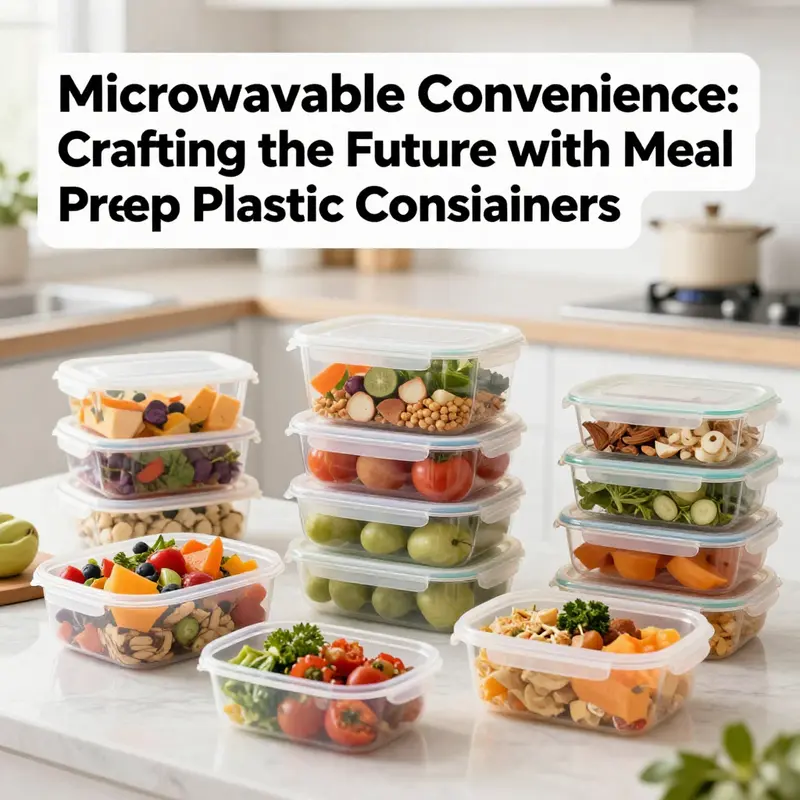
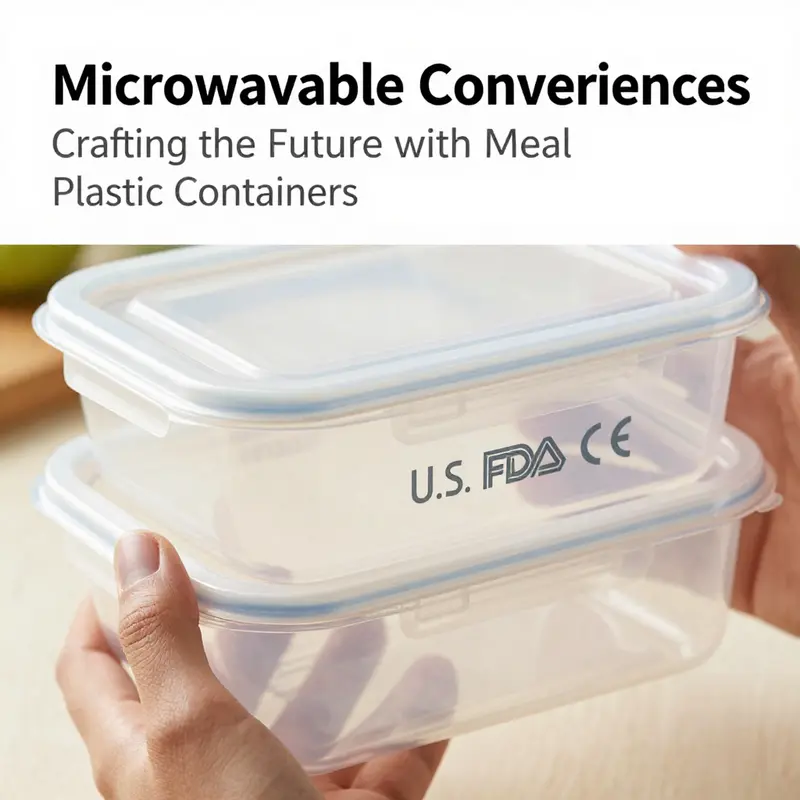
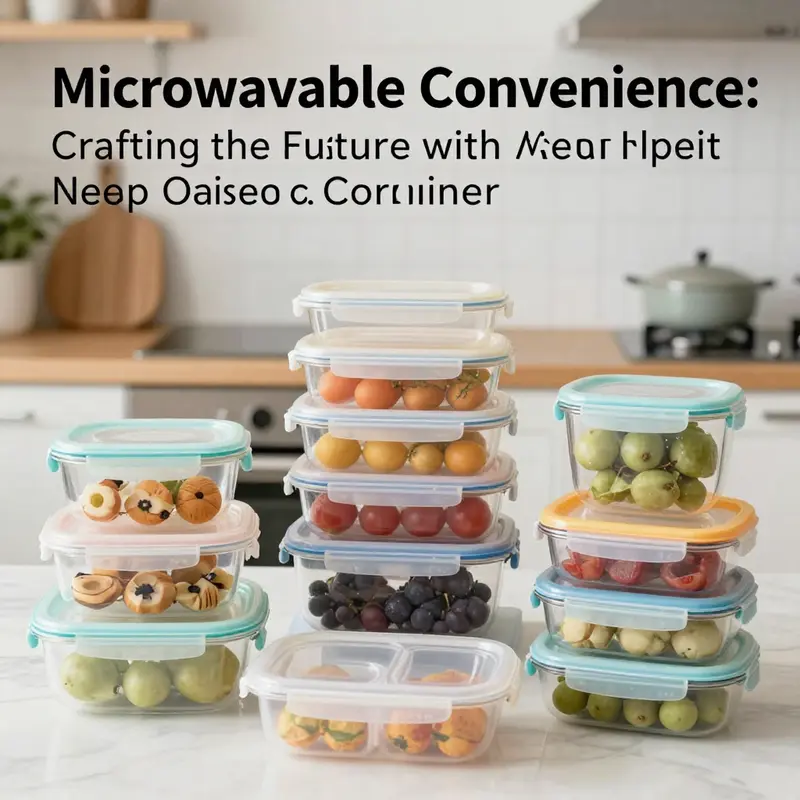
In the thriving sectors of bubble tea shops, restaurants, food trucks, catering services, and corporate procurement, maximizing efficiency and convenience is key to success. Meal prep plastic microwavable food containers have emerged as essential tools that not only streamline meal preparation but also enhance food safety and storage solutions. This article delves into material safety standards to ensure consumer confidence, the innovative design features that cater to varied food needs, the environmental impacts involved in their use, and the market trends highlighting consumer preferences for these practical containers. Each chapter provides valuable insights crucial for businesses looking to elevate their meal service experience while adhering to safety and sustainability.
null
null
null
null
The Hidden Footprint of Microwaveable Plastic Meal-Prep Containers: Convenience, Contamination, and a Path to Safer Substitutes
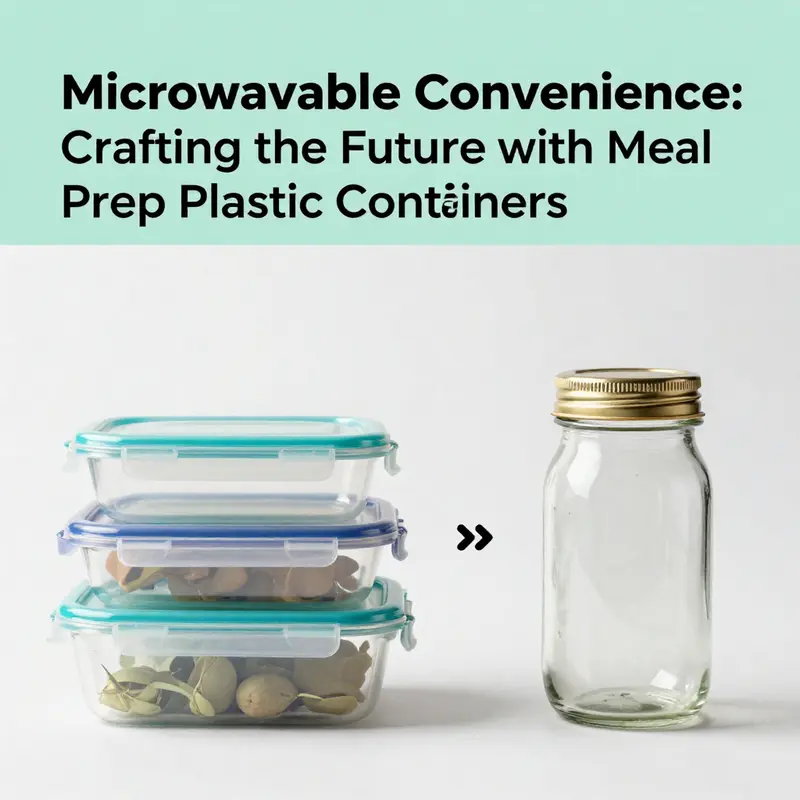
The appeal of meal prep containers lies in convenience and predictable reheating. Plastic, especially polypropylene (PP) used in many microwavable solutions, is the workhorse of this system. These containers are marketed as microwave-safe and affordable, often certified for food contact safety. In practice, this convenience sits atop a lifecycle that begins with fossil fuels, moves through energy intensive manufacturing, and ends in waste streams that challenge ecosystems and communities. The environmental footprint is layered and evolving, touching energy use, emissions, waste management, and food safety considerations.
The material story matters. PP is labeled microwave safe and recyclable in many places, but in practice contamination often pushes streams toward landfill or downcycling. Sorting improves, yet the rate of plastics re-entering high-value recycling loops remains imperfect. The energy and material throughput involved can erode the perceived environmental benefit. Recycling is not condemned, but reality is uneven, and missteps are costly.
End-of-life and health considerations extend beyond the kitchen. Plastic production relies on fossil fuels with greenhouse gas emissions and resource extraction impacts. When containers reach oceans and waterways they shed microplastics that persist for centuries, affecting ecosystems and potentially the food chain. Certifications like BPA-free do not automatically guarantee risk-free products, especially after repeated heating or aggressive washing.
Durability and reuse sit at the heart of sustainability. Fewer disposables mean less waste, but wear on seals and containers can accelerate with microwaving. Scratches create spaces for residues, and heat or detergents can alter surface properties. The longer a container lasts without degrading, the lower the per-use environmental cost, but durability erodes over time.
Alternatives such as glass and stainless steel offer trade-offs. Glass is chemically inert and often infinitely recyclable but heavier and more fragile. Stainless steel is durable and non-reactive but not always microwave compatible. The most sustainable path blends long-term reuse with non-plastic options where feasible.
Practical steps: plan meals to minimize leftovers, choose durable containers, keep surfaces clean to facilitate proper recycling, and follow end-of-life guidance to improve recyclability. In some cases plant-based packaging like sugarcane bagasse offers lower life-cycle emissions while still supporting reheating needs. The goal is a kitchen culture that preserves convenience while reducing environmental impact through durable design, responsible disposal, and informed consumer choices.
The broader context includes policy, industry practice, and public perception. Waste management challenges, energy demands of sorting, and regulatory definitions of recyclability shape what counts as acceptable for food contact. Consumers influence markets through choices anchored in price and principles, encouraging manufacturers to innovate toward longer-lasting, lower-pollution packaging.
In summary, plastic microwavable meal-prep containers deliver convenience but require a balanced response. By embracing durable, reusable options where feasible, prioritizing non-plastic alternatives when possible, and supporting robust recycling infrastructure, households can align daily routines with a more sustainable horizon. The path forward is not rejection of convenience, but a reconfiguration that honors health and habitat and invites ongoing innovation.
null
null
Final thoughts
Understanding the dynamics behind meal prep plastic microwavable food containers allows businesses in the food industry to optimize service while ensuring safety and appealing to environmentally conscious consumers. By leveraging certified materials, innovative designs, a consideration of environmental impacts, and staying attuned to market trends, establishments can enhance their offerings significantly. The ability to prepare, store, and serve meals conveniently not only meets operational demands but also aligns with consumer expectations for quality and efficiency.