
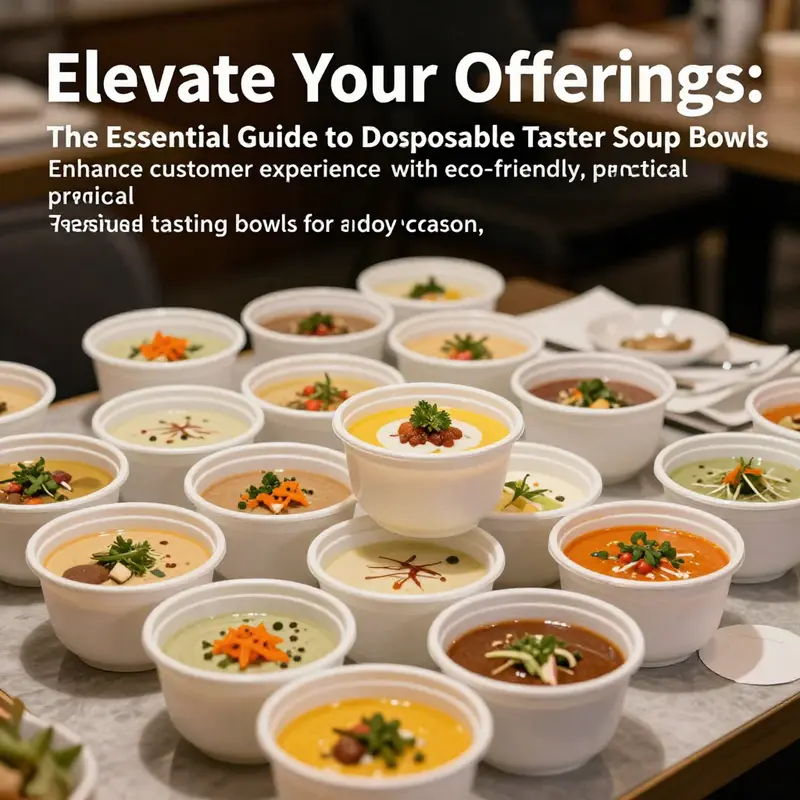
As the culinary landscape continues to evolve, the demand for innovative serving solutions grows, especially within bubble tea shops, restaurants, food trucks, and catering services. One standout product transforming the way tastings are conducted is the disposable taster soup bowl. These bowls aren’t just about convenience; they serve various purposes from facilitating sampling at events to enhancing the presentation of beverages and savory delights. Throughout this guide, we will explore the types and uses of these bowls, delve into material choices, highlight their key features, discuss procurement strategies, and recommend reliable purchasing avenues to help you optimize your offerings.
Choosing the Right Vessel: How Material, Design, and Purpose Shape the Experience of Disposable Taster Soup Bowls
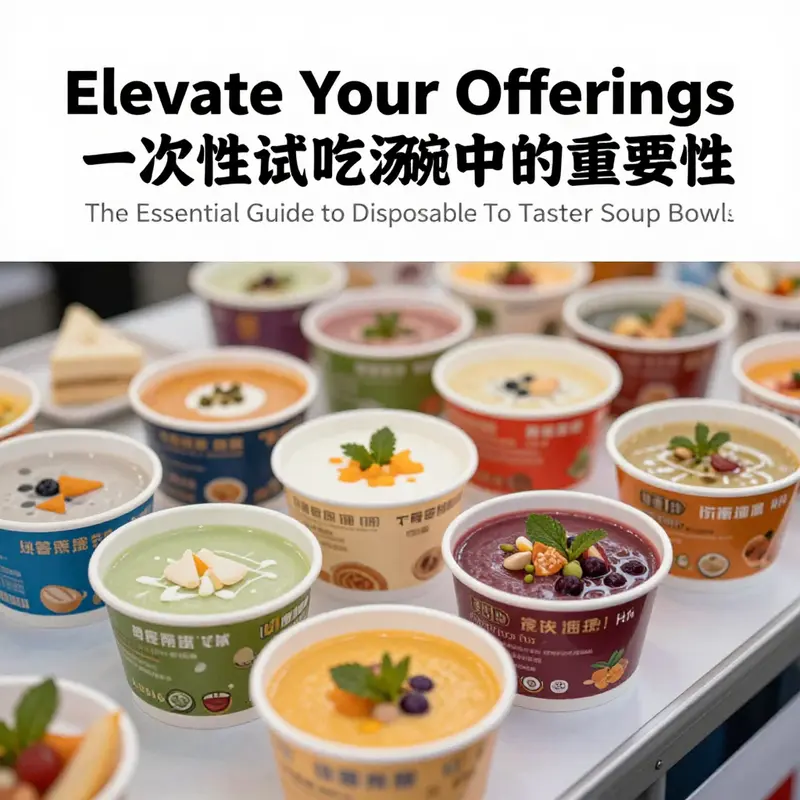
A taster event is a dialogue between taste and presentation, a moment when a sip or a spoonful must carry not only warmth but also clarity, safety, and a sense of possibility. In this space, the disposable taster soup bowl is more than a container; it is a carefully chosen tool that can accelerate service, reinforce a brand story, and safeguard consumer trust. The choices behind these small vessels—material, capacity, lids, and even the way they are printed—reverberate through the entire tasting experience. When a chef or product promoter designs a sampling moment, the goal is to create a seamless, efficient, and inviting flow from the moment the guest receives the sample to the moment they move on with a lingering impression. The right bowl serves as the first, most tangible signal that the tasting environment is thoughtful, hygienic, and aligned with guest expectations.
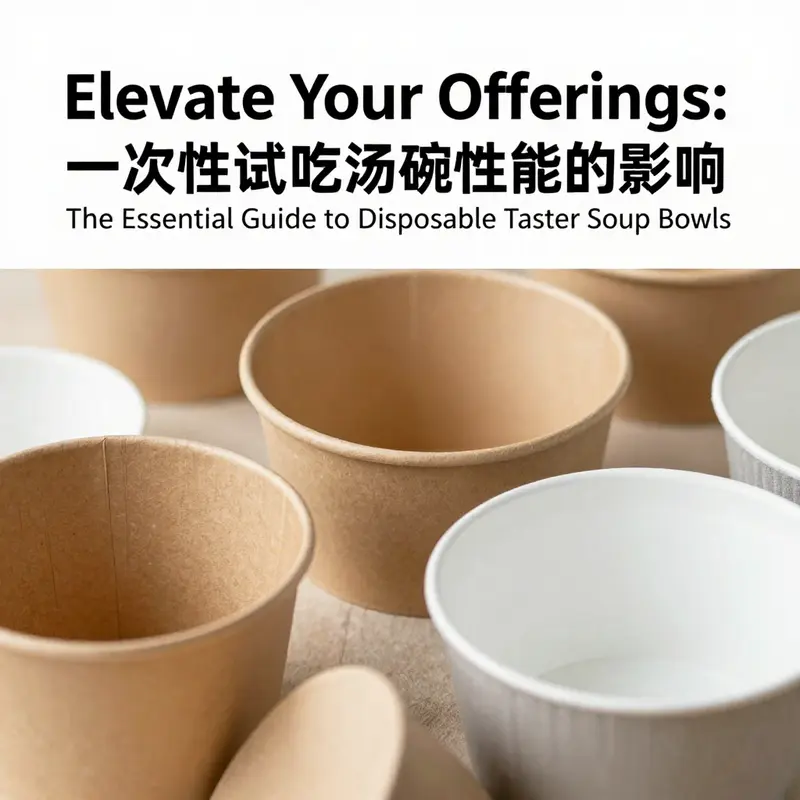
Material is the most consequential axis of this decision. At first glance, a disposable soup bowl seems simple: a cup, a top, perhaps a lid. But the material determines how heat travels, how aroma disperses, and how easily a staff member can handle the sample under pressure. Paper pulp or kraft-based bowls, often lined with a waterproof coating, are a popular choice for many tasting contexts. They carry the resonance of sustainability—renewable resources, compostability options in industrial facilities, and the ability to print brand messages or event-oriented graphics with relative ease. The look and feel of these bowls can echo the event’s tone, from a clean, minimalist aesthetic to a more rustic or artisanal vibe. The interior coating also matters; it must resist moisture and oil so that sauces or dense consumes dont seep through or cause leakage during handoffs. The practical benefit is clear: staff can plate, seal, and serve without interruption, which preserves temperature and presentation, while guests experience consistent portion sizes.
Bioplastics and compostable materials add another layer to the decision matrix. Corn-starch-based bowls, for instance, embody a strong environmental narrative. They offer biodegradability under industrial composting conditions, helping organizers showcase a commitment to waste reduction. Yet these materials also carry caveats. Their performance during hot service can vary, and not all facilities are equipped to compost them industrially. In some environments, a corn-starch bowl may be perfectly adequate for warm but not scalding soups or for samples that are served at a comfortable temperature momentarily. The key is to align material choice with the event’s infrastructure and end-of-life plans. This alignment reduces the risk of confusion at disposal points and enhances the overall sustainability story that the event is trying to tell.
Polypropylene, a robust polymer used in some higher-temperature applications, demonstrates another dimension of capability. Bowls made from PP can withstand hot liquids and even light microwaving, enabling more flexible sampling formats where the same vessel may be used to present a hot tasting sample and later served in a cold one. The trade-off often comes in the form of weight, opacity, and cost, but when temperature control and resilience are priorities, PP becomes a compelling option. In contrast, polystyrene, while lightweight and clear, presents safety concerns with very hot contents and is generally less favored for samples expected to be heated or freshly prepared. It is more suited to cold tastings or decorative presentations where temperature is less critical. The subtle—but real—difference between these materials is not merely numerical; it influences staff training, the guest’s tactile experience, and the rate at which samples can be distributed in a crowded booth or bustling event space.
Capacity is another critical thread that ties directly to the guest experience and operational efficiency. The most common sizes—roughly 230 milliliters (8 ounces) up to 500 milliliters—reflect a design compromise between portion control, aroma retention, and the practicalities of line management. A small 230-milliliter bowl might be ideal for a rapid tasting at a crowded tradeshow, allowing guests to sample multiple flavors without feeling overwhelmed. A larger 350-500 milliliter bowl can serve as a more indulgent tasting option, suitable for richer broths or promotional mini-versions of a signature dish. The capacity interacts with temperature dynamics: smaller volumes tend to stay hotter longer, while larger volumes may cool more quickly in outdoor or drafty environments. For organizers, this means selecting a size not only by the amount of product being offered but also by how guests will experience the taste, aroma, and texture in the tasting moment.
Lids and sealing mechanisms further shape the guest experience by safeguarding aroma, temperature, and spill prevention. A well-sealed lid reduces leakage during transit, protects against dust in open environments, and supports the integrity of the tasting sequence by ensuring that heat is preserved right up to the moment of the first sip. The presence of a lid also lends itself to a branded, premium impression, particularly when printed with a logo or message. But lids add considerations: the ease of removal, the potential for double handling, and the need to maintain a clean, food-safe surface during the handoff. These design nuances—how easy the lid is to remove, whether a dipping sauce or garnish can be added without creating mess, and how the lid interacts with the bowl’s rim—are not mere details; they influence how quickly staff can service guests and how guests perceive the efficiency and quality of the tasting moment.
Branding and aesthetics are inseparable from function. Flexo printing, for example, enables brands to imprint logos, promotional messages, or decorative motifs directly onto the exterior or interior of the bowl. The impression is not simply about advertising; it reinforces the tasting event’s identity and provides a touchpoint that guests can remember long after the sample has been consumed. The visual language—color, typography, imagery—works with the material’s texture to create a perceived value that can elevate a modest tasting into a moment of discovery. A well-executed design communicates care, professionalism, and a commitment to guest experience, which in turn supports stronger brand recall and higher attendee engagement. It is also worth noting that some events favor more understated, natural aesthetics that align with sustainability narratives, while others lean toward sleek, high-end finishes that echo a premium tasting program. The material choice, print capability, and finish interact to deliver the chosen ambiance.
Sustainability and safety considerations emerge as governing principles for every decision. Consumers and regulators alike increasingly expect that disposable dining products avoid harmful substances and align with broader environmental objectives. BPA-free formulations are now a baseline expectation, particularly in contexts involving children or health-focused brands. Third-party testing and certifications provide a bridge of trust between producers and event organizers, ensuring that migration limits and heavy metals do not pose risks during sampling. The overarching aim is to offer a dependable, safe, and responsible tasting experience that does not compromise the guest’s health or the event’s credibility. The decision to use a particular material, therefore, is never isolated from these safety and environmental considerations; it becomes part of a broader narrative about how a brand treats guests and the planet.
Procurement and supply dynamics influence what is practically achievable in most real-world settings. For organizers planning large-scale tastings, minimum order quantities can shape the feasibility of choosing certain materials or customizations. Some suppliers are optimized for mass production and can offer significant cost advantages at higher volumes, which supports events that require uniformity across thousands of samples. Lead times of one to two weeks are common for standard orders, with expedited options available for urgent campaigns. The price spectrum reflects material choices, printing, and tiered quantities: paper-based bowls with basic branding tend to be more affordable, while bioplastics and premium finishes command higher per-unit costs. For events seeking to balance guest experience with sustainability, the investment in a higher-quality, well-sealed bowl can yield dividends in perceived value and waste management efficiency.
The process of selecting the right disposable taster soup bowl is, at its core, a balancing act. It requires aligning the culinary brief with the event’s logistics, the environmental commitments, and the guest’s sensory expectations. A tasting plan that considers the temperature of the sample, the tempo of service, and the disposal workflow at the venue is more likely to deliver a smooth, memorable experience. In practice, this means choosing a vessel that preserves aroma and heat without compromising safety, while also supporting a brand narrative that resonates with attendees. It means thinking through how the bowl’s surface will carry branding without overwhelming the tasting moment, how the lid design can minimize spillage yet remain easy to access, and how the chosen material aligns with the event’s sustainability goals and the venue’s waste processing capabilities.
The dialogue between form and function continues as ideas move from concept to execution. A host may favor a sturdy, heat-retaining kraft-based bowl for an indoor product showcase, paired with subtle branding that evokes craftsmanship and care. For an outdoor food fair centered on eco-conscious storytelling, a corn-starch or other compostable option may better reflect the event’s environmental commitments, even if it means planning for a different disposal pathway. In all cases, the objective remains constant: to empower guests to experience the sample with clarity, warmth, and confidence in the safety of what they consume. The vessel should disappear in use, letting the tasting itself shine while providing a consistent, reliable service framework for staff to execute quickly and efficiently.
For readers seeking a concrete example of how a generic, well-designed vessel can support a tasting program, consider the practical option of a generic kraft paper octagonal bowl with a lid. This design embodies a balance of durability, printability, and environmental compatibility, offering a reliable platform for a brand’s tasting narrative without imposing a heavy commercial identity that might distract from the sample itself. It illustrates how material selection, lid functionality, and visual presentation can converge to elevate a simple sampling moment into a well-orchestrated gastronomic interaction. Such choices are not about fixed trends; they are about building the right kind of atmosphere for each event, anchored in safety, practicality, and sustainability.
As events continue to evolve, the conversation around disposable taster soup bowls remains one of continual refinement. Organizers increasingly expect a cohesive alignment between the tasting experience and broader sustainability and safety standards. The best practice is to view the bowl not as a disposable afterthought but as a carefully engineered component of the guest journey, one that supports efficiency for staff and delight for guests. The decision process—whether prioritizing heat retention, leakage prevention, branding opportunities, or end-of-life considerations—should be transparent and deliberate. By choosing materials and designs that harmonize with the tasting context, organizers can deliver more than a sample; they deliver a considerate moment that reinforces trust, prompts conversation, and invites guests to engage further with the brand story.
To ground this discussion in the wider regulatory and safety framework, consider official guidelines that shape permissible materials and use. For those who want to explore the foundational standards governing disposable food-contact items, an authoritative reference is available from the national regulatory authority. It provides guidance on material classifications, safety considerations, and the boundaries of acceptable use for consumer-ready products. This resource supports informed decision-making for event planners, suppliers, and kitchen teams alike, helping ensure that the tasting program remains compliant while delivering a superior guest experience. https://www.samr.gov.cn/zw/zfxxgk/gzdt/202303/t20230302_364895.html
Internal reference. For readers seeking a concrete supplier example related to safe, eco-friendly, and design-conscious paper-based bowls that can be customized with branding, see the following example page focusing on kraft-paper bowls designed for disposable use with lids, available at the link below: https://cupbowlpack.com/product/senang-kraft-paper-octagonal-bowl-1200ml-waterproof-eco-friendly-disposable-salad-bowl-for-snack-cookie-warm-cold-food-pet-lid/ This page illustrates how a generic, sustainable vessel can be tailored to a tasting program without compromising on safety or presentation.
In summary, the choice of a disposable taster soup bowl is a strategic decision with implications that reach far beyond a single serving. It is a vehicle for temperature control, ease of service, and brand storytelling, tied together by a fabric of safety standards and environmental responsibility. The most effective selections emerge when organizers integrate culinary goals with practical realities—ensuring that every sample is served in a vessel that respects guests, staff, and the planet alike.
材质选择如何决定一次性试吃汤碗的性能与体验
最后,关于可获取的资源与参考,企业在进行材料筛选时应关注全球性标准与认证体系,以确保在不同市场的合规性与可追溯性。对扩展阅读有兴趣的读者,可以参考全球性认证机构的公开信息,了解森林认证、堆肥认证及回收标准等方面的具体要求。外部参考资源: https://www.fsc.org
Sips in the Small: Designing the Perfect Disposable Taster Soup Bowl for Flavor Experience
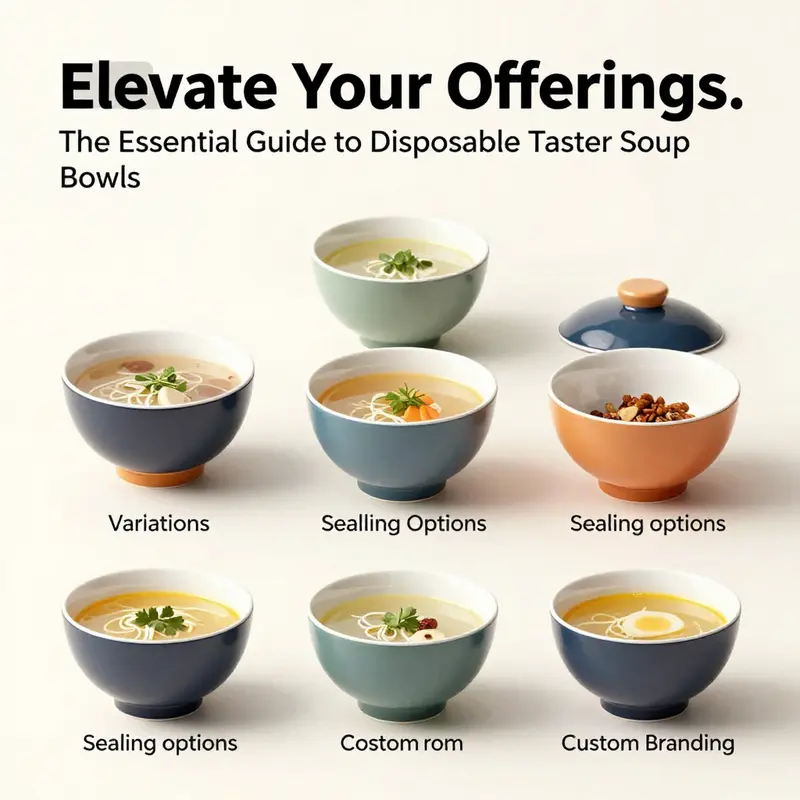
When a crowd gathers around a tasting station, the first sensory cue often comes from the vessel that delivers the sample. A disposable taster soup bowl is more than a container; it is an engineered interface between food and guest. It must cradle warmth without overwhelming the senses, present color and texture without distortion, and do so with reliability that professionals rely on during crowded events, pop up showcases, or rapid fire product launches. In these moments the bowl should vanish in the sense of not drawing attention to itself, but by becoming a seamless conduit through which the guest experiences the food. This requires a design that blends precise capacity with robust material choices, a wall system that respects heat and moisture, and a manufacturing approach that scales without compromising safety or sustainability. It also demands a footprint in the supply chain that aligns with brands seeking to elevate the tasting moment without sacrificing efficiency or price. Capacity and size sit at the heart of the design. For trial portions at sampling stations, a compact volume around 110 milliliters can be ideal. This size supports a small spoonful of soup, a dab of sauce, or a tiny tasting portion that invites curiosity without creating waste. In other contexts, bowls measuring 350 to 500 milliliters offer a more substantial tasting experience, enabling chefs to showcase more complex textures or richer broths while remaining easy to handle and transport. The choice of capacity is not arbitrary; it is a statement about the pace of the event, the product being promoted, and the expectations of guests who may be sampling multiple stations in a single visit. The geometry of the bowl, with sloped sides for easy scooping, a slightly inward rim to reduce splashes, and a stable base to prevent tipping, also contributes to a calm tasting environment. In short, the size becomes a behavioral cue: it signals how much to taste, how long to linger, and how to move on to the next station without disruption. Material selection anchors safety, performance, and environmental considerations. A growing preference leans toward food grade paper fibers derived from wood pulp or kraft, sometimes reinforced with inner barriers to resist moisture and grease. The interior lining, often a minimal barrier like a polymer film, is designed to keep liquids from compromising the paper while not introducing flavors or chemicals that migrate into the sample. For those seeking a more eco conscious path, cornstarch based substrates present a fully biodegradable option, capable of industrial composting in the right facilities. In practical terms, the material choice must ensure that heat from warm samples does not soften the bowl too quickly or allow the liquid to permeate outward. An effective wall structure minimizes leakage risk during handling and allows guests to hold the bowl comfortably without feeling the heat through the surface. The focus on safety extends to avoiding fluorescent agents or plasticizers that might be found in older packaging concepts, ensuring that the tasting experience remains clean and compliant with food safety standards. The trend toward compostable and recyclable materials nudges designers toward coatings that are oil and water resistant without compromising recyclability or end-of-life options. The result is a bowl that can perform under the pressure of a busy service while staying true to the values of responsible sourcing and waste reduction. A well thought out bottom and wall thickness contribute to stability and performance. A reinforced thicker base reduces the risk of deformations when a hot sample sits inside, and it helps prevent cracking during transit from kitchen to station. This structural robustness matters most when the bowls are stacked in large quantities for easy transport or when staff must refill impatient queues. Wall thickness plays a dual role: it must be strong enough to resist tears but slim enough to maintain an affordable unit cost, especially in large-scale events. The user experience benefits as well: a stable bowl creates a sense of trust and a dependable seal where lids or covers are used assures guests that their sample will stay contained, preserving temperature and aroma for a satisfying first impression. The combination of a sturdy bottom with a well engineered sidewall delivers a predictable pleasant feel in the hand, which in turn reinforces the overall perception of quality at the tasting station. Coatings and heat management are the unseen gears that determine how a taster bowl behaves under real world conditions. Inside walls often receive a thin hydrophobic treatment that resists oil and moisture without leaving a chemical residue that could alter flavor. This is crucial when samples rely on rich broths or oil based dips, where absorption could otherwise dull the visual appeal of the product or weaken structural integrity. In some cases, the bowls are designed to be microwave safe for brief heating, enabling sample staff to present warm servings right at the point of contact. However caution is essential: not all disposable bowls tolerate microwave heating, and brand policies or regulatory guidance may dictate whether heating is permissible. The right coating strategy balances performance with safety, ensuring the vessel retains shape and temperature long enough for a safe appealing tasting experience. The end result is a product that supports both cold and warm presentations, expanding the range of tasting formats a sponsor can offer without introducing complexity at the service level. From a logistics standpoint, the allure of disposable taster bowls lies in the ease of bulk procurement and the economies of scale they enable. A typical event or market setup benefits from purchasing in large quantities, with standard packaging that reduces handling time and storage footprint. Large bulk packs simplify restocking and ensure that staff can quickly replace used samples, maintaining momentum in high traffic scenarios. This practicality translates into predictable unit costs, a stable supply chain, and a smoother event flow. In the practice of event catering and product demonstrations, the alignment of bowl size with disposable lids or seals becomes part of the branding and operations playbook. Lids that seal securely help prevent leaks when samples travel from kitchen to display, and they also address concerns about cleanliness and hygiene in crowded environments. The interplay between lid design and base integrity is a small but essential detail that can keep a tasting program on track even when demand spikes or when the setup is relocated for a new demonstration slot. Branding opportunities are not incidental but integral to the tasting experience. The surface area of disposable bowls offers a canvas for imprinting logos, slogans, and visual motifs that resonate with the guest’s moment of discovery. Flexible printing options, particularly flexo printing, allow for crisp branding on a cost effective schedule, enabling sponsors to tailor messages to different events or campaigns. The printing approach should respect the thermal and moisture challenges the bowl may encounter, ensuring legibility remains intact even after transport and exposure to steam. The branding itself is more than ornamentation; it contributes to memory, helping guests connect what they tasted with a familiar visual cue when they later recall a brand story or share feedback. When done well, the packaging and the bowl work as a single coherent branded touchpoint rather than two separate elements. Sustainability trends increasingly shape the choices around disposable tasting ware. Certifications like FSC for responsibly sourced fiber and compostability standards indicate a path toward a circular lifecycle for tasting bowls. While not every sample scenario will demand compostability, the option to select materials that are suitable for industrial composting or recycling aligns with broad eco conscious strategies used by brands seeking to reduce waste in events and promotions. Communicating these commitments at the tasting station whether through labeling signage or take home literature adds authenticity to the guest experience and differentiates the brand in a crowded market. The practical challenge remains balancing environmental goals with cost lead times and the ability to scale quickly for large campaigns. The aim is a design that delivers on quality and safety while remaining consistent with sustainability targets across procurement production and end of life management. For practitioners who are coordinating large scale sampling, procurement details matter as much as product design. Minimum order quantities, lead times, and price per piece shape the feasibility of using disposable tasting bowls in a given campaign. When volume is high, unit costs decline, enabling more generous sampling strategies without eroding margins. Conversely, smaller pilots may require negotiating shorter lead times and flexible customization without breaking budgets. The procurement journey often includes choosing between options that emphasize either cost efficiency or premium presentation, and it may involve additional considerations such as branding, packaging, and the ability to scale from a handful of events to a regional rollout. The right choice depends on the balance of experiential goals, sustainability commitments, and operational constraints, an equilibrium that turns the simple act of tasting into a meaningful, memorable engagement with the product. To illustrate how these considerations come together in practical terms, imagine an event where guests encounter a constellation of tasting stations, each offering a distinct flavor narrative. The bowls must be practical in handling, visually clean, and capable of preserving the appearance and warmth of the sample. They should remain comfortable to hold even during longer sessions, resist leakage during transport, and convey a message of thoughtful sourcing and responsible disposal. In this light, the disposable taster bowl becomes a quiet partner in storytelling, a vessel that supports the explorer’s journey from first glance to final verdict, while staying faithful to the brand’s values and the event’s logistics framework. The result is a tasting environment that feels seamless, professional, and humane in its attention to the guest experience, a place where the focus remains on flavor, not on the container that carries it. For readers seeking concrete direction on how to align design choices with an envisioned tasting experience, a practical example of supplier options can illuminate specific paths. The concept of an eco-friendly kraft-paper option with lids demonstrates how brands can balance cost with experience, offering a reliable leak-resistant solution that still communicates a commitment to sustainability. You can explore a representative option at this link: senang05-promotion-large-porridge-350ml-double-wall-eco-friendly-disposable-round-kraft-paper-soup-bowl-with-lid-cup-bucket. This example helps anchor the discussion in tangible realities while keeping the emphasis on performance and guest perception rather than on any single brand. As the industry continues to evolve toward more sustainable, efficient, and expressive tasting ware, the design narratives around disposable bowls will increasingly reflect an integrated approach that respects the guest, the environment, and the workflow of modern food experiences. External resources also point to established standards and certifications that guide responsible practice reminding practitioners that the best tasting experiences arise when every detail, from material choice to end of life, harmonizes with a clear sense of purpose. For further reliability standards, see the FSC organization’s guidance on responsible forest management and chain of custody practices.
从采购到交付:一次性试吃汤碗的供应链与采购策略解析
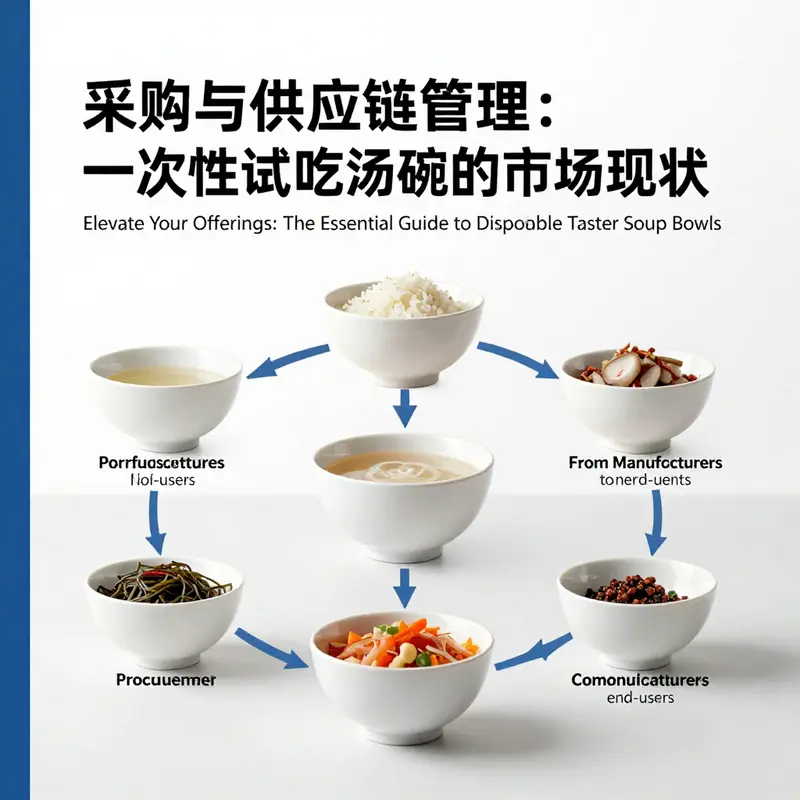
一次性试吃汤碗在餐饮、展销和活动场景中不再只是一次性用品。采购决策如今承载着卫生、安全和可持续三重目标。市场需求的持续扩大、环保材料的普及和数字化采购工具的成熟,共同重塑了供应链管理的重点。本文把采购与供应链管理置于实践视角,探讨如何在成本、交期与品牌体验之间取得平衡。
采购首先需要回到需求本身。确定目标场景和使用频次有助于明确规格、材质和包装要求。试吃碗常见容量在200ml到500ml之间,但不同场景可能偏好8oz(约230ml)、350ml或更大容量。活动组织者和餐饮连锁通常要求密封性好、带盖的款式以便外带或防溅;而展销会和试吃摊位则更注重颜值和品牌化印刷。把这些需求量化,能让采购谈判从“价格”转为“价值”对话。
材料选择决定了成本结构与采购风险。可降解生物基材料,例如玉米淀粉和聚乳酸(PLA),在环保和品牌形象方面优势明显。牛皮纸(Kraft paper)和经过内衬处理的纸浆容器则提供兼顾强度与印刷效果的选项。每种材质带来不同的供应链要求:生物基材料可能需要工业堆肥处理方能完全分解,而某些PLA产品在高温下性能仍需验证。采购团队应将合规性和终端处理方式纳入评估框架,避免因材料选择而导致品牌承诺无法兑现。
供应商筛选应着眼于交付能力与质量控制体系。头部制造商通常具备自动化生产线、模具优化和全流程检验能力,这能保证批次间一致性并降低次品率。对于需要定制印刷或特殊工艺(如金边或烫金)的需求,优先选择能提供样品打样和小批量试产的供应商。谈判时,将最低起订量(MOQ)、样品周期和模具费明确写入合约,能减少后期成本争议。
成本构成并非仅限于单价。单位成本外,还应考虑运输、关税、仓储和包装损耗。环保材料和定制印刷会推高初始单价,但能在消费者感知与品牌背书上带来回报。采购决策需要采用生命周期成本(LCC)视角评估材料成本、使用期与废弃处理代价。将长期品牌效应与短期现金流并重,能更客观地判断采购方案。
交货周期与库存策略紧密相关。典型交期为7到15天,但大批量、定制或旺季时段会延长。采用混合库存策略可降低供应中断风险:维持安全库存以应对突发需求,高频小批次补货以节省仓储成本。数字化订单系统能够实现与供应商的实时对接,自动触发补货并提供可视化库存预警。数据驱动的需求预测,特别是在节假日或促销期,能显著降低缺货和过剩的概率。
可定制化正成为差异化竞争手段。印制品牌Logo、定制图案或节庆元素可以把试吃碗变成移动的营销载体。柔版印刷(flexo)等工艺支持多色印刷和短版生产。采购谈判中可争取初始小批量试产与后续规模折扣,以验证市场反馈再扩大投入。与此同时,要确保印刷油墨和涂层符合食品接触标准和相关环保认证要求。
环境合规与认证是供应链选择的硬性门槛。消费者对可持续承诺的敏感度提高,使FSC、OK Compost和其他工业堆肥认证成为通行证。采购合同中应明确要求供应商提供相应证书和材料追溯报告。对跨境采购,还需把进口法规、海关要求和目的地国家的回收处理能力纳入评估。若生产或包装加入可降解标识,企业需保留第三方检测报告以备审查。
供应链韧性需要多维度布局。建立多源供给体系可以分散单一地区性风险。与供应商建立长期合作关系,有助于在原料波动或需求激增时优先获得产能支持。另一方面,灵活的合约条款——如季节性调量选项和价格浮动机制——可在波动市场中保持成本与供应弹性。
技术工具正在改写采购效率。电商平台与ERP系统的集成,允许采购团队从历史销量中预测需求曲线。供应商门户、电子下单系统和实时物流跟踪能把交付透明化,降低沟通成本。更高级的做法包括利用图像生成技术为定制图案提供快速样式方案。这类AI辅助设计可以缩短从创意到打样的时间,帮助市场团队更快验证用户偏好。
风险管理不可忽视。原材料价格上涨、运输延迟和检验不合格都可能影响按时交付。采购团队应设立预警机制,包含关键供应商的财务健康检查、交付绩效考核和质量抽检频率。应急计划应列出替代供应商、加急生产选项和临时替代材质的可行方案。透明的供应商评分体系能把风险指标量化,从而推动持续改进。
在执行层面,跨部门协作是关键。产品开发、采购、运营和市场团队需保持紧密沟通。产品开发提供材质与功能要求;市场定义品牌化需求;采购保证可行性与成本可控;运营负责库存与物流。定期的供应链复盘会议能识别瓶颈,推动快速迭代。
采购策略的终极目标是把试吃碗当作品牌延伸,而非仅仅是低价耗材。选择具备稳定供货能力、合规资质与定制服务能力的供应商,是当前最重要的判断标准。借助数字化工具提升预测与协同效率,并在合同中明确质量与环境要求,能确保从采购到交付的每一步都符合用户预期。要想在功能与体验并重的市场中胜出,采购与供应链管理必须同时关注成本、速度与可持续性。
有关纸质和可降解外带容器的更多产品示例,可参阅此处了解通用规格与包装选项:food-grade take-away bowl range。
更多行业供应能力与产品线信息可参考外部资源: https://www.sdaqpack.com/
渠道选择与市场前景:一次性试吃汤碗的采购地图
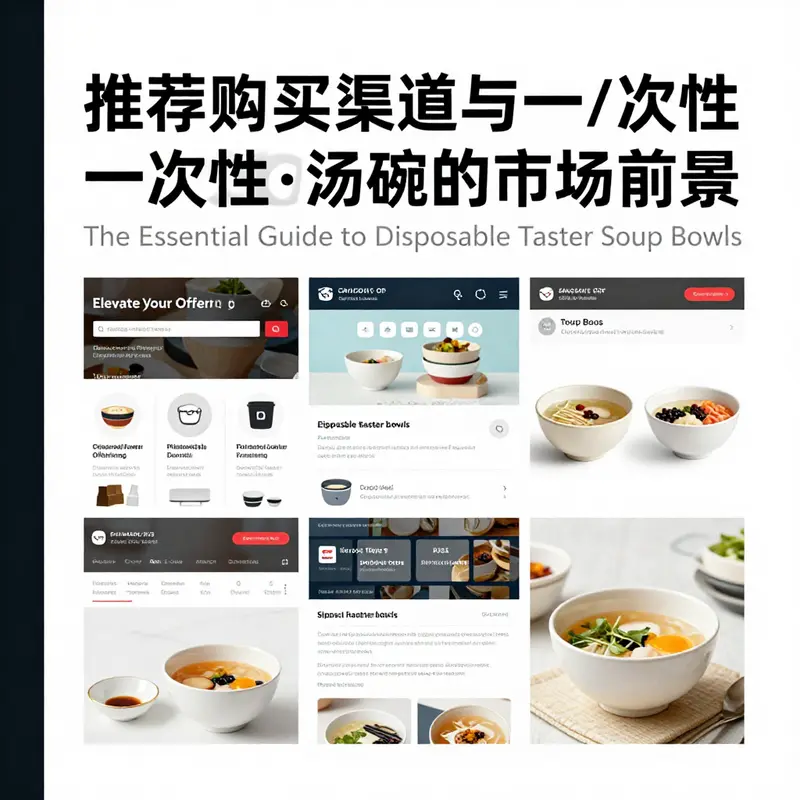
In the realm of sampling and event-driven dining, disposable taster soup bowls occupy a nuanced yet increasingly vital niche. They are small vessels with big implications: a few hundred milliliters of broth or sauce, a heat-flushed rim, a leak-proof lid, and a branding surface that can carry a message longer than a mouthful. The market has evolved beyond mere convenience toward a carefully balanced equation of portability, hygiene, environmental responsibility, and cost efficiency. When catering teams stage pop-up tastings, product launches, or charity galas, these bowls become more than packaging; they are a conduit for experience. A guest who sips a well-contained sample, tastes what a brand wants to convey, and leaves with a clean, memorable impression has encountered a successful use case for the taster bowl. The demand for such containers is not isolated to a single channel or season. It travels from corporate events to food halls, from promotional tastings at supermarkets to temporary displays at trade shows. The volumes, typically ranging from 200 ml to 500 ml, are purposefully aligned with bite-sized portions that encourage exploration without overwhelming the palate or the stomach. This precision in sizing matters. It ensures that a tasting session can run smoothly, that service times stay brisk, and that the overall dining experience remains focused on the product rather than on cleanup or logistics. The underlying drivers are persistent across markets: the appetite for quick, sanitary, and chef- or brand-led sampling; the need to protect warm offerings during a brief tasting window; and the desire to project a modern, responsible image through packaging choices that reflect evolving consumer values. The material landscape behind these bowls is as telling as the bowls’ shapes. Kraft paper remains a staple for many operators. It meets the practical demands of printability, surface smoothness for branding, and a surprisingly robust barrier when lined with a thin inner coating. The result is a disposable container that can carry hot or cold liquids with confidence. The inner lining, often a PE coating, helps to manage moisture and oil resistance, which is critical for maintaining the integrity of a sampling experience where a spill could derail a promotion or introduce an unwelcome mess. On the other hand, more eco-conscious buyers are turning to alternatives such as corn starch-based bowls. These are designed to be 100% biodegradable under industrial composting conditions, typically decomposing within a window of 90 to 180 days. Such a choice speaks to a growing segment of event organizers who want to minimize environmental impact and align with circular economy narratives. A third pathway exists in the form of PLA-based (polylactic acid) disposables, which blend some of the durability of traditional plastics with enhanced degradability. Each material presents a trade-off: heat tolerance, compatibility with microwaves, shelf life, and end-of-life disposition. For instance, many bowls are rated to withstand temperatures approaching 120 degrees Celsius, which covers typical hot soups and broths served at tastings. Yet the practical realities of microwave reheating, consumer handling, and disposal infrastructure vary by region and facility. Accordingly, buyers often weigh not just the raw material, but the total lifecycle—how the bowl performs in use, how it is disposed of, and what certifications accompany it. Beyond core materials, the design and branding features of disposable tasting bowls carry significant weight. The common capacity steps—8 oz (roughly 230 ml), 350 ml, and 500 ml—provide a standardized framework that helps align procurement across multiple venues and events. Lids play a crucial role. They prevent leakage during transport, preserve temperature, and give servers an added layer of protection for customers who sip samples at an outdoor promotion or during a crowded trade show. The ability to print branding, messages, or promotional artwork through flexo printing adds another layer of value. With flexible branding, organizers can reinforce themes, color schemes, and slogans that resonate with the target audience, turning a simple tasting into a cohesive brand moment. Certification schemes also matter. FSC certification signals responsible forest management in the sourcing of paper, while compostability credentials—such as OK Compost HOME or OK Compost INDUSTRIAL—provide confidence about end-of-life outcomes. For buyers who are balancing cost with sustainability, these certifications translate into measurable assurances that the packaging aligns with broader corporate social responsibility goals and consumer expectations. Procurement dynamics in this space reveal a spectrum of options and tradeoffs. The economics are strongly batch-driven. Most suppliers price disposable bowls in tiered structures, with lower unit costs unlocking at higher volumes. It is not unusual to see minimum order quantities around several thousand units, with lead times ranging from one to a few weeks depending on customization and stock levels. The numbers in play include roughly a few US cents per unit for standard kraft-paper bowls, a bit more for corn-starch alternatives, and a premium perched on specialty finishes or decorative touches such as metallic rims. In many cases, the largest savings accrue not from the per-unit price alone but from the aggregate logistics—bulk shipping, consolidated sourcing across multiple events, and shared warehousing. This economics-driven reality makes a well-planned procurement strategy essential. It is common for organizers to secure supplies months ahead of major campaigns while maintaining a modest buffer for last-minute changes in guest counts or event dates. The ability to negotiate MOQs, shipping terms, and customization is a critical lever in controlling cost while sustaining quality and reliability. Within the shopping landscape, buyers in some markets favor online platforms that combine authenticity, convenience, and returns. A notable pattern emerges: platforms that host official or authorized sellers tend to offer stronger assurances of product integrity, consistent supply, and easier post-purchase support. The appeal extends beyond mere provenance; it reduces the risk of counterfeit items and mismatched specifications when time is tight and celebrations or campaigns hinge on a single container’s performance. The point about returns is not trivial. Many buyers value the flexibility of ‘no-questions-asked’ returns or exchanges, especially when testing a new supplier or trialing a new material for a high-stakes event. These benefits translate into reduced perceived risk and faster decision cycles, which matter in competitive spaces where a failed tasting session can compromise brand impact. For practitioners who want to spot practical buying options without wading through every catalog, a useful heuristic is to locate suppliers who clearly communicate material options, heat tolerance, and certification credentials up front. From the consumer or event planner perspective, the promise of a credible product depends on a transparent description of what is inside the cup—food-grade safety, absence of harmful additives, and a coating or lining that does not compromise taste or safety. In this regard, the market is maturing: suppliers increasingly present side-by-side comparisons of kraft, corn-starch, and PLA options, along with practical notes about refrigeration, reheating, and disposal. The interplay of safety and sustainability is especially important for sampling contexts where guests may sample multiple offerings in a single session. A robust bowl must perform under pressure—holding heat without leaking, resisting oil ingress, and maintaining a clean, attractive presentation long enough for guests to experience the product and the brand message. This requires not only material science, but supply-chain discipline: consistent stock, reliable lead times, and consistent quality across promotional bursts. From a market perspective, the outlook for disposable tasting bowls is buoyed by several converging forces. First, the core value proposition remains clear: these bowls deliver convenience and sanitation in settings where washing facilities are limited or where guests are expected to sample multiple items. Second, the applications are broad and resilient. Whether at a corporate product launch, a consumer event, or a hospitality pop-up, the ability to offer a clean, portable tasting experience underpins brand interaction and guest satisfaction. Third, consumer expectations are shifting towards environmental accountability. The move toward compostable or recyclable materials is not a niche preference but a mainstream criterion that weighs heavily when brands select packaging partners. Fourth, safety and trust are non-negotiable. Materials claimed as food-grade, free from volatile compounds, and able to withstand typical tasting temperatures, will be the differentiators that decide which suppliers survive a crowded landscape. The integration of credible environmental certifications, clear end-of-life pathways, and robust protection against leaks and spills further strengthens competitive positioning. These trends suggest that the market is entering a maturity phase in which responsible sourcing, quality assurance, and scalable logistics are the defining success factors. A practical takeaway for buyers and planners is to couple procurement with a flexible implementation plan. The selection process should begin with a clear mapping of event formats, guest flow, and service style. If the tasting involves multiple courses or rapid sampling cycles, bowls with reliable lids and strong leak resistance should be prioritized. If the event emphasizes sustainability, corn-starch or PLA-based options might be preferred, paired with a composting plan that aligns with local waste-management practices. In all cases, branding remains a potent lever: a well-printed bowl can extend a promotion beyond the event’s duration, serving as a visible reminder of the tasting experience when guests take leftovers home or post images to social media. The decision framework should also account for the total cost of ownership, including not just the unit price but the costs of disposal, potential penalties for leakage or misbranding, and the opportunity costs of delays or stockouts during peak periods. By aligning material choice, capacity, and branding with event objectives, organizers can transform disposable taster bowls from a simple convenience into a strategic asset that reinforces the desired guest experience and reinforces the narrative of the brand. As markets continue to evolve, the most successful operators will be those who treat these bowls not as ephemeral packaging but as a carefully engineered touchpoint that completes a tasting journey. Internal link reference for procurement options: 350ml double-wall eco-friendly kraft paper soup bowl with lid. This page illustrates how a specific, readily accessible option can combine heat resistance, leak protection, and branding opportunities in a single package, helping planners translate strategic aims into tangible supplies. External resource for standards and sustainability context: https://www.fsc.org
Final thoughts
Disposable taster soup bowls play a vital role in enhancing customer experiences across various culinary settings. Their versatile design, material selection, and functional features cater to the needs of bubble tea shops, restaurants, catering services, and event planning. As we lift the lid on the many benefits these eco-friendly bowls provide, it becomes clear that they are not simply a trend but a valuable investment for any business focusing on quality and sustainability. Choose reliable suppliers and stay ahead in today’s competitive market by integrating these essential tools into your service offerings.