
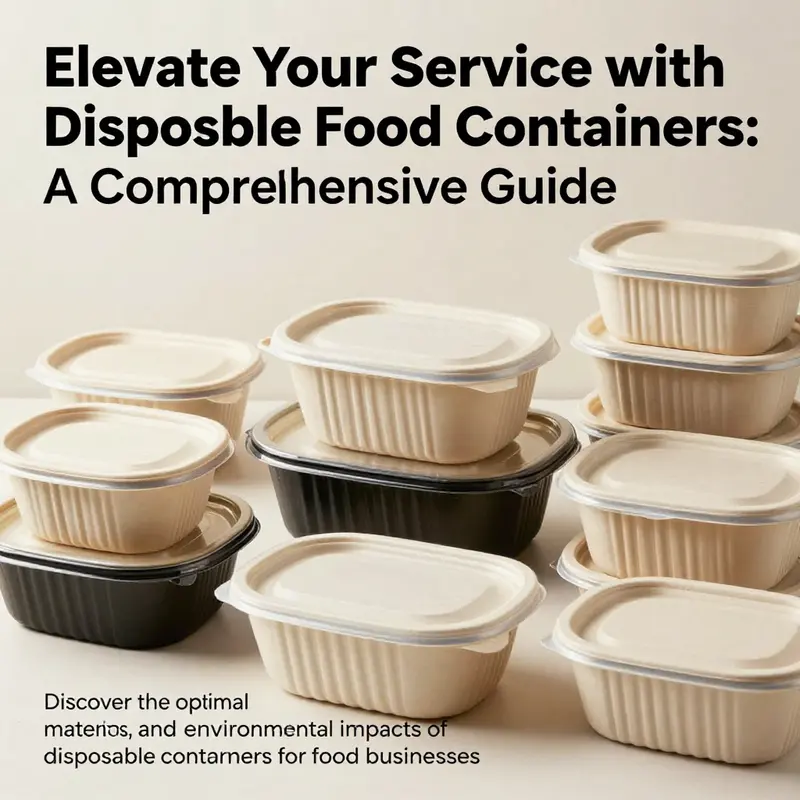
In today’s dynamic food industry, disposable food containers with lids play a pivotal role in enhancing convenience for businesses such as bubble tea shops, restaurants, food trucks, catering services, and event planners. These containers are not only designed for functionality but also reflect the evolving preferences of consumers. Understanding the various materials available, the latest market trends, and the associated environmental impact can help businesses make informed decisions. This article delves deep into the materials used in disposable food containers, highlights emerging trends, and evaluates their sustainability, allowing you to choose the best options for your operational needs.
Lids, Layers, and Lifecycles: How Materials Determine Performance, Safety, and Sustainability in Disposable Food Containers
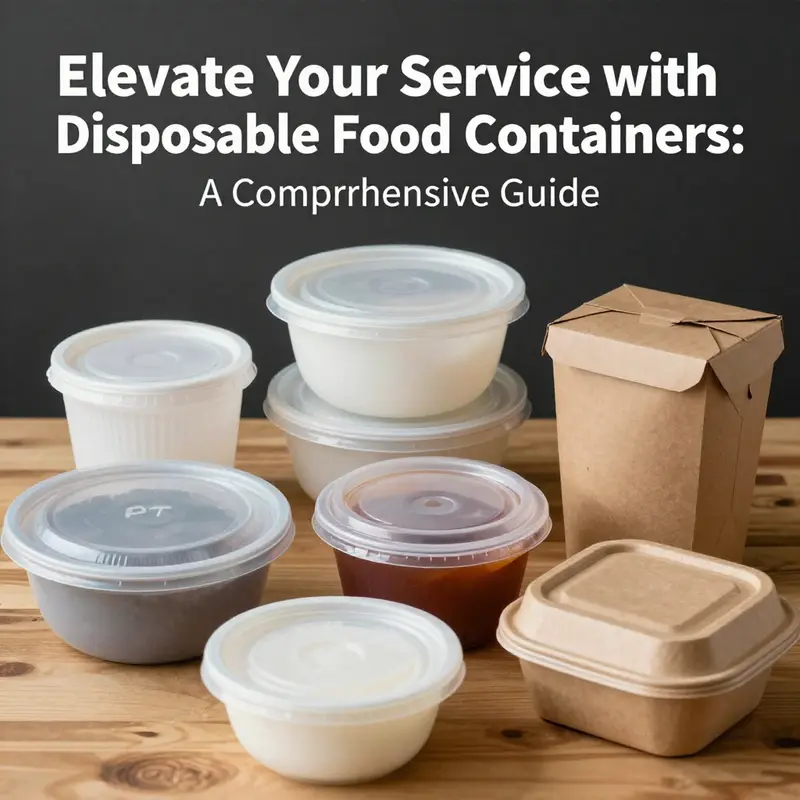
Lids are often the quiet workhorses of disposable food containers. They do more than seal; they define heat retention, leak resistance, aroma containment, and even the environmental footprint of a single-use purchase. When we explore the materials that give rise to these lids and the containers they cap, we are tracing a map of choices that balance customer convenience with safety, cost, and sustainability. The chapter that follows weaves together the science of materials with practical design considerations, illustrating how the seemingly simple pairing of container and lid hinges on material properties such as heat tolerance, rigidity, barrier performance, and end-of-life behavior. It is a story about the choices behind everyday meals, from hot soups delivered in a stable, leakproof shell to salads safeguarded by moisture barriers and aroma-tight seals. It also invites readers to consider how new materials and smarter designs can shift the entire lifecycle—beginnings in sourcing, moving through use, and ending in responsible disposal or reuse.
Central to this narrative is polypropylene (PP), one of the most widely used plastics for disposable food containers with lids. PP’s appeal lies in its balanced profile: it holds up under heat while remaining pliable enough to form tight seals with reliable lids. Thermo-formed PP containers can withstand temperatures around 100 to 120 degrees Celsius, which makes them suitable for hot meals and even brief reheating in consumer microwaves when used within the manufacturer’s guidelines. This heat tolerance is more than a technical note; it translates into real-world outcomes—customers can transport a steaming curry, a noodle dish, or a hot soup without fearing a sudden collapse of the lid or a soup-splashed sleeve. The plastic’s clarity, durability, and relatively high resistance to leaks contribute to a trusted experience: the lid fits snugly, the container remains intact through transit, and the consumer encounters minimal risk of spills.
Yet the material landscape for disposable containers is more than PP. Polystyrene, including its foam variant EPS often called Styrofoam, has historically played a major role in cold-food applications and insulation. Its opportunity lies in its superb thermal insulation, which can help keep cold beverages and salads cool during delivery. However, plastic science and safety concerns are nuanced. PS and EPS offer excellent insulating properties, but their heat resistance is limited. They can deform or release substances when repeatedly exposed to hot contents or high-temperature environments, and there is evidence that migration of certain compounds can occur with fatty foods at high temperatures. This makes PS-based options a mixed bag: great for cold or room-temperature items, less ideal for hot foods that approach or exceed 100°C, and ultimately a choice that requires careful handling and clear usage guidelines. It is not simply a matter of preference; it is a materials-based risk assessment where the intended application dictates whether PS is appropriate or if an alternative should be chosen.
Polyethylene terephthalate (PET) occupies another niche in the materials ecosystem. PET is strong, light, and has excellent rigidity, qualities that lend themselves to compact packing and a crisp presentation, particularly for single-use beverage bottles and certain rigid food containers. Yet heat resistance remains a limiting factor. PET’s performance under hot contents is not comparable to that of PP, and while PET shines in cold or room-temperature applications, it typically isn’t the first choice for hot foods or for microwave reheating. The design choice here is often about packaging for cold meals, readiness for stacked transport, and the ease of disposal in recycling streams that recognize PET’s recyclability when properly separated from other plastics.
An increasingly prominent option in the conversation about sustainability is bagasse, a sustainable alternative derived from the fibrous residue left after sugarcane juice extraction. Bagasse-based containers are notably compostable and biodegradable, marking them as attractive in eco-conscious settings. They perform well with hot foods and offer a renewable feedstock profile that resonates with environmental goals. Yet bagasse is not without limitations. Its natural fibers confer strength and heat tolerance, but its moisture sensitivity can affect shelf life and structural integrity under certain conditions. The moisture content and exposure to humid environments can impact performance, requiring careful formulation and sometimes a conservative approach to extreme temperature or high-fat contents. Still, bagasse represents a meaningful direction for those seeking compostable solutions that align with broader sustainability ambitions.
Another material family worth considering is paperboard with coatings. Often used for sandwich boxes, coffee cups, and similar vessels, these containers rely on inner coatings—such as polylactic acid (PLA), polyethylene (PE), or wax—to provide liquid resistance. The coatings, rather than the base paper alone, determine whether the container can safely hold sauces or wet foods without failing. The recyclability of coated paperboard varies with the coating type and local composting or recycling infrastructure. A container might perform well in transit and storage, but its end-of-life story hinges on whether the coating is compatible with local recycling systems or whether composting facilities can process it. For many consumers and foodservice operations, this creates a complex decision matrix where the environmental benefits of a recyclable or compostable package depend on the surrounding waste-management ecosystem.
As the container and lid pair evolves, so do the design strategies that ensure a robust seal. A lid is not merely a closure; it is a functional interface that must resist leaks, maintain aroma integrity, and comply with safety standards across a range of foods and temperatures. In PP-based systems, lid designs frequently rely on snap-and-lock features, gasket-like seals, and sometimes silicone components to achieve aroma-tight performance. The choice of lid material interacts with the container body to deliver a complete barrier: a single perfect seal is useless if the container deforms under heat, or if the coating lining the lid interacts unfavorably with the food it contains. The material science here is practical and interconnected. The lid must withstand repeated opening and closing, resist fatigue over many cycles if the product is intended for storage or multiple uses, and maintain its barrier properties without introducing off-flavors or undesirable migration.
The environmental dimension compounds these technical considerations. A fundamental tension runs between single-use convenience and the imperative to minimize waste. PP and PS, while offering excellent performance for takeout and quick service, generate significant plastic waste when discarded after a single use. Bagasse and coated paperboard push toward compostability and recycling, but their end-of-life outcomes depend on the infrastructure available in a given region. A compostable bagasse container may be a clear win for facilities with industrial composting, but if a consumer’s local program cannot process it, the environmental benefit could be diminished. Conversely, rigid PET or PP containers might be highly recyclable in properly designed systems, but if they are contaminated with food waste or mixed with incompatible plastics, their recyclability can be compromised. These realities underscore the central theme that material choice cannot be made in isolation from usage patterns, waste-management practices, and regional recovery capabilities.
From a product-design perspective, the decision tree often begins with the intended use-case. For meals that travel hot and arrive steaming, the priority is heat resistance and leak protection. PP often emerges as a preferred baseline due to its ability to maintain form and function at elevated temperatures, its compatibility with microwave reheating under specified conditions, and its intrinsic barrier properties. The lid design is then optimized to complement this material, with features such as raised rims to reduce spillage, snug snaps to prevent accidental openings during transit, and inner seals or silicone textures to improve aroma containment without compromising consumer safety or comfort.
For cold or room-temperature items, PS and PET can be compelling options, each with its own trade-offs. PS’s insulation properties provide a favorable short-term temperature buffer, which can be advantageous for scooped salads or desserts that benefit from containment without heat exposure. Yet the material’s sensitivity to heat and potential migration concerns with fatty foods at higher temperatures serve as a caution. In these cases, designers may pivot to PET or to more sustainable alternatives, particularly when the product aims to reduce environmental impact or to appeal to consumers who are motivated by recyclability and reduced plastic usage. The lid materials in these scenarios must still ensure the barrier properties needed for the specific contents, while maintaining a design that remains cost-effective for mass production and simple for end-users to handle.
The coated paperboard option shifts the conversation toward a different axis: end-of-life philosophy. Coated paperboard can deliver satisfactory barrier performance for certain foods, especially when coated with PLA or wax-based layers designed to resist moisture and grease. However, the environmental calculus shifts depending on the coating’s compatibility with local recycling or composting streams. A coating that aids compostability might still face barriers if industrial composting facilities are not available, or if consumer households cannot segregate waste effectively. In such cases, the advantages of using a more sustainable base material may be offset by a lack of appropriate processing infrastructure, underscoring the need for a holistic approach that considers both material science and waste-management ecosystems.
Within this landscape, the opportunity to tailor packaging through customization emerges as a powerful lever. Manufacturers and foodservice operators increasingly seek solutions that align with branding, functionality, and sustainability goals. Customization options—ranging from precise lid shapes and seal configurations to surface lamination, printing, and UV coatings—allow containers to convey quality while delivering performance. For example, a design that integrates a robust, aroma-tight seal with a soy-based or compostable coating can deliver a compelling combination of hot-food performance and environmental fidelity. At the same time, customization must be harmonized with regulatory compliance and safety standards. Materials chosen must be compatible with the intended thermal and mechanical stresses, and any coatings or additives must be food-safe and able to withstand the container’s lifecycle, from filling to disposal.
This interwoven narrative—materials, design, usage, and end-of-life—highlights why the topic of materials used in disposable food containers with lids remains so vital to the broader article. When readers consider a simple takeout box or a lunch container, they are, in effect, evaluating a complex matrix of properties and decisions. The container must resist leaks and spills during dynamic transit, tolerate the heat of freshly prepared meals, and maintain its integrity through to the point of disposal or reuse. Simultaneously, the lid must seal in aroma, prevent contamination, and respond to consumer expectations for convenience and reliability. Yet the choice of material also signals a commitment to environmental stewardship, which, in today’s marketplace, often translates into a preference for recyclable plastics, compostable fibers, or packaging that can be seamlessly integrated into existing waste-management systems. The science is not abstract; it is actionable for designers, manufacturers, restaurateurs, and policy-makers who influence what ends up in households, offices, and kitchens around the globe.
A practical illustration of this integrated thinking is the growing attention to eco-friendly, paper-based and fiber-based takeout options that combine a sturdy structure with compostable or recyclable credentials. Among the more compelling exemplars, a kraft-paper-based takeout bowl with a lid demonstrates how a simple material selection—paper fibers reinforced for stiffness, a lining that provides moisture resistance, and a lid that secures with a reliable seal—can deliver on multiple fronts. The durability of such a system, its compatibility with common waste streams, and its potential for branding through sustainable messaging create a compelling proposition for operators seeking to reduce single-use plastic reliance while preserving system performance. For readers who want to explore a concrete example of this kind of design, see the following internal reference: senang kraft paper octagonal bowl 1200ml waterproof eco-friendly disposable salad bowl with lid.
The layer-by-layer story of materials also invites a broader reflection on supply chains and lifecycle thinking. Raw-material choices ripple outward, affecting processing energy, transportation emissions, and the feasibility of end-of-life recovery. A material like PP may offer strong performance and cost advantages, but the infrastructure for recycling PP must be robust enough to collect, sort, and reprocess post-consumer streams. Bagasse, by contrast, links to agricultural byproducts and aligns with circular economy concepts when managed within composting or energy-recovery streams. The same logic applies to coated papers: the environmental benefit hinges on maintaining a coherent waste-management pathway that ensures coatings do not render the paper unrecyclable. Informed material selection thus requires more than laboratory performance data; it demands an understanding of regional waste-management capabilities, consumer behavior, and policy signals that incentivize responsible disposal and reuse where feasible.
In sum, materials used in disposable food containers with lids are a nexus of performance, safety, and sustainability. PP’s heat tolerance and leak resistance position it as a default choice for hot meals, while PS and PET offer complementary strengths in insulation and rigidity for non-hot applications. Bagasse and coated paperboard push toward more sustainable outcomes but require careful consideration of moisture performance and end-of-life infrastructure. The lid, often a combination of the container material and a sealing element, is critical to ensuring a safe, satisfying user experience. The best choices are rarely universal; they reflect the specific food, the anticipated transit conditions, the preferred end-of-life scenario, and the broader environmental and regulatory context in which the packaging operates. As the industry continues to innovate—through new fiber-based composites, improved barrier coatings, and smarter lid-seal geometries—the chapter of materials remains dynamic. It is a story of balancing heat, humidity, and aroma with the practical realities of disposal and reuse, all while offering a reliable, affordable, and safe experience for consumers everywhere.
For readers who want to explore more about eco-friendly packaging options, the ongoing evolution of kraft-based systems offers a compelling case study in balancing performance with sustainability. To see one example of such a design in action, you can review a representative product page linked in this chapter: senang kraft paper octagonal bowl 1200ml waterproof eco-friendly disposable salad bowl with lid. This example underscores how a single material platform can be adapted for diverse food contexts while aligning with a broader shift toward responsible packaging. As you move through the rest of the article, keep in mind that the real value lies in choosing materials and lid designs that harmonize performance with stewardship, enabling safe, convenient, and sustainable food experiences.
External resource: https://www.fda.gov/food-packaging
From Seal to Sustainability: Market Trends Shaping Lidded Disposable Food Containers
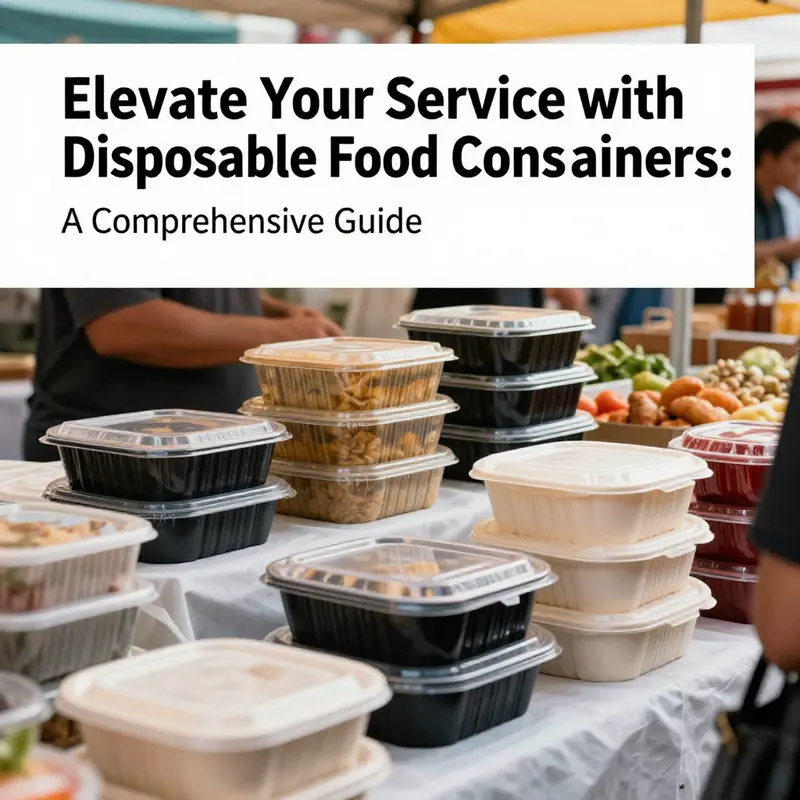
When we survey the landscape of disposable food containers with lids, the thread that weaves through every trend is a shift from mere convenience to a more deliberate balance of performance, perception, and responsibility. These lidded vessels, once viewed as inexpensive carriers for hot meals, have become strategic touchpoints in how brands communicate quality, how kitchens operate under tight delivery schedules, and how households manage leftovers with minimal waste. The market intelligence guiding this evolution points to a three-layer dynamic: customization as a branding and functional imperative; a pivot toward sustainable materials that can meet stricter environmental expectations; and a relentless focus on functional performance that must endure the bumps of transport, reheating, and rapid turnover. The convergence of these elements is reshaping not just the shape or size of the containers, but the entire experience of takeout and food storage that customers increasingly demand and regulators increasingly scrutinize.
Customization has moved beyond color and logo onto the backbone of container design. In the era of ready-to-eat meals, brands seek packaging that communicates trust at a glance. The most immediate opportunities lie in functional enhancements that reduce risk and improve the customer journey. Integrated straw slots for beverages, leak-proof seals, and intelligently engineered closures are now expected features rather than novelties. These improvements address a practical concern that dominates delivery and takeaway—the fear of spill or aroma loss during transit. A lid that seals with an audible snap, a container that resists condensation and grease penetration, and a form that stacks neatly in a crowded kitchen or a crowded car trunk all contribute to a smoother handoff from restaurant to consumer. Importantly, customization here is not only about appearance; it is about tailoring the container to the logistics of specific meals, whether that means segmenting sauces, protecting delicate salads, or ensuring the container retains heat without concentrating steam so intensely that it ruins the texture of the food.
Within this landscape, the call for customization also serves as a differentiator in a crowded field. Because the same basic container can be used for a wide range of foods—from soups and stews to salads and noodles—brands are increasingly crafting packaging solutions that speak to the identity of the meal and the ethos of the establishment. For many operators, this means choosing a container with modular features that can be reconfigured for different menu lines without requiring a full redesign of their supply chain. The ability to introduce integrated features—such as a straw slot in a lid for beverages, or a compartmentalized lid that keeps toppings separate until the moment of consumption—reduces the need for additional accessory packaging, streamlining operations and cutting waste. The economic calculus of customization hinges on reducing lead times, enabling smaller batch runs with multiple SKUs, and delivering a more cohesive brand experience at the point of sale or during delivery. The result is a packaging ecosystem that rewards not only the aesthetics of a container, but the practicality of its use in a high-velocity environment.
Sustainability, however, has risen to the forefront as a non-negotiable criterion for both consumers and operators. The shift toward compostable and bio-based options reflects a broader societal commitment to lowering plastic pollution and mitigating climate impact. Plant-based plastics, such as those derived from polylactic acid (PLA), and paper-based solutions that can decompose under industrial composting conditions are gaining traction as viable alternatives to traditional polyolefins. These materials are often positioned as part of carbon-neutral or low-carbon footprint strategies that align with corporate sustainability goals. Yet the journey from concept to shelf is fraught with trade-offs. Biodegradable and compostable materials sometimes come with shorter shelf lives, heightened sensitivity to moisture, and a reliance on specialized industrial facilities to ensure proper decomposition. In other words, sustainability is not a panacea; it demands careful consideration of supply chain realities, end-of-life infrastructure, and consumer behavior. The market is responding with a tiered approach: durable, reusable options for households and repeat-use scenarios; and single-use, compostable options where extant composting networks exist and the lifecycle analysis supports a favorable environmental outcome. This nuanced strategy is precisely what competitive packaging is deploying to meet diverse regulatory regimes and consumer expectations without compromising reliability in the instant-gratification economy of takeout.
In practice, manufacturers are experimenting with a spectrum of materials to address these competing demands. Traditional polypropylene (PP) and PET remain workhorses for their barrier properties, heat resistance, and economy. Yet for brands aiming to signal environmental stewardship, there is growing interest in paper-based and bio-based alternatives. For instance, rectangular takeout boxes made from kraft paper, with appropriate coatings to maintain moisture resistance, offer a startlingly competitive option for salads, sandwiches, and fruit bowls. Biodegradable, bagasse-based containers—derived from sugarcane pulp—provide additional channels for compostability and composting infrastructure compatibility. On the technology side, the search for durable, safe, and scalable materials has led to a broader acceptance of high-strength copolymers and barrier coatings that preserve product integrity during microwave reheating and freezing. The challenge remains in harmonizing these materials with existing manufacturing capabilities and with consumer expectations around performance. The market leaders understand that a successful container must not only keep food intact but also preserve taste and texture while delivering a dignified unboxing experience that reinforces brand values.
The performance expectations of modern lidded containers are increasingly specific. Consumers want microwave-safe options that won’t degrade under repeated heating, freezer-safe designs that prevent cracking or leakage, and tight-sealing lids that minimize spills and preserve aroma. The emphasis on airtight seals reflects a broader consumer desire for reliability in delivery and storage. This is especially important in meal-delivery ecosystems where meals are transported in bulk and subjected to varying temperatures and handling conditions. The interplay between material selection and lid design is critical here. A strong lid must not only fasten securely but also resist deformation from pressure and heat while remaining simple enough for efficient handling. And while durable plastics retain performance advantages, the industry is mindful of end-of-life disposal and the environmental implications of a very long-lived plastic. Consequently, there is a growing preference for materials and finishes that can be recycled or composted with minimal contamination and maximum consumer participation.
In some sectors, alternatives to traditional plastics are tested for their compatibility with heavy-duty use. For example, some operators explore aluminum-based containers or high-durability copolymers that offer exceptional rigidity and heat tolerance. These options can provide superior protection against leakage and deformation, particularly for hot meals and thick sauces. However, they come with higher upfront costs and, in the case of metal, considerations about weight and recyclability pathways. The trade-offs illustrate why the market is trending toward a more selective application of materials: use the most appropriate material for the meal profile and delivery context rather than defaulting to a single, all-purpose solution. The objective is to deliver a packaging system that is not only fit for purpose but also aligned with sustainability metrics and cost structures that make sense for both the operator and the end consumer.
One encouraging sign in the market is the maturation of supply chains that support smarter packaging decisions. The rise of customized, multi-SKU runs enables restaurants and caterers to test new formats with lower risk, quickly iterating based on feedback from delivery performance and customer perception. In practice, this means more options for customizing seals, color-coding, printing, and barrier properties without triggering prohibitive changes in equipment or turnaround time. The ability to print branding and safety information directly on the container or lid reinforces the value of packaging as a touchpoint in the customer journey. It is no longer enough to offer a container that simply holds food; the container must also reinforce trust, convey quality, and reduce friction in the dining-out or take-out experience.
From a systems perspective, the market is increasingly driven by regulatory cues and standards that shape material choices and end-of-life options. In many regions, regulatory oversight promotes recyclability and compostability, or at least the reduction of single-use plastics where feasible. This regulatory backdrop incentivizes manufacturers to optimize the entire lifecycle of the container—from the raw material mix, through manufacturing and distribution, to consumer use and eventual disposal. It also pushes for more robust labeling to guide consumers in proper disposal, avoiding contamination of recycling streams or composting facilities. Companies that can demonstrate a credible lifecycle assessment and transparent sourcing are often rewarded with preferred supplier status, even as they innovate in design to reduce overall material usage and improve reusability where possible. In this sense, the market is moving toward a model that treats packaging as a finite resource in a circular economy rather than as an expendable add-on.
The consumer dimension cannot be overstated. Consumers increasingly view packaging as an expression of values—whether it is a restaurant’s commitment to sustainability, a brand’s promise of quality, or a household’s desire to minimize waste. The psychology of packaging matters as much as its physics. A lid that seals with confidence, a container that withstands the rigors of a day’s errands, and a design that communicates care for the planet all contribute to a favorable perception of the food and the brand behind it. This perception translates into repeat orders, higher tips, and greater willingness to pay a premium for packaging that aligns with personal values. The challenge for suppliers and operators is to deliver these perceived values without destabilizing the supply chain or inflating costs beyond what customers are willing to absorb. The balancing act requires precise material science, careful process engineering, and a clear strategic vision that equates packaging with customer experience, sustainability with practicality, and branding with responsibility.
A practical implication of these trends is the growing flexibility in procurement strategies. Operators are increasingly looking for packaging suppliers who can provide a portfolio of compliant options across material types, sizes, and customization levels. The aim is to reduce sourcing complexity while maintaining consistency in quality and performance. For example, a single supplier capable of delivering both recyclable PP containers for hot meals and compostable paper-based boxes for cold items can streamline procurement and waste management. The ability to align packaging choices with the operational realities of a kitchen—like dishwasher compatibility for reusable options or microwave safety for reheating—can lead to lower total cost of ownership and fewer product failures during peak hours. This alignment also supports a more resilient business model in which packaging choices are tightly integrated with menu design, delivery expectations, and sustainability commitments.
Within this evolving ecosystem, the end user experience remains central. The goal is to deliver meals in packaging that arrives intact, heats evenly, and can be disposed of with minimal effort and maximum clarity regarding disposal. The packaging must withstand the sensory realities of modern dining—the aroma, the texture, the moisture content—without compromising safety. It must also accommodate the post-use narrative, whether that means being readily recyclable in municipal streams or being accepted by industrial composting facilities. Achieving this requires ongoing collaboration among designers, manufacturers, operators, and regulators. It also requires transparent communication with customers so that the perceived benefits—quality, convenience, sustainability—are reinforced at every touchpoint, from ordering to unboxing to disposal. The market’s trajectory points toward a future where lidded disposable containers are simultaneously smarter, greener, and more user-centric, delivering a holistic value proposition that extends beyond the meal itself.
For readers seeking a concise example of eco-friendly kraft-based take-away solutions that emphasize both utility and environmental considerations, this resource offers a relevant reference point: eco-friendly kraft paper take-away bowls with lids. This kind of packaging option demonstrates how a seemingly simple container can embody a broader strategic shift toward sustainability without sacrificing performance or convenience. As operators continue to refine their packaging portfolios, the interplay between customization, sustainability, and functional performance will likely remain the cornerstone of market development. The ongoing refinement of materials, coatings, and closure systems will enable more precise control over moisture management, heat retention, and barrier properties, all while supporting recycling streams and composting networks that are increasingly integrated into urban waste systems. External reference to industry-wide progress and standards can be found in reports that synthesize production line standards, material specifications, and performance insights for disposable food containers, underscoring how the market evolves in response to both technical advances and societal expectations. See for example an industry overview that summarizes current practice and future directions in material standards, technical specifications, and performance insights for disposable food container production.
External reference: https://www.sustainabilityreport2026.com/disposable-food-container-production-line
Beyond Convenience: The Hidden Footprint of Disposable Food Containers with Lids
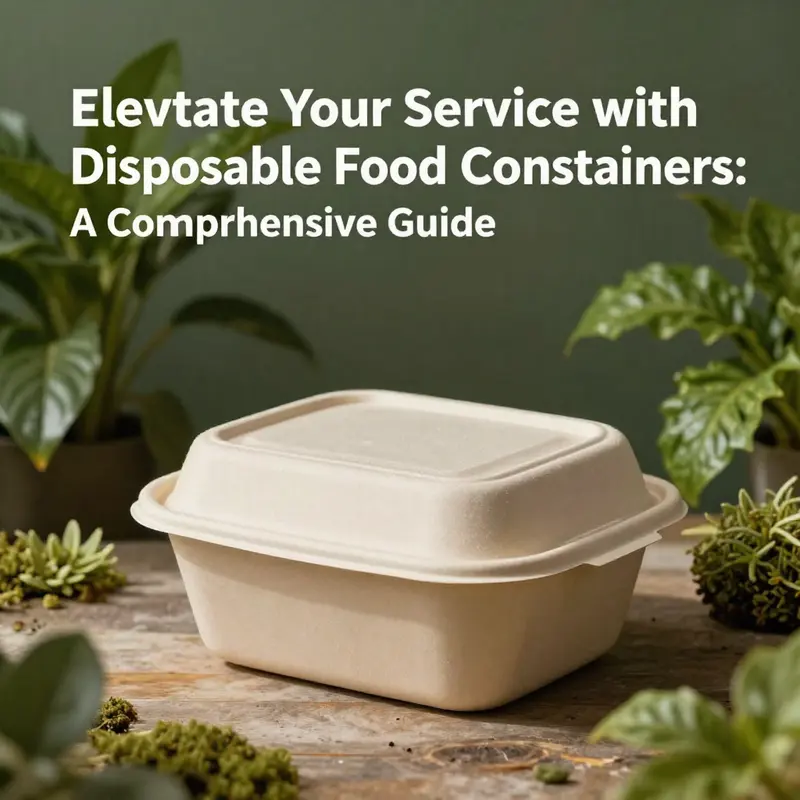
Every layer of modern food service is built on convenience. The disposable container with a lid is a small but critical cog in that machine, enabling takeout, delivery, and rapid storage with a level of hygiene and portability that customers have come to expect. Yet beneath its practical utility lies an environmental footprint shaped by material choices, production methods, and end-of-life pathways that rarely align perfectly with ecological ideals. This chapter ventures into that footprint, tracing how different materials—from plastics to foams to biodegradable papers—carry distinct consequences for ecosystems, energy use, and climate change. It is not a tirade against convenience but a careful, evidence-based look at how design decisions ripple through the life of a product long after the last bite is eaten. In doing so, it also points toward practical routes industry and consumers can take to reduce harm without sacrificing the benefits that lids and secure closures uniquely provide.
The journey toward understanding starts with material identity. Plastic containers, typically fashioned from polypropylene PP or polyethylene terephthalate PET, dominate the landscape of single-use takeout. They are light, inexpensive, and surprisingly resilient under the stress of transport. They resist leaks, protect the integrity of sauces and toppings, and can withstand the rigors of microwave reheating in some contexts. But plastic’s virtue is also its limit. Most conventional plastics are not biodegradable in any meaningful sense, and their persistence complicates waste management. Even when recycling streams exist, the reality on the ground is that contamination from food residues, multi-material laminates, and incompatible plastics makes a large portion of these containers end up in landfills or the environment rather than in closed-loop recycling systems. When plastics escape collection infrastructures, they become microplastics, gradually breaking into smaller fragments that infiltrate waterways, soils, and biota. The energy cost of producing virgin PP or PET is high, and the emissions associated with production, transport, and eventual processing can be substantial. The net environmental performance of plastic containers thus hinges on how effectively they are recycled, how clean they remain at the point of processing, and whether a system exists to recover and reuse the material in a way that offsets the energy and resource inputs required to create new stock.
Foam containers—especially those made from expanded polystyrene EPS—occupy a different niche in the convenience economy. EPS excels at thermal insulation, helping to keep hot foods hot and cold foods cold during transport. The trade-off is that EPS poses a stubborn end-of-life challenge. Its bulk and low density render it inefficient to transport for recycling, and even when collected, the processing it requires is energy-intensive. EPS fragments are easily dispersed in the environment, contributing to visible litter and long-lasting microplastic pollution. Health concerns have emerged about chemical additives and potential leachates when foam is heated or comes into contact with fatty foods, although the science continues to evolve. From a lifecycle lens, the durability that makes EPS attractive for insulation translates into ecological persistence if the material is not effectively recovered and reprocessed. In many markets, the absence of robust recycling streams for EPS means its environmental burden is borne largely by the terrestrial and aquatic ecosystems that encounter it.
Aluminum containers offer another angle on the problem. Aluminum is celebrated for its strength, heat tolerance, and recyclability—indeed, the metal can be recycled indefinitely without losing its core properties. However, the recycling loop for aluminum is not without friction. The energy required to produce primary aluminum is immense, and even with established recycling systems, recovery rates are not universal. In areas where recycling infrastructure is weak, or where aluminum is mixed with other packaging streams, substantial quantities still end up in landfills. The aluminum pathway illustrates a broader truth about disposables: even materials with strong recycling narratives fail to deliver their environmental benefits if the systems to collect, separate, and process them are incomplete or poorly organized. The emissions profile associated with aluminum is heavily influenced by local energy mixes and the efficiency of recycling facilities, making regional context a decisive factor in judging its true ecological cost.
As policymakers, brands, and researchers push for greener outcomes, the attention increasingly shifts toward eco-conscious alternatives that blur the line between disposable convenience and sustainable design. Paperboard and molded fiber options—often marketed as compostable or biodegradable—represent a distinct design philosophy. These materials can be sourced from recycled content and, in some industrial composting contexts, break down into inorganic or organic byproducts with relatively low residuals. They also tend to be lighter in weight, which reduces transportation emissions per unit of product delivered. Yet these materials do not perform identically in every use case. High-fat or liquid contents can challenge their barrier properties, and industrial composting facilities with the right temperature and moisture regimes are required to achieve timely degradation. In locales without such facilities, compostable containers may share a fate with conventional waste, undermining their intended environmental advantages. The sustainability calculus for these alternatives is therefore situational, dependent on local waste management capabilities and the maturity of composting networks. Still, the trend toward plant-based, fiber-reinforced containers signals a broader pivot in the industry: a willingness to align packaging design with renewability, even as it demands careful choreography with waste infrastructure.
A parallel thread runs through the discussion of end-of-life management. Recycling, composting, and waste-to-energy are not universal constants but variables shaped by geography, policy, and consumer behavior. In some regions, curbside recycling reliably handles rigid plastics and PET, with sorting facilities distinguishing resin types and enabling higher recovery. In others, contamination—often from leftover food—breaks the chain, and many containers destined for recycling become rejects. The result is a paradox: in places with strong recycling signals, the same containers might be well-positioned to re-enter the manufacturing loop, while in weaker systems, their environmental impact can be equivalent to or worse than that of simpler materials due to the energy and resources expended without commensurate gains in recovery. Industrial composting can close a loop for fiber-based containers, but its reach remains uneven. Inference from lifecycle analyses shows that when compostable alternatives are implemented without robust composting networks, the anticipated reductions in greenhouse gas emissions and fossil fuel dependence may not materialize. The upshot is clear: end-of-life outcomes depend as much on the surrounding waste ecosystem as on the intrinsic properties of the container itself.
This alignment between material science and waste infrastructure illuminates a central concept: the environmental credentials of disposable containers are maximized not merely by choosing a greener material, but by ensuring that the system surrounding that material can recover its value at the end of use. In practice, this means clearer labeling, easier separation of materials, and packaging that designs itself toward recyclability or compostability. It also means reducing contamination by food waste at the source, which remains one of the most persistent barriers to efficient recycling. Clear guidance for handlers and consumers on whether a given container should be recycled, composted, or disposed of in another stream can move the needle significantly. Without such guidance, even containers crafted from highly recyclable polymers may underperform in real-world scenarios.
In the design of these containers, clever engineering can reduce ecological burden without compromising function. For example, thinner walls or minimalist geometry can lower material usage while preserving structural integrity. Nested, stackable shapes save space in storage and reduce fuel consumption during distribution. Multi-use potential adds value, but only if the product can withstand repeated cycles of washing and reuse without degrading the barrier properties essential to safe food transport. The dialogue between form and function, between performance and environmental responsibility, is ongoing. Designers are increasingly asked to negotiate this balance not only for single-use containers but for systems of use that encourage reuse, return, and remanufacture. The most transformative opportunities lie in harmonizing packaging strategy with logistics, cleaning protocols, and regional waste capabilities. When these elements align, the same lid that seals a container during transit can become part of a longer life cycle that reduces raw material extraction and energy use across multiple cycles.
Consumer choices, too, shape the environmental footprint. The proliferation of takeout has conditioned many customers to value speed and price above all else, but a growing cohort seeks packaging that minimizes ecological impact. This shift can translate into preferences for containers made from recycled content, those that are widely accepted by local recycling streams, or those compatible with industrial composting where available. It also encourages brands to optimize package sizing, aiming for materials that are fit-for-purpose rather than oversized to accommodate generic portions. In parallel, consumer behavior around disposal—rinsing containers, separating recyclables, and adhering to local guidelines—determines the efficiency of recovery systems. Even the most environmentally friendly container design can underperform if it is not used correctly at the consumer end. Education, simple labeling, and consumer-centric design can help bridge the gap between ideal performance and actual outcomes.
From an industry perspective, the path forward includes integrating life-cycle thinking into procurement and product development. Providers can favor materials with proven high recycling compatibility, or invest in closed-loop systems that reclaim containers after use and return them for cleaning and refilling. This approach requires investment in logistics, processing capacity, and customer incentives, but it has the potential to slash the per-use environmental cost. Regulated frameworks and voluntary standards can accelerate this transition. Extended producer responsibility programs, eco-labels, and standardized end-of-life instructions provide the infrastructure for sustainable disposal while guiding consumer choices. The economic calculus matters here as well: even when a material is technically superior, if the system cannot capture its value efficiently, total environmental benefit erodes. Conversely, when the economic incentives line up with sustainable outcomes, packaging decisions become part of a larger strategy to reduce greenhouse gas emissions, conserve water, and minimize waste sent to landfills.
One practical note emerges clearly from the literature and the industrys evolving practice: the need for integration across functions. Sustainability teams, operations, procurement, and R&D must speak the same language. Material selection cannot be treated as an isolated preference; it must be grounded in a shared understanding of end-of-life capabilities, regional waste realities, and consumer behavior. In this integrated view, the container becomes more than a single-use item; it is a node in a dynamic system whose performance depends on material science, manufacturing efficiency, and post-consumer recovery. The most compelling success stories are those where packaging design reduces material use without sacrificing barrier performance, where recycling or composting streams exist and are easy to navigate for the average consumer, and where businesses invest in transparent communication about disposal options. In such cases, the ordinary lid-topped takeout box closes a loop rather than feeding a linear throwaway pattern.
To ground these ideas in the broader context of sustainability and responsibility, consider the potential of labeling and architectural changes in packaging ecosystems. Transparent labeling helps consumers understand whether a container is recyclable, compostable, or destined for another processing stream. This clarity reduces guesswork and improves recovery rates. At the same time, packaging designers can reimagine shapes, materials, and coatings to minimize adhesion between food residues and container walls, making cleaning and sorting more efficient. The convergence of better design, clearer guidance, and more capable waste infrastructure holds promise for a future in which the environmental cost of a convenient lid is diminished rather than ignored. The underlying principle is straightforward: optimize the entire life cycle, not just the moment of use.
As this conversation advances, it becomes clear that there is no one-size-fits-all answer. The environmental merit of a disposable container with a lid depends on context—on the material, the local waste-collection capabilities, and the consumer disposal behavior. In some settings, a lightweight, highly recyclable plastic may provide lower emissions than a heavier fiber-based alternative if it is reliably recovered and remanufactured. In others, a compostable option may outperform plastics only if robust industrial composting is available and widely utilized. The optimal choice is thus a function of both product engineering and waste-system maturity. This realization invites a collaborative stance from manufacturers, policymakers, and communities: invest in better materials where recovery can be achieved, build processing capacity where it is lacking, and cultivate consumer habits that keep waste streams clean and well separated.
In closing, the environmental footprint of disposable food containers with lids is not a fixed attribute but a moving target shaped by design choices and the ecosystems that manage waste. The narrative is not about eliminating disposables altogether, but about aligning packaging with the realities of a circular economy. It is about reducing material intensity, improving end-of-life recovery, and embracing materials that fit local waste infrastructures. It is about informing consumers with clear, actionable guidance so that the lid that protects a meal also protects the planet from unnecessary harm. And it is about recognizing that every container is a short chapter in a longer story of production, use, and renewal a story that will be written in collaboration among designers, engineers, waste managers, and everyday buyers who choose, again and again, how to dispose of what has fed them. To see how these ideas translate into real-world choices, one can explore containers crafted from kraft paper and other fibers that are designed for compatibility with recycling streams while retaining the practical benefits of a lid and secure closure. For further exploration of such options, readers can review examples like the kraft-based, lid-enabled containers that demonstrate how sustainable design can coexist with everyday convenience. External considerations and research continue to evolve, but the guiding principle remains stable: thoughtful design, robust disposal infrastructure, and informed consumer choices together define the environmental footprint of disposable containers with lids.
Final thoughts
In conclusion, disposable food containers with lids are an invaluable asset for various food businesses. By selecting appropriate materials, staying updated on market trends, and considering environmental impacts, business owners can make choices that enhance convenience, appeal to customers, and contribute positively to sustainability efforts. The right disposable containers not only improve service quality but also demonstrate a commitment to responsible practices. Make an informed choice today and elevate the effectiveness of your food service business.