
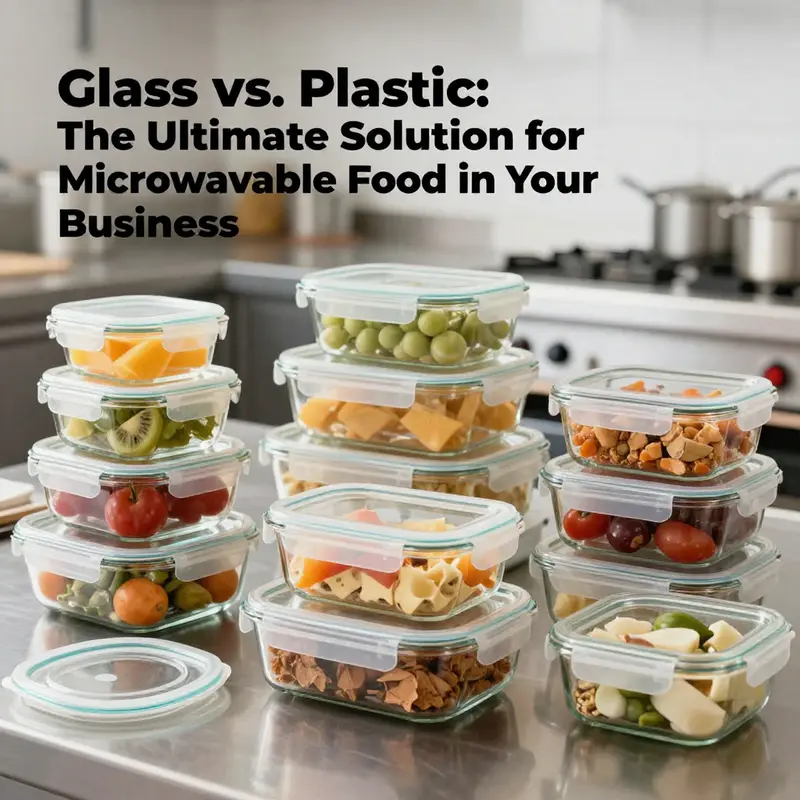
As the demand for convenient and safe food storage options rises in the catering and restaurant industries, understanding the best materials for microwavable food is crucial. This article delves into the debate between glass and plastic containers in the context of food safety, heat resistance, and durability. Each chapter will uncover compelling reasons why glass containers may offer substantial benefits over plastic, helping businesses, from bubble tea shops to catering services, make informed choices. By examining these aspects, businesses can elevate their food safety standards and improve customer satisfaction.
The Glass Advantage: Safety, Control, and Longevity in Microwave Cooking
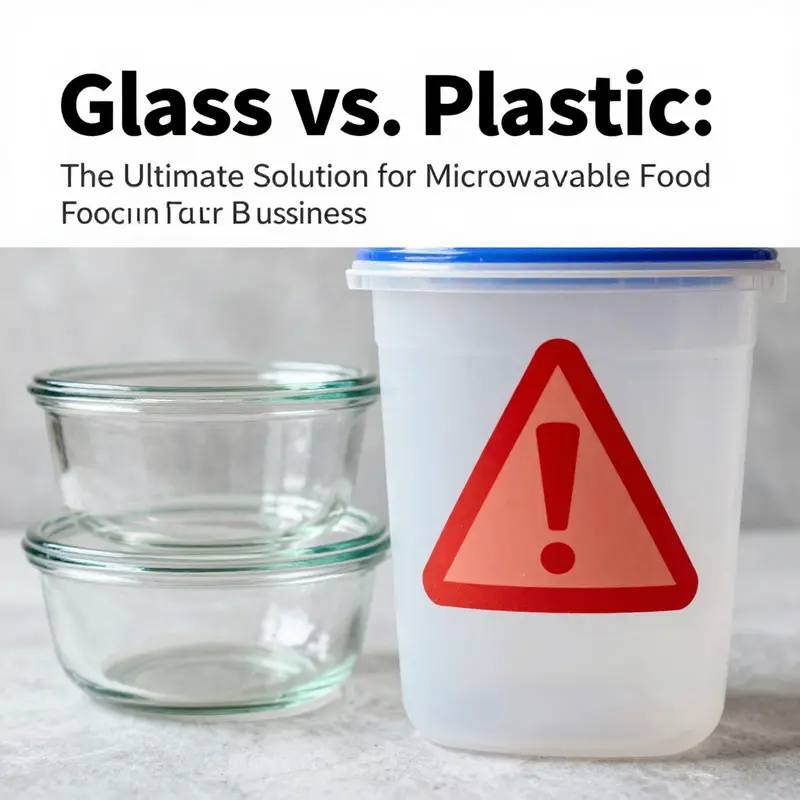
When the microwave hums to life, the container that encases the food becomes as important as the food itself. The debate over glass versus plastic for microwavable meals is not a surface-level preference issue; it cuts to the core of safety, reliability, and even how well we can read and manage heat. In practical terms, glass—specifically high-quality borosilicate glass—tends to outperform plastic on several fronts. Its inert nature makes leaching far less likely, and its ability to withstand sudden temperature swings translates into fewer surprises when food is hot and sauces are bubbling. The implications are not just about avoiding a plastic-y taste; they are about reducing exposure to substances that could migrate into our food and about maintaining the integrity of the container during repeated use. The story of safety, heat resistance, and long-term performance unfolds in a way that helps us understand why many households and kitchens still reach for glass when the goal is reliable microwaving.
Glass is, at its core, chemically inert. Inert means it does not react with food, no matter how acidic the tomato sauce or how fatty the marinade, and no matter how hot the contents get in the microwave. That inertness matters because it translates into a simple, predictable outcome: food stays in contact with a material that does not shed compounds into it under heat. This stability is particularly meaningful when meals are reheated repeatedly, as it reduces the cumulative risk of chemical migration over time. By contrast, many plastics are designed for utility, not permanence. Even plastics marketed as “microwave-safe” are not universally immune to heat, wear, or oil contact. Over time, microscopic scratches create micro-niches where residues can become trapped, and heat can accelerate the migration of additives that were designed to make plastic flexible or durable. While some plastics may not release well-known substances at a casual glance, the heating process can unmask other additives whose behavior under microwave conditions is less forgiving.
The literature and expert commentary converge on a clear caution: heat and oil can exacerbate chemical migration from certain plastics. Endocrine disruptors such as bisphenols and phthalates have long been the focus of concern, and while formulations evolve and some products claim to be BPA-free, the broader takeaway remains that heat, wear, and acidity can alter plastic behavior in ways not observed with glass. Plastic’s performance is highly context-dependent. A container might be labeled microwave-safe, but scratches, cloudiness, or warping can signal degradation that makes the material more permeable to substances or less stable under high-energy exposure. In a real-world kitchen, where reheating often means repeated cycles, this distinction matters. Glass does not wear in the same way; its non-porous surface remains resistant to odor absorption and staining, reducing opportunities for bacteria to find footholds in tiny crevices. This is not merely about hygiene in a vacuum. It translates to fewer concerns about lingering flavors and cross-contamination from previous meals, a factor particularly relevant in households that store and nuke a wide variety of foods.
From a safety perspective, the risk calculus becomes more balanced when we factor in the thermal properties of the materials involved. Borosilicate glass is renowned for its thermal stability. It can tolerate rapid temperature changes far more reliably than common plastics. In the microwave, where intensities can spike and dip, the capacity to resist thermal shock is crucial. Glass expands and contracts minimally under heat, which minimizes the risk of cracking or shattering during heating. This stability is especially meaningful when heating liquids or sauces that might bubble and foam; the glass container maintains structural integrity, reducing the likelihood of spills or leaks during the process. Plastics, in contrast, usually have lower heat resistance and can deform or release fumes when exposed to high energy levels. The practical effect is not just a momentary hazard but a potential pattern: repeated heating could gradually degrade a plastic container’s performance, increasing the chance of leaks or breakage and complicating cleaning.
The narratives of safety also intersect with how well we can observe and manage food during microwaving. Glass is transparent, a feature that is more than aesthetics. The ability to watch a sauce thicken, a soup simmer, or a vegetable steam helps cooks avoid overcooking and uneven heating. Visibility reduces guesswork, allowing for better control of texture and temperature. When a meal is reheated, especially one with a delicate sauce or a layered dish, this advantage becomes practical guidance rather than mere convenience. The same principle does not apply as readily to opaque plastics, which can obscure the food’s progress and make it harder to intervene before overheating or scorching occurs. In a kitchen culture that values both safety and culinary quality, glass’s visibility is a small but meaningful contributor to consistent results.
Yet, no material is perfect, and there are important caveats about glass and plastic alike. Not all glass is safe for hot foods. Crystal glass, decorated or etched varieties, can contain lead or other metals that may leach when heated. The safest path is to seek heat-resistant borosilicate glass and to avoid any glass labeled as decorative or crystal-grade for microwaving. Likewise, not all plastic is categorically off-limits; the practical guideline is to avoid containers that lack a clear microwave-safe label or that do not specify a polypropylene composition (often indicated as PP5). Even with such labeling, the safest approach is to minimize reheating in plastic, especially for high-fat or high-acid foods, and to prefer glass or ceramic alternatives whenever possible. The overarching message is pragmatic and precautionary: know the material, its labeling, and its suitability for your typical microwave use.
In this context, the conversation around packaging choices extends beyond safety and into durability and longevity. Glass containers, when properly cared for, are designed for repeated use. They withstand dishwashing without absorbing odors or stains, and they tend to retain their integrity over time. This durability translates into long-term performance that aligns with environmental and economic considerations, offering a reliable option for families that reheat meals regularly. Plastic, particularly when used repeatedly, can accumulate micro-cracks and scratches that compromise both hygiene and heat performance. The risk of microbial harborage in damaged plastic is a practical concern in households that reuse containers for leftovers or lunches. The upshot is a clearer picture: while glass may be heavier and more fragile in a fall, its safer, more stable interaction with food, coupled with easy cleaning, makes it a superior long-term investment for microwaving.
Finally, the realm of options and personalization matters. The research landscape acknowledges that a range of packaging strategies exists, but the emphasis on inert, non-reactive materials remains persistent. For those seeking to optimize safety and control in their daily routines, glass offers a robust combination of inertness, heat resilience, and observability. For readers who wish to explore diverse packaging choices further, a representative example of how packaging formats are evolving can be found in related resources that discuss alternative designs and materials. In particular, an example of a takeout packaging option demonstrates how different materials are pursued in contemporary design, reflecting a broader shift toward safe and sustainable microwaving practices. See the related resource linked here for a broader sense of Packaging options: senang03-in-stock-new-design-salad-rectangle-takeaway-kraft-paper-octagonal-box-with-lid.
The implications for daily cooking are straightforward. If safety, reliability, and ease of use in the microwave matter to you, glass—especially borosilicate glass—offers a clear advantage over most plastics. It minimizes the risk of chemical migration, supports consistent heating, and preserves the sensory qualities of food by avoiding absorbed odors and stains. It enables practical observation of how the meal is progressing, helping to prevent overcooking and soggy textures. While each household will weigh convenience, cost, and fragility against safety, the core takeaway remains robust and consistent: when the goal is to reduce risk and optimize performance during microwaving, glass is the smarter choice.
External resource: CDC – Chemical Hazards in Food Storage and Handling, which provides authoritative context on how materials interact with food and why inert substances like glass are favored for safety. https://www.cdc.gov/niosh/topics/chemicals/
Heat Resilience in the Microwave: Why Glass Outperforms Plastic for Everyday Reheating
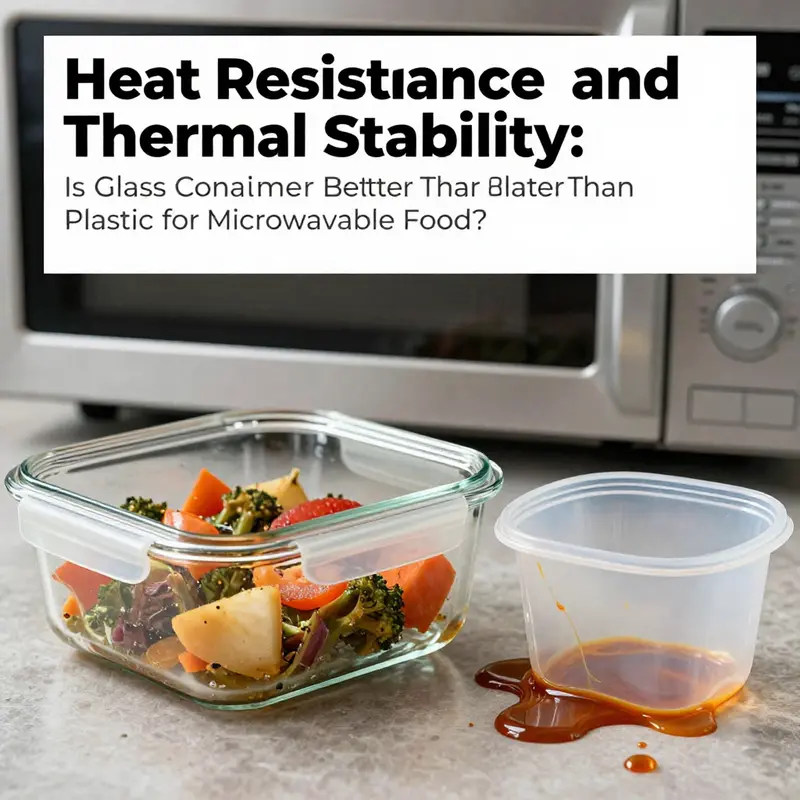
The microwave is a staple in kitchens around the world, yet the materials we choose to hold our food during reheating often go unquestioned. When you heat leftovers, soup, or a test batch of steaming vegetables, the container you reach for does more than just support the food. It helps determine safety, texture, and even how evenly warmth travels through the dish. Among the options, glass emerges as the more reliable workhorse for microwaving, especially when the goal is safety, performance, and longevity. The rationale rests on a blend of chemistry, physics, and everyday practicality, all converging on one simple idea: glass resists heat better than most plastics, and it does so with fewer hidden costs in taste, safety, or cleanliness. This is not merely about temperature; it is about stability under stress and the confidence that what you heat remains what you expect to eat. In recent research and consumer guidance, glass—particularly high-quality borosilicate glass—repeatedly earns the label of inert and dependable, even when temperatures spike and the pace of heating quickens. Unlike some plastics, glass does not soften, warp, or shed micro-particles into your meal as the timer ticks. For the reheating task, that difference translates into tangible benefits: fewer worries about chemical transfer, clearer visibility into the cooking process, and the peace of mind that your container will hold its shape without compromising the food’s temperature profile or texture. When we talk about safety, the central question is leaching. Glass is inherently non-reactive with food. High-quality borosilicate glass, the kind commonly marketed as heat-resistant or microwave-safe, resists the kinds of reaction seen with some plastics. It remains stable at the high temperatures you might encounter during reheating and does not release additives into the dish. This stability matters most for leftovers that sit in the fridge overnight before being reheated, as the challenge is not just the initial heat but the cumulative exposure from time and repeated use. In contrast, plastics present a broader spectrum of risk. Only specific plastics, notably polypropylene marked with PP5 or labeled microwave-safe, are designed to withstand microwave energy. Yet even among those, heat resistance is not uniform, and repeated cycles—especially with oils, fats, or sauces—can alter the polymer matrix. In a 2026 article highlighting hidden dangers in microwave use, the message is clear: non-microwave-safe plastics can become a source of chemical contamination or physical failure in the kitchen. The study frames this risk in practical terms: melt, warp, or leach substances like certain additives when confronted with heat. What follows is not alarm but an invitation to prioritize materials that reduce uncertainty, and glass delivers that reliability with minimal trade-offs in everyday use. Thermal stability is the next pillar in this case. Borosilicate glass can endure abrupt temperature changes far beyond what a typical kitchen encounter would demand. The glass’s resistance to thermal shock means it can go from freezer to microwave or from oven to table with far less risk of cracking. This resilience pays off in the long run: you can reuse the same container for years, confident that rapid heat transitions won’t fracture the vessel. Plastic, by contrast, often buckles at modest temperatures or under sudden heat influx. Most plastics have maximum heat thresholds well below the range glass tolerates, and their structure can begin to deform or emit fumes when pushed beyond those limits. This is not a universal condemnation of all plastics; rather, it is a reminder that many cooking scenarios push plastics toward the edges of their design. The practical effect is that glass provides a steadier, more predictable reheating experience. You notice it in the clean release of food, the lack of lingering smells, and the absence of subtle plastic aftertastes that can creep into sauces or starches if the container architecture degrades. The transparency of glass is more than a convenience; it is a cooking ally. When you reheat, you want to monitor steam, bubbling, and texture progression. A glass container lets you observe the evolving state of a dish without removing the lid or peering through opaque walls. You can spot starts of overheating, such as bubbling or separation, and adjust microwaving time in real time. This visibility reduces the chance of overcooking delicate foods like eggs or reheated soups that can scorch along the edges. In the broader context of kitchen performance, glass’s advantages align with the expectations of both safety-minded cooks and busy households seeking dependable results. It is easy to clean, resists staining and odor retention, and remains compatible with dishwashers. While some high-quality plastics offer convenience, their durability is often compromised by repeated heating and washing. Micro-cracks can form, providing safe havens for bacteria while also serving as pathways for chemical migration under certain conditions. Glass resists such degradation, and its inert surface minimizes the opportunity for foreign odors to cling or flavors to transfer between meals. Yet it would be naïve to treat glass as a universal shield. The warning carefully offered by researchers remains: not all glass is automatically microwave-safe. Crystal glass or decorative etched glass may carry trace metals or coatings that could, under heat, introduce undesirable elements into food. This specific caution underscores the preference for purpose-built borosilicate or tempered glass that is explicitly rated for microwave use. The same careful lens applies to plastics. Even when a container is marked microwave-safe, it is wise to scrutinize the type of food you’re heating. Fatty or oily foods can interact peculiarly with certain polymers, increasing the likelihood of faint plastic aromas or the leaching of additives. The safe route is clear: whenever possible, lean on glass for reheating and reserve plastics for cold storage or controlled, short reheating with materials explicitly designed for that purpose. If you must use plastic for a quick reheat, replace questionable containers regularly. The science supports a practical habit: check for a microwave-safe label and avoid containers that show wear after repeated cycles. In daily life, this translates into a kitchen routine that keeps glass front and center for reheating meals, while plastics find roles in pre-portioned, non-fatty usage that doesn’t demand high-heat performance. For households that still need disposable options during busy days, there are microwavable alternatives in the realm of paper and fiber-based packaging designed to withstand short heat exposures. A practical option often cited in modern product lines includes microwavable kraft-paper bowls with secure PP lids, which provide a balance of convenience and safety for light reheating tasks. best-price-recyclable-kraft-paper-disposable-rectangle-takeaway-salad-bowl-with-pp-lid-750ml-microwavable-sugar-use-embossing This type of container can be a sensible stopgap when you need a quick, heat-stable option and want to avoid introducing liquids into the equation. Still, for regular use, glass remains the more robust choice for safety, longevity, and predictable results. The broader set of guidelines that emerge from the literature reinforces this stance. Materials should be selected with an eye to how food interacts with heat, how stable the material is under repeated exposure, and how clearly the food’s progression through heating can be observed. These considerations are not merely academic. They translate into real-world outcomes: safer meals, fewer uncertain chemical exposures, and a kitchen that can handle the demands of daily life without compromising the quality of reheated foods. For readers seeking a deeper exploration of the safety differences between glass and plastic in microwaving, external research synthesizes these concerns and presents a clear narrative about risk and behavior. You can consult comprehensive reviews that discuss the potential health risks associated with plastic containers and the advantages of glass when it comes to food safety and chemical exposure. External resource: Healthline’s analysis on safety considerations surrounding glass versus plastic in microwaving provides an accessible overview of how materials behave under heat and why glass is often favored for reheating. https://www.healthline.com/nutrition/glass-vs-plastic-food-containers#safety-for-microwaving
Built to Last Under Heat: Why Glass Outlasts Plastic for Microwavable Meals
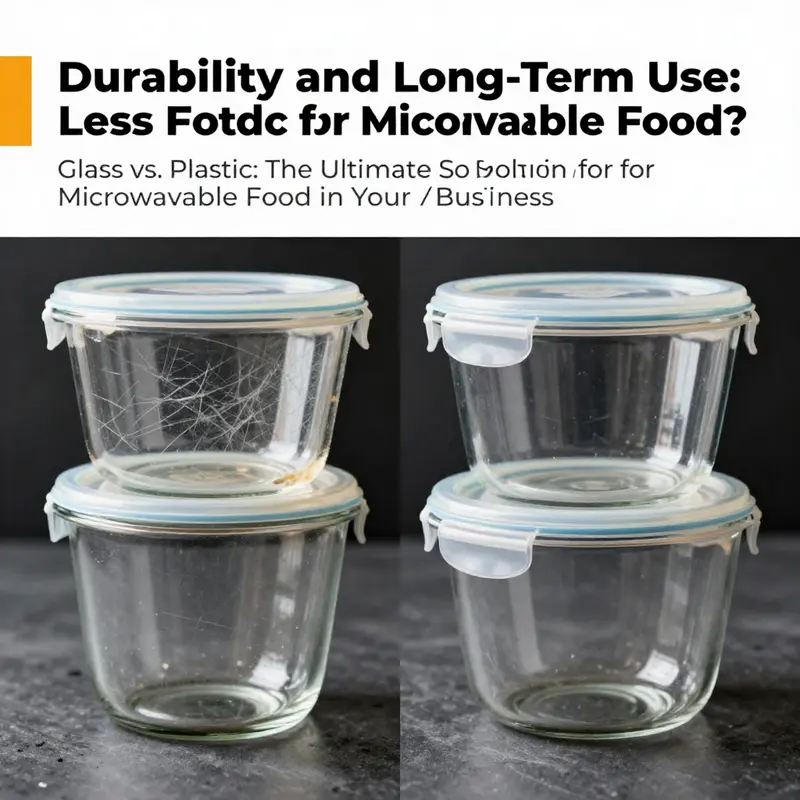
Choosing a container for microwaved meals is as much about durability as it is about safety. When you reheating leftovers or prepping quick-seasoned dishes, you want a vessel that stays reliable after dozens of cycles, not one that warps, cracks, or releases an off taste or odor. The durability story here is straightforward: glass, especially high resistance variants, tends to outperform plastic in long-term use. You don’t just buy a container for one week; you invest in a tool that maintains its integrity over time, night after night, month after month. That perspective matters because microwaving frequently increases exposure to heat, and over time that heat can reveal a container’s weaknesses. In this sense, the debate moves beyond immediate safety and toward sustainability and hygiene. A durable, heat-tolerant container minimizes the need for frequent replacements and reduces the chance of material degradation that could complicate safe reheating later on. The evidence points toward glass as the stronger choice for those who want long-term reliability from their microwavable containers.
The safety dimension is inseparable from durability. Glass, particularly borosilicate glass, is inert and does not leach harmful chemicals into food, even at higher temperatures. This inert quality is part of what makes glass so durable in practice: it resists chemical interactions with fatty or acidic foods that might otherwise accelerate material fatigue in plastics. In everyday use, that inertness translates into fewer concerns about lingering flavors or odors that can accumulate in plastic over time. Glass’s chemical stability aligns with a broader understanding of durable kitchenware: materials that remain consistent under repeated heat exposure are less likely to develop micro-scratches or pitting where bacteria can hide. It’s not just about staying clean in a dishwasher; it’s about maintaining a surface that is easier to sanitize and less prone to hideouts for microbes.
From a thermal perspective, glass has a clear edge. Borosilicate glass can tolerate abrupt temperature changes far more gracefully than most plastics. It can endure heat without cracking and can handle rapid shifts—such as moving from the freezer to the microwave—without the stress fractures that sometimes plague plastic alternatives. The thermal resilience is not merely about resisting cracks during heating. It also means less concern about deformation over time. A container that resists warping and clouding is easier to keep clean and visually inspect, which matters for long-term use where subtle wear might otherwise be overlooked. In the long run, such stability supports consistent heating performance, which is essential for reheated meals where an uneven temperature can compromise safety and enjoyment.
But durability is not a one-way street. Glass durability is complemented by a practical caveat: glass is heavy and more prone to breakage if dropped. This fragility makes durability a two-edged sword. In homes with active households or for those who transport meals regularly, the risk of shattering is a real consideration. The same property that gives glass its resilience to heat can also lead to a higher incident rate of breakage if mishandled. Yet this fragility does not undermine the microwaving performance itself. It simply shifts priorities toward careful handling and possibly choosing sturdier designs or lids that protect against impact during transport. For many, the payoff—unwavering safety, inertness, and long-lasting clarity—outweighs the need for lighter, more portable options.
The long-term perspective also invites a comparison with plastics, which, while lightweight and convenient, bear durability challenges that steadily accumulate. Repeated microwaving—even with containers labeled microwave-safe—can lead to warping, clouding, and micro-scratches. Over time, these imperfections aren’t just cosmetic. They create micro-crevices where bacteria can live and where more material can degrade and leach, especially when exposed to fatty or acidic foods. Plastics are designed for convenience and short to medium lifespans; glass is engineered for longevity. Plastic’s durability often correlates with its playing field: it may survive a handful of cycles in a busy kitchen, but the cumulative wear usually becomes evident within a couple of years. In contrast, glass tends to maintain its integrity across many more cycles when treated with care and proper handling. The science echoed in durability reviews suggests glass remains chemically inert and visually clear much longer, a quiet but important advantage for households that reheating meals as a daily habit.
Another durability-related facet is maintenance. Glass surfaces resist stains and odors better over the long term. A well-made glass container can stay visually clear and hygienic after months of daily use, while plastic tends to accumulate faint odors or stains that cling to the polymer’s surface. This difference matters when you are reheating the same container repeatedly to preserve the flavor profile of your meals. The ability to monitor progress during heating is an additional durability-related virtue that glass affords: its transparency allows you to gauge when a dish is steaming, simmering, or approaching a boil. This visibility is not merely a convenience; it reduces the risk of overheating or scorching, which can degrade both the food and the container itself. In this sense, durability and performance converge: a glass container not only lasts longer but also keeps the cooking process more controllable, reinforcing the safety of reheated meals over time.
The warnings attached to glass and plastic deserve careful attention and underscore the decision’s nuance. Not all glass is safe for heating. Crystal glass and etched or decorative glass can harbor heavy metals that migrate under heat, posing a risk to long-term use. The same care applies to plastic: even plastics marketed as microwave-safe should be scrutinized, especially when used with oily or high-fat foods. The recurring theme is clear: safety and durability are contingent on the right material and correct usage. When in doubt, the practical best practice is to select certified heat-resistant glass and to look for the microwave-safe labeling or the PP5 symbol for plastics. This disciplined approach minimizes risk to health and reinforces durability in daily life.
A practical takeaway emerges from the synthesis of durability, heat resistance, and safety: for people who reheated meals every day or who rely on containers for frequent meal prep, glass offers a more stable long-term partnership. It resists the cumulative wear that erodes safety and performance in plastic, supports washing and reuse without compromising integrity, and provides the clear visual feedback essential for precise cooking. Plastic, while valuable for lightweight transport and short-term use, presents a durability curve that often plateaus sooner than glass. When you map the long arc of use—from first reheating to months of daily meals—the glass container’s advantages in safety, thermal stability, and enduring hygiene become more pronounced.
For readers seeking a consolidated look at the durability landscape, this discussion emphasizes that long-term durability is about more than resisting cracking in the microwave. It is about resisting wear that can harbor bacteria, degrading performance, and reducing peace of mind over time. A glass container that has been properly chosen and well cared for becomes a reliable kitchen workhorse, maintaining safety, cleanliness, and performance across countless reheatings. And while no material is perfect in every scenario, the balance of heat resistance, chemical inertness, odor resistance, and long-lasting clarity makes glass a compelling choice for those who value durability as a core feature of microwavable food storage. To explore practical durable options that align with this perspective, you can examine a dedicated product page that highlights the enduring nature of well-designed, microwavable packaging. senang05-food-grade-disposable-kraft-paper-12oz-porridge-bucket-portable-microwavable-paper-soup-cup-with-lids
Bringing this dialogue back to daily choices, the emphasis on durability should inform both the initial purchase and the long arc of use. The best practice remains twofold: favor materials designed for heat and repeated use, and handle with care to preserve their integrity. As a chorus, these considerations align with the broader view that glass containers—especially those made from borosilicate glass—offer an enduring combination of safety, performance, and longevity for microwavable foods. They are not simply a safer option in the moment; they are a durable ally over time, supporting consistent reheating, simple cleaning, and ongoing confidence in the safety of meals prepared and warmed in them. External perspectives underscore this stance, inviting readers to consult additional scientific context to deepen their understanding of the broader safety dynamics at play in microwavable materials. External resource: https://www.sciencedirect.com/science/article/pii/S030438942300576X
Seeing Through Steam: How Visibility Shapes Safety and Mastery When Microwaving with Glass versus Plastic
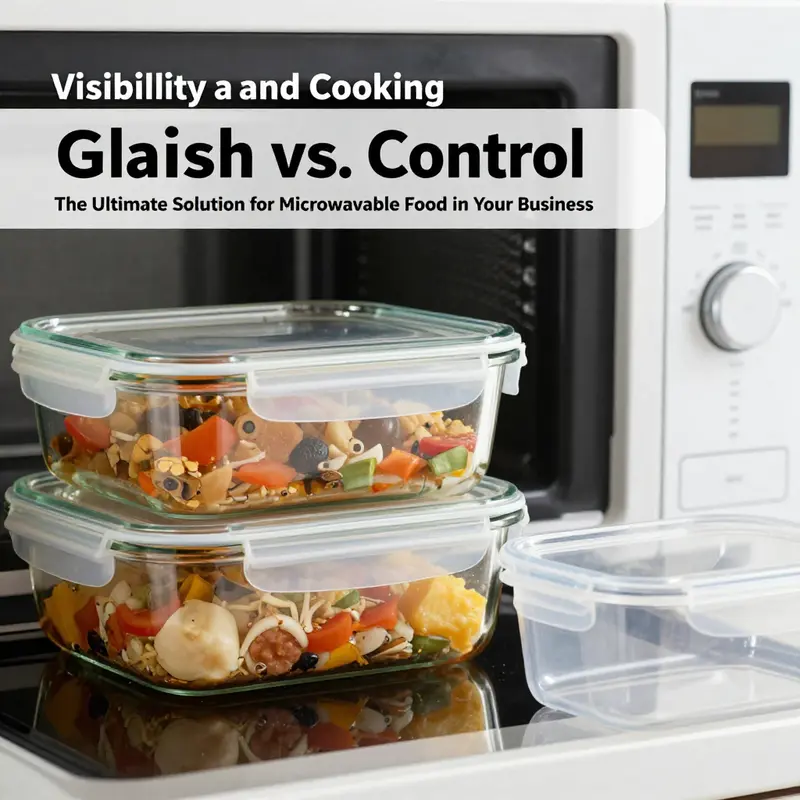
Seeing through the steam is more than a metaphor; it is a practical advantage when reheating and cooking in a microwave. The container you choose shapes not only the food’s safety but also how easily you manage heat and texture. Glass, especially high borosilicate glass labeled as heat-resistant, remains for many cooks the most transparent partner in microwave tasks because it is clear enough to watch changes in the surface and edges without opening the lid and losing steam. This visibility becomes a real cooking assistant when you’re reheating a delicate custard, starting with a simmer and watching the formation of bubbles, or reheating a bowl of soup where the liquid may foam differently from the solids. In these cases, seeing the progress in real time helps you pause, stir, or rotate, reducing the guesswork that often leads to scorching, uneven heating, or spills. In practice, the contrast with plastic is stark: many plastic containers used for reheating are opaque or only partially transparent, which makes it harder to monitor how the heat distributes and whether the center is warm enough before you decide to extend a cook time. The bottom line is that the visual feedback glass provides turns a potentially unpredictable microwave session into a controlled, observable process that improves safety and results, especially for multi-ingredient meals and soups where components can heat at different rates. In that sense, the literature on this topic converges on a similar point: when you can see what’s happening, you can intervene more precisely, and a glass container makes that possible in a way that most plastics cannot. In other words, visibility is not a cosmetic feature; it is a functional safeguard and a cooking lever all at once. Bold aspects of this visibility-driven approach show up when you watch the color change of sauces, the set of edges in a custard, or the emergence of steam on the surface of a simmering soup, all of which inform the exact moment to stop heating or to adjust a lid’s position to regulate moisture and heat transfer. In this sense, visibility becomes a practical form of control that translates directly into texture, moisture, and uniformity across the dish.\n\nIn the safety domain, the comparison shifts away from mere convenience toward long-term assurance. Glass, when made from materials like high-boron silicate, is inert and unlikely to leach harmful chemicals into food, even at the higher temperatures the microwave can reach. The stability of such glass reduces the risk associated with repeated use and high heat, a factor many home cooks weigh when choosing cookware for leftovers and weekly meal prep. Plastic, by contrast, is a different proposition. Only specific plastics with a microwave-safe designation or a PP5 mark—polypropylene—are intended for microwave use, and even among those, not all items behave the same way under heat. A 2026 article highlighted by researchers draws attention to the hidden dangers of non-microwave-safe plastics, especially when used with fats and oils, or when containers warp or crack under heat, creating pathways for chemicals to migrate into food or for material failure that compromises the container’s integrity. This is not a scare story but a reminder that the safety profile of plastic depends heavily on the grade, the design, and the conditions of use; glass, by its nature, offers a more consistent safety baseline because it is inert and stable under the kind of thermal stress that microwaves induce. The convergence of safety and durability paints a practical picture: glass is the safer, more stable long-term option for microwaving and reheating. The principle holds across scenarios from quick lunches to simmered sauces, where the container’s chemistry and stability directly influence the meal’s safety profile and your peace of mind.\n\nThermal resilience is another lens through which these materials are judged. Borosilicate glass resists thermal shock far more effectively than common plastics, which translates into fewer cracks, less warping, and a lower likelihood of structural failure when you move hot containers from the oven or microwave to a table or to a cooler surface. In turn, this resilience supports more predictable heating because the container holds its shape and does not distort under repeated cycles of heating and cooling. A practical guideline many culinary and appliance guides emphasize is that glassware is the preferred choice for microwave heating because it is heat-resistant and safe. This stance aligns with recent reviews and guides, which underscore that for frequent use in the microwave, glass’s durability and thermal stability translate into fewer replacements and less risk of damaging the container or the food. The stability of glass also means that you can rely on the same vessel for repeated reheating without fearing micro-cracks that harbor bacteria or harbor residues long after the meal is done.\n\nThe long-term use dimension complements this picture. Glass is easy to clean, does not retain odors or stains, and works with dishwashers, preserving its appearance and functionality year after year. Over time, glass maintains integrity whereas some plastics may degrade, allowing micro-cracks to form that harbor bacteria and provide pathways for potential contaminants. The durability of glass makes it more economical in the long run, even if the upfront cost is higher; the ability to reuse a glass container for many cycles reduces the latent environmental and financial costs associated with disposable plastics. The practical takeaway is straightforward: when you anticipate daily or frequent microwave use, investing in glass is a decision that pays off in safety, cleanliness, and reliability. This is not merely theoretical. Home cooks who reheated a variety of dishes reported fewer issues with texture and moisture control when using glass compared with aging plastic containers, reinforcing the idea that the container’s material can influence both the cooking process and the final outcome.\n\nThis is not simply a matter of aesthetics or convenience. The capacity to monitor the cooking process in real time feeds into better safety practices and finer cooking control. If you can watch the foam, the surface, or the edge of the food, you can detect signs of overheating or uneven heating and intervene quickly. The absence of visibility in many plastics often forces cooks to rely on timing and experience rather than observation, increasing the odds of overheating, leaks, or burns. The distinction becomes especially important for mixed dishes, sauces, or egg-based preparations where texture and consistency are sensitive to temperature fluctuations. The comprehensive message from the literature and practical experience is that visibility matters as much as surface safety, and glass delivers both in a way that supports more confident, precise microwaving. Even in busy kitchens, the preference for glass emerges in practical terms: it reduces cognitive load because you rely less on guesswork and more on observation, a benefit that compounds when reheating leftovers that can change texture over time. The result is a kitchen where heat aches toward a predictable pattern rather than a chaotic scramble, and where the cook’s sense of timing is reinforced by the container’s transparency.\n\nTo keep the discussion grounded, consider how packaging choices integrate with the cooking container. Glass’s advantages are complemented by the right lid design and proper labeling, especially when reheating in a household environment or serving to others. And for readers curious about sustainable packaging options that complement glass’s advantages in kitchen use, a look at kraft paper take-away boxes can be informative: https://cupbowlpack.com/product/senang03-in-stock-new-design-salad-rectangle-takeaway-kraft-paper-octagonal-box-with-lid/. The broader message is that the ecosystem of packaging can influence safety and usability in subtle, practical ways, from how steam is managed to how heat is contained and released during the heating cycle, underscoring that the container’s material choice is part of a broader system rather than a standalone decision. In the end, the choice between glass and plastic hinges on safety, durability, and control, with visibility acting as a central pillar of effective microwave cooking. The safety case for glass is well supported by current research, and the real-world practice of home cooks often echoes that conclusion, favoring glass for reheating and cooking where feasible. The more you can see what’s happening inside, and the more stable the container remains under heat, the more confident you can be about achieving the texture, moisture, and temperature your meals require. The science aligns with experience: glass, especially heat-resistant borosilicate, offers a clearer, safer path through the microwave’s energy and into the plate. External reference: https://www.sciencedirect.com/science/article/pii/S095671352500481X
Final thoughts
After exploring the numerous advantages of glass containers over plastic, it’s clear that for businesses involved in food preparation and service, glass presents a more reliable, safer, and sustainable option for microwavable food. With no risk of harmful chemical leaching, superior heat resistance, and enhanced visibility for cooking, glass containers stand as the superior choice. Businesses aiming for quality service and customer safety should genuinely consider shifting towards glass storage solutions for microwavable dishes. This proactive approach not only ensures food safety but also enhances brand reputation.