
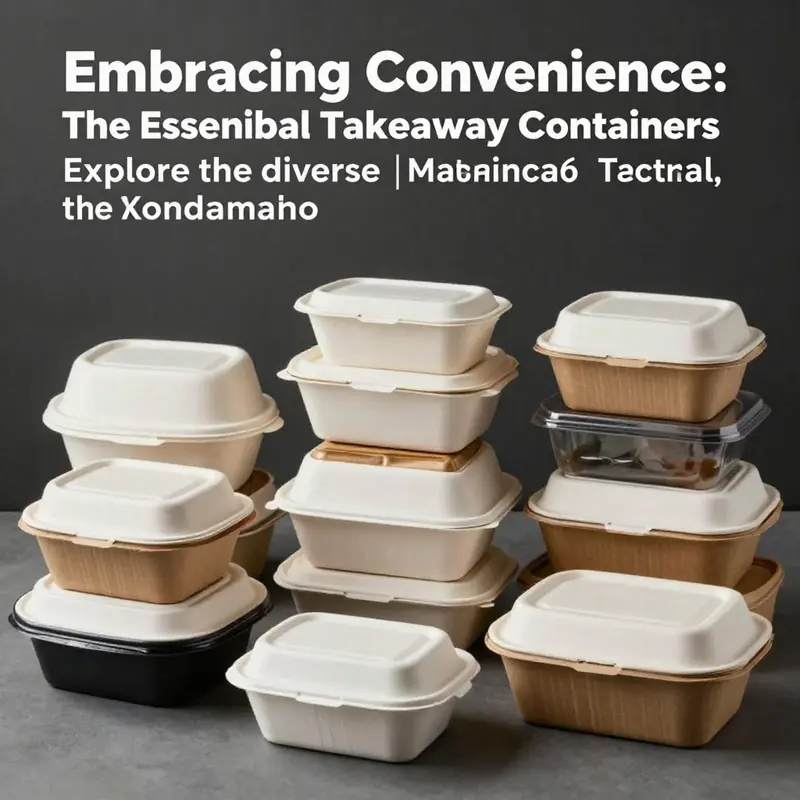
In today’s food service landscape, disposable takeaway food containers have become indispensable tools for businesses ranging from bubble tea shops to catering services. These containers not only ensure convenience and hygiene but also cater to a variety of needs across different sectors. This article delves into the multifaceted role of disposable containers, providing insights into the materials used, sustainability trends, and essential regulatory compliance. By examining these aspects, we will underscore the importance of choosing the right containers to enhance operational efficiency and meet consumer expectations.
Carriers of Convenience: The Central Role of Disposable Takeaway Containers in Modern Food Service
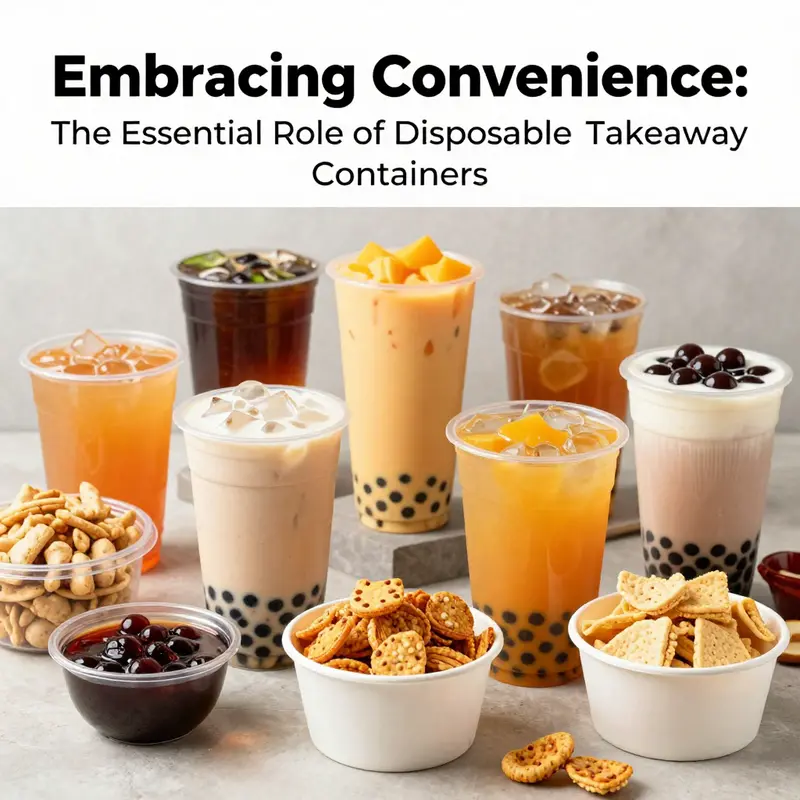
Disposable take-away containers are more than mere vessels; they are active enablers of a fast, hygienic, and customer-centric food ecosystem. In kitchens and on street corners, in hotel lobbies and at catered events, these containers translate culinary effort into portable, safe, and appealing experiences. They must perform under pressure: they must protect delicate sauces, hold up to grease and moisture, travel through crowded corridors, and reappear at the table or doorstep in a state that invites eating rather than a messy cleanup. The modern food service relies on these little packages to maintain quality from the moment a dish leaves the kitchen until it is enjoyed by the customer, and in doing so they shape the economics, branding, and sustainability of the enterprise that uses them.
The core functions of disposable take-away containers are remarkably practical and, in a busy service environment, almost invisible. They are designed with leakproof seals so liquids do not escape during transit, a feature that reduces the chance of spill-related messes on customers, drivers, or front-door steps. Microwave safety is another critical attribute; it allows the customer to heat and eat without transferring food to a new plate, which saves time and minimizes dishware usage. Temperature retention remains a recurring challenge and opportunity; the containers are engineered to keep hot foods hot and cold foods cold for a reasonable window, supporting quality and food safety during delivery and while customers wait. A lot of contemporary packaging succeeds because it makes the experience predictable: a container that will not collapse under heat, a lid that stays put, and a design that makes stacking and storage straightforward for the business that uses it.
From a design perspective, the rectangular or cube-shaped forms that dominate take-away packaging are not arbitrary. They reflect the practicalities of how food is stored, transported, and displayed in a service setting. A square footprint offers efficient use of space in commercial fridges and on shelves, while a lid that is transparent or semi-transparent lets customers view contents without opening the package, reducing the need to handle the product and thus limiting contamination risk. The tolerances of these containers—precise dimensional control around 1.0 millimeter in some cases—are not just about neatness; they enable seamless stacking, which translates into space savings for kitchens and delivery fleets. Fewer trips to the same loading dock or kitchen rack mean reduced labor and improved throughput during peak periods.
Material choices sit at the heart of how these containers perform and how they are perceived by customers and regulators. Traditional plastic options, including those made from polypropylene, have earned widespread acceptance because they are lightweight, durable, and grease- and moisture-resistant. They are also largely compatible with the fast-paced cadence of take-away dining: they can be produced at scale, hold up under the rigors of transport, and are compatible with standard food-safety certifications. Yet even as these plastics deliver practical benefits, they also raise environmental considerations that increasingly shape brand strategy and regulatory discourse. As consumer awareness of waste grows, many operators explore alternatives that align with sustainability goals without sacrificing performance.
Enter the era of biodegradable and compostable packaging derived from plant-based materials such as wood pulp, cornstarch, or molded fiber. These options are not mere “green marketing” labels; they represent real responses to the call for circularity in packaging. Plant-based containers can be designed to withstand hot and cold foods while offering the advantage of end-of-life strategies that emphasize compostability in industrial facilities. The trade-off, however, often lies in performance variance; some plant-based materials may be sensitive to moisture or grease, or require specialized composting infrastructure to realize their environmental benefits. For many operators, the decision is not whether to adopt plastic or plant-based alternatives, but when and how to blend materials to meet specific menu needs, regulatory requirements, and consumer expectations.
The ongoing shift toward sustainability is also reflected in regulatory ecosystems that govern packaging materials. For example, certain plastic packaging systems are certified under established food-safety regimes, like the FDA’s standards in the United States, which underpin the safe use of thermoplastics in contact with food. At the same time, environmental regulations in various jurisdictions increasingly push for recyclable or compostable solutions. Certifications related to Extended Producer Responsibility (EPR) in places like Germany and France underscore a broader policy ambition: to ensure that packaging is accounted for in full lifecycle planning and that end-of-life management aligns with local waste systems. These regulatory environments push the industry toward standardized, recyclable, and compostable packaging solutions that do not compromise on the reliability customers expect from their meals.
The design and material choices also intersect with specific culinary needs. For foods that travel well but demand steady presentation, such as noodle dishes, salads, and desserts, double-wall insulation or specialized inner linings can help retain both texture and temperature. Containers designed to be warm-to-hot on arrival can improve the consumer experience, especially in catering or hotel settings where timing between preparation and service is variable. Additionally, the ability to customize through offset or digital printing enables brands to carry their visual identity onto the package itself. This is more than cosmetics; it signals quality, care, and consistency—qualities that affect repeat business in a competitive market. Packaging thus becomes a conduit for brand storytelling as much as a protective vessel for food.
The practical implications of these design choices reach beyond the kitchen. For the food service operator, a robust take-away container is a component of the supply chain that can compress or extend shelf life, influence labor costs, and determine how efficiently a business can scale up during peak periods. A stackable, space-efficient container reduces required storage, easing warehouse flow and enabling more products to move through a kitchen or a delivery hub. Simple decisions—whether to select a leakproof lid, a microwave-safe base, or a container with clear labeling for reheating instructions—aggregate into measurable benefits in food safety, customer satisfaction, and overall productivity.
From the consumer’s point of view, the container is the gateway to the meal. Seeing the contents through a transparent lid invites trust; knowing that the lid seals securely reduces anxiety about leaks and spills. The ability to reheat in the original container minimizes dishwashing hassles and aligns with modern expectations for convenient, household-friendly solutions. Yet the consumer also encounters the tension between convenience and environmental impact. A growing segment of diners values packaging that can be composted or repurposed, even as they evaluate price, performance, and ease of use. The most successful operators in this space recognize that packaging is a tangible signal of a brand’s values. When a business communicates a commitment to sustainability through its packaging choices, it earns consumer goodwill that extends beyond the plate.
The ecosystem of disposable containers is also evolving through material innovations that borrow from nature without sacrificing performance. Bagasse and molded fiber, often derived from sugarcane or other agricultural byproducts, promise robust integrity for hot and cold foods with a more favorable end-of-life profile in regions equipped for industrial composting. These materials are not universally suitable for every application, but they expand the palette available to operators who want to reduce reliance on traditional plastics. The capacity to insulate, to resist grease, and to support a range of food textures makes these options compelling for take-away menus that emphasize freshness and quality. In tandem with this, digital customization and branding on eco-friendly packaging enable businesses to maintain a premium look while signaling responsible behavior to guests who are increasingly attentive to the environmental footprint of their meals.
As the sector navigates these choices, it is essential to acknowledge the practical limits of sustainability. Recycling streams vary widely by locale, and not all facilities can process every plastic or fiber-based material with equal efficiency. Some packaging that is theoretically recyclable depends on the availability of appropriate sorting and processing infrastructure. Consequently, operators must weigh the environmental advantages of a given material against the realities of their specific geography and waste-management ecosystems. The goal is not a universal best choice but a nuanced strategy that aligns with operational realities, regulatory expectations, and the values of customers who support responsible practices.
In this context, the container’s lifecycle becomes central to the conversation. The lifecycle includes sourcing, manufacturing, transport, use, and end-of-life. Each stage presents opportunities to reduce waste, lower emissions, and improve safety. For example, precise tolerances and standardized dimensions help to reduce waste in the supply chain by enabling more efficient palletization and storage. The use of lightweight yet durable materials can lower shipping weights, contributing to lower fuel consumption in fleets that deliver meals to customers. And the potential for designing for reuse in some contexts—such as multi-use programs where permitted by local regulations—demonstrates that even within the boundary of “disposable” packaging, there is room for innovative approaches to reduce environmental impact without compromising convenience and safety.
The broader narrative around disposable takeaway containers is thus not a simple tale of cheap convenience. It is a complex, interwoven system where material science, regulatory frameworks, supply-chain logistics, branding strategy, and consumer sentiment meet. The container becomes a strategic asset: a platform for delivering heat, texture, and flavor while carrying the values of a brand and the expectations of a modern customer. In fast-paced environments where meals need to move quickly from kitchen to street to doorstep, these containers provide the reliability that makes service possible. They also offer a canvas for brands to demonstrate a commitment to sustainability, technology, and design excellence, turning a humble vessel into a driver of business resilience and market differentiation.
For brands seeking eco-friendly kraft packaging options, see this collection. eco-friendly kraft packaging options.
External resource for further reading on disposable takeout packaging can be found here. https://www.amazon.com/Disposable-Takeout-Food-Containers-Lids-Biodegradable/dp/B0CZ6YKQV2
From Fossil Plastics to Renewable Fibers: Tracing the Material Inheritance of Takeaway Containers
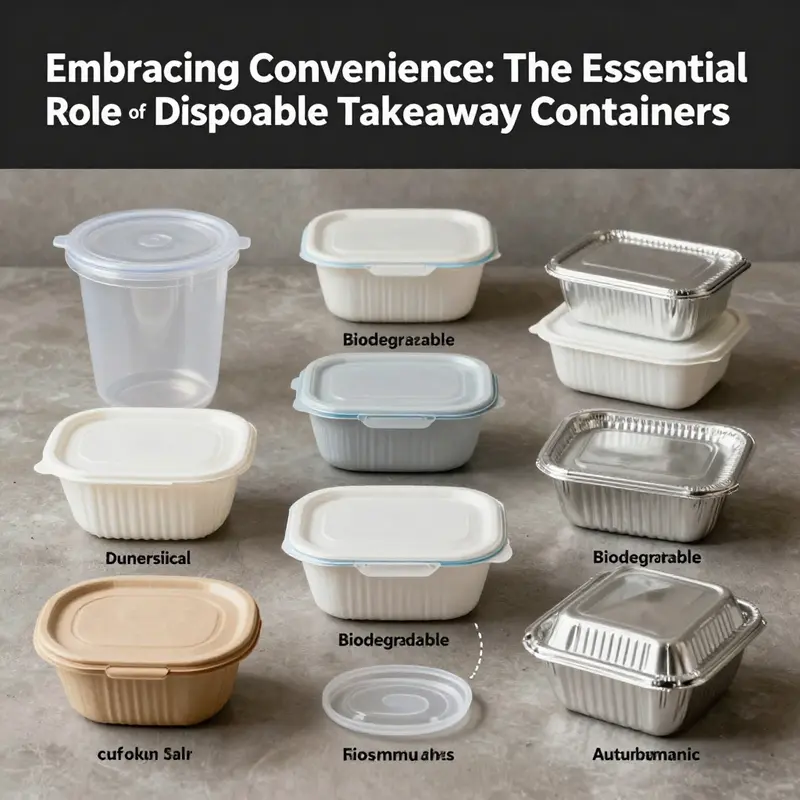
Materials used in disposable take-away food containers are more than a supplier’s choice; they are a narrative about how we balance convenience, safety, cost, and responsibility. When a customer orders a hot noodle bowl or a chilled salad, the container plays a silent but critical role in delivering the experience. It must withstand heat, oils, moisture, and a range of handling conditions while remaining affordable for food service operators and convenient for consumers. The material set chosen by manufacturers is not arbitrary. It reflects an evolving calculus that weighs performance against environmental impact, regulatory requirements, and the realities of waste management. In this chapter, we trace the principal material families—plastic, paperboard and molded fiber, and biodegradable composites—exploring how each family meets distinct demands and where trade-offs emerge. The aim is not to crown a single winner but to illuminate the material inheritance that shapes how we eat on the go and how the industry might steer toward more sustainable, safe, and efficient packaging ecosystems.
Plastic containers, particularly those fashioned from polypropylene (PP) or polystyrene (PS), remain foundational in the modern take-away landscape. Their enduring appeal lies in a combination of low cost, durability, and heat resistance that suits both hot entrées and cold desserts. PP, in particular, is recognized for its microwave- and freezer-safe properties, which make it a versatile option for meal prep, restaurant takeout, and even airline service. The smooth molding processes allow precise dimensional tolerances, enabling stacks that optimize storage and reduce handling footprint in kitchens and transport. For the consumer, clear or transparent lids provide visibility of contents, a small but meaningful convenience that can streamline pickup and reduce mistakes at point of service. Yet this plastic-centric reliance sits alongside significant caveats. Conventional plastics are derived from fossil fuels and do not readily biodegrade, presenting long-term environmental challenges. They can persist in ecosystems for centuries if not properly managed, and despite recycling programs, contamination and limited recycling rates often undermine their effectiveness in closing the loop. A 2025 risk assessment on food safety underscores another tension: when plastics are exposed to high temperatures or degraded over time, chemical leaching can occur, raising concerns about potential health effects with prolonged exposure. The takeaway is not that plastic is inherently dangerous, but that its lifecycle and usage conditions demand stringent controls and, ideally, a path toward circularity.
That path has sharpened in response to consumer demand and policy pressures for sustainability. Eco-friendly alternatives have gain traction as businesses seek to align packaging choices with broader environmental and social goals. Molded fiber containers, for example, epitomize a shift toward renewable, compostable materials. Bagasse—the fibrous byproduct of sugarcane processing—and bamboo fiber exemplify two prominent fibers used in molded forms. Bagasse containers are celebrated for their strength and heat resistance, enabling them to handle hot entrees, soups, and sauces with reduced risk of leakages or lid failures. When industrial composting facilities are available, these fibers can break down within months, offering a viable route to diverting food packaging waste from landfills. The renewable character of bagasse and bamboo means these options can, in theory, lower the lifecycle emissions of packaging compared with petroleum-based plastics, particularly when the supply chain is carefully managed to minimize transport distances and maximize local sourcing.
Recycled paperboard and molded fiber variants add another layer to the sustainability conversation. By reprocessing post-consumer or post-industrial fibers, these materials reduce virgin resource depletion and can lower the carbon footprint relative to virgin-plastic options. They also offer a natural aesthetic that resonates with consumer preferences for compostable, earth-friendly packaging. Nevertheless, there are trade-offs to weigh. The performance of paperboard and fiber containers can be more sensitive to oils and moisture over time, and some may require special treatments to maintain stability during hot- or cold-holding. This can complicate the packaging design, driving up costs or limiting applicability to certain menu items. To balance performance with sustainability, many operators opt for paperboard or molded fiber that is treated with water-resistant coatings. These coatings, often plant-based, can enhance durability while preserving the compostability of the container. The coatings themselves introduce further considerations about recyclability and the conditions required to achieve disposal goals, underscoring the complexity of engineering packaging that is both functional and responsibly managed at end of life.
Biodegradable composites sit at the intersection of plastics and natural fibers. They are designed to retain some of the favorable properties of polymer matrices—such as moisture resistance and structure—while incorporating renewable constituents. In practice, these composites may blend starch blends with plant fibers or utilize bioplastics derived from corn or other feedstocks. The appeal is clear: a packaging option that can provide the performance needed for hot foods and greasy dishes while presenting a more favorable end-of-life profile in composting streams. However, real-world compostability depends on stringent conditions. Many biodegradable composites require industrial composting infrastructure to break down efficiently; home composting standards may be insufficient. This reality means the environmental benefit of biodegradable composites is highly dependent on local waste management systems and consumer behavior around disposal. The regulatory landscape further shapes adoption. Across different jurisdictions, programs like Extended Producer Responsibility (EPR) place a greater onus on manufacturers to consider packaging end of life, incentivizing innovations in materials, design, and recycling or composting infrastructure. In several European contexts, the presence of EPR and related standards nudges the market toward materials and systems that fit existing waste streams, which can accelerate the adoption of compostable papers or molded-fiber alternatives when properly supported by policy and infrastructure.
To understand how these material choices translate into everyday use, consider the design implications. A high-performing plastic container benefits from precise tolerances that enable seamless stacking, space optimization, and leak resistance. The lid’s clarity allows users to verify content without opening, a small usability improvement that can reduce contamination risk during transport. But this design efficiency comes with careful attention to oil resistance, moisture barriers, and heat handling. The need for microwave safety, as well as freezer tolerance, means polymer chemists continually optimize formulations to balance softness, rigidity, and resilience. At the same time, eco-friendly alternatives must negotiate compatibility with hot foods and oils. Bagasse and bamboo fibers can deliver robust heat resistance, but their performance is sensitive to processing methods and coatings. Coatings help protect the fiber from moisture and grease, extending usability for take-away meals, yet they must be chosen to preserve compostability and minimize environmental trade-offs. The trade-offs are not merely technical; they influence how a kitchen inventories, stores, and uses containers during peak service periods. A stack of fiber-based boxes that saves space in transit makes a meaningful difference for a mobile operation, but if the oil tolerance is insufficient for certain sauces, a different material might be required for those items.
Safety and regulatory compliance further shape material selection. In the United States, FDA certification under 21 CFR 177.1520 addresses safe contact with food and the use of approved resins and additives. This standard provides a framework for ensuring that containers do not introduce harmful substances into meals under normal use. For operators, the regulatory lens also includes clarity around whether the material is microwave-safe, whether it can withstand a freezer cycle, and how long a container can maintain its integrity when exposed to hot foods. Beyond food safety, environmental certifications and local waste rules matter. For example, some markets emphasize certification schemes or standards related to biodegradability, compostability, or recyclability. These credentials serve as signals to consumers and partners about a packaging option’s alignment with sustainability goals. The practical implication for businesses is that choosing materials cannot be seen as a one-off decision. It requires ongoing alignment with supplier capabilities, waste-management infrastructure, and evolving public policy.
The conversation around material choice also intersects with consumer expectations and brand storytelling. Many diners now expect packaging to reflect a brand’s environmental commitments. A container that is primarily plastic may be fast, economical, and highly functional, but it can arouse skepticism if it undermines a company’s stated sustainability goals. Conversely, eco-friendly fiber or paper-based options can enhance a brand’s image and appeal to customers seeking green practices. The design language matters as well. A container can look and feel premium through the use of natural textures or recycled-content coatings, turning a simple take-out box into a tangible part of the brand experience. In this sense, material choices become a strategic signal about a business’s values and its willingness to invest in responsible packaging. The industry trend toward customization adds another layer: coatings and finishes, logos and branding, and even color schemes can be integrated into fiber or paperboard systems without compromising end-of-life performance. The growth of offset or digital printing for eco-friendly materials demonstrates how packaging can reinforce identity while remaining aligned with sustainability targets. A practical implication is that operators can use packaging not only to carry food but to carry a story about care for the environment and the communities served, which in turn can influence customer loyalty and repeat business.
One practical takeaway for managers and designers is the importance of aligning packaging specs with menu realities. A noodle shop that needs robust heat resistance and spill protection may favor molded-fiber or PLA-coated paperboard with high-quality insulation and a secure lid design. A bakery or café offering cold desserts and ready-to-serve snacks might prioritize recyclable or compostable paper solutions with a clean aesthetic and easy-grip handling. For a quick-service restaurant that handles a broad range of items, a mixed approach often makes the most sense: using plastic where performance is critical, while substituting compostable or biodegradable fiber options for items that don’t rely on heavy oils or heat. This pragmatic strategy mirrors how kitchens operate: optimize for reliability during peak hours, then expand sustainability where feasible without sacrificing the customer experience. It also recognizes that the circular economy requires not only material innovation but coordinated action across supply chains, waste streams, and consumer behavior. In other words, the container is a connective tissue linking food preparation, packaging science, and end-of-life management.
To illustrate how a material’s distinctive properties influence use, consider the PLA-coated kraft-box family, a design concept that has seen growing interest in the market. These boxes fuse the structural advantages of kraft paperboard with a thin, plant-based coating that improves moisture resistance and presentation. They offer a compelling balance of rigidity, surface finish, and compatibility with branding through printing options, while still aiming to support composting in appropriate facilities. The coatings enable hot foods to be carried without immediate leakage, and the kraft base contributes to a natural, earthy aesthetic that resonates with sustainability narratives. From a lifecycle perspective, such solutions illustrate how packaging designers are attempting to realize practical benefits—ease of use, reliable performance, and a clearer pathway to end-of-life goals—without sacrificing the consumer experience. For readers curious about these kinds of integrations, a representative example in the current market is described through internal product references that combine fiber-based substrates with specialized coatings.
The vast landscape of materials thus presents a spectrum of choices, each with its own logic, advantages, and constraints. There is no universal answer to which material is best. Instead, the decision rests on a careful assessment of the specific use case, the intended food category, the available waste-management infrastructure, and the brand’s commitments to circularity. The most resilient packaging strategies today are those that acknowledge the interdependencies among performance, safety, cost, and end-of-life. They deploy a mix of materials and designs tailored to different menu items, while pursuing innovations in coatings, fiber processing, and polymer chemistry that increase recyclability or compostability without compromising the consumer experience. In practice, this means designing for practicality in the kitchen, clarity in the consumer handoff, and feasibility in waste streams after the meal is enjoyed. It also means continuing to invest in research and development that can deliver better mechanical performance with lower environmental footprints, along with robust education for customers about proper disposal. The future of disposable take-away containers will likely hinge on the extent to which materials science, policy, and consumer behavior co-evolve to close the loop around packaging waste and to reduce the footprint of the meals that arrive at our doors.
For readers seeking a practical path forward, consider how a single, well-chosen container family might anchor a broader sustainability program. Pair high-performance plastics with strong recycling capabilities where local systems exist, and gradually integrate molded-fiber or paperboard options where composting is feasible and trusted. Invest in coatings and treatments that preserve performance while enabling end-of-life options that align with regional waste-management realities. And ensure regulatory alignment—from food safety certifications to labeling that communicates disposal guidance—so the container remains a reliable ambassador for the meal and the brand. The material choices we make in the kitchen are not isolated. They ripple through supply chains, influence waste volumes, affect consumer habits, and shape the environmental footprint of eating on the go. In this way, the material inheritance of takeaway containers tells a story of adaptation, innovation, and responsibility that continues to unfold as markets, technologies, and policies evolve.
Internal link reference: For a detailed look at fiber-based, compostable packaging with a strong visual and branding potential, see the PLA-coated kraft box design option in the eco-friendly category described on this product page. PLA-coated kraft box for fast-food packaging.
External reading: For a broader scientific perspective on standards, grades, and mechanical performance of takeaway containers, see An Overview of Take Away Food Boxes: Standards, Grades, and Mechanical Performance (January 15, 2026). https://www.sciencedirect.com/science/article/pii/S187770532600045X
From Convenience to Circularity: Innovations Shaping Sustainable Disposable Takeaway Containers
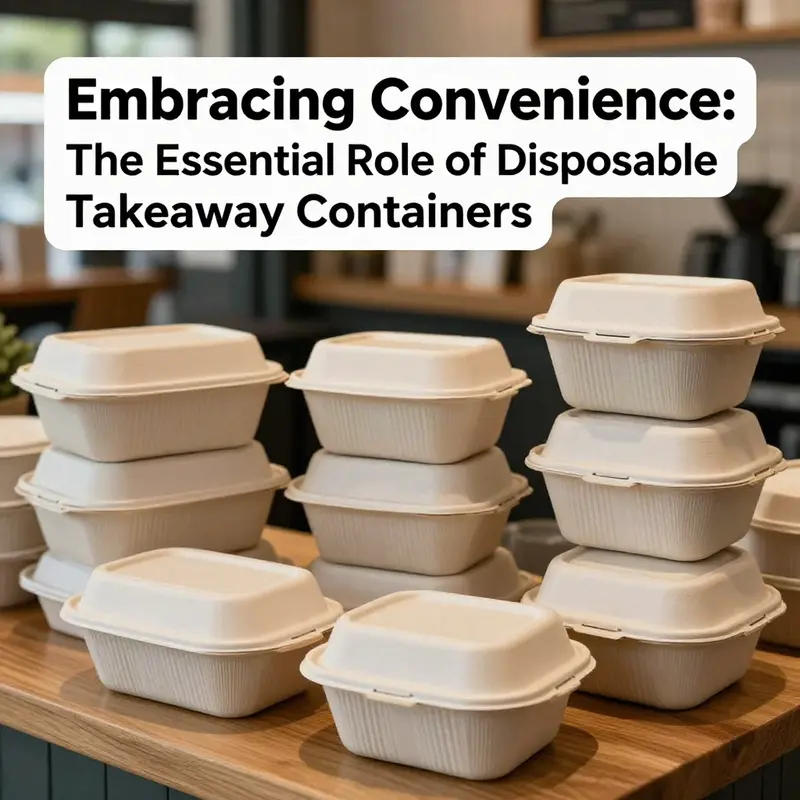
The story of disposable take-away containers is no longer about convenience alone. It is a narrative about responsibility, design foresight, and the way businesses translate consumer expectations into practical packaging choices. Across the food service landscape, operators are navigating a tangle of needs: the need to protect food safety, to keep costs predictable, to offer a welcoming dine-out or take-out experience, and, increasingly, to demonstrate a commitment to the environment. In this context, sustainability is not a separate objective but an integral quality of the containers themselves. The chapter that follows traces how the industry is evolving toward materials and systems that marry performance with reduced environmental impact, and how those choices ripple through operations, branding, and consumer trust.
A central driver is the rising demand for packaging that respects the planet while still delivering the reliability customers expect. This means materials that can perform under heat and moisture, storage and stacking, and the rough handling of busy kitchens and delivery lanes, all while being easier to end their life in a responsible way. The shift toward renewable and compostable materials has gained momentum as stakeholders—from policymakers to consumers—recognize the finite nature of fossil resources and the environmental costs of waste. Biobased alternatives and recycled content are no longer niche options; they are increasingly mainstream choices that align with the circular economy’s principle of designing waste out of the system from the start. In practical terms, this translates to containers made from recycled paperboard and molded fiber, with designs that support end-of-life processing in industrial composting facilities. These choices do not simply replace plastic; they reframe how packaging is conceived, used, and returned to the cycle of materials.
The material shift is complemented by innovations in coatings and barrier technologies. Paper-based containers have long struggled with grease resistance and moisture management, limiting their use for hot, oily, or fatty foods. Recent advancements, however, have produced coatings that preserve compostability while delivering a robust moisture and grease barrier. The result is a container that can withstand a hot noodle dish or a fatty sauce without compromising its end-of-life pathway. From a regulatory perspective, these developments also help ensure that the product meets established standards for compostability and recyclability, which is crucial for consumer confidence and municipal waste systems alike. The intersection of performance and processing is not accidental; it reflects a deliberate design philosophy that views end-of-life handling as an essential feature, not an afterthought.
Biodegradable plastics present another wrinkle in the sustainability story. Plant-based polymers, such as those derived from starches, are engineered to emulate the performance of conventional plastics while enabling degradation under specific conditions. This approach addresses one of the core tensions in packaging: the need for durable containment during transport and service versus the imperative to minimize persistent waste. While biodegradable options are not a universal remedy—because some end-of-life streams require industrial rather than home composting, and because the environmental footprint varies with production methods—they offer a pathway to reduce pollution where properly managed. In practice, the selection of a biodegradable option is most effective when coupled with clear disposal guidance for customers and alignment with local waste infrastructure.
A broader trend shaping the industry is the emergence of closed-loop or reuse-ready systems. In these models, containers circulate through a network of restaurants, couriers, and consumer households, guided by standardized cleaning and refurbishment processes. The appeal is clear: when scaled, reusable packaging can outperform even the most sustainable disposable options in terms of waste reduction and carbon footprint. The challenge is logistical: initial investments, routing, cleaning capacity, and the need for reliable return rates. Yet, as operators experiment with these systems—whether through centralized cleaning facilities or on-site wash-and-reuse programs—the potential to dramatically cut waste becomes tangible. The shift is not a rejection of disposables but a reimagining of their lifecycle, where the container is designed to be used again and again, with a clear, reliable plan for recovery and reuse.
Within this evolving landscape, businesses seek guidance on what to select and how to implement it. A pragmatic approach emphasizes certified compostable or recyclable packaging and adherence to recognized standards that govern end-of-life processing. Standards such as EN 13432 in Europe and ASTM D6400 in the United States provide a framework for evaluating compostability, while recyclability considerations are guided by local capabilities. Clear labeling and customer education become integral to success. Without explicit disposal instructions, even the most well-intentioned packaging can end up in the wrong stream, undermining the environmental benefits and increasing contamination risks for recycling or compost facilities. In essence, the value of packaging is amplified when the design, labeling, and consumer guidance work in concert to direct waste to the appropriate channel.
The pursuit of sustainability also has branding implications. Companies increasingly view packaging choices as a signal of values to customers, employees, and partners. Eco-friendly materials can become a tangible expression of a company’s commitment to responsible sourcing, waste reduction, and community stewardship. This alignment often requires thoughtful design that balances aesthetics with clarity about disposal pathways. An understated, well-labeled container can communicate a company’s environmental aims as effectively as a campaign or press release. The packaging then becomes part of the customer experience, reinforcing trust and loyalty through consistent behavior that respects both quality and the planet.
From a logistics standpoint, the journey toward sustainable disposables intersects with supply chain resilience. Suppliers now report not only the performance attributes of their packaging but also the environmental credentials and end-of-life performance. For operators, this means scrutiny of supplier claims, testing for real-world durability, and verification that the chosen packaging aligns with the business’s waste-management capabilities. It also means anticipating regulatory shifts and staying adaptable as standards evolve. In practice, this translates into a portfolio approach: a mix of compostable and recyclable options for different food types, coupled with a defined policy on reusable systems where feasible. The goal is to maximize resource efficiency without compromising food safety or customer experience.
An illustrative, albeit practical, doorway into this transition is the availability of kraft-paper-based containers with clear lids. These types symbolize a broader shift toward materials that can be processed in established waste streams while retaining the essential functions of take-away packaging. A useful example for readers seeking a tangible reference is a disposable kraft-paper take-away box with a clear lid, which highlights both the performance and the end-of-life considerations discussed here. disposable kraft paper take-away box with clear lid. This option demonstrates how design can preserve visibility of the contents, support branding through labeling and printing, and maintain grease resistance without compromising compostability. It also serves as a reminder that the packaging world is moving toward solutions that satisfy the kitchen’s practical demands while remaining compatible with modern waste systems.
The chapter’s broader implications reach beyond product selection. They touch on operational choices that influence waste generation, energy use, and emissions. For example, the mass adoption of recyclable or compostable packaging can change the waste streams that facilities manage, potentially increasing the demand for industrial composting infrastructure or better sorting technologies. Businesses must coordinate with waste haulers and municipal programs to determine what is feasible in their markets. This collaborative dynamic—between producers, retailers, waste processors, and policymakers—shapes the pace and direction of sustainable packaging adoption. It also invites ongoing learning, as new materials, coatings, and processing methods appear on the market and as end-of-life facilities refine their capabilities.
In this evolving ecosystem, the role of consumers cannot be understated. Consumers who understand the disposal pathways for their meals are more likely to choose options that align with those pathways. Clear, accessible disposal instructions, reinforced by in-store signage and packaging labeling, reduce the risk of contamination in recycling or compost streams. When customers participate knowingly in the end-of-life process, the environmental benefits multiply. This is why education and transparency are essential complements to material innovation and system design. Packaging that informs, guides, and empowers users to participate responsibly embodies a holistic approach to sustainability, one that recognizes that waste is a design problem as much as a waste-management issue.
The future of disposable takeaway containers, then, lies in a synthesis of advanced materials, smarter logistics, and responsible consumer behavior. It is not a single solution but a spectrum of choices that reflect different food types, service models, and local waste capabilities. The most resilient strategies are those that anticipate regulatory expectations and incorporate them into product design from the outset. They also embrace measurement, so progress can be tracked and communicated, not only in terms of waste diverted or emissions saved but also in terms of customer satisfaction and brand integrity. As packaging developers and food-service operators navigate this terrain, the guiding principle remains simple: design for end-of-life outcomes as part of the product’s core value proposition.
This integrated perspective helps explain why the industry is moving toward a hybrid reality. Compostable paper-based containers handle many hot and greasy foods effectively, while coated papers extend their applicability and durability. Reusable systems offer long-term waste reductions, especially when scaled, even if they require higher upfront investments. Traditional plastics persist in some contexts due to durability and cost considerations, but their role is increasingly framed within broader sustainability goals, including recycling and energy recovery where possible. The balance among these options is not fixed; it shifts with market realities, consumer behavior, and the availability of infrastructure that can process end-of-life packaging in an environmentally responsible way. The chapter closes not with a definitive answer but with a trajectory: toward packaging designed with end-of-life in mind, toward closed-loop possibilities where feasible, and toward consumer engagement that makes sustainable choices clearer and more meaningful for everyday dining.
External resource: For further guidance on standards governing compostability, see ASTM D6400. This resource provides technical criteria and testing methods that help ensure end-of-life processing aligns with practical waste-management systems. https://www.astm.org/Standards/D6400.htm
Safe Minds, Safe Meals: Navigating Compliance, Safety, and Sustainability in Disposable Takeaway Containers
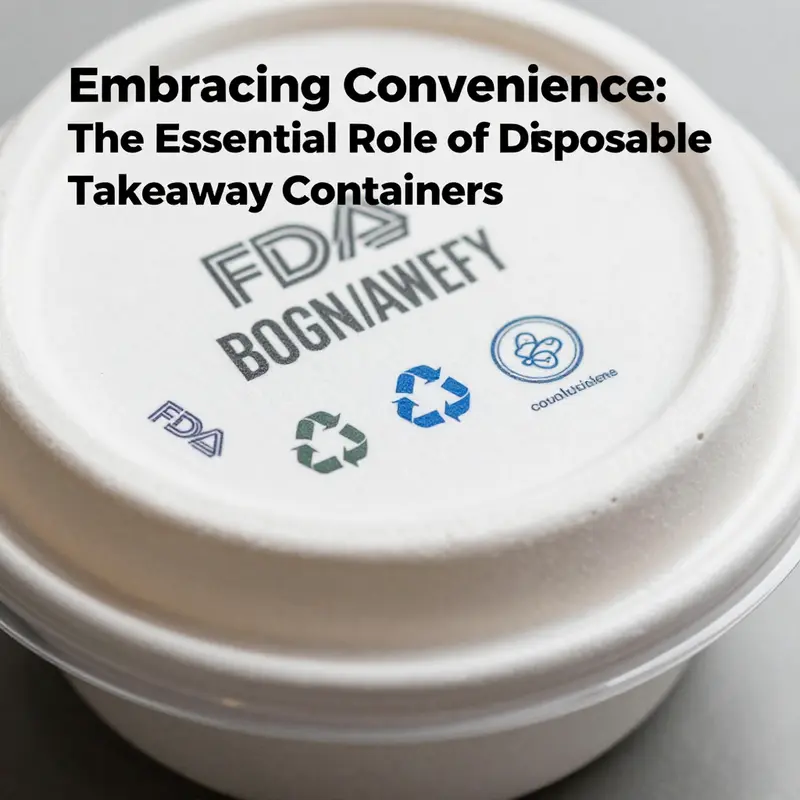
Regulatory regimes around disposable takeaway containers are not mere paperwork; they are living frameworks that determine what materials can touch food, how products perform under heat and cold, and what responsibilities accompany end-of-life disposal. In a market driven by speed, cost, and convenience, these standards anchor consumer trust and industry accountability. They also illuminate the tradeoffs that shape every packaging choice, from the polymer science inside a plastic cup to the fiber composition of a compostable box. When one watches the regulatory landscape, it becomes clear that safety and sustainability are inseparable companions in the design, manufacture, and deployment of disposable takeout containers.
In the United States, the FDA’s oversight of food contact substances sets the baseline for what can legitimately touch food. The core concern is migration: substances from packaging into food must stay within predefined limits to avoid health risks. These migration limits are not static numbers; they are calibrated to factors like temperature exposure, type of food (fatty versus aqueous vs acidic), and duration of contact. For polystyrene and similar materials, the threshold becomes particularly salient when hot foods or fatty foods are involved, as higher temperatures and fat content can increase the potential for undesired migration. This is why product developers routinely evaluate thermal conditions—microwaving, reheating in an oven or toaster, or hot packing for hours—against migration data to ensure compliance across intended use scenarios.
A parallel regulatory development in the United States has been the movement to curb single-use plastics perceived as environmental risks. California’s ban on expanded polystyrene foam containers is a high-profile example of policy converging with consumer demand for safer, more sustainable options. The policy environment here is not simply about prohibiting a material; it is about encouraging safer alternatives and facilitating smoother transitions to more sustainable packaging ecosystems. For producers, this means preemptive material substitution considerations, supply chain diversification, and clear labeling that helps users understand the container’s appropriate uses and disposal pathways. The regulatory narrative thus threads together food safety and environmental stewardship, signaling to manufacturers that a packaging solution must satisfy both health-based safety standards and end-of-life responsibility.
Across the Atlantic, the European Union operates under Regulation (EC) No 1935/2004, a cornerstone policy that requires food contact materials to be inert, non-toxic, and not to transfer harmful substances into food. EFSA, the European Food Safety Authority, subsequently provides guidelines that translate these principles into practical testing protocols and risk assessment methodologies. The EU framework extends beyond immediate safety to embed sustainability within the regulatory fabric. Circular economy initiatives push for compostable or recyclable alternatives and for extended producer responsibility so that packaging producers participate in the lifecycle management of their products. In this environment, a container design is judged not only by its ability to perform in a kitchen or a takeout line but also by how readily it fits into recycling streams or composting facilities. The regulatory emphasis, therefore, becomes a design brief: materials should be inert, stable under typical service conditions, and amenable to end-of-life processing while delivering the performance customers expect.
Standards bodies play a pivotal role in harmonizing safety and sustainability claims. ASTM International, for example, has developed standards related to compostable packaging and materials testing, such as ASTM F2783, which provides criteria for compostable packaging across a range of products. Third-party verifiers, like the Biodegradable Products Institute (BPI), offer certification that products meet environmental and safety claims independently of a company’s internal assurances. These certifications do more than validate a product’s compostability or recyclability; they establish a benchmark that helps buyers differentiate between genuinely sustainable options and greenwashed promises. For a sector defined by fast decisions in busy service environments, such external validation can reduce risk and support consistent customer messaging.
The design and material choices for disposable containers reflect a broader balancing act. Plastics, particularly those like polypropylene (PP), offer durability, versatility, and a broad temperature range, aligning well with takeout, meal prep, and even airline service where leakage resistance and stackability matter. Yet, the regulatory and environmental pressures surrounding plastics demand a rigorous assessment of safety for hot foods, compatibility with microwave heating, and long-term environmental considerations. Conversely, biodegradable and compostable options—whether paper-based, molded fiber, or bagasse (sugarcane fiber)—present compelling sustainability narratives but carry their own regulatory and performance caveats. They must prove that they maintain barrier properties for hot and cold foods, resist leakages, and, crucially, perform as intended within composting or recycling streams. These materials often rely on coatings or lamination to preserve waterproofing and durability, yet those same features can complicate end-of-life processing if not properly managed in local waste systems.
The practical consequence of this regulatory complexity is a heightened emphasis on material safety data, clear labeling, and honest performance claims. For foodservice operators, the takeaway is not simply choosing a container that looks right or feels right in the hand. It is ensuring that the chosen packaging complies with migration limits, withstands the temperatures it will encounter, and fits within the local waste infrastructure. This triad—which encompasses consumer safety, product performance, and environmental responsibility—shapes procurement decisions, supplier selection, and the way a brand communicates its packaging choices to customers. The interplay between regulation and practice manifests in everyday choices: whether a container is marked microwave-safe, whether it is designed for hot noodle sauces, or whether the coating used to keep liquids from seeping through is compatible with recycling streams.
In proximity to these regulatory guardrails, the industry increasingly embraces design strategies that anticipate both safety and lifecycle outcomes. For example, engineers evaluate thermal resistance and sealing integrity to minimize leakage and to ensure margins stay within safe limits when foods are served hot or when containers are subjected to heat during transport. They also examine chemical migration in real-world scenarios, testing containers with various food types—oily, acidic, salty—to observe whether any components migrate in meaningful amounts. This kind of testing supports claims that a container is safe for hot foods or for long-term storage in freezers, addressing the concerns of kitchens that rely on batch prep and multi-hour delivery windows.
Another layer of complexity arises from the global supply chain. When a foodservice operator sources disposable containers from multiple suppliers, regulatory interpretations can vary by jurisdiction, and the end-user environment may expose products to diverse conditions. In this context, standardized documentation—material safety data sheets, migration data, declaration of conformity, and third-party certifications—becomes essential. It is not enough to verify a product’s performance in a laboratory setting; operators must ensure that the packaging they deploy aligns with local regulations and with the expectations of their customers. The best practice is a proactive compliance approach: suppliers provide up-to-date regulatory information, and buyers integrate this information into their procurement guidelines, quality control routines, and consumer-facing communications.
The evolving regulatory landscape also influences how brands tell their sustainability stories. Circular economy principles encourage reversible design choices; packaging that can be recycled or composted with minimal contamination earns a stronger market position. In practice, brands who emphasize eco-friendly materials often pair compliance narratives with clear end-of-life stories, helping customers understand not just what a container does in the kitchen, but what happens to it after the meal is finished. A well-executed sustainability claim rests on credible data about recyclability, compostability, and the product’s lifecycle footprint, including considerations of raw material extraction, manufacturing energy use, and transport emissions. By aligning regulatory compliance with environmental stewardship, the industry moves toward packaging solutions that satisfy health standards while supporting responsible waste management.
For those seeking tangible examples in the supply side, certain packaging formats illustrate how compliance and sustainability can be integrated without sacrificing performance. Consider the shift toward eco-friendly kraft packaging that uses water-resistant coatings to maintain durability for hot and cold foods. These options often feature double-wall insulation, which helps retain heat or cold and supports a broader range of use cases—from noodles to coffee to salads and desserts. The stackable design common to many of these containers optimizes warehouse and kitchen storage, reducing space requirements by significant margins. When such designs are paired with certifications and third-party verifications, operators gain confidence that the products meet both safety obligations and environmental expectations. The result is a more resilient supply ecosystem where regulatory compliance and sustainability are not trade-offs but converging priorities that drive improved outcomes for food safety, user experience, and planetary health.
As a reader moves through this regulatory terrain, it becomes clear that the question is less about choosing between safety and sustainability and more about selecting packaging solutions that demonstrate responsible design, robust testing, and transparent communication. The industry’s progress hinges on continuous dialogue among regulators, standards bodies, suppliers, manufacturers, and end users. When such dialogue is ongoing, the regulatory framework does not merely constrain innovation; it guides it toward safer, cleaner, and more reliable takeout experiences. In this sense, the chapter you are reading is less a catalog of rules and more a map of how those rules shape every practical choice in the world of disposable containers—how materials are selected, how products are tested, and how the industry narrates its commitments to customers and communities.
To connect these ideas to real-world practice, consider the growing interest in transparent labeling and credible claims about end-of-life outcomes. Buyers increasingly seek products that carry not just safety credentials but also environmental verifications that align with regional disposal capabilities. This shift brings attention to the coexistence of food safety standards and environmental certifications, emphasizing that a container can be both safe for food contact and responsibly managed after use. It also highlights the importance of educating staff and customers about proper disposal, as missteps in end-of-life handling can undermine otherwise sound safety and sustainability claims. In short, regulatory compliance and safety standards are not obstacles to be endured; they are navigational beacons that guide the industry toward packaging solutions that protect health, support logistical efficiency, and advance environmental stewardship alike.
For readers who want a window into the practical, real-world implications of these standards, some suppliers emphasize eco-friendly kraft packaging that combines durability with end-of-life flexibility. This approach marries the protective properties needed for hot and cold foods with a pathway toward responsible disposal. Such options may feature waterproof coatings, insulation that preserves temperature during transit, and a design that stacks neatly to save space in busy kitchens and storerooms. They illustrate how the regulatory framework and market demand can converge to deliver packaging that behaves well in the consumer’s hands and at the waste facility—reducing waste, lowering risk, and supporting brand integrity. The narrative here is not one of restriction but of responsible opportunity: a space where rigorous safety data, tested performance, and thoughtful environmental strategy intersect to produce packaging that serves people well and honors the broader obligations of responsible stewardship.
The discussion above intentionally foregrounds the practical realities behind the abstract language of standards. It invites readers to see packaging as a system rather than a single component: a system that includes resin chemistry, coating technologies, heat resistance, migration testing, labeling accuracy, and end-of-life infrastructure. It also invites procurement professionals to adopt a holistic lens, one that weighs regulatory compliance, product performance, and lifecycle impact in equal measure. In doing so, the industry can deliver disposable takeaway containers that not only pass the test of health and safety but also stand up to modern expectations about environmental responsibility and corporate accountability. The ultimate aim is a seamless experience for both operators and customers—a world where the promise of convenience does not come at the expense of safety or sustainability.
To explore a concrete example of how packaging can align with both safety standards and sustainability goals, consider the broader context of fiber-based, eco-friendly options that maintain performance while reducing environmental impact. These designs often rely on waterproof coatings and appropriate insulation to handle hot foods, while their paper or molded fiber composition supports compostability or recyclability where local facilities permit. The alignment between material choice and regulatory expectations becomes a defining criterion in supplier selection and in the confidence of customers who value responsible packaging. The takeaway is simple but powerful: robust safety standards should not be seen as impediments to innovation, but as guiding principles that help ensure that every disposable container in the supply chain contributes to safer meals and a cleaner planet.
For readers seeking additional practical guidance on the intersection of policy and packaging design, a broader exploration of the regulatory landscape and standards development can illuminate how compliance decisions are made, tested, and verified. The regulatory map is not static; it shifts with new scientific findings, evolving waste management capabilities, and changing cultural expectations about single-use products. In this sense, the story of disposable takeaway containers is a narrative of continuous improvement—one where safety data, material science, and environmental responsibility co-create packaging solutions that serve meals today while safeguarding resources for tomorrow. The journey from migration limits to end-of-life stewardship may be intricate, but it is precisely this integration that will define the resilience and relevance of the takeaway packaging industry in the years to come.
External resource: For authoritative guidance on food contact substances, see the U.S. Food and Drug Administration’s Food Contact Substances resource at https://www.fda.gov/food/food-contact-materials-ingredients/food-contact-substances.
Internal reference: For a practical example of eco-friendly, customizable kraft packaging options in a takeout context, see the following example product page that demonstrates windowed, customizable, and sustainable packaging choices: eco-friendly disposable kraft food packaging bowl with window and customization options.
Final thoughts
In the realm of food service, the utilization of disposable takeaway containers plays a pivotal role in ensuring convenience, safety, and efficiency. By understanding the materials available, embracing sustainability, and adhering to safety regulations, businesses can optimize their operations and cater to evolving consumer preferences. The right choice in disposable containers not only enhances service delivery but also aligns with modern values around environmental stewardship and health compliance, ultimately leading to greater customer satisfaction and loyalty.