

Small clear plastic dessert cups have become a staple in various food service settings, from bubble tea shops to catering events. Their transparent design not only showcases the vibrant colors and textures of desserts but also enhances presentation, making any treat visually appealing. Whether you’re operating a busy restaurant, a food truck, or managing corporate catering, these cups fit seamlessly into your operational needs. In this article, we delve into the overview, design, applications, and sustainable options available for small clear plastic dessert cups, equipping you with the knowledge to enhance your service.
Seeing Is Serving: How Small Clear Plastic Dessert Cups Improve Presentation, Portioning, and Practicality
Seeing Is Serving: How Small Clear Plastic Dessert Cups Improve Presentation, Portioning, and Practicality
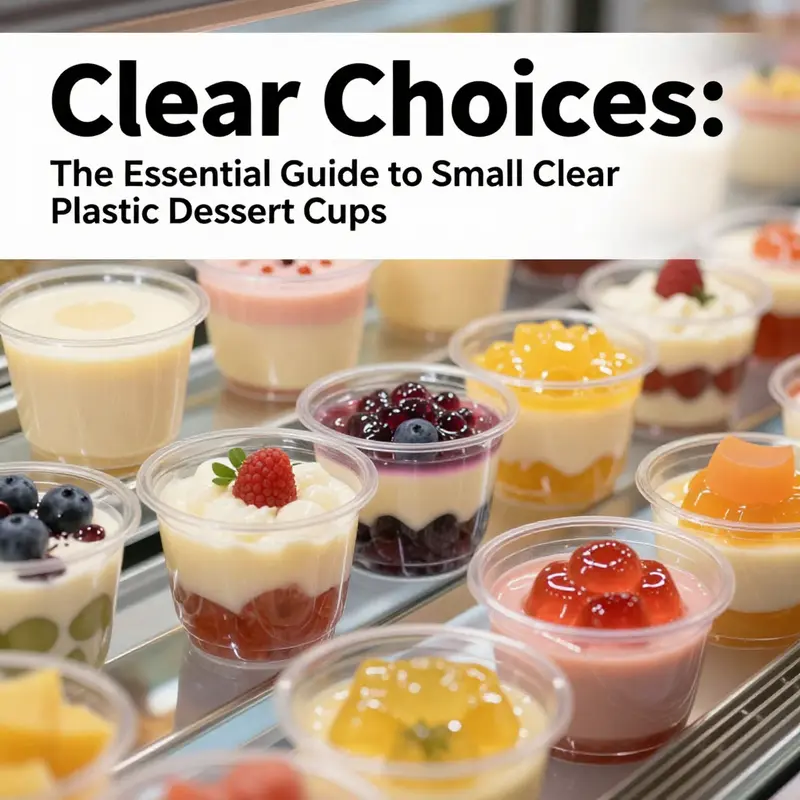
Small clear plastic dessert cups are more than simple vessels. They act as a bridge between culinary craft and convenient service. Their transparency lets desserts show their best features. Color, texture, and layered construction become part of the experience. For pastry chefs, caterers, and event planners, this visual clarity can turn a humble portion into a memorable tasting moment.
The cups come in a variety of sizes. Common capacities range from small tasting portions around 60 milliliters to more generous servings up to several hundred milliliters. Options such as 60 ml, 130 ml, and 150 ml meet needs for sample portions and plated desserts. Larger sizes allow take-home servings or multi-component desserts. Choosing the right volume is crucial. It affects perceived value, portion control, and cost per serving.
Material choice plays a central role in performance. Many cups are made from food-safe PET or polypropylene. These plastics offer high clarity, dependable strength, and resistance to moisture. They keep sauces and custards upright during transport. They also meet regulatory standards for direct food contact. Some manufacturers use BPA-free resins to address consumer health concerns. The result is a product that looks good and performs reliably under normal serving conditions.
Lids extend usability and reduce spillage. Dome lids accommodate taller decorations, whipped toppings, or chocolate shards. Flat lids make stacking simpler and shipping more compact. Secure snap-on lids preserve freshness. They also make the cups suitable for takeaway and delivery. Built-in spoon storage or spoon-compatible designs add convenience. For fast-service environments, the ability to ship a dessert intact is essential.
Portion control is another advantage. Premeasured cups simplify service at busy events. They ensure uniformity across servings. Uniform portions help with nutritional labeling and cost calculations. They also reduce waste by limiting over-serving. In institutional settings, such as cafeterias and catering halls, predictable portions ease logistics. For sampling and promotions, small cups reduce product loss and maintain hygiene.
Presentation is not just aesthetic. It influences perceived taste and customer satisfaction. A transparent cup makes layers visible. A parfait, mousse, or panna cotta gains perceived refinement. Even simple desserts, like fruit and cream, appear more attractive when layered in clear plastic. Visual cues guide expectations. Bright fruit signals freshness. Smooth layers hint at texture variation. These signals often increase consumer willingness to purchase.
Functionality extends past looks. The right cup must balance a narrow opening with enough volume. Narrow mouths concentrate flavor and allow elegant layering. Wider mouths provide easier spooning for dense desserts. Consider the composition of the dessert when selecting a cup. Sauces and runnier preparations perform well in narrow containers. Chunkier or heavily textured desserts may need wider mouths. Specialist designers account for these differences by offering multiple shapes and rim profiles.
Stackability and storage are practical benefits. Lightweight and nestable cups save space in busy kitchens. They reduce handling time during set-up and breakdown. Stackable lids further increase storage efficiency. For businesses operating with tight storage, this compactness reduces inventory footprint and makes transport easier.
There are limitations to consider. Disposable cups are not designed for long-term reuse. Some desserts with high moisture content can cause minimal softening at contact points. Very thick or chunky mixtures may require stirring before serving, especially when poured into narrower cups. Heat tolerance is also limited; while some plastics handle warm fillings briefly, most small clear cups are meant for cold or room-temperature desserts.
Sustainability is a growing concern. Fortunately, options exist that blend transparency with eco-conscious materials. Some suppliers offer cups made from recyclable PET. Others use compostable or plant-based plastics that break down under industrial composting conditions. Hybrid solutions pair a clear plastic window with a renewable fiber base, combining visibility with a reduced plastic footprint. These hybrids maintain much of the presentation benefit while addressing environmental priorities. For operations exploring such options, seeing examples of combined solutions can be helpful; consider evaluating a biodegradable kraft paper and clear plastic combo packaging model to compare designs and functionality.
Customization expands brand presence. Many manufacturers provide printing services. Logos and brand colors can be applied to wrap bands or direct-printed onto the cups. Custom printing supports seasonal campaigns and brand recognition. Embossed or colored lids add a premium feel without altering the dessert. For large orders, custom dimensions and closures can be specified to fit unique menu items.
Operationally, small clear cups reduce labor and simplify workflows. Pre-fill stations speed service during peak periods. Line staff can fill, lid, and refrigerate multiple servings rapidly. This pre-batching reduces stress on kitchen stations during events. It also improves hygiene by minimizing direct hand contact during plating. In mobile catering and festivals, easy cleanup and single-use disposal are valuable. They minimize return logistics and simplify compliance with local health codes.
Cost considerations vary. Unit price depends on material, thickness, and customization. Thinner cups are cheaper but less sturdy. Heavier-gauge plastics cost more but resist deformation. Lids, inserts, and spoons add marginal cost per assembled unit. Volume discounts often reduce per-piece cost significantly. Ordering in bulk for predictable menus typically offers the best value.
Supply chain reliability matters. Look for suppliers that provide verified food-safety documentation. Consistent dimensions and tolerances prevent frustrating fit issues between cups and lids. For brands that rely on a specific cup profile, establishing a steady supplier relationship reduces substitution risk. OEM services enable tailored solutions, allowing businesses to lock in specifications.
Practical tips for choosing cups help avoid waste. Match cup diameter to spoon size for comfortable eating. Select lid types that fit existing transport trays. Test prototypes with actual recipes to verify stability. Consider insulation needs for delicate components, such as chilled cream or mousse. When offering layered desserts, test how layers settle after refrigeration and transport. Small adjustments in filling order or viscosity often yield big visual improvements.
Disposal and after-use thinking round out the picture. Clear plastic cups that are recyclable should be accompanied by clear consumer instructions. Labeling aids correct disposal. For compostable options, confirm local composting infrastructure before switching. Combining clear windows with biodegradable bases can confuse consumers, so clarity in labeling remains essential.
Ultimately, small clear plastic dessert cups provide a practical balance between presentation and efficiency. They let food do the selling. They simplify portioning, reduce waste, and support rapid service without sacrificing visual appeal. Whether used for premium plated desserts or casual samples, these cups connect kitchen creativity with real-world demands. For buyers, the goal is to choose a configuration that aligns with menu needs, brand values, and operational realities. With the right selection, a simple transparent cup becomes a versatile tool that enhances both taste and experience.
For more examples of compostable and hybrid packaging that pairs clear windows with renewable materials, see this resource on combined packaging options: https://cupbowlpack.com/product/disposable-biodegradable-kraft-paper-matt-lamination-clear-plastic-combo-pastry-dessert-tiramisu-cake-food-container-packaging/
Further reference material on typical retail packaging formats and common sizes can be found here: https://www.amazon.com/dp/B0BQZ9J4VH
How Design and Materials Shape Small Clear Plastic Dessert Cups: Clarity, Strength, and Sustainability
Design and Materials Shape Small Clear Plastic Dessert Cups: Clarity, Strength, and Sustainability
Small clear plastic dessert cups succeed because they balance visual appeal with practical performance. Their transparent bodies put desserts on display, turning texture and color into a selling point. At the same time, they must withstand handling, transport, and repeated filling without collapsing or fogging. Achieving that balance requires careful choices in geometry, wall thickness, resin grade, and finishing. These factors determine not only appearance but also barrier performance, recyclability, and cost.
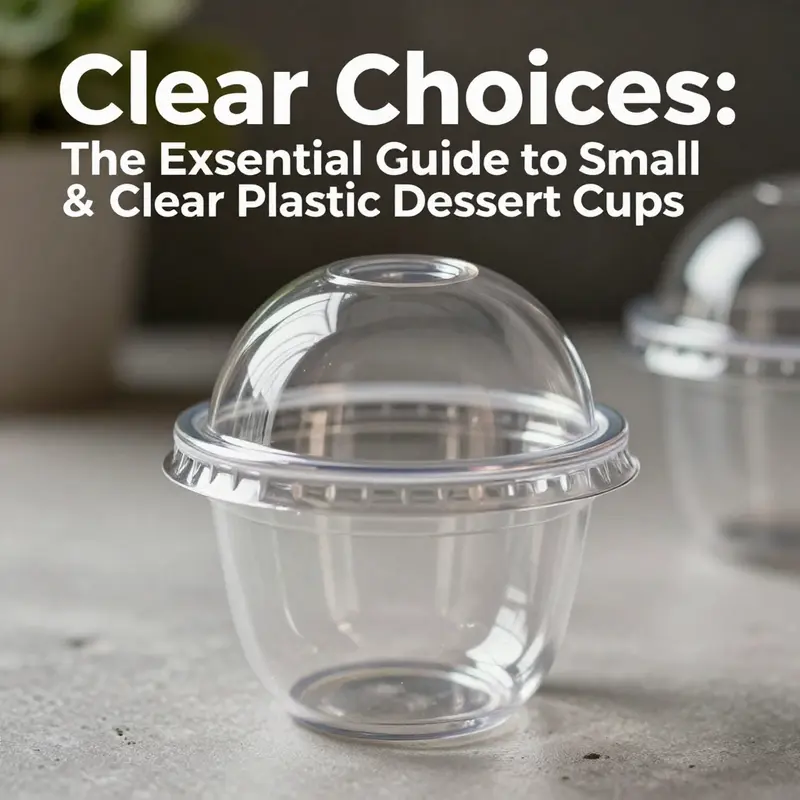
The basic silhouette of a dessert cup is deceptively simple: a bowl-shaped vessel with a stable base and a rim suitable for a lid. Yet small variations in taper, radius, and base design have outsized effects. A gentle taper allows stacked storage and easy demolding during production. A reinforced rim provides a secure seat for snap-fit lids, reducing leakage when moved. A thicker base adds weight and perceived quality, helps prevent tipping, and improves insulation against cold surfaces. Designers tune wall profiles to prevent stress concentrations that lead to cracking while keeping material use low for cost-effectiveness.
Material choice is the defining factor. In the budget-conscious, single-use segment, polystyrene (PS) is prevalent. PS offers exceptional clarity; it showcases layered desserts, gels, and sauces with little distortion. It also forms crisp details and thin walls in injection molding, which helps manufacturers produce elegant shapes economically. The trade-off is brittleness—PS can crack under lateral impact or when exposed to certain fats and oils over time. It is typically suitable for cold or room-temperature desserts but not for reheating.
Polyethylene terephthalate (PET) occupies a middle ground between clarity and durability. It resists impact better than PS, has higher tensile strength, and provides improved barrier properties against moisture and oxygen. PET tolerates cold temperatures well and is commonly used for products that require a sturdier feel, such as parfaits or desserts meant for transport. PET is broadly recyclable where facilities exist, which appeals to buyers prioritizing circularity. PET’s surface also accepts a variety of printing and labeling techniques, allowing for elegant brand presentation.
Polylactic acid (PLA) and other plant-based polymers respond to sustainability concerns. PLA can deliver excellent clarity similar to traditional plastics and is compostable in industrial facilities. It is increasingly used for consumers seeking compostable disposables. However, PLA has lower heat tolerance and mixed end-of-life scenarios; if it enters conventional recycling streams, it can contaminate PET recycling. For businesses considering PLA, it is important to verify local composting infrastructure and to plan labeling and waste handling accordingly.
Manufacturing method influences both design freedom and unit economics. Injection molding produces high-detail cups with consistent wall thickness, ideal for crisp rims and decorative embossing. Thermoforming enables thin, lightweight cups at high volume, useful for cost-sensitive, stackable designs. Blow molding is less common for small cups but can create hollow, lightweight parts where uniform wall thickness is key. Each method affects permissible geometries; injection molds handle undercuts and complex rims, while thermoforming favors simpler outlines with deep draws that avoid sharp corners.
Surface finish and additives also matter. Anti-fog additives prevent condensation on cold desserts from obscuring visibility. Glossy finishes enhance color saturation, while matte treatments reduce glare when photographing products for menus or online listings. Food-contact additives ensure safety and prevent migration of unwanted compounds. Some manufacturers incorporate barrier coatings to reduce oil penetration and extend shelf life for creamy or fatty desserts.
Lids and closures are integral to practicality. Dome lids accommodate tall garnishes, while flat lids are compact and stackable. A well-designed lid locks securely without deforming the cup rim. Compatibility between cup and lid materials matters; mismatches in thermal expansion or flexibility can lead to poor seals. Many cups are offered with lids made of the same resin family or of a compatible, slightly more flexible polymer to maintain a snug fit.
Customization options let brands differentiate. Clear cups make printed labels and shrink sleeves pop, but direct printing on the cup rim or side can be subtle and refined. Embossing adds texture and a tactile cue of quality. Color accents—gold, silver, or tinted rims—can elevate perceived value without hiding the dessert. For large orders, custom molds can integrate brand elements into the cup’s geometry, though tooling costs must be weighed against order volume.
Hygiene and food safety are non-negotiable. Resins used for food contact should meet regulatory standards and be sourced with traceable material declarations. Heat-seal compatibility is important when combining cups with film lids for tamper evidence. Resistance to common cleaning agents and handling conditions must be validated during product development, even for single-use items, to prevent off-flavors or discoloration.
Recyclability, compostability, and certification introduce complexity into procurement decisions. PET is widely collected for recycling, but collection rates vary regionally. Clear PET typically commands higher recycling value than colored or mixed polymers. PS is recyclable in some streams, but it often faces lower demand and logistical hurdles. Compostable options such as PLA are attractive, but they require industrial composting conditions to break down effectively. Certifications for compostability or recyclability should be obtained from recognized bodies and reflected on packaging to guide end-users.
Supply chain realities shape the choices brands make. Many manufacturers concentrate in coastal manufacturing hubs, which reduces lead times for export and facilitates OEM services. High-volume factories can amortize injection mold costs over large runs. Small-batch producers offer greater design flexibility but at higher unit cost. Quality control measures—mold maintenance, resin grading, and routine sample testing—preserve clarity and dimensional tolerances, ensuring lids fit snugly and stacks remain stable.
Practical use considerations round out good design. Wall thickness affects perception: a slightly thicker wall feels more premium and resists heat transfer from hands, keeping chilled desserts cold longer. Cup shapes influence spoon access and portion perception; shallow, wide cups create a sense of abundance, while taller, narrower cups emphasize layering. Base geometry can prevent wobble on uneven surfaces and may integrate anti-slip textures for transport trays. For takeaway, compatibility with lids that accept spoons or straws adds convenience.
Environmental design choices can minimize waste without sacrificing performance. Designing to optimal volume avoids over-packaging; standardized diameters let kitchens use generic lids and reduce SKUs. Modular designs that accept multiple lid types support diverse menu items. Some suppliers offer bulk-packed solutions that reduce packaging waste and shipping emissions.
Choosing the right cup requires aligning material properties with the intended use case. For short shelf-life chilled desserts served on-site, PS may offer the best value. For desserts destined for longer transport or retail display, PET’s strength and recyclability make sense. When industrial composting is available and a compostable claim is critical, PLA is a viable option—provided disposal pathways are clearly communicated to customers.
Understanding the interplay of design and material enables better decisions from specification to shelf. Small changes—revised rim geometry, anti-fog treatment, or a slightly thicker base—can improve functionality and customer experience without large cost increases. Clear communication with manufacturers about end use, transport conditions, and branding goals helps ensure the final product performs as intended and supports broader sustainability objectives.
For readers seeking practical examples and supplier information, a detailed product listing with specifications and customization options can serve as a useful reference: https://www.alibaba.com/product-detail/Small-Clear-Plastic-Dessert-Cups-PS-Material_1600534729675.html
If you want to explore complementary packaging that pairs clear cups with eco-friendly outer containers, consider a compact combo solution that combines a biodegradable kraft base with a clear plastic window to highlight desserts while offering recyclable or compostable outer packaging. One relevant option is a biodegradable kraft paper and clear plastic dessert container pairing available through a packaging supplier, which demonstrates how mixed-material approaches can balance visibility and sustainability: biodegradable kraft paper with clear plastic window for desserts.
This chapter ties design intent to material reality, showing how clarity, strength, and environmental choices converge to shape small clear plastic dessert cups. The right mix delivers both aesthetic impact and reliable performance across service, catering, and retail contexts.
Where Small Clear Plastic Dessert Cups Shine: Practical Uses Across Food Service

Applications and Practical Considerations
Small clear plastic dessert cups are quietly transformative in many food service settings. Their transparent walls do more than show off color and texture; they offer a practical tool for portioning, transporting, merchandising, and presenting desserts and small bites. In retail, institutional, and hospitality environments these cups solve predictable problems: keeping items fresh, simplifying service, and giving chefs and caterers a simple canvas to present creativity. This chapter explores the everyday roles these cups play, the trade-offs operations consider, and how simple choices in size, lid style, and material influence service, cost, and guest perception.
In supermarkets and deli counters, the cups act as merchandisable units. Pre-portioning puddings, parfaits, fruit cups, and single-serve salads into clear containers creates a self-explanatory product. Customers can see the layers, the ripeness of fruit, or the sheen of a glaze. That visual clarity increases impulse purchases and reduces the need for shelf signage. From an operational view, pre-portioned cups help control cost and reduce waste. Employees portion with consistency, and unsold items are predictable in quantity. For stores with busy grab-and-go sections, stackable cups with snap lids cut down restocking time and improve shelf presentation during peak hours.
School cafeterias and institutional settings benefit from the cups’ light weight and disposability. Single portions minimize cross-contamination and simplify distribution. For younger diners, small transparent cups make it easy to give balanced portions of dairy, fruit, or dessert. Cleanup becomes a one-step disposal rather than a labor-intensive washing process. This lowers labor costs and reduces turnaround between service waves. When menus include tasting or sampling programs, the cups allow staff to hand out safe, portioned samples without additional utensils or trays.
Convenience stores and food trucks use these cups to turn simple offerings into portable snacks. Their narrow profile fits easily into display coolers and stacked trays. Dome lids or snap tops protect delicate toppings and reduce spills, critical for customers on the go. Clear cups lend themselves well to layered items like mousse-and-crumb parfaits or poke-style fruit bowls. For operators who rely on quick turnover, the cups provide an efficient way to diversify offerings with minimal training and little prep equipment.
Meal-prep services and subscription kitchens use small clear cups as control points for nutrition and branding. For clients tracking calories or macros, pre-measured portions take the guesswork out of compliance. Cups can house sauces, dressings, and dessert components separately, preserving texture and preventing sogginess before consumption. For companies that need to scale, standard cup sizes reduce variability across locations and help maintain consistent portion cost. The clear design also supports marketing: when meals are photographed for apps or social posts, the transparent vessel shows the product honestly and attractively.
Catering, tasting events, and upscale food bars often use these cups in ways that elevate perceived value. Mini tasting portions delivered on a tray offer guests variety without the commitment of full plates. When finished with texture contrasts and careful garnishes, even a small clear cup can read as refined. Some venues opt for tapered or stem-like designs that mimic glassware while keeping service disposable. This approach lets event planners deliver elegant presentation without the logistics of breakage or washing, and it allows creative plating techniques within a compact, secure container.
Visual appeal is a throughline across all these environments. Transparency increases perceived freshness. Customers feel reassured when they can see contents directly. This is especially true for layered desserts, where contrast in color and texture is a selling point. Even simple items like chocolate mousse benefit from visible swirls. At the same time, the clear surface functions as a neutral backdrop. It doesn’t compete with the food’s presentation, so chefs can rely on the cup to highlight their culinary details.
Material and size choices matter. While many cups are made from clear PET or food-grade polystyrene, each option brings distinct qualities. PET offers clarity and a lightweight feel, with good resistance to cracking. Polystyrene tends to have a crisper look and stronger thermal resistance in certain formats. Choosing the right material depends on intended use. Cold desserts and chilled displays work well with common clear plastics. Hot or microwaved items require different materials or double-walled designs. Operators should verify food-contact safety and certifications for the selected material.
Common size ranges — from 60ml samplers to 200ml individual portions — support diverse menus. Smaller vessels provide tasting portions or sauce containers. Mid-range sizes of 130ml to 200ml work well for individual desserts and parfaits. Larger clear cups, up to 800ml, handle bigger servings or salad-style preparations. Size selection affects cost per portion, perceived value, and shelf density. Choosing standardized sizes simplifies inventory and reduces packaging complexity.
Lids and accessories expand functionality. Dome lids accommodate tall toppings, while flat snap lids make stacking and display easier. Some designs integrate spoon slots or built-in utensils, making the cup a complete to-go solution. These small features increase customer convenience and reduce the need for separate cutlery packs. For catering and delivery, tamper-evident seals or shrink banding add security and reassurance. The right lid choice protects the product during transit and preserves texture for longer periods.
Sustainability has become a practical concern for many operators. Single-use items are increasingly judged for their lifecycle impacts. To address this, some suppliers offer cups made from recycled plastics or compostable alternatives. Others provide takeback or recycling programs that reduce landfill contribution. For businesses with green commitments, selecting recyclable or certified materials aligns packaging choices with broader sustainability goals. Communicating these choices to customers enhances brand perception and can influence purchasing decisions.
Customization and branding offer another layer of utility. Simple printing or label application turns a functional cup into a marketing vehicle. Logos or menu descriptions on lids and sleeves reinforce brand identity at events and in retail settings. For larger orders, printed runs make sense; small runs can use adhesive labels for flexibility. Custom cups also create a cohesive presentation in multi-vendor events or hospitality contexts.
Operational realities shape how these cups are used. Staff training around filling, sealing, and labeling improves speed and reduces product loss. Staging areas for filling rows of cups and quick access to lids are small process changes with large impacts on throughput. Storage and nesting considerations affect back-of-house space. Many cups nest to save room but require attention to humidity and temperature to avoid warping.
Cost considerations are pragmatic. While unit cost is key, total cost of ownership includes labor savings from reduced washing, lower breakage risk, and reduced product waste through consistent portions. For seasonal menus or one-off events, disposable cups eliminate logistical costs related to renting, transporting, and handling returnable ware.
Across these varied uses, one consistent truth holds: small clear plastic dessert cups combine visibility with convenience. They let operators showcase product while simplifying service. Whether used to reduce waste in retail, speed service in cafeterias, or deliver refined tasting portions at events, these cups adapt to operational needs and stylistic ambitions. Choosing the right combination of size, material, lid, and branding turns a modest container into a strategic asset for food businesses.
For examples of how clear plastic containers are paired with eco-focused packaging solutions, see the clear plastic combo pastry dessert container offered as an integrated option. For technical details on sizes, materials, and bulk ordering useful to procurement teams, consult the comprehensive resource below.
External resource: https://www.plasticcupwarehouse.com/
Clear, Custom, and Conscious: The Sustainable Path of Small Clear Dessert Cups

The small clear dessert cup sits at an interesting crossroads of aesthetics, practicality, and responsibility. In a service landscape that prizes clarity, portion control, and efficient delivery, these transparent vessels let the dessert shine while inviting trust through visible quality. Yet the gleam of a well-presented treat masks a deeper question: how can a simple disposable be both convenient and considerate, both a vehicle for branding and a choice that respects the environment? The answer today is a balanced approach: durable material selection, smart lid design, and thoughtful end-of-life planning combine to extend value without compromising responsibility.
Material choices matter. Many cups are made from recyclable plastics such as polystyrene or polypropylene, selected for clarity and rigidity. When recycled correctly, these materials can re-enter the circular economy, though recycling infrastructure and consumer behavior determine the actual impact. Transparency about food safety, recyclability, and producer certifications helps brands build trust without overstating claims.
Design and branding can align with sustainability. Clear walls showcase the dessert while minimizing the need for secondary packaging. Lids that seal reduces leaks, preserves freshness, and lowers waste from spoiled product. Customization—logos, colors, and branding—can be delivered through scalable printing or molding options, turning a disposable cup into a portable brand touchpoint without sacrificing recyclability.
Consideration of reuse also plays a role. Reusable variants of durable materials offer long-term waste reductions, but they demand careful handling and reliable cleaning streams. The optimal choice depends on volume, venue, and logistics.
In practice, a well-executed strategy pairs recyclable materials with design that minimizes waste, clear disposal guidance for customers, and partnerships with suppliers who offer transparent lifecycle information. When brands blend visibility with responsibility, the cup becomes more than a serving vessel—it becomes a signal of quality, consistency, and care for the planet.
Final thoughts
Small clear plastic dessert cups prove to be a versatile and practical choice for any food service business. From their aesthetic appeal to their functional design, these cups cater to various needs and preferences while also aligning with sustainability efforts. As you consider your options for disposable dessert containers, remember the benefits these cups bring to the table. Embracing high-quality, customizable solutions will not only enhance your service presentation but will also resonate with eco-conscious consumers in today’s market.