
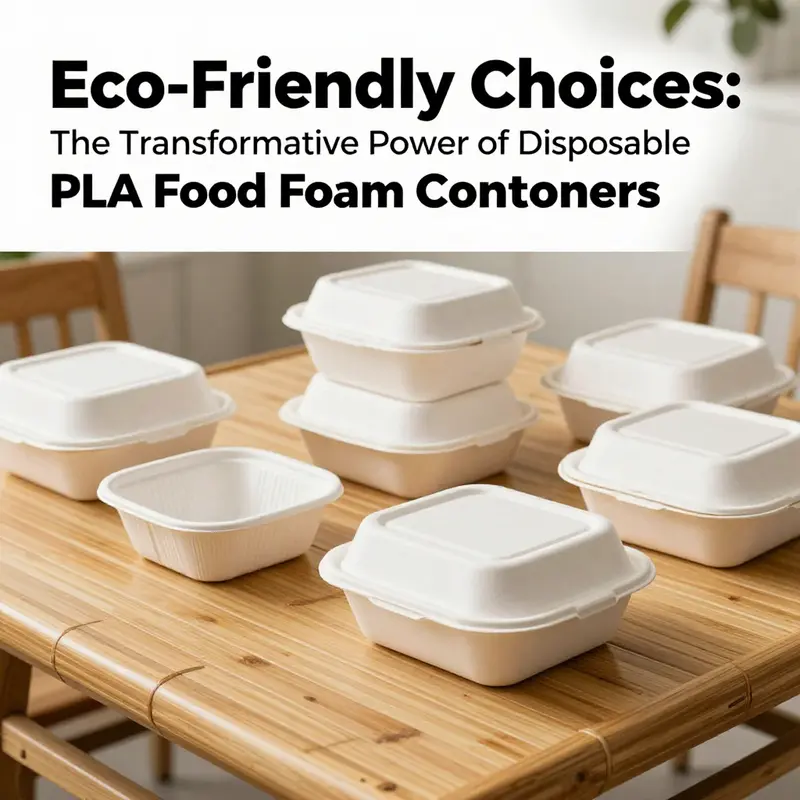
In an age where environmental consciousness is at the forefront of consumer choices, the food service industry is undergoing a significant transformation. Disposable PLA (Polylactic Acid) food foam containers present a sustainable alternative to traditional petroleum-based food packaging. These eco-friendly containers are not only made from renewable resources like cornstarch and sugarcane, but they also offer various benefits suitable for food and beverage providers including bubble tea shops, restaurants, and catering services. This article explores the sustainable advantages of PLA containers, their thermal properties, market trends, regulatory standards ensuring safety, and the latest innovations shaping their future. By the end, you’ll gain a comprehensive understanding of how investing in PLA containers can elevate your business while contributing to a healthier planet.
Plant-Powered Foam: Unpacking the Sustainable Advantage of Disposable PLA Food Containers
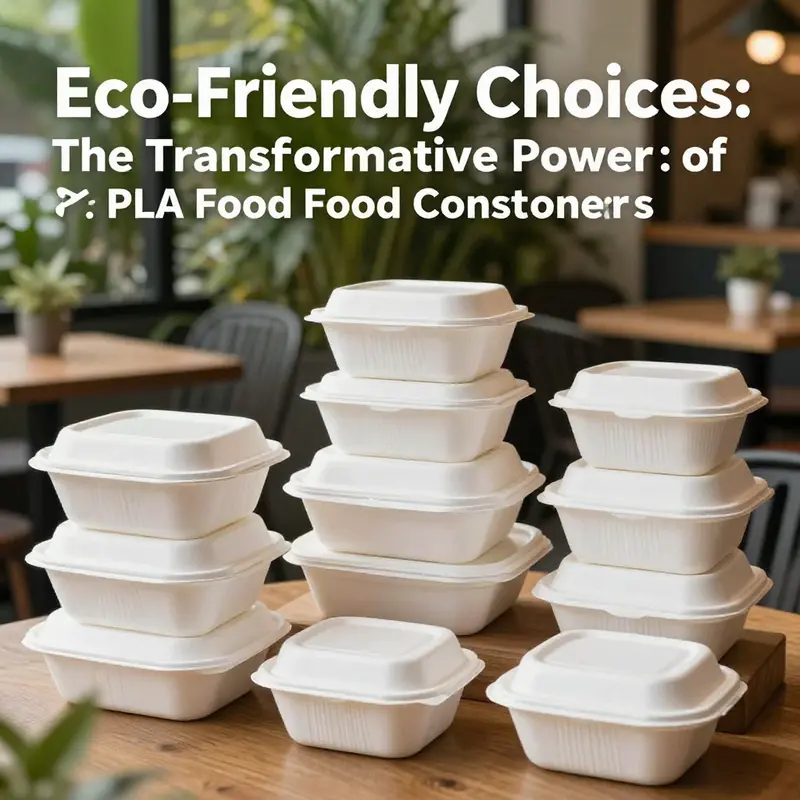
A growing chorus of restaurants, caterers, and packaging designers is rethinking what goes into a simple takeout box. In many settings, disposable PLA (polylactic acid) food foam containers are being embraced as a cleaner alternative to traditional petroleum-based foam, especially when the goal is to shrink a footprint without sacrificing convenience. The shift is not about replacing one material with another overnight; it is about aligning a practical packaging choice with a broader commitment to renewable resources, responsible end-of-life, and transparent environmental storytelling. When viewed through that lens, PLA foam containers emerge as a conduit between today’s dining demands and tomorrow’s waste realities, rather than a standalone fix. They exemplify how a product designed for the plate can also respect the planet, if handled with care across the entire lifecycle.
At the heart of PLA’s appeal is its origin story. Unlike fossil-fuel-based plastics, PLA is derived from renewable biomass such as cornstarch or sugarcane. This fundamental difference reshapes the starting point of the packaging lifecycle. From the moment raw materials are harvested, the production pathway tends to reduce dependence on finite hydrocarbons and, in many cases, lowers the greenhouse gas intensity associated with the material’s creation. The renewables-based feedstocks seed a different carbon narrative, one that starts with plants capturing atmospheric CO2 during growth and ends, in optimized systems, with a compost-friendly residue rather than a persistent plastic waste stream. The result is a packaging option that can harmonize with a brand’s sustainability commitments without demanding a radical overhaul of a kitchen’s workflows.
But the promise of PLA goes beyond renewable inputs. PLA foam containers are engineered to be biodegradable and compostable under specific industrial conditions. In a modern composting facility—where heat, humidity, and microbial activity are carefully controlled—PLA can break down into water, carbon dioxide, and organic matter within a window of roughly 90 to 180 days. This accelerated degradation stands in stark contrast to expanded polystyrene (EPS), which can endure in the environment for centuries. When such industrial facilities operate efficiently, PLA waste can re-enter as valuable organic matter rather than lingering as microplastics. The environmental impact, therefore, is not simply a matter of what the material is made from, but how it completes its life in a system designed to process it properly.
The lifecycle logic of PLA also contributes to a lower overall carbon footprint. Production emissions for PLA tend to be lower than those of conventional plastics, especially in aggregate when the plant-based feedstocks are used efficiently and waste streams are managed to minimize energy inputs. The broader climate math becomes even more favorable when the end-of-life outcome is composting rather than disposal in landfills or incineration. Of course, the real-world benefit hinges on the waste infrastructure available to a given region. In places with robust industrial composting networks, the environmental gains can be more readily realized. In areas lacking that infrastructure, the benefits can appear more muted, underscoring a central point: sustainability is as much about the system as the material.
For many operators, another compelling advantage is the packaging’s compatibility with food safety standards. Food-grade PLA is certified for direct contact with a range of foods and is engineered to avoid harmful additives such as BPA or phthalates. That peace of mind is particularly meaningful when the containers are used for hot foods, cold meals, or items that require reliable insulation during short-to-medium duration transport. The packaging remains non-toxic and hygienic, which helps protect both consumer safety and brand reputation. Yet this benefit sits alongside a practical constraint. PLA’s heat resistance is lower than that of some other plastics, and its performance can decline under high-temperature conditions. In practical terms, containers can soften or deform at temperatures above roughly 120°C (248°F). This reality guides usage: PLA foam is well-suited for cold or mildly hot foods and for short trips where the thermal load does not push the material toward its limits.
Design versatility is another notable feature. The material’s smooth, printable surface invites branding and customization that reinforce a professional appearance. From multi-compartment trays to lidded boxes, designers can craft PLA foam packaging to suit a spectrum of meal formats—salads, sandwiches, bowls, desserts—and to align with a restaurant’s visual identity. The aesthetic reach is not incidental; it supports consumer perception of sustainability as a tangible, credible practice rather than a vague slogan. In some contexts, packaging designers even extend the sustainability narrative by exploring PLA-coated options or hybrid formats that maintain a compostable pathway while enabling practical functionality. To illustrate a practical application of this broader mindset, consider a PLA-coated kraft box designed for fast-food and cookies. Such a product demonstrates how a PLA-based approach can be integrated into everyday packaging ecosystems while still prioritizing end-of-life outcomes. For a deeper look at this category, see the PLA-coated kraft box discussion in our internal resources.
Yet sustainable packaging is not a single switch but a choreography of choices. The environmental payoff of PLA foam containers depends on what happens after the meal leaves the table. In an ideal system, the container is not discarded as waste but diverted to an industrial composting stream where it can complete its intended cycle in a timely fashion. This outcome reduces landfill mass and can return nutrients to the soil, closing the loop in a way EPS cannot match. The caveat is clear: not all regions have ready access to industrial composting facilities. Backyard composting typically does not achieve the high-temperature, moisture-rich conditions required for PLA to decompose efficiently, and landfills slow any degradation dramatically. When packaging decisions are made without considering disposal realities, the environmental promise can be undercut. The takeaway is not that PLA is a universal antidote to plastic waste, but that its benefits are maximized when disposal infrastructure and consumer habits align with the material’s design and intent.
In the context of corporate responsibility and consumer expectations, PLA foam containers offer a narrative that many brands find appealing. The lifecycle advantages—renewable feedstocks, lower upfront emissions, and compostable end-of-life when properly managed—resonate with audiences increasingly attuned to the environmental consequences of takeout and delivery. This resonance can translate into measurable outcomes: enhanced brand perception, alignment with sustainability goals, and improved engagement with customers who value clear, authentic commitments to environmental stewardship. The practical reality, however, remains nuanced. Businesses must weigh the material’s benefits against its limitations, including the need for industrial-scale composting, the possible premium on production costs, and the logistics of ensuring correct disposal across diverse markets. If these conditions are met, PLA foam containers can support a credible, science-informed sustainability story for food service operations.
For organizations exploring broader packaging strategies, PLA is often one component of a diversified approach. It can complement other eco-friendly options and be used in contexts where its performance is most advantageous. The idea is not to force a single solution onto every menu or region but to recognize where PLA’s strengths fit—and where it should be paired with complementary materials or disposal programs to maximize environmental benefits. In practice, this means selecting appropriate use cases, educating customers about disposal, and coordinating with composting partners or municipal programs to ensure the containers reach the facilities that can process them efficiently. When these elements converge, the sustainable advantages of disposable PLA foam containers become tangible in the daily operations of food service.
To connect the theory with real-world packaging ecosystems, it helps to look at how this material sits within the broader market. A representative example from market listings highlights PLA’s role as a viable plant-based alternative that supports eco-friendly disposal in appropriate facilities. This type of product data illustrates the material’s potential to meet both performance and sustainability criteria, while also signaling the importance of infrastructure and consumer behavior in achieving meaningful environmental outcomes. For readers seeking a concrete product reference, consider reviewing an industry listing that details the material technology and plant-based composition, which reinforces the environmental narrative discussed here. External readers can explore a specific example at the following market listing: https://www.alibaba.com/product-detail/Disposable-850ml-4-Compartment-PLA_60233775917.html.
Internally, designers and operators may also explore how PLA aligns with broader packaging strategies by examining related packaging formats that embrace PLA buffering in other forms. For instance, a PLA-coated kraft box for fast-food and cookies illustrates how plant-based materials can be integrated into multi-product packaging families while preserving compostability goals where facilities exist. This kind of integration supports a cohesive sustainability program, rather than a scattered mix of one-off choices. It demonstrates that a future built on renewable materials can be practical and scalable across menus and service models, provided disposal pathways are clear and accessible to customers. To learn more about this PLA-coated option from our internal resources, you can follow the link to the PLA-coated kraft box product page in our catalog. It offers a concrete sense of how the PLA story translates into real packaging decisions across a business.
In sum, the sustainable advantages of disposable PLA food foam containers arise from a combination of renewable inputs, controlled end-of-life, and thoughtful design that enhances brand integrity while supporting environmental goals. They embody a practical philosophy: choose materials with a credible compostable pathway when the waste system is capable of receiving them, pair that choice with clear consumer guidance, and integrate the packaging into a broader strategy that prioritizes resource stewardship. This is not a promise of perfection, but a clear, actionable pathway toward reducing the environmental footprint of foodservice packaging. When businesses pursue this path with attention to facility availability, consumer education, and lifecycle thinking, PLA foam containers can be a meaningful component of a sustainable packaging portfolio.
External resource for further reading: https://www.alibaba.com/product-detail/Disposable-850ml-4-Compartment-PLA_60233775917.html
Heat, Hold, and Biodegrade: The Thermal Realities of Disposable PLA Foam Containers
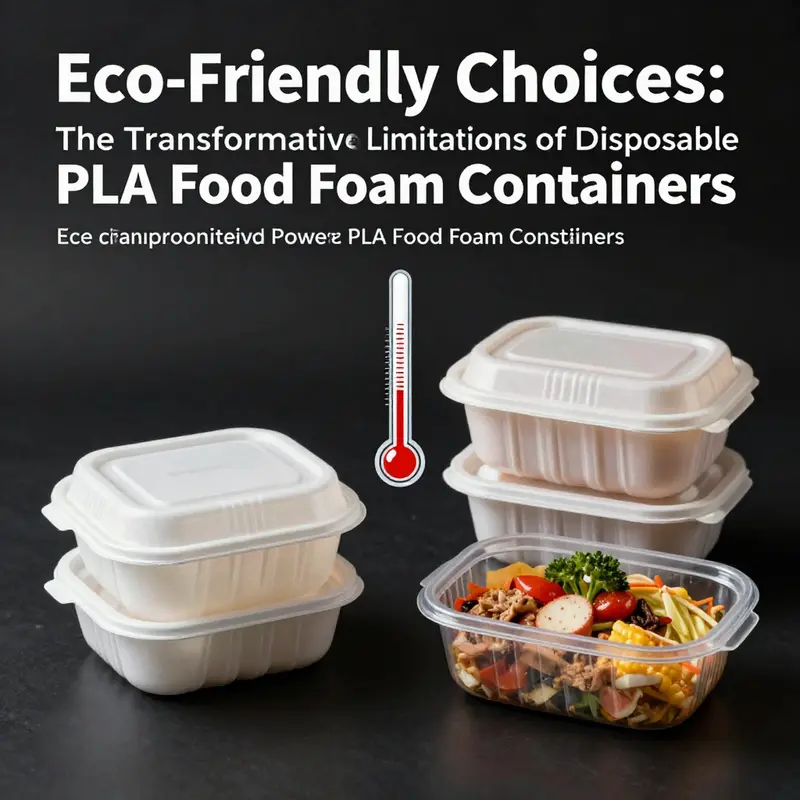
Polylactic acid (PLA) foam containers present a compelling narrative in the modernization of food packaging. They arise from renewable feedstocks such as corn starch or sugarcane and promise a lower environmental footprint than traditional petroleum-based foams. Yet the story of their thermal performance is a nuanced one. To design meals that travel well and arrive intact, foodservice operators must understand not just the ecological appeal of PLA but the material’s real-world limits when heat, moisture, and fat come into contact with its structure. The result is a balancing act between sustainability and practical performance, a balance that hinges on the chapter-long truth that thermal characteristics shape what can be safely packed, transported, and warmed or cooled during a product’s journey from kitchen to consumer.
PLA foam containers offer respectable insulation for cold and room-temperature foods. They can help maintain the chill of a dessert or the coolness of a salad during short-to-medium duration transport. In practice, this means operators can confidently use these containers for items that do not demand prolonged heat retention. The insulating properties are not as robust as those of EPS or polyurethane foams, which have been engineered for superior warmth retention over longer periods. The gap matters most when the food involves hot components or extended outdoor delivery in warmer climates. In such situations, the PLA’s thermal buffer may be insufficient, allowing meals to shed heat more quickly than would be ideal for quality and safety. This divergence underscores a central point: while PLA foams share the convenience of foam honestly, they do not replicate the high-temperature resilience of traditional foams designed specifically for hot-items, nor do they offer the same long-horizon heat retention.
The core thermal boundary of PLA foam is a practical ceiling that extends to roughly 50–60°C (122–140°F) for sustained exposure. This range captures the temperatures at which the material remains stable without catastrophic deformation. In other words, a PLA foam container can keep a warm dish from cooling too quickly, and it can hold beverages near a comfortable warmth, but it is not engineered to preserve heat for meals that require more intense warmth or for items that routinely sit in hot-access environments. Once temperatures approach or exceed 60°C, the risk of softening, deformation, or weakening of the container structure increases. This is not merely a marginal inconvenience; it translates into compromised containment, potential leakage, and a breakdown of the protective barrier that keeps sauces from drifting and lids from slipping. The takeaway is straightforward: when the oven or high-temperature cooking processes are involved, PLA foam is not the best match. For hot, greasy, or microwave-ready foods, alternative packaging with higher heat resistance is usually warranted.
Another facet of the thermal story concerns the interaction between PLA and the foods it carries. The thermal tolerance of the container is not the only factor at play. The presence of fats, oils, and sauces can, over time, influence the integrity of PLA foam. In practice, this means that oily or fatty items, even when initially within the material’s safe temperature window, can sap some of the container’s mechanical strength and promote softening behavior through the contact area. The pathogenic or health concerns associated with fat-rich foods are not the central issue; rather, it is the material’s physical stability under the influence of lipids that matters. When fat compounds and moisture mingle, they can alter the microstructure of the foam, reducing its ability to bear weight or resist compression during stacking, transport, or brief microwaving. Careful selection of the container type and its intended food category helps avoid the most problematic interactions.
An equally important limitation is the requirement for industrial composting to realize PLA’s end-of-life promise. PLA is designed to be compostable in facilities that operate at elevated temperatures, typically around 55–60°C, with controlled humidity and aeration. In such environments, PLA breaks down into water, carbon dioxide, and organic matter within a matter of months. But this pathway is not available in backyard compost heaps or in most landfills, where degradation can be extremely slow or virtually non-existent. The environmental advantage depends on the existence of appropriate infrastructure; without industrial composting capacity, PLA foam may persist longer than anticipated, undermining one of its core selling points. This caveat invites a broader reflection on how packaging decisions intersect with local waste-management ecosystems. In regions lacking industrial composters, the environmental benefit can be muted, even if the material itself is certified as compostable.
Moisture sensitivity adds another layer to the thermal and mechanical profile of PLA foam. The material can absorb moisture from the environment, which can influence its structural stability and, in some cases, contribute to collapse during storage and transport. This becomes especially relevant in humid climates or during summer peak seasons when exposure to ambient moisture is more likely. The combination of elevated humidity and shifting temperatures can stress a container’s integrity, particularly for multi-compartment designs or trays with lids that rely on tight seals to preserve temperature and prevent cross-contamination. The practical implication is clear: packaging strategies should account for storage conditions, supply-chain handling, and the expected duration of meal transport to preserve function and presentation.
From a design and product-development perspective, the thermal limitations of PLA foam invite creative responses. The best applications cluster around cold or room-temperature foods, salads, and desserts, or brief hot-food holds that do not demand prolonged thermal endurance. In those cases, PLA foam containers can effectively replace EPS in a way that aligns with sustainability goals. The design space for PLA foam is generous: there are multi-compartment trays and lidded boxes, varying thicknesses, and colorful, brand-friendly finishes. The surface of PLA permits good printability, enabling branding that can enhance perceived quality and customer experience. Beyond aesthetics, design choices can influence thermal performance: a proper lid fit can minimize heat exchange with the environment, and compartmentalization can reduce cross-contact, preserving texture and temperature more effectively than a single-compartment alternative. For operators, this means aligning product design with the specific food types served, rather than seeking a universal solution for every menu item.
Safety concerns also factor into the thermal narrative. PLA foam is certified for food contact and is non-toxic, free from harmful chemicals like BPA or phthalates. That makes it a suitable option for many consumer-facing applications, especially for cold or moderate-temperature foods. Yet the safety profile does not negate the material’s mechanical and thermal vulnerabilities. The possibility of deformation at elevated temperatures can compromise the containment of hot fluids, potentially creating safety hazards during handling. In practice, this means staff training and clear handling instructions become part of the packaging equation. Operators must ensure that items placed into PLA foam containers do not demand conditions beyond the material’s heat tolerance, and they should verify that customers understand the best-use scenarios to prevent misuse, such as attempting to microwave a PLA foam container or place it into ovens.
The economic dimension cannot be ignored when considering the thermal and functional fit of PLA foam. Production costs for PLA-based foam containers tend to be higher than those for EPS or conventional plastics. This premium reflects processing complexities and raw materials and intersects with the decision to invest in industrial composting infrastructure. The result is a strategic choice: organizations that prioritize sustainability and brand messaging around environmental stewardship may accept higher packaging costs as part of a broader initiative. For those balancing cost with performance, the PLA option invites careful menu engineering and packaging architecture—designing meals that fit within PLA’s thermal envelope while leveraging its aesthetics, brandability, and compostability.
In practical terms, this means choosing PLA foam for dishes that are not heat-intensive, or for events, catering, and takeout scenarios where short transport times align with the container’s strengths. Salad bowls, cold desserts, and room-temperature meals can benefit from PLA foam while maintaining a responsible profile. It also means recognizing the importance of mitigating heat exposure during transit, perhaps by using insulated wraps or shorter delivery windows for hot items, or by coupling PLA foam with other packaging layers that offer targeted performance improvements without fully compromising its compostable advantages. The decision matrix should incorporate the realities of local waste management, availability of industrial composting facilities, and regional consumer behavior regarding disposal.
To tie this discussion to concrete practice, one can look to design and sourcing options that emphasize compatibility with the thermal realities described. Suppliers offer a range of PLA-based foams, including variations in thickness, lid styles, and tray configurations designed to optimize stability for short-use scenarios. For those who want to explore the potential of PLA-coated packaging as a bridge between conventional performance and sustainability, there are examples of PLA-coated kraft boxes that extend the dialogue beyond foam alone. For a deeper look into such packaging solutions, see PLA-coated kraft boxes for fast-food packaging. This example reflects how the ecosystem around PLA packaging is evolving, with coatings and molded forms expanding the toolbox available to operators who wish to prioritize environmental performance while maintaining reliable service. https://cupbowlpack.com/product/senang02-disposable-eco-friendly-kraft-box-boat-shape-pla-coated-custom-packaging-for-fast-food-cookie-sugar-tray/
Ultimately, the thermal properties and limitations of disposable PLA foam containers shape a pragmatic path for their use in the food-service industry. They are not a one-size-fits-all solution, but they offer meaningful advantages when matched to appropriate food types, handling times, and waste-management infrastructure. The chapter’s core message is not a verdict on PLA as an inferior choice but a call to align packaging decisions with the real conditions of use and end-of-life. By understanding the temperature boundaries, the interplay with fats and moisture, and the necessity for industrial composting, operators can design menus and logistics that maximize the environmental benefits of PLA while safeguarding food safety, product quality, and customer satisfaction. When considered through this lens, PLA foam containers emerge as a substantive, if selective, component of a broader, sustainability-minded packaging strategy that still recognizes the practical demands of everyday foodservice.
Green Market Currents: Economic Trajectories and the Adoption Edge of Disposable PLA Food Foam Containers
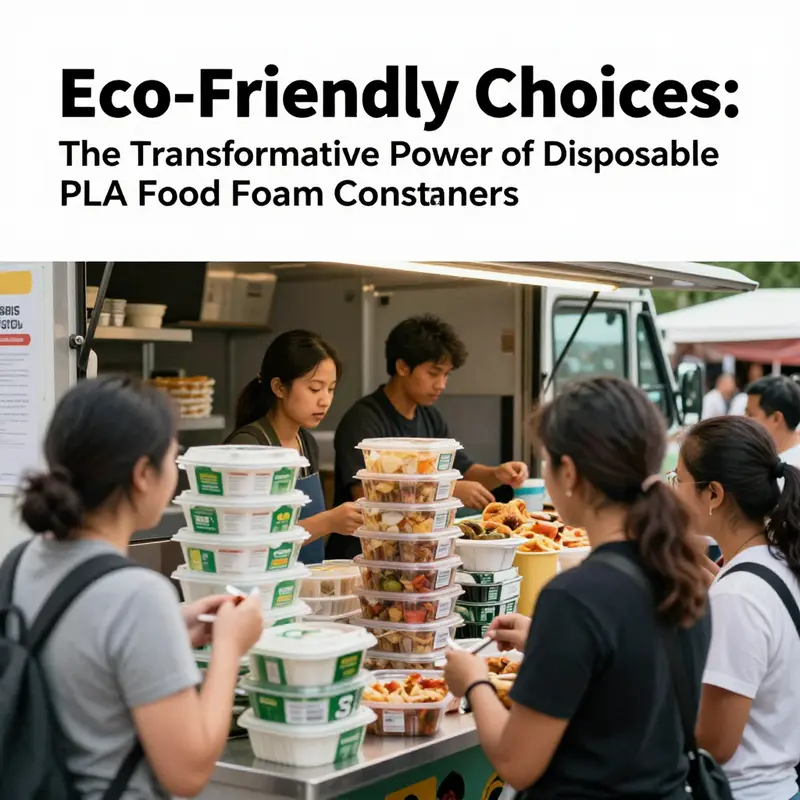
A shift is underway in the way the foodservice industry thinks about packaging, driven as much by policy and public sentiment as by the steady drumbeat of demand from restaurants, caterers, and retailers. The move toward disposable PLA foam containers reflects a broader realignment in how society values materials that can support both convenience and accountability. In this chapter, we trace the market currents that push PLA-based disposables from a niche option into a high-growth segment, and we map the economic ripples this shift causes across supply chains, labor markets, and regional frameworks. The numbers are revealing, and they are not just about price or performance; they are about the intersection of circular economy logic with global manufacturing capability, consumer scrutiny, and the evolving architecture of waste management infrastructure.
From a policy and consumer stance, the appeal of PLA disposables rests on a simple premise: they derive from renewable biomass and are designed to break down under industrial composting conditions, offering a pathway to reduce long-term pollution compared with traditional petroleum-based foams. The logic resonates with regulators who seek alternatives to persistent plastics and with brands that want to signal environmental responsibility without sacrificing the convenience that disposables provide. Market analyses reinforce this sentiment with a clear forecast: the broader foodservice disposables market is projected to reach about USD 130.21 billion by 2034, expanding at a compound annual growth rate of roughly 5.77 percent from 2026 onward. Within this landscape, PLA-based containers are positioned as a high-growth subsegment because of their compostability and lower overall carbon footprint in lifecycle terms.
The economic narrative around PLA containers is not a simple story of substitution; it is a tale of evolving manufacturing paradigms and new industrial opportunities. PLA is produced from renewable feedstocks such as corn starch or sugarcane, which introduces the potential for regionalized supply chains and domestically sourced materials in countries with robust agricultural sectors. This shift can reduce exposure to fossil fuel price volatility and can align packaging more closely with sustainability commitments that many corporations have made to investors and customers alike. Yet, this is not a zero-sum transition. While the environmental profile of PLA is compelling in the context of well-managed industrial composting streams, several economic frictions temper the pace of wholesale adoption. Market analyses consistently highlight that PLA containers typically command a premium over EPS or conventional plastics. They require specialized composting infrastructure to realize their environmental benefits, and their performance characteristics under extreme heat or long-duration heating remain a practical hurdle for some hot-food applications or microwave use.
A nuanced picture emerges when we consider regional dynamics. In North America and parts of Europe, where municipal and industrial composting facilities have been expanding—and where consumer demand for eco-conscious packaging remains strong—the PLA option gains traction more quickly. In these markets, companies can justify the higher unit cost by delivering a stronger sustainability narrative, reducing landfill burden, and differentiating their brand through responsible packaging. In other regions, particularly where waste management ecosystems lag or where consumer awareness is still coalescing, the economic incentives for switching to PLA are more modest. The infrastructure gap—industrial composting capacity, collection systems, and processing standards—becomes a gatekeeper that can slow or accelerate adoption independent of consumer preference.
One of the most telling indicators of this market trajectory is how producers and suppliers are responding to evolving demand signals. The industry is witnessing a wave of material technology improvements and process innovations that make PLA more attractive for a wider range of applications. Enhancements in PLA formulations, blends, and processing techniques are gradually addressing some of the temperature and strength limitations that previously constrained uses such as hot-fill or longer shelf-life scenarios. At the same time, the growth of demand for multi-compartment and customizable designs—from salads to hot meals in transit—drives packaging manufacturers to expand their design portfolios. This aligns with the broader trend of brands seeking packaging that is not only functional but also brandable and visually compelling, capable of reinforcing a retailer or restaurant’s sustainability narrative through surface finish, color, and print quality. The capacity to print high-quality branding on a smooth PLA surface affords a tangible competitive advantage in a market where consumer perception matters as much as material performance.
The economic impulses behind these developments extend beyond the immediate cost arithmetic. Investment in PLA-based packaging stimulates job creation across several layers of the supply chain. There is demand for farmers and seed suppliers involved in deploying feedstock crops, for bioplastics producers refining bio-based polymers, for packaging converters that translate resin into trays and boxes, and for waste-management operators who optimize composting streams. Each link in this chain gains new value when there is robust demand for compostable packaging. Simultaneously, the push toward recycled-content or compostable packaging prompts innovation in recycling, composting, and waste sorting technologies, creating new business lines for service providers that help municipalities and private waste haulers align with regulatory expectations and consumer ambitions.
But the path is not without friction. Higher production costs—driven by the complexity of bio-based material sourcing, the need for more controlled manufacturing conditions, and the relative scarcity of industrial composting capacity—can dampen near-term adoption in price-sensitive segments. This is particularly true in foodservice environments that operate on thin margins or in markets where the recycling and composting infrastructure has not yet matured. In some cases, the premium is justified by the added value of a strong sustainability story, but in others, brands must balance this premium against competitive pricing and alternative packaging formats. The result is a careful calculus: quantify the environmental benefit, translate it into consumer-perceived value, and weigh the incremental cost against potential long-term savings from waste diversion, reduced landfill interaction, and enhanced brand loyalty.
A deeper understanding of market dynamics also means recognizing the role of end-of-life pathways. PLA’s environmental advantage flows most clearly when it is collected and processed in industrial composting facilities designed to reach the temperatures and residence times required for effective degradation. In settings where such facilities are scarce or underutilized, the environmental benefit can be muted, and the economic logic may shift more toward branding and regulatory compliance than immediate waste reduction. This gap between potential and realized benefit underscores a central theme in the PLA market: the importance of aligned policy, infrastructure investment, and consumer participation. Without a robust composting framework and clear disposal guidance, the carbon savings and waste reductions promised by PLA packaging remain partly aspirational.
From a strategic perspective, businesses exploring PLA packaging must consider not only the material’s properties but also the ecosystem in which it operates. Packaging decisions are no longer isolated choices about containment and transport; they are embedded in sustainability reporting, supply-chain resilience, and customer engagement strategies. Companies that integrate lifecycle thinking—evaluating feedstock sourcing, manufacturing energy, transportation emissions, and end-of-life processing—are better positioned to translate packaging choices into tangible business advantages. In practice, this means investing in supply-chain transparency, selecting suppliers who demonstrate credible commitments to compostability, and communicating clearly with customers about how the packaging is designed to be disposed of and processed. It also means embracing design flexibility—developing formats that support multiple use cases, from single-serve salads to multi-component meals, and that can be branded and customized without compromising compostability.
As the market evolves, suppliers and buyers alike are increasingly recognizing the value of practical, scalable solutions that can be deployed across diverse geographies. Options such as PLA-coated packaging for fast-food and takeout environments reflect a broader willingness to explore coatings and composites that preserve structural integrity while remaining compostable. These packaging options, while still contingent on the availability of appropriate waste processing infrastructure, illustrate how the industry is moving toward a more integrated, circular model. For readers who want a concrete example of how such packaging alternatives are being positioned in the market, see the PLA-coated custom packaging option described in industry catalogs, which illustrates how design, material science, and logistical planning converge to support sustainability goals. PLA-coated-custom-packaging-for-fast-food-cookie-sugar-tray.
Looking ahead, the trajectory for disposable PLA foam containers hinges on the synchronization of three critical elements: continued material and process innovation to broaden the use cases and improve performance under heat; expansion of industrial composting capacity and efficient collection systems to unlock the full environmental benefits; and regulatory and consumer alignment that rewards sustainable packaging choices with durable economic value. In regions where these elements converge, PLA packaging not only reduces the ecological footprint of meals on the move but also stimulates local industries and fosters a more resilient packaging ecosystem. The growth story is not about replacing one material with another in a vacuum; it is about creating a more coherent model where feedstock origin, manufacturing practices, consumer behavior, and waste management cooperate to close the loop.
To gain a broader sense of the market’s outlook and the forecasted pathways for PLA’s role in disposable packaging, analysts point to the ongoing trend toward compostable solutions supported by clear end-of-life infrastructure. This is not merely a technical upgrade; it is a systemic shift that redefines the economics of packaging, especially as consumer expectations evolve and as governments tighten regulations around waste and emissions. Businesses that recognize this shift early—and who align product design, sourcing, and disposal messaging with real-world waste processing capabilities—are more likely to turn environmental responsibility into a competitive advantage. The story of PLA is, at its core, a story about aligning environmental integrity with economic practicality, about turning a promising material into a scalable, responsible packaging solution for a world increasingly attentive to the consequences of disposable convenience.
For readers seeking a broader context beyond regional experiences, the related industry forecast offers deeper, data-driven insights into how PLA disposables fit within the global trends shaping the foodservice packaging landscape. For deeper context, see the official report: https://www.researchandmarkets.com/reports/589012/polylactic-acid-disposable-container-market-trends-and-forecast
Regulatory Compass for Disposable PLA Foam Containers: Safety, Standards, and Sustainable Practice in Food Packaging
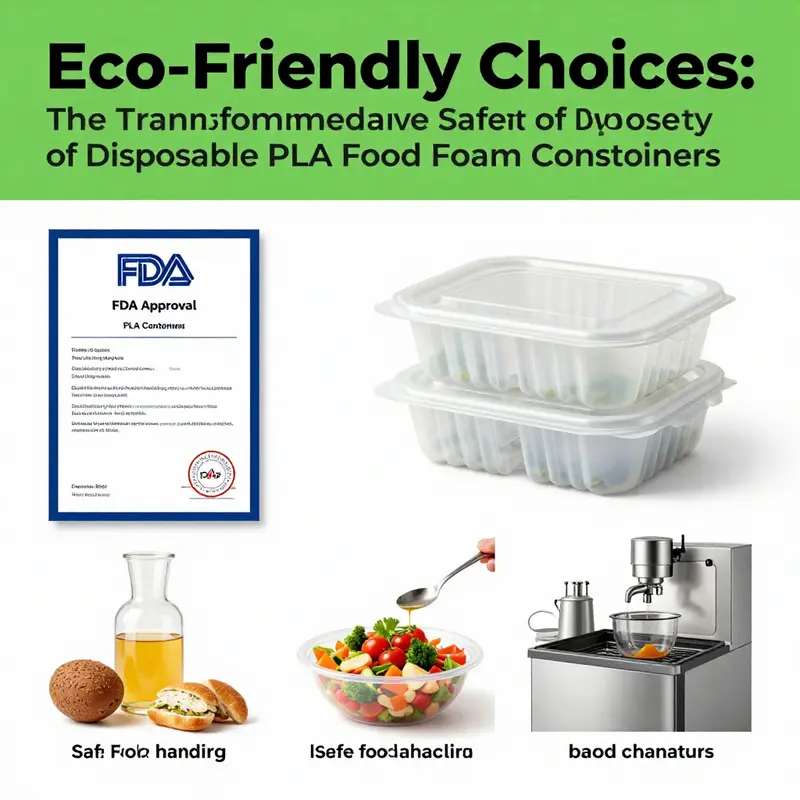
Disposable PLA foam containers are presented as a pathway toward reducing reliance on petroleum-based foams, yet adoption depends on alignment with regulatory frameworks and safety practices. The regulatory landscape is layered, covering risk assessment, food contact safety, and end-of-life management. For foodservice operators, understanding this map is essential for compliance and consumer trust. PLA, derived from renewable feedstocks, offers a different safety and performance profile than conventional foams. It is designed to be non-toxic and to minimize certain chemicals of concern, with regulatory regimes demanding testing, traceability, and clear labeling. The result is a packaging option that supports sustainability when used with disciplined compliance and end-of-life stewardship.
Migration testing is foundational. It evaluates whether substances may transfer into food under typical conditions. In the US, FDA permits certain PLA grades for direct contact with food under specific processing standards, with approvals rooted in migration data showing negligible transfer. Suppliers must demonstrate that the formulation meets 21 CFR Part 177 and related guidelines. The emphasis is on monomer content, catalyst residues, additives, and processing temperatures that minimize risk to consumers. This framework helps operators avoid exposures while leveraging PLA’s renewable appeal.
In the EU, Regulation (EC) No 1935/2004 requires that food contact materials not release substances in quantities endangering health or altering food, with EFSA evaluating migration limits for PLA. Documentation, batch-level migration data, and traceability are emphasized. For global manufacturers, harmonizing specifications with cross-regional expectations is strategic rather than purely regulatory.
China’s GB standards, including GB 4806.6-2016, address general requirements for plastics in contact with food, total and specific migration, and heavy-metal content. Labeling can indicate if a product is compostable or recyclable, informing end-of-life options. Aligning data sheets, test reports, and QA documentation with regional demands is a practical necessity and often involves third-party certifications.
Safety considerations extend beyond compliance to performance under typical use. PLA generally maintains integrity for cold and moderately hot foods, with practical limits around 80C for direct contact. For hot liquids or extended microwaving, many PLA formulations are not certified unless specifically engineered and tested for those conditions. Operators should match container choice to expected use cases and avoid relying on a single solution for all menus. Deformation risks can affect safety, including potential leaks or compromised seals that could influence migration if the container fails.
Additives and processing aids can alter safety outcomes. Although PLA itself is non-toxic, colorants, fillers, binders, and anti-fog or barrier agents may influence migration. Manufacturers should prove that the complete material package remains within limits, and buyers should request certificates of compliance, third-party tests, and QA protocols.
Labeling and consumer clarity matter. Labels should reflect intended use, temperature range, and end-of-life guidance to prevent misuse. Compostability or recycling labeling helps guide disposal to industrial facilities rather than landfills. When end-of-life capabilities are regionally constrained, packaging should align with facility options to maximize environmental benefits.
A practical option is PLA-coated packaging that combines a bioplastic core with protective coatings. Such designs can offer rigidity and barrier properties while meeting migration and labeling requirements. For example, PLA-coated kraft boxes for takeout illustrate how coating strategies balance compliance and performance. Buyers can explore PLA-coated kraft boxes for fast-food packaging to see how coatings support safety and regulatory alignment.
Beyond regulation, due diligence matters. Buyers should obtain supplier declarations that the PLA grade meets applicable standards and that migration data reflect the exact product design, including multilayer constructions or additives. QA programs should verify batch-to-batch consistency, with documentation retained for audits and recalls. Supply chains should ensure traceability from resin to finished packaging.
End-of-life considerations are critical for sustainability. Industrial composting facilities are typically required for efficient PLA breakdown; home composting or landfilling can slow degradation. Educating customers on disposal and partnering with composting networks can maximize environmental benefits. When facilities are unavailable, choosing formats with defined end-of-life pathways or controlled multiple-material designs may mitigate downsides. The regulatory narrative links safety with waste management, ensuring that safety and sustainability are pursued together.
In sum, robust compliance for disposable PLA foam containers involves migration testing, regional regulatory awareness, material design aligned with use conditions, and end-of-life strategies that fit facility capabilities. Transparent supplier communication, documented QA, and ongoing verification are essential for safety and sustainability. Resources such as official guidance and independent test reports support informed decision-making and continuous improvement. While specifics vary by region, the goal remains to enable the responsible use of PLA foam containers that protect public health and support environmental stewardship.
From Green Promise to Circular Reality: Innovations and Future Developments in Disposable PLA Food Foam Containers
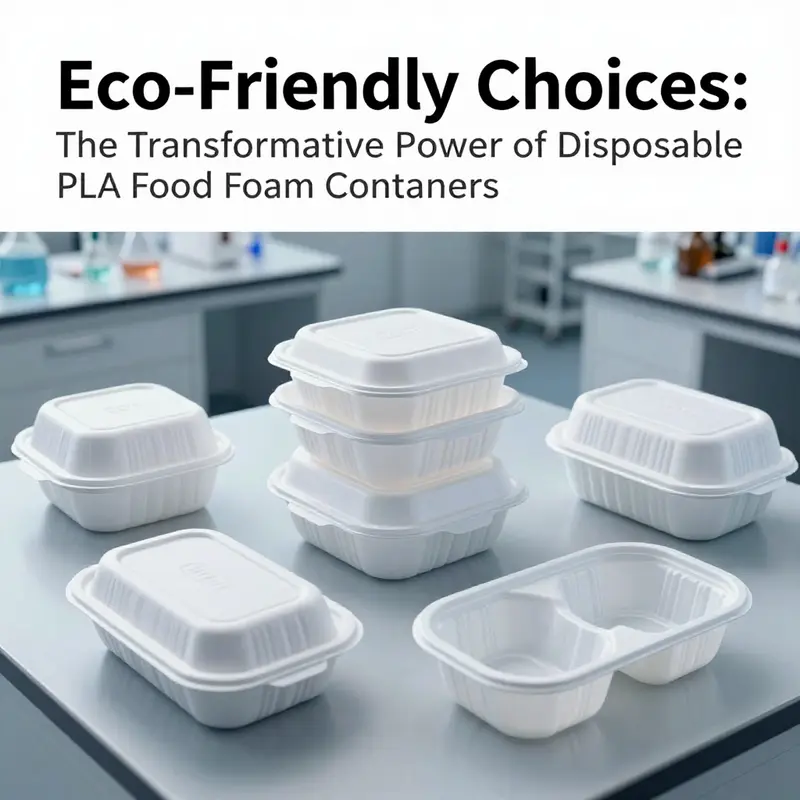
The rise of disposable PLA food foam containers marks a turning point in packaging, where sustainability no longer means concession but a deliberate design choice. Derived from renewable feedstocks such as corn starch or sugarcane, polylactic acid emerges as a compelling alternative to petroleum-based foams and conventional plastics. PLA’s appeal rests not only in its renewability but in its end-of-life promise: when processed in the right industrial composting environment, it can break down into water, carbon dioxide, and organic matter within a matter of months. Yet the journey from promise to practice is more intricate than a simple substitution. It requires rethinking material structure, processing methods, and system-level waste handling, all while preserving the functional demands of food packaging in a busy service environment. The result is a dynamic landscape of innovation that blends material science, manufacturing technique, and logistics to push PLA foam beyond its early limitations toward a more resilient, adaptable, and market-ready solution.
At the core of recent progress is an effort to close the performance gap between PLA foam and traditional EPS. Early criticisms centered on mechanical strength, heat resistance, and insulating performance. Modern research and industry experimentation have given rise to new composite structures and microcellular foaming techniques that reinforce PLA’s rigidity without sacrificing its compostability. By engineering finer cellular structures and incorporating carefully selected additives, researchers are able to create foams that resist creep and deformation under typical short-to-medium duration service conditions. The insulation effect, long a strength of EPS, is now achievable in PLA foam through optimized cell size distribution and wall thickness, enabling containers to keep meals warm or cool during reasonable delivery windows while staying within the compostable lifecycle that eco-conscious buyers desire.
One notable avenue has been the development of barrier-enhancing coatings and laminates. These coatings improve resistance to grease, oils, and moisture, which in turn extend shelf life for certain foods and reduce the risk of leakage during transport. The trade-off between barrier performance and biodegradability is a delicate balance, but advances in thin, food-safe coatings that do not significantly hinder compostability are shifting probabilities. The result is a PLA foam container that can handle a wider range of menu items—from salads to hot entrees—without compromising safety or the environmental story that customers expect. The practical implication is straightforward: better performance enables more versatile use cases, which broadens the appeal of PLA foam in both casual and formal food-service settings.
Alongside materials and coatings, process innovations in foaming and molding have unlocked new design possibilities. Microcellular foaming, for instance, creates a network of tiny, uniformly distributed cells that improve thermal performance and dimensional stability. Such microstructures help maintain form when containers are stacked, transported, or subjected to brief temperature fluctuations. The aesthetic and tactile improvements matter as well; a smoother surface lends itself to branding and legible labeling, while maintaining a finish that can withstand printing and lamination processes essential for a professional appearance. In practice, designers are leveraging these advances to craft multi-compartment configurations, curved geometries, and tailored lid systems that fit a broad spectrum of meals, from beverages to multi-component dinners.
Customization is increasingly central to the PLA foam narrative. Industry suppliers now offer professional OEM services that allow clients to specify shapes, sizes, colors, and multi-compartment designs. This capability is more than a cosmetic luxury; it translates into packaging that can streamline operations for kitchens and caterers while delivering a consistent brand experience. The move toward customization is also accompanied by better supply-chain integration. When packaging is designed with end-use realities in mind—how it stacks on a shelf, how it nests for shipping, how it performs in humid kitchens—manufacturers can reduce waste, improve yield, and ensure reliability in service. For customers seeking a distinctive look or a tailored fit for their menus, the ability to align packaging form with food type and service model represents a meaningful value-add. A practical example of this trend is the availability of multi-compartment configurations that keep components separated, preserve textures, and reduce cross-contamination during takeout. These designs also support branding opportunities, enabling a clean, cohesive presentation that reinforces a restaurant’s sustainability commitments.
Beyond the physical form, the broader packaging ecosystem is embracing smarter, more traceable packaging concepts. The integration of simple digital features—like QR codes or temperature indicators—into the PLA matrix or its outer layers is increasingly feasible. Such features can provide instant, tamper-evident information about the product’s journey, recording when and where the container was manufactured, how it has travelled, and whether the food has been exposed to temperatures outside predetermined ranges. This alignment with food safety and supply-chain transparency is not just a marketing hook; it is a practical response to rising consumer expectations and stricter regulatory scrutiny. For producers, it means translating data from the container into actionable insights about quality control and waste reduction, while for consumers, it offers confidence that the disposable option is not a blind bet on safety or environmental impact.
The circular economy is no longer a distant ideal but an emergent framework guiding PLA foam development. Take-back programs, reprocessing streams, and partnerships with composting facilities are being piloted in several markets. The goal is to recover used containers, clean them, and reintegrate the material into new products, closing the loop in the packaging lifecycle. Achieving this requires collaboration across the value chain—from feedstock suppliers and manufacturers to waste haulers and composters—to ensure that PLA containers follow an appropriate end-of-life path. In practice, this means clear disposal instructions for consumers, certifications that verify compostability in industrial facilities, and standardized testing that demonstrates performance over multiple cycles of use and processing. The social and environmental benefits are substantial when take-back schemes scale up, and they also prompt a rethinking of how packaging is valued. Rather than a single-use afterthought, PLA foam becomes a potentially reusable resource, contributing to a more resilient and resiliently circular economy.
The future developments envisioned for PLA foam packaging are grounded in a pragmatic recognition of regional realities. In places with robust industrial composting infrastructure, PLA foam can live up to its intended end-of-life promise with relative ease. In regions lacking this infrastructure, the same materials may be more effectively deployed for short-duration hot and cold food packaging, where the heat loads are moderate and the environmental objective remains clear. Researchers and policymakers are increasingly aligned on the need for a spectrum of disposal options, including enhanced home composting possibilities and more accessible recycling routes, to prevent misclassification of PLA as a plastic waste problem rather than a compostable solution. In all cases, the design philosophy emphasizes safety, food-grade integrity, and performance—without compromising the environmental rationale that motivates customers to choose PLA over traditional foams.
Another thread in this evolving tapestry is the attention paid to feedstock diversity and process sustainability. Feedstock authenticity matters, as does energy efficiency in production. Advances in fermentation processes and resin purification contribute to lower carbon footprints and reduced water usage, strengthening the overall case for PLA foam against climate concerns. The industry is also exploring bio-based barrier materials and surface treatments that protect integrity during shelf life while maintaining compostability. These innovations do not simply add layers of protection; they support a broader range of food types and service contexts, from crisp salads to creamy sauces, by preserving texture and moisture balance. The ultimate objective is a set of packaging options that perform reliably under real-world conditions yet leave a residue that is indistinguishable from other compostable residues in the appropriate facilities.
With these developments comes a broader call to educate and align consumer behavior with the packaging’s environmental credentials. Proper disposal, awareness of industrial composting facilities, and adherence to label claims become part of responsible consumption. The true potential of PLA foam rests on the ecosystem that accepts and processes it as intended. When this alignment occurs, the advantages are evident: reduced dependence on fossil-based foams, lower net greenhouse gas emissions across the product lifecycle, and a packaging system that supports brand storytelling around sustainability without compromising the quality or safety of the food itself. In many ways, PLA foam containers are no longer just an alternative but a platform for innovative thinking about how single-use packaging can evolve into a responsible, adaptable component of modern food service.
As the field progresses, there is also an implicit invitation to reframe how success is measured. Beyond the traditional metrics of barrier performance, heat retention, or cost-per-unit, the industry is increasingly assessing life-cycle performance, end-of-life outcomes, and alignment with circular economy principles. This broader perspective helps innovators prioritize features that deliver meaningful environmental benefits without sacrificing usability, safety, or brand dignity. The conversation is moving toward shared standards and transparent reporting that would allow buyers to compare packaging options with comparable rigor. In this sense, the trajectory of disposable PLA foam containers mirrors a larger shift in sustainability: from a simple substitute to a thoughtfully engineered solution that integrates material science, product design, and waste-management systems into a cohesive, accountable practice.
For readers who want to explore the technical underpinnings and the latest experimental results in bioplastics and sustainable packaging, a recent, authoritative overview provides deeper context on how PLA and related materials are evolving. This resource offers a comprehensive synthesis of the state of the art, including the breakthroughs in microcellular foaming, barrier coatings, and lifecycle assessment that underpin today’s industry optimism about PLA foam. Detailed scientific perspectives can be found here.
Within supplier and producer ecosystems, one practical takeaway stands out: the pathway to broader adoption lies in an integrated approach that marries material innovation with design deliberation and infrastructure readiness. The push toward multi-compartment designs, color and branding versatility, and compatibility with existing cold-chain logistics demonstrates that PLA foam can be woven into the daily fabric of takeout and catering without demanding a wholesale transformation of operations. A key enabler is the ability to customize packaging to food type, service context, and brand identity, while maintaining a clear, credible, and verifiable environmental narrative. The future of disposable PLA foam containers, therefore, rests not only on what is technically possible in the lab or the factory but on how well the packaging system coordinates with composting networks, consumer habits, and regulatory expectations. When these elements align, PLA foam packaging can fulfill its promise as a genuinely sustainable, scalable, and market-responsive solution.
For teams seeking practical models of implementation and case studies illustrating how PLA-based foam packaging can be integrated into menus, logistics, and branding strategies, the ongoing evolution offers a rich set of lessons. It is not a static checkbox on a sustainability report but a living, iterative process that requires cross-disciplinary collaboration—from chemical engineers and process technologists to designers, procurement specialists, and waste-management partners. The result is a more resilient packaging ecosystem that supports diverse food cultures, reduces long-term waste, and communicates responsibility to the growing segment of eco-aware consumers. In short, innovations in disposable PLA foam containers are less about a single breakthrough and more about weaving together advances in materials science, processing technology, and circular economy practices to create packaging that really does make a difference.
Internal link reference: For insight into how OEM customization is enabling more versatile PLA-coated packaging options, see the exploration of PLA-coated fast-food packaging options.
Internal link anchor: PLA-coated fast-food packaging options
External reference (for further reading): https://www.sciencedirect.com/science/article/pii/S096195342300187X
Final thoughts
The shift towards sustainable packaging is not just an emerging trend; it’s a necessary evolution in the food service industry. As disposable PLA food foam containers offer various eco-friendly advantages, such as biodegradability and versatility, they present a viable solution that aligns with both consumer expectations and environmental responsibility. By understanding the thermal properties, market outlook, safety regulations, and future innovations tied to these containers, businesses can strategically enhance their offerings. Embracing PLA not only supports a healthier planet but also positions your brand as a leader in sustainability, appealing to eco-conscious customers seeking responsible dining options.