

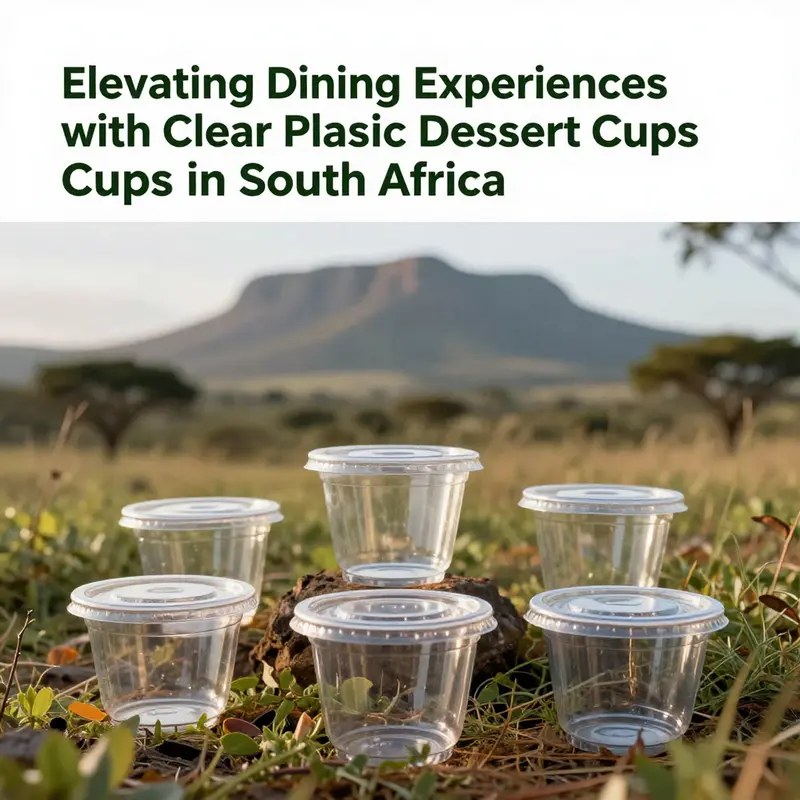
In the bustling hospitality landscape of South Africa, clear plastic dessert cups have emerged as a staple for beverage chains, catering services, and event planners alike. These cups not only showcase beautiful desserts and drinks but also cater to the practical needs of businesses looking for eye-catching yet functional solutions. Throughout this article, we will explore the applications and market demand for these cups, delve into their materials and manufacturing processes, examine various specifications and design features, identify key purchasing channels, and discuss essential sustainability issues. Each chapter will contribute to a holistic understanding of their role and significance in transforming casual dining into memorable experiences.
Clear Vision, Elegant Service: Applications and Market Demand for Transparent Dessert Cups in South Africa
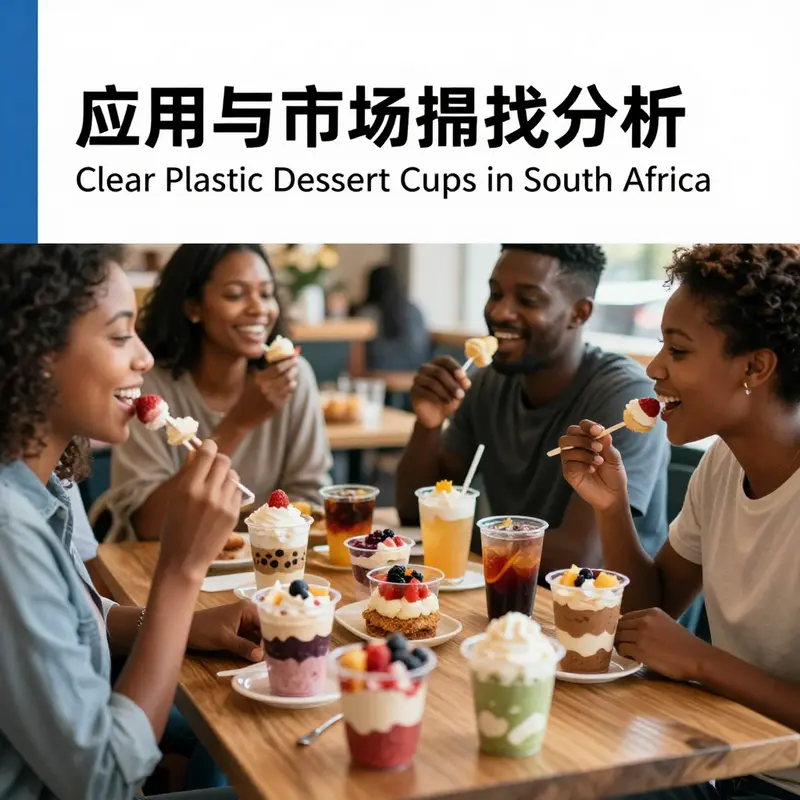
In South Africa, clear plastic dessert cups have evolved from a practical disposable option into a versatile visual tool for a broad spectrum of food-service contexts. They are typically manufactured from food-grade materials such as polypropylene (PP) or, in some cases, polystyrene (PS), chosen for their combination of clarity, strength, light weight, and cost effectiveness. This combination allows operators to transport, display, and portion desserts with confidence, whether serving a quick-service restaurant, a neighborhood café, a wedding reception, or a large-scale event. The cups’ transparent walls invite the eye to linger on color, texture, and the careful layering of ingredients, turning a simple dessert into a staged experience. In a market where presentation matters as much as taste, the ability to showcase a layered tiramisu, a vibrant fruit salad, or a glossy chocolate mousse through a crystal-clear container is more than aesthetic—it is a mechanism for perceived value and portion control that resonates with modern consumers who crave both convenience and quality.
The consumer-facing value proposition rests on several intertwined attributes. First, these cups are light and durable, reducing the burden of transport and storage for every participant in the supply chain, from the caterer to the retailer. Second, they enable a clean, contained serving that protects the product during handling and delivery. Third, the wide variety of capacities—from compact 60 ml and 70 ml options to more generous 180 ml or 355 ml designs—enables a menu approach that ranges from bite-sized samples to complete individual portions. The 130 ml mini tiramisu cups, for instance, have gained traction in many bakery-and-café concepts because their height and narrow base can reveal the distinct layers of coffee-soaked sponge, cream, and dusting of cocoa, creating a visually appealing product that guides consumer perception of value and quality. Even at smaller sizes, the optical clarity of the cup matters; it acts like a tiny frame for the dessert, making the product more appetizing at the moment of purchase or self-service.
In fast-casual environments and take-away settings, the cups pair naturally with lids that seal securely for transport. Leak resistance and a tight seal are essential for packing cold desserts, smoothies, fruit cups, or mousse-style dishes for delivery or curbside collection. In practice, operators rely on designs that feature a snug lid plus a stackable profile, enabling efficient warehousing and easy shipment across distances. This is particularly important for large event planners and hotels that operate buffet stations or dessert towers. The cups’ stackability simplifies space optimization in back-of-house storage and on the buffet line, while the clear walls maintain the visual integrity of the display as guests select their portions. With branding becoming an increasingly important facet of guest experience, some suppliers offer cups with print-ready or branded lids, enhancing recognition at the point of sale or during event check-ins.
The event sector represents a substantial and growing portion of demand. Weddings, corporate functions, school celebrations, and community gatherings routinely adopt clear plastic dessert cups for plated or self-serve dessert stations. The durability and light weight of these cups make them a practical choice for outdoor events where fragile glass would be less suitable. Customization options—such as imprinting event names, logos, or color schemes on the lids or cups—offer an additional layer of value for organizers seeking to create a cohesive experience. Beyond aesthetics, the practical benefits of clear cups also extend to safety and hygiene: individual servings reduce the risk of cross-contact and simplify crowd management during service. In such contexts, a cup with a secure, tamper-evident lid can reassure guests about safety, temperature control, and cleanliness throughout the event. For children’s parties and school functions, designs that emphasize leak resistance and secure lids are especially appealing, supporting a carefree dining experience even in high-energy environments.
In retail and hospitality settings, the rise of self-serve and grab-and-go concepts has reinforced the importance of clear plastic cups as a versatile packaging and presentation format. Cafés and quick-service outlets frequently deploy these cups for ice cream, fruit cups, puddings, and milkshakes, where the transparent vessel amplifies the appeal of the product’s color and texture. The ability to present multiple layers—such as a velvety mousse topped with fruit and a drizzle of sauce—through a transparent wall encourages purchases from impulse-driven customers. Moreover, the cups can be used as a compact dessert option within larger meal deals, allowing operators to curate a curated, premium-feel dessert assortment without needing heavy or fragile packaging. The success of such setups hinges on reliable supply chains that provide consistent clarity, stable materials that withstand cold storage, and lids that seal securely without warping during transit.
From a materials science perspective, the market in South Africa has shown steady preference for food-grade PP due to its heat resistance, chemical stability, and compatibility with warmed desserts that may be served at slightly elevated temperatures. PP’s resilience helps maintain structural integrity when filled with dense or layered desserts and when heated for a brief period in some service models. PET, when used, offers superb clarity and strength, though its temperature tolerance is more limited than PP in some applications. Both materials present opportunities for recycling streams, which is increasingly important as environmental concerns shape consumer expectations and regulatory frameworks. While disposable cups face scrutiny due to waste and litter considerations, there is a tangible shift toward design-for-recycling approaches and the exploration of bio-based or recyclable alternatives in response to public interest and policy momentum.
Market intelligence suggests that procurement channels in South Africa emphasize both local and regional suppliers who can meet demand for consistent supply, clear visibility of product specifications, and flexible packaging options. E-commerce platforms operating in South Africa, alongside wholesale marketplaces, provide a route to either large-volume orders or small, boutique purchases for weddings, parties, and cafés. The balance between cost control and display quality remains a central concern for buyers, compelling suppliers to offer a spectrum of prices tied to volume, printing options, and the presence or absence of lids. This dynamic environment makes it important for buyers to assess not only the per-unit cost but also the total cost of ownership, including shipping, storage, and potential customization fees. The result is a market that rewards suppliers who can deliver on-time, with high clarity, and with secure seals, all while offering tailoring options that align with branding and event goals.
In this context, the consumer’s perception of value is closely tied to the dessert’s presentation and the cup’s ability to preserve texture and freshness from kitchen to table. A well-chosen cup does more than hold dessert; it frames the entire tasting experience, influences food safety perceptions, and helps operators achieve a consistent, repeatable service standard across locations. The market thus favors options that combine ease of use, reliable sealing, and clear visibility with the potential for branding and customization. Consumers respond to the combination of orderly presentation, portion control, and practical convenience, especially when meals are consumed in busy settings like offices, campuses, or transit hubs where speed and clarity of display matter.
This evolving landscape invites continued attention to a few strategic themes. First, environmental sustainability cannot be an afterthought. Even as the market embraces PP and PET for their performance, there is growing interest in recyclable, reusable, and compostable alternatives that can satisfy safety and display requirements without compromising waste streams. Second, customization and branding will increasingly differentiate a commodity product. The ability to print logos, event names, or color schemes directly on lids or cups helps organizers transform a practical packaging solution into a marketing touchpoint. Third, reliability in supply chains remains essential. Buyers need assurances of consistent stock levels, predictable lead times, and clear product specifications to support event planning and restaurant operations, especially during peak seasons when demand escalates.
To illustrate how these trends translate into actual purchasing behavior, consider the market’s appetite for a balance of clarity, portability, and controlled portions. The preference for multi-layer desserts that showcase color through the cup’s walls aligns with consumer desires for visually striking, portion-controlled treats. The accessibility of a leak-resistant, sealed cup boosts confidence in take-away and event contexts, where safety, hygiene, and transport stability are paramount. The net effect is a market that rewards products designed with a clear purpose in mind: to present, protect, and transport a dessert with minimal fuss while preserving the sensory appeal that draws customers in the first place. For those exploring the local landscape and supply options, a practical starting point is to examine examples of the broader packaging ecosystem that feature clear plastic components alongside related disposable tableware. A glimpse of the local range and design options is visible in this example of a clear-plastic pastry dessert container packaging, which highlights how materials, shape, and lid configurations can be coordinated to deliver a premium presentation while maintaining cost efficiency. clear-plastic pastry dessert container packaging.
When considering the broader regional context, it is useful to acknowledge that international sourcing continues to play a role, particularly for bulk orders tied to major events or chain-scale operations. Suppliers on global platforms sometimes offer OEM/ODM capabilities, enabling custom sizes, branding, and packaging formats that align with regional tastes and regulatory standards. This cross-border dimension supports the South African market by expanding available options, accelerating time-to-market for seasonally themed offerings, and enabling economies of scale for large orders. At the same time, local distribution networks and regional manufacturing capabilities help to mitigate lead times and support rapid replenishment, a practical advantage for venues that rely on consistent dessert service across multiple outlets or venues.
In sum, the South African market for clear plastic dessert cups is characterized by practical performance, compelling visual presentation, and a steady pace of growth driven by diverse application contexts. From fast-casual and self-serve to weddings and corporate events, these cups enable a refined, controlled, and portable dessert experience. Buyers are attracted to the combination of transparency, reliability, and adaptable design. They also seek opportunities to blend sustainability with aesthetics through materials choices and packaging innovations that align with evolving consumer and regulatory expectations. As the market evolves, the most resilient offerings will be those that harmonize high-clarity visuals with secure sealing, brandable customization, and responsible waste management—an alignment that can transform a simple dessert cup into a central element of a memorable culinary experience for South African consumers.
External resource for further reading and market validation: https://www.alibaba.com/product-detail/High-Quality-130ml-Mini-Tiramisu-Cup-Clear_1601785482230.html?src=sitesearch
Materials and Manufacturing: How Clear Plastic Dessert Cups Are Made and Sourced in South Africa
Materials and Manufacturing: Clear Plastic Dessert Cups for South African Foodservice
Understanding how clear plastic dessert cups are made clarifies why some options cost more, perform better, and align with sustainability goals. This chapter follows the product from polymer selection through production, customization, quality control and local sourcing. It explains the trade-offs designers and buyers face when choosing cups for restaurants, events or retail in South Africa.
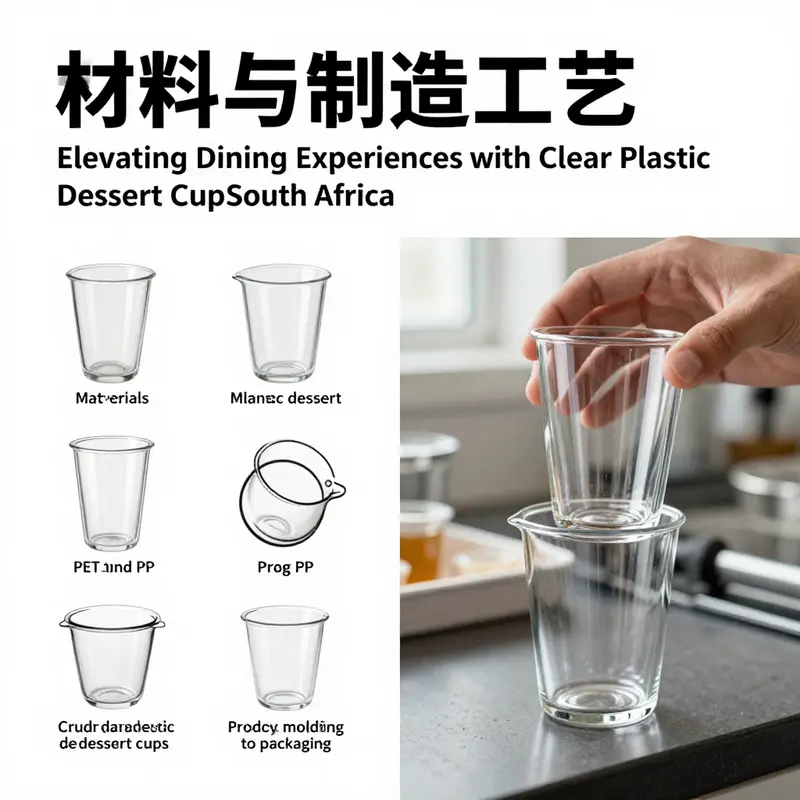
The starting point is the polymer. Two food-safe plastics dominate: polyethylene terephthalate (PET) and polypropylene (PP). PET gives excellent clarity and stiffness. It makes desserts look appealing while protecting delicate layers. PP offers greater heat resistance and flexibility. PP lids seal more reliably and can withstand higher-temperature handling. Both polymers are widely accepted by food regulators when produced to food-grade standards. Choosing between them depends on the end use. For chilled desserts, transparent PET cups highlight color and texture. For warm fillings or reheating, PP is safer.
Manufacturing routes determine cup shape, wall thickness and cost. Thermoforming and injection molding are the two primary processes. Thermoforming begins with extruded plastic sheet. The sheet is heated, drawn over or into a mold and trimmed. It produces thin-walled cups efficiently. Thermoforming suits large runs of relatively simple shapes, like cylindrical parfait cups. Injection molding forces molten plastic into a closed mold cavity. It yields precise, thicker walls and complex geometries. Injection molding is preferred for stackable designs, cups with integrated features, or where consistency is essential. Manufacturers may also use extrusion blow molding for hollow, lightweight vessels.
Lid design runs parallel to cup manufacture. Snap-fit lids are thermoformed or injection molded to match cup rims. Good lid fit reduces spillage and preserves texture. Some clear lids feature tamper-evident flanges or hinged covers for convenience. For takeaway and delivery, lids are critical. They must resist movement and temperature cycling during transport. The rim profile and sealing surface geometry are designed and tested to meet those needs.
Wall thickness and clarity are tuned during production. Thinner walls save material and cost, but risk deformation and poor stacking strength. Thicker walls add rigidity and a premium feel, but raise material use. Manufacturers often optimize thickness for each capacity: small tasting cups use minimal material; large parfait or salad cups require sturdier walls. PET processing parameters control optical clarity. Slower cooling and proper mold temperature reduce haze and internal stresses. For PP, nucleating agents and additive packages help balance stiffness with impact resistance.
Food safety and regulatory compliance are non-negotiable. Food-contact grade resins are certified to migrate limits and contain no prohibited additives. South African foodservice buyers look for supplier declarations that materials meet local food safety standards. Good manufacturers document resin batch traceability and provide certificates of analysis. These records matter for risk management and for buyers working with health inspectors or large-scale caterers.
Customization is common in the South African market. Brands often request printed logos, color rims, or custom lids to match an event theme. Printing on clear cups uses pad printing, screen printing or shrink-sleeve labels. Pad printing applies small logos efficiently. Screen printing handles larger graphics and more colors. Shrink sleeves give full-body coverage while maintaining clarity in the lid area. Customization increases lead time and minimum order quantities. Local suppliers usually offer smaller runs and quicker turnarounds. Overseas manufacturers provide lower per-unit costs at higher minimums.
Sustainability considerations shape modern purchasing decisions. Recyclable PET (marked with recycling codes) fits existing municipal streams when cleaned. Post-consumer recycled (PCR) content is available, lowering carbon footprint. However, high PCR levels can slightly affect clarity and consistency. Compostable alternatives, like cups made from polylactic acid (PLA), appeal to eco-conscious events. PLA offers good clarity but lower heat tolerance and requires industrial composting to break down properly. Buyers must weigh true end-of-life pathways. A compostable cup only delivers environmental benefit if a compatible composting system exists locally.
A pragmatic sustainability option is a hybrid: use clear plastic lids with biodegradable or kraft-based outer packaging. Such combos deliver the visual appeal of clear dessert presentation alongside lower-impact external packaging. Local suppliers and converters often stock these mixed assemblies, enabling caterers to present desserts on-site while minimizing single-use plastic perception.
Quality control during and after manufacture ensures consistent performance. Typical checks include dimensional audits, wall thickness readings, optical inspection for clarity and defects, and fit tests for lids. Leak tests and drop tests simulate real-world handling. For hot-fill or microwaveable claims, thermal cycling tests verify that cups retain shape and seal integrity. Reliable suppliers perform in-line inspection and keep reject rates very low. Buyers should request sample batches and test them in their processes before committing to large orders.
Packaging and logistics influence both cost and usability. Nested cups save space and lower freight costs, but require careful balancing of friction and stability. Overly tight nesting can deform sensitive rims. Trays and cartons designed for cup protection reduce cosmetic damage. For events and retail, included lids packaged separately or pre-assembled affect setup speed. South African buyers benefit from suppliers who understand local delivery networks and can ship in smaller cartons for boutique clients or larger pallets for chains.
Local manufacturing offers distinct advantages in responsiveness and lower transport emissions. South African converters can handle small batches and offer faster customization. They also help with regulatory paperwork and sample approvals. Exported goods from overseas manufacturers provide scale advantages and competitive pricing at high volumes. Many importers combine approaches: source standard SKUs locally while ordering custom-branded runs internationally.
Cost drivers to watch include raw material fluctuations, tooling charges for molds, and printing or finishing steps. Tooling is a one-time capital expense. For new shapes, mold design and production are the largest upfront cost. Buyers should amortize tooling cost across expected volumes. For seasonal events or trial products, off-the-shelf shapes avoid tooling fees. Minimum order quantities differ by supplier. Local firms may accept small orders for a premium, while international factories often require larger minimums.
Finally, selecting the right cup requires matching material, manufacturing method and finish to the intended use. For chilled layered desserts that must look perfect, choose clear PET thermoformed cups with fitted lids. For warm fillings or microwaveable service, select PP with thicker walls and validated heat resistance. For eco-first events, consider PLA or mixed packaging strategies. Ask suppliers for compliance documentation, test samples in your serving environment and factor in lead times for customization.
For buyers exploring combined solutions that pair clear components with eco-friendly outer packaging, one useful local example demonstrates how clear plastic lids can be paired with recyclable kraft packaging for pastry and dessert presentation. See the biodegradable pastry dessert container options for inspiration: disposable-biodegradable-kraft-paper-matt-lamination-clear-plastic-combo-pastry-dessert-tiramisu-cake-food-container-packaging.
For technical specifications, ordering details and minimums from an established international supplier, refer to this product listing for clear dessert cups and lids: https://www.alibaba.com/product-detail/130ml-clear-plastic-tiramisu-cup-with_1600569198775.html
This integrated view of materials and manufacturing will help South African buyers choose clear dessert cups that meet visual, functional and sustainability goals. Match the cup to your dessert, verify food-grade compliance, test lids and finishes, and balance local responsiveness with cost efficiencies from imported runs.
Clarity, Craft, and Carry: Designing Clear Plastic Dessert Cups for South Africa’s Food Service Landscape
The visual drama of a well-presented dessert can begin with a simple, unassuming cup. In South Africa’s vibrant hospitality scene, clear plastic dessert cups have become more than just disposable vessels; they are a trusted medium for turning a moment of sweetness into a memorable experience. Restaurants, cafés, wedding planners, event organizers, and even school functions rely on the transparency of these cups to showcase the dessert’s layers, colors, and textures. When a tiramisu, a layered fruit parfait, or a creamy mousse is presented in a crystal-clear cup, the eye travels from the glossy top to the delicate construction at the bottom, inviting the diner to explore each successive layer. That display matters as much as the taste, because in a crowded market, a visually striking cup can become a product’s first impression before a single bite is taken. In South Africa, where culinary presentation is often part of the guest experience, the design and specification of these cups must balance aesthetics with practicality, fit with existing service models, and align with evolving consumer expectations around hygiene, waste, and branding.
The core of this balance is materials science and engineering that translate the simplest of forms—a transparent cup with a lid—into a robust, reliable, and versatile tool for service. Most cups in this category are manufactured from food-grade plastics, with two common choices standing out for their performance: poly(ethylene terephthalate), or PET, and polypropene, or PP. PET brings exceptional clarity, lightness, and a level of strength that holds up well under chill and transport. PP offers a bit more flexibility at slightly lower weight, sometimes with better heat resistance depending on formulation. Both materials meet safety standards for contact with food, and both can be formulated to resist the temperature fluctuations typical of dessert service—from refrigerated cool-downs to display cases, and in some cases brief exposure to warmer environments during self-serve stations or outdoor events. The choice between PET and PP often comes down to the intended use, the required rigidity, stacking stability, and the desired balance between cost and performance.
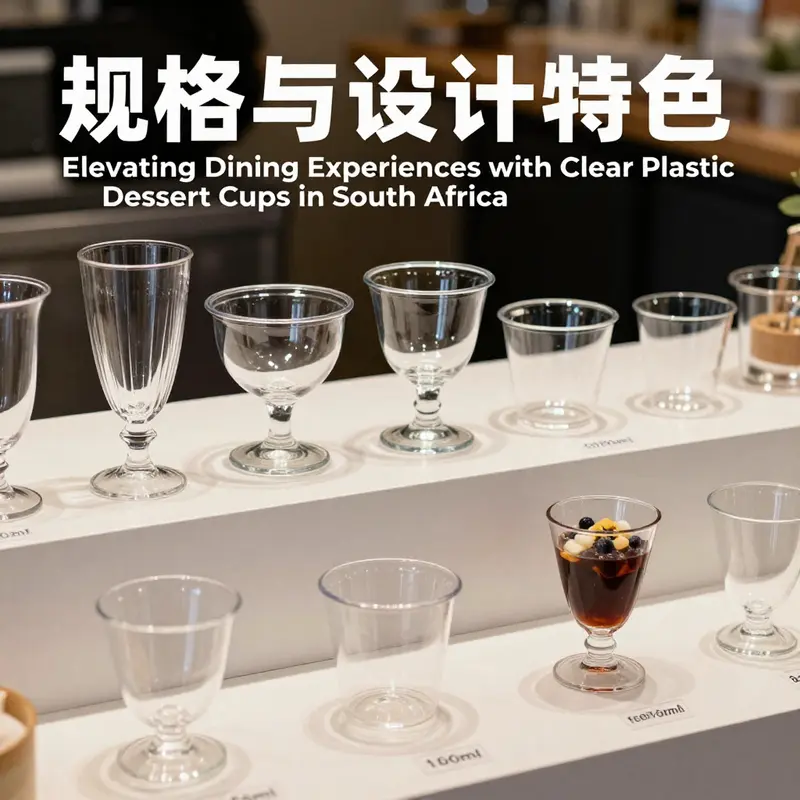
Clarity is not merely a cosmetic feature; it is a functional imperative. The crystal-like transparency of these cups enables the dessert maker to craft visually layered creations that speak to consumers at a glance. The effect is amplified when the cup geometry itself is considered. A Parfait-style cup, with a narrow base that widens toward the mouth, can help suspend delicate layers and reduce the risk of mishandling during transport. A broad rim supports generous, aesthetically pleasing scoops and makes handling easier for busy staff on crowded service lines. In the South African context, where buffets, catered canapés, and self-service stations are common at events and venues across major urban centers, such design features translate into less spillage, cleaner presentation, and better customer perception of value. The uniform rims, designed to stack neatly and withstand repeated handling, simplify warehousing and logistics while preserving the cup’s appearance.
The spectrum of sizes available reflects the diverse dessert formats found in the market. Small formats in the 60–70 milliliter range are ideal for single-serve bites, such as mini tiramisu or yogurt parfaits that form the finishing touch of a meal or the centerpiece of a wedding place setting. Medium capacities around 180–250 milliliters accommodate single portions of ice cream, fruit salads, or layered mousses that shoppers or diners can enjoy in a single sitting without feeling overwhelmed. For larger portions or more substantial offerings at self-serve stations or dessert bars, cups approaching 640 milliliters are used, with stable rims and well-designed lids to support pouring and portioning without compromising structure. In practice, vendors and caterers design menus around these formats, matching portion control to pricing strategy and service style, whether it’s a quick-service shop in a busy mall or an elaborate wedding reception where the dessert table is a focal point.
Lids and sealing mechanisms play a pivotal role in maintaining freshness, hygiene, and transport integrity. An airtight, overhanging lid not only prevents leaks but also helps preserve the dessert’s appearance during long transit or multi-stop service. In events and take-away contexts, the lid’s compatibility with the cup’s mouth and its ability to seal securely are crucial. A well-fitting lid keeps the dessert shielded from dust and temperature shifts, reducing the risk of moisture migration and crust formation at the surface of creamy toppings. For organizers and operators who manage fleets of vehicles and handoff points, reliable lids reduce complaints about mess, spills, or compromised textures. The lid design, while seemingly a small detail, therefore intersects with hygiene standards, customer satisfaction, and the overall efficiency of the operation.
Beyond the functional, there is a growing awareness of environmental and sustainability considerations in South Africa’s market. Many suppliers emphasize that cups are either recyclable or reusable, and some formulations are designed to minimize the environmental footprint while maintaining performance. The interplay between single-use convenience and sustainability is increasingly a dialogue between the operational realities of food service and the expectations of consumers who value responsible waste management. In practice, this means cups are engineered to withstand the chills of coolers and the warmth of transport without deforming, while offering pathways for recycling or reuse where collection streams exist. The debate in the market is less about whether these cups exist than about how to optimize lifecycles—from procurement and storage to distribution and end-of-life handling—so that the right balance of convenience, cost, and environmental responsibility is achieved.
Customization and branding occupy a growing niche in the market for clear plastic dessert cups. For many businesses, the ability to imprint a logo, color accent, or branded sleeve on the lid or cup can transform a simple display into a cohesive brand moment. This is particularly valuable for weddings, corporate events, and specialty retailers who want to extend brand identity into every element of the guest experience. OEM options, from design tweaks to packaging enhancements, enable operators to differentiate their offerings in a competitive landscape. In a market where presentations are as much a part of the product as the recipe itself, customization turns a disposable vessel into a portable ambassador for the brand. The practical implications are clear: suppliers must offer design flexibility, while buyers must consider branding costs, minimum order quantities, and lead times within their event calendars.
Procurement considerations, especially in a market as diverse as South Africa, hinge on a balance of durability, safety, cost, and supply reliability. For operators who work across multiple provinces and city centers, the cups must withstand varied handling conditions, from the cool humidity of coastal towns to the drier air of inland markets. The food-grade status of the materials ensures compliance with health and safety regulations, which is non-negotiable in professional kitchens, catering fleets, and event venues. A well-chosen cup should integrate smoothly with existing supply ecosystems, whether through local distributors or regional wholesalers who can offer bulk pricing, consistent stock, and reliable delivery schedules. In addition, designers and buyers must consider the compatibility of lids, the ease of assembly, and the confidence that stacking or nestling practices will not degrade the cup’s clarity or integrity after repeated use in a busy service environment.
In practical terms, the South African consumer and business landscape values an integrated approach. The most effective solutions combine the visual appeal of crystal-clear cups with the reliability of secure lids, a range of capacities tailored to common dessert formats, and an environmental profile that aligns with broader waste-management objectives. The result is a packaging option that supports not only the dessert and the moment but also the logistical realities of delivering a consistent experience across a country whose markets span dense urban centers and expansive rural routes. This integration is what allows a simple, transparent cup to transcend its basic function and become a key element in the choreography of service—from the kitchen pass to the display case, from the catering brief to the wedding banquet, and from the fast-casual counter to the self-serve station.
To illustrate the practical sourcing and specification considerations for a typical South African operation, one may explore supplier catalogs and product pages that emphasize capacity options, material grades, and lid compatibility. A representative example of the type of specification insight that buyers seek focuses on the precise balance of clarity, strength, and temperature tolerance. The cups are designed to hold chilled desserts securely and maintain presentation through the journey from kitchen to table, or from curbside pickup to the guest table. For those planning branding or packaging customization, there is a pathway to align the cup with a broader design language—ensuring that every dessert served contributes to a cohesive culinary storytelling experience.
As the market evolves, the conversation shifts toward how to optimize the entire lifecycle of these cups, from procurement through disposal. The emphasis is on reducing waste without sacrificing the customer experience, without compromising the integrity of delicate desserts, and without adding complexity to the staff’s workflow. In South Africa’s dynamic food-service environment, the lightweight yet sturdy nature of clear plastic dessert cups makes them a dependable option for weddings, buffets, and fast-casual venues alike. The cups support diverse formats and colors, enabling chefs and operators to craft a spectrum of desserts that are as visually engaging as they are flavorful. In the end, the choice of cup becomes part of a larger equation: how to deliver delight in a disposable format, how to do so responsibly, and how to do so in a way that keeps both the palate and the planet in mind.
For readers seeking a deeper dive into product specifications and sourcing options, one practical reference highlights a widely used 130-milliliter format with lid, illustrating how a clear plastic cup can be designed for secure transport and visibility. This example underscores the essential features discussed: high clarity, secure sealing, a range of sizes, and a pathway to customization that supports brand identity and operational efficiency. External resources can provide precise measurements, material tolerances, and supplier verification details, helping buyers compare options and negotiate terms that fit their inventory and event calendars.
Transparency in Taste: Navigating Channels and Market Horizons for Clear Plastic Dessert Cups in South Africa
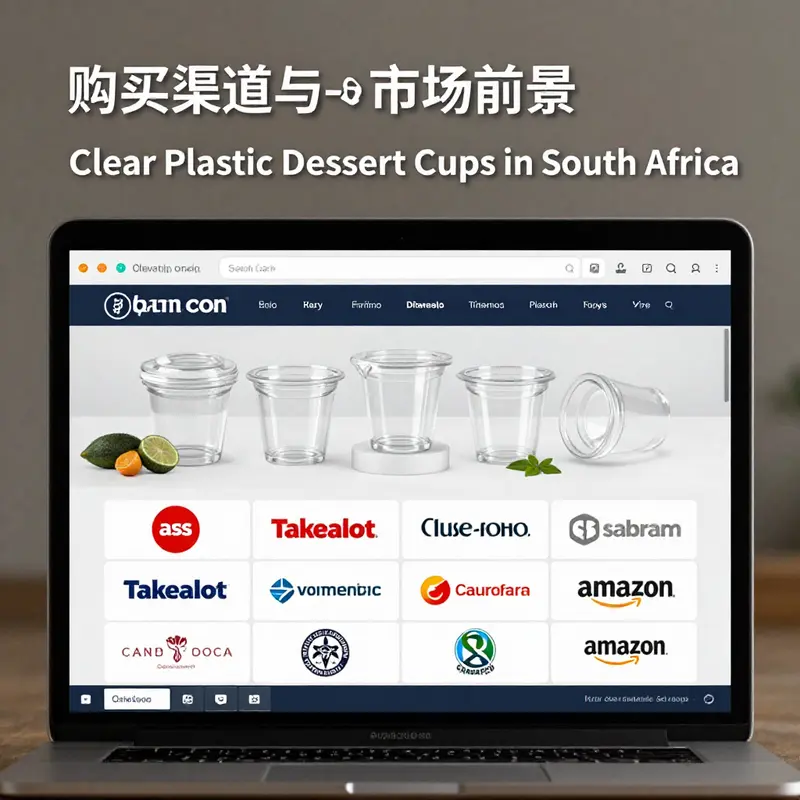
Clear plastic dessert cups in South Africa function as more than disposable vessels; they are a practical lens on how modern dining culture, event planning, and logistics converge. In a market where presentation matters as much as content, the ability to offer elegant, hygienic portions for weddings, cafés, catering services, and school events hinges not only on the cups themselves but on the paths through which buyers discover, stock, and deploy them. The channels are simple in theory yet complex in practice: reach consumers through online stores that stock a range of sizes, connect with wholesalers who can fulfill bulk orders for weddings and large events, and tap into B2B suppliers capable of customized runs for branding or special occasions. Each pathway shapes not just price and availability but the very rhythm of how a host can plan and execute a dessert moment that looks as pristine as it tastes.
The everyday decision to purchase clear dessert cups is anchored in a balance between convenience, quality, and cost. For individual consumers hosting a small party, a quick online order from a general retailer often suffices. But for event planners, hotel banquets, or bakery shops mounting a weekend rush, reliability becomes the decisive factor. This reliability comes from partnerships with wholesalers and manufacturers who understand the cadence of South Africa’s service industry: lead times that align with event calendars, predictable stock levels, and the capacity to scale up without sacrificing consistency. In practice, that means buyers favoring suppliers who can offer consistent jar-like clarity, sturdy rims that resist cracking during transport, and lids that seal securely to prevent spills during long carries. It also means a preference for cups with stable bottoms and a design that minimizes leakage while maximizing visual appeal. A transparent cup is more than a container; it is a stage for the dessert itself, turning a simple portion into a showcase that can entice guests at a glance.
Product design matters, and the market responds to it through the range of available formats. Commonly, cups come in compact volumes such as the smaller end of the spectrum for bite-sized samples or tasting portions, progressing to larger formats that hold a full serving. Typical configurations emphasize a round silhouette with a narrow base that widens toward a clear mouth, a shape often described in industry parlance as parfait-style. This geometry supports both stability and display, enabling neat stacking for storage and easy presentation at dessert stations and self-serve buffets. Matching lids—when provided—add another layer of practicality, preserving freshness for takeaways and facilitating transport across venues or between venues. The pairing of cup and lid is more than a packaging detail; it is a logistical safeguard that reduces waste and protects hygiene from kitchen to guest. In a market that handles events of varying scale, suppliers that can supply both unsealed cups and sealed, ready-to-transport kits tend to be favored, especially when planning multi-day functions or city-wide catering.
The market’s momentum is driven by the convergence of expanding hospitality venues, a thriving wedding and event industry, and a vibrant segment of small-batch bakers and patisseries. Each of these players seeks a reliable packaging solution that is hygienic, visually appealing, and affordable. The practical appeal of a clear plastic cup—its ability to showcase a layered tiramisu, a fresh fruit ensemble, or a velvety mousse—has universal resonance for display-driven dining. Yet buyers are increasingly mindful of sustainability, and this awareness shapes procurement decisions as well. The growing appetite for recyclable and, where possible, biodegradable materials means suppliers who can demonstrate credible environmental stewardship often enjoy a distinct advantage. After all, a cup that looks flawless but cannot be responsibly disposed of or recycled after use risks undermining the very value a venue seeks to convey. For this reason, the conversation around clear cups in South Africa frequently intersects with conversations about the broader packaging ecosystem, certification standards, and end-of-life options. In practice, buyers weigh not only price and aesthetics but the entire lifecycle footprint of the packaging that carries dessert to the table.
From a sourcing perspective, the landscape includes direct purchases from manufacturers, regional distributors, and broader online marketplaces that curate a range of plastic cup options. The most efficient pathways for high-volume orders tend to cluster around B2B platforms and wholesale hubs, where bulk pricing, customization options, and consistent supply are prioritized. For businesses planning events months in advance, the advantage lies in establishing a steady supplier relationship that can accommodate seasonal peaks, promotional campaigns, and branded or themed cups for particular occasions. In contrast, smaller operators or occasional hosts may gravitate toward consumer online retailers for one-off purchases, accepting longer shipping windows or higher per-unit costs in exchange for convenience. The strategic choice between these channels depends on scale, timing, and the ability to maintain a stable stock that aligns with promotional calendars and service expectations.
On the topic of scale, it is important to recognize that bulk sourcing often brings additional considerations. Lead times, import duties, quality control, and compatibility with lids or seals become central to the evaluation process. For buyers who intend to source from overseas manufacturers or through global B2B platforms, it is prudent to scrutinize minimum order quantities, packaging integrity during transit, and the availability of local storage or warehousing space. Importantly, the cost calculus must account for freight, insurance, and potential customs delays, all of which can nudge total spend and schedule. Local suppliers or regional distributors, when available, can mitigate some of these risks, offering more predictable timelines and potentially easier returns or replacements should a batch fail to meet expectations. The challenge for buyers is to align the shopping channel with their operational tempo: a wedding planner juggling multiple venues may require quick, reliable restocks; a bakery with daily pickup demands may need a steady supplier with a robust fulfillment network.
The forward-looking dimension of this market centers on sustainability and responsible innovation. As customers become more conscious of packaging waste, the demand for recyclable or compostable options grows. Suppliers increasingly highlight material credentials, certifications, and transparent product disclosures to reassure buyers who must meet brand standards or institutional procurement policies. In this context, the ability to offer customization—such as branded lids, color accents, or printed packaging that carries a logo or event motif—emerges as a differentiator. The capacity to tailor orders to specific dimensions, weights, or sealing mechanisms can unlock new revenue streams for manufacturers and distributors while enabling event organizers and venues to deliver a cohesive aesthetic across dessert stations and buffets. The market thus evolves toward a dual axis: cost-effective, reliable basic cups that perform in high-volume settings, and higher-value, sustainability-aligned options that speak to responsible branding and long-term partnerships.
Within this evolving landscape, one practical route for readers seeking broader sourcing options is to explore established B2B marketplaces that connect South African buyers with manufacturers abroad. A representative example of bulk-ready offerings is the 16-ounce clear PET cup family, which illustrates the kind of scalable solution many buyers consider when planning large engagements. Accessing such suppliers often requires navigating minimum order quantities, confirming material safety data, and confirming compatibility with lids and sealing films. For readers who want to dig deeper into supplier footprints and product specifications, a reputable external directory can offer a broader view of options beyond local stock. This broader perspective helps buyers balance domestic and international sourcing strategies, comparing price points, lead times, and sustainability credentials against their own operational realities.
For readers who want a practical foothold in nearby packaging ecosystems, a single internal reference can illuminate adjacent packaging topics and spark ideas for event-ready presentation. A related exploration of clear plastic packaging options can be found here: clear plastic combo pastry dessert packaging. This resource offers a window into how clear plastic platforms are conceived, manufactured, and packaged, highlighting the parallels and differences that matter when a venue is deciding between a standard cup and a more comprehensive, branded packaging solution. In parallel, the broader market literature underscores that growth is most robust where service providers can demonstrate reliability, flexibility, and a track record of quality under pressure. The ability to deliver uniform clarity, strong seals, and consistent lid compatibility becomes a defined competitive advantage in a market where marginal gains on each unit compound into meaningful gains across hundreds or thousands of desserts delivered over a single season.
As South Africa’s consumer base continues to expand its appetite for elegantly presented desserts, the channel map will likely shift further toward integrated, end-to-end packaging partners who can harmonize product design with branding, logistics, and sustainability. Buyers who cultivate relationships with trusted manufacturers and distributors stand to benefit from better price breaks, faster replenishment cycles, and more predictable quality control. The near-term horizon thus points to a packaging ecosystem that rewards suppliers who can blend practical, bulk-ready cups with responsible materials and value-added customization. In this light, the careful orchestration of channels—balancing local supply, import options, and the growing demand for sustainable packaging—will shape how confidently South Africa can continue to host weddings, banquets, and a thriving cafe culture that treats every dessert as a small stage for storytelling.
External resources offer a complementary viewpoint on the practicalities of bulk sourcing and global supply dynamics. See the external reference for a broader look at 16-ounce clear PET cup options and related containers, which helps illuminate how different supply chains approach the same packaging need: https://www.made-in-china.com/products/16oz-Clear-PET-Cups-Plastic-Containers-with-Lids-Disposable-Cups.html
Balancing Practicality and Planet: Sustainable Choices for Clear Plastic Dessert Cups in South Africa
Balancing Practicality and Planet: Sustainable Choices for Clear Plastic Dessert Cups in South Africa
Clear plastic dessert cups are ubiquitous in South Africa’s food service scene. They present desserts attractively, reduce preparation time, and simplify transport. Yet their environmental footprint is significant. This chapter examines the trade-offs between convenience and sustainability, explores workable alternatives, and outlines practical steps businesses and event planners can take to reduce waste without compromising service quality.
Many clear cups are made from PET or PP. Both are food-safe and recyclable in principle. In practice, however, the recycling system struggles. Collection is inconsistent, sorting facilities are limited, and contamination from food residues makes many items unrecyclable. As a result, a large share of used cups ends up in landfills or the natural environment. That outcome damages soil, clogs waterways, and poses risks to wildlife. Plastic fragments persist for decades and can enter the food chain. These outcomes force businesses and policymakers to rethink single-use strategies.
Policy interventions are emerging. National and local authorities are increasingly regulating single-use plastics. Restrictions and levies aim to curb waste and push producers toward circular models. For South African food businesses, this creates both constraints and opportunities. Compliance requires evaluation of current supply chains. It also invites innovation: operators can reduce packaging costs, differentiate their brand, and appeal to an environmentally conscious clientele by adopting smarter systems.
Alternatives to clear plastic dessert cups fall into three broad categories: reusable systems, compostable disposables, and improved plastic management. Reusable options include trays, glassware, and deposit-based containers. These eliminate waste when logistics are well managed. A deposit-refund system, for example, encourages customers to return containers to designated collection points. It works best for festivals, catering services, and urban cafes. Reusables require washing infrastructure and staff time. For many small businesses, the upfront investment and operational complexity can be a barrier.
Compostable and bio-based disposables offer another route. Paper cups with compostable coatings, bagasse (sugarcane pulp) bowls, and bamboo-based vessels are currently available and gaining traction. They can replicate the visual clarity of clear cups through creative design, such as paired kraft cups with transparent lids. However, not all compostable claims translate into real-world breakdown. Industrial composting facilities are needed for some materials, while others degrade in home composting. In South Africa, composting infrastructure is uneven. Introducing compostable disposables without the corresponding end-of-life systems risks creating greenwashed waste streams.
A hybrid approach often makes the most sense. For instance, businesses can switch non-essential portions of their offering to compostable or paper-based vessels while retaining clear plastic where visibility matters most. Pairing compostable bases with reusable or recyclable lids can reduce plastic use while preserving product presentation. This measured transition spreads cost and allows time for suppliers and waste services to adapt.
Cost and supply chain resilience are key constraints. Alternatives often carry higher per-unit costs. Small-scale suppliers may struggle with minimum order quantities or inconsistent deliveries. Solutions require collaborative buying, phased rollouts, and supplier development. Group purchasing among caterers or hospitality groups can lower prices. Local manufacturing of biodegradable items can strengthen supply chain resilience and create jobs. Where local materials are available—such as bamboo or sugarcane residues—investing in local conversion facilities can reduce both cost and embodied emissions.
Consumer behaviour is another crucial factor. Many customers equate disposability with convenience. Changing this perception means making sustainable choices easy and attractive. Simple measures work: offering a small discount for returning a container, prominently branding reusable options as premium, or including clear disposal instructions on packaging. Clear signage at events and counters, plus staff training on how to explain sustainable options, encourages uptake. Education campaigns that link daily choices to visible local outcomes—clean beaches, less litter in parks—build public support for systemic change.
Practical on-the-ground actions for businesses include redesigning portion sizes, reducing the number of separate items per order, and choosing lids that improve stackability and reduce spillage. Designing cups that can be compacted or nested aids transport efficiency and reduces storage footprint. Clear labeling for recyclability or compostability helps waste managers and consumers sort correctly. Digital receipts and QR codes on packaging can direct customers to local return points or composting facilities.
Waste collection and sorting remain systemic bottlenecks. Public-private partnerships can expand capacity. Municipal recycling programmes can work with hospitality clusters to provide targeted collection days for foodservice plastics and compostables. Events and festivals present changeable opportunities: organizers can mandate reusable or compostable options, partner with waste contractors, and provide visible signage and collection stations. Pilots at scale demonstrate feasibility and provide data for broader rollouts.
A circular mindset helps. Rather than seeing dessert cups as single-use items, view them as part of a product-service system. Deposit-return schemes, wash-and-reuse services, and closed-loop supplier agreements keep materials in use. Suppliers can offer take-back programs for used lids, while caterers can contract local washing stations. Such models lower demand for virgin plastic and spread costs across the system.
Technical choices matter. If plastic cups remain essential, prioritize types with higher recycling value, such as #1 PET, and avoid mixed materials that complicate sorting. Reduce colored or printed plastics that lower recyclability. Where compostable materials are used, select certified products matched to local composting capabilities. Certification and clear disposal labeling prevent confusion.
For policymakers and industry associations, incentives help. Grants for local producers of compostable packaging, tax breaks for businesses that implement deposit-return schemes, and public procurement standards that prefer reusable or compostable options can accelerate adoption. Pilot projects that demonstrate cost-neutrality over time are persuasive. Collecting and publishing data on diversion rates, cost-per-plate, and greenhouse gas savings builds the business case.
Metrics drive improvement. Track diversion rates, contamination levels, and lifecycle emissions. Monitor customer feedback and cost impacts. Regularly review supplier performance and waste contractor efficiency. Small, measurable steps—like reducing lid weight or redesigning a cup to nest more efficiently—can yield meaningful savings at scale.
Transitioning away from single-use clear plastic dessert cups in South Africa is neither quick nor simple. It requires layered strategies that consider policy, infrastructure, supply chains, and human behaviour. A successful path blends reusable systems, carefully selected compostable disposables, better plastic design, and clear consumer-facing measures. This pragmatic shift preserves the visual appeal and practicality of dessert presentation while steadily reducing environmental harm.
For businesses looking for immediate alternatives or inspiration, exploring eco-friendly paper options can help bridge gaps between functionality and sustainability. One example of such a product category is eco-friendly printed paper ice cream cups, which demonstrate how paper-based solutions can serve frozen and chilled desserts while aligning with compostability goals: https://cupbowlpack.com/product/senang07-eco-friendly-printed-logo-paper-ice-cream-cups-with-lid-ice-cream-paper-bowl-paper-ice-cream-cups-with-lid/
For a deeper review of mitigation strategies and lessons from developing countries, refer to this comprehensive analysis on plastic waste strategies and policy approaches: https://www.mdpi.com/2071-1050/14/17/11238
Final thoughts
As the demand for stylish yet practical dining solutions continues to grow, clear plastic dessert cups stand out as a versatile choice for a variety of food service applications in South Africa. Their ability to enhance presentation while providing convenience makes them ideal for businesses eager to elevate their offerings. The insights gathered across various chapters highlight not only the market dynamics but also the innovative materials and designs that contribute to sustainable practices in the industry. By leveraging the strategic purchasing channels and focusing on environmentally friendly options, businesses can ensure they meet the expectations of today’s eco-conscious consumers. Embracing these clear plastic dessert cups can truly transform the dining experience.