
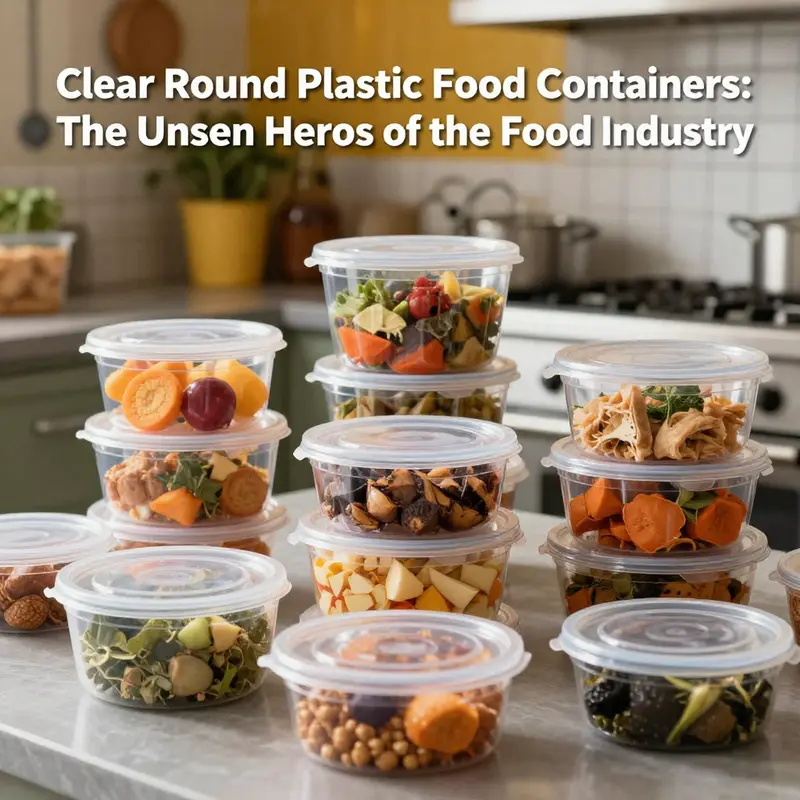
Clear round plastic food containers have become indispensable across various sectors, including beverage chains, restaurants, food trucks, and catering services. Their versatility, durability, and safety features make them the go-to choice for food storage and transportation. This article delves into their applications in both home and commercial settings, exploring the materials and safety standards that guarantee their reliability. Additionally, we’ll examine current market trends and pricing to help you make informed purchasing decisions. Finally, we’ll discuss the environmental impact of these containers while highlighting the importance of reusability, providing a holistic view of why clear round plastic food containers are essential for efficient operations and sustainability in the food industry.
Seeing Through the Pantry: The Practical and Professional Power of Clear Round Plastic Food Containers
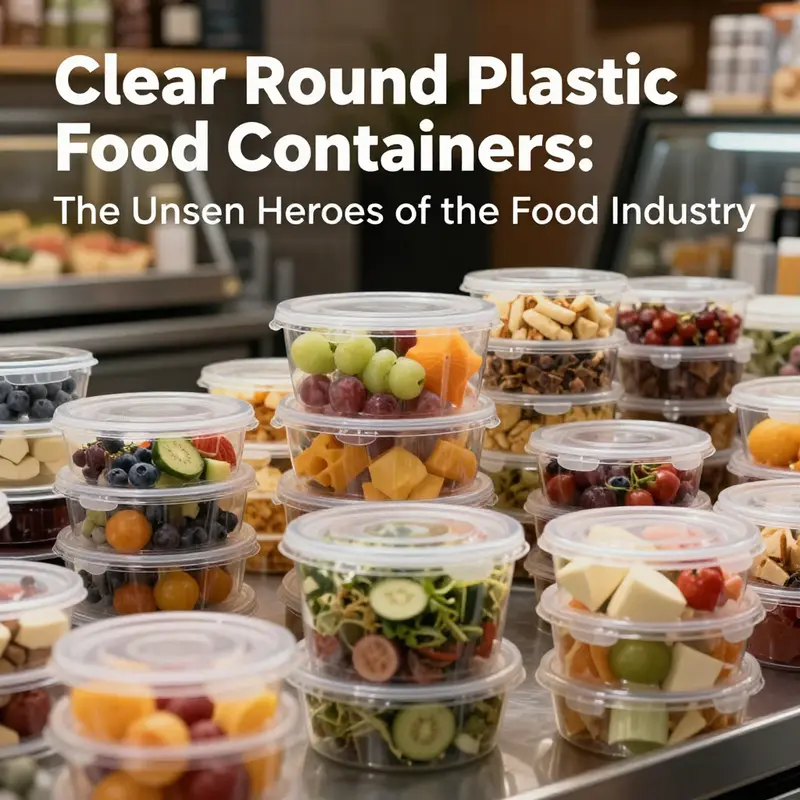
Clear round plastic food containers have earned a quiet but essential role in both homes and workplaces. They are a simple technology, yet their value emerges from a clear view into the contents, a predictable behavior under pressure, and a compatibility with the daily rhythms of kitchens and service counters. When a container is transparent, the act of storing becomes a little more intentional. You don’t guess what’s inside; you see it. You don’t waste time opening every lid to verify content; you verify at a glance. That simple visual cue translates into fewer spoiled items, quicker restocks, and more reliable workflows, whether you are organizing a pantry at home or managing a bustling deli line. The narrative of these containers is less about a single clever feature and more about a constellation of properties that, together, reshape how people approach storage, preparation, and service.
At home, the appeal starts in the kitchen where organization can either feel like a chore or become a satisfying system. Dry goods such as rice, pasta, flour, and an assortment of snacks find a natural home in clear round containers. Their round shape is space-efficient in many pantry configurations, allowing stacks and rows that maximize shelf real estate without creating awkward gaps. The transparency makes the contents legible at a glance. This means you can tell if you are running low on beans or oats without having to crush the packaging or open several containers in search of clues. It sounds small, but it reduces the cognitive load of daily meal planning and shopping. For families who juggle morning rushes and late-evening dinners, that speed matters as much as the capacity to maintain freshness.
Another practical advantage lies in the containment features themselves. Clear round containers are frequently designed with snap-on or screw-top lids that seal in aroma and moisture while keeping out contaminants. The tight seal supports the maintenance of freshness for dry goods and semi-solid preparations alike. In the kitchen, where lunch boxes and meal-prep routines have become commonplace, the ability to re-seal quickly and reliably is a quiet but meaningful factor in reducing food waste. The containers also tend to be microwave-safe for reheating and dishwasher-safe for cleaning, which can simplify routines for busy households. The combination of safety, durability, and ease of cleaning supports a cycle of reuse that extends the life of the containers while reducing the frequency of replacements.
In practice, these containers escalate the idea of meal prep from a weekly chore to a daily rhythm. For example, a family might batch-cook grains or roasted vegetables for the week and portion them into individual rounds. The transparent walls let the eye gauge portions and variety at a glance—a bowl-like display that doubles as a quick reference library of meals. For families who rely on bento-style lunches, the clear containers provide a straightforward method for creating colorful, balanced meals with visible layers of salad, grains, and proteins. The lid design, often snug and leak-resistant, ensures that sauces and dressings remain separate or contained as needed, a feature that supports both the aesthetics and the hygiene of packed meals. In such everyday uses, the containers become more than vessels; they become a visible extension of how people plan, prepare, and portion meals with intention.
The home environment also benefits from the resilience of these plastics. Materials commonly used—such as food-grade polymers—tend to resist the stains, odors, and temperatures encountered in everyday kitchen life. A well-chosen round container holds up to chilled storage in the fridge as well as brief exposure to microwaves or warm washing cycles. For households with children, the shatter-resistant nature of many of these containers adds a layer of safety in busy, spill-prone moments. When a lid snaps into place with a reassuring click, it reinforces a sense of order even on bleak weekday evenings. The practical design does not demand a high level of attentiveness to maintenance; it respects the rhythms of family life while preserving freshness and taste.
Transitioning from home to the commercial sphere reveals a different scale of need, yet the fundamental advantages of clear round containers persist. In delis, bakeries, cafeterias, and small-scale food processing facilities, these vessels support high-volume operations without sacrificing visibility or control. Delis rely on precise portioning and fast turnover, and the ability to visually confirm contents without opening every package is invaluable. Clear containers enable staff to monitor product levels during a service rush and to present items in a way that highlights freshness and quality to customers. In bakeries, wide shallow rounds are used to store bulk items like baked goods, fillings, or frostings. Their open, accessible form makes it easy to monitor crust, texture, and moisture, ensuring that products can be retrieved and displayed with minimal handling. In cafeterias and storage rooms, stackability and robust lids reduce the risk of spills and contamination while optimizing shelf density. A well-designed round container can be nested with its lid, saving space during loading, transport, and storage—an efficiency that matters when every square meter of a kitchen or store floor is in use.
Design details contribute to these everyday gains in meaningful ways. The choice of material—often a safe, food-grade plastic such as polypropylene or Tritan—defines the container’s interaction with temperature and with other kitchen processes. Polypropylene offers a solid balance of rigidity and resilience, resisting cracking or warping under typical load conditions. Tritan, a newer-generation polymer, is celebrated for clarity and toughness, maintaining clarity after repeated washing and resisting odors more effectively than some older plastics. Either material is typically selected to withstand a wide temperature range, from sub-zero refrigeration to near-boiling reheats, without releasing substances that could affect flavor or safety. This resilience is essential in fast-paced environments where containers cycle through cold storage, display cases, and hot hot-lines in a single shift.
Beyond material choice, the shape and lid design contribute to a container’s usefulness in both home and professional settings. Round containers offer uniform stability for stacking, which simplifies inventory management and reduces the chance of top-heavy mishaps. The lids—whether snap-on or screw-top—provide secure seals that minimize leaks from dressings, syrups, or other viscous liquids. This is particularly important in a commercial kitchen where accidental spills can compromise sanitation, create slippery floors, and demand costly cleanup. The availability of narrow, vertical designs that optimize for liquid storage demonstrates how container configurations adapt to the needs of different product categories. In a deli or food service operation that handles liquids, for instance, a tall, tightly sealed, screw-cap variant can keep fluids contained, reduce cross-contamination, and extend shelf life. Containers that can withstand repeated cycles of washing and sterilization are especially valued in environments that demand high hygiene standards and fast throughput.
From a procurement perspective, the scale of use in commercial settings requires attention to durability, return on investment, and consistency. Batch purchases may involve large minimum orders or predictable cubic meter volumes that must be accounted for in storage and transport planning. The ability to access clear containers in bulk with consistent dimensions helps supply chains maintain uniformity in organization and display. This consistency translates into fewer mix-ups, smoother restocking, and easier training for staff. In practice, a warehouse manager can design a storage scheme where each container’s size, lid type, and stacking pattern align with the workflow of the day’s tasks. The result is a more predictable, efficient operation that cuts down on handling time and reduces the likelihood of errors that lead to waste.
The versatility of clear round containers stretches beyond food storage and display. In both home and commercial contexts, they often find second lives in DIY projects, labeling systems, and organizational schemes. The transparent walls make it straightforward to label contents with markers or adhesive labels, connect with color coding, or apply system-wide labeling conventions that keep inventory visible to everyone. In restaurants and catering operations, such containers can double as portable serving vessels for cold or room-temperature dishes, enabling safer, neater transport to events or delivery routes. Their clean lines and neutral appearance help them blend with existing branding and décor, supporting a cohesive aesthetic in both front-of-house and back-of-house settings. The same pieces, reused across contexts, embody a sustainable mindset: choosing durable, reusable containers is more economical and environmentally friendly than relying on single-use alternatives. In the long arc of kitchen culture, such containers contribute to a practice of thinking about food storage as an ongoing process rather than a one-off task.
As with any storage solution, the practical value of clear round containers depends on thoughtful use. Users should consider labeling strategies that complement visibility, such as date stamps or color-coded lids to reflect contents or turnover rates. Regular inspection helps maintain performance; signs of wear—scratches, clouding, or degraded seals—should prompt replacement to preserve hygiene and functionality. In home kitchens, this routine is an opportunity to refine pantry organization, improve meal planning, and reduce the chance that ingredients drift into forgotten corners. In commercial settings, it becomes part of a broader food-safety and quality-control program that protects customers and supports consistent product quality. The elegance of the design lies not only in how clearly the contents are viewed, but in how easily those insights translate into better practices—fewer spoilages, faster service, cleaner workspaces, and a stronger connection between what a business offers and what a customer expects.
Looking ahead, the role of clear round plastic containers may expand as designers experiment with materials that combine even greater clarity, stronger chemical resistance, and enhanced recyclability. Advances in polymer science may yield plastics that resist staining and odor more effectively, maintain clarity after countless cycles in the dishwasher, and align more closely with sustainability goals without compromising safety. In this evolving landscape, the basic advantages—visibility, durability, and compatibility with routine kitchen processes—will likely remain foundational. Whether the setting is a compact home pantry or a sprawling food-preparation facility, the principle endures: when storage is easy to see, easy to seal, and easy to reuse, it becomes easier to feed people well, with less waste, less wasteful effort, and more confidence in the results.
In sum, the appeal of clear round plastic food containers rests on a simple, powerful premise. Visibility supports better decision-making. A secure lid and resilient materials protect freshness. The . . . round shape and stackable design optimize storage and handling. These containers translate into tangible benefits across contexts: quicker inventory checks, leaner prep cycles, safer transport, and a cleaner, more organized workspace. They make it possible to move from guesswork to clarity in both home kitchens and professional operations. The combined effect is a practical, scalable storage solution that respects the pace of modern life while upholding standards of safety, hygiene, and efficiency. In the end, what begins as a humble vessel becomes a trusted partner in the daily choreography of food—from market to mouth.
External reference for further technical context and potential sourcing considerations: https://www.alibaba.com/product-detail/Heavybao-Commercial-Kitchenware-6L-Plastic-Round_1600871113327.html?spm=a2700.189083.0.0.7a4d6e43jYmDvE
Clarity with Confidence: The Material Make-Up and Safety Standards Behind Clear Round Plastic Food Containers
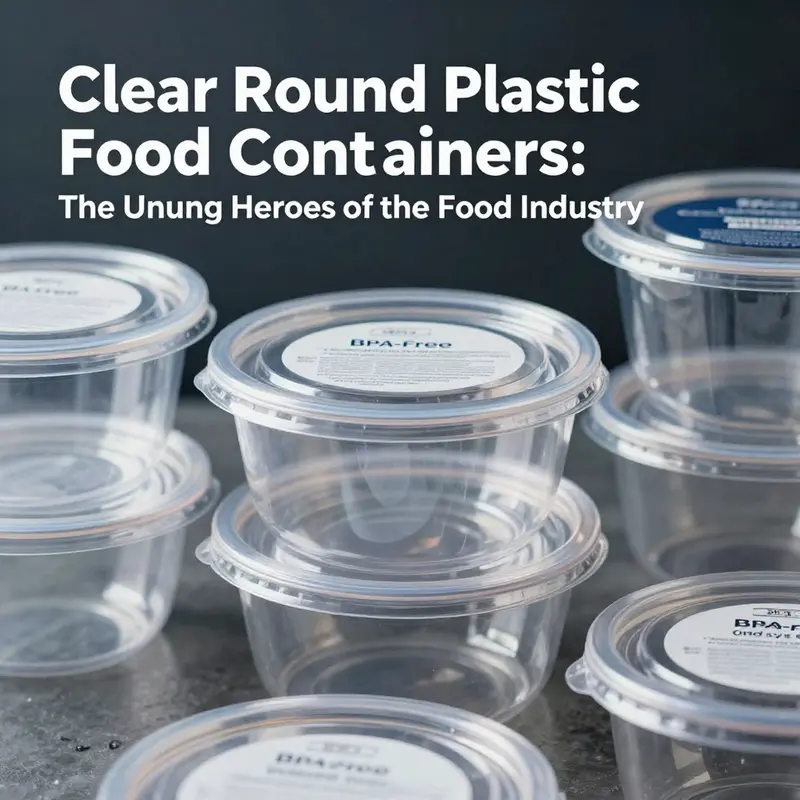
Clear round plastic food containers offer visibility and practicality in fast-paced kitchens. Visibility helps with quick identification of contents, reducing waste and enabling accurate rotation of stock.
Behind the clear surface, material selection matters: PET, HDPE, PP, and LDPE each bring different clarity, barrier performance, heat tolerance, and durability. PET provides excellent transparency and moisture barrier but limited heat resistance, making it ideal for cold storage rather than reheating. HDPE is tougher and more chemical resistant, offering durability at the expense of some clarity, and is a common choice for larger or freezer storage and for heavy-use environments.
PP provides high heat tolerance and broad usability across microwave, freezer, and dishwasher cycles, supporting reuse in meal prep and service settings. LDPE appears mainly in lids and seals, where flexibility and moisture resistance are advantageous.
These material profiles influence safety, reuse potential, and end-of-life considerations; choosing the right resin means balancing performance with regulatory compliance and consumer expectations.
Safety and regulation:
Regulatory frameworks shape how containers are manufactured and used. In the United States, the FDA regulates food-contact substances and sets migration limits, temperature-use restrictions, and reusability expectations. In the European Union, Regulation 1935/2004 on materials intended to contact food, along with Regulation 10/2011 establishing specific migration limits for monomers and additives, provides a parallel guardrail. Together, these rules help ensure safety, labeling accuracy, and supply-chain traceability.
Manufacturing and testing:
Achieving safety and performance requires aligning formulation with testing, including migration tests that simulate repeated washing, exposure to fats or acids, and temperature cycling. Colorants and additives must be compatible with the resin and compliant with limits. In some sectors, additional certifications may be pursued to reflect stricter purity and stability expectations for specific products.
Labeling and consumer trust:
Labels such as food-grade and BPA-free matter, but they must be supported by documentation: resin type, intended use, temperature limits, and reuse guidance. Clear labeling helps procurement decisions, risk management in service, and maintenance planning in busy operations.
Lifecycle and recycling:
PET and HDPE are widely accepted in curbside recycling in many regions; PP is recyclable in many streams, though with regional variation; LDPE contributes to recycling in flexible components and lids. Consider end-of-life paths when selecting materials and educate users on how to clean and prepare containers for recycling or reuse.
Procurement checklist:
- Verify resin type and compatibility with the intended temperature range
- Confirm the product is food-grade and BPA-free where relevant
- Review cleaning and reuse guidance, including microwave or oven suitability
- Consider lid design and seal integrity to prevent leaks
- Assess recyclability within local programs
In practice, the right material choice supports safety, durability, and sustainability while enabling clear communication of product quality from kitchen to consumer.
How Market Forces and Material Choices Shape Prices for Clear Round Plastic Food Containers

The market for clear round plastic food containers has shifted from simple utility to a complex dance of scale, material science, and buyer expectations. Demand is rising across food service, retail, and household segments, and that growth affects pricing at every step. Large buyers expect low unit costs. Small buyers demand flexibility. Regulators and consumers push for greener options. Manufacturers respond with a range of materials and price points. The result is a market where clarity, durability, and cost interact in predictable and surprising ways.
Volume is the most straightforward driver of price. Manufacturers structure costs around production runs, shipping, and inventory. A high-volume order yields steep per-unit discounts. For example, very small disposable sets can drop to just a few cents per unit when ordered in the tens of thousands. Mid-volume commercial pieces often land in the single-digit dollar range. Samples or small runs commonly carry higher per-unit fees, reflecting setup and logistics. This volume dynamic is why buyers in catering, retail chains, and contract food services negotiate MOQs and step-priced tiers to secure predictable margins.
Material selection is the second major influence. Polypropylene, polycarbonate, and recycled PET each carry distinct cost profiles. Polypropylene is favored for its heat resistance and microwave safety. It balances performance with moderate cost. Polycarbonate combines excellent impact resistance and optical clarity, priced slightly higher because of its durability and performance in demanding use. Recycled PET attracts a price premium in some markets due to collection, processing, and certification costs, even though recycled resins can sometimes be cheaper when feedstock is plentiful. Notably, rPET lacks microwave safety and has temperature limits. Buyers weigh these trade-offs against their brand promises, use cases, and budget constraints.
Design and feature choices push prices further. Airtight lids, reinforced rims, stacks that nest efficiently, or tamper-evident seals add engineering steps. Clear containers that must withstand freezing and hot-holding require tighter tolerances and higher-grade resins. Injection-molded parts with complex geometry need longer cycle times and more frequent mold maintenance. As a result, two containers of the same volume can diverge widely in price. A basic clear bowl for single-use service costs cents; a heavy-duty, reusable container built for commercial kitchens can cost several dollars.
Market growth amplifies supplier competition and pricing pressure. Industry analysis values the global plastic food container market at tens of billions. Projections indicate substantial expansion over the coming decade, driven by urbanization and the ready-to-eat food sector. That growth draws new manufacturers and new materials into the space. Increased competition forces many suppliers to operate on thin margins, especially for commodity-grade items. Yet niche segments—premium reusable containers, branded packaging, or certified recycled-content products—allow for healthier margins and differentiated pricing.
Geography and logistics also shape price. Raw material costs fluctuate with regional petrochemical markets. Import tariffs, freight rates, and customs procedures add variability. For buyers sourcing internationally, freight and lead time can outweigh small per-unit savings. Bulk procurement often makes sense only when storage and turnover align. Smaller buyers may pay more per unit, but gain flexibility and lower inventory risk. Conversely, centralized purchasing for large food chains benefits from aggregated demand and predictable supply.
Sustainability trends affect pricing in two ways. First, demand for recycled or recyclable options creates cost differentials. Recycled resins need processing and certification, and they can require design adjustments to meet clarity and strength expectations. Second, regulations and corporate sustainability goals push purchasers to favor lower-carbon or reusable solutions. These shifts can raise costs in the short term, as manufacturers invest in new tooling, materials, and supply chains. Over time, economies of scale and technology improvements frequently lower those costs, narrowing the gap between sustainable and conventional options.
Transparency remains a key selling point for clear containers. Visibility helps inventory management, merchandising, and consumer confidence. Clear finishes command attention on retail shelves and in food displays. Optical clarity is especially important in premium segments and hospitality. Achieving that clarity while maintaining impact resistance influences material choices and pricing. Polycarbonate-like clarity with high impact strength is more expensive than a standard recyclable polypropylene. Some buyers choose clarity only where it matters, combining clear and opaque elements to balance cost and appearance.
The pricing landscape includes a range of strategic options for buyers. Private-label agreements and annual contracts secure lower prices through guaranteed volumes. Seasonal sourcing lets businesses scale inventory for peak periods. Sample programs help developers test new packaging concepts without full production commitments. Some suppliers offer payment guarantees and refund policies to reduce transactional risk when sourcing internationally. These protections can carry additional fees but often deliver peace of mind for first-time buyers.
Manufacturers frequently offer tiered product families to serve diverse needs. Entry-level clear round containers cater to high-volume disposables. Mid-tier lines emphasize reusable strength and food safety. Premium options focus on longevity, temperature tolerance, and clarity. Each tier targets different buyer priorities: cost per use, durability, brand presentation, or environmental claims. The existence of such tiers allows sellers to segment markets and keep prices aligned with perceived value.
Raw material market cycles deserve attention. Resin prices rise with crude price spikes and fall during oversupply. Those swings translate to sudden cost increases for buyers who lack hedging strategies or long-term contracts. Some forward-thinking buyers establish multi-year arrangements to stabilize costs. Others accept the volatility and use price fluctuations to renegotiate. Importantly, price transparency tools and open market indices enable buyers to time purchases and lock in favorable rates.
Small-format packages and novelty sizes command separate economics. Tiny 150 ml or 200 ml clear cups commonly used for desserts or samples are cheap to produce at scale but expensive per liter of capacity. They also support impulse purchasing, allowing brands to accept higher per-unit cost for higher margin per serve. Conversely, multi-liter commercial containers face lower per-liter costs but higher absolute unit prices. Matching package scale to product economics and consumer behavior is a skill that informs pricing decisions across segmentation.
Service and post-purchase support play a subtle role in total cost. Reliable after-sales service, quality assurance, and responsive logistics reduce waste and replacement costs. A slightly higher upfront price from a supplier that consistently delivers on time and meets quality standards can yield savings over time by avoiding production interruptions. For many commercial kitchens and retailers, that reliability is worth paying for.
Finally, the market is adapting through innovation and cross-category learning. Manufacturers are refining blends that improve impact resistance and clarity while reducing costs. Design-for-manufacturing practices cut cycle times and reduce scrap. Recycling systems are slowly creating closed-loop supply chains that promise greater price stability for rPET and other recycled resins. As these advances scale, they will alter competitive dynamics and the pricing spectrum.
For buyers, the central lesson is pragmatic. Define use-case priorities first. If microwave safety matters, choose materials that support it. If clarity and presentation matter, prioritize optical-grade resins. If sustainability is strategic, evaluate lifecycle cost, not just unit price. Negotiate on volume, agree on lead times, and consider service guarantees. With those elements aligned, cost becomes a managed variable rather than a constraint.
For a deep dive into the market projections behind these trends, see an industry analysis that outlines growth forecasts and market drivers. (https://www.grandviewresearch.com/industry-analysis/plastic-food-container-market)
For a practical comparison with alternative eco-friendly options, consider an example of an eco-friendly 1000ml kraft paper bowl as an adjacent packaging approach: https://cupbowlpack.com/product/senang05-eco-friendly-1000ml-noodle-soup-salad-bowl-kraft-paper-disposable-serving-bowl-with-lid-best-selling-product/
Together, these threads explain why prices for clear round plastic food containers vary so widely. Volume, material choice, design complexity, logistics, sustainability goals, and supplier reliability all combine to shape final costs. Understanding each factor empowers smarter sourcing decisions and predictable budgeting for both large and small buyers.
Clear Containers, Clean Conscience: Reusability, Durability, and the Environmental Footprint of Round Plastic Food Storage
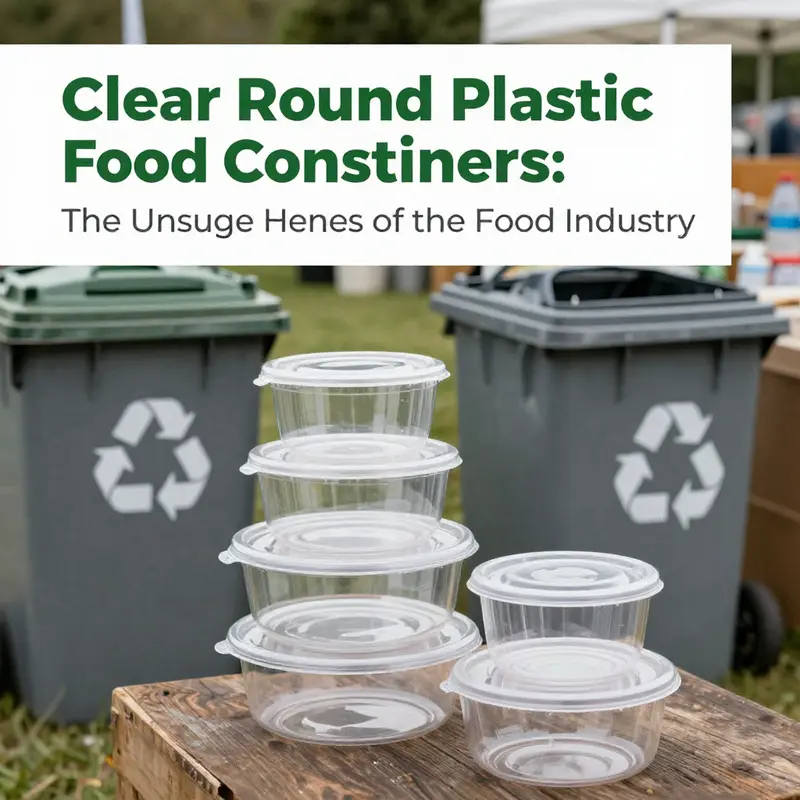
Transparent, round plastic food containers are more than just convenient vessels for storing leftovers or organizing kitchen shelves. They sit at a quiet intersection between practicality and responsibility, offering a tangible path toward reducing waste while meeting the needs of busy homes and fast-paced food operations. This chapter explores how reusability and environmental considerations come together in clear round containers, the forces that shape their longevity, and the choices that help them fit into a broader sustainable system. It is not a simple case of reusable equals good; it is a nuanced balance among material chemistry, care routines, end-of-life options, and the real-world constraints of everyday use. By examining these containers through that lens, we can see how small design decisions ripple outward, influencing how we pack, store, and reuse food, and how our habits influence the broader ecosystem of packaging waste.
At the heart of this discussion is material science. The most common compositions for durable, food-grade round containers are polypropylene (PP) and, in some cases, copolymer blends or Tritan-based options. These materials are chosen because they can withstand typical kitchen conditions without releasing harmful substances. They perform across a wide temperature spectrum—from freezer cold to microwave heat—while resisting stains and odors that might otherwise accompany frequent use. The durability of these plastics is essential; it allows containers to survive repeated cycles of use, washing, and refilling, which is the cornerstone of any meaningful move away from disposable alternatives. The practical implication is simple: when a container lasts longer, the number of new containers that must be produced and disposed of declines. In kitchens that operate on tight timelines, the reliability of a container translates directly into reduced waste and lower energy expenditure tied to manufacturing and shipping new items.
The transparent design that characterizes clear round containers also offers a subtle environmental advantage. Visibility reduces the likelihood of forgotten or forgotten leftovers turning into waste because users can quickly identify contents and assess freshness. This is a small but meaningful factor in reducing food spoilage. When contents are easy to see, there is less chance of over-purchasing or misidentifying leftovers, both of which contribute to waste streams. The design thus supports a form of behavioral sustainability: the better a container communicates what it holds, the less likely it is to be wasted, misplaced, or discarded due to confusion.
Reusability, however, is not a magic bullet. The environmental benefits depend on how these containers are used, cleaned, and ultimately disposed of. In practice, the most significant impact comes from extending the life of each item. A container that endures many cycles of washing and refilling will, in aggregate, reduce the need for manufacturing new containers. Yet the path from reuse to real environmental advantage is shaped by user behavior and facility conditions. For instance, dishwashers can sanitize and dry containers efficiently, but the energy and water footprints of washing must be considered against the savings from not purchasing new containers. Likewise, the ability to safely microwave or freeze contents adds convenience, but it also requires that containers maintain their integrity under heat and cold. If a container warps, cracks, or becomes cloudy due to improper care, its usefulness declines and it may need to be replaced sooner, diminishing the environmental payoff.
Care practices become a critical lever. Exposure to ultraviolet light can degrade plastic over time, particularly when containers are stored in sunlit areas or exposed to UV-rich environments. This degradation may manifest as brittleness or reduced clarity, which can compromise both safety and usability. Harsh detergents, abrasive cleaning tools, or aggressive sanitizing processes can similarly accelerate wear by affecting the polymer matrix. The upshot is clear: to maximize environmental benefit, users should adopt moderate cleaning routines, avoid aggressive chemicals where possible, and store containers away from direct sunlight. Such routines are not merely about extending the container’s life; they are about maintaining the integrity of the packaging system that reduces single-use reliance.
End-of-life considerations loom large in any discussion of reuse. PP is commonly labeled with recycling code #5, signaling that it can be processed into new products in many municipal or industrial recycling streams. But recycling availability and effectiveness vary by region, collection systems, and local processing capacity. A container that is recycled rather than landfilled depends on a reliable post-consumer sorting stream and the demand for polypropylene in the remanufacturing market. This complexity means that the environmental benefits of reuse are maximized when the entire lifecycle is considered—from design and material choice through to end-of-life recovery. It also highlights the need for consumers to understand their local recycling guidelines and to participate in programs that ensure PP items are collected and processed rather than discarded with general waste.
Despite these complexities, the design and use of clear round containers can align well with sustainable packaging goals. The transparency that makes contents easy to identify reduces spoilage by promoting timely consumption and rediscovery of stored foods. When households and food-service operations can see what is inside at a glance, they can manage inventory more efficiently, reducing the chance that edible products are wasted because they were overlooked. This benefit, though modest in isolation, compounds with other commitments to reuse and recycling, creating a more coherent approach to minimizing waste.
A practical approach to maximizing environmental performance starts with selecting containers that are robust, food-safe, and certified for use in typical kitchen environments. High-quality options designed for repeated use will generally be more forgiving of routine mishaps and cleaning cycles, offering longer lifespans and lower replacement rates. Certification and standards—especially those related to food safety and material governance—provide an additional layer of assurance. When buyers prioritize certified, durable containers, they are not just choosing safety; they are choosing a foundation for sustainable practices that can scale across home kitchens and professional settings alike.
Yet even the best containers require mindful management. The lifecycle benefits of reuse rely on avoiding damage that could lead to premature disposal. Chest-height storage or careless stacking can place stress on rims and walls, and repeated dropping or rough handling can introduce microfractures that gradually compromise the container’s performance. In contrast, careful handling—stacking properly, using lids securely, and avoiding mixing incompatible cleaners—helps preserve the container’s material properties and structural integrity. This is particularly important for items used in busy commercial kitchens, where the pressure to perform quickly can tempt cutting corners. When staff understand the long-term value of a container and treat it as part of an integrated system, the cumulative effect is a measurable decrease in waste and an increase in operational efficiency.
The broader system context also matters. Clear round containers sit within a network of packaging choices that includes lids, seals, and accessories that collectively determine usability, sanitation, and waste generation. A well-integrated system reduces the need for replacements by ensuring compatibility and reliability across the board. In many cases, this means selecting containers with compatible lids that seal securely, withstand routine cleaning, and resist odor transfer. It also means acknowledging that some containers are better suited for certain tasks than others. For example, ultra-thin-walled variants may be light and economical, but they can be more prone to wear and breakage under frequent use. Heavier or reinforced designs, though potentially more expensive upfront, may offer better long-term value by delivering higher durability and longevity in demanding environments.
One of the most effective ways to support sustainability is to couple reuse with responsible disposal. Even when a container nears the end of its usable life, it should be considered for recycling rather than immediate disposal. Recycling streams for PP-derived products can be efficient, but they depend on proper waste segregation and the availability of processors that accept post-consumer PP. For individuals and organizations that operate in settings where recycling access is inconsistent, it may be worth exploring take-back programs or partnerships with suppliers who emphasize circular packaging practices. In such arrangements, the emphasis shifts from a single-use mindset to a lifecycle perspective that values recovery and remanufacture. This mindset aligns with broader regulatory and societal pressures to reduce plastic waste and to push packaging toward systems designed for reuse and recycling rather than disposal.
From a consumer behavior standpoint, there is an opportunity to integrate these containers into daily routines in ways that reinforce sustainable habits. For instance, organizing storage spaces so that containers are easy to access and return to their designated places can minimize misplacement and the temptation to replace damaged or missing parts. Labeling contents and dates helps ensure timely consumption, reducing both waste and duplication of storage. In busy households and food-service environments, where time and efficiency are crucial, the clarity and reorderability of a well-designed container system contribute to a discipline of reuse that complements other waste-minimizing practices.
Internal links can illustrate how durable, reusable packaging fits into a wider ecosystem of responsible packaging choices. For readers seeking concrete examples of compatible, safe containers for everyday use, a practical reference focuses on take-away solutions that emphasize durability, reusability, and clear labeling. This context helps connect the environmental discussion to real-world procurement and daily practice. For example, consider a common category of take-away bowls with lids that are designed to be durable and food-safe for repeated use in casual dining and home meal prep. In this vein, a representative option exists in the catalog of food-grade, multi-use containers that emphasize reliability and easy cleaning. Such options demonstrate how a simple change in the choice of container can support a broader waste-reduction strategy without sacrificing convenience. food-grade take-away bowls with lids.
Ultimately, the environmental footprint of clear round plastic food containers hinges on a balance of design quality, user behavior, and infrastructural support for end-of-life processing. The chemistry of PP and related materials offers a stable platform for repeated use, and the value of the transparent design adds a practical incentive to minimize waste through careful inventory management and mindful consumption. But the story does not end with the container itself. It extends into the way households and businesses plan purchases, organize storage, and participate in recycling streams that can recapture material into new products. When these threads connect—durable materials, responsible care, and accessible recycling—the result is a packaging ecosystem that respects both the needs of modern kitchens and the health of the environment. In that sense, the benefits of reuse are not merely about reducing waste; they are about cultivating a practical, scalable approach to packaging that aligns with the rhythms of daily life while honoring broader sustainability commitments.
For readers who want to explore standards and guidelines that support responsible use of plastic food contact materials, official resources provide a framework for understanding how materials are evaluated, labeled, and regulated. These guidelines help ensure that what is used in kitchens remains safe over repeated cycles and that environmental considerations are baked into the production and disposal processes. As with any complex system, the best outcomes arise from informed choices, consistent practices, and a willingness to invest effort where it yields long-term benefits for both people and the planet. In the end, clear round containers can be a small but meaningful component of a larger move toward sustainable packaging, one that respects safety, efficiency, and the health of ecosystems that absorb and recycle the materials we use every day. External resources can offer deeper insight into the standards governing plastic food contact materials and the role of regulation in guiding safer, more sustainable packaging choices. See the EFSA Guidelines on Plastic Food Contact Materials for a comprehensive overview of how authorities assess safety and environmental impact in this space.
Final thoughts
Clear round plastic food containers serve as critical tools for various food-related businesses, offering unmatched practicality and safety. By understanding their applications, material safety standards, current market trends, and environmental impacts, you can effectively incorporate these containers into your operations. Their versatility and durability not only meet the demands of fast-paced food environments but also contribute to sustainable practices. As the food industry evolves, these containers will continue to play a vital role in maintaining quality and freshness while supporting eco-friendly initiatives.