
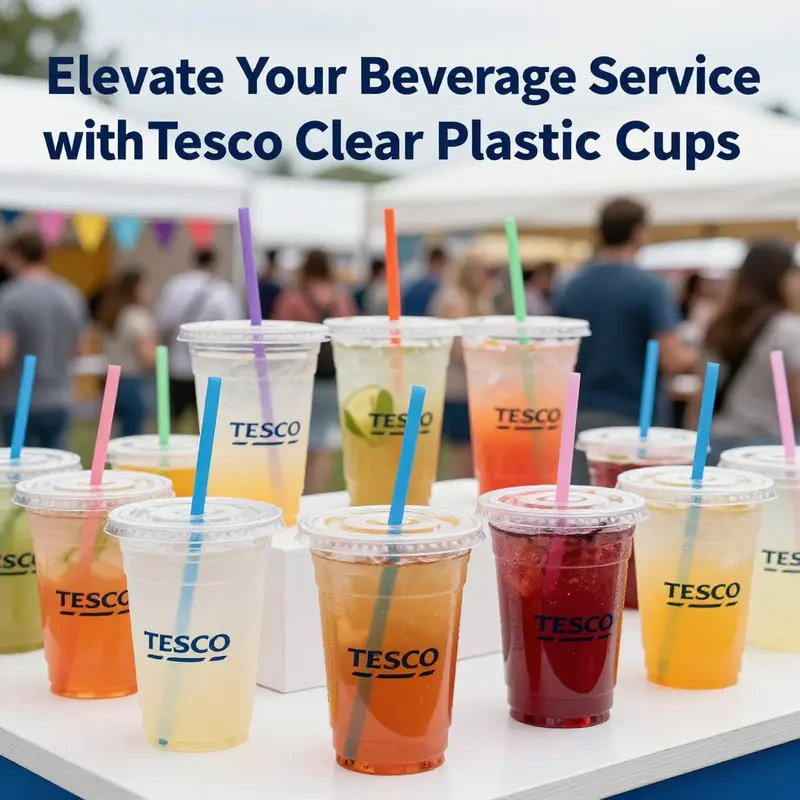
Tesco clear plastic cups are an essential product for various beverage-focused businesses, from bubble tea shops to catering services. Understanding their features, applications, and environmental impact is vital for event planners, corporate procurement teams, and any food service operator looking for reliable and quality drinkware solutions. Each chapter provides insights into how these cups fit seamlessly into diverse settings, their comparative advantages over other brands, the eco-friendliness of the materials used, and what consumers prefer. Together, we’ll explore the world of Tesco clear plastic cups and how they enhance your beverage offerings.
Crystal Clarity and Care: The Quiet Influence of Tesco Clear Plastic Cups on Beverage Service
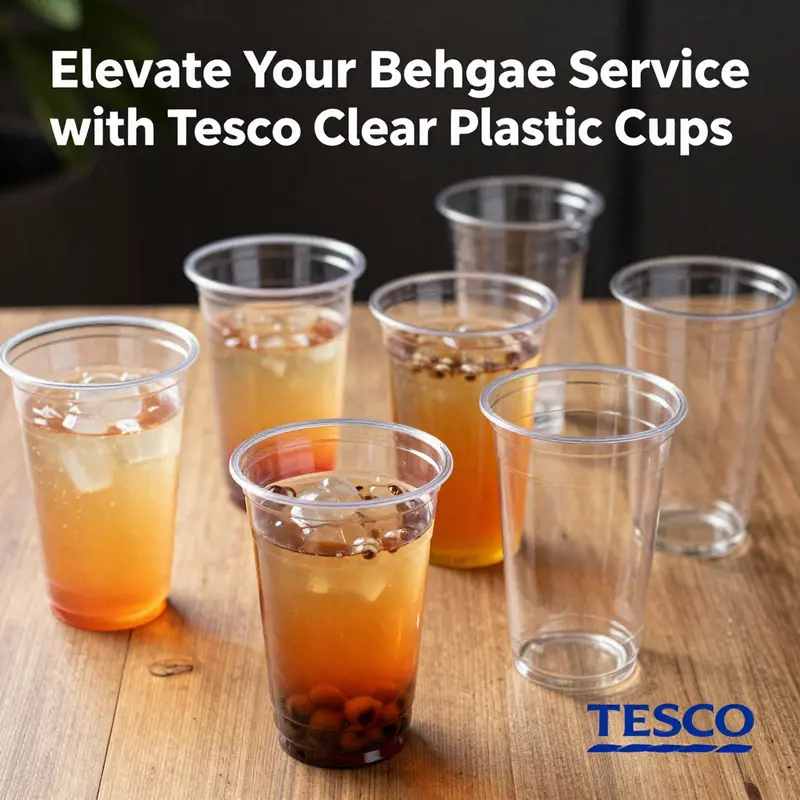
Crystal clarity is more than a visual cue; it is a behavioral cue. In the bustling flow of a café, a party, or a catering event, a clear plastic cup becomes a silent partner in presentation, portion control, and perceived quality. When a consumer lifts a Tesco clear plastic cup, they are not just accepting a container; they are confirming a set of expectations about cleanliness, simplicity, and reliability. The cups are typically made from PET, a material chosen for its combination of optical clarity, strength, and light weight. PET’s transparency helps both servers and customers gauge the color, froth, or sediment of a drink at a glance, which can influence perceived freshness and appetizing appearance. In a service scene where speed matters, that quick visual assessment reduces hesitation and accelerates the decision-making that underpins a smooth service flow. The material choice also matters from a handling perspective. PET is light enough to be carried in bulk, yet rigid enough to resist minor flexing when filled near the top. The balance between visibility and sturdiness makes these cups well suited to fast-paced settings, where a stack of cups must be grabbed, set down, or passed along a line without wobble or spill risk. The visual appeal—clear walls that invite the eye to track the liquid level—has practical spill-avoidance benefits as well. When a server can see exactly how much remains, portion accuracy improves, and guests can judge value with a quick glance, whether they are selecting a drink at a grab-and-go counter or attending a formal reception with self-serve stations.
The design language of Tesco’s clear cups often emphasizes a uniform rim that contributes to stability during pouring and handling. A dependable rim creates a confident handoff from server to guest and reduces the chance of pinching or cracking at the edge. It also supports better stacking during storage and transport, which matters in a retail or event setting where space is at a premium. In environments that require rapid replenishment, these cups can be filled, topped, and swapped with minimal downtime, helping foodservice teams maintain a steady rhythm without sacrificing safety or cleanliness. The simplicity of the design—no unnecessarily fussy seams, no heavy ornamentation—aligns with expectations for hygienic, disposable serveware. This is not merely a matter of aesthetics; it is a practical response to the realities of high-velocity service, where ease of use and predictability influence everything from line efficiency to customer satisfaction.
Beyond the immediate service context, the conversation around Tesco clear plastic cups touches on how consumers perceive value and responsibility. A clear cup embodies a straightforward proposition: a hygienic, single-use option that facilitates quick cleaning up after a gathering. Yet in parallel with this convenience is a growing awareness of sustainability. PET plastic is widely recyclable, but its fate depends on local recycling streams and consumer participation. In many regions, clear PET cups can be diverted from landfill through curbside recycling programs, given that the resin is properly cleaned and sorted. The market for recyclable plastic is shaped by municipal policies, waste-management infrastructure, and consumer habits, all of which influence whether a certain cup ends up in a closed-loop system or simply in a landfill or incinerator. This landscape means that brands and retailers face a nuanced balancing act: deliver a product that meets operational needs and hygiene standards while communicating recyclability and encouraging responsible disposal.
The dialogue around single-use cups is evolving. On one hand, clear PET cups like Tesco’s are valued for their convenience and the clarity they provide for beverage presentation. On the other hand, more brands are exploring compostable or plant-based alternatives, reduced-lid configurations, or reusable options for events where the environmental footprint matters most. Within that spectrum, the Tesco cup represents a benchmark for clarity and reliability, a baseline against which other materials and designs can be measured. For catering professionals, host organizers, and regular shoppers alike, the choice of a clear cup is often a question of how the item performs under real-world conditions. Does it resist cracking when hot liquids are poured, maintain a flat bottom for stable placement on trays, and remain stack-compatible when space is tight? Does it deliver predictable performance across a range of temperatures and liquid viscosities, from fruit-forward beverages to thicker blended drinks? These practical considerations translate into fewer service disruptions and more predictable inventory management, especially in venues that depend on fast turnover and a consistent guest experience.
In considering the broader packaging ecosystem, the Tesco clear plastic cup sits at an intersection between tradition and innovation. Traditional in its reliance on a familiar, widely accepted material, the cup also participates in ongoing conversations about recyclability, waste reduction, and brand integrity in disposable serveware. The ability to visually inspect contents at a glance is a feature that translates well to both consumer expectations and operational needs. For events where branding and color coordination are important, the cups can serve as a neutral stage that highlights the beverage itself while maintaining a clean, professional appearance. The absence of heavy embellishment keeps the focus on the product inside, a virtue when the goal is to communicate quality through color, clarity, and proportion rather than ornate decoration.
Within the continuum of servingware options, it is useful to acknowledge related product categories as a broader reference point. The market often presents a spectrum ranging from ultra-clear, single-use cups to more durable, reusable systems designed for high-frequency reuse. While the clear PET cup is not designed for long-term reuse, it complements other solutions by offering a reliable, cost-effective option for peak service times, promotional events, and temporary self-service stations. For teams that need to rotate through multiple serving scenarios, the predictability of a familiar cup reduces the cognitive load of decision-making. Staff can quickly determine whether a given cup is appropriate for a particular beverage, whether the setting calls for cold drinks or hot beverages, and whether the event requires color-coded or size-diverse assortments. That operational clarity translates into smoother training for new staff and less room for error during rush periods.
The single most tangible takeaway from examining Tesco clear plastic cups is this: clarity enables confidence. When servers can see the liquid, guests feel informed. When the cups are easy to handle, the service feels seamless. When the cups are recyclable where programs exist, there is a path to responsible disposal that aligns with broader environmental goals. The interplay of material properties, design choices, and sustainability considerations makes this simple object a surprisingly rich touchpoint for discussing how we balance convenience, hygiene, and responsibility in the modern food-and-beverage landscape. For readers who want to explore related packaging ideas beyond the Tesco lineup, a related option worth noting reflects the broader trend toward branded, single-wall serveware that combines practical utility with branding potential hot-sale customized disposable single-wall paper ice-cream cups with lid. This example illustrates how vendors market disposable serveware as a platform for visibility and consumer engagement, even as it reminds us that the core attributes of clarity, cleanliness, and ease of use remain universal.
As the conversation about disposable cups continues to evolve, Tesco’s clear plastic cups offer a stable reference point. They represent a design philosophy that favors straightforwardness, reliability, and visual accessibility for both server and guest. The cups are a reminder that sometimes the most influential elements in a consumer experience are not the bells and whistles, but the clear, unfussy tools that support a seamless moment between thirst and satisfaction. They stand as a practical embodiment of how modern service culture prizes not only what is served, but how it is served: with clarity, care, and an eye toward responsible choices that keep both people and the planet in mind. External resources can provide a closer look at current retail presentations and product details, including official pages and purchasing options.
External resource: https://www.tesco.com/groceries/product/details/123456789
From Shelf to Spectacle: The Real-World Reach of Clear Plastic Cups in Retail and Events
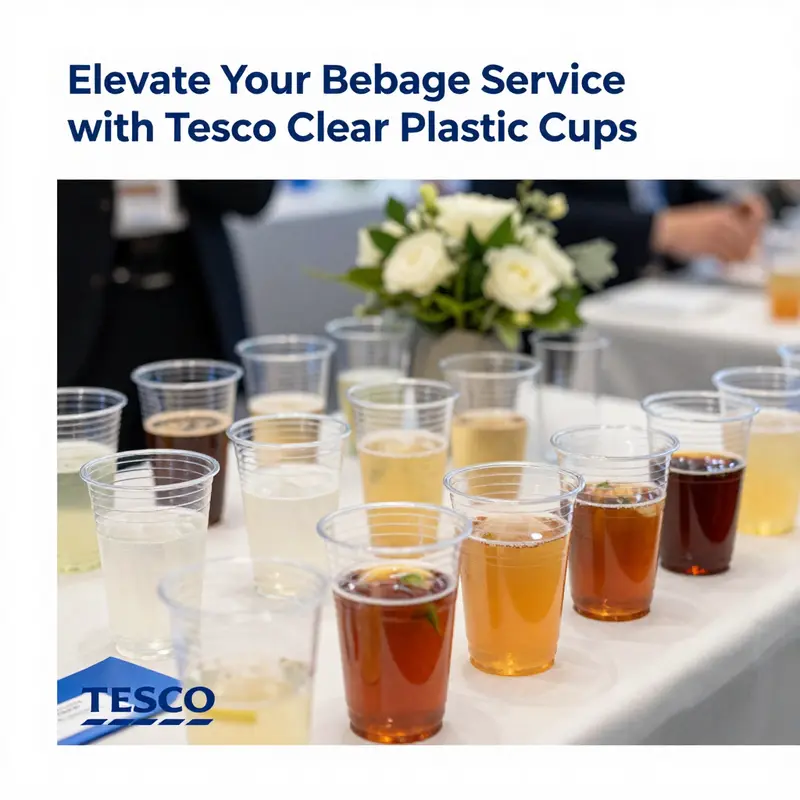
Clear plastic cups occupy a quiet but influential niche in the world of foodservice, retail, and brand moments. They are not the star of a menu, yet they shape how beverages are perceived, how promotions unfold, and how a consumer’s memory of a product is formed. Their appeal rests on more than transparency; it is a practical blend of lightness, rigidity, and a surface that invites the color and aroma of what is poured into them. In many settings, these cups act as stagehands, revealing what the beverage looks like, how it feels in the hand, and how a brand message can travel through a simple, disposable vessel. Behind the scenes, a spectrum of materials—ranging from polymers known for clarity and stiffness to those optimized for compostability—determines how well a cup performs across contexts, from a quick-service counter to a bustling catering event. Although the exact product line varies by market and retailer, the fundamental design choices and their consequences travel far beyond a single storefront, shaping decisions about service, branding, and sustainability in a way that is remarkably consistent across geographies.
In settings such as catering events and casual dining, the primary value of clear cups lies in their ability to showcase what is inside. The visual aspect matters: the color of a drink, the way bubbles rise in a sparkling soda, the gradient of a layered beverage, or the hue of a fruit-infused iced tea. Transparency reduces the guesswork for the customer and adds a sense of freshness. This is not just about aesthetics; it translates into perceived quality and a sense of trust. When a beverage is visually appealing, a cup that remains clear and unclouded becomes part of the overall sensory package. Materials commonly used in these cups—ranging from PET and PS to PP and, in some cases, PLA—each bring a different balance of clarity, stiffness, heat tolerance, and end-of-life considerations. A sturdy rim, smooth interior surface, and a lip that makes sipping comfortable all contribute to a positive user experience, especially in fast-paced service environments where rapid turnover and easy disposal are essential.
The settings extend well beyond formal events. In restaurants and cafés, clear cups are favored for beverage service precisely because they allow the drink to take center stage. The drink’s color and texture are part of the meal experience, and a transparent vessel helps the eye judge the level of the liquid, the presence of ice, or any layered components. In these environments, cups are often paired with lids for to-go orders or for sampling stations during part of the day. The design considerations expand to include compatibility with lids, stackability for storage, and the ability to withstand day-to-day handling by staff. Even the thickness of the cup wall and the finish of the inner surface influence how the drink feels in the mouth, how condensation forms on the outside, and how the cup behaves in a crowded service area.
Branding and customization are a driving force behind the use of clear cups in promotional contexts. A simple, attractive surface opens the door to logo printing, color accents, or marketing messages that travel with the product from the counter to a consumer’s home. The value proposition here is multiplier effect: a cup carries a brand impression far beyond a single purchase, turning a disposable item into a portable advertisement during a promotional period or a seasonal campaign. Cups with custom graphics can act as reminders of a brand’s story, while the clarity of the vessel ensures the beverage itself remains visually legible, reinforcing the intended color or flavor cue. The integration of branding with practicality is a careful balancing act: the cup must be legible, durable enough for handling and stacking, and compatible with the chosen printing technique, all while maintaining the visual transparency that makes the cup functional as a branding canvas.
Sustainability considerations increasingly shape how retailers and suppliers approach these cups. Some markets favor PLA-based or other compostable variants, which promise a more responsible end-of-life path under specific industrial conditions. Yet the reality remains nuanced. PLA and similar materials can require specialized facilities for composting and may not be accepted by all curbside programs. Recyclability, too, varies with local infrastructure and the presence of contamination from residues. The decision to specify a recyclable polymer, a compostable option, or a simple conventional plastic cup is not merely a material choice; it is a systems decision that involves waste streams, consumer behavior, and the logistics of collection and processing. For businesses that host events or operate in-store promotions, this means designing waste streams that align with local capabilities, educating staff and customers about disposal, and choosing cup options that minimize environmental impact without compromising performance.
Another layer of consideration concerns durability and performance under real-world handling. Clear cups must resist leaks and spills, particularly when they are used for hot or carbonated beverages, or when rushed service stresses the continuity of a smooth handoff between staff and guests. The leak resistance and lid compatibility, the absence of cracks during transport, and the ability to withstand the brief stress of being carried through a crowd are practical benchmarks that influence choice. For those who stage sampling programs or set up promotional stands, the cup’s reliability directly affects the customer experience, reducing the likelihood of drips and the need for cleanup in high-traffic scenarios. In addition, the ability to stack and nest for efficient storage and restocking matters in environments where space is at a premium, such as pop-up venues and busy retail floors.
In discussing the practical applications across these settings, it is important to acknowledge how the cup functions as part of a broader system. The cup, the lid, and the labeling or branding layer together to convey a message about the product and the retailer. In a promotional moment, a simple cup becomes a conduit for brand storytelling, a portable canvas for seasonal themes, and a practical vessel that supports service flow. The synergy between design and usage is subtle but critical: a well-chosen cup helps ensure that the consumer’s first impression of the beverage aligns with the brand’s intended narrative, whether that narrative is about freshness, affordability, or a premium dining experience.
To illustrate how such disposables can be customized and integrated with branding strategies, one example from a supplier catalog demonstrates the range of options that retailers and event organizers consider. food-grade take-away bowls with lids offer a useful reference point for thinking about how a container design can support both convenience and presentation in a single system. By exploring the broader family of packaging products that share similar material properties and production constraints, readers can gain a more holistic sense of how a seemingly simple cup is part of a larger ecosystem of disposable tableware. food-grade take-away bowls with lids
As this chapter moves toward a broader view of how a major retailer integrates clear cups into its everyday operations, it is essential to connect the practical realities with the strategic choices that shape product selection. The decision matrix includes not only performance metrics like clarity, rigidity, temperature tolerance, and leak resistance, but also lifecycle considerations, packaging compatibility, and the opportunity for meaningful branding. In a busy retail environment, where samples may be distributed and seasonal campaigns come and go, the cup becomes a reliable instrument for delivering a consistent experience. It is through this lens that the seemingly modest clear cup reveals its true value: a versatile, approachable platform that supports service excellence, brand communication, and responsible disposal practices in a deeply interconnected commerce landscape.
External resource for further reading on related packaging choices and branding opportunities can be found here: https://cupbowlpack.com/product/senang07-eco-friendly-printed-logo-paper-ice-cream-cups-with-lid-ice-cream-paper-bowl-paper-ice-cream-cups-with-lid/
From Aisle to Atmosphere: Tracing the Environmental Footprint of Retail Clear Plastic Cups
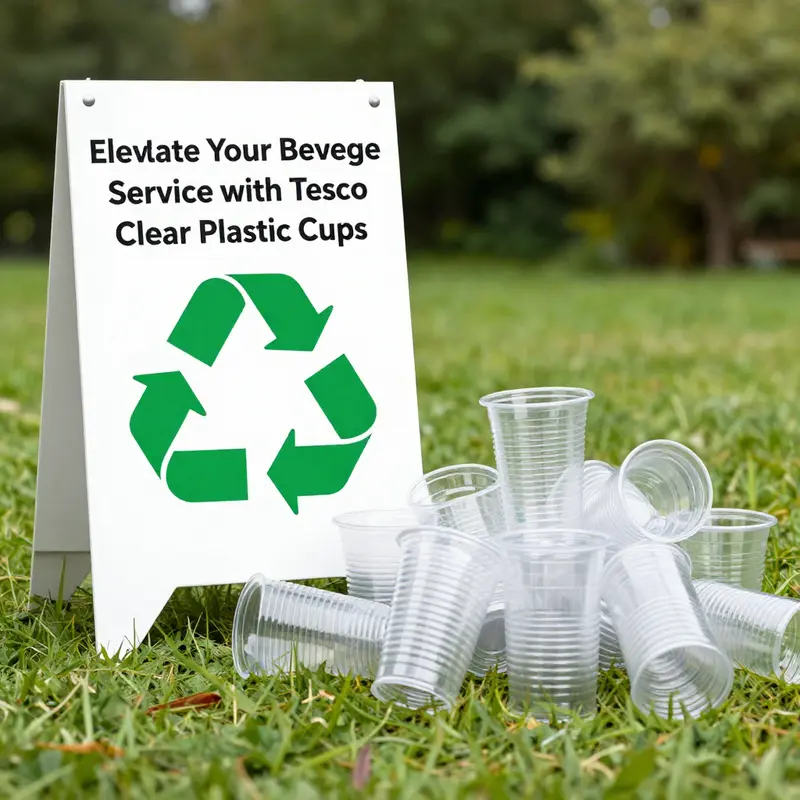
Every day, in countless supermarkets and fast service lanes, clear plastic cups ride the same conveyor belt from supplier to consumer and, often, straight into the waste stream. They seem ordinary, almost invisible, yet their existence hinges on a web of choices that stretch from crude oil to curbside collection. Not every retailer discloses a full lifecycle analysis for each cup type, and in some cases the exact product data may be absent from the public domain. Nevertheless, the broader body of research on disposable cups, which typically centers on polypropylene and polyethylene terephthalate variants, reveals a consistent story: the environmental load of a single use item is defined long before it is used and continues well after it is discarded. In discussing a major retailer’s clear cups, it is precisely this lifecycle logic that matters most, because what looks like a small daily habit is, in reality, a snapshot of energy use, material choice, and end of life design woven together across global supply chains.
The lifecycle begins long before a consumer lifts a cup from the shelf. The extraction and processing of oil or gas feedstocks, the manufacture of polymer resins, and the energy consumed in converting resin into finished cups all contribute to the product’s carbon footprint. Even under efficient production, the energy demands of manufacturing and transporting cups to distribution centers and storefronts form a substantial portion of the total impact. Studies in this field have shown that reusing cups many times can sharply reduce per-use emissions and resource use, but this only holds when reuse happens at scale. A commonly cited threshold suggests that if a cup can be used repeatedly between twenty and seventy times, the climate and resource metrics begin to tilt in favor of reusable options compared with single-use cups. That threshold is not a universal law, but it captures a critical insight: the fixed footprint of making a disposable cup versus the expanding benefits of repeated use.
End of life becomes the other half of the equation. Clear plastic cups, especially those made from PET or PP, are designed to be recyclable in many places, yet the reality on the ground is uneven. Recycling rates for single-use cups remain disappointingly low in many jurisdictions, often due to separation challenges at the curb, contamination, and the economic frictions of sorting and processing. When cups escape the recycling stream, they contribute to landfills and, if mismanaged, to environmental litter that pollutes waterways and soils. The phrase white pollution is a stark reminder that even when a material is technically recyclable, it will only deliver benefits if collection and processing systems function effectively and if consumer behavior supports proper disposal. In the absence of robust end-of-life infrastructure, the burden of a disposable cup shifts from the factory to the landscape, to coastlines, and to future generations who shoulder the costs of cleanup and habitat disruption.
While alternatives such as PLA or paper-based cups promise a different narrative, the overall picture remains complex. The purported advantages of compostability hinge on industrial composting facilities with specific temperatures and moisture conditions. In natural environments or home composters, these materials often fail to degrade quickly, and their life cycle can include substantial land, water, and energy inputs that negate their perceived advantages. In some cases, products marketed as biodegradable or compostable still rely on additives or coatings that complicate recycling downstream. This is not a verdict on all alternatives but a reminder that the ecological benefits of a given cup type depend on the surrounding system, not on the label alone.
The most compelling counterpoint to the single-use paradigm is the circular cup model. This approach emphasizes repeated use, cleaning, and return to centralized collection points, effectively reframing cups as durable assets rather than disposable items. Independent assessments have shown that a well-run reusable cup program can outperform disposable cups across climate, resource consumption, and ecological toxicity metrics, even at modest reuse rates. The Greenpeace East Asia study from 2023 highlights this advantage in a regional context, underscoring that the environmental case for reusable cups strengthens as users commit to frequent repetition, reliable cleaning, and robust return systems. For readers seeking a broader synthesis of these findings, the case for reusable cups offers a concise, evidence-driven overview of how reuse changes the calculus of plastic waste and resource use.
The discussion above does not target a single product or brand. Instead, it frames the conversation around the conditions that determine a cup’s environmental performance: the choice of materials, the energy intensity of production and transport, the ability to recover and recycle, and the viability of reuse programs. When a major retailer evaluates its cup portfolio, several design and policy levers come into play. Material choice is foundational; monomaterial designs and straightforward recycling streams increasingly matter to waste management systems that aim to keep cups out of landfills. Coatings, multilayer constructions, and certain additives can complicate recycling, reduce the value of recovered resin, and inflate processing costs. In parallel, retailers can influence behavior through labeling, incentives for customers to return cups, and partnerships with local facilities to ensure that cups are collected separately and processed efficiently.
Another powerful lever lies in the alignment of product design with waste-management realities. Cups designed with recyclability in mind, using readily separable components and compatible adhesives, are more likely to move through recycling streams intact. This alignment extends to end-of-life infrastructure; a cup that travels through a municipal system designed for bottle and container recycling has a higher chance of being properly processed than one that joins mixed municipal waste. Yet even with better design, the practical gains depend on the presence of accessible, properly funded collection points and a culture of consumer participation that prioritizes return and reuse over convenience. These conditions are not mere footnotes but central determinants of whether a clear plastic cup becomes a problem or a solvable element of urban waste streams.
To illustrate a path forward without naming particular products, consider the broader decision space a retailer faces when contemplating alternatives to a disposable cup. One option is to expand the use of reusable cups and to invest in infrastructure that supports washing, sanitizing, and centralized collection. This route preserves the functional benefits of cups while dramatically reducing the per-use environmental costs. A complementary strategy is to optimize the recyclable content and packaging of single-use cups, steering design toward materials with higher recycling compatibility and simpler end-of-life processing. In both scenarios, data transparency matters. Clear metrics on energy use, emissions, and recycling efficiency empower procurement teams, store managers, and waste- management partners to compare scenarios and to set targets aligned with regional capabilities and climate ambitions.
For readers curious about concrete examples of how retailers can connect product choices to recycling realities, one can explore the specific category pages that highlight eco-friendly design choices. A representative case is the eco-friendly printed-logo paper cup product page, which showcases a design approach that emphasizes recyclability and branding without complicating downstream processing. This example, while not a prescription for every retailer, demonstrates how product pages can communicate sustainability commitments in a way that informs both buyers and users. It also serves as a reminder that the sustainability of the retail cup category is not solely about the material itself, but about the entire ecosystem around it—from supplier sourcing and manufacturing to store-level handling and consumer behavior.
Ultimately, the environmental footprint of clear plastic cups in retail cannot be understood by isolated metrics alone. It requires a systems view that recognizes the trade-offs, the opportunities for improvement, and the realities of waste management in different regions. The chapter above has drawn on a broad evidence base to outline where the biggest gains can come from: smarter materials, better design for recyclability, effective reuse programs, and robust collection and processing infrastructure. These elements, combined with informed consumer choices and policy support, can transform a seemingly everyday item into a lever for meaningful environmental progress. As the conversation moves forward, retailers, suppliers, and communities will need to collaborate to build a circular, resilient cup economy that keeps resources in use and protects the environments that host our daily habits.
External resource for further reading: Greenpeace East Asia The Case for Reusable Cups 2023. https://www.greenpeace.org/asia-east/press/56982/the-case-for-reusable-cups/
How to Judge Tesco Clear Plastic Cups Against Competitors: Practical Criteria and a Working Framework
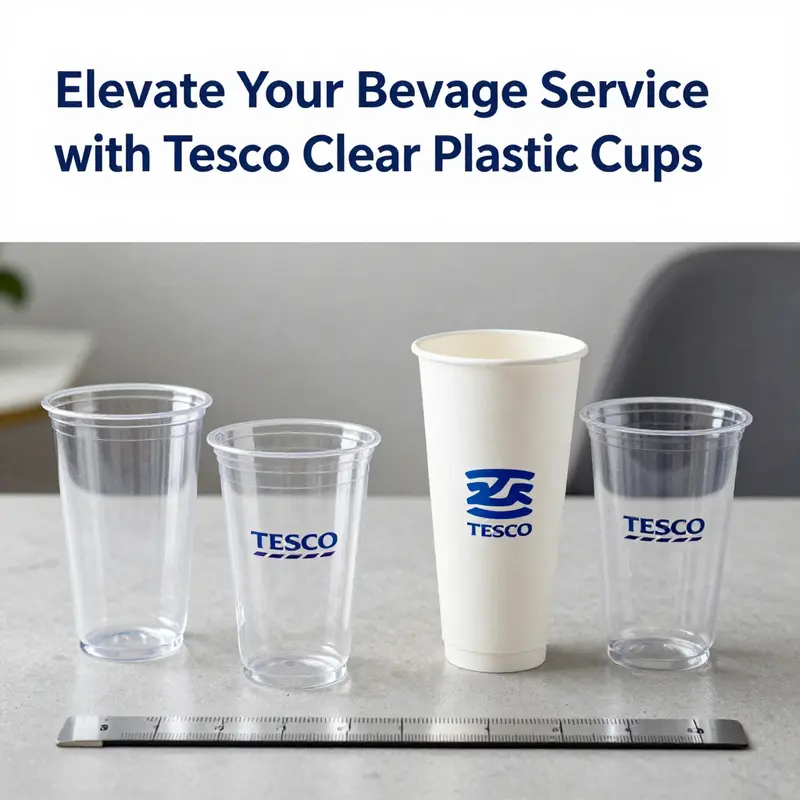
Comparative analysis of clear plastic cups often stalls when brand-specific data is missing. For Tesco clear plastic cups there is no readily available public profile to traverse side-by-side with competitors. That lack of direct information, however, need not prevent a rigorous, useful comparison. A practical framework focuses on material science, user experience, environmental impact, regulatory compliance, and supplier reliability. Using these axes lets you compare Tesco offerings against other brands even when exact SKU details are scarce.
Start with material. Clear drinking cups generally use PET, PS, PP, or biodegradable alternatives such as PLA. Each material brings predictable trade-offs. PET delivers high clarity and good barrier properties, making drink appearance vivid and appealing. PS is rigid, cost-effective, and transparent, but can be brittle. PP offers toughness and higher heat tolerance, though clarity is lower. PLA yields a compostable alternative with acceptable clarity, but it softens near hot liquids. When Tesco’s product specifications are not published, assume mainstream retail lines favor PET for cold beverages and PP for hot cups. Inspecting a sample in-store is the fastest way to confirm material.
Next evaluate clarity and finish. Visual presentation matters for beverages where color and layering contribute to perceived value. Clarity depends on resin type and processing. Look for cups with smooth, defect-free walls and consistent thickness. Anti-fog coatings or surface treatments can retain clarity when holding cold drinks that condense. If you need a specific look, ask suppliers for sample swatches or photos under consistent lighting. For packaged combos—for example, dessert or pastry containers that combine paper with clear lids—examine how the lid integrates. A useful reference for combos and lid styles is the clear plastic dessert packaging documentation, which illustrates how transparency and lid fit influence presentation. (See clear plastic combo pastry dessert packaging.)
Consider structural properties next. Rim strength, stacking tolerance, and resistance to cracking under stress matter for retail and catering. Thicker gauges resist bending and reduce spills but raise material use and cost. Wall geometry affects stacking stability; tapered walls promote neat nests for storage but may reduce rigidity. For point-of-sale use, cups should stack safely without jamming. For takeaway operations, lids should snap on securely without requiring excessive force. If Tesco’s listing is silent, ask about gauge, stacking quantity, and lid compatibility before buying in bulk.
Environmental impact is increasingly decisive. Recyclability and biodegradable options require different handling. PET is widely recyclable through existing curbside programs. PP recycling varies by region and is less commonly collected. PLA is compostable in industrial facilities but often contaminates recycling streams if mixed with conventional plastics. When comparing brands, check for clear labeling about recyclability and for end-of-life guidance. Look for cups made from recycled content or those accepted by local recycling schemes. If a retailer does not provide guidance, request technical data sheets or disposal recommendations.
Food safety and regulatory compliance are non-negotiable. Food-grade resins, migration testing, and certification against regional standards protect consumers. Ask whether cups comply with relevant food contact regulations and whether they are BPA-free or free of other concerning additives. Traceability matters: reputable suppliers can share certificates of analysis and batch records. If Tesco or any retailer does not publish that information, request it before committing to large purchases.
Practical usability rounds out the comparison. Lid fit and sipping ergonomics matter for takeaway drinks. Lids with integrated straw ports, snap seals, or sip-through openings should be tested for leak resistance. Consider the compatibility with dispensers and cup-holding devices used in cafes or at events. Stack-and-dispense performance, ease of rim crème removal, and lid-locking feel influence staff speed and customer satisfaction. If your operation uses automated cup dispensers, verify cup height and taper tolerances against the dispenser specs.
Cost and supply chain reliability influence selection more than raw price. Unit costs hide shipping, storage, and waste handling. Bulk discounts and lead times matter for high-volume purchasers. Evaluate minimum order quantities and the supplier’s capacity to meet seasonal spikes. Retailers often balance cost against branding opportunities, offering custom printing for promotional runs. When Tesco does not provide a custom printing option publicly, alternative suppliers may offer lower minimums or faster turnaround.
Brand trust and after-sales service may be the deciding factor in practice. A retailer that provides visible quality assurance, returns policies, and responsive customer service reduces procurement friction. Look for accessible technical support and clear claims about product specifications. If Tesco’s listings are minimal, direct contact with customer support or local store inspection helps verify consistency.
A step-by-step approach lets you compare effectively even without direct Tesco brand data. First, identify the use case and must-have features: clarity, lid type, recyclability, heat tolerance, and stacking. Second, request or inspect samples for material, clarity, and rim integrity. Third, verify compliance documents and ask about recycling guidance. Fourth, compare unit costs including shipping and storage. Fifth, test a small operational run to assess lid fit, dispenser compatibility, and staff handling.
For retailers and buyers seeking alternatives to mainstream offerings, broader product categories like eco-friendly paper food containers paired with clear lids offer hybrid solutions. These combinations preserve presentation while cutting plastic use. For an example of such a combination, review materials on clear lid and paper container pairings which show how presentation and sustainability can coexist. (See clear plastic combo pastry dessert packaging.)
Finally, when Tesco-specific information is required, visit the retailer’s official product pages or contact customer service to ask for technical sheets. Direct inspection in a store provides immediate answers about material and feel. For online procurement or institutional purchases, request certificates and samples before finalizing a large order. If you need the retailer’s central product portal, check the official site: https://www.tesco.com
This framework transforms an absence of direct comparative data into a methodical evaluation path. By focusing on material properties, clarity, structural performance, environmental impact, regulatory compliance, usability, and supplier reliability, you can compare Tesco clear plastic cups fairly against other brands. Use samples, technical documentation, and small operational tests to validate choices in real conditions.
Choosing Clear Plastic Cups: What Supermarket Shoppers Value

Understanding shopper priorities for clear plastic cups requires blending sustainability, function, and visual appeal. Buyers do not decide on appearance alone. They weigh recyclability, material origin, durability, and how a cup fits into daily routines. In retail environments, these priorities are amplified. Shoppers expect clarity on disposal, confidence in safety, and a design that matches a use case, whether for a cold drink, takeaway smoothie, or on-the-go snack.
Most contemporary shoppers treat packaging as a signal. Clear plastic communicates freshness and portion size. It shows the product inside with no guesswork. That transparency can increase trust. But trust now extends beyond visibility. Consumers increasingly ask whether the plastic can re-enter the circular economy. A retailer that labels packaging clearly and aligns with broader recycling goals improves perceived value. When packaging carries an easy-to-read recycling mark, buyers are likelier to view the product as responsible. This simple step reduces friction at home and improves the perceived ethics of the purchase.
Data from general market research shows strong satisfaction with products made from recycled plastic. High repurchase intent and positive influence on decisions suggest recycled content matters. Younger shoppers and active recyclers are especially responsive. Female shoppers also display greater preference for recycled materials in certain categories. Translating these general tendencies to clear plastic cups implies a clear opportunity. If a cup is made from recycled resin and labeled, it can attract eco-minded buyers across age groups.
Design choices matter in practice. Durability is one of the first attributes shoppers notice. A flimsy cup that dents or leaks will be rejected even if it is recyclable. Structural improvements, such as slightly thicker walls or reinforcement at the rim, raise user confidence. For hot beverages, thermal protection is crucial. Double-walling or a secure sleeve reduces discomfort and perceived risk. For cold drinks, condensation control and a sturdy lid are valuable. A thoughtfully engineered lid with a secure snap and a sip-friendly opening preserves portability and reduces spills. These straightforward design investments change how shoppers evaluate clear plastic cups.
Aesthetics remain a strong influence. Clear cups with a clean finish and consistent clarity suggest quality. Slightly tapered profiles stack neatly for retailers and consumers alike. Subtle texturing or a faint emboss can improve grip without obscuring contents. Visual cues that indicate portion size help customers match purchases to needs. For foodservice, visible layering of ingredients—salad, parfait, or dessert—benefits from crystal-clear walls. Visual appeal intersects with function when the cup allows merchandising to do the selling for the store.
Labeling strategy plays a dual role. It informs about recyclability and communicates material choices. Simple icons combined with short copy reduce the cognitive load at the point of sale. Consumers prefer labels that say what the item is made from and how to dispose of it. When recycling instructions are clear, proper disposal rates increase. That benefit feeds back into the retailer’s sustainability goals. Moreover, labels can highlight certified recycled content or show endorsement from recognized recycling bodies. Those marks have high persuasive power for shoppers who want reliable signals.
Price sensitivity is always present. Many buyers will pay a modest premium for sustainable packaging. However, broad appeal requires balancing cost and perceived benefit. For high-frequency items like cups, price must remain competitive. Bulk packs and multipack savings help. Designing product tiers—standard clear cup and a premium recycled-content option—lets consumers self-segment. The premium option should justify its price through enhanced durability or visible recycled content marks.
Convenience and compatibility influence choice. Compatibility with existing lids, straws, and sleeve systems matters for both consumers and foodservice operators. Standardized dimensions reduce the chance of mismatches at scale. When a cup fits common lids, it reduces waste and simplifies operations. Consumers appreciate ready-made solutions that work with their reusable lids or automatic drink dispensers. That seamless integration improves likelihood of repeat purchase.
Perceived safety shapes acceptance. Clear plastic cups must feel safe for food and drink. Certifications and clear material descriptions reduce uncertainty. Claims such as food-grade or BPA-free resonate when supported by visible marks. Consumers in some demographics are highly attentive to chemical safety. For these shoppers, an explicit assurance on packaging eases concern and speeds decision-making.
Communication outside the pack supports acceptance. Retailer-level sustainability initiatives create context. When a store commits to recyclable packaging targets, shoppers are more forgiving of remaining imperfections. Visible in-store messaging about recycling streams and drop-off points helps too. Education about which types of recycling are accepted locally can reduce contamination. Retailers that pair product changes with clear customer information improve long-term success.
There is also a practical trade-off between clarity and eco-credentials. Some biodegradable or compostable options compromise the crystal-clear look. Others blend recycled content while retaining transparency, but at higher cost. This trade-off requires careful product choices. For many shoppers, a visibly clear cup with an explicit recycled content claim hits the right balance. It preserves that visual merchandising advantage while delivering environmental credibility.
Retailers and product teams can act on these insights. Prioritize recyclable materials that allow clear transparency. Invest in structural integrity to reduce single-use failures. Make labeling concise and visible. Offer a tiered product range with a clear premium option. Standardize dimensions for lid and sleeve compatibility. Pair packaging upgrades with customer education in stores and online.
Finally, measuring shopper response remains essential. Conduct targeted surveys and in-store trials to test messaging, labeling, and material perception. Track sales lift for recycled-content versions. Monitor return-purchase rates and customer feedback. These metrics identify the changes that stick and those that need refinement.
For more on retailer packaging commitments and timelines, see the linked industry briefing that outlines a path toward fully recyclable packaging by a major supermarket chain: https://www.linkedin.com/pulse/tesco-targets-fully-recyclable-packaging-2025-jxwvq
For an example of an alternative disposable cup option that emphasizes eco-friendly construction, consider the eco-friendly double-wall craft paper cup.
Final thoughts
Tesco clear plastic cups are a valuable asset for beverage-centric businesses, offering an ideal blend of quality, versatility, and environmental consideration. Their applications span a myriad of settings—from bustling bubble tea shops to high-end events—making them an excellent choice for enhancing customer experience. As consumers become increasingly conscious of their choices, these cups meet both functional and ecological needs. Emphasizing their strengths in comparison to competitors can help businesses make informed procurement decisions. Ultimately, selecting Tesco as your clear plastic cup supplier can elevate your service standards and expand your offerings.